Granny Weatherwax and Sam Vimes: Two Good People Who Fear Themselves
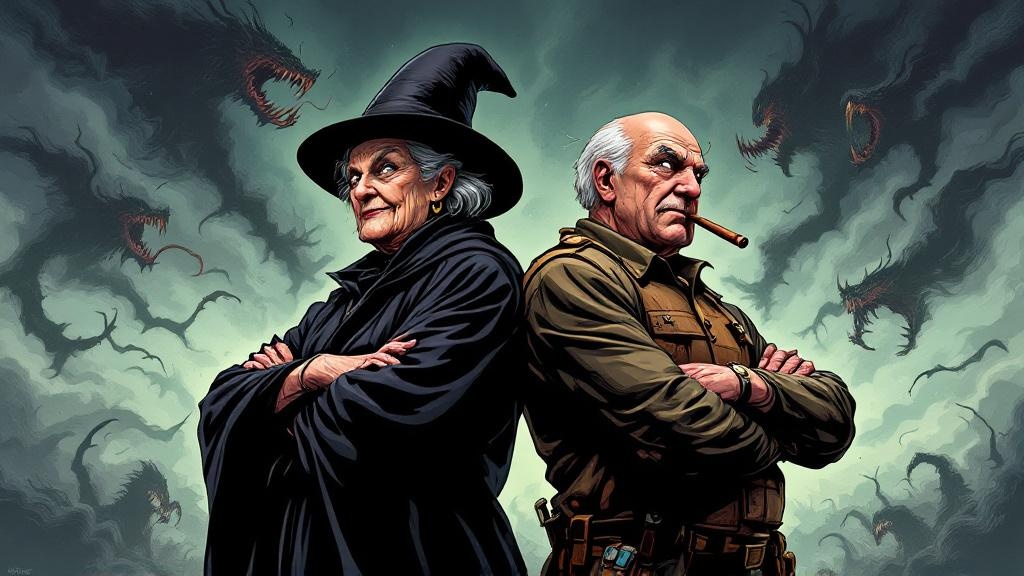
Granny Weatherwax and Sam Vimes never meet, but they're the same character. Both fight inner darkness and choose goodness through effort, not nature.
Granny Weatherwax and Sam Vimes: Two Good People Who Fear Themselves
There's a conversation that never happens in forty-one Discworld novels.
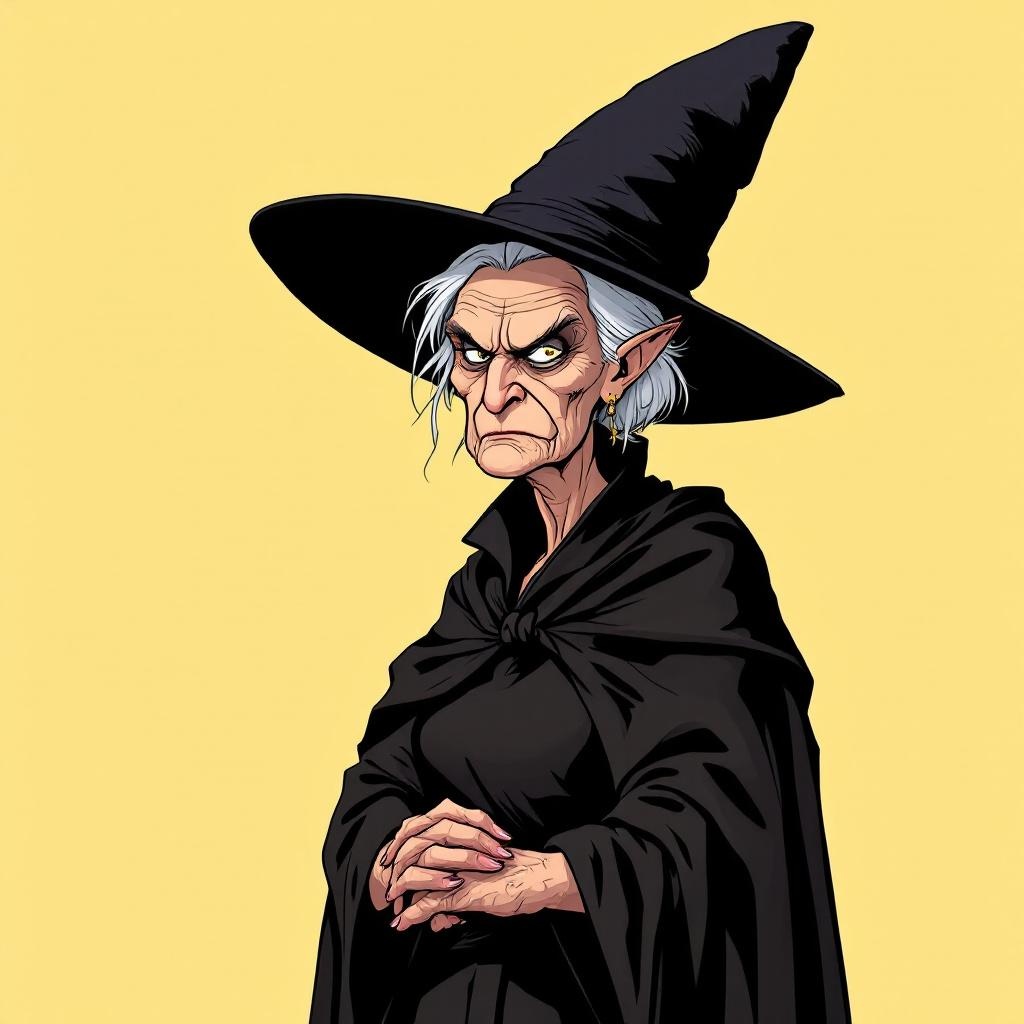
Granny Weatherwax lives in the mountains of Lancre, tending to the sick and terrifying the healthy. Sam Vimes patrols the streets of Ankh-Morpork, arresting people who deserve it and occasionally arresting people who think they're above deserving it. They occupy different sub-series, different geographies, different genres. She does witchcraft. He does police work. They have never shared a scene, never exchanged a word, never so much as been in the same chapter.
And yet they're the same person.
Not literally, obviously. But the fan community spotted the parallel years ago, and academic analysis has since confirmed it. A study in Gender Forum formally described both characters as "effectively 'good' characters who exert a rigid control over the darkness inside themselves, which they secretly fear but—crucially to their characters—are able to conquer." That's not a coincidence. That's a philosophy.
The Darkness They Carry
"After you went I had to be the good one."
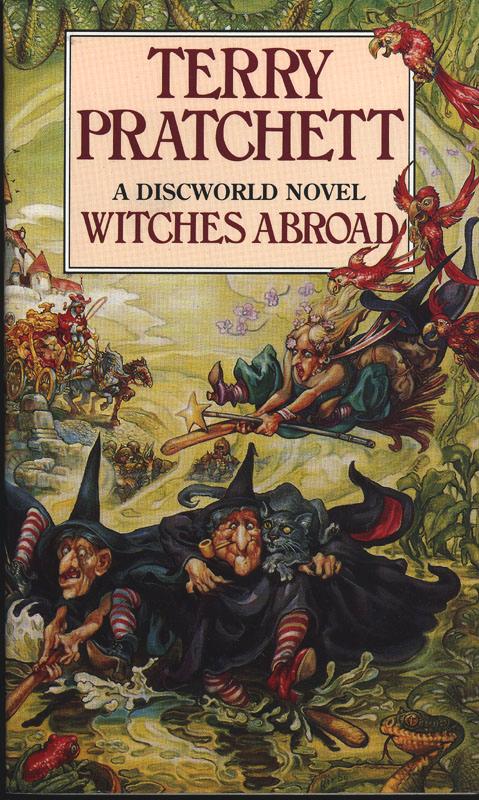
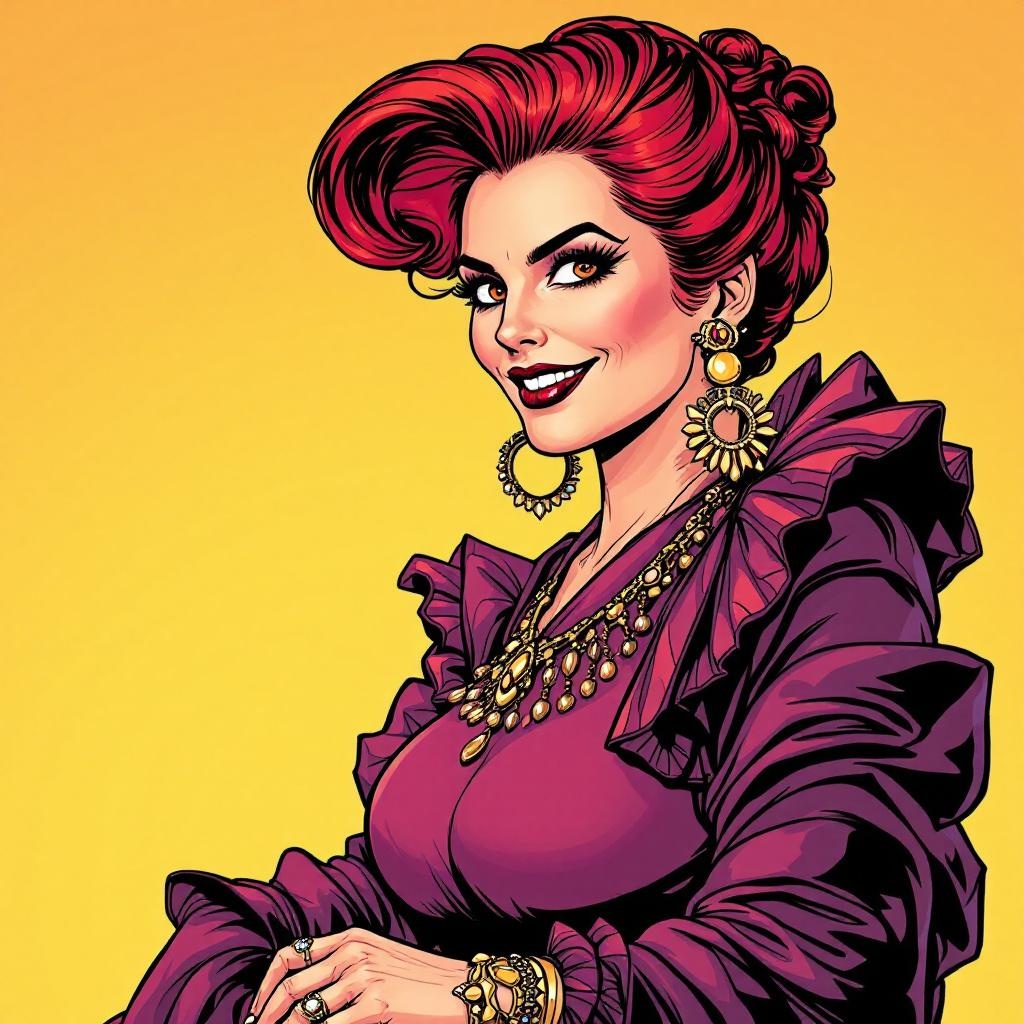
Granny Weatherwax knows she has the personality for villainy. She's competitive, selfish, ambitious, sharp-tempered, and proud enough to hold a grudge across decades. Her sister Lilith—the actual villain of Witches Abroad—left Lancre to pursue power and stories and glamour, and Esme was left behind. "After you went," she tells Lilith, "I had to be the good one."
That word—had—does a lot of heavy lifting. Not chose. Not wanted. Had. Goodness was thrust upon her by circumstance, and she resents it even as she embodies it. The Weatherwax women, as the text tells us, "have always had one foot in shadow. It's in the blood. And most of their power comes from denying it." Granny believes—genuinely believes—that she would have made a better villain than Lilith ever did. She's probably right.
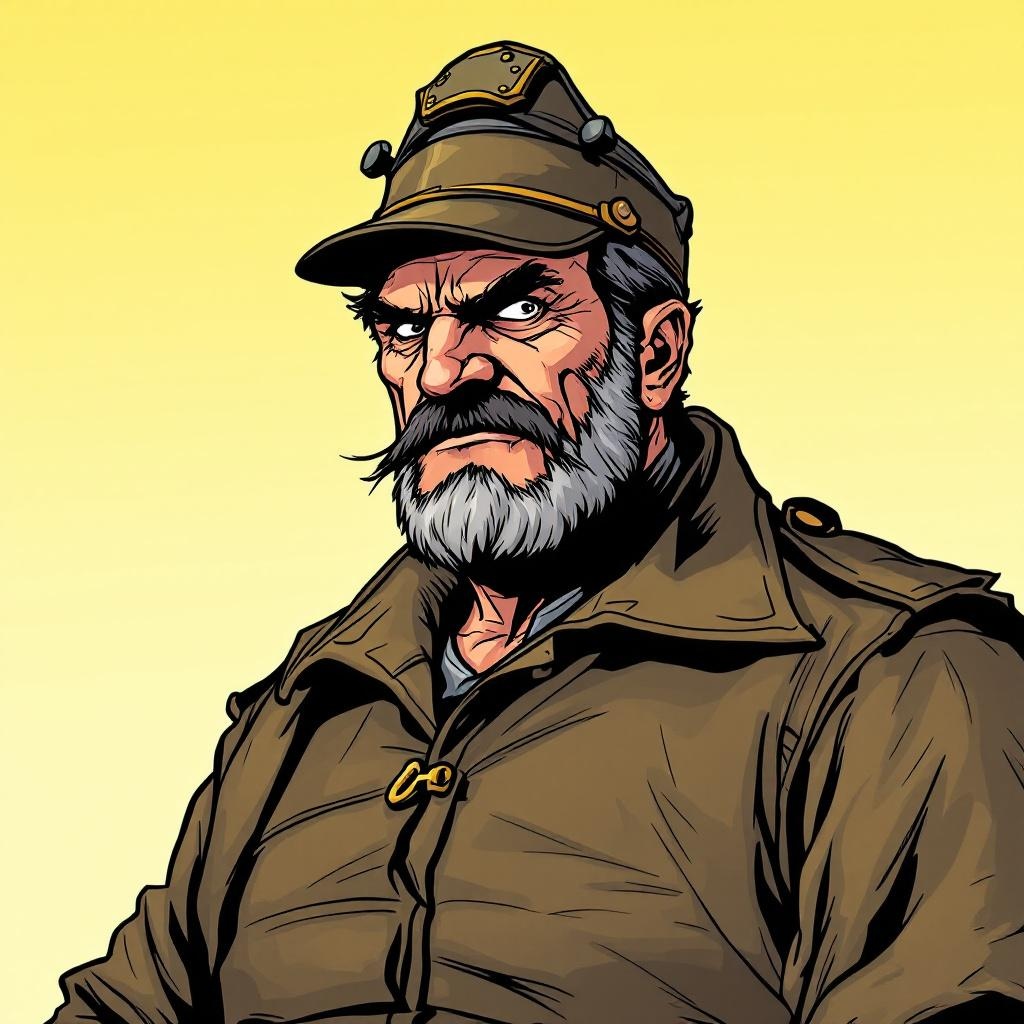
Sam Vimes has The Beast.
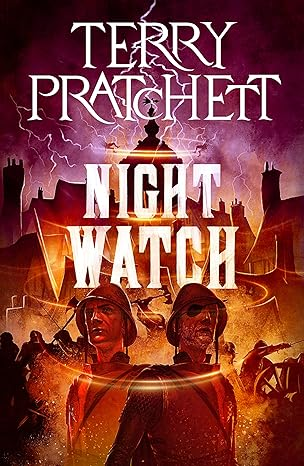
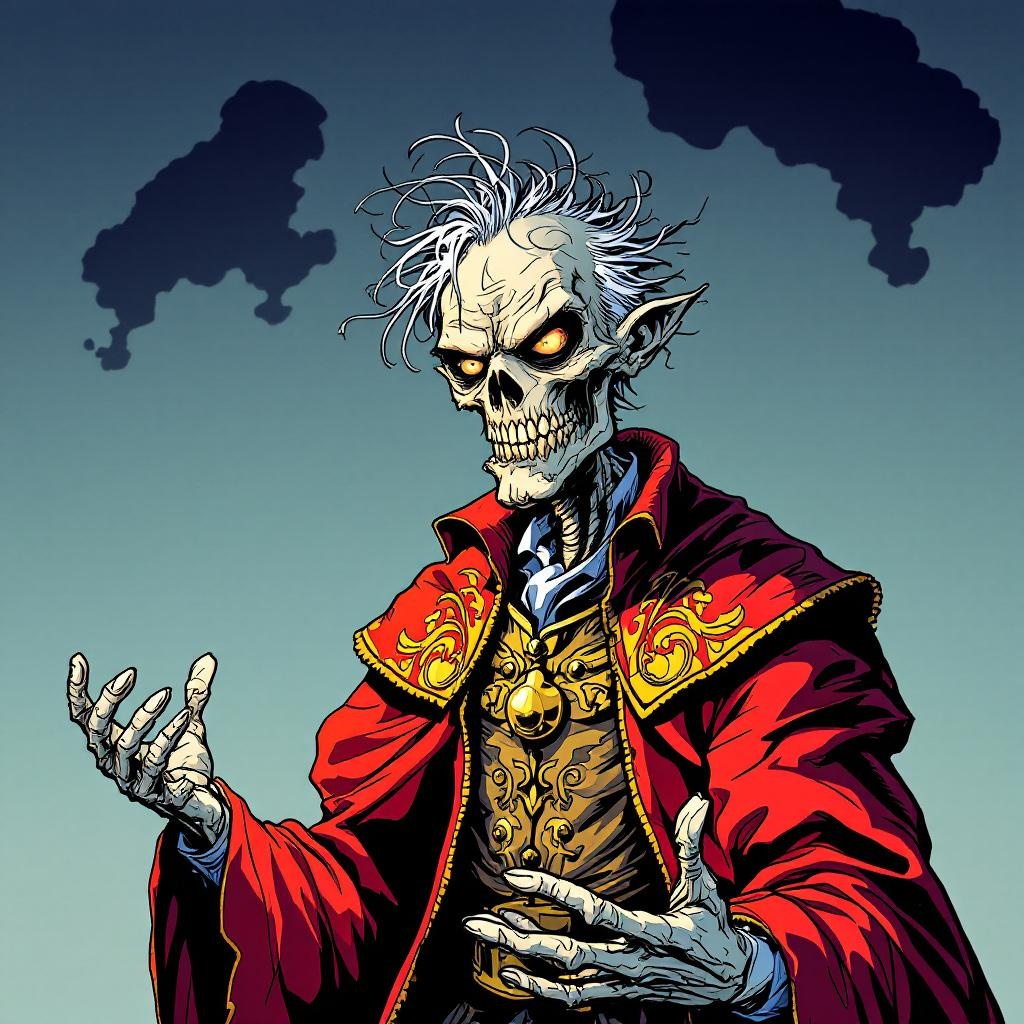
It's not a metaphor. Not entirely. The Beast is Vimes' term for the mindless rage and animalistic instinct he keeps locked behind the symbol of his copper's badge. In Night Watch—whose working title was literally "The Nature of the Beast"—it surfaces when Vimes nearly tortures a prisoner. The red rage builds, his hand starts to move, and then he stops. Because he recognizes it. "There was The Beast, all around him. And that's all it was. A beast. Useful, but still a beast. You could hold it on a chain, and make it dance. It didn't think."
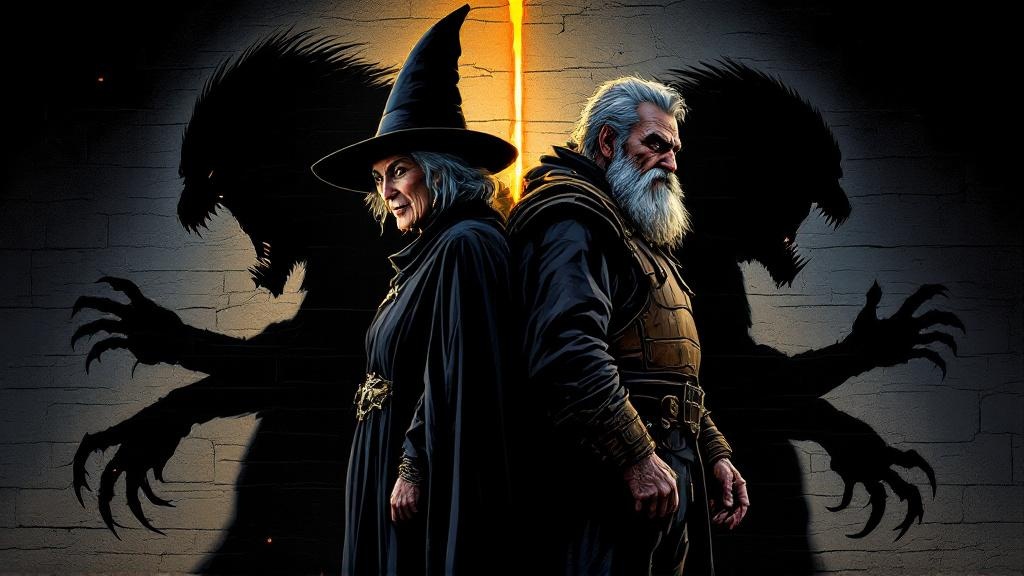
Granny's darkness is an alternate self—a path she didn't take, a sister she might have been. Vimes' darkness is a beast—something primal, subverbal, built from rage and the knowledge that violence is always easier than justice. Different metaphors. Same terror. Both of them lie awake at night knowing exactly what they're capable of, and both of them get up in the morning and choose not to be that.
How They Fight It
Here's where it gets interesting, because they use completely different weapons against the same enemy.
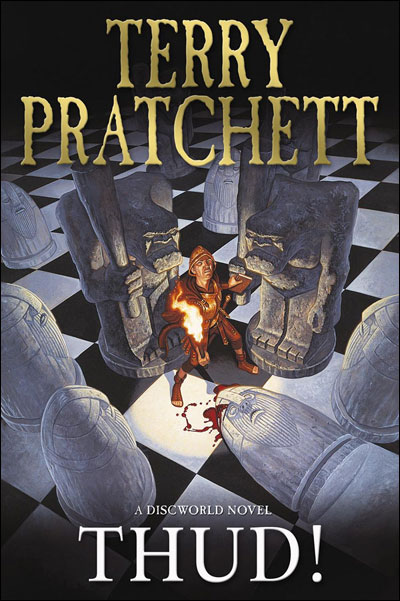
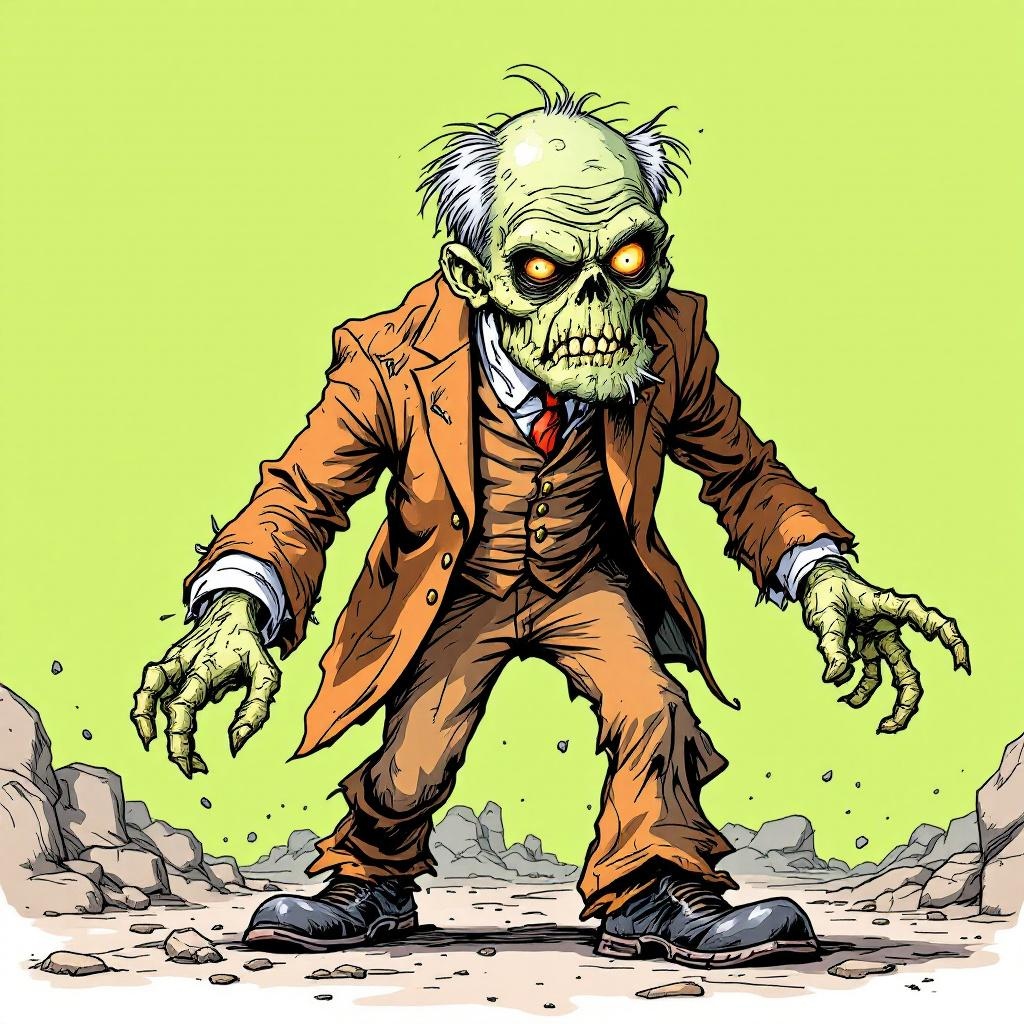
Vimes builds a guardian. By Thud!, his self-control has become so ingrained that it manifests as a literal presence in his mind: The Guarding Dark. When an ancient entity of pure vengeance—the Summoning Dark—tries to possess him, it finds the territory already occupied. "I am not here to keep the darkness out," The Guarding Dark explains. "I am here to keep it in." It then delivers one of the most chilling lines in the series: "Imagine how strong I must be."
"I knows who you are now, Esmerelda Weatherwax, and you don't scare me no more!"
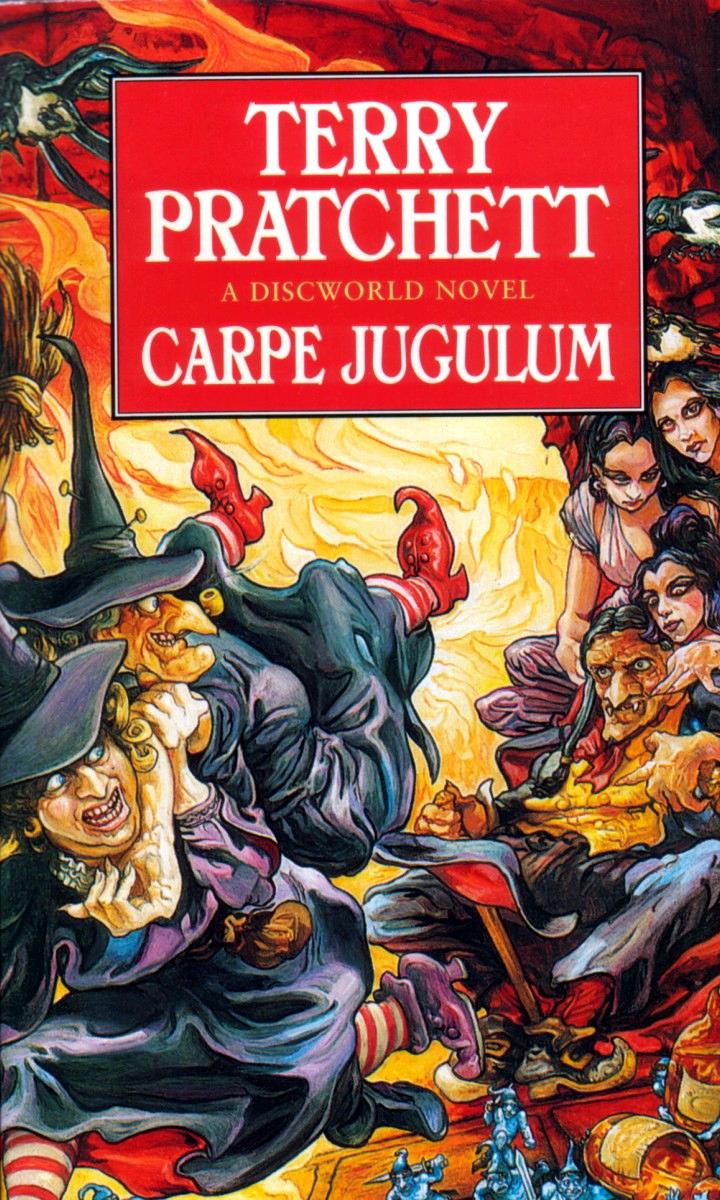
Granny doesn't build a guardian. She faces herself down directly. In Carpe Jugulum, when her dark shadow emerges to taunt her, she confronts it head-on: "I've fought you every day of my life and you'll get no victory now. I knows who you are now, Esmerelda Weatherwax, and you don't scare me no more!" Where Vimes constructed an internal policeman to patrol the streets of his mind, Granny just looked at her worst self and said no. No structure. No mediating force. Pure, obstinate refusal.
The difference tracks with their characters perfectly. Vimes is an institution builder—a man who believes in systems, procedures, the chain of command. Of course his inner defense is a watchman. Granny is a solitary force of will—a woman who trusts nothing and nobody except her own judgement. Of course she fights alone.
Self-Knowledge as Superpower
Both characters weaponize self-knowledge, but the mechanism works differently for each.
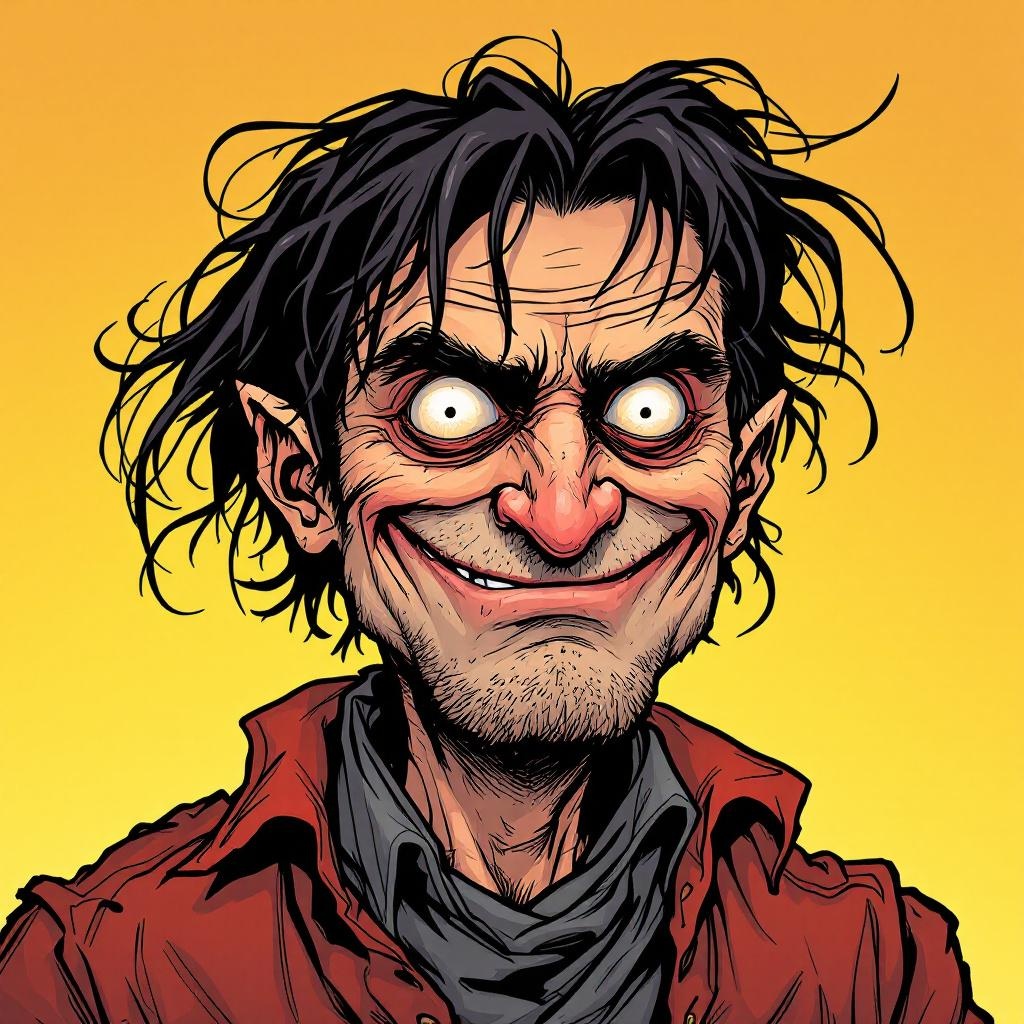
Granny's version is existential. In the mirror maze of Witches Abroad, Death challenges both Weatherwax sisters to find the real one among infinite reflections. Lilith searches endlessly, trapped by her own uncertainty, lost in a hall of mirrors she built herself. Granny points and says: "This one." No hesitation. No searching. She never needed to find herself because she always knew who was doing the looking.
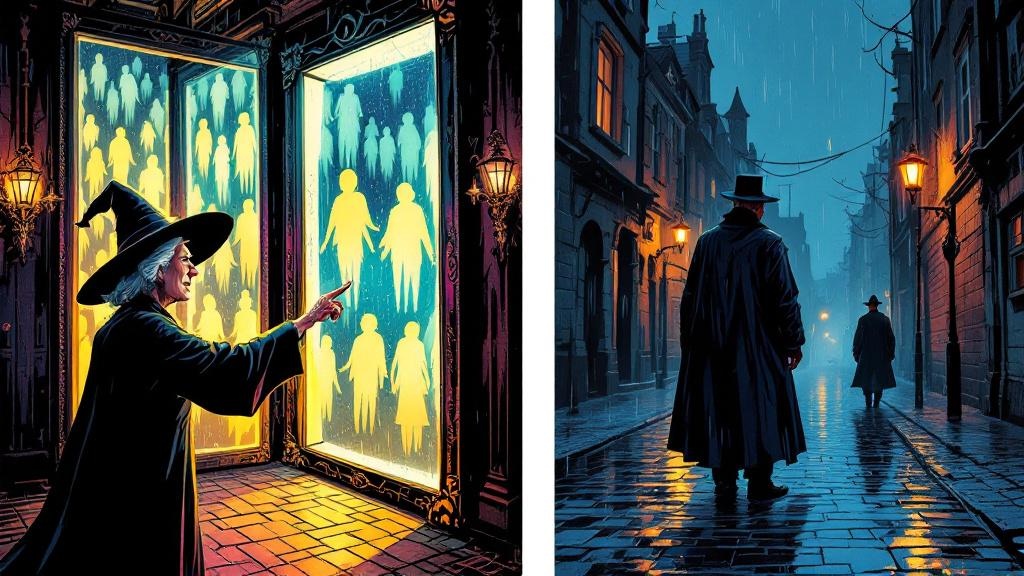
Vimes' version is psychological. Pratchett wrote that "Vimes is fundamentally a person who fears he may be a bad person because he knows what he thinks rather than just what he says and does. He chokes off all of those little reactions and impulses, but he knows what they are." That knowledge—that unflinching inventory of every dark thought—is precisely what makes The Guarding Dark so powerful. Vimes didn't become his own watchman by pretending to be good. He became it by cataloguing every way he could be bad and choosing, thought by thought, not to be.
Both of them understand something most heroes don't: you can't fight what you won't acknowledge. Denial makes you Lilith, searching mirrors forever. Denial makes you Carcer, the murderer who genuinely believed he was the victim. The only defense against your own darkness is knowing it by name—and Granny and Vimes both know their darkness on a first-name basis.
The Parallels Nobody Planned
The structural similarities between these two characters are almost eerie when you line them up.
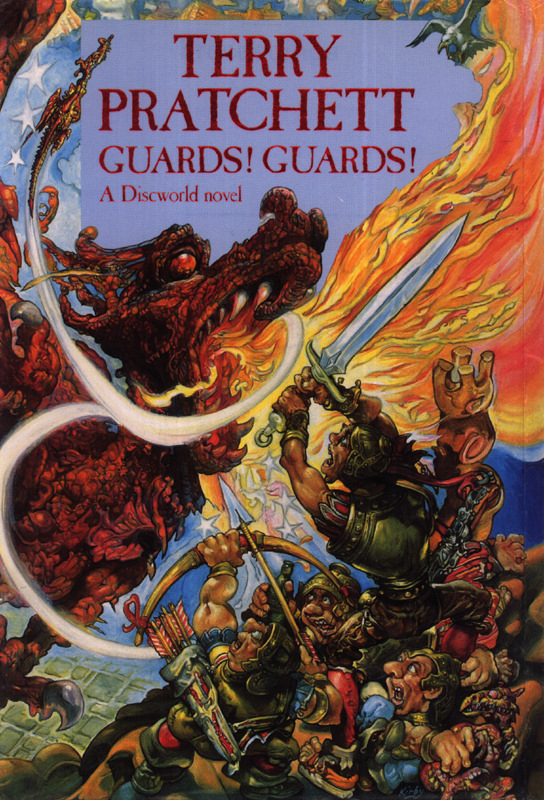
Both started at the bottom. Vimes was a drunk in a gutter in Guards! Guards!. Granny was the sister who got left behind. Both built themselves into forces of nature through pure stubbornness rather than talent or destiny.
Both distrust authority despite being authority. Vimes is a Duke who insists on being called Commander. Granny is the leader of witches who don't have leaders. "Witches don't have leaders," Pratchett wrote. "Granny Weatherwax was the most highly-regarded of the leaders they didn't have."
"Imagine how strong I must be."
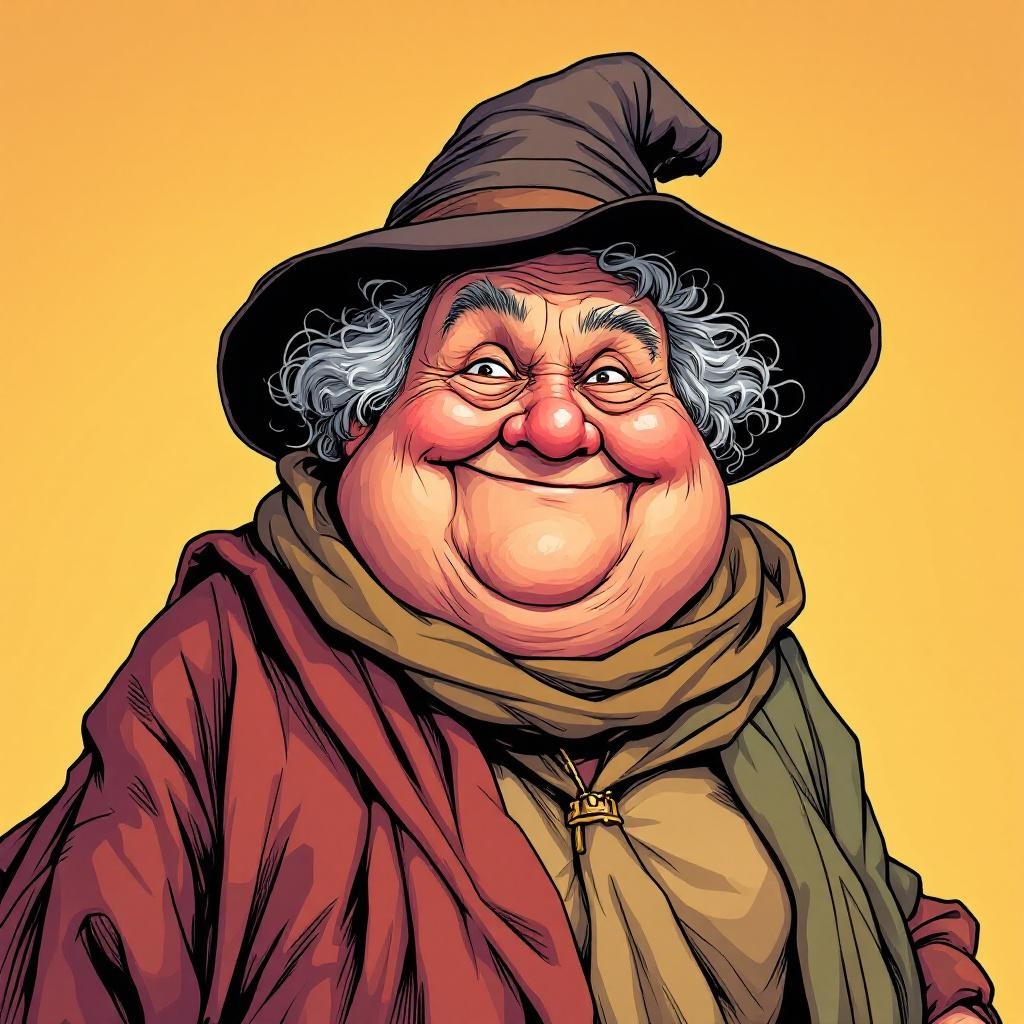
Both are fundamentally alone. Vimes has Sybil and Young Sam, but his inner life is a solitary patrol through rain-slicked streets. Granny has Nanny Ogg, but she lives alone in a cottage and does her hardest work—the Borrowing, the confrontations, the choosing—without witnesses. Their goodness is not performed. It exists whether or not anyone is watching.
Both refuse comfort. Vimes wears thin-soled boots so he can feel the cobblestones. Granny sleeps in a hard bed and lives without luxury. Neither of them trusts ease. Ease is what happens when you stop paying attention, and they can't afford to stop paying attention because they know what they'd become if they did.
And both are respected across species. Trolls call Granny "Aaoograha hoa"—She Who Must Be Avoided. Dwarfs call her "K'ez'rek d'b'duz"—Go Around the Other Side of the Mountain. Vimes earned the respect of dwarfs and trolls by policing them fairly, even when it cost him. Reputation, for both of them, isn't marketing. It's the accumulated weight of consistently doing the hard right thing instead of the easy wrong one.
Why They Never Meet
Fans have debated this for years. Pratchett kept his sub-series largely separate—the Witches in Lancre, the Watch in Ankh-Morpork—but characters do cross over occasionally. Rincewind wanders through Watch books. The Witches visit the city in Maskerade. Why not Granny and Vimes?
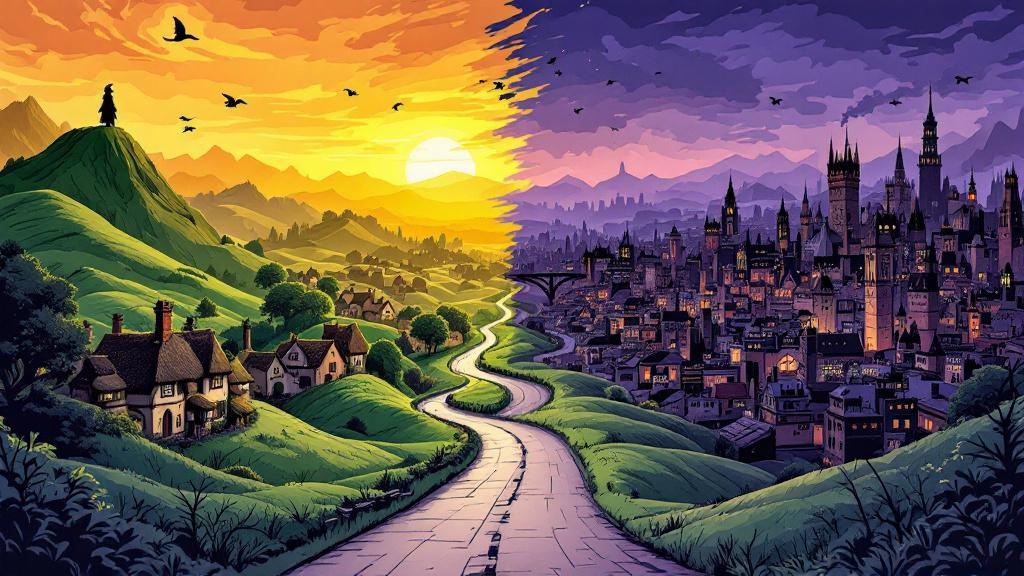
The honest answer is probably that it would break something. They serve the same thematic function—the person who chooses goodness through effort, not nature—and putting them in the same room would be like having two protagonists solving the same philosophical problem simultaneously. Either they'd clash spectacularly and overshadow whatever plot they were in, or they'd recognize each other as kindred spirits and have nothing left to prove. Neither option serves a story well.
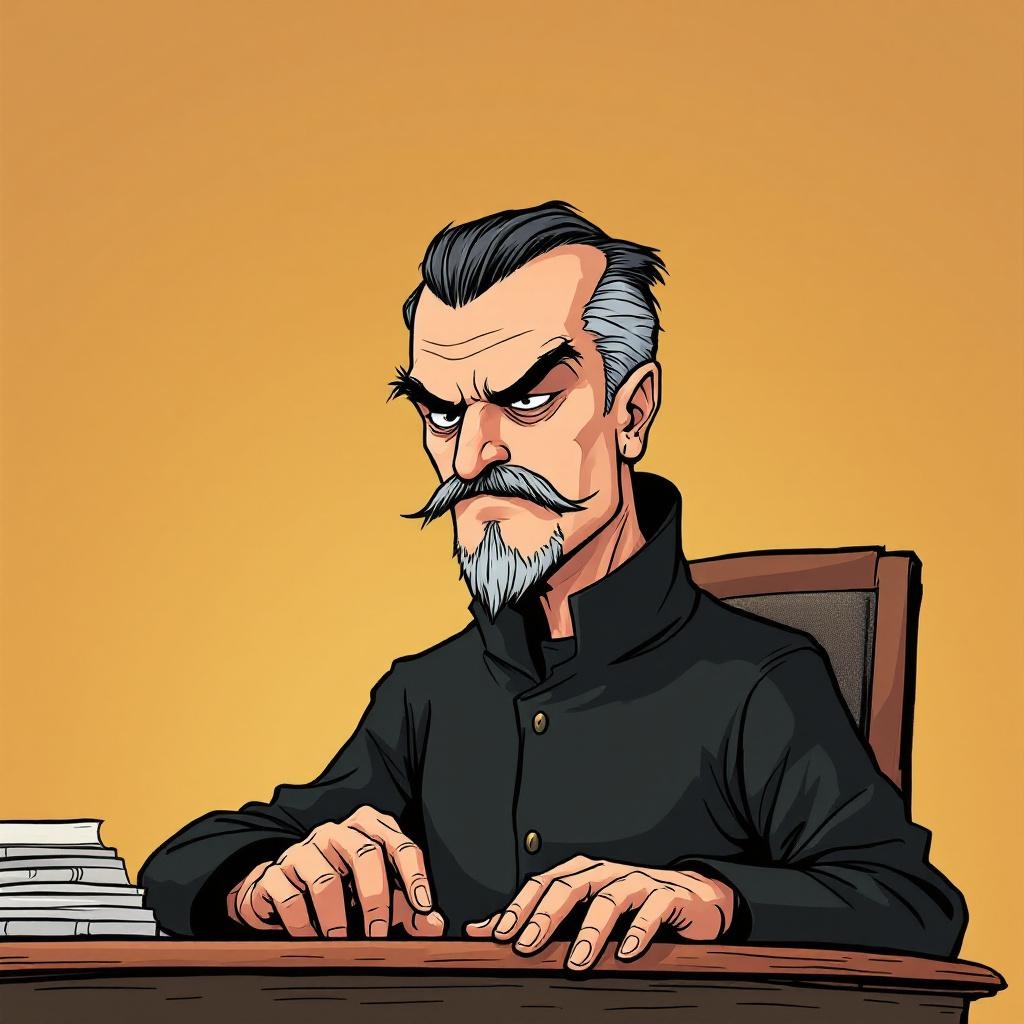
There's a fan observation that gets at something deeper: "Vimes is Nanny Ogg to Vetinari's Granny Weatherwax." The dynamic is already mirrored. Vetinari is the cold, calculating genius who runs things through sheer force of intelligence. Vimes is the stubborn, emotional counterweight who keeps the system honest. That maps onto Granny and Nanny almost perfectly—except Nanny is genuinely warm where Vimes is angry, and Vetinari is amoral where Granny is fiercely moral.
The real reason might be simpler than narrative theory. Pratchett needed to say the same thing twice—that goodness is a choice, not a trait—because he needed to say it in two different contexts. Granny says it in the context of magic, folklore, and the power of stories. Vimes says it in the context of law, justice, and the power of institutions. Together, they prove that the idea works everywhere. That it's not a Lancre thing or an Ankh-Morpork thing. It's a human thing.
The Philosophy of Chosen Goodness
Strip away the witchcraft and the police work, and what Pratchett built with these two characters is an argument. A sustained, forty-one-book argument against the idea that people are simply born good or evil.
Granny could have been the villain. She says so. Her family history says so. Her personality says so. Vimes could have been a thug—a violent drunk who hurt people because hurting people felt good. His Beast says so. His darkest impulses say so. Neither of them had the luxury of being naturally virtuous.
And that, Pratchett insists, is exactly what makes them heroes.
Not the dragons slain or the vampires Weatherwaxed. Not the arrests made or the wars prevented. The heroism is in the daily, invisible, thankless work of choosing—again and again, thought by thought, moment by moment—to face the right direction. Even when the wrong direction would be easier. Even when nobody's watching. Especially when nobody's watching.
"P'raps what matters is which way you face," Granny tells a doubting priest in Carpe Jugulum.
"That! Is! Not! My! Cow!" Vimes screams in a cave in Thud!, reading to his son while an ancient evil tries to consume his mind, because the ritual of being a good father is the anchor that keeps the darkness at bay.
Different words. Same refusal to stop trying.
For more on these characters, read about The Beast that Vimes keeps caged, Granny's burden of forced goodness, the mirror test that proved Granny's identity, and Granny's complete moral philosophy. To see Vimes' darkness in action, explore the Night Watch time travel and his war with his own success.