The Beast: How Sam Vimes Fights His Own Darkness
Sam Vimes keeps his rage locked away in what he calls 'the Beast.' Here's how Pratchett's greatest character battles the darkness inside himself.
The Beast: How Sam Vimes Fights His Own Darkness
Most fantasy heroes fight dragons. Sam Vimes fights himself.
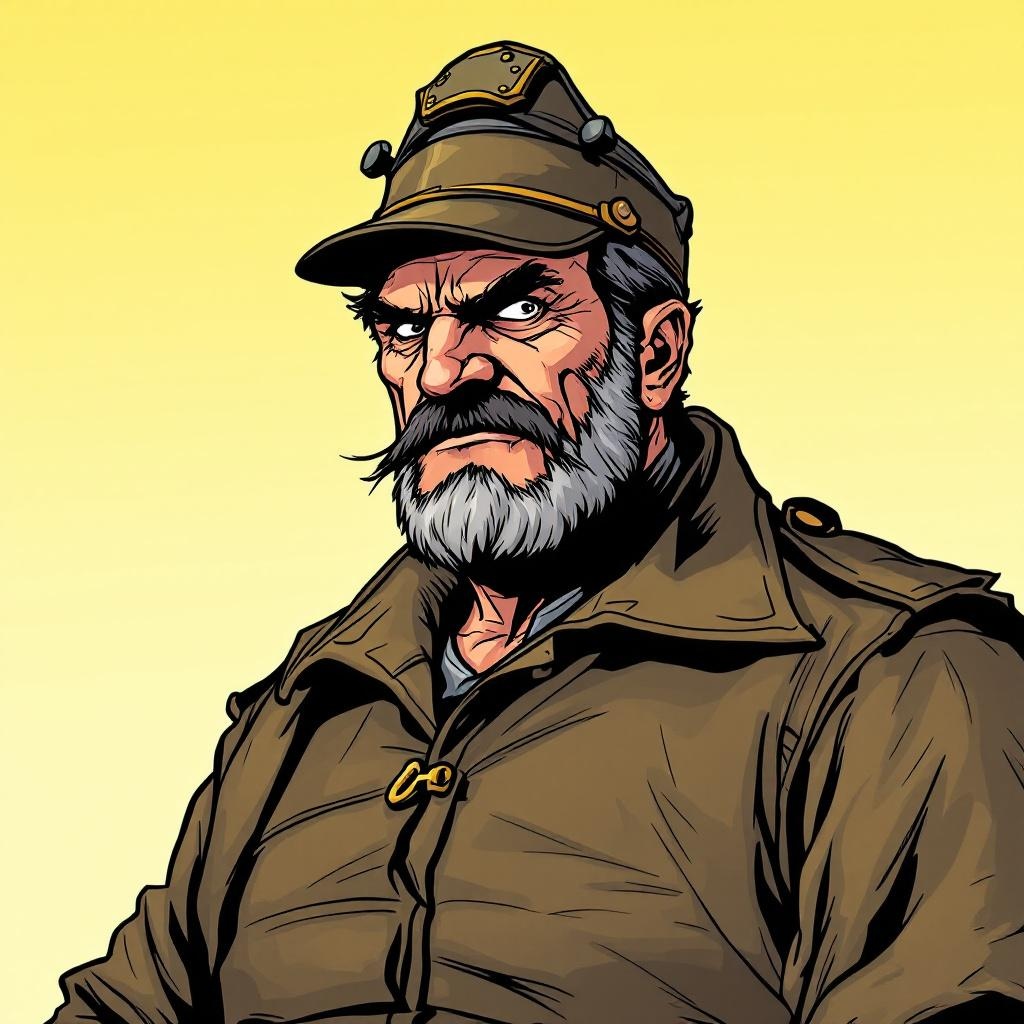
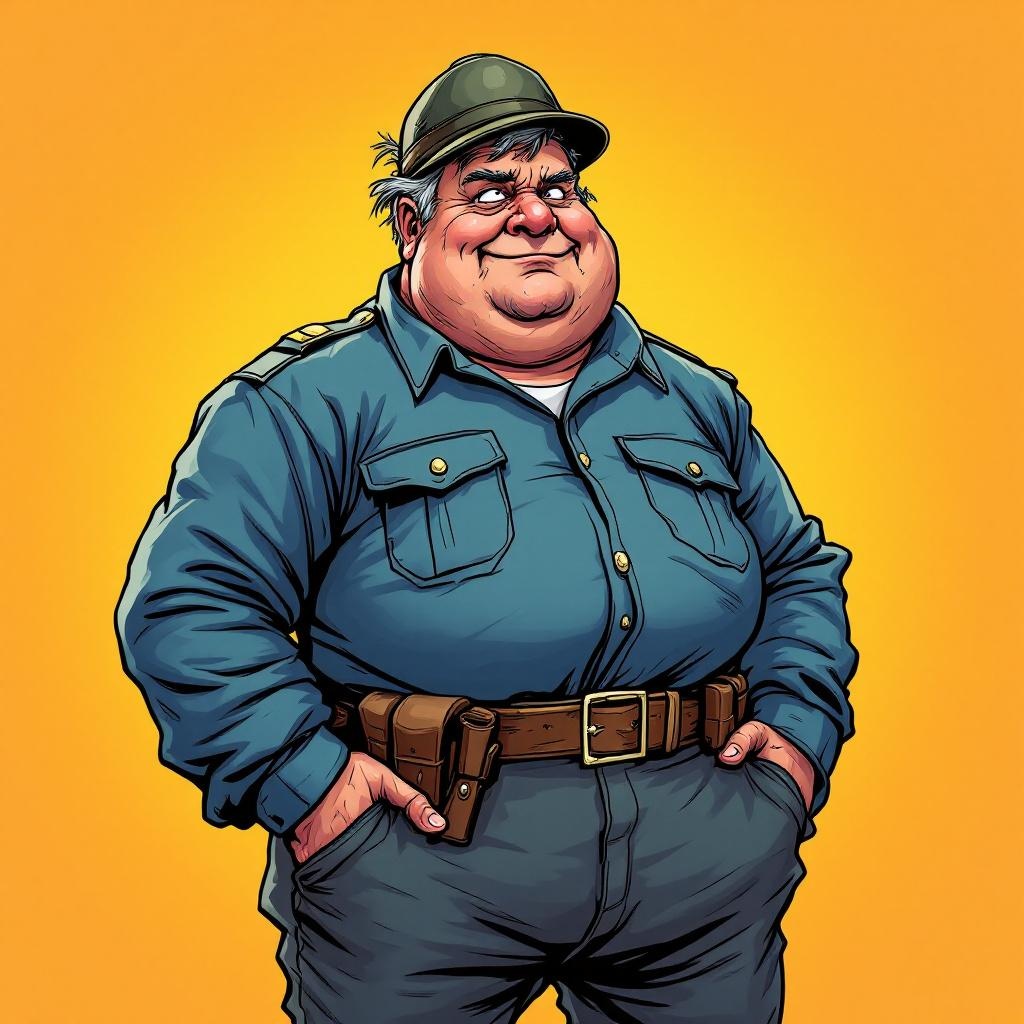
Terry Pratchett created one of literature's most compelling characters in the Commander of the Ankh-Morpork City Watch—not because Vimes is particularly powerful or clever, but because he's honest about what lives inside him. Vimes has locked away all of his mindless rage and animalistic instinct in what he calls "the Beast." And every day, he chooses not to let it out.
That's not a power fantasy. That's something much more interesting: a character who's good because he works at it.
What Is The Beast?
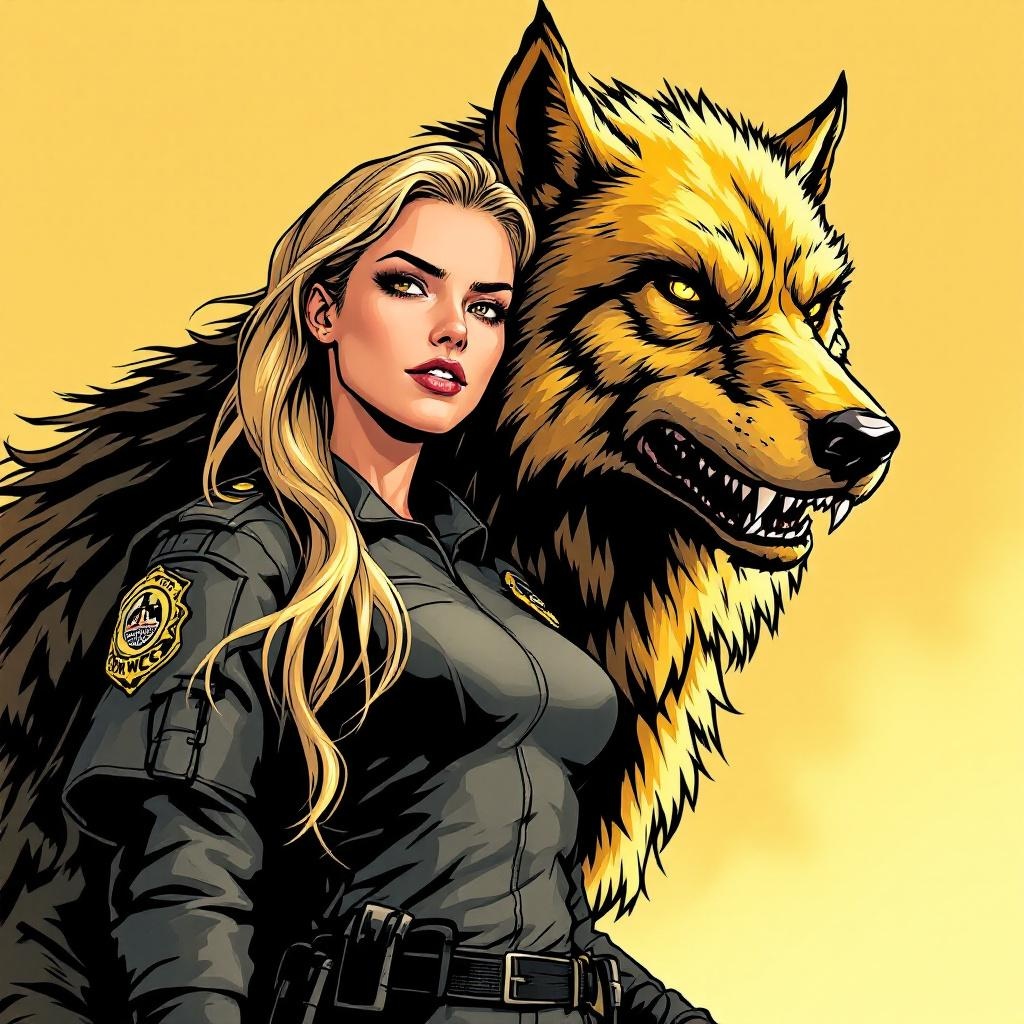
The Beast isn't a metaphor. At least, not entirely.
In Pratchett's own words from The Art of Discworld, Vimes protects himself from the Beast with the symbol of his own badge—the copper's badge that represents law, order, and the choice not to become the criminals he hunts. The badge doesn't make him good. It reminds him that he decided to be good, and he's too stubborn to change his mind.
"Vimes is fundamentally a person who fears he may be a bad person because he knows what he thinks rather than just what he says and does."
What makes this so compelling is that Vimes doesn't pretend the darkness isn't there. He doesn't claim to be naturally virtuous. Pratchett wrote that "Vimes is fundamentally a person who fears he may be a bad person because he knows what he thinks rather than just what he says and does. He chokes off all of those little reactions and impulses, but he knows what they are."
That's a radical kind of honesty for a protagonist. Most heroes are good because they're good—it's simply their nature. Vimes is good because he's terrified of what he'd become if he stopped trying.
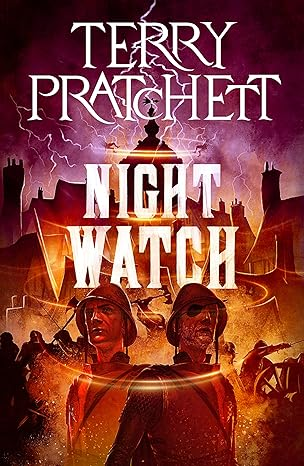
The Beast first surfaces as a named concept in Night Watch, though its presence haunts the entire Watch series. It's the part of Vimes that wants to solve problems with violence, that whispers how much simpler everything would be if he just stopped caring about rules and justice and the law. It's the voice that notes how easy it would be to kill certain people who deserve it.
Night Watch: The Beast's First Test
The working title for Night Watch was "The Nature of the Beast." That's not an accident.
When Vimes is thrown back in time, he ends up mentoring his younger self—the idealistic young copper who doesn't yet know what the world will do to him. And it's in this book that we see the Beast most clearly, because we see what created it.
There's a scene in the Unmentionables' headquarters—the secret police torture chambers—that Pratchett handles with remarkable restraint. He doesn't describe what Vimes and his younger self find there. He doesn't need to. The horror is in the reactions: Young Sam emerging from the cells in tears, having just discovered what happened to all the people the Watch handed over to the secret police.
Young Sam wants to kill the torturer. And older Vimes stops him.
This is the Beast's test. Vimes has every reason to let his younger self do what he wants—what Vimes himself wants, deep down. The man in that chair deserves it. No one would blame them. The city is in chaos. Who would even know?
But Vimes knows what that choice would do to Young Sam. He's lived with the consequences of the choices you make when you're angry. So he stops it—and in doing so, teaches his past self the lesson that will define both of their lives: you don't get to become the monster just because you're fighting monsters.
Later, when they set fire to the building, Vimes realizes he left the torturer strapped to a chair in the basement. His younger self thinks he did it on purpose—a fitting end for an evil man. Vimes runs back into the burning building to free him.
Not because the man deserves to live. Because Vimes can't be the kind of person who lets someone burn.
That's what separates the Beast from Vimes. The Beast doesn't care about that distinction. Vimes must care, or he stops being Vimes.
The Carcer Problem
The novel's villain, Carcer Dun, is the Beast's dark mirror. Carcer is what Vimes might have become if he'd given up—a copper who stopped believing in the law and started believing only in power.
Carcer kills casually and without remorse. He understands exactly what he is and doesn't care. He's free in a way that Vimes can never allow himself to be free, because Vimes carries the weight of every choice he forces himself to make correctly.
"He chokes off all of those little reactions and impulses, but he knows what they are."— Terry Pratchett
Near the end of Night Watch, Vimes finally has Carcer cornered. He has a weapon. Carcer has killed people Vimes cared about. No one would question it if Carcer died "resisting arrest."
The Beast strains at its chains.
And Vimes arrests him anyway. Because that's what coppers do. Because the law isn't just for people you like. Because once you start making exceptions, you don't stop.
It's not a triumphant moment. It's not cathartic. Vimes doesn't feel good about it. He feels like he's holding back a tidal wave with his bare hands. But he does it, because the alternative is letting the Beast win—and then there's no difference between him and Carcer at all.
Thud! and the Summoning Dark
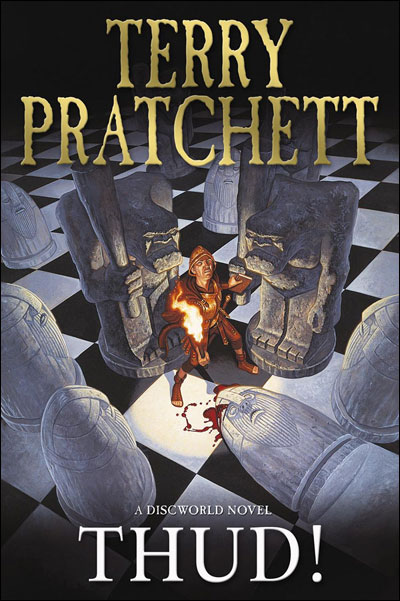
If Night Watch shows us what created the Beast, Thud! shows us what happens when something even darker tries to take advantage of it.
The Summoning Dark is an ancient dwarfish entity—a quasi-demonic thing of pure vengeance that's been called into existence by hatred and murder. It possesses Vimes after he pricks his thumb on a mine sign, and it spends the novel trying to use his rage to kill.
It picked the wrong host.
The Summoning Dark finds Vimes's mind shaped like Ankh-Morpork itself—rainy, dark, and full of streets that go nowhere good. It finds anger there, plenty of it. But every time it tries to use that anger to take control, something throws it back.
Then the animals arrive.
Not the Beast. Something stranger. The streets of Vimes's mind fill with fluffy ducklings and moo-moo cows, with a giant rocking lamb thundering over the cobblestones. Because it's nearly six o'clock, and Vimes reads Where's My Cow? to his son at six o'clock. Every. Single. Day.
The Summoning Dark, an entity of pure vengeance that has destroyed minds for millennia, gets trapped by nursery rhyme animals.
The Guarding Dark
And then something else shows up. Something wearing a watchman's helmet.
The Guarding Dark introduces itself to the Summoning Dark with words that have become some of Pratchett's most quoted: "Who watches the watchmen? Me. I watch him. Always."
This is Vimes's true nature made manifest. Not the Beast—though the Beast is real, and dangerous, and always there. But the thing that watches the Beast. The internal watchman who patrols the streets of his own mind, keeping the darkness locked in rather than keeping it out.
"Who watches the watchmen? Me. I watch him. Always."
The Summoning Dark is ancient, powerful, and utterly dedicated to vengeance. The Guarding Dark defeats it without breaking a sweat.
Because here's the thing about Vimes: his darkness might be real, but so is his dedication to fighting it. The same intensity that fuels the Beast also fuels the Guarding Dark. Every day that Vimes chooses to be good makes the Guarding Dark stronger. Every time he arrests someone instead of killing them, reads to his son instead of giving in to rage, puts on the badge instead of throwing it away—he's building something.
The Summoning Dark never stood a chance. Vimes has been fighting something worse than it for decades.
What Makes a Good Person?
Pratchett's answer to this question is uncomfortable for readers who prefer their heroes simple.
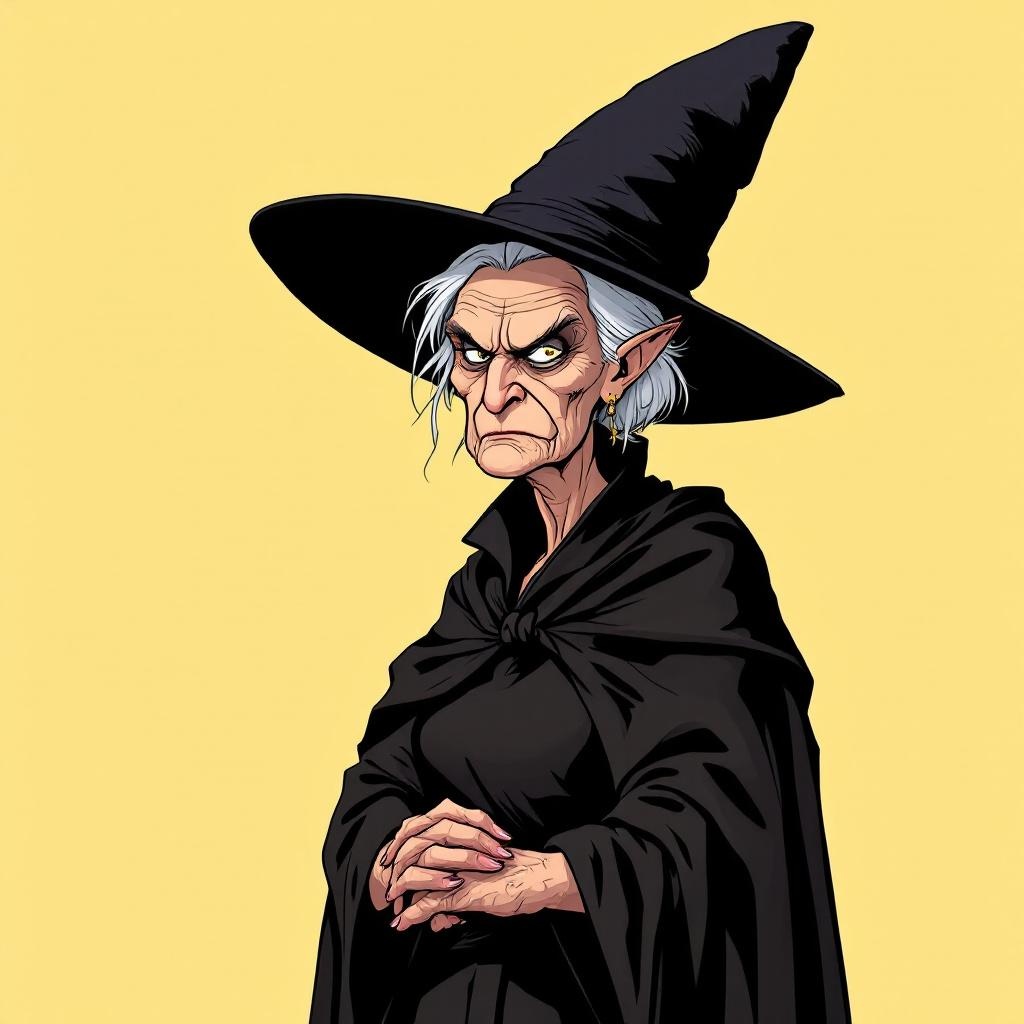
Granny Weatherwax understands this. She and Vimes never meet in the books, but fans have long noted how similar they are—two people who could have been terrifying villains if they'd made different choices, who constantly work to ensure they never make those choices.
Goodness, in Pratchett's world, isn't about what you're born with. It's about effort. It's about looking at the Beast inside yourself and saying, "No. Not today. Not ever."
That's harder than being naturally good. And it's also more admirable, because it's chosen.
Vimes isn't a power fantasy. He's something rarer: a character study of what it means to be good in a world that makes it easy to be bad. He doesn't win because he's stronger or cleverer or destined for greatness. He wins because every single day, he makes the same choice again.
He puts on the badge. He locks up the Beast. He goes to work.
And the turtle moves.
Where to Experience the Beast
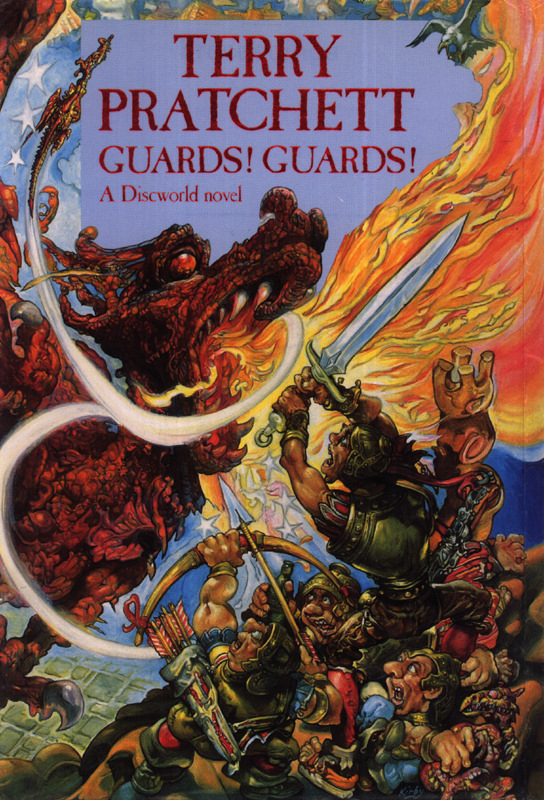
If you want to understand Vimes's internal darkness, these are the essential reads:
Want to explore more of what makes Sam Vimes tick? Read about the Boots Theory and economic inequality, or discover his relationship with Lord Vetinari.