The Boots Theory: How a Fantasy Novel Explains Poverty
Sam Vimes' observation about boots in Men at Arms became a real-world framework for understanding economic inequality. Here's how fiction became policy.
The Boots Theory: How a Fantasy Novel Explains Poverty
In 1993, Terry Pratchett wrote a paragraph about boots. Thirty years later, that paragraph has been cited in academic papers, discussed in the UK Parliament, and inspired a price index that changed how the British government measures inflation.
Not bad for a fantasy novel about a drunk cop and a dragon.
The Original Observation
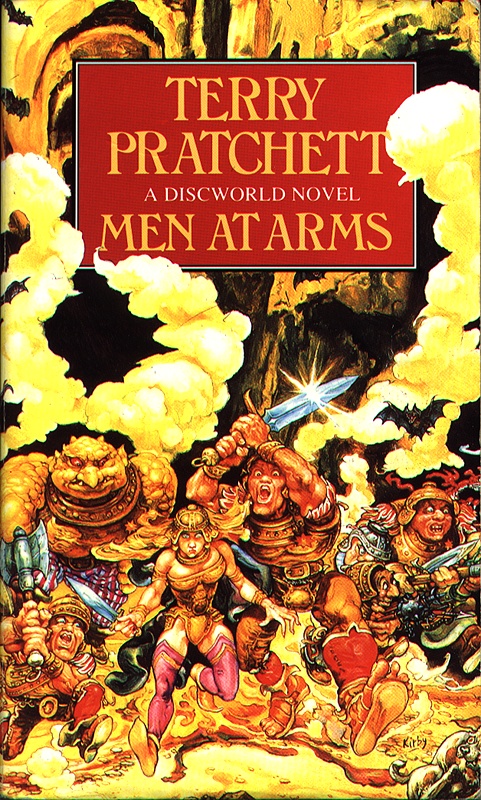
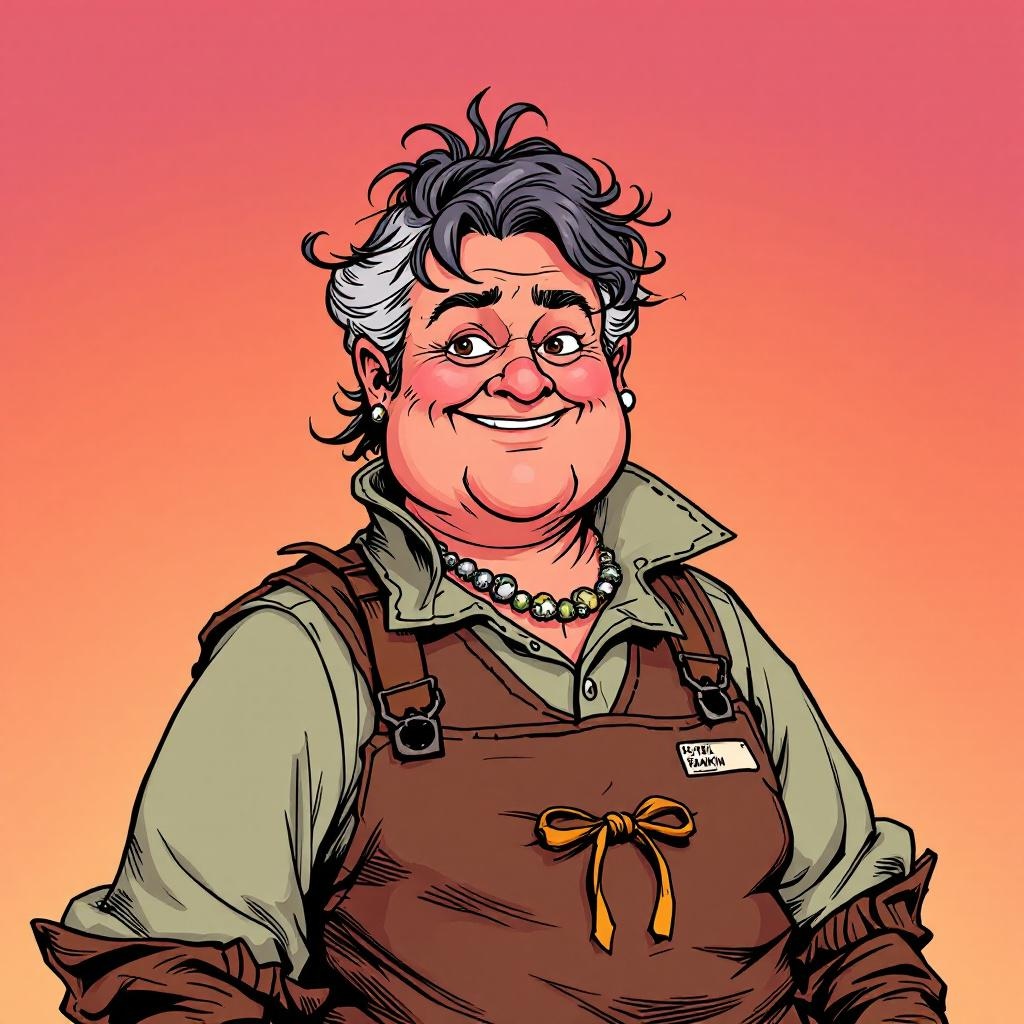
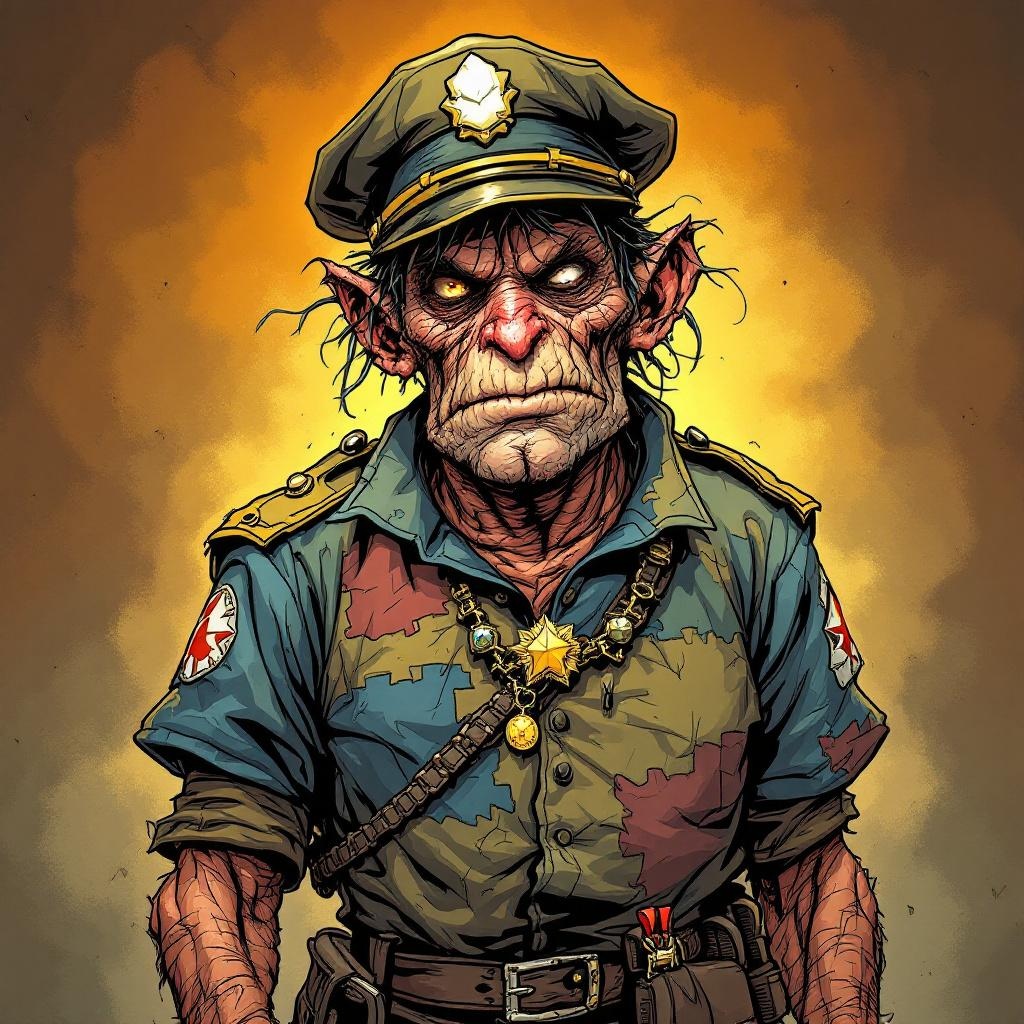
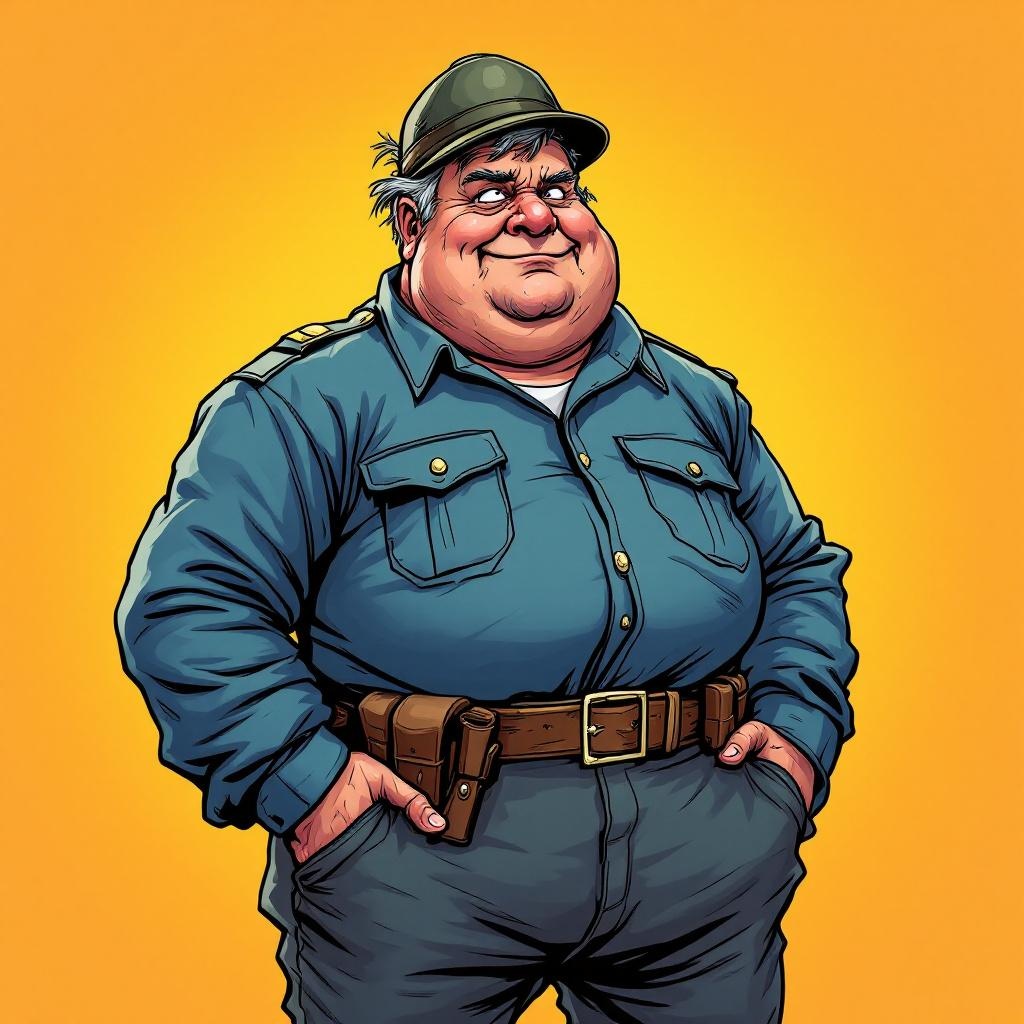
In Men at Arms, the fifteenth Discworld novel, Captain Sam Vimes of the Ankh-Morpork City Watch is about to marry Lady Sybil Ramkin, one of the richest women in the city. As he contemplates the wealth disparity between them, his mind turns to boots.
Vimes earns thirty-eight dollars a month. A really good pair of leather boots costs fifty dollars—more than a month's wages. But those boots would last for years, keeping your feet dry through a decade of patrols. The affordable alternative? Ten-dollar boots that fall apart after a season or two, leaking as soon as the cardboard gives out.
Here's the math that haunts him: A man who can afford fifty dollars has dry feet for ten years. A man who can only afford ten dollars spends a hundred dollars over the same period—and still has wet feet at the end.
This is the Captain Samuel Vimes "Boots" Theory of Socioeconomic Unfairness.
It's not just about boots, of course. Pratchett was articulating something that poor people have always known and economists have struggled to quantify: being poor is expensive.

Why This Resonates
The boots theory isn't technically novel. The concept of a "poverty premium"—where low-income people pay more for essential goods and services—has been discussed by economists for decades. But Pratchett's formulation has something academic papers lack: clarity, brevity, and a cop with wet feet.
"Being poor is expensive."
The theory goes viral every time austerity measures hit, every time prices rise disproportionately for basics, every time someone tries to explain why poor people don't "just buy better quality things." It's become shorthand for a complex economic reality.
Here's why it works so well:
It's concrete. Not abstract economic theory—boots. Wet feet. Everyone understands wet feet.
It inverts expectations. The rich spend less money? That's counterintuitive enough to stick in your head.
It removes moral judgment. Vimes isn't saying poor people make bad choices. He's saying the choices available to them are structurally worse.
It comes from a sympathetic character. Sam Vimes grew up in Cockbill Street, Ankh-Morpork's poorest neighborhood. He knows what he's talking about because he lived it.
From Fiction to Policy
The boots theory stayed in fan circles for years—a beloved quote, a bit of Pratchett wisdom. Then 2022 happened.
Jack Monroe and the Vimes Boots Index
In January 2022, the UK Office for National Statistics announced that inflation had reached 5.4%. Anti-poverty campaigner and food writer Jack Monroe pushed back, hard.
The official inflation figure, Monroe argued, "grossly underestimates the true cost-of-living crisis." The poorest weren't experiencing 5.4% inflation—they were experiencing something much worse. The cheapest products were disappearing from shelves or skyrocketing in price, while premium products stayed stable.
Monroe provided receipts. Literally. Sainsbury's Basics stock cubes had gone from 10p in 2012 to 39p in 2022—a 290% increase. Asda's cheapest pasta had jumped from 29p to 70p when the budget line was discontinued—a 141% increase overnight.
The proposed solution? The Vimes Boots Index—a price tracker specifically designed to measure inflation as experienced by the poorest shoppers.
The Response
The concept exploded. Within days:
- Rhianna Pratchett, Terry's daughter, publicly endorsed the idea, saying her father "would be proud to see his work used in such a way"
- The Pratchett estate gave their blessing to use the Vimes name
- The story was covered by major outlets including Fortune, The Guardian, and the BBC
- The Scottish Parliament formally discussed the index and the limitations of single-rate inflation measures
And then something remarkable happened: the government changed course.
The Office for National Statistics acknowledged the shortcomings of their existing methods and announced they would include income factors in future cost-of-living assessments. By October 2022, they published an experimental report tracking price changes in lowest-cost staples—essentially the Vimes Boots Index in all but name.
A fictional observation about boots had influenced how a major government measures economic reality.

Beyond Boots: Where the Theory Applies
The boots example is vivid, but the principle extends far beyond footwear. Here's how the poverty premium manifests across modern life:
Housing
Renting costs more than a mortgage in most markets. But you need a deposit, credit history, and stable income to buy. So the poor pay more per month for housing they'll never own, building no equity, while their wealthier neighbors pay less and accumulate wealth.
Credit
Need to borrow money? The less you have, the more it costs. Payday loans, overdraft fees, higher interest rates on credit cards—all target people who can least afford them. A $25 purchase on credit can cost $37 by the time it's paid off.
Transportation
Can't afford a reliable car? You'll spend more on repairs, towing, missed work, and emergency transportation than a newer vehicle would have cost in payments. Or you'll spend hours on public transit that a car owner covers in minutes.
Food
Buying in bulk is cheaper per unit—if you have the money for bulk purchases and somewhere to store it. The poor buy smaller quantities at higher unit prices, often from convenience stores with worse selection.
Time
Perhaps the cruelest premium. Working multiple jobs or unpredictable shifts means no time to comparison shop, cook from scratch, or acquire skills that might lead to better employment. Poverty costs time, and lost time costs money.
What Vimes Teaches Us
The boots theory isn't just about economics. It's about how Pratchett built Sam Vimes as a character.
Vimes never forgets where he came from. Even after marrying into wealth and becoming Duke of Ankh, he refuses to buy expensive boots. It's not practicality—it's identity. He needs to feel the streets through thin soles. He needs to remember what it was like to have wet feet.



This is what makes Vimes resonate so deeply with readers. He's not a fantasy hero who transcends his origins—he's a man who carries them with him, who uses them to see what privileged eyes miss, who fights for justice specifically because he knows how the system fails people like his younger self.
The boots theory works as social commentary because it comes from character. Vimes doesn't deliver a lecture about economics. He just thinks about his feet, and in doing so, illuminates something true about the world.
The Criticism
No theory is perfect, and the boots theory has its skeptics.
Some economists argue it oversimplifies—that real poverty traps involve more complex factors like education, healthcare, discrimination, and geography. Others note that in practice, cheap goods have improved dramatically; a $10 pair of boots today might actually last longer than Vimes' fictional cardboard specials.
Fair points. But they somewhat miss the purpose.
The boots theory was never meant to be a complete economic model. It's a heuristic—a mental shortcut that helps people grasp a complex reality. It doesn't explain everything about poverty. It explains one mechanism that contributes to it, in terms vivid enough to change minds.
Why Fiction Matters
Here's the thing about the boots theory: economists had been describing the poverty premium for years before 1993. Academic papers exist. Data has been gathered. Policy briefs have been written.
None of them changed government policy.
A fantasy novel about a cop with wet feet did.
"Facts inform, but stories persuade."
There's a lesson here about the power of narrative. Facts inform, but stories persuade. Pratchett took an economic concept and gave it a face—Sam Vimes, standing in the rain, calculating how much his poverty has cost him. That image sticks in ways that statistics don't.
When Jack Monroe needed to explain why official inflation figures were failing poor people, they didn't cite academic papers. They cited Pratchett. And it worked.
Where to Start
If the boots theory has intrigued you and you want to experience Vimes firsthand, here's where to begin:
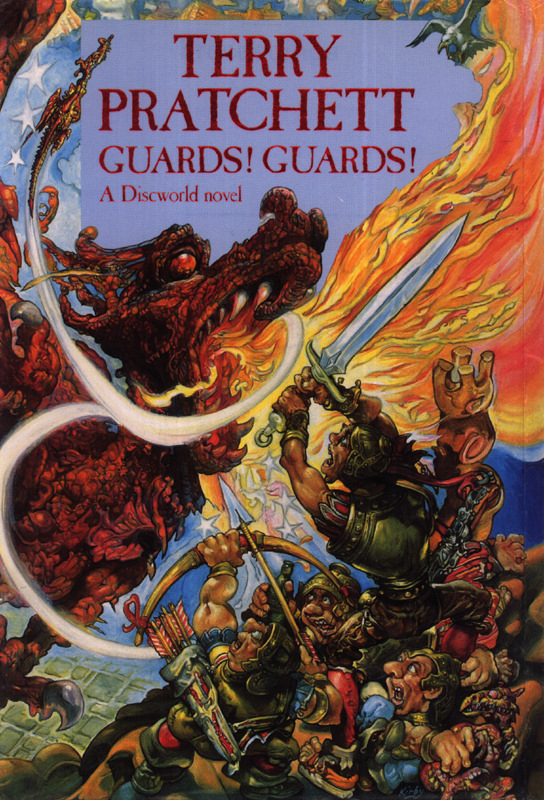
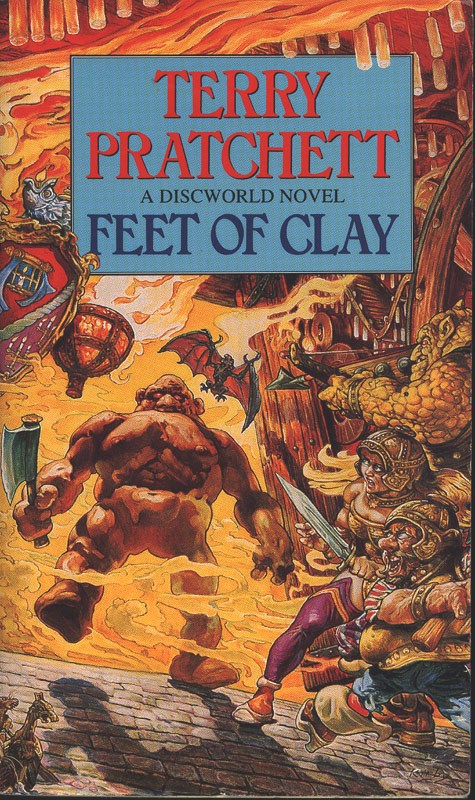
The boots theory appears in Men at Arms, the second Watch book, but you'll appreciate it more after seeing Vimes' starting point in Guards! Guards!. By the time you reach that paragraph about boots, you'll know exactly who's thinking it—and why it matters so much to him.
The Bottom Line
In 1993, Terry Pratchett had Sam Vimes think about boots. In 2022, that thought helped change how the British government measures the cost of living.
That's the power of good writing: it takes complex truths and makes them unforgettable. The boots theory doesn't just explain why being poor is expensive. It gives that explanation a character, a setting, and wet feet. It makes you feel the injustice, not just understand it.
Thirty years later, the turtle moves—and so does policy.
Want to explore more of Sam Vimes' character? Read about how he fights his own darkness, or discover why Night Watch is considered Pratchett's masterpiece.