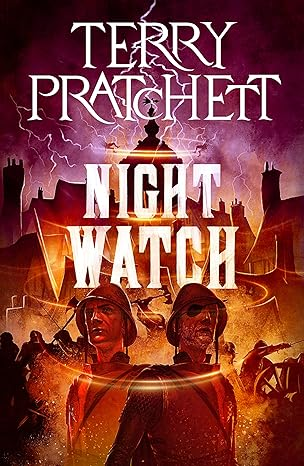
Night Watch: Why Time Travel Made Sam Vimes Mentor Himself
In Pratchett's masterpiece Night Watch, Sam Vimes becomes his own mentor through time travel. Here's why fans consider it the best Discworld book ever written.
Night Watch: Why Time Travel Made Sam Vimes Mentor Himself
Most time travel stories ask: "What would you change if you could go back?"
Terry Pratchett asked something harder: "What if you had to become the person who made you who you are?"
Night Watch isn't just a time travel novel. It's a meditation on mentorship, revolution, and what it means to choose to be good when the world makes it so easy to be cruel. It's also, according to most fans and critics, Pratchett's masterpiece—the book where everything he'd been building toward finally came together.
The working title was "The Nature of the Beast." That tells you something about where this story goes.
The Setup: Chasing a Killer Through Time
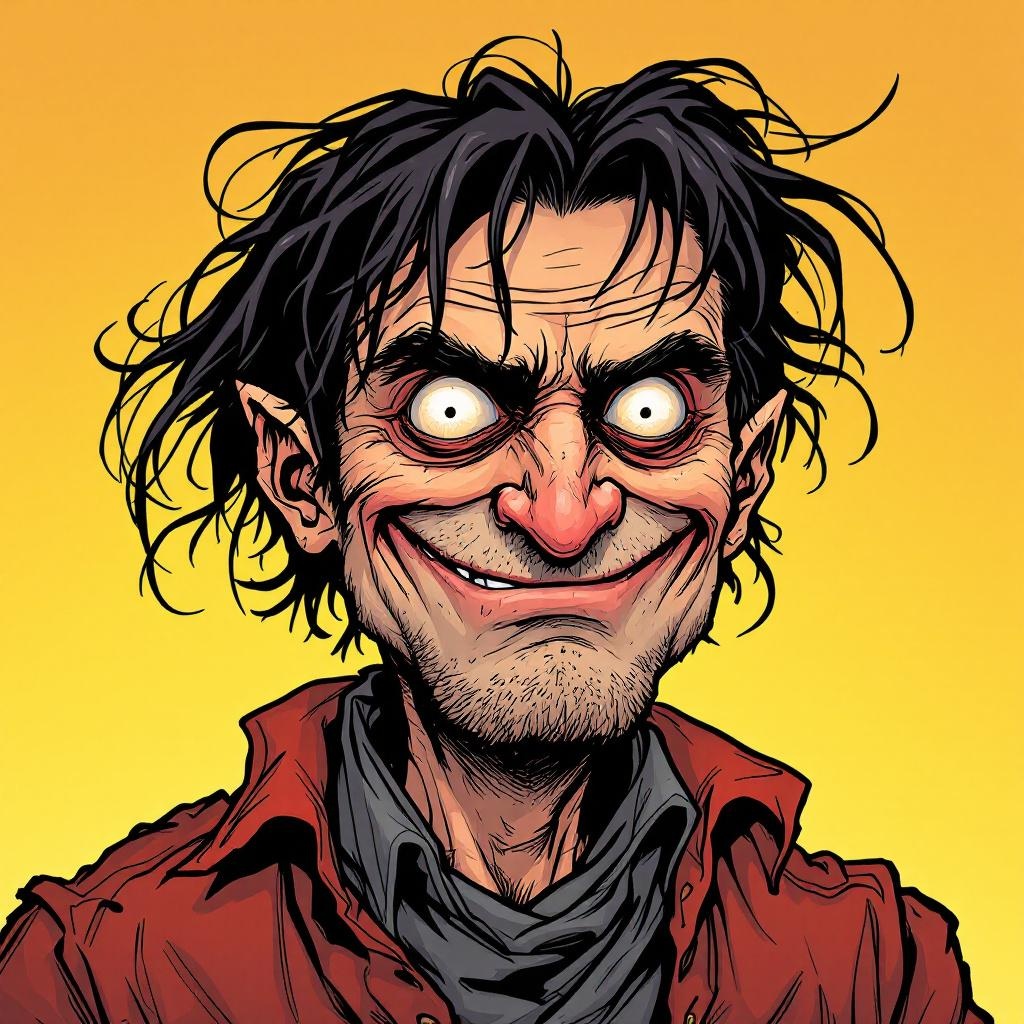
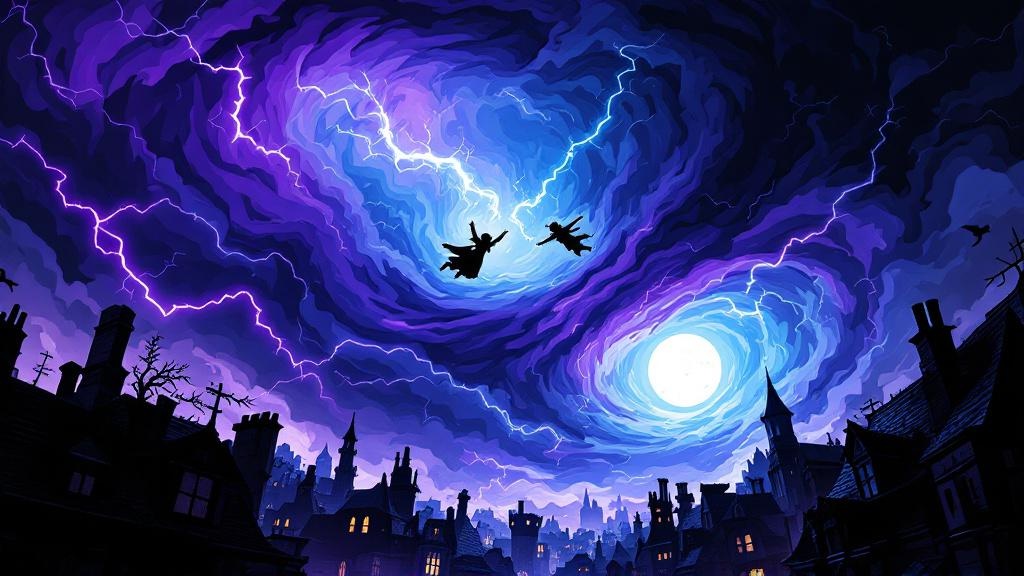
The premise sounds almost conventional: Commander Sam Vimes is chasing serial killer Carcer Dun across Ankh-Morpork's rooftops when a magical storm hits. Both men are flung thirty years into the past, to the days before the Glorious Revolution of the Twenty-Fifth of May.
Here's where it gets complicated.
The real John Keel—the mentor who shaped Vimes into the copper he would become—was supposed to arrive in the city that night. But Carcer murdered him before history could unfold as it should. So Vimes does the only thing he can: he becomes John Keel.
He teaches his younger self everything John Keel would have taught him. He leads the revolution that John Keel would have led. He makes sure that Young Sam Vimes becomes the person Old Sam Vimes needs him to be.
It's a bootstrap paradox wrapped in a character study wrapped in a revolution. And somehow, Pratchett makes it work.
The Mentor Paradox
Here's the thing about wishing you could go back and give your younger self advice: your younger self was probably too much of an idiot to take it.
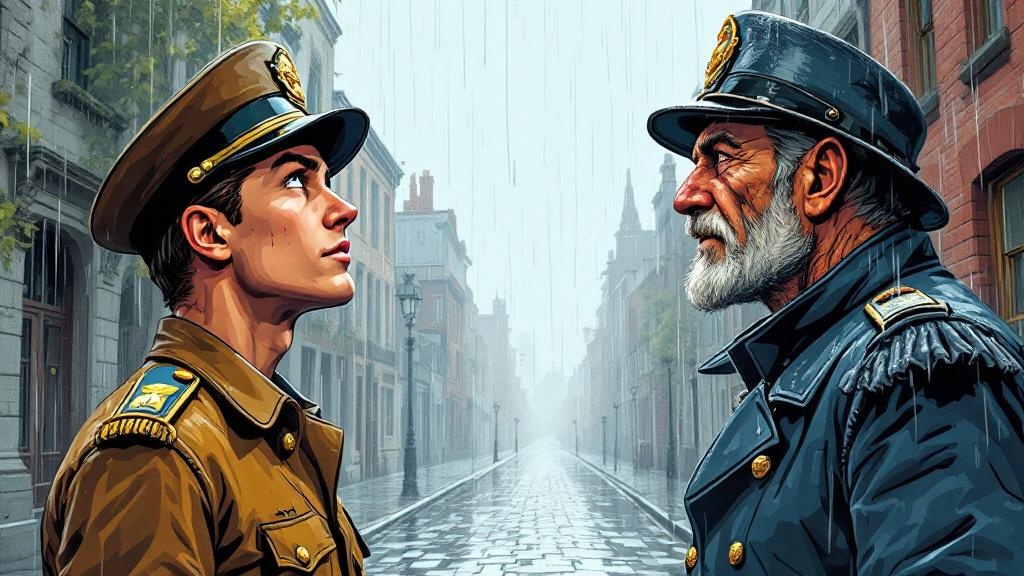
Pratchett understood this deeply. When Vimes meets his past self—an eager, idealistic, somewhat naive young copper—his first reaction isn't nostalgia. It's irritation.
"You then was a twerp. You then was what you had to be to start out on the rocky road of becoming you now."
"That was always the dream, wasn't it?" Pratchett writes. "'I wish I'd known then what I know now?' But when you got older you found out that you NOW wasn't YOU then. You then was a twerp. You then was what you had to be to start out on the rocky road of becoming you now."
This is devastatingly honest about how self-improvement actually works. Young Sam Vimes needed to be naive to learn cynicism. He needed to be idealistic to develop his peculiar brand of weaponized decency. You can't shortcut the process. You can't skip the painful parts.
So Vimes-as-Keel doesn't try to make his younger self wise beyond his years. He just tries to give him the tools to become wise eventually. The same tools the real John Keel would have provided. The badge. The belief that the law applies to everyone. The understanding that being a copper means something.
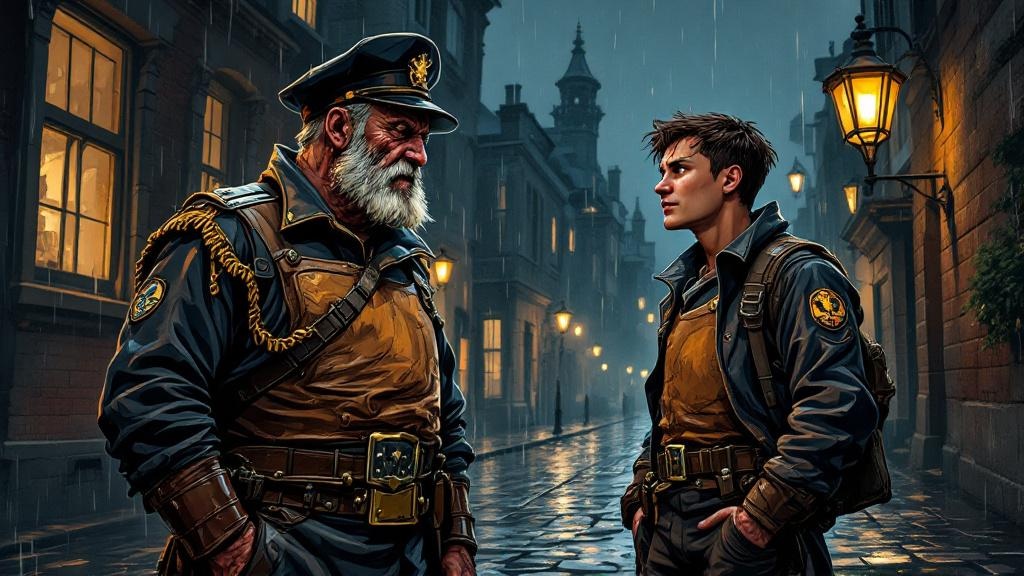
And in the process, Vimes learns something about himself. He's spent years believing John Keel was the greatest copper he ever knew, the man who made him who he is. Now he realizes that person was him. The qualities he admired most were qualities he already possessed—they just needed someone to believe in them first.
That's the real paradox. John Keel taught Vimes how to be good. But Vimes taught himself.
The Moral Crucible
Night Watch doesn't just ask whether Vimes can guide his younger self. It asks whether he can stop him from crossing lines that can never be uncrossed.
There's a scene in the Unmentionables' headquarters—the secret police torture chambers—that Pratchett handles with devastating restraint. He doesn't describe what Vimes and Young Sam find there. He doesn't need to. The horror is in the reactions: Young Sam emerging from the cells in tears, having just discovered what happened to all the people the Watch handed over to the secret police.
Young Sam wants to kill the torturer. He wants to make him suffer. And honestly? It would be justified. This is a man who has destroyed minds and bodies for pleasure under the guise of duty.
Older Vimes stops him.
Not because the torturer deserves mercy. He doesn't. But because killing him—like that, in anger, as revenge rather than justice—would break something in Young Sam that could never be fixed. It would plant a seed of darkness that would grow for thirty years.
Vimes knows this because he's spent those thirty years fighting that darkness in himself. He's written about the Beast he keeps locked away. He understands what feeds it.
Later, when they set fire to the building, Vimes realizes he left the torturer strapped to a chair in the basement. His younger self thinks he did it on purpose—a fitting end for an evil man.
Vimes runs back into the burning building to free him.
Not because the man deserves to live. Because Vimes can't be the kind of person who lets someone burn. That's the line. That's always the line.
The Lilac and the Revolution
The revolution in Night Watch is explicitly inspired by Les Misérables—Pratchett "turns it inside out and upside down." But while Hugo's barricades are full of idealistic students fighting for abstract liberty, Pratchett's barricades are manned by people fighting for something much simpler: to not die.
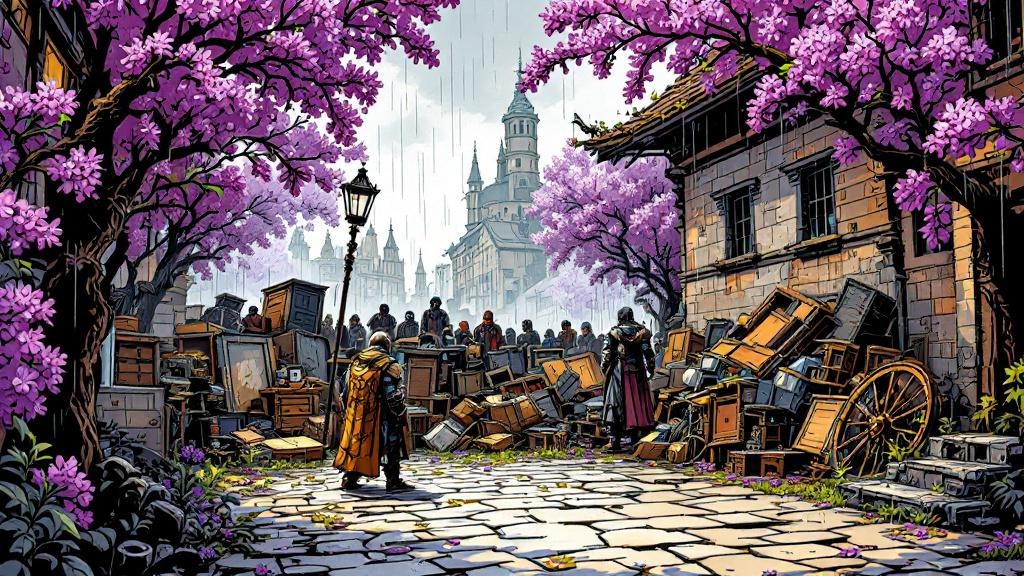
The People's Republic of Treacle Mine Road isn't fighting for ideology. They're fighting because Lord Snapcase's forces will kill them if they surrender, and the Unmentionables will torture them first. They build barricades not to overthrow a government but to protect their street until the violence passes.
"How do they rise up?"
And then most of them die anyway.
This is Pratchett at his darkest and most honest. Revolutions don't have happy endings. The good guys don't always win. Sometimes you do everything right and still lose people you care about. The lilac that blooms during the uprising becomes a memorial—not to victory, but to sacrifice.
Every year on the Twenty-Fifth of May, the survivors gather at Small Gods' Cemetery with lilac in their buttonholes and hard-boiled eggs in their pockets. They remember the names of the fallen: Cecil Clapman, Horace Nancyball, Billy Wiglet, Dai Dickins, Ned Coates. And John Keel.
The inscription on Keel's grave reads: "How Do They Rise Up."
It's a question from a revolutionary song. But it's also a question about goodness itself. How do ordinary people find the courage to stand up when standing up gets you killed? How does decency survive when the world rewards cruelty?
Pratchett's answer: through stubborn, deliberate choice. Through people like Vimes who refuse to give in even when giving in would be so much easier. Through the memory of those who came before, passed down to those who come after.
Les Misérables Inverted
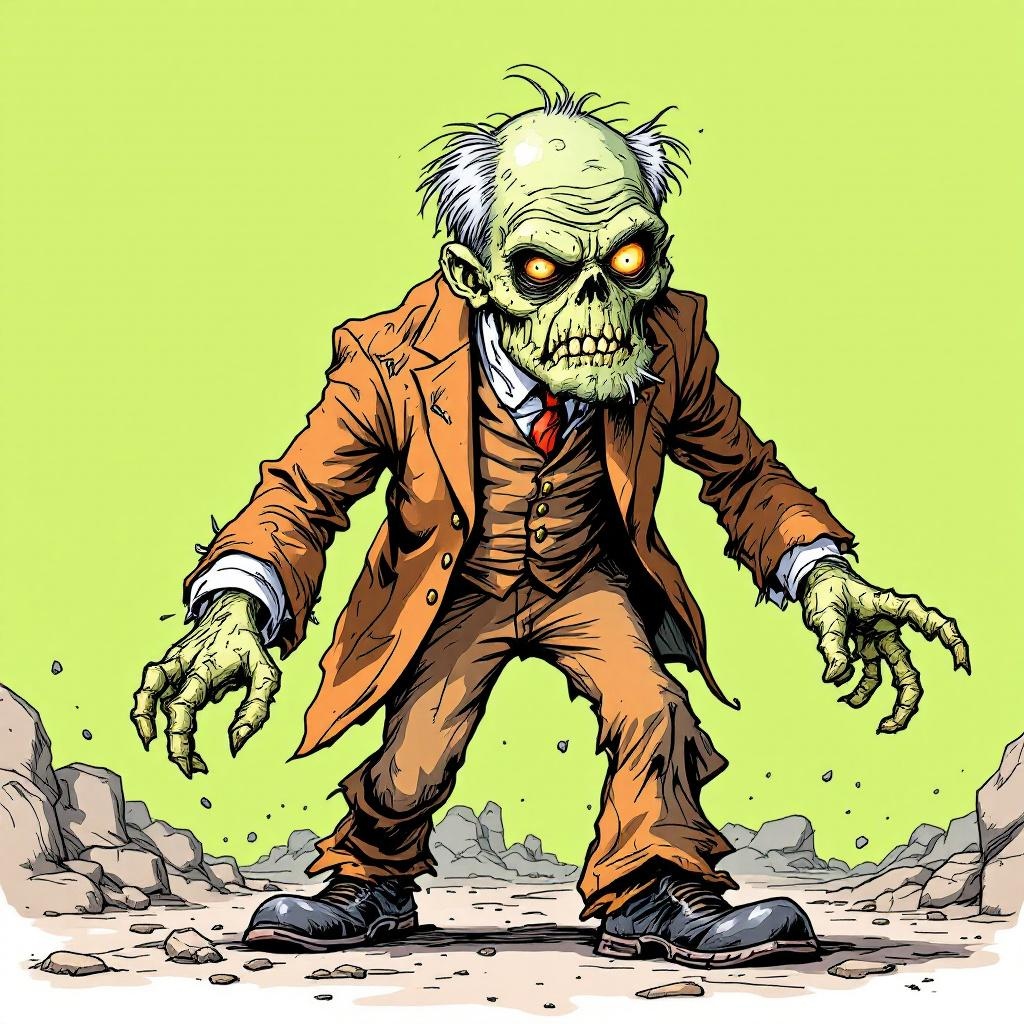
The parallels to Hugo's novel are deliberate and deep. Both books feature street revolutions and barricade warfare. Both have street urchins who play crucial roles—Gavroche in Hugo, young Nobby Nobbs in Pratchett. Both feature charismatic revolutionaries in frilly shirts who take a very long time to die—though in Discworld, Reg Shoe comes back as a zombie.
But Pratchett inverts the moral dynamics. In Les Misérables, Inspector Javert infiltrates the barricades to betray them. In Night Watch, Vimes builds the barricades to protect people. Where Hugo's revolutionaries die for abstract principles, Pratchett's die for specific streets and neighbors. Where Hugo gives us Valjean's redemption through years of good works, Pratchett gives us Carcer—who claims he was originally arrested for stealing a loaf of bread, but is actually a psychopath who murders for convenience.
The result is a story that takes revolution seriously precisely because it refuses to romanticize it. Real barricades aren't glamorous. Real revolutionaries aren't always heroes. And real change usually costs more than anyone imagined.
Why Critics Call It His Masterpiece
Night Watch won the 2003 Prometheus Award and came runner-up in the Locus Poll for best fantasy novel. The New York Times praised it for "transcending standard genre fare." Critics who typically dismiss fantasy have acknowledged its emotional depth and moral complexity.
What makes it work is how Pratchett layers his themes. On the surface, it's a time travel adventure. Beneath that, it's a story about mentorship and legacy. Beneath that, a meditation on revolution and its costs. And beneath all of it, a profound examination of what it means to choose goodness when nobody's watching.
The book earns its darkness by never flinching from consequences. People die. Not villains—friends. The revolution succeeds in the sense that the immediate threat passes, but it fails in every larger sense. The new Patrician will be just as bad as the old one. Nothing fundamental changes. The only victory is survival, and not everyone gets that.
But there's hope too. Young Sam Vimes becomes the man who will build the modern Watch, who will fight for justice for thirty years, who will inspire others to be better than they thought they could be. The lilac blooms every year. The names are remembered.
And somewhere, a very tired sergeant teaches a very young copper that the badge means something.
Reading Night Watch
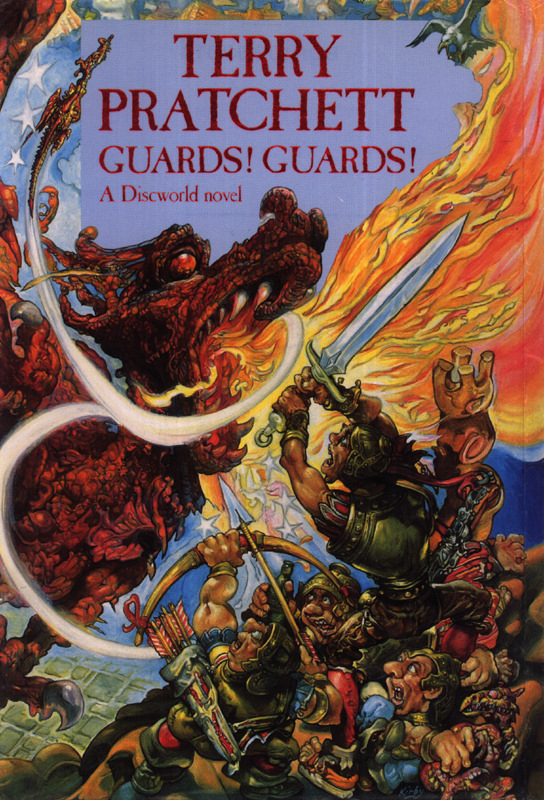
If you haven't read Night Watch, here's what you need to know: you can read it standalone, but you'll get so much more from it if you've followed Vimes's journey from the beginning.
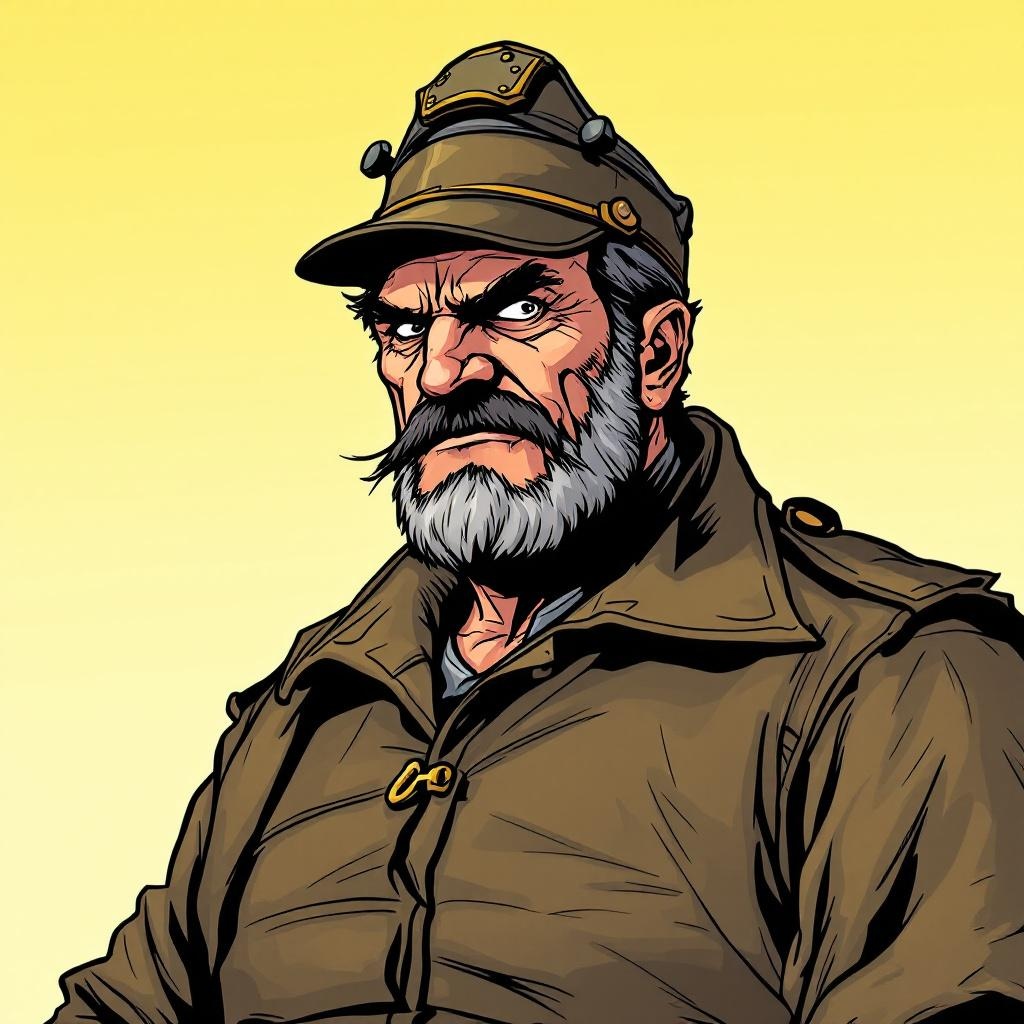
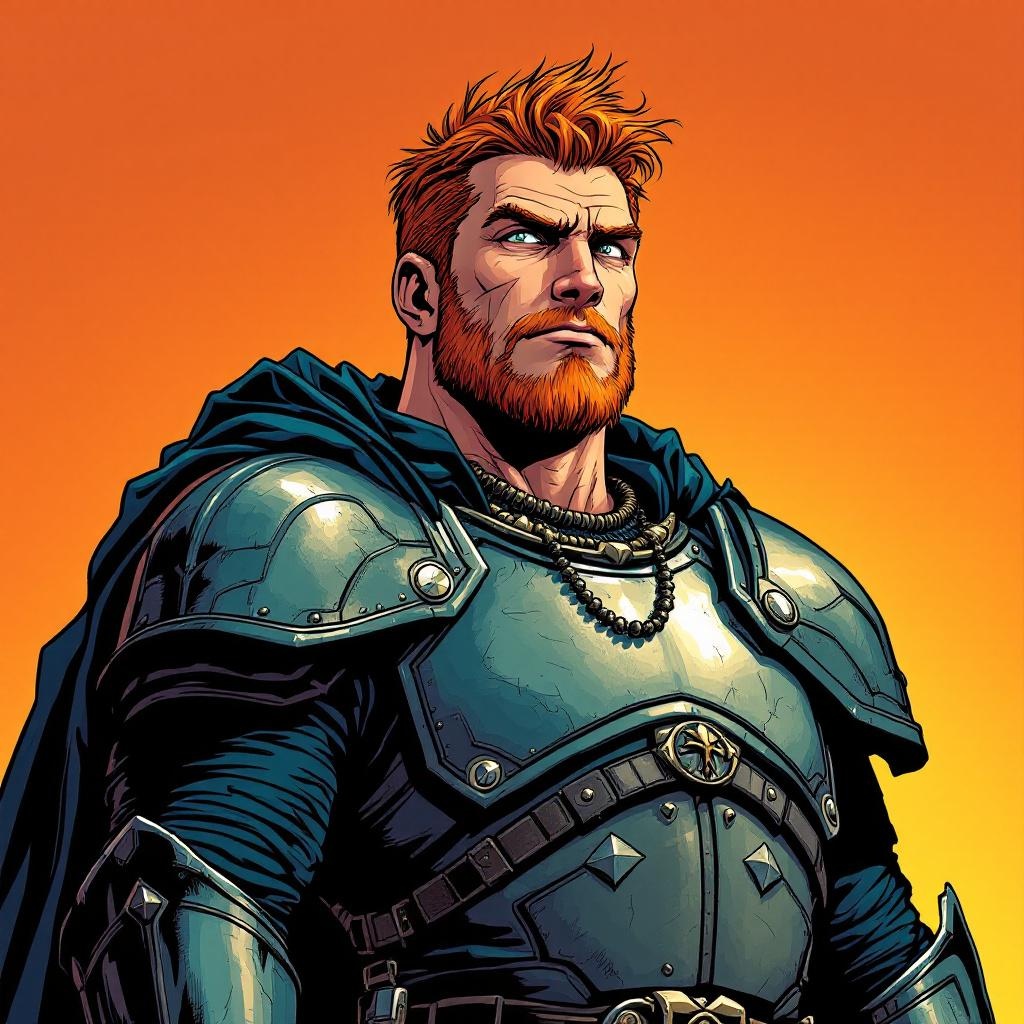

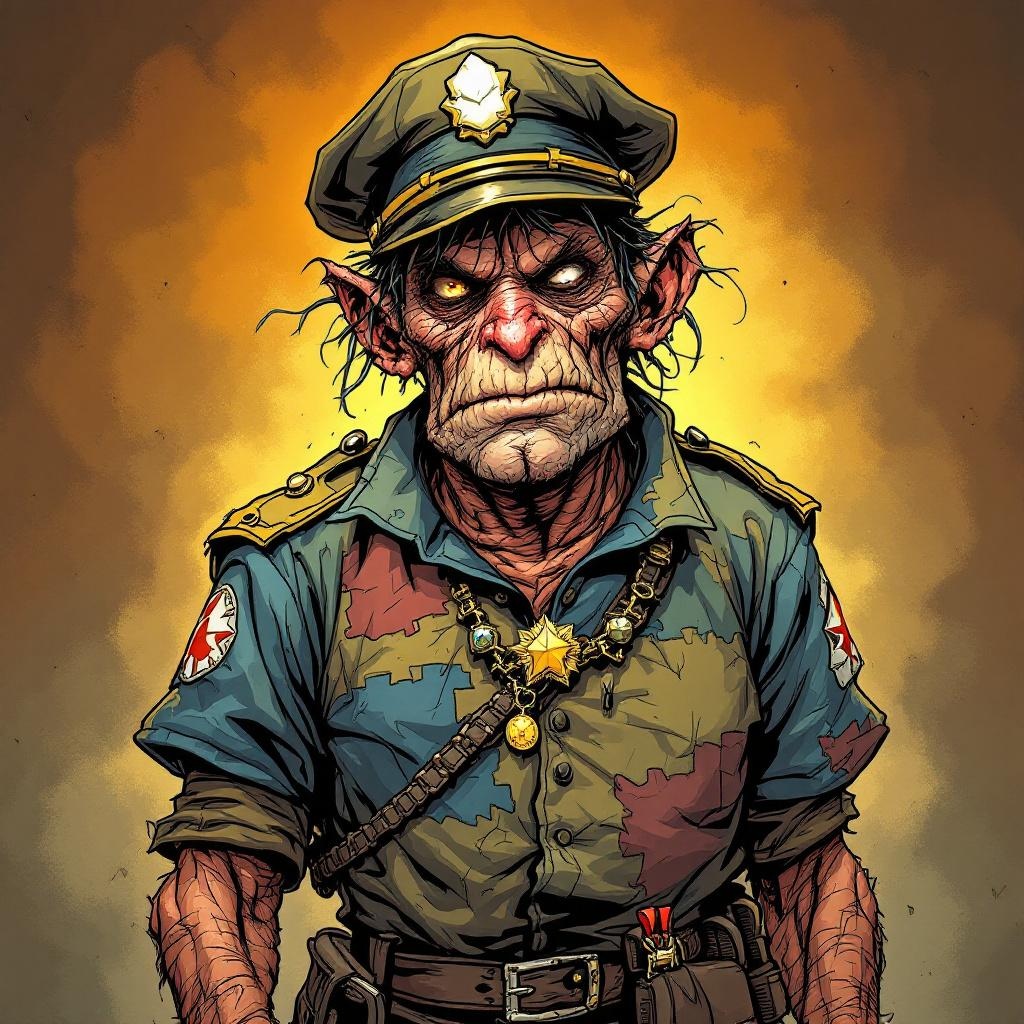
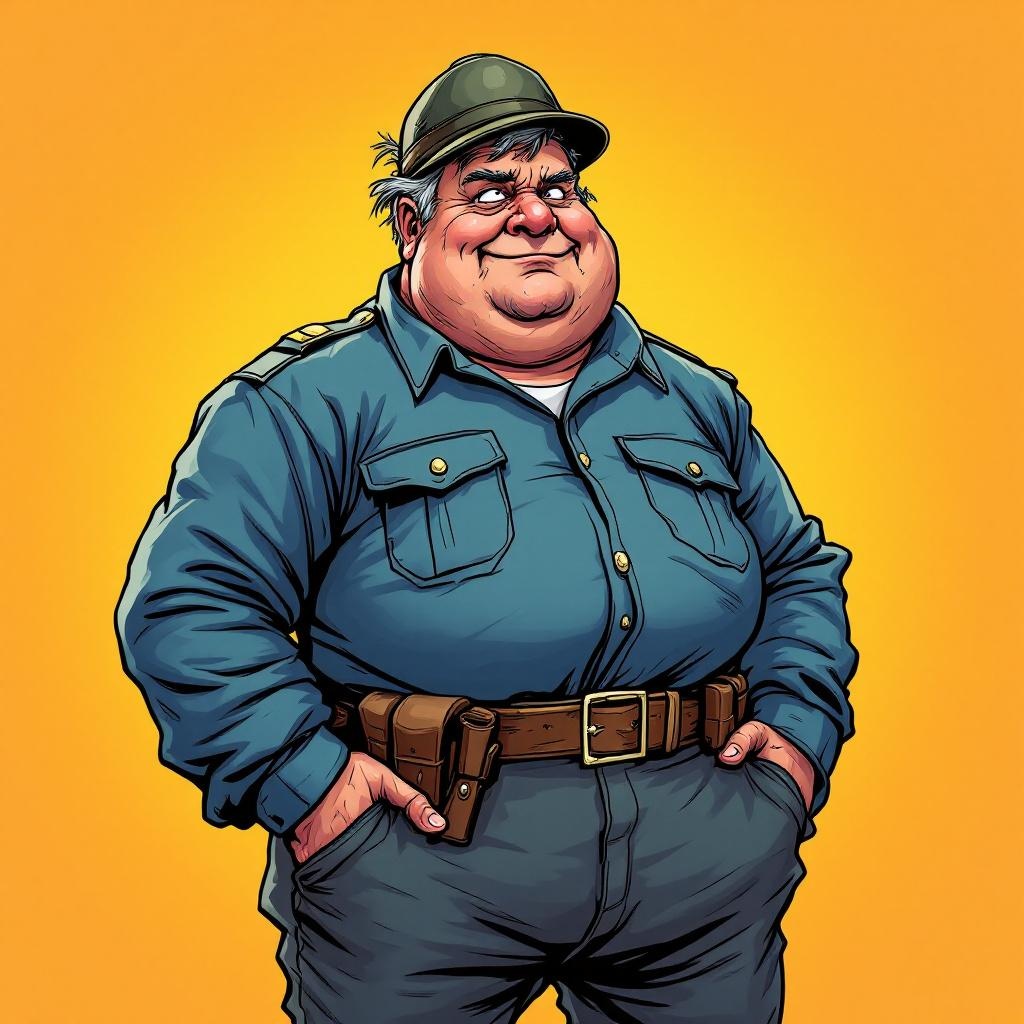
The references to previous books—Vimes's drinking, his relationship with Sybil (who's about to give birth in the present-day sections), his complicated friendship with Lord Vetinari—all resonate differently when you know the full context. And the younger versions of Colon, Nobby, and Reg Shoe hit harder when you know who they'll become.
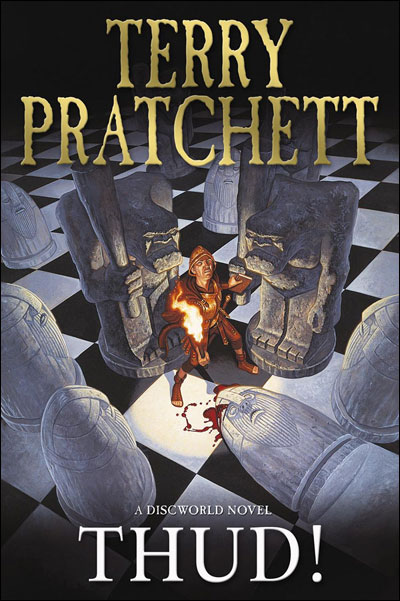
But even without that context, Night Watch works. The story is complete in itself. The characters are drawn with such precision that you understand them immediately. The themes land whether or not you've met these people before.
It's just that if you have met them before, it might make you cry.
The Heart of It
Here's what Night Watch understands that most time travel stories don't: the past isn't a mistake to be fixed. It's the road you walked to become who you are.
Vimes can't save everyone. He can't prevent the revolution or its casualties. He can't even tell his younger self the truth about who he is or what's coming. All he can do is be the mentor he needed, make the choices he needed to see, plant the seeds that will grow into the man he became.
And that's enough.
Because that's how real change works. Not through dramatic interventions or heroic sacrifices, but through the patient transmission of values from one person to another. John Keel—whoever he really was—taught Vimes that the badge means something. Vimes spent thirty years proving it. Now he passes it on, to his past self and to every young copper who joins the Watch.
How do they rise up? One at a time. One choice at a time. One mentor at a time.
The turtle moves.
Want to explore more of Sam Vimes? Read about how he fights his inner darkness, discover the Boots Theory and economic inequality, or explore his relationship with Lord Vetinari.