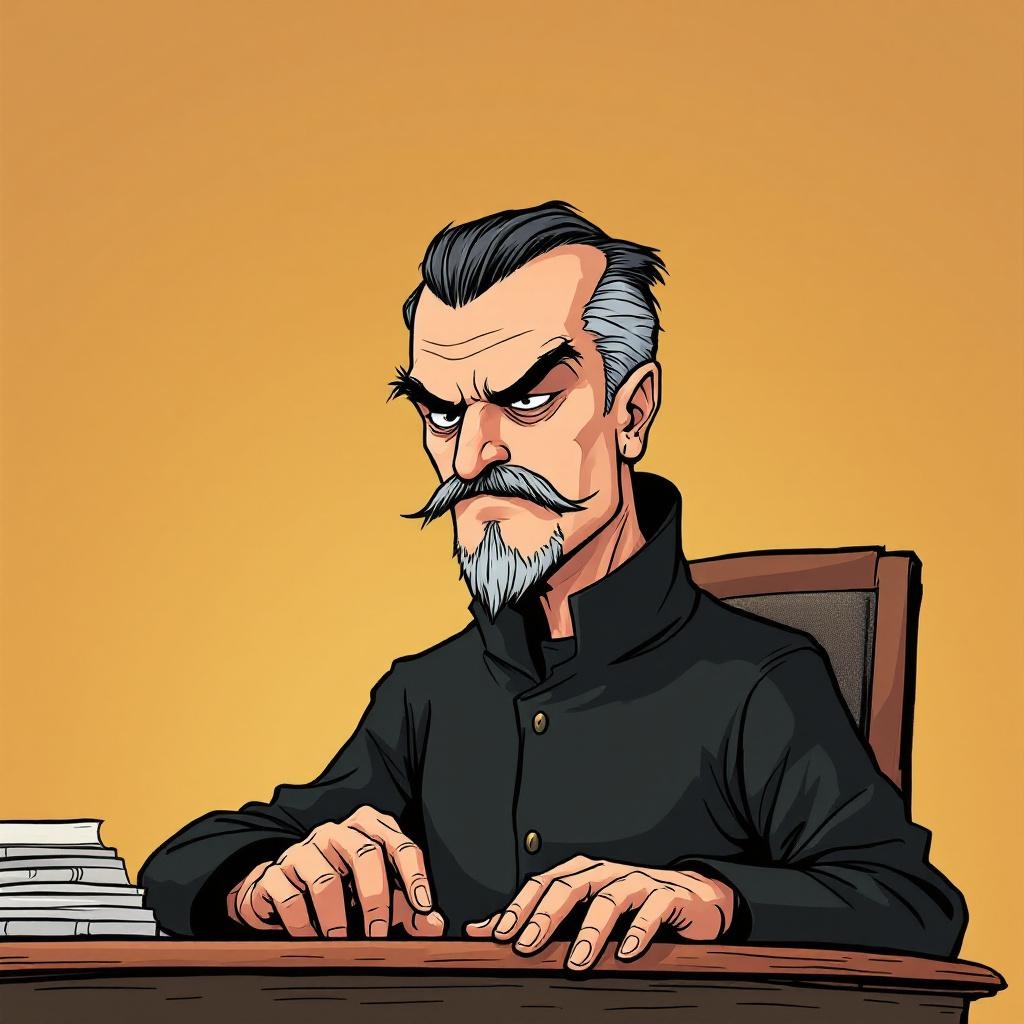
The Watchman and the Duke: Sam Vimes' War With His Own Success
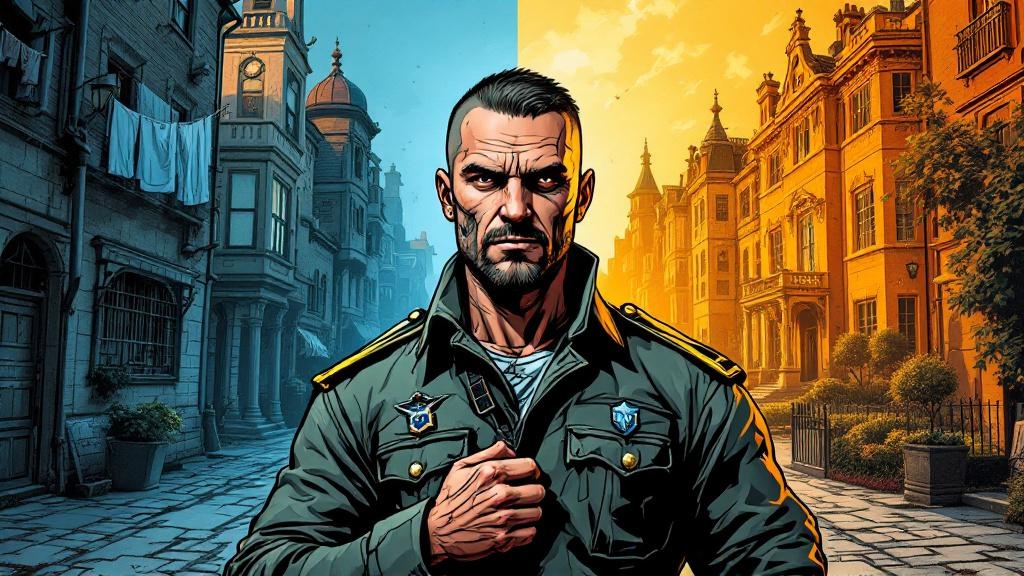
Sam Vimes became Duke of Ankh but never stopped being from Cockbill Street. How Pratchett's greatest copper fights a class war against himself.
The Watchman and the Duke: Sam Vimes' War With His Own Success
There's a moment in Snuff where Sam Vimes arrives at his wife's country estate and a servant tries to unpack his bags. Vimes, who once owned so little he could carry everything he had in his pockets, watches a stranger handle his possessions and feels something between rage and panic.
It's not that he's ungrateful. It's not that he doesn't love Lady Sybil. It's that somewhere between Cockbill Street and becoming Duke of Ankh, Sam Vimes became the thing he spent his entire career distrusting—and he has never, for one single moment, made peace with it.
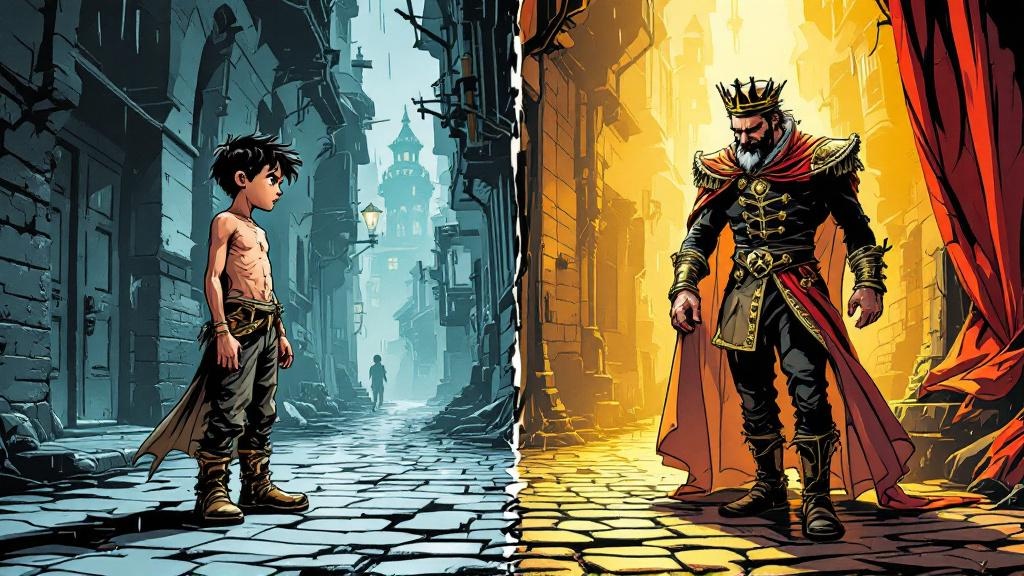
Forced Into Nobility at Knifepoint
Here's the thing about Vimes' rise through the ranks: he didn't choose any of it. Not really.
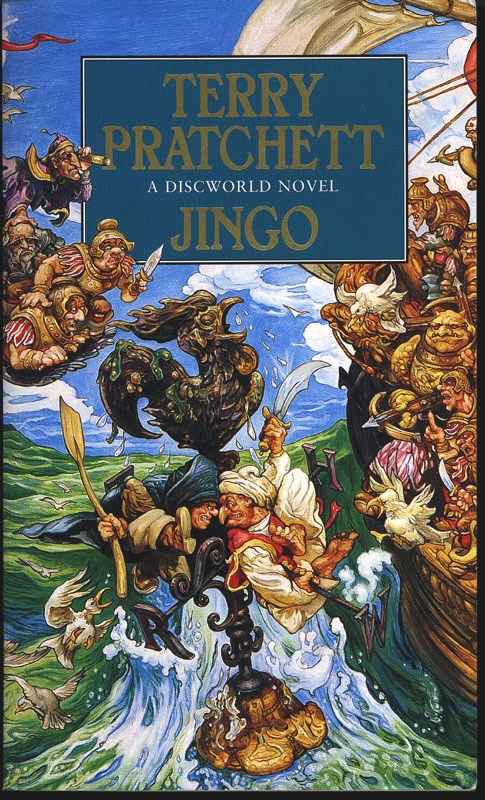
He didn't ask to be made Captain. Lord Vetinari promoted him because a useful man is best placed where he's useful. He didn't ask to be knighted—that happened after the events of Jingo, where his involvement in preventing a pointless war with Klatch was rewarded with the thoroughly unwanted title of Duke of Ankh.
Vimes tried to escape his own investiture ceremony by giving chase to an apprentice thief halfway through. That tells you everything you need to know.
"A narrative journey of one man forced to endure wealth, domestic happiness, and professional respect, practically at knifepoint."
Every title, every promotion, every rung of the social ladder has been thrust upon him by a Patrician who understands exactly what he's doing. Vetinari doesn't elevate Vimes to reward him. He elevates Vimes because a Duke has more authority than a Commander, and an angry man with authority is more useful than an angry man without it.
And Vimes knows this. He knows he's being used. He also knows the alternative is letting someone else do the job, and he's seen what happens when the wrong people have power. So he accepts the titles and resents every last one of them.
His full designation now reads: His Grace, His Excellency, the Duke of Ankh, Commander Sir Samuel Vimes. He insists on being called Commander.
The Very, Very Rich Could Afford to Be Poor
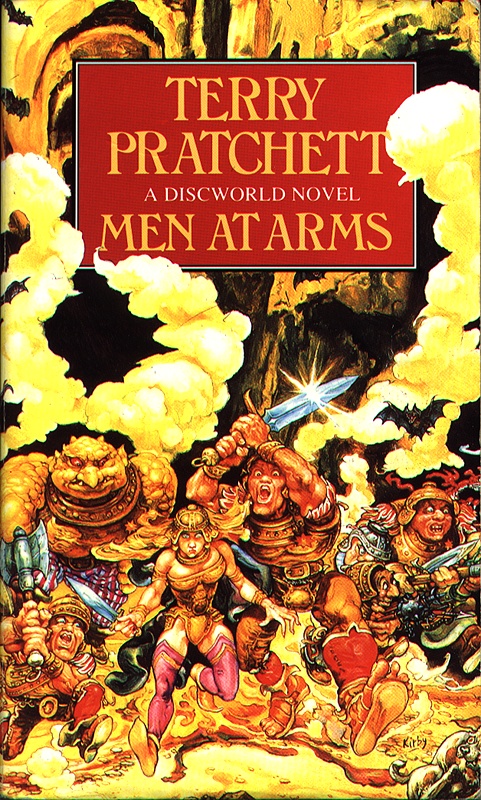
One of Pratchett's sharpest observations about class comes through Vimes' eyes in Men at Arms:
"When he was a little boy, Sam Vimes had thought that the very rich ate off gold plates and lived in marble houses. He'd learned something new: the very VERY rich could afford to be poor. Sybil Ramkin lived in the kind of poverty that was only available to the very rich, a poverty approached from the other side."
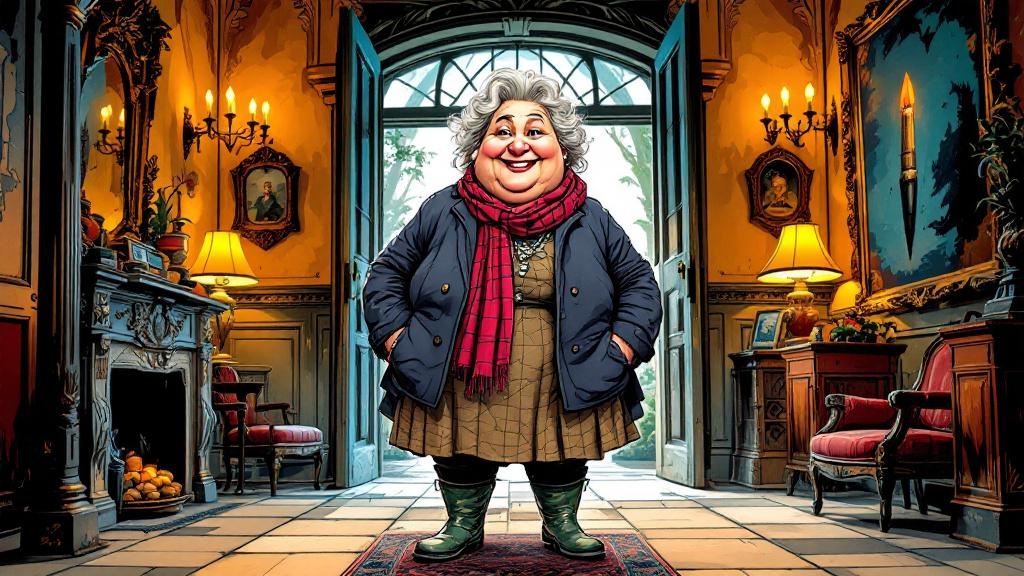
Sybil wears rubber boots and her mother's old tweed skirts—not because she can't afford silk, but because she's so wealthy that clothing is irrelevant to her status. Women who are merely well-off buy silk edged with pearls. Sybil doesn't need to prove anything to anyone.
This observation cuts Vimes to the bone because it reveals something about class he hadn't understood from below. Poverty isn't just about money. It's about the desperate performance of trying to look like you have enough. And extreme wealth is its mirror image—the freedom to stop performing entirely.
"The very VERY rich could afford to be poor. Sybil Ramkin lived in the kind of poverty that was only available to the very rich."
Vimes married into this world. He lives in the Ramkin mansion. He has a butler, a cook, staff he can't keep track of. And the constant, gnawing discomfort of it never fades, because he remembers when performance wasn't optional. On Cockbill Street, you wore the best you had because the alternative was admitting you had nothing.
The Servants Problem
The class tensions reach their funniest—and most painful—pitch in Snuff, when Sybil drags Vimes to her family's country estate for a holiday.
Vimes, a city mouse's city mouse, is immediately and hopelessly out of his element. But it's not the countryside that defeats him. It's the servants.
The senior servants are annoyed that he talks to the wrong servants. The maids turn to face the wall at the sight of him—some ancient custom of the aristocracy that Vimes has absolutely no patience for. He tries to treat the staff as equals, to their complete and utter horror.
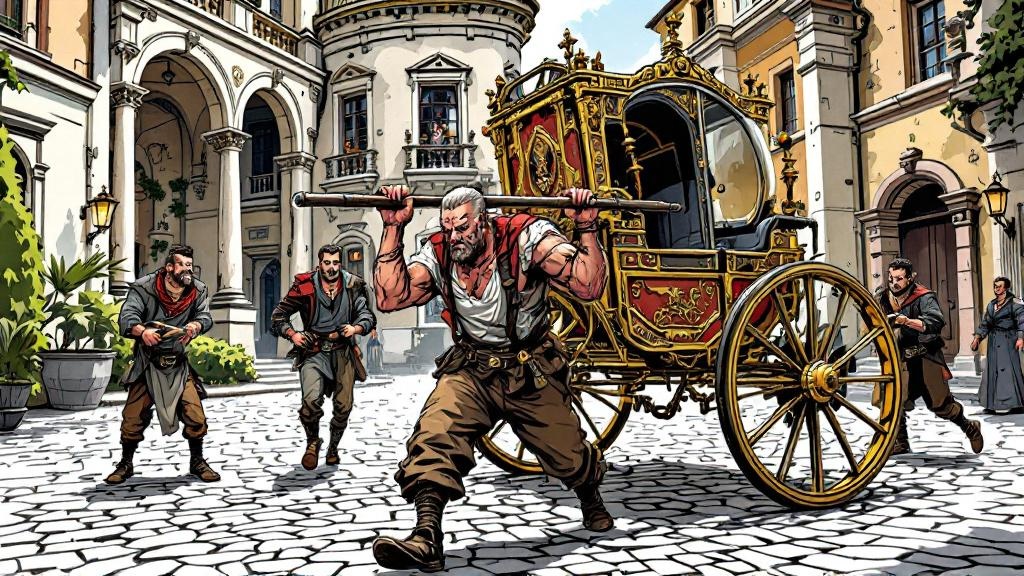
He draws the line at being shaved by another person. He allows himself small rebellions against expectations: accepting that he must be carried in a litter, but insisting on carrying a leg himself.
These details are hilarious in isolation, but underneath the comedy is something genuinely uncomfortable. Vimes has spent his life fighting for the ordinary people of Ankh-Morpork. Now he employs them. He gives orders to people whose grandparents probably lived in neighbourhoods like Cockbill Street. The power dynamic that used to be above him is now beneath him, and the shift hasn't changed what he sees when he looks up at the aristocracy—it's just added a mirror.
Pawns and Kings
There's a quote from Thud! that gets to the core of Vimes' political philosophy:
"Vimes had never got on with any game much more complex than darts. Chess in particular had always annoyed him. It was the dumb way the pawns went off and slaughtered their fellow pawns while the kings lounged about doing nothing that always got to him; if only the pawns united, maybe talked the rooks round, the whole board could've been a republic in a dozen moves."
That's not just a character quirk about board games. That's a worldview. Vimes looks at every hierarchy and sees the same thing—the people at the bottom fighting each other while the people at the top barely lift a finger. It's the view from Cockbill Street applied to everything.
"If only the pawns united, maybe talked the rooks round, the whole board could've been a republic in a dozen moves."
And now he's a king. Not literally—the Vimes family actually helped end the monarchy, with Suffer-Not-Injustice "Old Stoneface" Vimes beheading the last king of Ankh-Morpork. But metaphorically, Vimes has become one of the pieces that lounges at the back while the pawns do the dying. He's a Duke. He has a coat of arms, a country estate, and more money than Cockbill Street would see in a century.
The fact that he uses his position to keep fighting for the pawns doesn't resolve the contradiction. It just makes it bearable.
"Practically Zen"
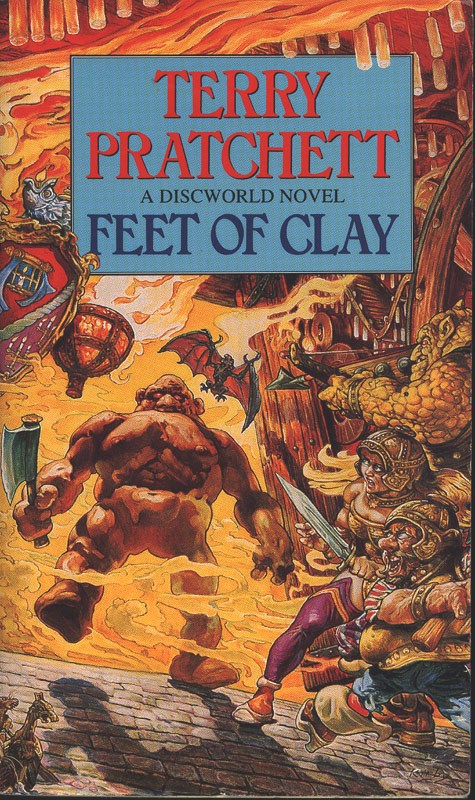
Vetinari, naturally, sees the whole thing clearly. In Feet of Clay, he tells Vimes:
"Commander, I always used to consider that you had a definite anti-authoritarian streak in you." ... "It seems that you have managed to retain this even though you are Authority... That's practically zen."
This is Vetinari at his most perceptive. Most people who hate the system either stay outside it and accomplish nothing, or enter it and get absorbed by it. Vimes has done the impossible—become the system while continuing to hate it, and channelling that hatred into making it work better for the people it usually crushes.
He's the Duke who investigates the deaths of an old woman and a baby from Cockbill Street with more fury than the poisoning of the Patrician himself. He's the Commander who champions goblin rights in Snuff by investigating the aristocrats' involvement in slavery and smuggling. He's the cop who believes, with absolute ferocity, that the law applies to everyone—especially the people powerful enough to think they're above it.
His ancestor killed a king for that principle. Vimes arrests people for it instead, but the impulse is identical.
The Thing He Can't Resolve
The honest truth is that Vimes never wins this war. Not completely.
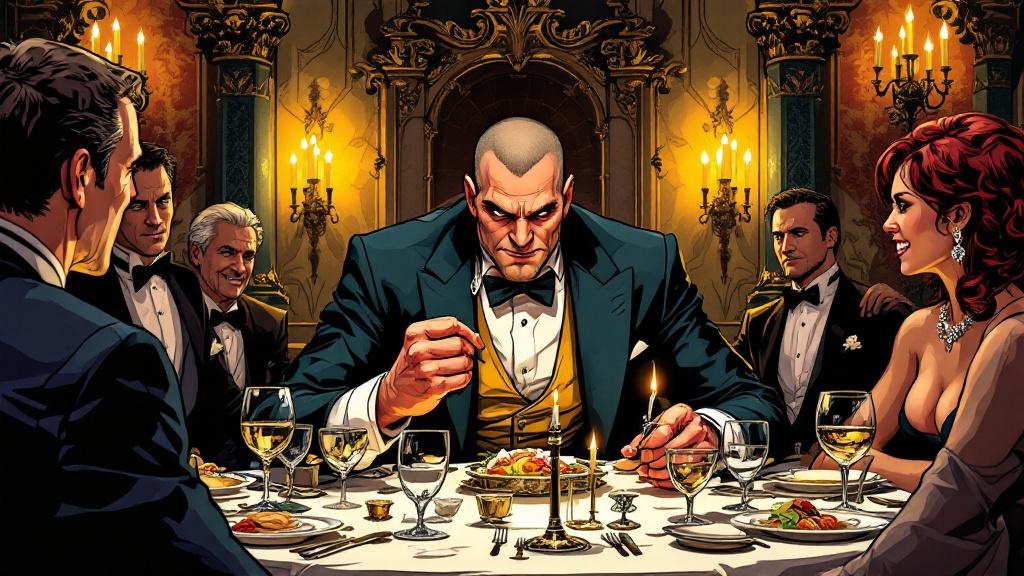
He never becomes comfortable at formal dinners. He never stops flinching when someone calls him "Your Grace." He never learns to enjoy having servants. He once said he hates being married to a Duchess—though he loves being married to Sybil, which is its own kind of resolution.
But here's what Pratchett understood: this discomfort isn't a flaw. It's a feature.
The moment Vimes stops feeling uncomfortable at the top is the moment he stops being useful. The moment he learns to enjoy the privileges of power is the moment he stops questioning whether that power is being used correctly. His permanent, irresolvable class war isn't a failure of character development—it's the engine that drives everything good about him.
"The moment Vimes stops feeling uncomfortable at the top is the moment he stops being useful."
Consider the alternative. A Vimes who made peace with being a Duke would be just another aristocrat. He'd attend dinners without squirming, accept deference without guilt, and gradually stop noticing the parts of the city that don't get their cobblestones repaired. He'd become the kind of person who says "the innocent have nothing to fear"—which Vimes considers the most dangerous sentence in any language, believing the innocent have everything to fear, mostly from the guilty but in the longer term even more from those who say things like that.
Us and Them
There's a passage in Jingo that explains why this matters:
"It was so much easier to blame it on Them. It was bleakly depressing to think that They were Us. If it was Them, then nothing was anyone's fault. If it was us, what did that make Me? After all, I'm one of Us. I've certainly never thought of myself as one of Them."
Vimes has spent his whole life as "Us"—the ordinary people, the coppers, the Cockbill Street kids with cardboard in their boots. And now, by every external measure, he's "Them." He's one of the powerful. He's one of the privileged. He is, in the eyes of everyone who hasn't met him, exactly the kind of person he's spent his career fighting against.
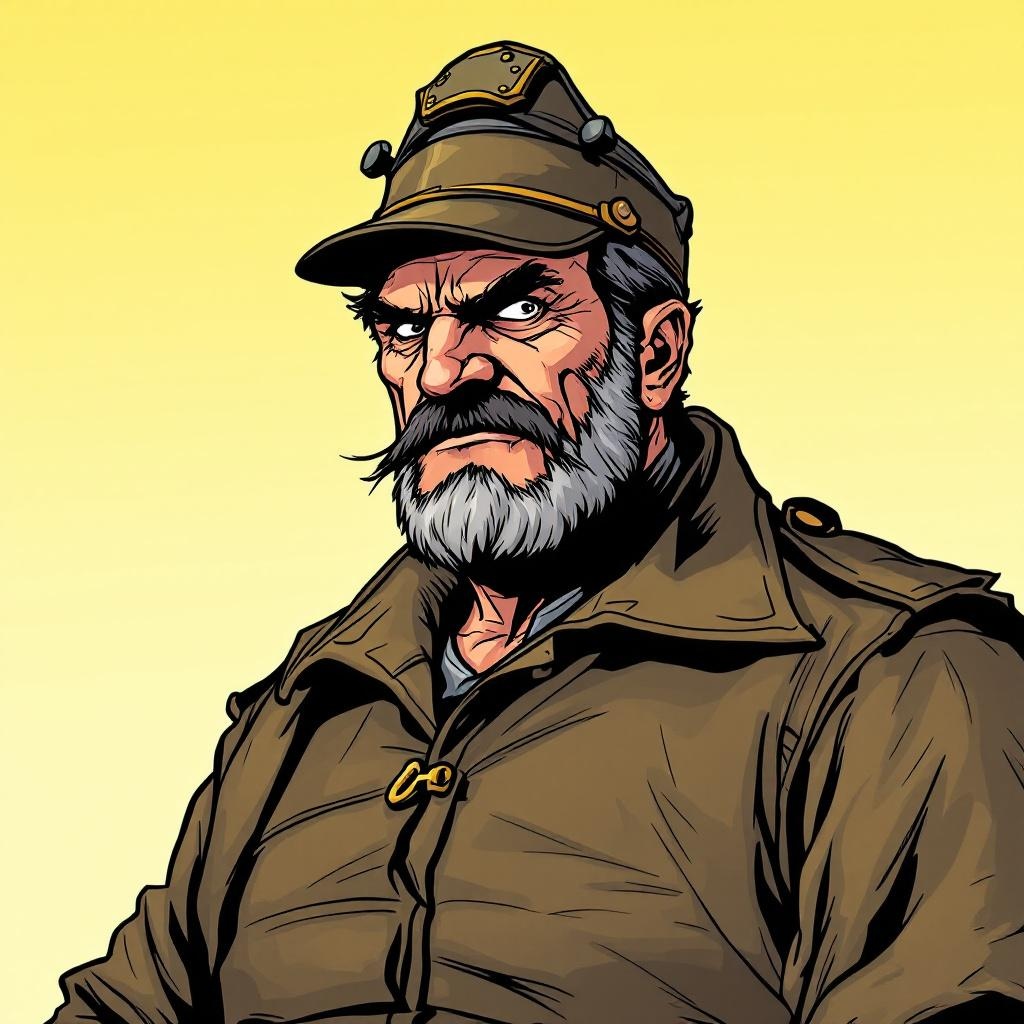
His response is to simply refuse the reclassification. He is Commander Vimes. He is from Cockbill Street. He wears cheap boots. He walks the streets at night. No title, no estate, no amount of money changes what he sees when he looks in the mirror—a copper. Just a copper. The most dangerous kind of copper there is, because he has a Duke's authority and a pauper's instincts, and he will never, ever confuse the two.
Why This Resonates
Pratchett wrote Vimes during the height of social mobility debates in Britain—a country obsessed with class, where moving up the ladder means leaving your people behind and arriving somewhere you'll never quite belong. The anxiety of upward mobility isn't a Discworld invention. It's painfully real for millions of people who've been told that success means becoming something new, and who discover that the old thing refuses to die.
Vimes resonates because he insists the old thing shouldn't die. Your origins aren't something to overcome. They're something to carry forward. The knowledge that comes from growing up poor—the understanding of how systems fail people, the instinct to look at power and ask who's being crushed—that knowledge doesn't become obsolete when your bank balance changes. If anything, it becomes more valuable. It becomes the thing that stops you from becoming the monster you used to curse.
Can you be rich and still fight for the poor? Vimes' answer isn't simple, and it isn't comfortable. It's a lifetime of squirming at formal dinners, carrying sedan chair legs, and insisting on "Commander" over "Your Grace." It's a war that never ends because it shouldn't.
That's the point. The discomfort is the integrity.
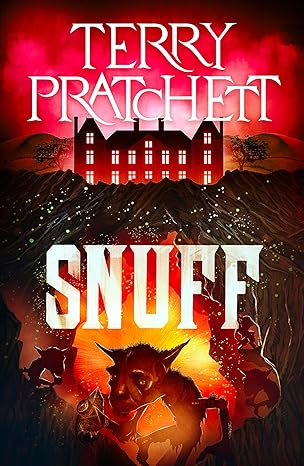

If you want the full arc, start with Guards! Guards! where Vimes is still in the gutter, then follow him through Men at Arms for the marriage that changed everything, and all the way to Snuff where he's the most reluctant aristocrat in fiction. It's the story of a man who gained everything the world considers success, and spent the rest of his life making sure it didn't ruin him.
Want more Vimes? Read about the boots he refuses to replace, his relationship with Lord Vetinari, or why he reads to his son at exactly six o'clock every night.