Sam Vimes and Lord Vetinari: The Best Frenemy Dynamic in Fantasy
Sam Vimes and Lord Vetinari need each other to make Ankh-Morpork work. Here's why the terrier and the tyrant are the secret heart of Discworld's Watch series.
Sam Vimes and Lord Vetinari: The Best Frenemy Dynamic in Fantasy
Here's a question that haunts the City Watch series: does Sam Vimes work for Lord Vetinari, or does Vetinari work around him?
The answer, maddeningly, is both. And neither. And that's exactly what makes their relationship the most compelling dynamic in Terry Pratchett's Discworld—two cynics who love the same city, distrust each other completely, and can't function without the other one in the room.
They never hug. They barely compliment each other. On paper, one is a tyrant and the other is a cop who'd arrest his own grandmother if she'd committed a crime. But across eight novels, Pratchett built something between them that's richer and more nuanced than most fictional friendships: a partnership neither man would ever admit to having.
The Terrier and the Tyrant
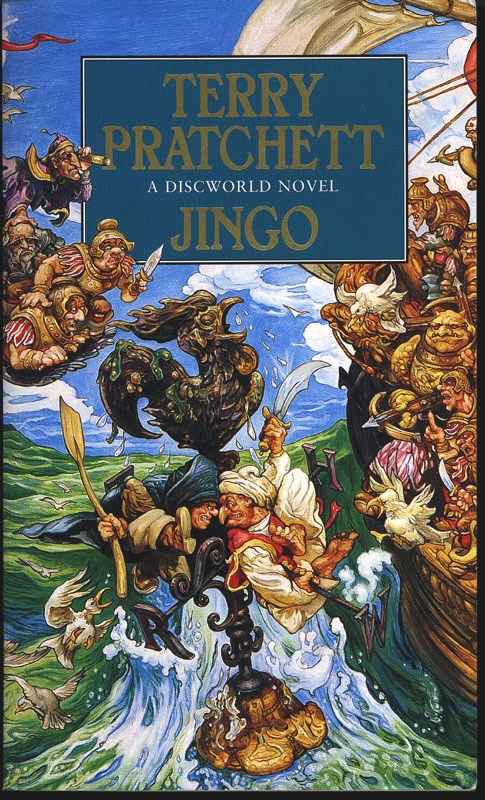
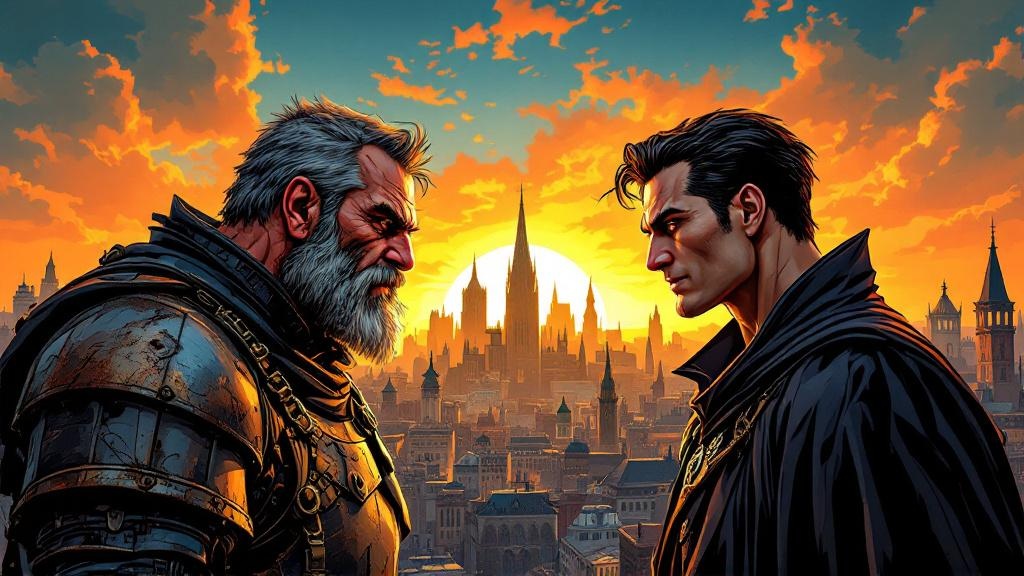
The nickname comes from Angua in Jingo: Vimes is "Vetinari's terrier." A terrier digs out the prey, gets stuck in the mud, and does the dirty work while the hunter watches from a distance. It's a perfect metaphor—and Vimes would hate it, which makes it even more perfect.
Vetinari rules Ankh-Morpork through controlled chaos. He legalised the Thieves' Guild, licensed assassins, and made crime manageable by making it bureaucratic. It's brilliant, amoral governance. But every system needs an element it can't control—something genuinely dangerous to wrongdoers that operates on principle rather than pragmatism.
That's Vimes. He's the one thing in Vetinari's city that the Patrician can't fully predict or manage, and Vetinari knows it's essential. You can't run a city entirely on manipulation. Sometimes you need someone who'll kick down a door because it's the right thing to do, consequences be damned.
"Commander, I always used to consider that you had a definite anti-authoritarian streak in you... It seems that you have managed to retain this even though you are authority. That's practically zen."
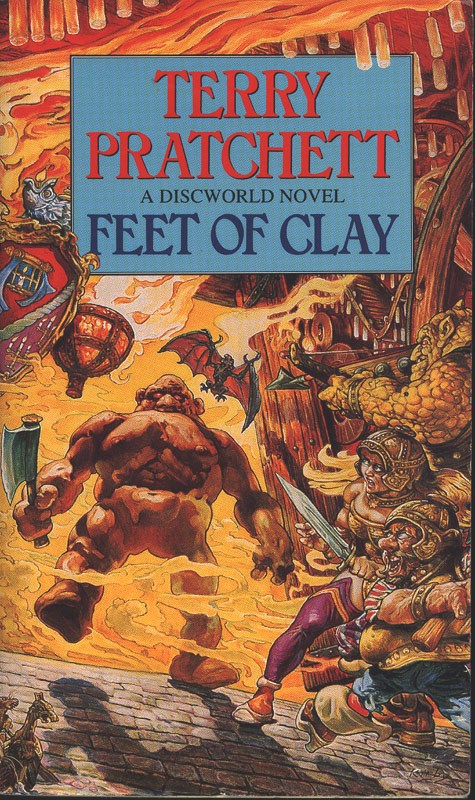
Vetinari's observation in Feet of Clay says it all: "Commander, I always used to consider that you had a definite anti-authoritarian streak in you... It seems that you have managed to retain this even though you are authority. That's practically zen." That's not a joke. It's a statement of genuine admiration from a man who never gives genuine admiration. Vetinari understands that Vimes' refusal to be comfortable with power is precisely what makes him trustworthy with it.
"I Rather Think I Did"
The most revealing exchange in the entire Watch series comes from Vetinari's secretary, Drumknott, in Feet of Clay. Drumknott observes: "The thought occurs, sir, that if Commander Vimes did not exist you would have had to invent him."
Vetinari's response: "You know, Drumknott, I rather think I did."
That's a bombshell hidden in a quip. Vetinari is claiming authorship of Vimes—that the Commander's rise from drunk-in-a-gutter to Duke of Ankh wasn't just permitted but orchestrated. He let Vimes rebuild the Watch. He let Vimes recruit species that had never worn a badge. He gave Vimes enough rope to either hang himself or lasso the entire city into something better.
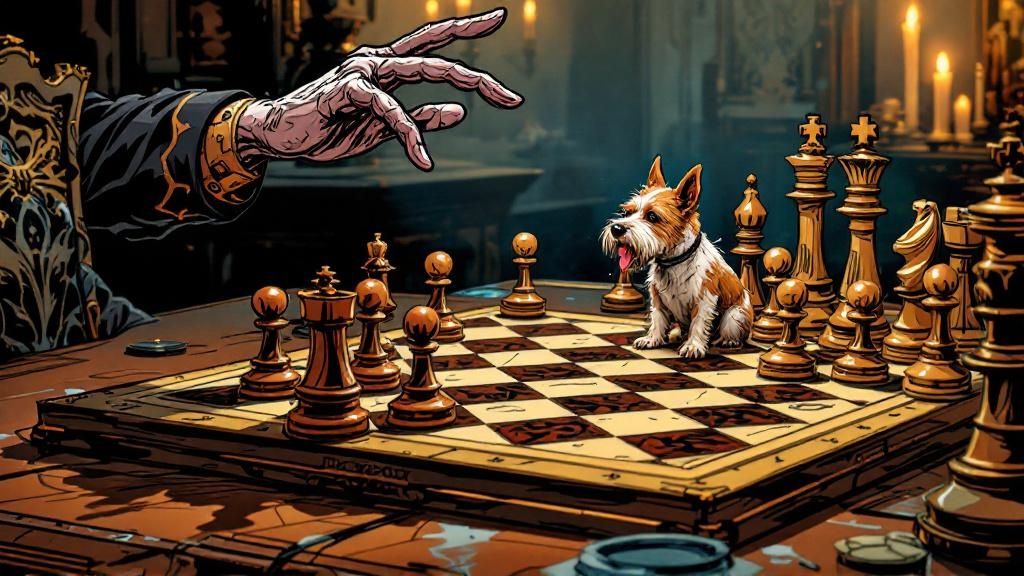
But here's what makes it more than simple manipulation: Vetinari needed to be proven wrong. His entire system depends on predictability, on knowing what people will do before they do it. Vimes is his insurance policy against his own blind spots. Sometimes the chessmaster needs a piece that moves on its own.
Two Cynics, One City
Strip away the titles and the power dynamics, and what you find underneath is surprisingly simple: Vimes and Vetinari are the only two people in Ankh-Morpork who see the city clearly.
Everyone else has illusions. The guilds think they run things. The aristocracy thinks breeding matters. The wizards think magic solves problems. Carrot thinks people are fundamentally good. But Vimes and Vetinari both know the truth: people are flawed, systems are fragile, and the only thing standing between civilisation and chaos is constant, exhausting effort.
They just disagree about how to make that effort.
"Vetinari sees the city from above—a system of pressures and incentives, people as pieces on a board. Vimes sees it from the streets—individual faces, individual crimes, individual choices."
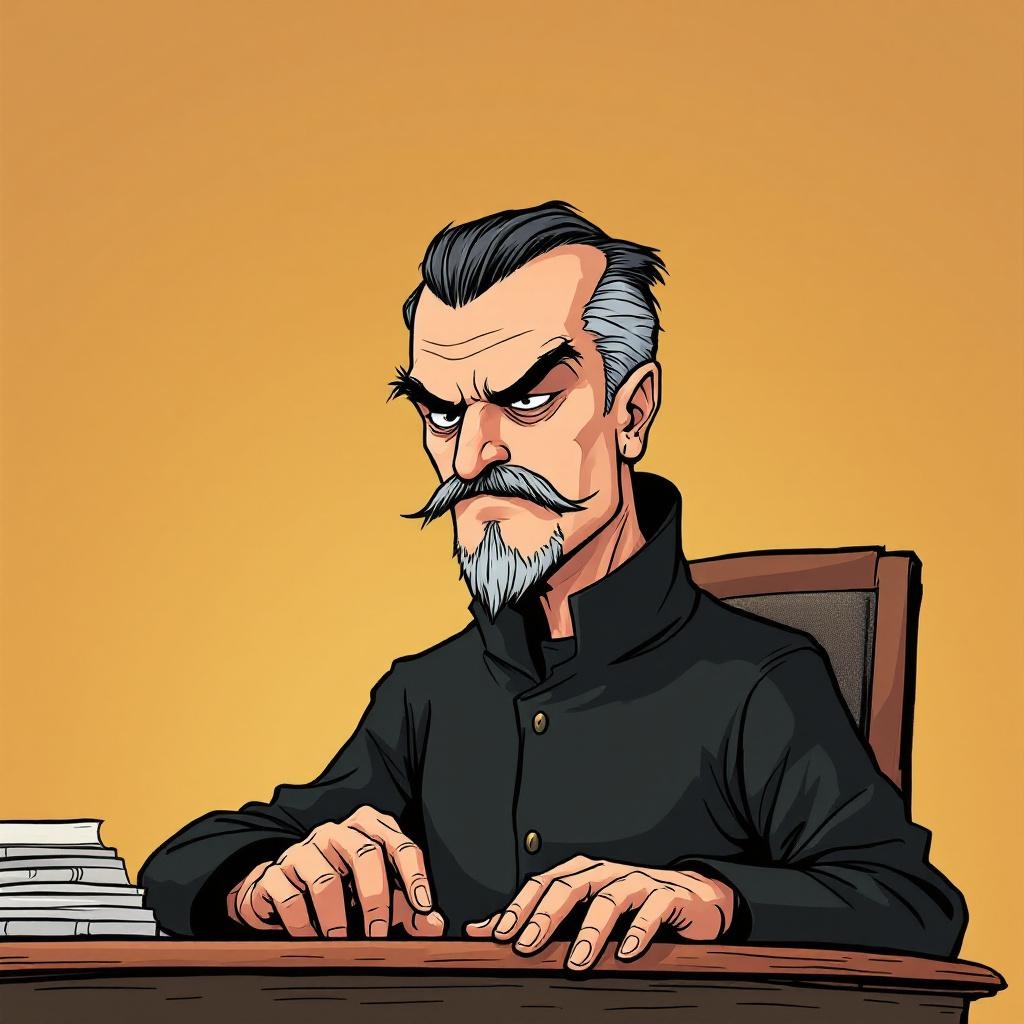
Vetinari sees the city from above—a system of pressures and incentives, people as pieces on a board. He'll tolerate injustice if it prevents greater instability. He'll use criminals as tools if it serves the greater good. He's a pragmatist in the purest, most unsentimental sense.
Vimes sees the city from the streets. He knows the name of every beat copper under his command. He still walks the cobblestones at night because he can "feel" the city through his boots. He can't tolerate injustice even when tolerating it would be smarter, because he remembers growing up on Cockbill Street where nobody with power ever cared.
This is why they clash. This is also why they work. Vetinari without Vimes produces efficient tyranny. Vimes without Vetinari produces well-meaning chaos. Together, they've accidentally created the closest thing to good governance the Disc has ever seen.
The Arrest That Changed Everything
In Jingo, Vimes does the unthinkable: he arrests Lord Vetinari for treason.
The setup is pure Pratchett. Ankh-Morpork is drifting toward a pointless war with Klatch, whipped into nationalist fervour by politicians who've never held a sword. Vetinari, through a series of characteristically opaque manoeuvres, puts himself in a position where arresting him is the only legal move Vimes can make.
And Vimes makes it.
He hates it. He fights it internally. He tells himself "I can't arrest Vetinari" even as his hand reaches for the warrant. But the law is the law, and Vimes is Vimes, and the whole point of everything he believes is that nobody—nobody—is above it.
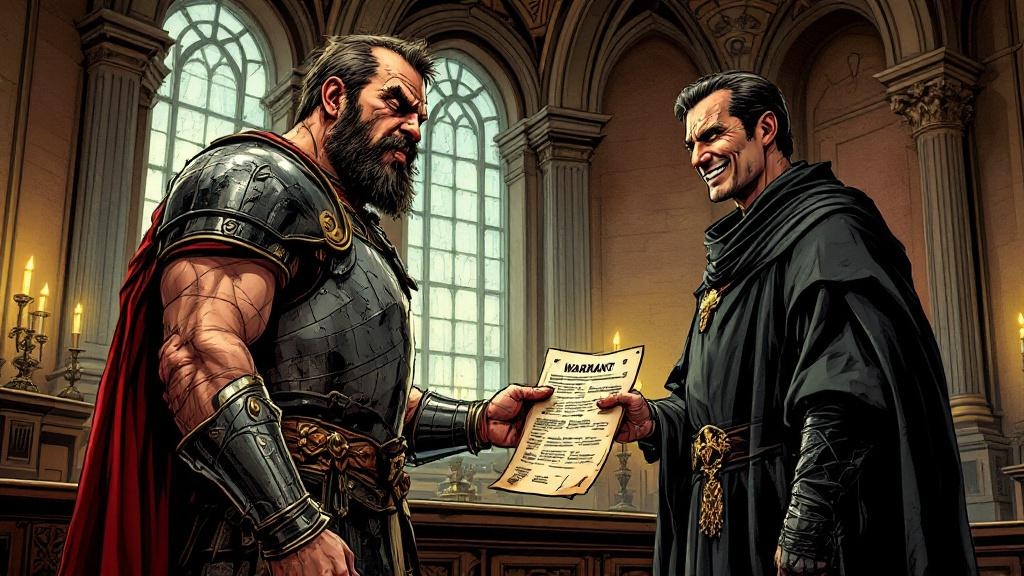
What's beautiful about this scene is Vetinari's reaction. He doesn't resist. He doesn't rage. He cooperates with what might be the only genuine smile he's ever worn, because Vimes just proved exactly why Vetinari keeps him around. Any other man would have found a reason not to do it. Any other man would have bent. Vimes broke toward justice instead.
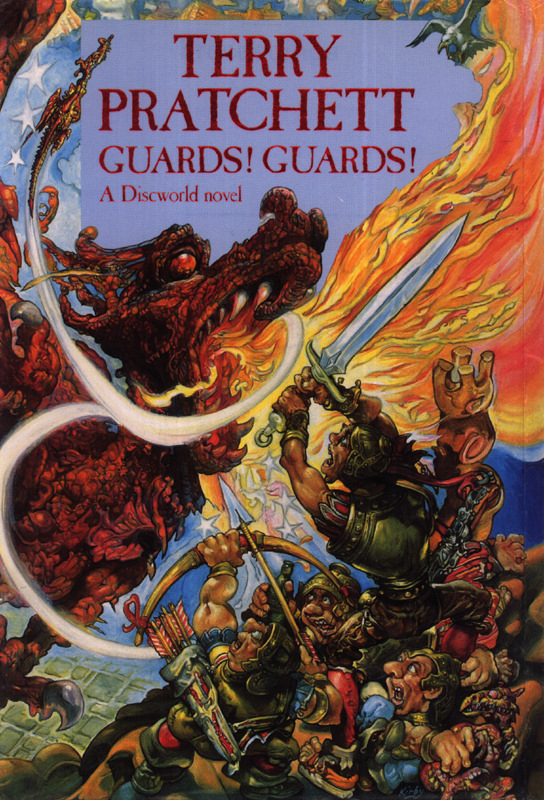
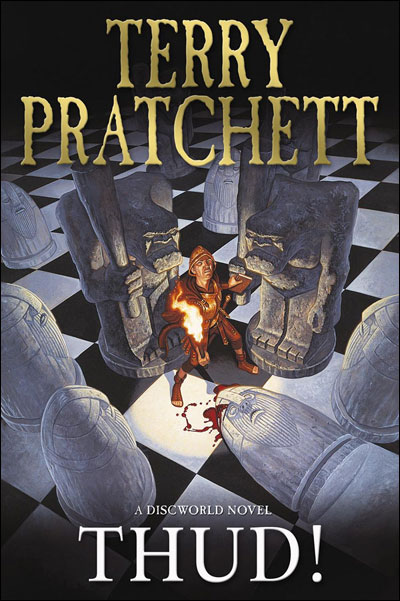
Years later, in Thud!, Vetinari recounts the moment with something close to pride: "Sam Vimes once arrested me for treason. And Sam Vimes once arrested a dragon. Sam Vimes stopped a war between nations by arresting two high commands. He's an arresting fellow, Sam Vimes. Sam Vimes killed a werewolf with his bare hands, and carries law with him, like a lamp."
That's not a description of an employee. That's not even a description of a friend. It's a description of something Vetinari values more than either: a man he can rely on to be incorruptible, even when corruption would serve Vetinari's interests.
What They'll Never Say
The genius of this relationship is everything that goes unspoken.
Vetinari will never tell Vimes he respects him—because the moment Vimes feels respected by a tyrant, he'll start doubting himself. Vimes will never admit that Vetinari is the best thing that's happened to Ankh-Morpork—because admitting that means admitting that sometimes benevolent dictatorship works, and that breaks something fundamental in his worldview.
"You know Vimes'd probably take an axe to Vetinari if he thought he could get away with it. No love lost there."— Dr Downey
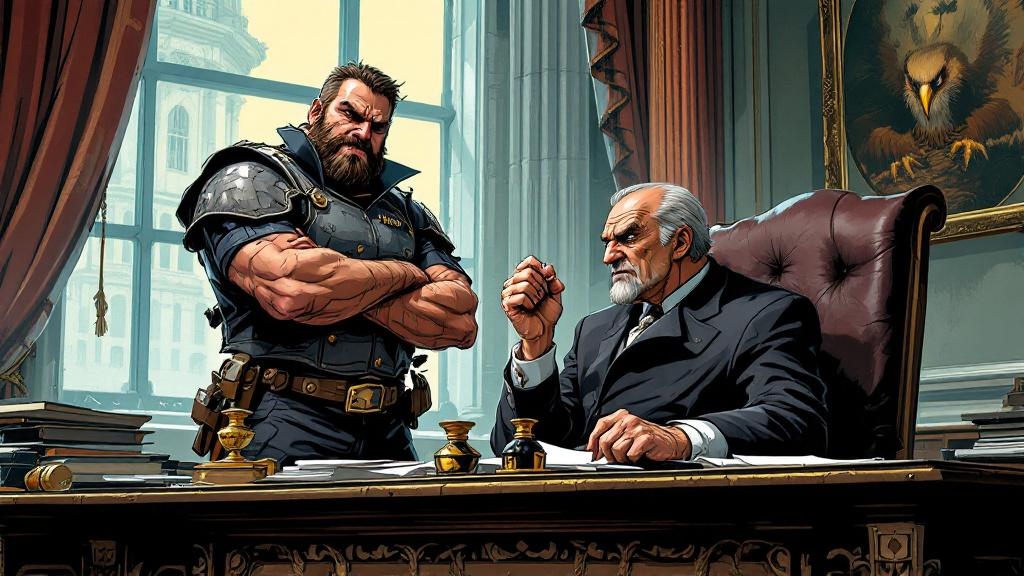
They communicate through implication, through carefully staged meetings in the Oblong Office where Vetinari feeds Vimes just enough information to point him in the right direction while maintaining plausible deniability. Vimes knows he's being manipulated. Vetinari knows that Vimes knows. Both pretend otherwise because the alternative—honesty—would make the whole arrangement impossible.
There's a running gag across the series about Vimes' daily reports to the Patrician, where Vimes gives the shortest possible answers to avoid Vetinari's probing questions. It's played for comedy, but underneath it's a portrait of two brilliant men engaged in constant, careful negotiation. Every word is chosen. Every silence is strategic. They're performing a relationship for each other's benefit while the real one operates underneath.
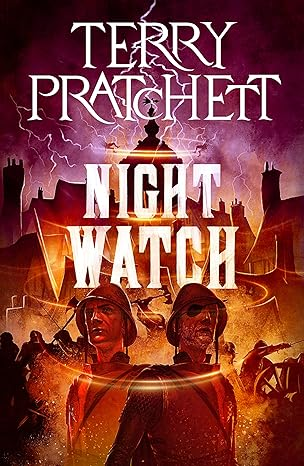
Night Watch: When We See How It Started
Night Watch gives us something extraordinary: the origin story of the Vimes-Vetinari dynamic, played out thirty years before it officially begins.
When Vimes travels back in time and takes on the identity of John Keel, he encounters a teenage Havelock Vetinari—a young Assassins' Guild student who's already terrifyingly competent. Young Vetinari fights alongside "Keel" during the revolution, kills an assassin to protect him, and delivers the chilling line: "Think of me as... your future."
He's not wrong.
What Vimes sees in the young Vetinari is everything that will eventually make the Patrician both necessary and dangerous: the absolute clarity, the willingness to do whatever the situation requires, the complete absence of sentimentality. And what young Vetinari sees in "Keel" is the template for the kind of man he'll later need to run his city—someone with principles rigid enough to resist even Vetinari's own authority.
They were shaping each other before either of them knew it. The terrier and the tyrant didn't just find each other. They made each other.
Why This Dynamic Matters
Fantasy literature is full of hero-and-ruler pairings. Gandalf and Aragorn. Ned Stark and Robert Baratheon. But those relationships tend to be built on either loyalty or tragedy. What makes Vimes and Vetinari special is that their bond is built on productive antagonism.
They make each other better by making each other uncomfortable. Vetinari's scheming forces Vimes to think beyond brute justice. Vimes' stubbornness forces Vetinari to account for the human cost of his calculations. Neither can retreat into the comfortable version of himself while the other is watching.
That's not friendship. It's something rarer and more interesting: mutual accountability between two people who'd never use that phrase. They've built a system of governance out of the tension between idealism and pragmatism, and it works precisely because neither side ever fully wins.
The Secret Heart of the Watch
Every great series has a relationship at its centre that makes everything else work. For the Watch books, it's not Vimes and Sybil (though that love story is beautiful). It's not Vimes and Carrot (though that mentorship is compelling). It's Vimes and Vetinari—the cop and the tyrant, the terrier and the handler, two men who share a city and a worldview and absolutely nothing else.
Pratchett understood something that most fantasy writers miss: the most interesting conflict isn't between good and evil. It's between two versions of good that can't stand each other.
If you want to see this dynamic at its sharpest, start with Feet of Clay, where Vetinari's vulnerability forces Vimes to confront how much he actually needs the man he claims to hate. Then read Jingo for the arrest that defined them both. And finish with Thud!, where Vetinari's speech about Vimes carrying law "like a lamp" is as close to a love letter as either man will ever write.

They'll never say what they mean to each other. They'll never have a heart-to-heart. They'll die (or in Vetinari's case, probably fake their death) without ever acknowledging the partnership that held their city together.
And that, in Pratchett's hands, is more moving than any declaration of friendship could ever be.