'When You Left, I Had to Be the Good One': Granny Weatherwax and the Burden of Goodness
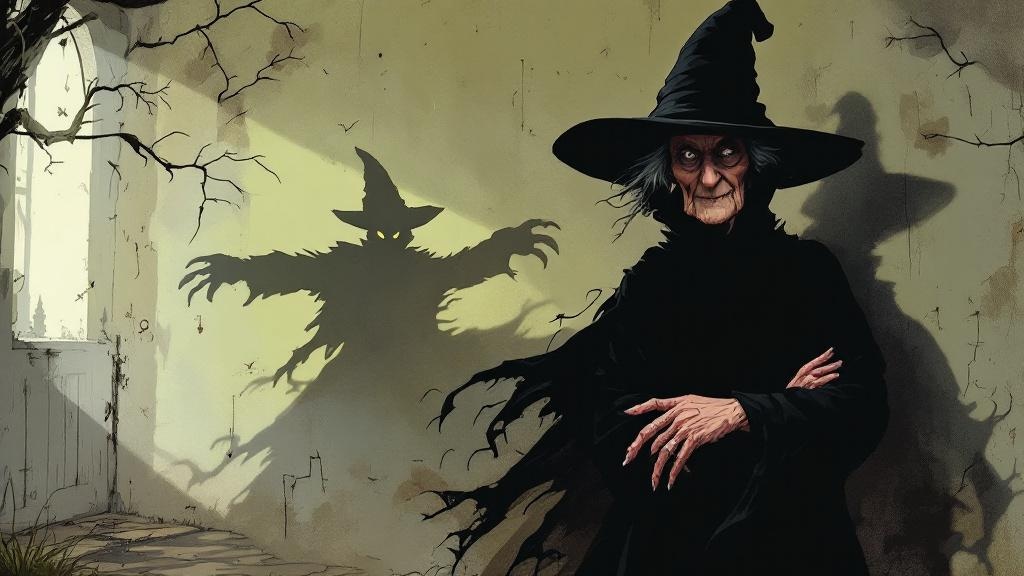
Granny Weatherwax could have been the villain. Terry Pratchett's greatest witch chose goodness not from nature, but from necessity—and that's what makes her remarkable.
"When You Left, I Had to Be the Good One": Granny Weatherwax and the Burden of Goodness
Here's the thing about Granny Weatherwax: she has the personality of a villain.
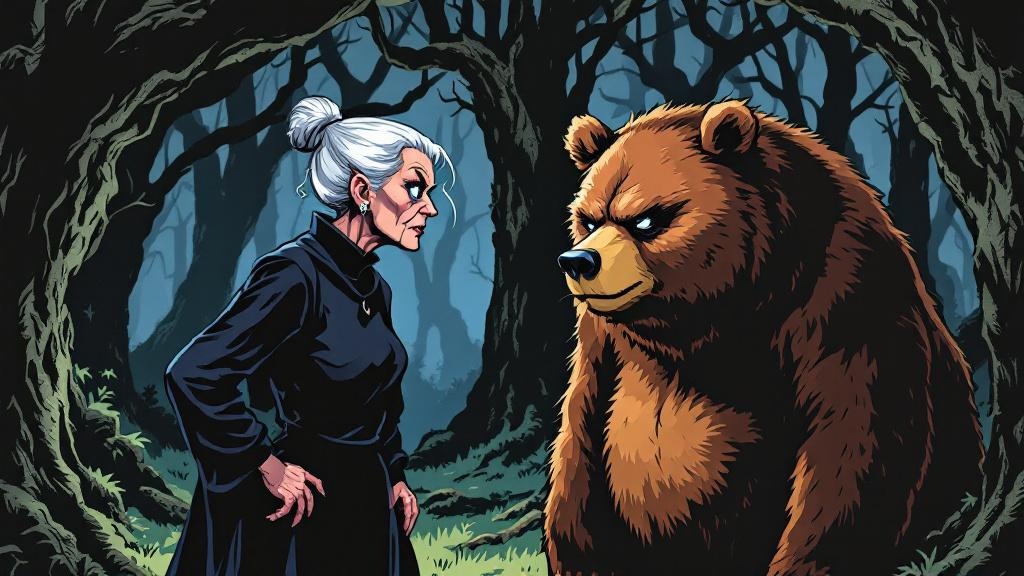
Competitive. Ambitious. Sharp-tempered. Selfish. Prideful enough to stare down a god. She wields a gaze stern enough to make bears cower in humiliated shame. Her cottage walls are lined with the remnants of people who tried to cross her. She never forgives and rarely forgets.
By every fairy tale rule, Esmerelda Weatherwax should be the cackling witch in the gingerbread house, not the hero.
She isn't. But the reason why makes her one of the most compelling characters Terry Pratchett ever created.
The Sister Who Left
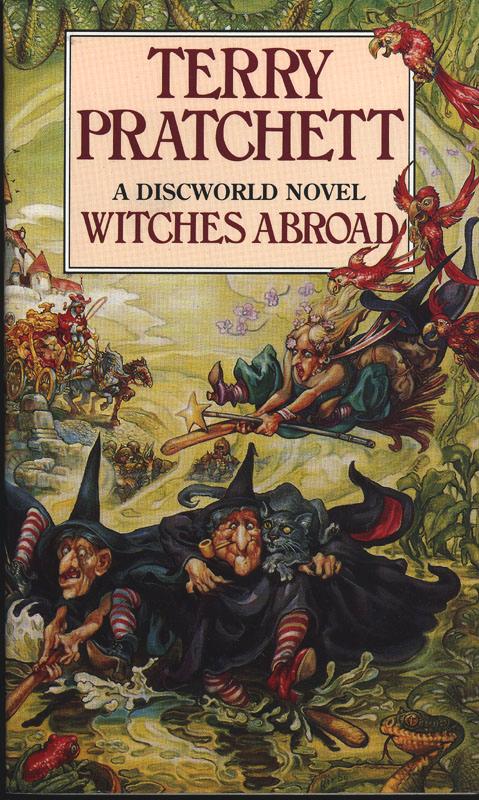
In Witches Abroad, we learn something that reframes everything we thought we knew about Granny Weatherwax.
She has a sister. Lilith Weatherwax—later known as Lily de Tempscire, the fairy godmother of Genua. And Lilith wasn't just any sister. She was the older sister. The one who left home at thirteen, drawn away by mirrors and magic and a conviction that she knew best how the world should be arranged.
When Lilith left, young Esme was stuck with a choice that wasn't really a choice at all.
"When you left, I had to be the good one."
There it is. One sentence that explains decades of rigid moral discipline. Granny Weatherwax didn't choose goodness because it called to her soul. She became good because someone had to be, and there was no one else left.

The Personality for Villainy
What makes this revelation so powerful is that Pratchett doesn't soften it. Granny Weatherwax genuinely has "the personality for villainy." She knows it. Everyone who meets her knows it. Her best friend Nanny Ogg spends half her time managing Granny's ego and the other half trying to prevent her from turning people into interesting things.
Consider the evidence:
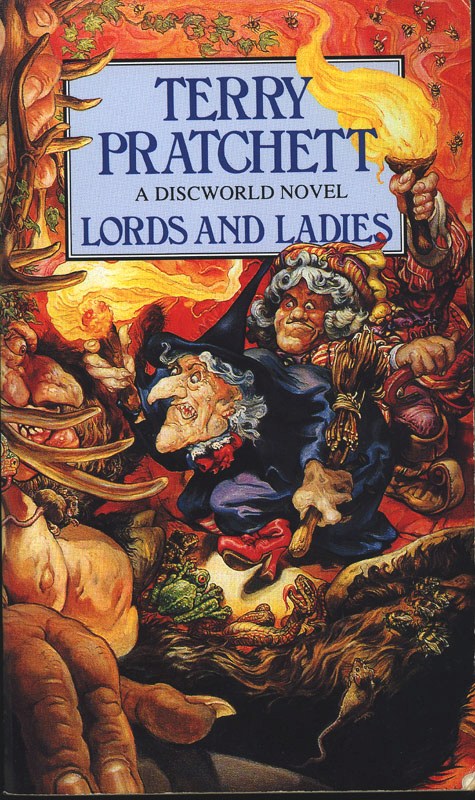
She's competitive to a fault. Granny will spend days being furious if she suspects someone is better than her at something. In Lords and Ladies, she's more upset about the Elves' glamour working on the villagers than she is about the actual threat to reality.
She's ruthless. When Granny decides something needs doing, she does it. Collateral damage is someone else's problem. Feelings definitely are.
She holds grudges. For decades. With interest.
She enjoys power. Not its trappings—Granny lives in a cottage with a pump for water—but the having of it. The knowledge that she could.
And here's what she told her sister during their final confrontation: "If I'd been as bad as you, I'd have been a whole lot worse. Better at it than you've ever dreamed of."
"If Granny Weatherwax had turned evil, she would have been magnificent at it. The Discworld would have trembled."
She's not wrong. If Granny Weatherwax had turned evil, she would have been magnificent at it. She has exactly the right combination of intelligence, willpower, and complete lack of self-doubt that makes for a legendary villain. The Discworld would have trembled.
Instead, it got a woman who delivers babies, cures sick animals, and occasionally saves reality from supernatural threats—while being absolutely insufferable about it.
Too Proud to Be Any Other Kind
So why didn't she go dark? What kept Esmerelda Weatherwax on the path of good when everything in her personality pointed the other way?
Pratchett's answer is beautifully counterintuitive: pride.
Granny Weatherwax is "too proud to be any other kind" of witch than a good one. Not too kind, not too compassionate, not too moral in some abstract sense. Too proud.
This is Pratchett's insight into the nature of goodness, and it's more sophisticated than a hundred philosophy textbooks. Granny doesn't resist evil because she can't imagine it. She resists evil because she can imagine it perfectly, has considered it thoroughly, and has decided it would be beneath her.
Evil, in Granny's worldview, is the easy path. It's what you do when you lack the discipline to do right. Any fool can curse people and take what they want. It takes real strength—real pride—to face the same temptations and choose the harder road.
There's a scene in Lords and Ladies where Granny walks through the bandit-haunted forests at night without fear, "in the certain knowledge that the darkness held nothing more terrible than she was."
She's not afraid of evil. She is the thing evil should be afraid of.
The Mirror Test
The climax of Witches Abroad features one of Pratchett's most memorable scenes—and it's all about identity.
Lilith has trapped Granny in a mirror maze, surrounded by infinite reflections of herself. It's a death trap for most people. How do you find the real you among a billion possibilities? How do you know which reflection is the truth?
Death appears—because of course he does—and poses the question: Find the real one.
Lilith, the sister who spent her life manipulating others and believing she was doing good, searches forever. She's lost among the reflections because she never really knew who she was. She was always playing a role, always the fairy godmother arranging everyone else's story.
Granny? She points at herself without hesitation.
"This one."
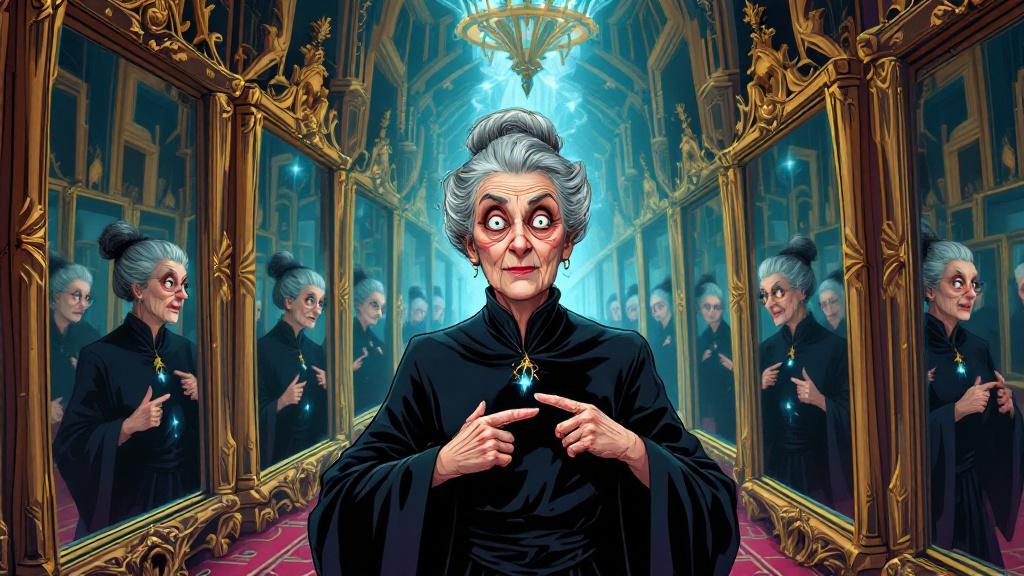
No uncertainty. No philosophical crisis. Not because Granny lacks self-awareness, but because she has absolute self-knowledge. She never needed to find herself because she always knew who was doing the looking.
This is Pratchett's answer to every "discover your true self" cliche: the people with the strongest identities don't need to go searching. They built themselves deliberately, with full knowledge of what they were doing and what they were choosing not to be.
The Choice That Matters
Here's what separates Granny Weatherwax from your average fantasy hero: she doesn't fight evil because she's good. She fights evil despite not being naturally good.
Think about that. The traditional hero is pure of heart, called by destiny, fundamentally different from the villains they oppose. Luke Skywalker versus Darth Vader. Frodo versus Sauron. Good guys are good; bad guys are bad. The moral universe is clean.
Granny Weatherwax obliterates that framework. She could have been Lilith. She should have been Lilith, if you're just counting personality traits. The only difference between them is that Granny made a different choice—and kept making it, every day, for decades.
At the end of Witches Abroad, after defeating her sister, Granny offers this observation:
"Good and bad is tricky. I ain't too certain about where people stand. P'raps what matters is which way you face."
Not what you are. Not what you were born as. Which way you face. The direction you're pointed, moment by moment.
Why This Matters
Pratchett wasn't just writing a character study. He was making an argument about morality itself.
If Granny Weatherwax can choose to be good despite having every personality trait that points toward evil, then goodness isn't about what you're born with. It's about effort. Decision. The daily grind of choosing right when wrong would be easier and probably more fun.
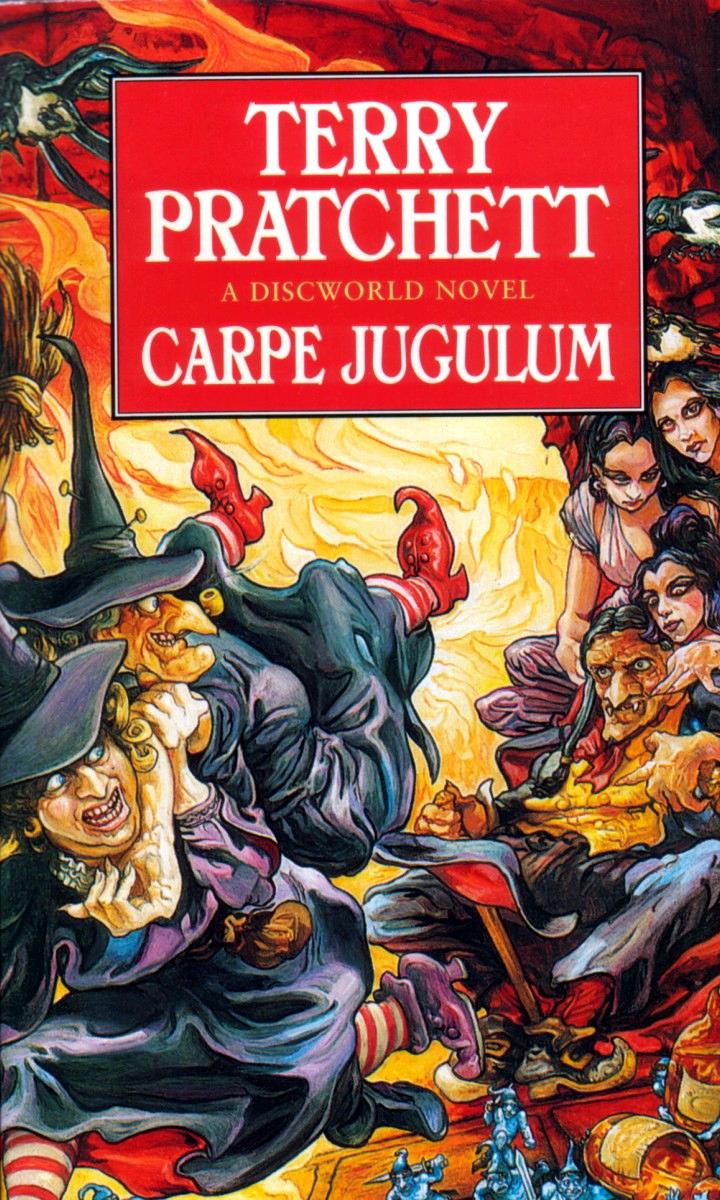
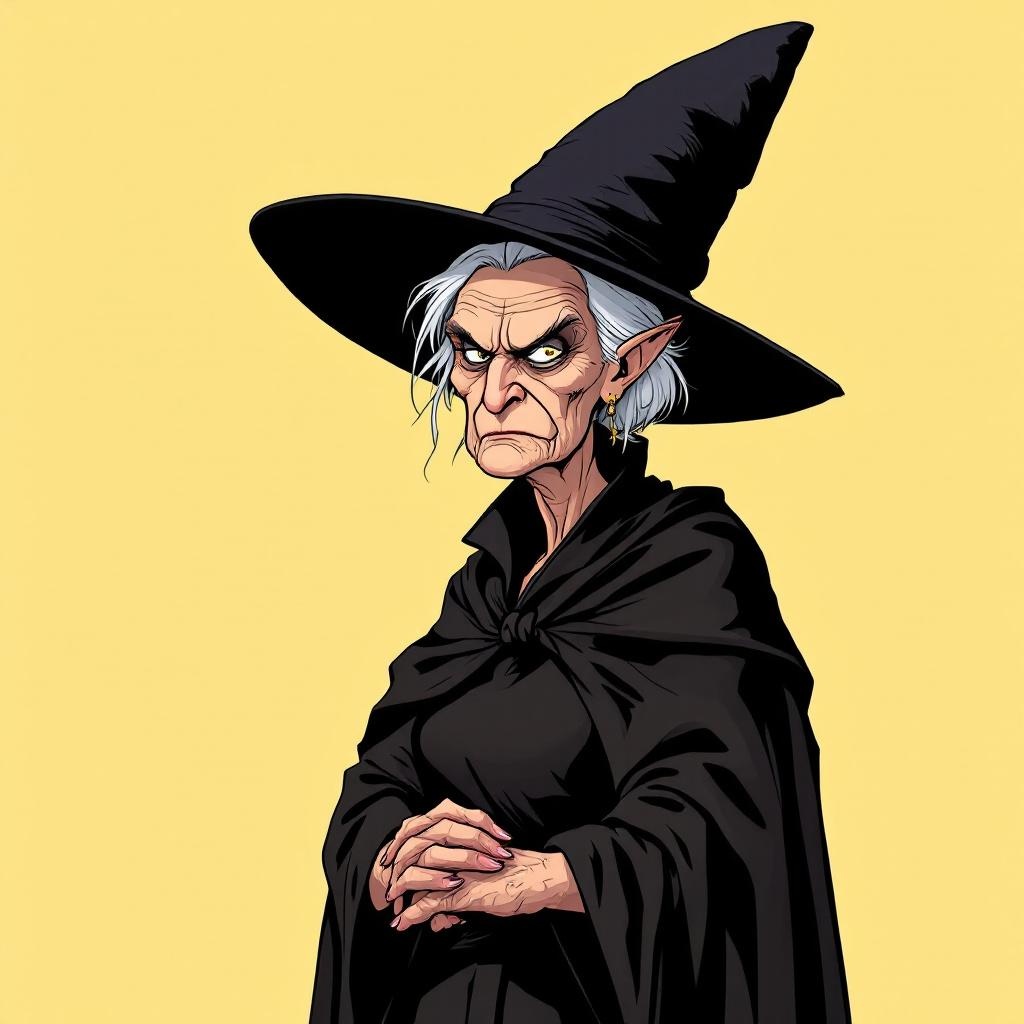
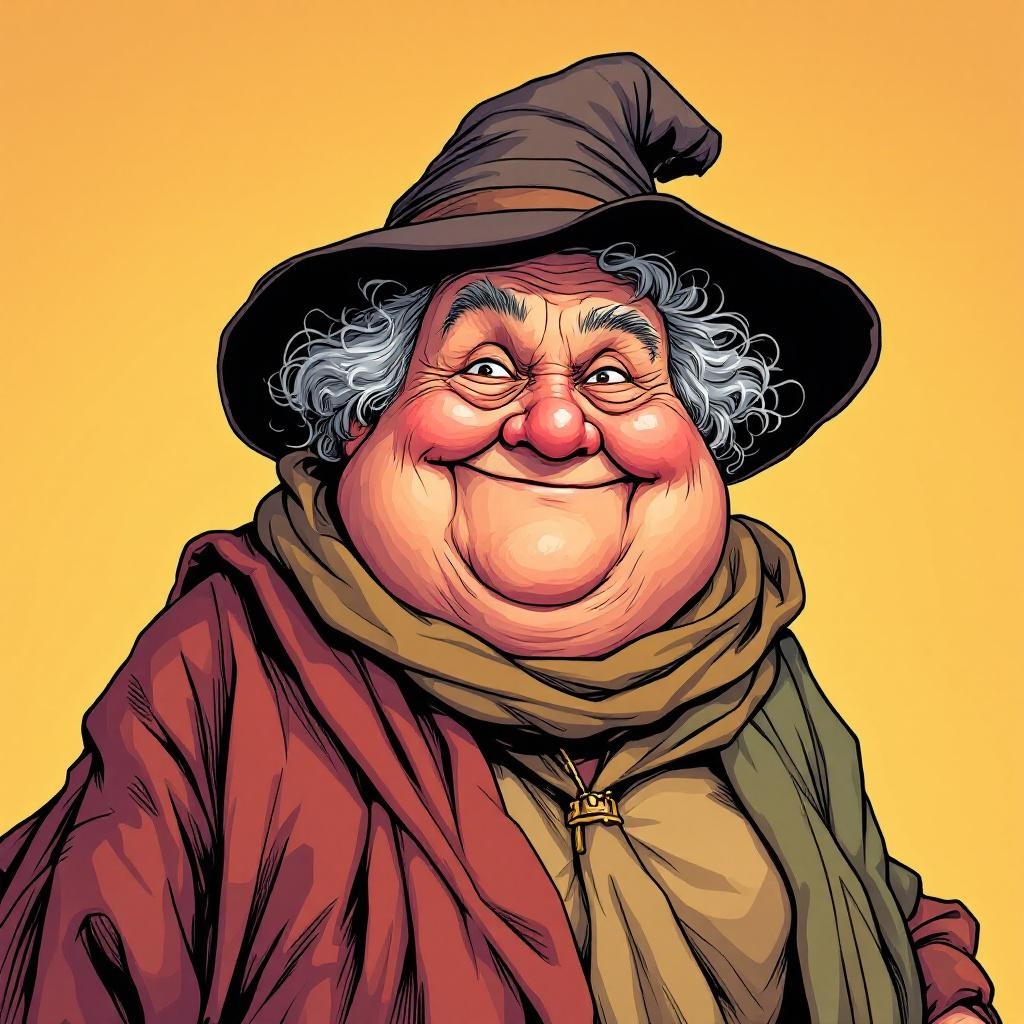


This is actually more demanding than the traditional model. If good people are just born good, then the rest of us are off the hook. We can't help what we are. But if Granny Weatherwax—prideful, competitive, temperamental Granny Weatherwax—can choose virtue through sheer bloody-mindedness?
No excuses.
In Carpe Jugulum, Granny expands on her moral philosophy to young priest Mightily Oats: "Sin, young man, is when you treat people as things. Including yourself. That's what sin is."
"Sin is when you treat people as things. Including yourself. That's what sin is."
And when Oats protests that it's more complicated than that, she cuts him off: "No. It ain't. When people say things are a lot more complicated than that, they mean they're worried that they won't like the truth."
There's no grays for Granny Weatherwax—just white that's got grubby. Good isn't complicated. It's just hard.
The Parallel You Might Have Missed
Readers familiar with the City Watch books might notice something: Granny Weatherwax sounds a lot like Sam Vimes.
That's not an accident. Pratchett wrote both characters as explorations of the same idea—good people who aren't naturally good, who maintain their virtue through constant effort rather than innocent nature.
Vimes calls his inner darkness "The Beast." Granny would probably just call it "herself on a bad day." But both characters know exactly what they're capable of, and both choose every day to be something else.
They never meet in the books. But they're the same person, really—just shaped by different circumstances into a cop and a witch. Pratchett needed both because he was exploring his theme from every angle. Vimes shows how justice requires acknowledging your own capacity for injustice. Granny shows how goodness requires knowing your own potential for evil.
The Burden She Carries
Let's come back to that word: burden.
Granny Weatherwax didn't ask to be the good one. She didn't volunteer for a life of rigid moral discipline. Her sister left, and someone had to pick up the slack, and that someone was thirteen-year-old Esme Weatherwax.
There's resentment there. You can see it in how she talks about Lilith—not just anger at what Lilith became, but a deeper bitterness about what Lilith's departure cost Esme. All those years of choosing good when bad would have come more naturally. All that pride deployed against her own inclinations.
Would Granny have been happier as a villain? Probably not—she's too contrary to enjoy anything she's supposed to enjoy. But she might have been more comfortable. Less at war with herself.
Instead, she chose the hard path. She kept choosing it. And the Discworld is a better place because a competitive, prideful, sharp-tongued woman decided that being good was the only challenge worthy of her abilities.

Where to Experience Granny's Journey
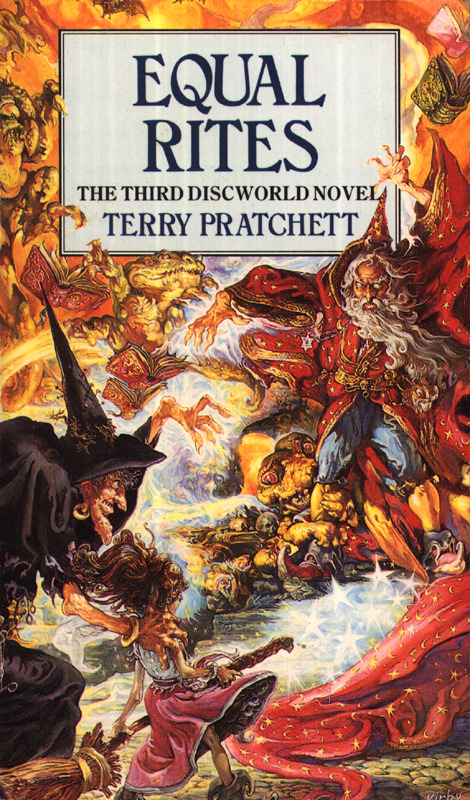
Witches Abroad is where the Lilith revelation happens, but you'll appreciate it more if you've seen Granny in action first. Start with Equal Rites for her introduction, then move through Wyrd Sisters before hitting Witches Abroad.
Or, if you want to see her at the peak of her powers, go straight to Lords and Ladies, where she faces the Elf Queen and pulls off feats of magic that should be impossible—through sheer force of identity.
The Bottom Line
Granny Weatherwax is good not because she's nice, not because she was born virtuous, not because goodness comes easily to her. She's good because she decided to be, and she's too proud to change her mind.
That's the burden of her goodness: it costs her every day. She could have been magnificent at evil. Instead, she's magnificent at being infuriating, practical, wise, and right.
"When you left, I had to be the good one."
She did. For fifty years and more, through countless temptations and easier paths, Esmerelda Weatherwax chose to face in the right direction. Not because it was natural. Because it was her.
That's what makes the most interesting heroes. Not innocence—but the daily decision to be good anyway.
Want to explore more of Granny Weatherwax? Read about headology, her signature approach to magic, or discover how she passed the ultimate test of self-knowledge.