Headology: The Psychology That Works Because People Believe It Does
Granny Weatherwax's folk-psychology approach to witchcraft is more powerful than flashy magic. Here's why headology works—and what it reveals about belief, power, and pragmatism.
Headology: The Psychology That Works Because People Believe It Does
Granny Weatherwax never heard of psychiatry. If she had, she'd have been suspicious of it. There are some arts too black even for a witch.
But she didn't need psychiatry. She had something better: headology.
In Terry Pratchett's Discworld, Granny Weatherwax is capable of terrifying magical power—the kind that could flatten armies and reshape reality. She almost never uses it. Instead, she relies on a peculiar brand of folk psychology that's simultaneously the most sensible and most subversive approach to magic in all of fantasy fiction.
Headology isn't about what's real. It's about what people believe is real. And on the Discworld—and in our world too—that's often the only thing that matters.
The Psychiatrist vs. The Headologist
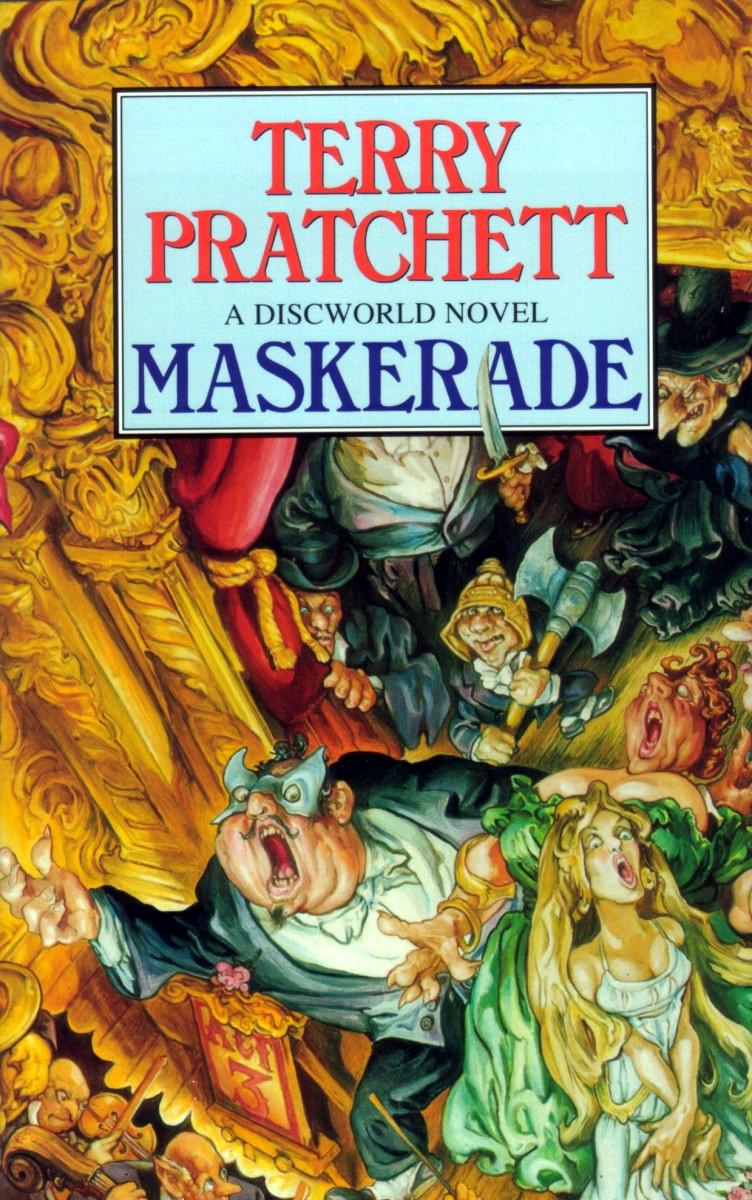
The most famous description of headology comes from Maskerade:
Granny Weatherwax had never heard of psychiatry and would have had no truck with it even if she had. There are some arts too black even for a witch.
She practiced headology—practiced, in fact, until she was very good at it.
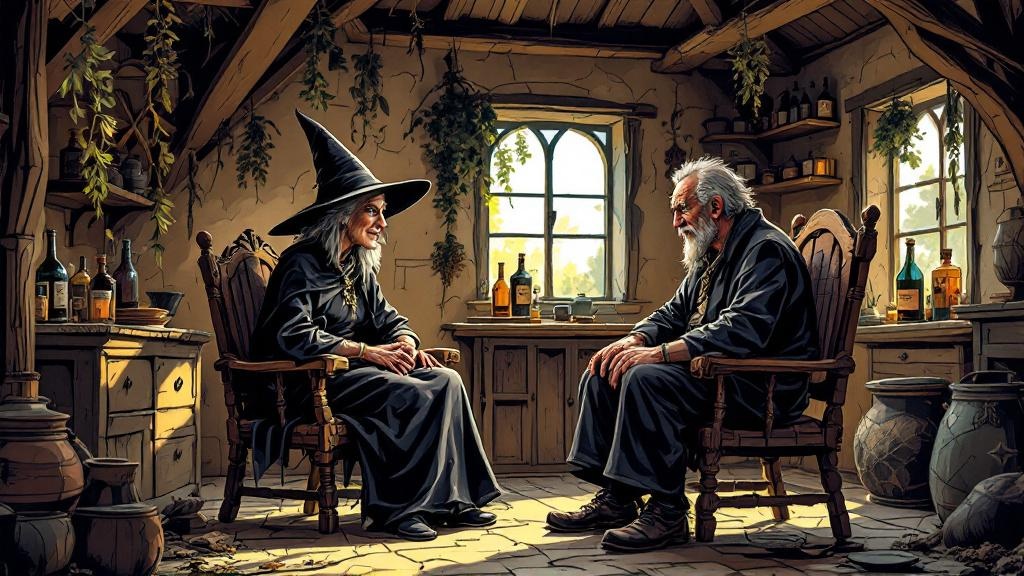
And though there may be some superficial similarities between a psychiatrist and a headologist, there is a huge practical difference. A psychiatrist, dealing with a man who fears he is being followed by a large and terrible monster, will endeavor to convince him that monsters don't exist. Granny Weatherwax would simply give him a chair to stand on and a very heavy stick.
"A psychiatrist will convince you there's no monster. A headologist will hand you a chair and a very heavy stick."
This isn't just a joke—though it's a very good one. It's a complete philosophy of how to help people.
The psychiatrist's approach assumes the problem is in the patient's head. The monster isn't real, so the solution is to fix the thinking. But Granny's approach doesn't care whether the monster is "real" in some objective sense. The fear is real. The experience is real. And if hitting a monster with a stick would make someone feel better, then handing them a stick is the most direct solution available.
One approach invalidates the patient's experience. The other takes it seriously and offers practical tools. No wonder headology gets results.
"If People Think You're a Witch..."
The core principle of headology can be summed up in one deceptively simple statement: "If people think you're a witch, you might as well be one."
This sounds like cynical manipulation. It isn't. It's a profound observation about how belief creates reality.
Consider curses. Granny Weatherwax could, if she wished, place actual magical curses on people who anger her. But why bother? It's much simpler to say she's cursed them and let their own minds do the rest.
"If people think you're a witch, you might as well be one."— Granny Weatherwax
Someone who believes they're cursed will see every bit of bad luck as confirmation. They'll stress themselves into illness. They'll make poor decisions. Given Granny's reputation, they might even flee the country entirely—which was probably the goal all along.
The curse works not because of magic, but because of belief. And belief, properly directed, is more reliable than magic anyway.
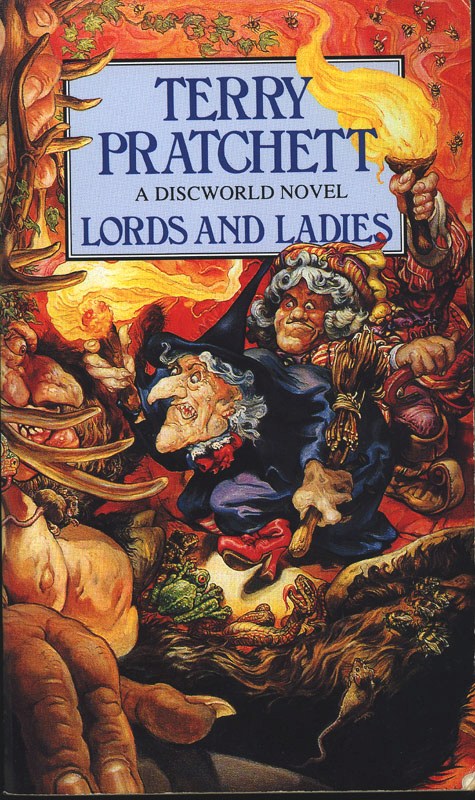
This extends to healing. In Lords and Ladies, we learn that while Magrat Garlick is technically a better doctor than the other witches—she actually believes in herbalism—Granny tends to use "whatever plant or bottle of coloured water comes to hand as a prop for her headology."
The colored water is meaningless. The ritual of receiving medicine from a witch is everything. Patients get better because they believe they will, and because Granny Weatherwax told them to.
Headology in Action: Old Jarge's Back
One of the finest examples of headology appears in Maskerade, when old Jarge Weaver visits Granny's cottage seeking a cure for his bad back.
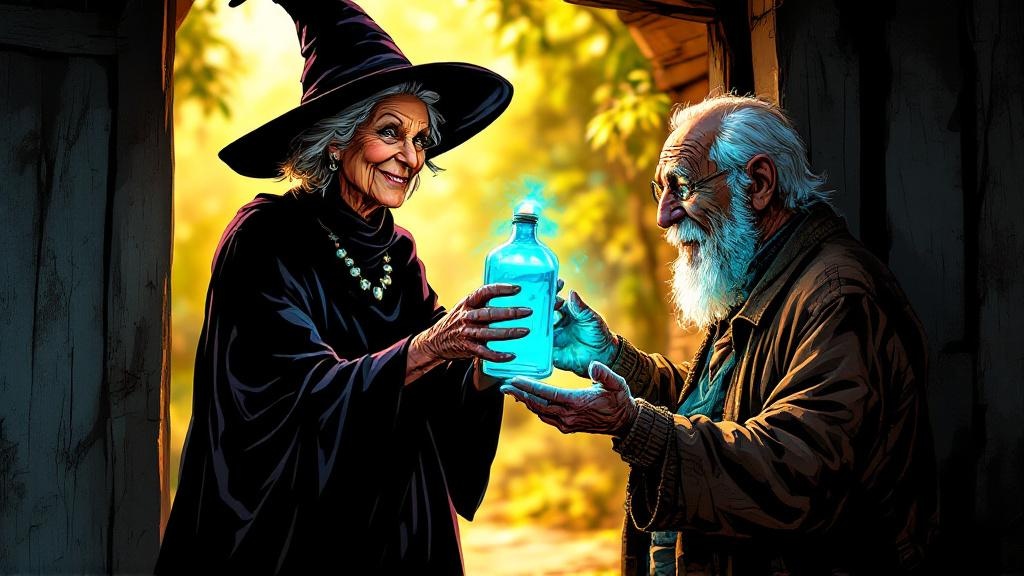
Granny applies an impressive-seeming magical remedy—the kind of mysterious witchcraft that villagers expect. There's ritual. There's a potion. There's the appropriate dramatic atmosphere.
What actually cures him? Herbalism, physical therapy, and identifying the root cause: his mattress was too soft.
But here's the key: the practical solution wouldn't have worked without the theater. Jarge wouldn't have taken his back problems seriously enough to change his mattress. He wouldn't have believed a few herbs and stretches could fix a condition that had plagued him for years. He needed the witch's blessing, the sense that powerful forces were at work.
Headology applies a holistic approach: evidence-based medicine wrapped in psychospiritual packaging. The patient believes in the cure, which facilitates recovery. Everyone wins—except perhaps rigid empiricists who think the placebo effect is cheating.
Why Granny Avoids "Real" Magic
If Granny Weatherwax wanted to, she could do things that would make the most powerful wizards nervous. She's borrowed an entire beehive—maintaining her identity across a collective consciousness, something no other witch has achieved. She's stared down elves, vampires, and Death himself. In terms of raw magical power, she's reckoned to surpass Black Aliss, the most notorious witch in Discworld history.
But Black Aliss went mad. She started putting people in gingerbread and living in houses made of frogs. She "cackled"—the witching term for losing your grip on reality through overuse of power.
Granny explains this in Maskerade:
"There was a wicked ole witch once called Black Aliss. She was an unholy terror. There's never been one worse or more powerful. Until now. Because I could spit in her eye and steal her teeth, see. Because she didn't know Right from Wrong, so she got all twisted up, and that was the end of her."
Power corrupts. Magic especially corrupts. Every time a witch uses raw power instead of headology, she risks taking one more step toward becoming the cackling horror in the gingerbread house.





Headology isn't just more effective than flashy magic. It's safer. Every problem solved through psychology instead of sorcery is a problem that doesn't tempt the witch toward darkness.
The Real-World Parallels
Here's where Pratchett's satire gets genuinely insightful: headology isn't really about magic at all. It's about belief, perception, and the therapeutic relationship.
The placebo effect is real medicine. Study after study shows that patients who believe they're receiving treatment often improve—sometimes dramatically—even when the "treatment" is sugar pills. The ritual matters. The authority of the healer matters. The patient's expectation matters.
Modern medicine is only beginning to grapple with this. We know placebos work, but we're uncomfortable with the implications. If deception heals people, is it ethical? If the ritual is as important as the chemistry, why do we focus so much on the chemistry?
Granny Weatherwax figured this out without clinical trials. A witch needs a hat because the hat makes people believe in the witch. A potion needs to look impressive because impressive-looking potions work better. The medicine might be colored water, but the healing is absolutely real.

The Susan Sto Helit Connection
Pratchett explored similar territory with Susan Sto Helit, Death's granddaughter and a surprisingly practical governess.
When children complain about monsters under the bed, most adults explain patiently that monsters don't exist. Susan hands the child a poker and deals with the monster personally.
Sound familiar?
Susan's approach isn't headology—she's actually hitting real monsters with real pokers—but the philosophy is the same. Don't dismiss what people experience. Take their reality seriously and provide practical solutions within that framework.
The monsters under Ankh-Morpork beds have learned to dread Susan's fireplace poker. Word spreads fast in monster communities. These days, she mostly only deals with newcomers who haven't heard the warnings.
It's headology applied to the supernatural: the monsters are real, but reputation still solves most problems.
More Than Manipulation
At this point, you might be thinking headology sounds like manipulation. And... it kind of is? Granny is deliberately using people's beliefs to achieve outcomes she's chosen for them.
But consider the alternative. When Granny convinces someone they're cured through a bottle of colored water, they're cured. When she lets someone believe they're cursed to make them leave town, they leave. The outcomes are real even if the mechanisms are psychological rather than magical.
Compare this to a witch who actually curses people, or a doctor who prescribes medicine the patient doesn't believe in and therefore doesn't take properly. Which approach helps more people?
Headology works with human nature rather than against it. People believe in witches? Fine—be a witch, and use that belief to help them. People need ritual to accept treatment? Provide the ritual. People respond to authority? Carry authority.
The manipulation serves the people being manipulated. That's not a contradiction—it's the foundation of every therapeutic relationship.
The Power of Actually Knowing Things
There's another layer to headology that's easy to miss: it only works if you actually understand what's going on.
Granny couldn't cure old Jarge's back without recognizing that his mattress was the problem. She couldn't place effective "curses" without understanding exactly what the target feared and how they'd interpret bad luck. She couldn't give someone a chair and a stick without knowing whether they actually needed to face their monster or run away from it.
Headology isn't a substitute for knowledge—it's knowledge applied with psychological sophistication. The colored water is a delivery mechanism for actual wisdom about what's wrong and how to fix it.
This is why Granny studies people so intently, why she knows everyone's business, why she understands the interconnected relationships of every family in Lancre. Headology requires intelligence, observation, and genuine understanding of the human condition.
Anyone can wave their hands and pretend to do magic. Only someone who truly knows what they're doing can make headology work.



Why This Matters
Pratchett wasn't just creating a clever magic system. He was making an argument about power, belief, and what it means to help people.
Real power, Granny teaches us, comes from understanding rather than force. Real help means working within someone's worldview rather than dismissing it. Real wisdom is knowing that belief shapes reality, and using that knowledge responsibly.
Headology is cognitive behavioral therapy before it had a name. It's placebo-aware medicine practiced by someone who doesn't need double-blind studies to know that rituals heal. It's the deepest kind of pragmatism: caring about what works rather than what's philosophically pure.
Granny Weatherwax could flatten mountains if she wanted to. Instead, she hands people chairs to stand on and watches them solve their own problems.
That's headology. That's wisdom. And that's why she's the most powerful witch on the Discworld—not despite avoiding magic, but because of it.
Want to explore more of Granny Weatherwax? Read about the burden of goodness she carries, or discover how she passed the ultimate test of self-knowledge.