Carrot vs. Vimes: Two Philosophies of Policing
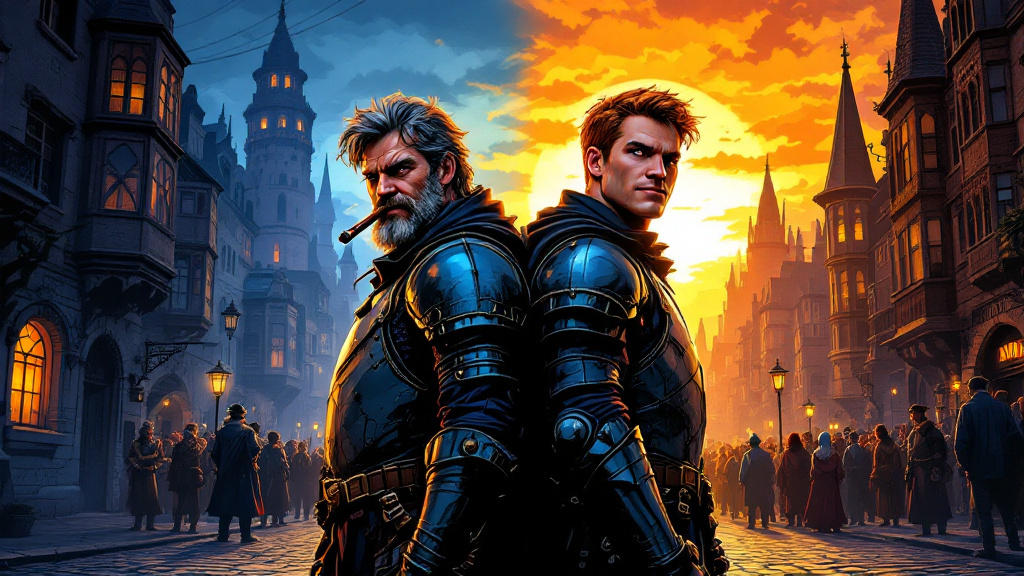
Sam Vimes assumes everyone is guilty of something. Carrot Ironfoundersson assumes everyone is decent underneath. Why the City Watch needs both of them.
Carrot vs. Vimes: Two Philosophies of Policing
Put two coppers on the same street corner in Ankh-Morpork and ask them what they see.
The first one sees a city full of people who are, at this very moment, either committing a crime, planning one, or recovering from the last one. He's been right often enough to make it a habit. The second one sees a city full of people whose names he knows, whose grandmothers he's helped across the road, and who are all, deep down, trying their best.
The first one is Sam Vimes. The second is Carrot Ironfoundersson. And for most of the City Watch books, Terry Pratchett sends them out on the beat together and lets them argue about human nature without ever quite saying so out loud.
This isn't a buddy-cop gimmick. It's Pratchett arguing with himself. Vimes is the cynic Pratchett was in his darker moods; Carrot is the idealist he couldn't quite stop believing in. The Watch only works because it has both.
Vimes: Everyone Is Guilty of Something
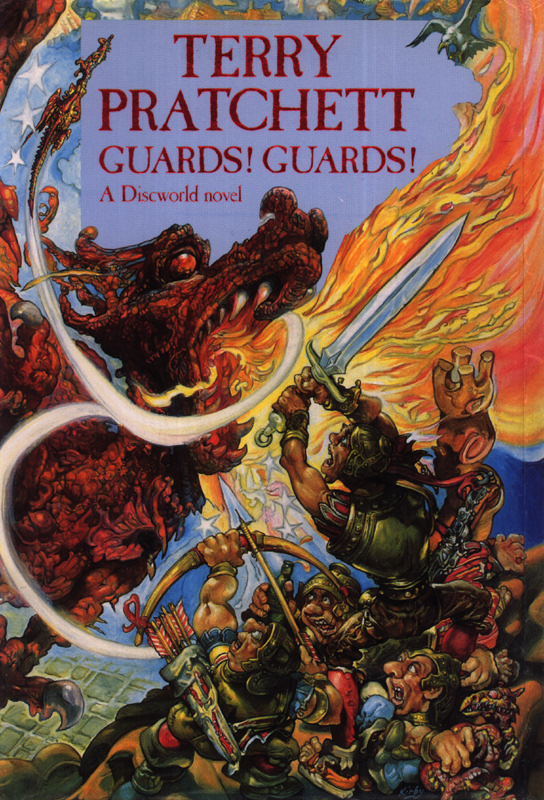
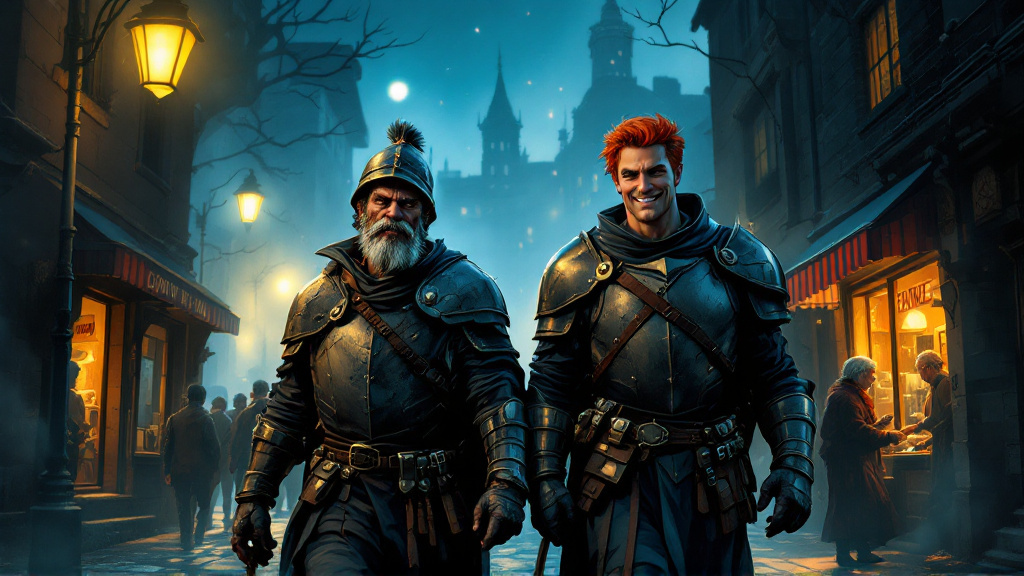
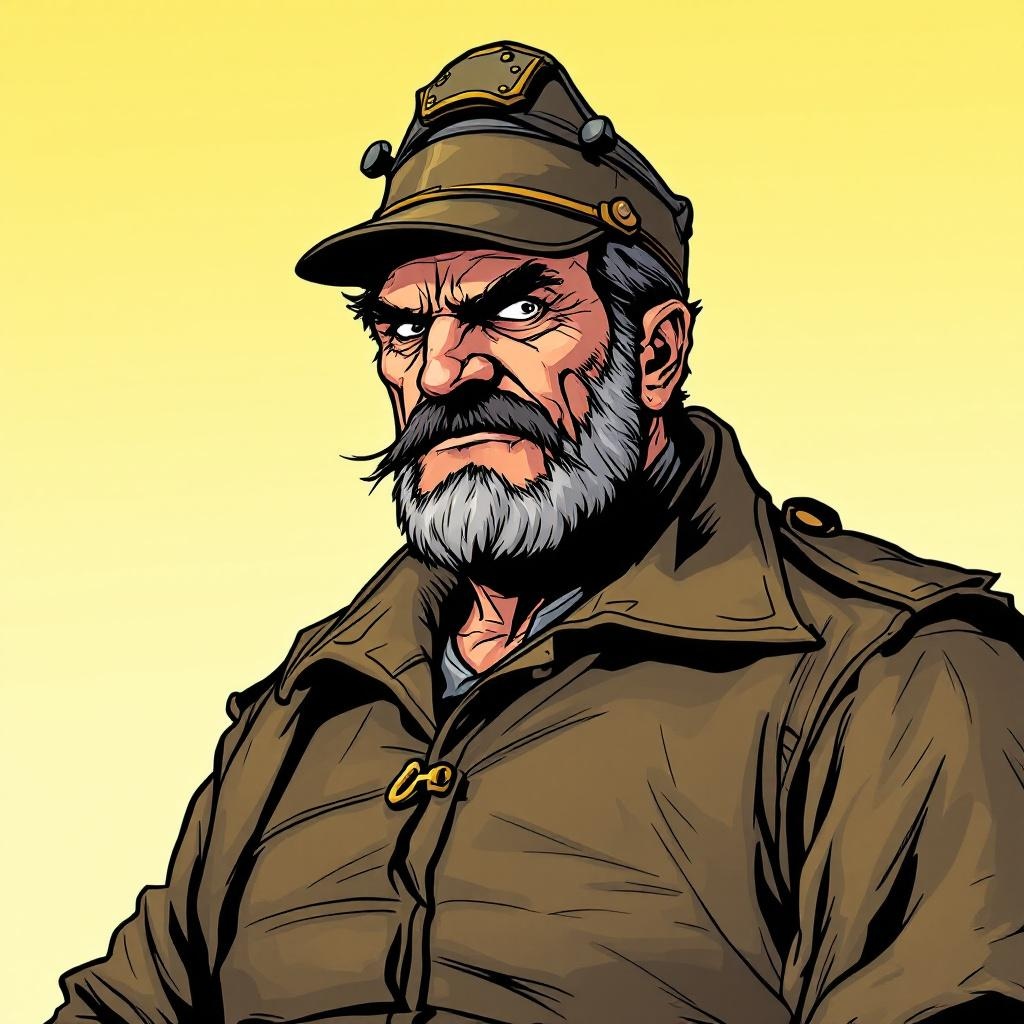
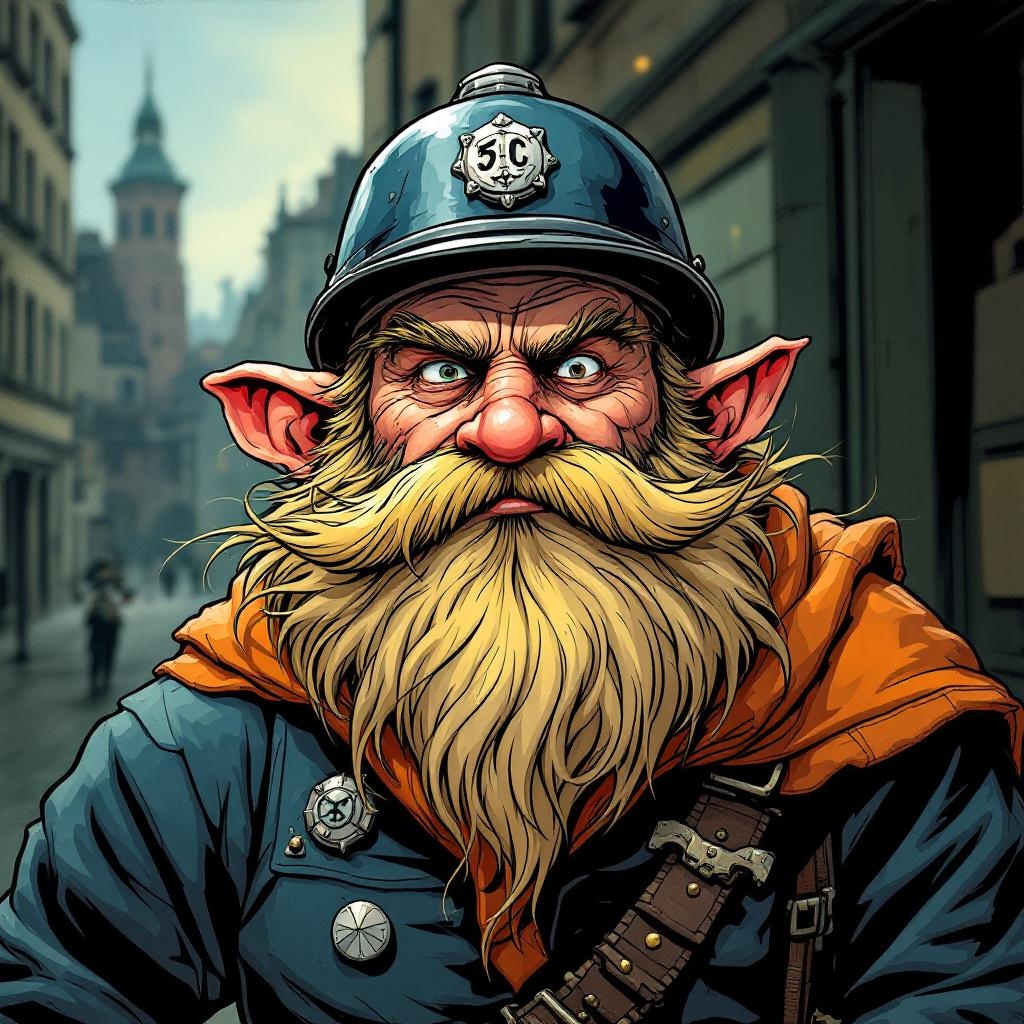
Start with Vimes, because Pratchett did. When we meet him in Guards! Guards!, he's drunk in a gutter, captain of a Night Watch that exists mainly so nobody has to bother with it. His worldview has curdled into something you could stand a spoon in.
Pratchett gives us the line that sums him up early:
"If there was anything that depressed him more than his own cynicism, it was that quite often it still wasn't as cynical as real life."
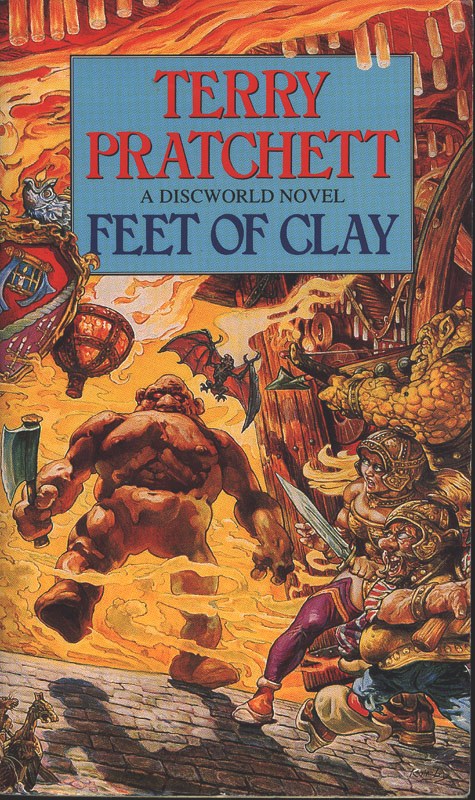
That's the engine of Vimes. He doesn't think people are evil, exactly. He thinks they're people, which in his experience is bad enough. By Feet of Clay, the narration spells it out: people might say they had lived blameless lives, "But Vimes was a policeman. No one lived a completely blameless life." And in Night Watch, it's even blunter: "Everyone was guilty of something. Vimes knew that. Every copper knew that."
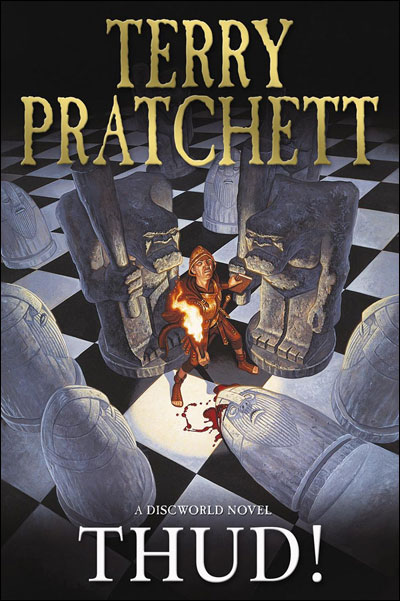
Here's the crucial thing, though. Vimes doesn't exempt himself. The darkness he sees in everyone else, he sees in the mirror first. He calls it the Beast, and he spends book after book keeping it on a short chain. When an inspector in Thud! asks the old question of who watches the watchmen, Vimes answers "Me", and when pressed on who watches him, he says, "I do that too. All the time."
So Vimes's philosophy isn't "people are bad." It's "people are capable of anything, me included, so I'd better choose to be good and keep an eye on everyone who hasn't."
Carrot: Everyone Is Decent Underneath
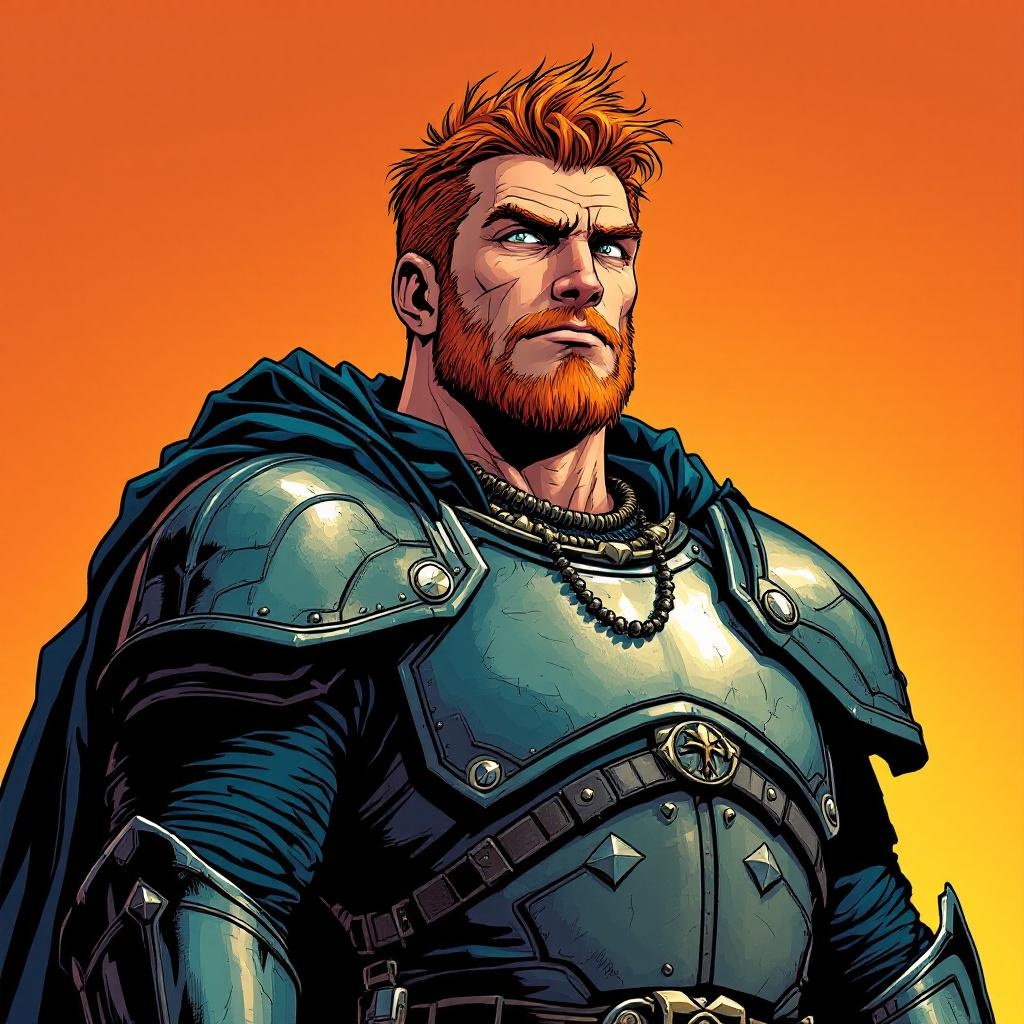
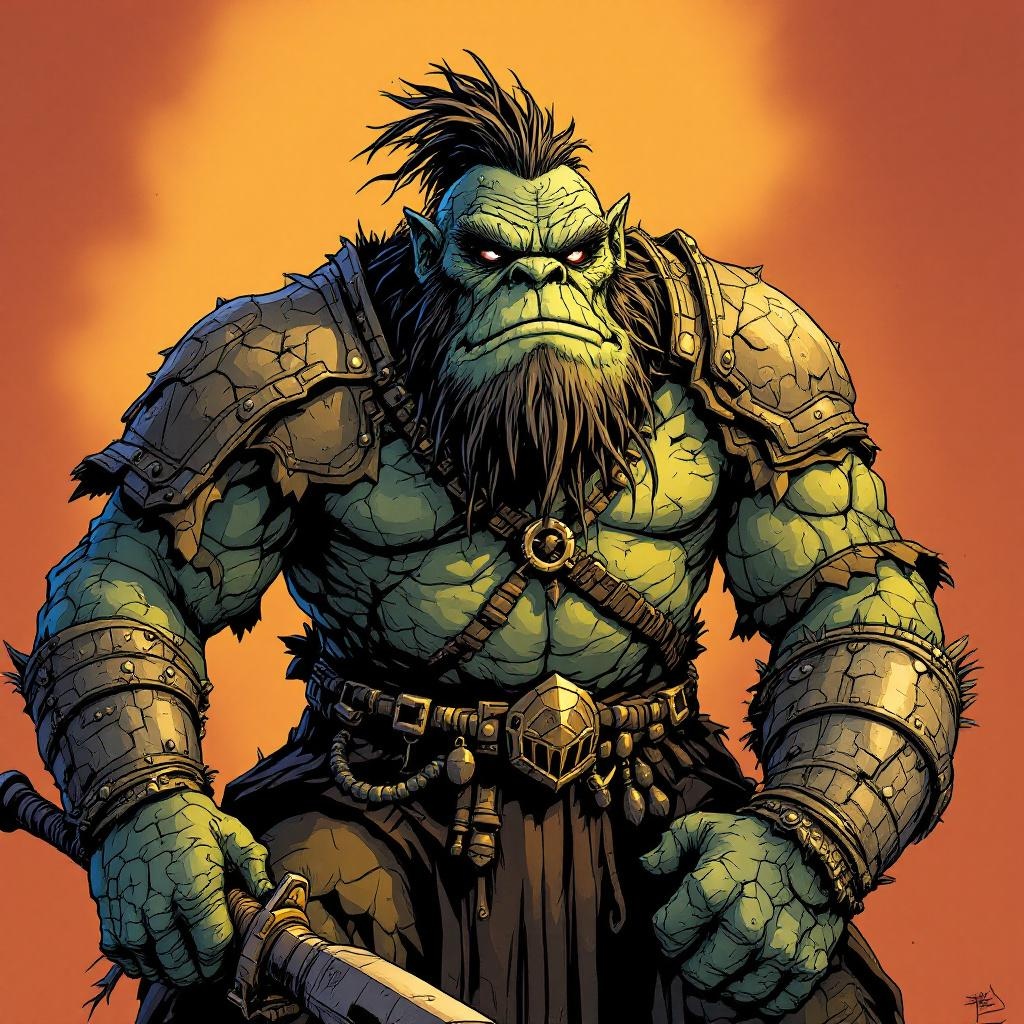
Now meet the other half. Carrot walks into Ankh-Morpork in Guards! Guards! having been raised by dwarfs, armed with a copy of the city's laws and an unshakeable belief that they mean what they say. He arrests the head of the Thieves' Guild on day one, because theft is illegal and nobody told him otherwise.
You'd be forgiven for writing him off as a holy fool. Plenty of people in the books do. Pratchett heads that off in Men at Arms:
"Carrot often struck people as simple. And he was. Where people went wrong was thinking that simple meant the same thing as stupid."
"Vimes chooses to be good despite what he knows. Carrot believes in good because of what he sees."
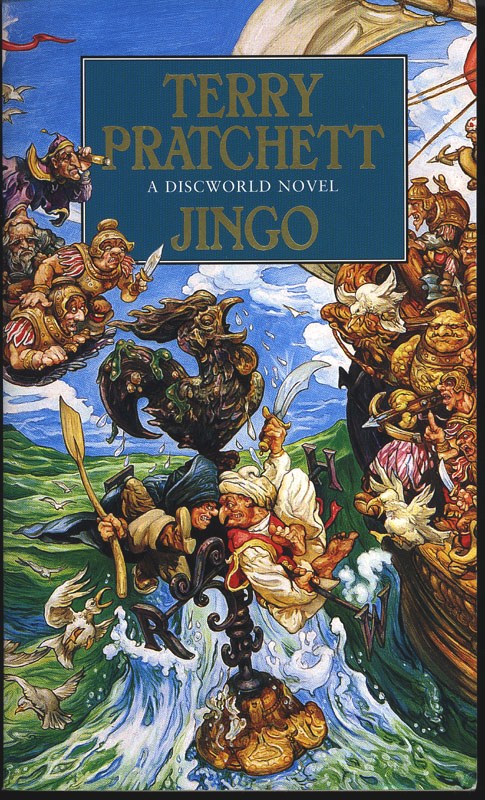
Carrot's founding assumption is the mirror image of Vimes's. Where Vimes assumes the worst and is pleasantly surprised (rarely), Carrot assumes the best and is, somehow, frequently right. He knows everyone's name. He knows what their mum does and whether their cousin's leg healed. In Jingo, one character puts a finger on exactly what's going on: "He makes space in his head for people. He takes an interest, and so people think they're interesting."
That's not naivety. It's a policing method. People who feel seen tend to behave better, and Carrot sees everyone. The L-Space wiki puts it well: Carrot genuinely thinks everyone, even street-gang thugs, is decent underneath. What makes him formidable is that he treats them that way until they start to believe it too.
There's a lovely exchange from Guards! Guards! that captures the two of them in miniature. Carrot suggests a man they saw might just have been an innocent bystander. Vimes's response: "What, in Ankh-Morpork?" Carrot says yes, sir. And Vimes replies, "We should have grabbed him, then, just for the rarity value."
One of them is joking. The other one isn't, and isn't wrong either.
The Thing Vimes Can Never Quite Figure Out
Here's where it gets interesting, and where Pratchett stops letting the contrast be simple.
Vimes never fully trusts Carrot's innocence. How could he? He doesn't fully trust anyone's. And Carrot keeps doing things that look, from the outside, exactly like what a very clever, very manipulative person would do.
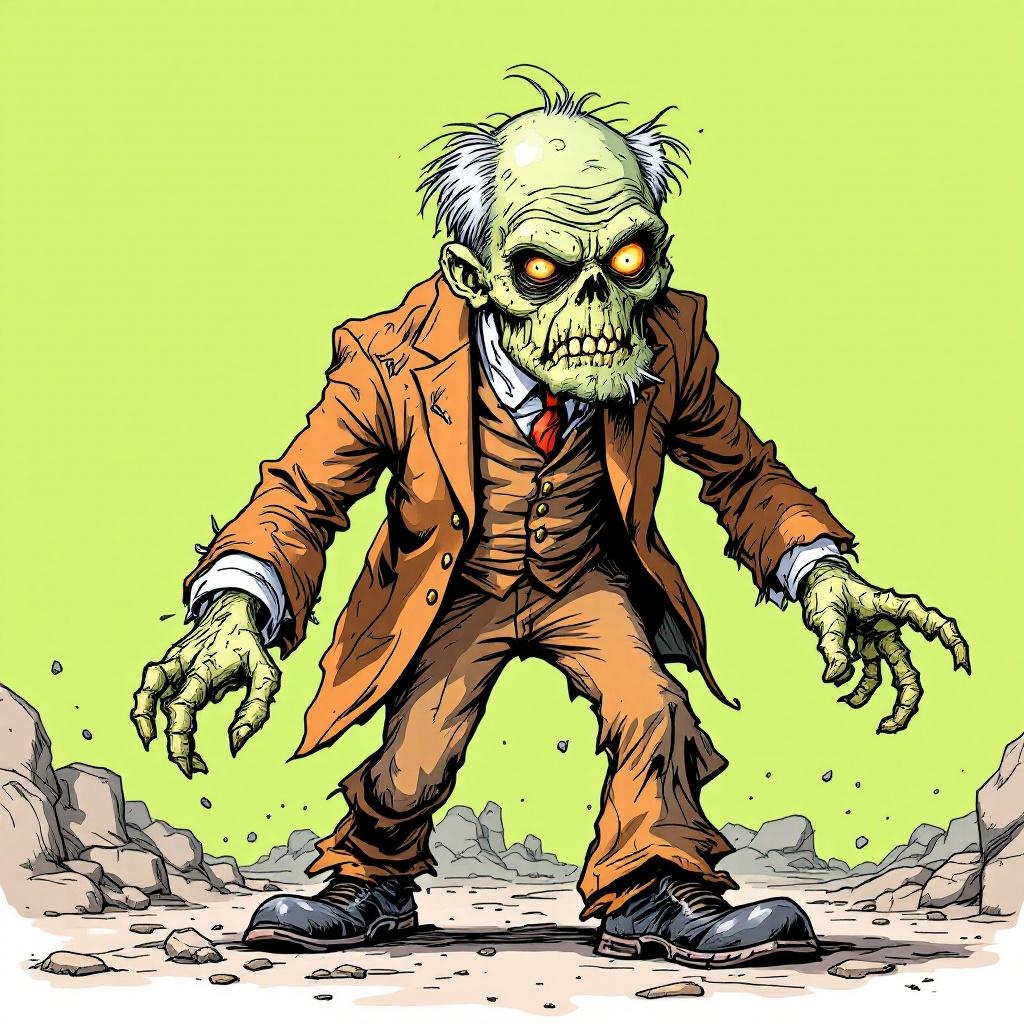
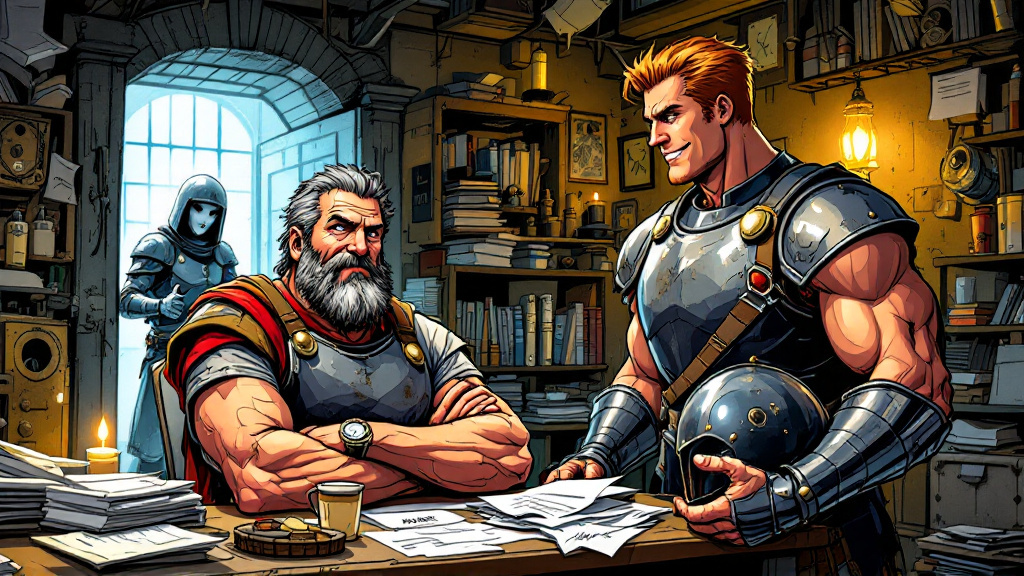
The best example is in Jingo. Carrot has encouraged Reg Shoe, the zombie and the city's most relentless campaigner for undead rights, to join the Watch. Give a professional agitator a badge and a beat, and suddenly he's too busy being useful to agitate. Vimes sees it immediately:
"Good gods, thought Vimes, that's just what I would have done. But I'd have done it because I'm not a nice person. Carrot is a nice person, he's practically got medals for it, surely he wouldn't have..."
He never finishes the thought, because he can't. A few lines on, Pratchett gives us Vimes's conclusion that behind Carrot's innocent stare is a steel door.
This is Pratchett being honest about idealism. He won't let Carrot be a saint who wins because goodness is magic. Carrot's decency produces results that look exactly like cunning, and the books never tell you which it is. (We've written more about this in Simple Like a Sword, on Carrot's linear thinking.)
The point isn't to solve the mystery. The point is that from where Vimes sits, it doesn't matter. Whether Carrot is a genuinely good man or a genuinely brilliant one, the city gets better either way. That should comfort the cynic. It mostly just makes him twitchy.
Two Halves of One Argument
So what is Pratchett actually doing with these two?
Look at what each philosophy gets wrong on its own.
Vimes alone drifts toward the thing he hates. A copper who believes everyone is guilty is one bad day away from treating them that way. Vimes knows this better than anyone; it's the whole reason he guards himself so fiercely. In Thud!, he refuses to let interrogation turn into beating people up in little rooms, because if you do it for a good reason, you'll do it for a bad one. His cynicism needs a brake, and his own conscience is doing a lot of the work.
Carrot alone is, frankly, a little frightening. A man that charismatic, who people instinctively follow, who is quietly the rightful heir to the throne? Carrot himself seems to know it. In Men at Arms he says, "People ought to think for themselves, Captain Vimes says. The problem is, people only think for themselves if you tell them to." It's a joke and a warning at the same time. Unchecked goodness with that much pull could become something very like a king.
"The cynic keeps the idealist honest. The idealist keeps the cynic human."
Put them together and each covers the other's blind spot. Vimes asks the suspicious question nobody else will. Carrot provides the reason anyone answers. Vimes is the one who makes sure the law applies to the rich and powerful. Carrot is the one who makes the ordinary people of the city want the law to work.
And notice that Pratchett's sympathies aren't evenly split. In Jingo, he gives Vimes one of the most famous passages in the series, about how much easier it is to blame bad things on a shadowy Them: "It was bleakly depressing to think that They were Us." That's a cynic's insight, but it's also the root of decency. If They are Us, then everyone is capable of doing wrong, and also everyone is worth saving. That's the bit where Vimes and Carrot meet in the middle.
What Happens When They're Both Gone
If you want proof that the Watch needs both of them, read The Fifth Elephant.
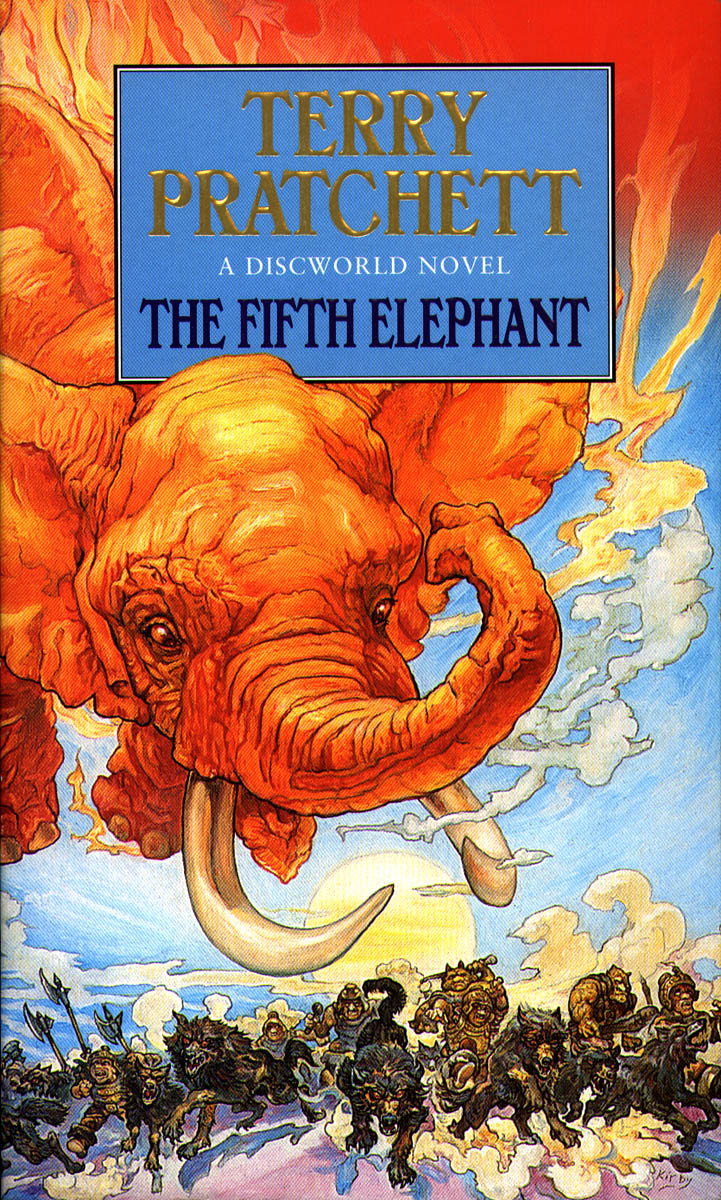
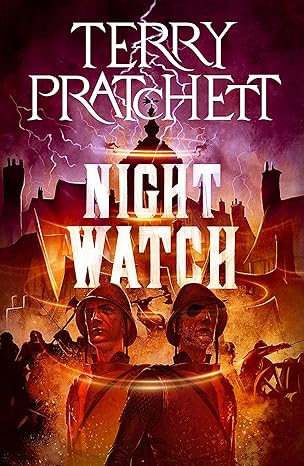
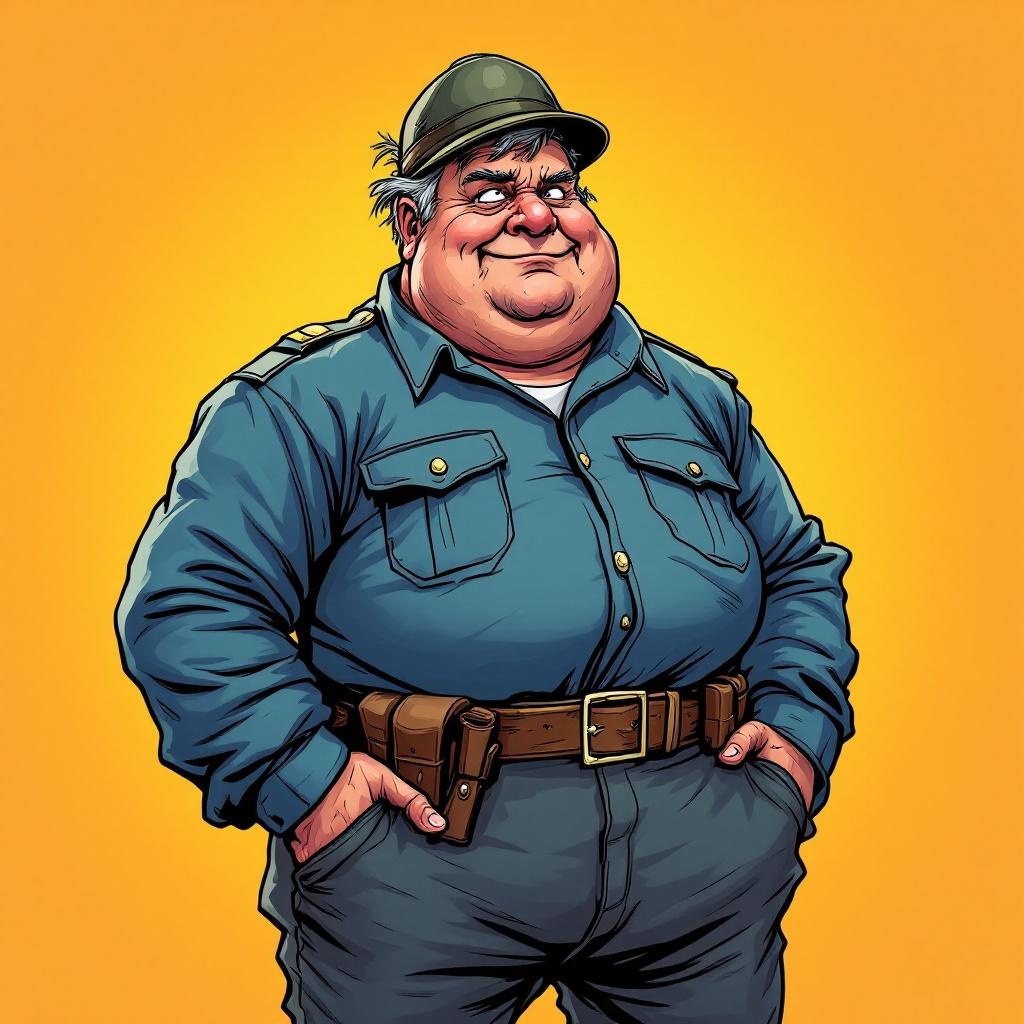
Vimes is packed off to Überwald as an ambassador. Carrot, meanwhile, leaves the Watch to go after Angua. That leaves Fred Colon as acting captain, and it goes about as well as you'd fear. Without Vimes's hard-won judgment or Carrot's ability to make people feel valued, Colon slides into petty suspicion and paranoia, and the Watch's own officers end up walking out on him.
It's played for laughs, but it's a pointed experiment. Remove the idealist and the cynic, and what's left isn't neutral. It's a frightened man with a badge who trusts no one and inspires no one. That's the version of policing both Vimes and Carrot, in their opposite ways, exist to prevent.
So Who's Right?
Here's the honest answer: neither, and both, and that's the whole point.
Pratchett was famously an angry man, and much of that anger went into Vimes: the rage at unfairness, the bone-deep suspicion of anyone who says things are fine. But he was also, unmistakably, someone who believed people could be better than they were. That belief went into Carrot. Rather than pick a side, he gave each one a uniform and made them colleagues.
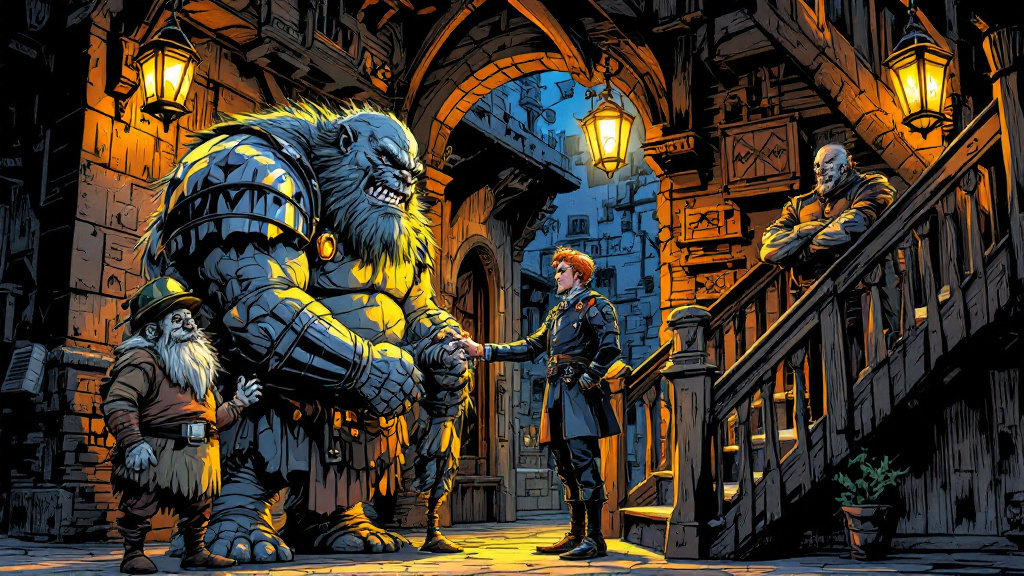
What makes the pairing satisfying is that they rub off on each other. Carrot learns, over the books, that the world is more complicated than the laws say, and he becomes sharper and more careful. Vimes, without ever admitting it, starts to believe that the city might be worth saving; he builds a Watch full of trolls, dwarfs, werewolves and zombies, which is exactly the kind of thing Carrot would do.
Cynicism and idealism walk a beat together. Neither wins the argument. But the city is a little bit safer for having heard it.
Where to See It Best
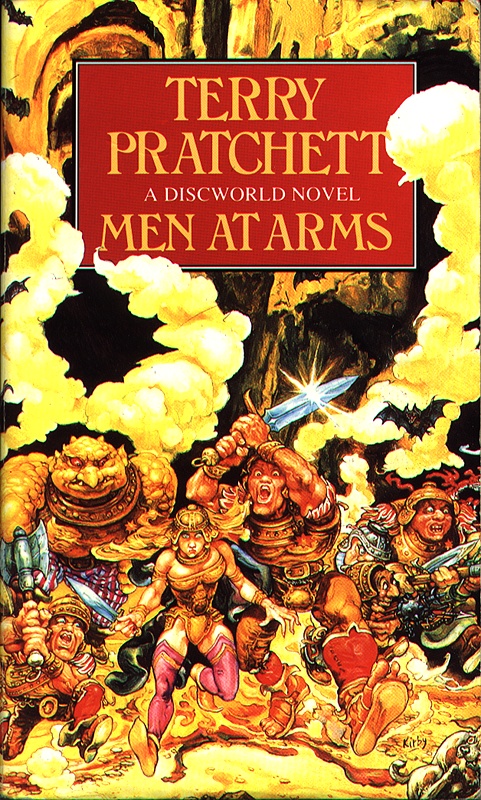
If you want to watch this partnership in action, start where it starts: Guards! Guards! introduces both men and is where Carrot first imprints on Vimes. Then read Men at Arms, where their contrasting approaches are tested by a murder case that almost tears the city apart, and where Carrot gives the speech that shows exactly what his kind of leadership can do.
After that, Jingo is the book for Vimes's suspicion of Carrot, and The Fifth Elephant shows what happens when neither of them is minding the shop.
Want more on these two? Read about the beast Vimes keeps chained inside himself, or why Carrot chose to be a copper instead of a king.