The King Who Chose to Be a Copper: Why Carrot Refuses the Throne
Carrot Ironfoundersson has everything needed to be king—birthmark, magic sword, destiny—yet he buries it all to remain a watchman. Here's why that makes him heroic.
The King Who Chose to Be a Copper: Why Carrot Refuses the Throne
In almost every fantasy story you've ever read, there's a hidden king. Born in obscurity, raised among common folk, possessing some unmistakable mark of destiny—the crown-shaped birthmark, the magic sword, the ancient prophecy. And by the final chapter, that king claims his throne and everyone lives happily ever after.
Terry Pratchett read those stories too. Then he wrote Carrot Ironfoundersson, a character who has everything—and buries it in a coffin.
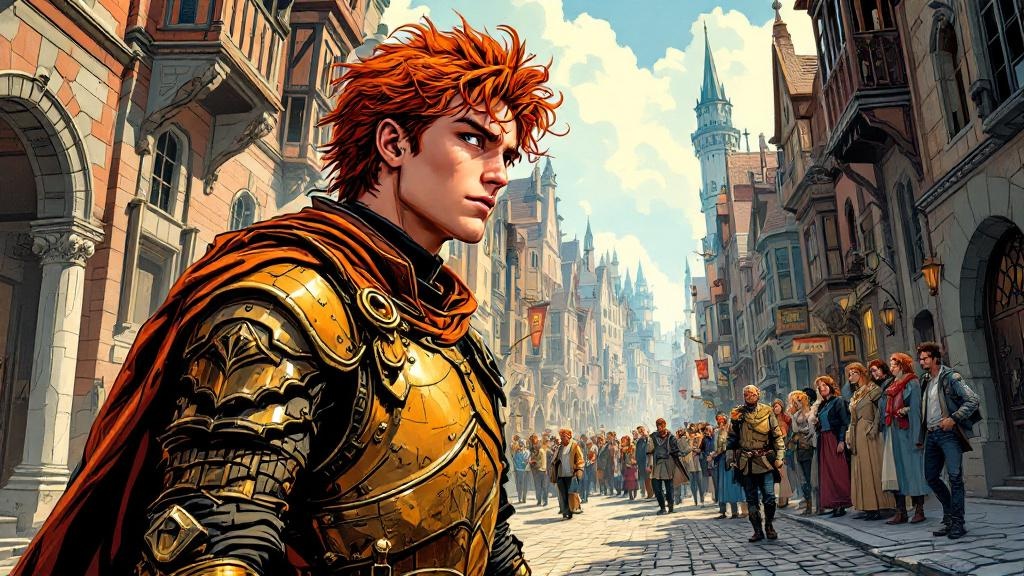
The Evidence of Kingship
Let's be clear about what Carrot has. This isn't subtle.
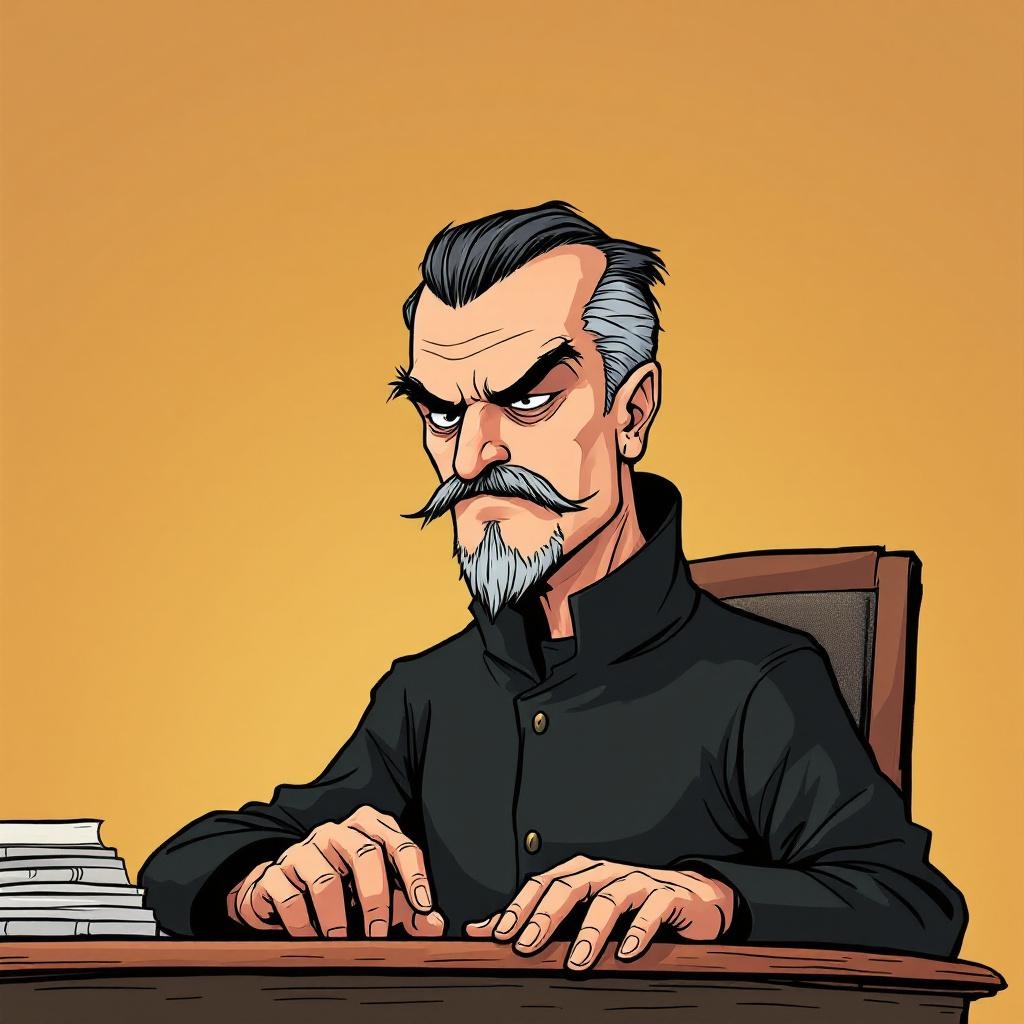
There's the crown-shaped birthmark at the top of his left arm—the kind of mark that fantasy novels love to reveal in climactic moments. There's the sword, an unprepossessing weapon that looks almost rusty but is somehow the sharpest blade in existence, capable of cutting through other swords and driving clean through a man and the stone pillar behind him.
That sword detail matters. In Arthurian legend, proving your kingship means pulling a sword out of stone. Pratchett's joke, as Sergeant Colon observes, is that putting a sword into stone should be considerably more difficult. Carrot doesn't just echo the legend—he inverts it.
There's the preternatural charisma. Carrot is, as Colon puts it, possessed of "krisma"—the kind of personality that makes people want to be better, that bends reality around his expectations. He knows the name of every citizen in Ankh-Morpork. People who meet him once remember him forever.
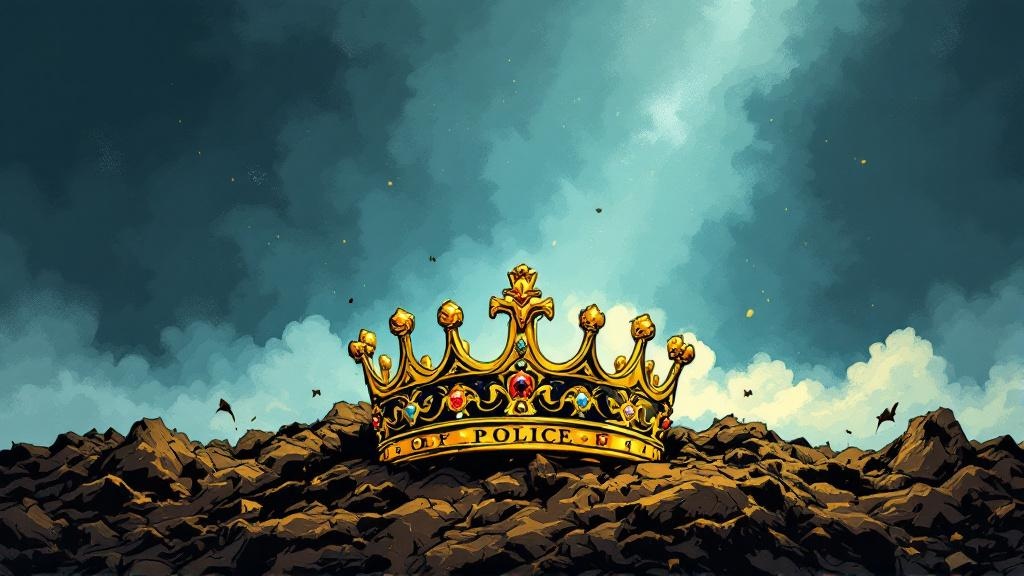
And in Men at Arms, there's proof. Written proof, presented to Carrot by Dr. Cruces, head of the Assassins' Guild, confirming that Captain Carrot Ironfoundersson is the legitimate heir to the throne of Ankh-Morpork.
So what does the rightful king do with this information?
"One grave. One dwarf. One gun. And one kingdom, deliberately interred."
He kills Cruces with that famous sword, takes the evidence, and buries it in a coffin with his dead friend Cuddy—along with the "gonne," Discworld's first firearm, which threatened to change everything.
One grave. One dwarf. One gun. And one kingdom, deliberately interred.
What Carrot Understands
After the events of Men at Arms, Carrot has a conversation with Lord Vetinari. We never hear exactly what's said, but the implications are clear from what Carrot tells Vimes later: he was offered command of the Watch in Vimes' absence.
He declined.
His reasoning? "I want people to obey the law because it's the law, not because Captain Carrot is good at being obeyed."
There's the whole philosophy in one sentence.
Carrot understands something that most fantasy heroes don't: charisma isn't justice. The ability to make people follow you isn't the same as the right to lead them. If Ankh-Morpork becomes a well-run city because everyone wants to please Carrot Ironfoundersson, what happens when Carrot isn't there?
A city built on one man's personality is a castle built on sand. A city built on law—imperfect, messy, argued-over law—can survive anything.
The Anti-Aragorn
Tolkien's Aragorn is the archetype Carrot inverts. Both are hidden heirs. Both carry legendary swords. Both possess the indefinable quality that makes people recognize them as leaders. Both even have supernatural signs of their legitimacy—Aragorn's healing hands, Carrot's reality-bending charisma.
But Aragorn's story ends with coronation. The rightful king returns. Order is restored. The fantasy is fulfilled.
Carrot's story ends—repeatedly, across multiple books—with him walking a beat. The rightful king remains a copper. Order is maintained not by bloodline but by people doing their jobs.
Pratchett was deeply skeptical of monarchy. As he wrote elsewhere in the series, why would you replace "a man who has achieved his position by cunning, a deep understanding of the realities of the human psyche, breathtaking diplomacy, a certain prowess with the stiletto dagger, and a mind like a finely balanced circular saw"—that's Vetinari—"with a man who has got there by being born?"
Carrot agrees. He just happens to be the man who might have got there by being born, which makes his agreement all the more meaningful.
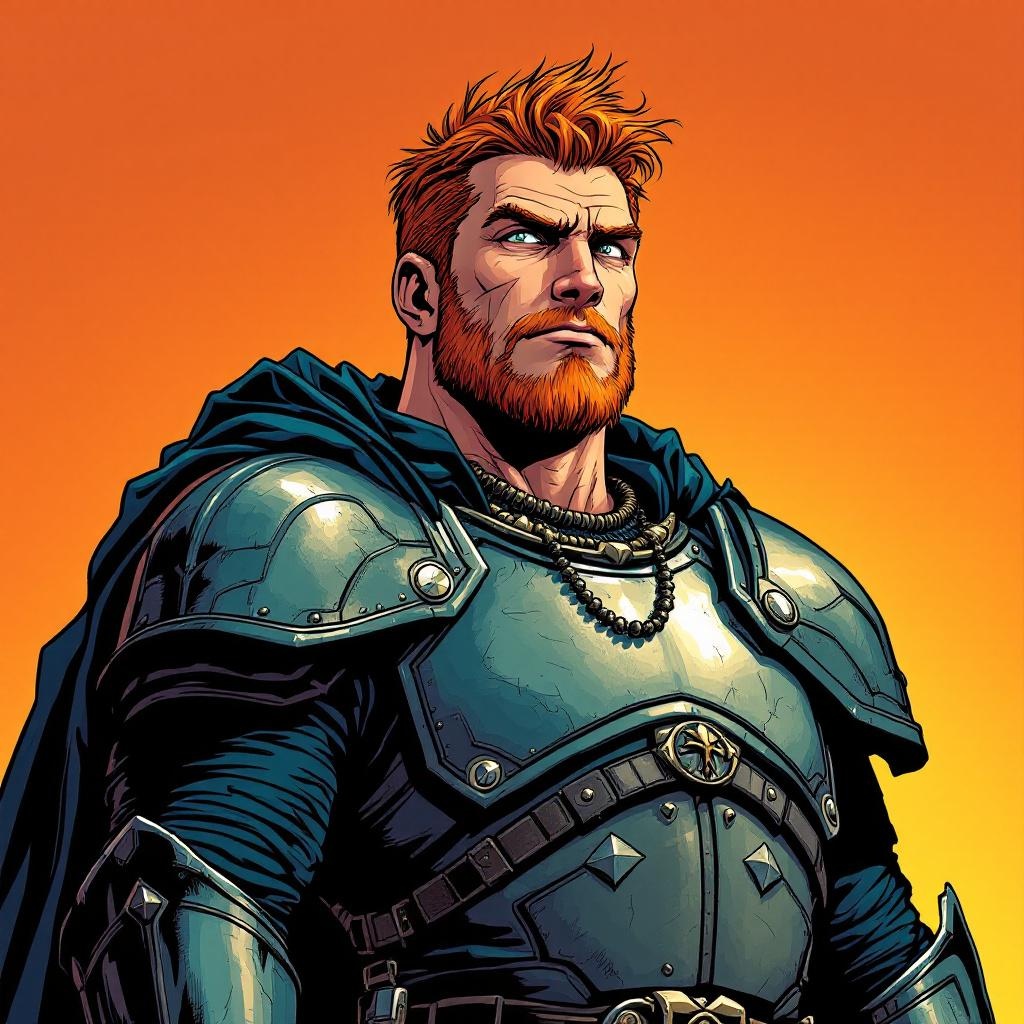
The Sword in the Office
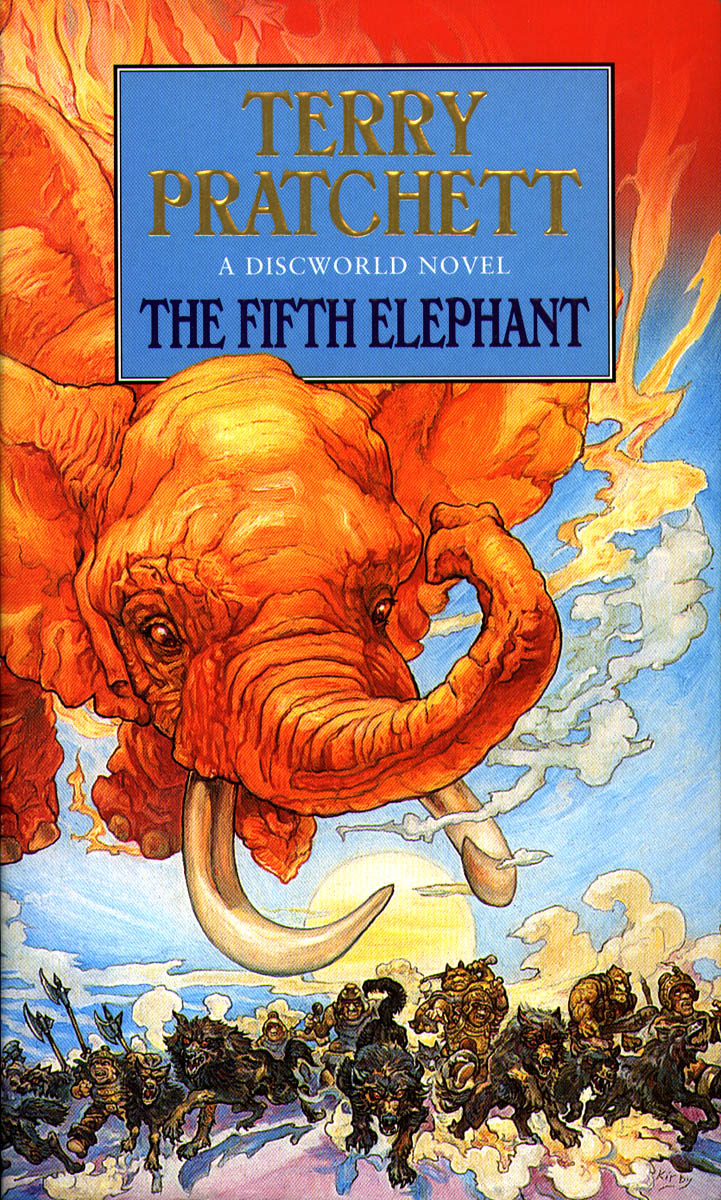
There's a beautiful moment in The Fifth Elephant that shows how Carrot navigates his impossible position.
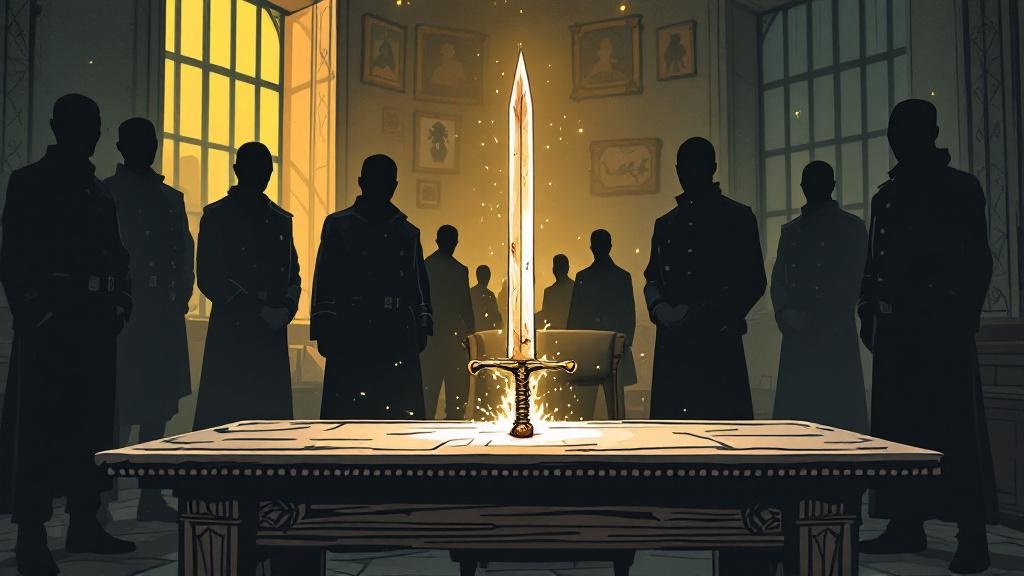
He's traveling to Uberwald. Members of the Watch are talking about deserting, about the mission being too dangerous. Carrot doesn't argue. He doesn't give a speech. He simply places his sword on the desk and reminds them of their oath to the king.
He never claims to be the king. He just uses the authority—subtly, indirectly, deniably—when it serves the greater good. The sword sits there, a reminder of something no one says out loud.
This is the bargain Carrot has struck with reality. He won't claim power, but he won't throw away the tools that power gives him either. He'll use his charisma to make the Watch work. He'll use his sword to protect the city. He'll use his unspoken understanding with Vetinari to get things done.
But he will never sit on a throne. Not because he couldn't. Because he shouldn't.
What the Burial Means
Let's go back to that grave in Men at Arms.
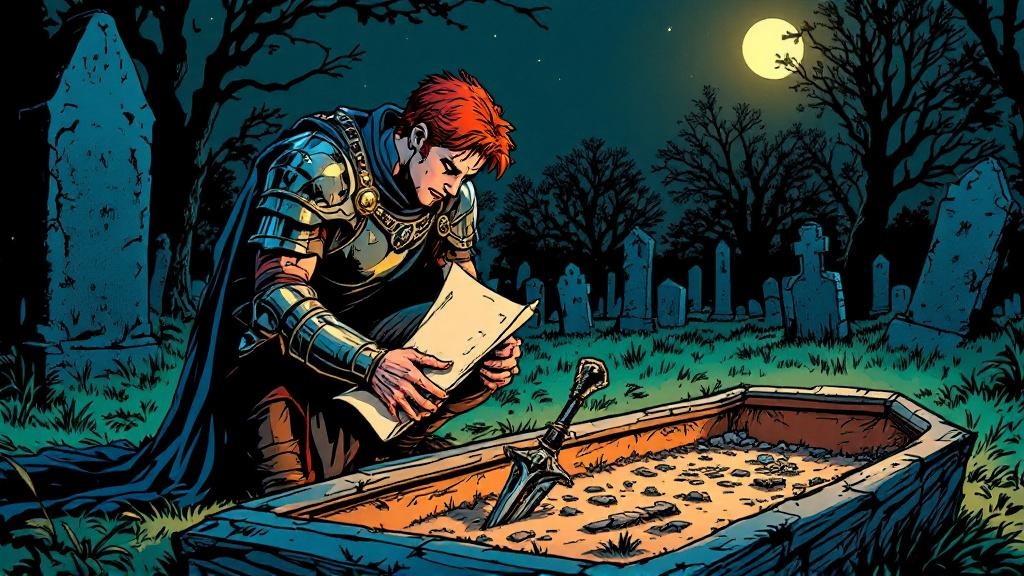
Cuddy was a dwarf, Carrot's partner, killed stopping Dr. Cruces and the gonne. In burying the evidence of his kingship with Cuddy, Carrot does several things at once.
He honors a friend by keeping him company with something precious.
He destroys the gonne—a weapon that could have changed history—by putting it beyond anyone's reach.
And he makes a choice that can never be unmade. The evidence is gone. If Carrot ever changed his mind, if he ever decided that kingship was worth pursuing, he'd have to dig up his friend's grave to do it.
That's not just a rejection of the throne. It's a guarantee that he'll never reconsider. He's made the cost of changing his mind so high that the choice becomes permanent.
This is the most important funeral in fantasy fiction. A friend, a weapon, and a kingdom, all buried together in a single act of principled refusal.
The Danger of Good Kings
Here's the uncomfortable truth that Pratchett understood: Carrot would make a good king.
He's honest. He's fair. He wants what's best for everyone. He has fewer prejudices than most people in Ankh-Morpork—he was raised as a dwarf, after all, and thinks nothing of trolls and vampires serving alongside humans in the Watch.
And that's exactly the problem.
As Sergeant Colon observes: "It's a good thing Carrot wants what's best for everyone. Otherwise, he might become a ruthless despot forcing his ways on others."
The thing about charismatic leaders who always know what's right is that they believe they always know what's right. A good king is still a king—someone whose judgment overrides everyone else's. And what happens when the good king makes a mistake? Who corrects him? Who even tells him he's wrong, when disagreeing with him feels like kicking the biggest puppy in the universe?
Vetinari is a tyrant, but he's a tyrant who knows he's a tyrant. His power comes from competence, not from people wanting to make him happy. When he's wrong, people don't feel guilty about opposing him.
Carrot's power comes from love. And love, Pratchett knew, can be more dangerous than fear.
The Watch Instead of the Crown
So what does Carrot choose instead?
He chooses Sam Vimes.
Specifically, he chooses Vimes' philosophy of justice. Vimes believes everyone is capable of darkness and chooses good anyway. Carrot believes everyone is decent underneath. They're complementary opposites—and Carrot knows it.
"The king serves under the sergeant. That's Carrot's answer to the problem of good kings."
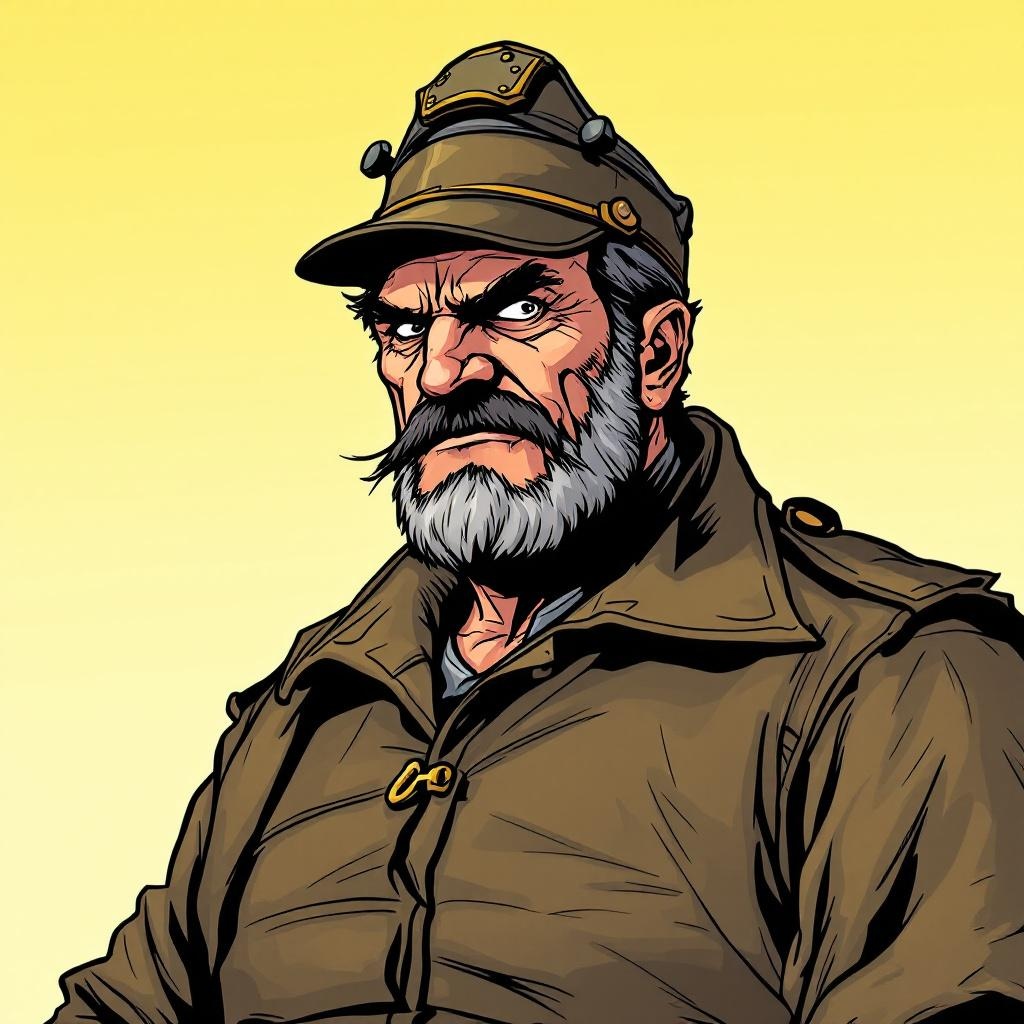
By staying a watchman, by remaining under Vimes' command, Carrot essentially places a check on his own power. Vimes is immune to charisma. Vimes would arrest Carrot if Carrot broke the law. Vimes would tell Carrot when he's wrong, loudly and profanely.
The king serves under the sergeant. That's Carrot's answer to the problem of good kings.
Why This Matters Beyond Discworld
The "hidden king returns" trope isn't just a fantasy convention—it reflects a deep human longing. We want to believe that somewhere out there, the right person exists to fix everything. That leadership is a matter of bloodline, destiny, inherent quality. That if we could just find the true king, our problems would be solved.
It's a comforting fantasy. It's also, Pratchett argued, a dangerous one.
Real problems aren't solved by finding the right person. They're solved by building systems that work regardless of who's in charge. By creating laws that bind leaders as well as citizens. By distributing power so that no single individual's charisma or virtue can override everyone else's judgment.
Carrot understands this. The hidden king of Ankh-Morpork understands that Ankh-Morpork doesn't need a king. It needs better sewers, a functional Watch, laws that protect the weak, and citizens who believe in the system rather than in any one person.
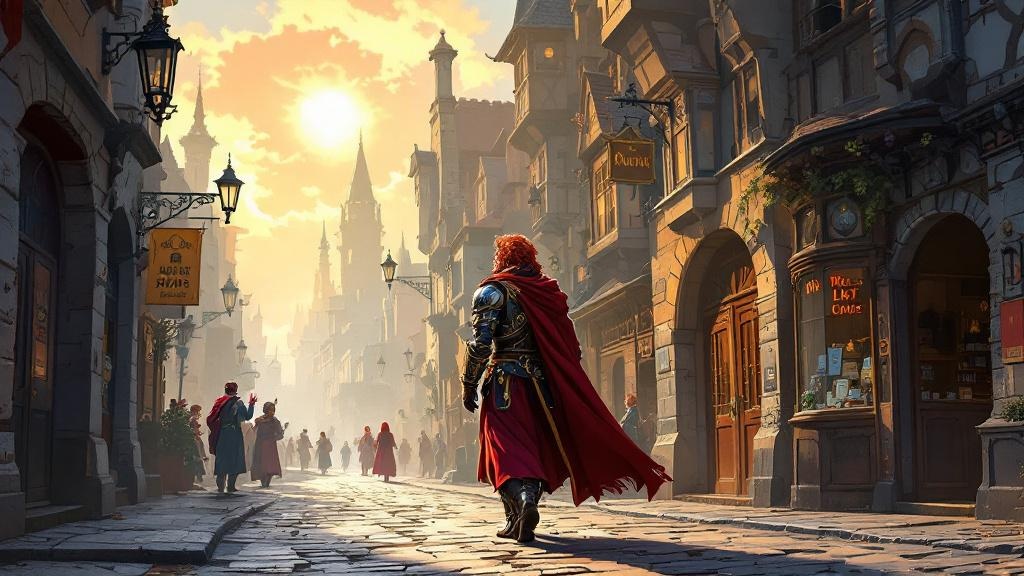
So he walks his beat. He knows everyone's name. He breaks up fights and investigates crimes and files paperwork. He does the unglamorous, essential work of making civilization function, one day at a time.
That's more heroic than any coronation.
Where to Experience Carrot's Choice
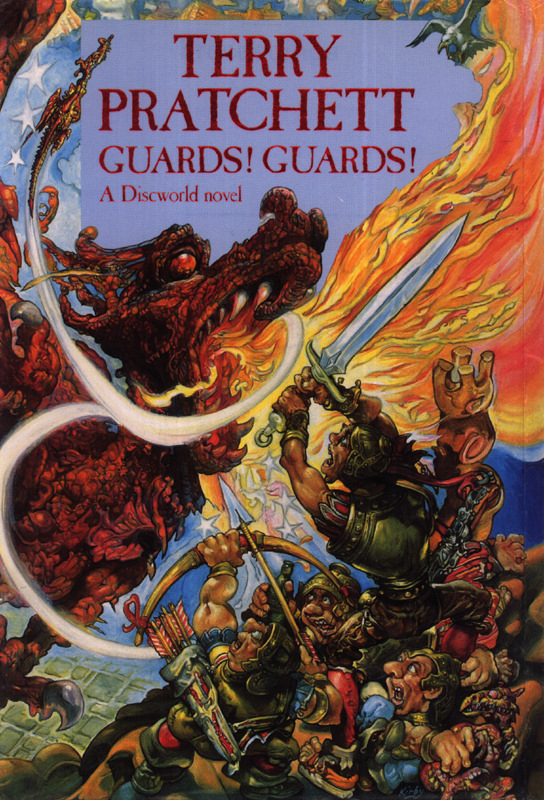
If you want to see Carrot refuse destiny in real time, start with Men at Arms—though you'll get more from it if you read Guards! Guards! first to understand who Vimes is and why Carrot imprints on him.
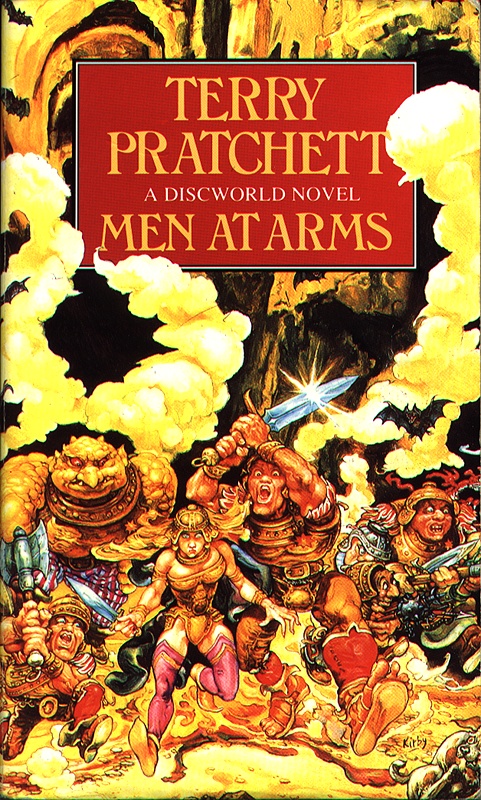
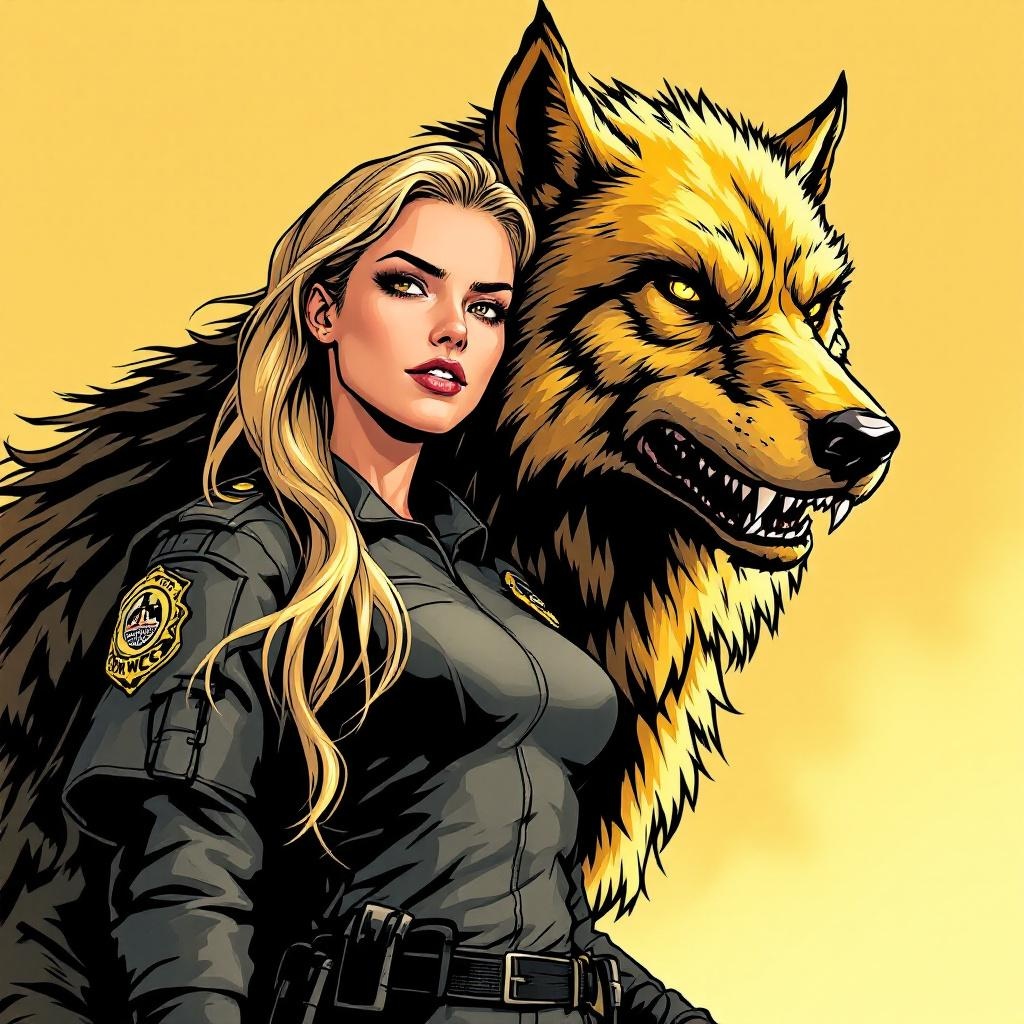
Then follow him through Feet of Clay, Jingo, and The Fifth Elephant, watching as he navigates the impossible position of being a king who refuses to rule. By Snuff, he's Captain of the Watch—the highest rank he'll ever accept, the most power he'll ever claim.
And that, in the end, is what makes him worthy of a crown he'll never wear.
Want to explore more of what makes Carrot unique? Read about his complex identity as a human raised by dwarfs, or discover how his linear thinking becomes a superpower.