"I Rather Think I Did": Vetinari as Creator of Modern Ankh-Morpork
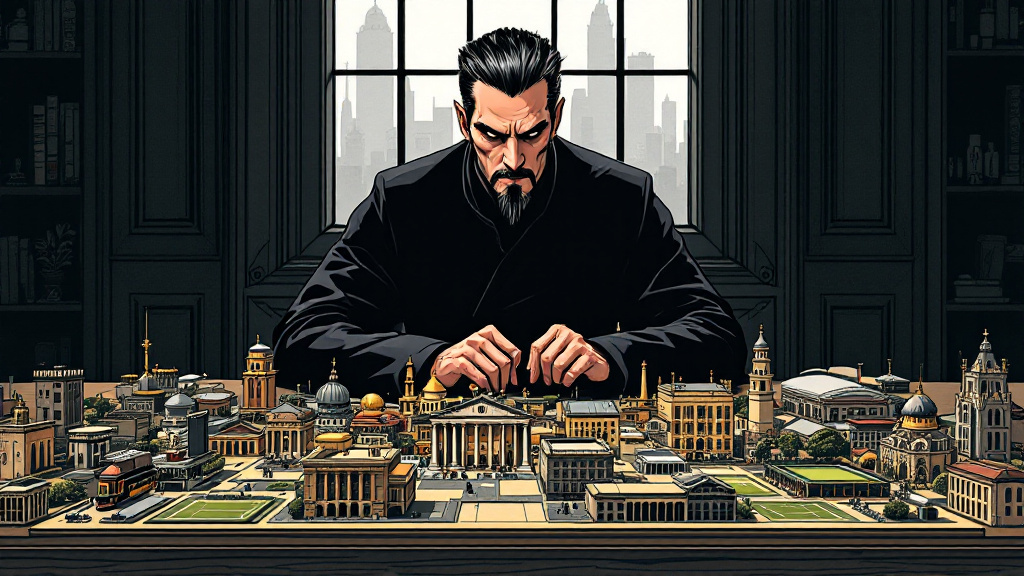
Newspapers, clacks, paper money, railways, football: Ankh-Morpork modernised itself, apparently. Here's how Lord Vetinari's fingerprints are on all of it.
"I Rather Think I Did": Vetinari as Creator of Modern Ankh-Morpork
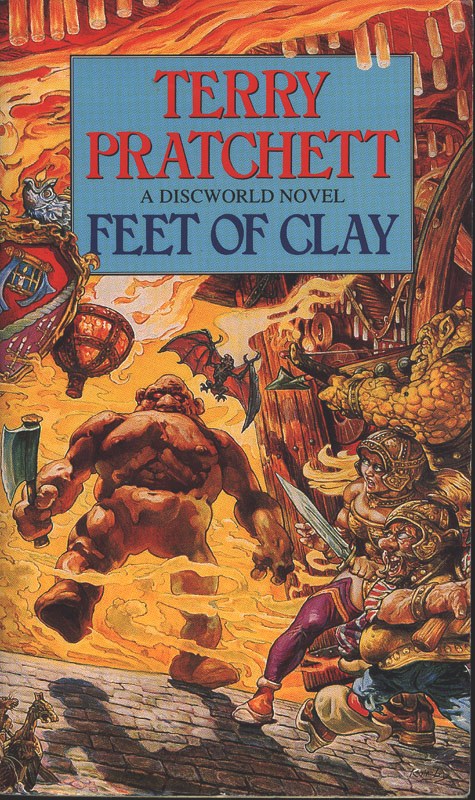
At the very end of Feet of Clay, after Sam Vimes has stormed out of the Oblong Office for the umpteenth time, the Patrician's secretary ventures an opinion:
"The thought occurs, sir, that if Commander Vimes did not exist you would have had to invent him."
"You know, Drumknott, I rather think I did."
It's one of the best closing lines in the whole series, and it's usually read as a line about Sam Vimes. Fair enough. But read the later books with it in mind and it starts to sound like a confession about something much bigger.
Between The Truth and Raising Steam, Ankh-Morpork gets a free press, a working post office, a telegraph network, paper money, organised football and a railway. In every case the change seems to just happen: an inventor, an accident, a con man in a gold suit. And in every case, if you look closely at who cleared the road, you find Lord Vetinari standing just out of frame.
So did the city modernise itself? Or did Vetinari invent modern Ankh-Morpork the way he invented Vimes? I'd argue the second, and that the way he did it is the most interesting thing about him.
The Method: Let It Happen, Then Make It Yours
Before the examples, it helps to name the pattern, because it repeats almost exactly.
- Something new turns up. Vetinari rarely invents anything himself. He's a man of chess problems and sheet music, not workshops.
- He doesn't ban it. This is the remarkable part. A tyrant's instinct is to crush anything he doesn't control. Vetinari's instinct is to let it grow, quietly, until it's useful.
- He finds the right person to run it. Usually someone who doesn't want the job.
- He ties it to the city. By the end, the new thing isn't a threat to the established order. It is the established order, and it answers, eventually, to the Oblong Office.
Keep that shape in mind. You'll see it every time.
The Press: A Weapon He Let Someone Else Load
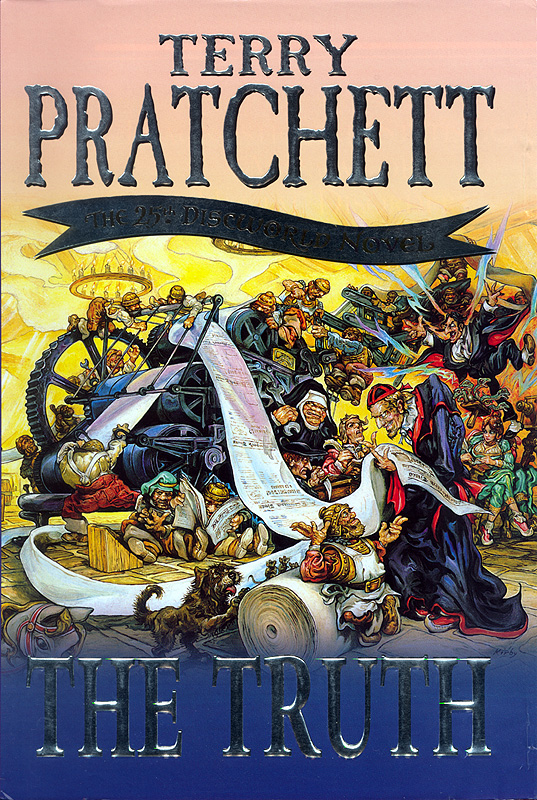
The Truth is the clearest case, because the newspaper nearly costs Vetinari everything.
When movable type arrives in Ankh-Morpork, the established powers are uneasy. The engravers have a monopoly to protect, and the wizards have long distrusted printing for reasons involving what words in large quantities do to reality. Vetinari could have stamped out the dwarfs' little press in an afternoon. He doesn't. William de Worde, a disinherited aristocrat who writes a newsletter for foreign nobility, ends up running the Ankh-Morpork Times almost by accident.
Then comes the key scene. A cabal of the city's old money hires the New Firm, Mr. Pin and Mr. Tulip, to frame the Patrician. Vetinari is apparently caught stabbing his own clerk and fleeing with a bag of money. He's locked up, and for a few chapters the city is run by the kind of people who'd have run it before him.
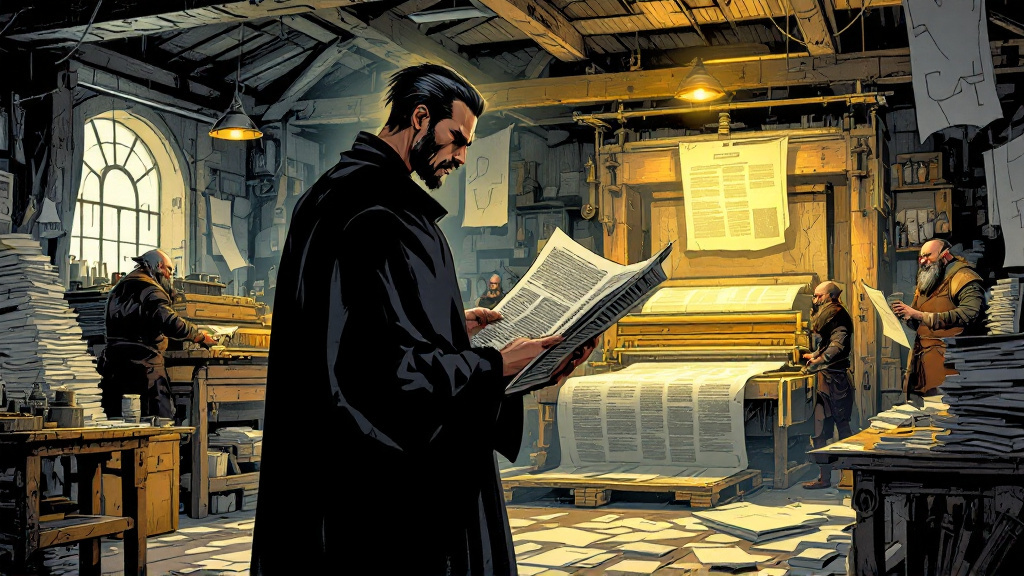
What saves him? Not the Watch on its own, and certainly not the Guilds. It's the paper. William's reporting, with Vimes digging alongside, pulls the frame-up apart in public, where nobody can quietly bury it.
Here's the bit worth sitting with. The frame-up showed everyone, Vetinari included, how fragile his position was. And it showed exactly how dangerous a free press could be to him. A newspaper that can expose a conspiracy can expose a Patrician. The obvious move afterwards would be to rein William in.
He doesn't. He has a pointed, faintly menacing conversation with William, and then lets the Times carry on. The press becomes a permanent fixture: annoying, unpredictable, occasionally wrong, and much more useful to a ruler who wants to know what his city is thinking than a city where nobody writes anything down.
"A tyrant crushes what he can't control. Vetinari waits until it's useful."
That's the trade Vetinari keeps making. He accepts a little less control in exchange for a city that works better, and he trusts himself to stay one move ahead of whatever he's unleashed.
The Post and the Clacks: Competition as a Weapon
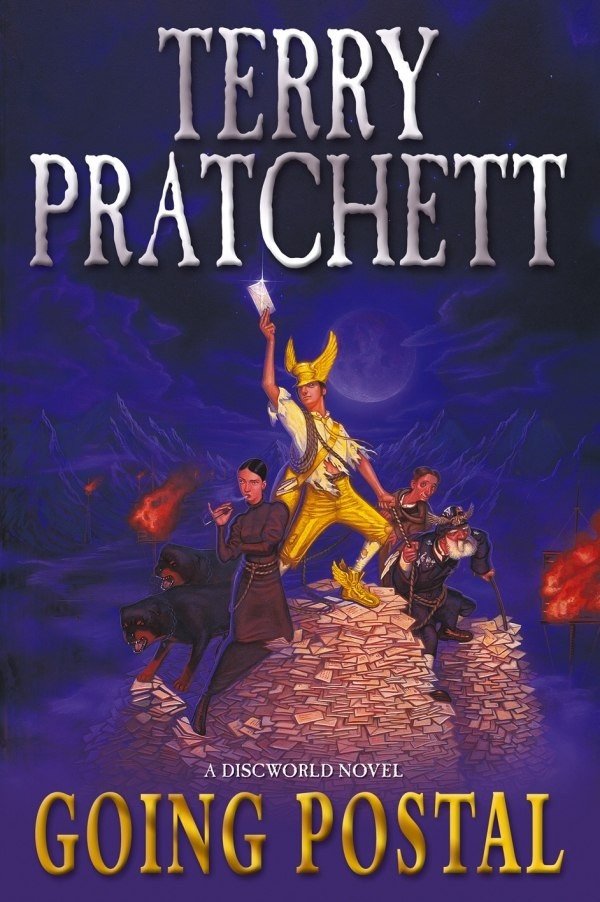
Going Postal gets most of its attention for Moist von Lipwig and the extraordinary offer that turns a hanged con man into a Postmaster. We've covered that recruitment in The Redemption Factory, so let's look at the other half: why Vetinari wanted a post office at all.
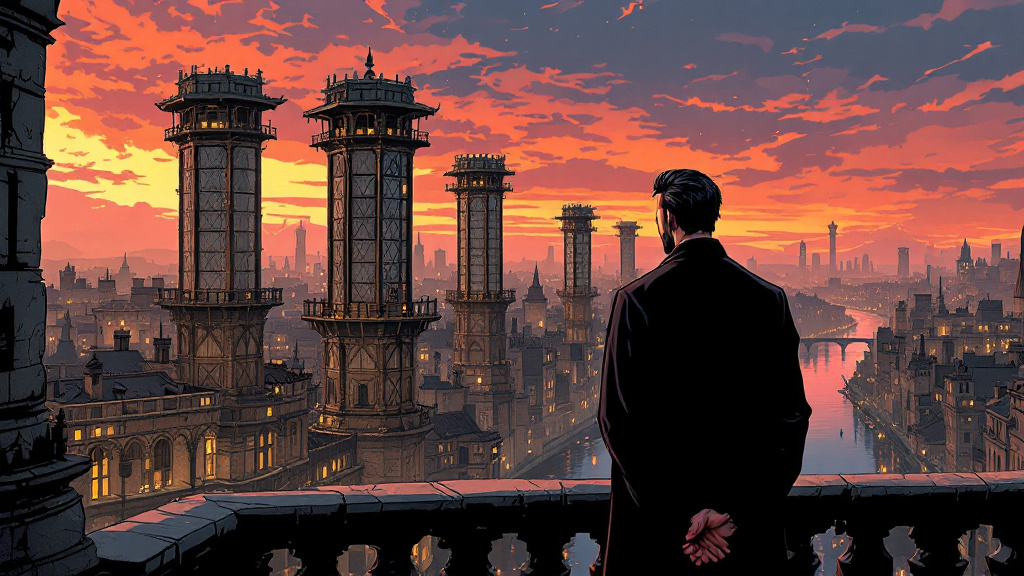
The real target is the Grand Trunk, the clacks semaphore network that carries messages across the continent. It's a brilliant invention, built by idealists and then bought out from under them by Reacher Gilt and his friends. Under Gilt, the towers are run for profit and nothing else: maintenance is cut, staff are worked to death, and the system that should be the city's nervous system is falling apart.
Vetinari can't simply seize it. A tyrant who confiscates a legitimate business frightens every merchant in the city, and Vetinari's whole system depends on the merchants feeling safe. So he does something cleverer. He revives a dead competitor. A working Post Office, run by a man who can sell anything, puts pressure on the Grand Trunk from the outside until its rot is exposed.
By the end, Gilt has been offered the same choice Moist was, and taken the other door. The clacks end up in the hands of people who'll actually run it properly, and nobody can say the Patrician stole a thing.
The Bank: Money as an Act of Faith
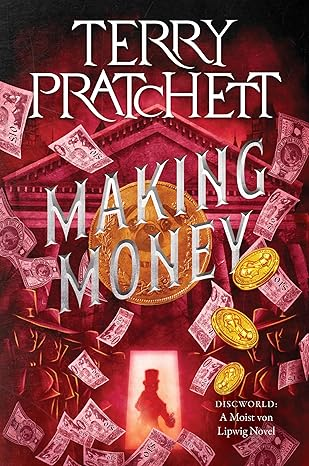
Making Money follows the same pattern, only this time with money.
The Royal Bank of Ankh-Morpork is a fossil: run by a family of feuding bankers, stuffed with gold nobody trusts and coins nobody can rely on. Vetinari puts Moist in charge (well, technically the chairman is a small dog, but that's another article), and Moist does what Vetinari presumably hoped someone would do. He decides money doesn't need to be backed by gold at all.
That's a radical idea, and it's worth noticing who doesn't object. Vetinari, a man who notices everything, lets Moist push the city towards paper money backed by confidence in Ankh-Morpork itself. The new money only works if people believe in it, and people only believe in it if they believe the city will still be there tomorrow. In other words, the currency becomes a bet on Vetinari's stability.
Here's the deeper point. In Going Postal and Making Money the change seems to come from Moist's flair and luck. But Vetinari chose the institution, chose the man, set the stakes and, crucially, didn't interfere when the results got strange. That's design, even if it doesn't look like it.
Football: Turning Riot into Ritual
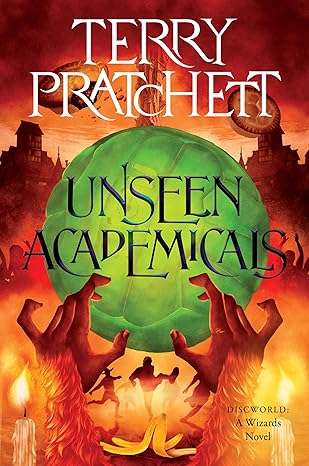
Unseen Academicals is the funniest example and maybe the most revealing.
Street football in Ankh-Morpork is less a sport than a weekly riot with a ball somewhere in the middle. Earlier rulers tried to ban it. It never worked, because you can't ban something that thousands of people love more than they fear you.
Vetinari doesn't try. Instead he leans, very gently, on Archchancellor Ridcully, and points out the university's ancient obligations. The result is that the wizards have to field a team, which means somebody has to write down what the rules actually are. Rules mean referees. Referees mean a game. And a game, unlike a riot, can be watched, scheduled and enjoyed.
"He didn't stop the tribal warfare. He gave it a pitch and a timetable."
The tribal loyalties don't vanish. They're just channelled into something that ends at full time. It's the same trick as the post office and the bank: take a force that already exists, refuse to fight it head-on, and redirect it into a structure that strengthens the city.
The Railway: The One He Didn't Like
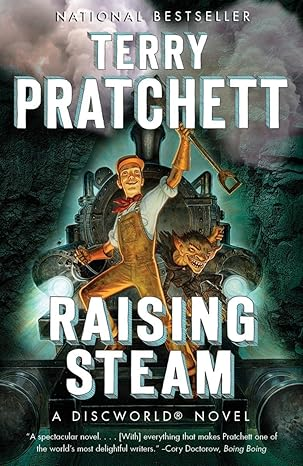
Raising Steam is the interesting test case, because this time Vetinari clearly isn't the eager one.
When Dick Simnel builds Iron Girder, the first working steam locomotive, and finds a backer in the scrap magnate Harry King, Vetinari is wary. He knows what a technology this disruptive could do to a city whose stability he's spent decades balancing. His dry commentary on the moral panic around the new trains is one of the book's better jokes:
"Apparently," Vetinari remarked to Drumknott, "the pounding of the railway wagons will lead to immorality."
You can hear what he really thinks of that. He doesn't believe the panic for a moment, but he's noting it.
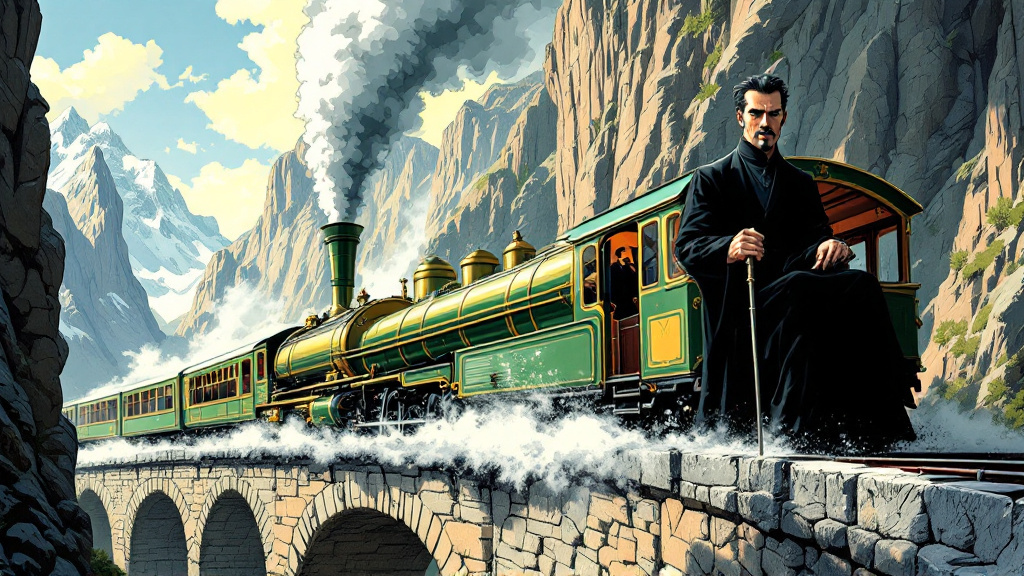
And yet he doesn't stop it. Instead, he does what he always does. He sends Moist to make sure it happens properly, with the city rather than outside it. The railway becomes an instrument of foreign policy: a line towards Uberwald that ties the dwarf kingdoms closer to Ankh-Morpork just as a violent fundamentalist faction is trying to pull them apart.
The railway might be the best evidence for the whole argument. Vetinari's genius was never really enthusiasm for progress. It was the ability to treat progress he didn't want as raw material anyway.
The Citizens: Building a City Out of Former Enemies
Infrastructure isn't only towers and rails. The biggest change in Ankh-Morpork across the series is who lives there.
In the early books the city is mostly human, and suspicious of everyone else. By the late books there are dwarfs and trolls in the Watch, golems who've bought their own freedom, a werewolf sergeant, a vampire officer, and eventually goblins being recognised as people. Much of that work is done on the page by Vimes and Carrot (and the Watch is the clearest example of all), but the policy behind it is Vetinari's. He's the one who keeps the city open to newcomers, smooths over the dwarf-troll tensions, and spends the diplomatic capital that keeps Uberwald on side.
He does it for the same reason as everything else. Every species that's inside the system, paying taxes and joining Guilds, is a species that isn't outside the walls with a grievance. Integration, for Vetinari, isn't sentimental. It's load-bearing.
So, Did He Invent Modern Ankh-Morpork?
Let's go back to that line from Feet of Clay. When Vetinari says he "rather thinks" he invented Vimes, he isn't claiming he built the man from nothing. Vimes was already there, a drunk, broken watchman with an inconvenient conscience. What Vetinari did was give him the room, the rank and the problems that turned him into the Commander the city needed.
"He never invents the thing. He invents the conditions for it."
That's exactly what he does to the city. He didn't invent the printing press, the clacks, paper money, football or steam. He did create a city where all of them could arrive without tearing everything down, and then he put each one in the hands of someone who'd make it work. Every "organic" change has his fingerprints on the door frame.
The quiet irony, and I think Pratchett knew it, is that the end result looks less and less like a tyranny. A city with a free press, a public post, a national bank and trains running on time is a city that could, one day, run itself. Vetinari's legacy may be a city that doesn't need a Vetinari.
He'd probably consider that the best move of all.
Where to Read It
If you want to watch the whole process unfold, read The Truth, then Going Postal, Making Money and Raising Steam, with Unseen Academicals somewhere in the middle. But if you only read one, start with the book where the experiment nearly kills him.



For more on Vetinari's methods, see Vetinari's Terrier for the Vimes side of the story, and If It Ain't Broke for the philosophy underneath it all.