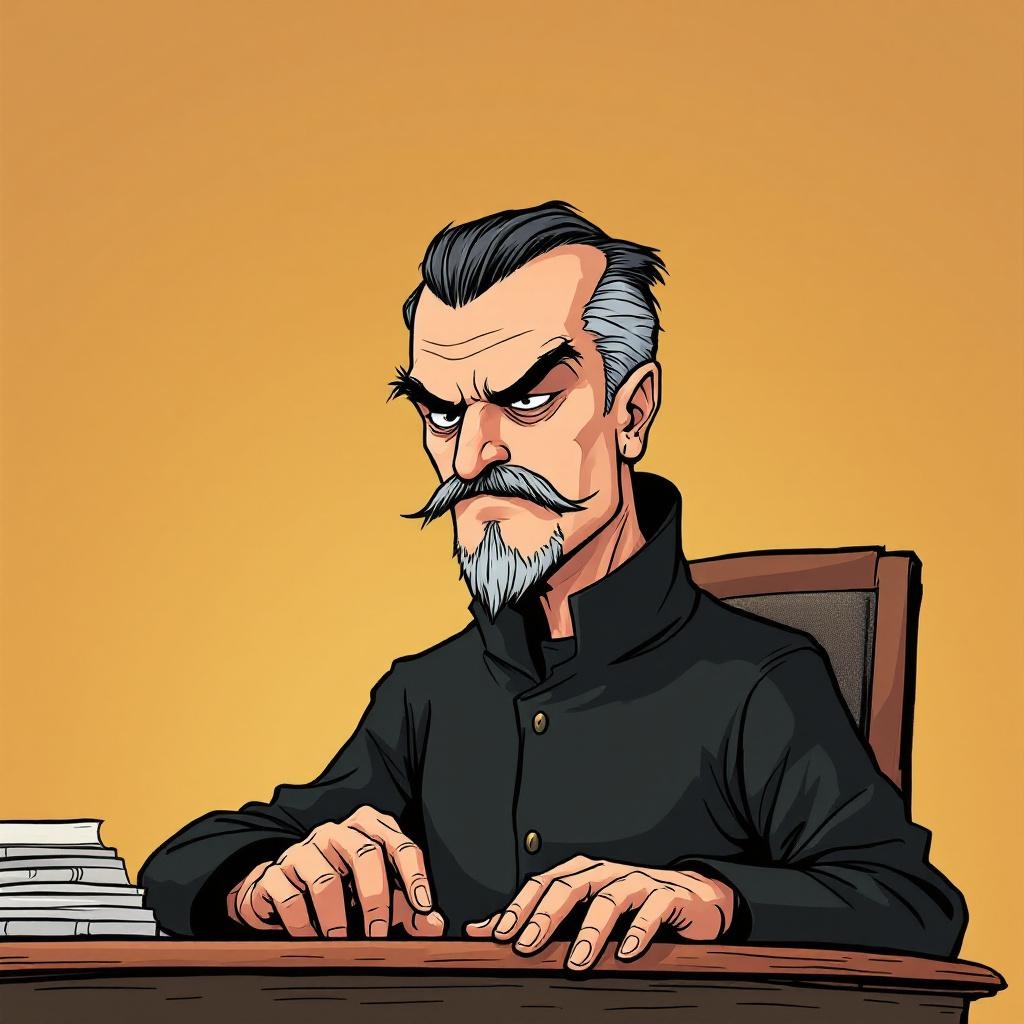
Vetinari's Terrier: The Complex Chess Match Between the Patrician and Sam Vimes
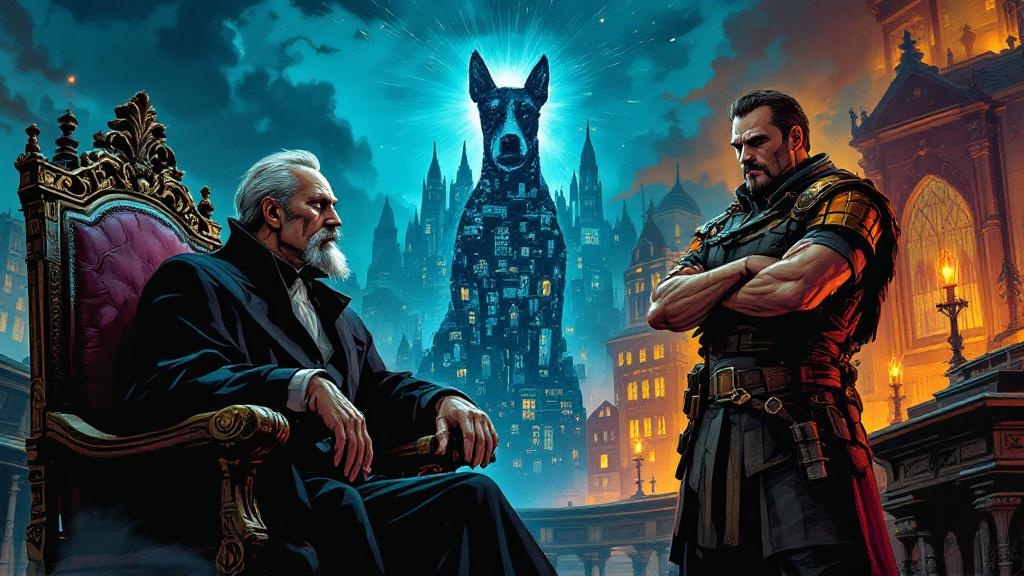
Explore the defining relationship in Discworld: Vetinari and Vimes, enemies who need each other, the terrier and his master playing an endless game.
Vetinari's Terrier: The Complex Chess Match Between the Patrician and Sam Vimes
Fantasy literature is full of hero-villain dynamics. It's got plenty of buddy-cop partnerships and reluctant mentor relationships. But there's nothing quite like the relationship between Lord Havelock Vetinari, the Patrician of Ankh-Morpork, and Commander Sam Vimes of the City Watch.
They're not friends. They're not exactly enemies. They don't like each other—or at least, they'd never admit to it. But take either one out of the equation, and Ankh-Morpork doesn't work anymore. Not the way it does now.
This is the story of a tyrant and a copper, a chess master and a terrier, two men who share the same cynical worldview but arrive at wildly different conclusions about what to do with it. It's perhaps the most important relationship in the entire Watch series, and understanding it unlocks what makes both characters so compelling.
The Invention of Sam Vimes
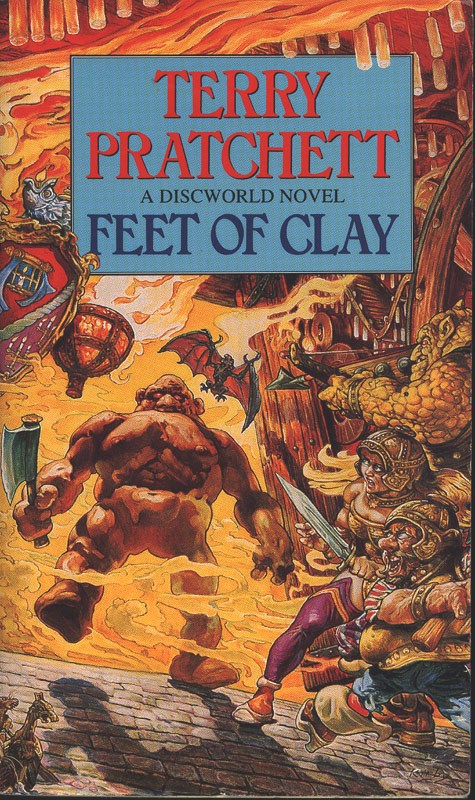
There's a moment in Feet of Clay that cuts to the heart of everything. Rufus Drumknott, Vetinari's quietly competent secretary, makes an observation: "The thought occurs, sir, that if Commander Vimes did not exist you would have had to invent him."
"If Commander Vimes did not exist you would have had to invent him. I rather think I did."— Lord Vetinari, Feet of Clay
Vetinari's response is characteristically dry: "You know, Drumknott, I rather think I did."
It's a throwaway line, almost. The kind of urbane witticism Vetinari drops constantly. But unpack it, and it contains multitudes.
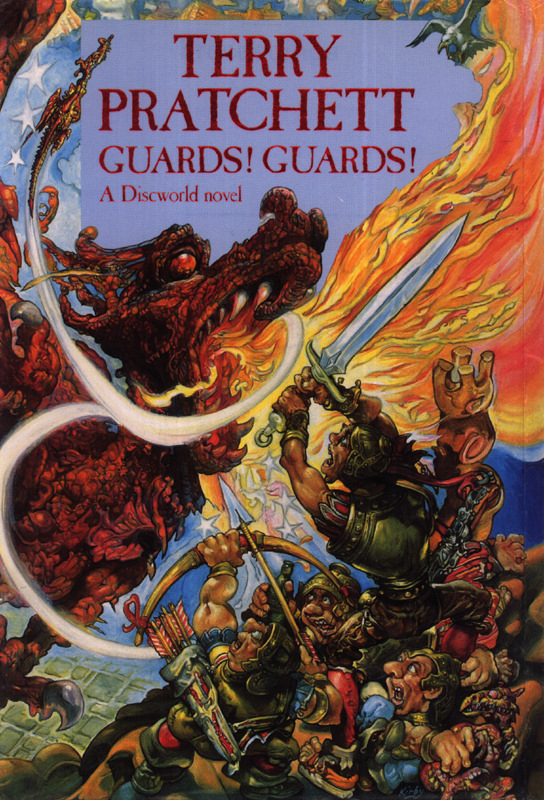
When we first meet Vimes in Guards! Guards!, he's a drunk lying in a gutter, commanding a Watch reduced to three other men who mainly exist to stay out of the way and avoid actual police work. The Watch has become a joke—deliberately so, under previous Patricians who found a functional police force inconvenient.
Vetinari could have kept things that way. Instead, over the course of the series, he builds the Watch into a genuine institution. He approves Carrot's recruitment. He expands the budget. He looks the other way when Vimes bends rules that need bending. And crucially, he gives Vimes the rope he needs to become the man he was always capable of being.
Did Vetinari "invent" Vimes? Not in any direct sense—he didn't create Vimes's moral compass or his stubborn refusal to give up. But he created the conditions where that man could flourish. And he did it deliberately, because Vetinari understood something important: sometimes even a benevolent tyrant needs someone who will do the right thing regardless of orders.
The Terrier Metaphor
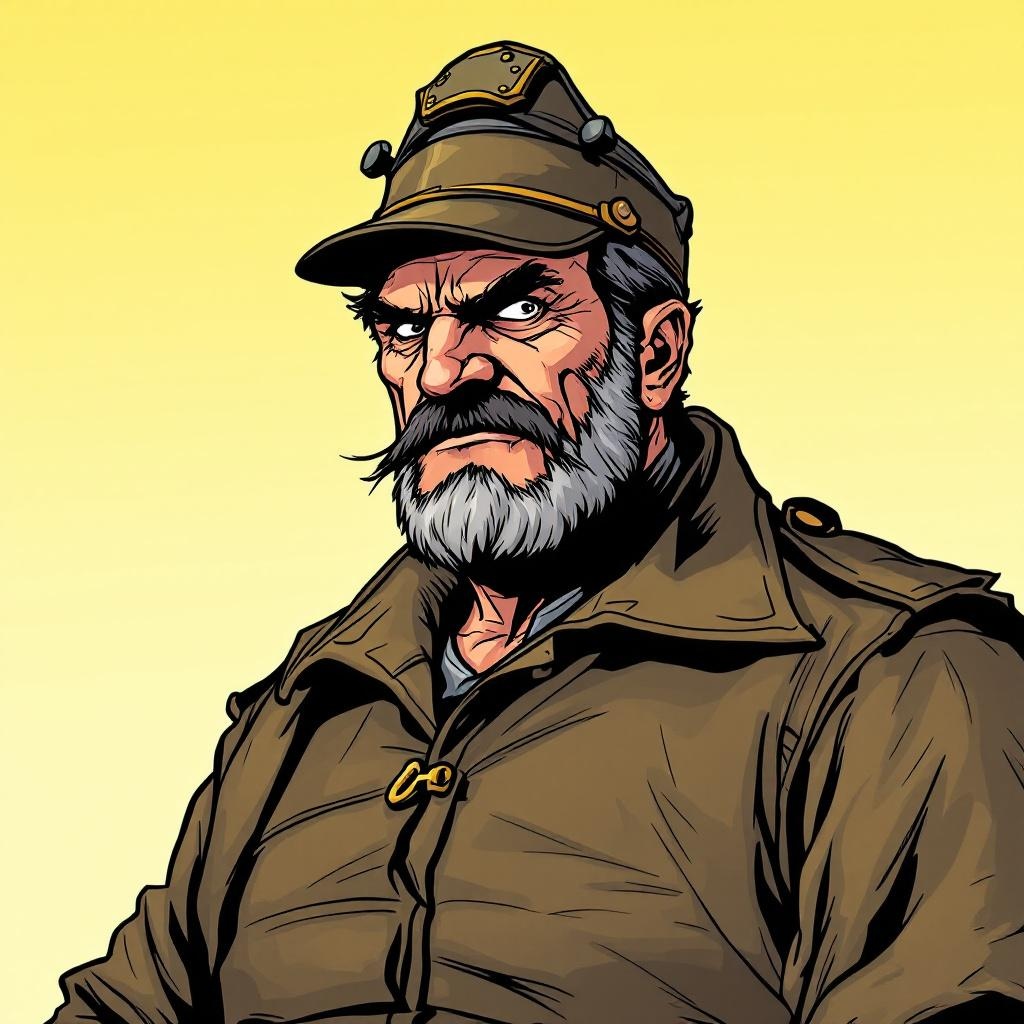
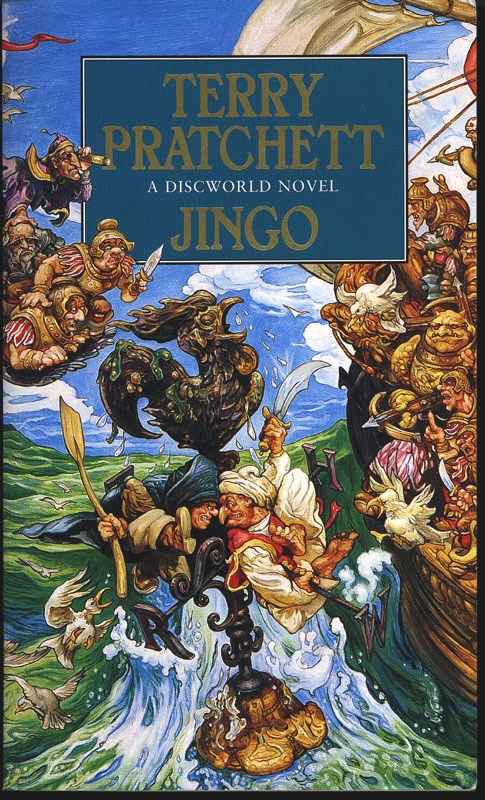
In Jingo, someone offers an observation about Vimes that's stayed with fans ever since: "Vetinari's terrier, I've heard them call you. Always hot on the chase and he won't let go."
"Vetinari's terrier, I've heard them call you. Always hot on the chase and he won't let go."
The image is perfect. A terrier isn't elegant. It doesn't play political games. When it gets its teeth into something, it doesn't let go—not for treats, not for threats, not for any amount of sensible persuasion. It digs and digs until it finds what it's looking for, or until it dies trying.
That's Vimes. And Vetinari knows exactly how to use a terrier.
Throughout the Watch novels, we see a pattern emerge. A problem appears that's too politically sensitive for direct intervention. Something in Vetinari's "too-hard basket"—issues that can't be solved through bureaucracy or manipulation alone. Golem killings. Attempted coups. International incidents. Racial tensions threatening to explode.
Vetinari doesn't order Vimes to solve these problems. That would be too direct, too controlling. Instead, he makes sure Vimes knows about them, perhaps with a carefully worded non-instruction or a meeting where he conspicuously doesn't forbid something. Then he lets the terrier loose.
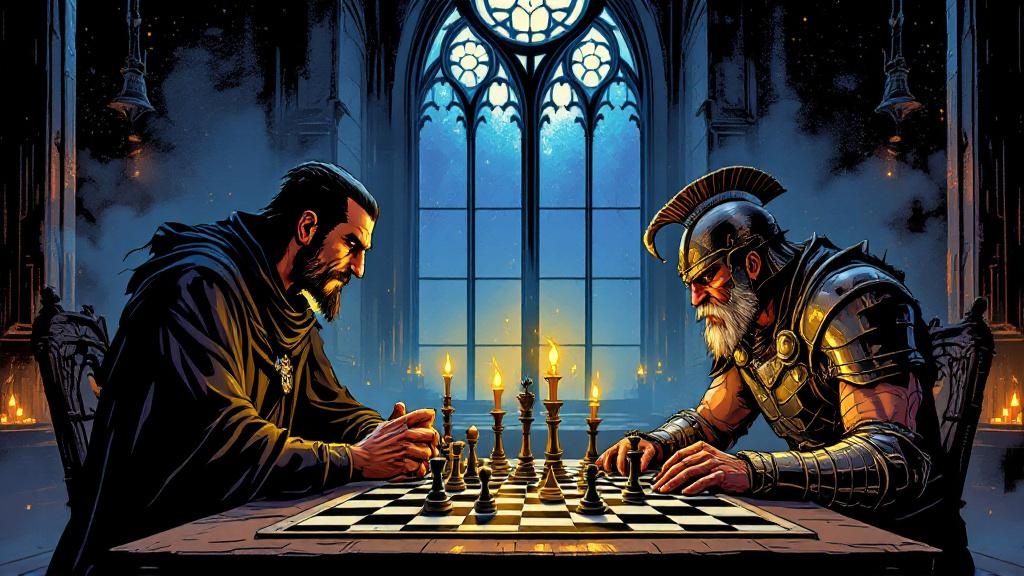
And here's what makes it brilliant: Vimes knows he's being used. He hates it. He resents every manipulation, every careful steering. But he does it anyway, because the problems are real and someone has to solve them. Vetinari counts on Vimes's integrity to make him act even when he knows he's being played.
The terrier hates the master. But the terrier still hunts.
Anti-Authority Authority
The deepest irony of their relationship is that Vimes and Vetinari are, in fundamental ways, remarkably similar. They share the same cynical view of human nature. They both believe that most people, given the chance, will choose comfort over principle. They both understand how power really works.
But they draw opposite conclusions.
Vetinari's response to human weakness is to account for it. He builds systems that expect the worst and function anyway—legalized crime guilds, receipt systems for muggings, a government that operates on the assumption that everyone is at least slightly corrupt. He doesn't try to make people better. He just makes sure their worst impulses are channeled productively.
"That he manages this whilst actually being authority is, as Lord Vetinari put it, 'practically zen.'"
Vimes, by contrast, holds the line. He doesn't just accept that people are flawed—he rages against it. He believes in law with an almost religious fervor, not because he thinks it will make people good, but because it's the only thing standing between civilization and the beast. And he holds himself to that standard more than anyone else.
Vetinari once observed that Vimes is "the most ferociously anti-authoritarian man" he's ever encountered. "That he manages this whilst actually being authority is," Vetinari noted, "practically zen."
It's a joke, but it's also true. Vimes commands the Watch. He enforces Vetinari's laws. But he does it while distrusting all authority—including, especially, his own. He's an anti-authoritarian who became an authority figure, a revolutionary who ended up maintaining the system, a man who hates everything Vetinari represents while serving as the Patrician's most useful tool.
The tension should be unsustainable. Instead, it's what makes Ankh-Morpork work.
The Arrest That Proved Everything
The most remarkable demonstration of their relationship comes in Jingo, when Vimes does something unprecedented: he arrests Lord Vetinari for treason.
The circumstances are complicated. War looms with Klatch over a newly risen island called Leshp. Lord Rust, a belligerent noble, has assumed emergency powers while Vetinari is away on a secretive submarine mission. When Vetinari returns, he's technically signed a surrender document with Klatch—and under Rust's martial law, that's treason.
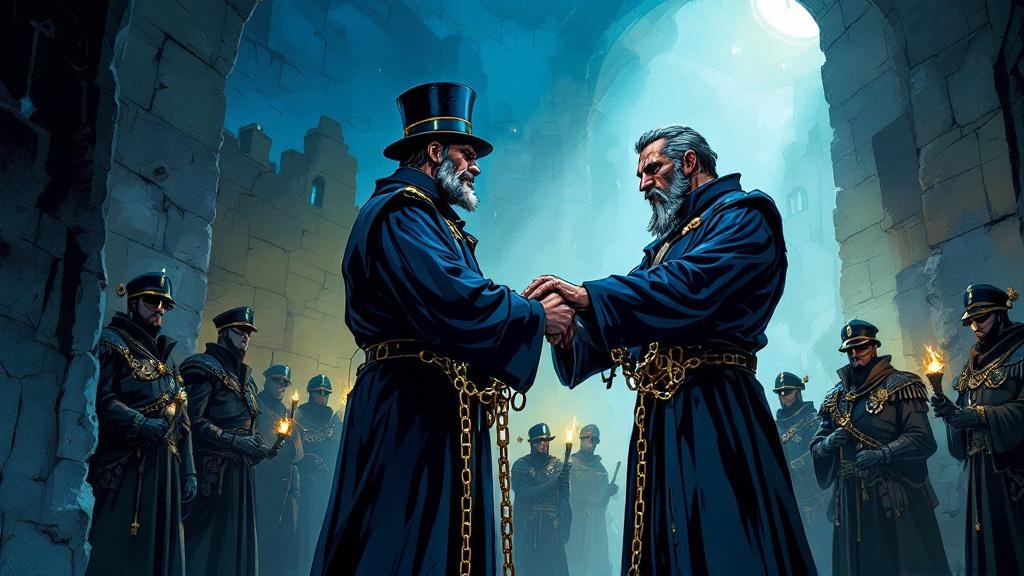
Vimes doesn't want to make the arrest. He knows the charges are political nonsense, that Vetinari has actually saved the city from a disastrous war. But Vetinari himself insists on it—orders Vimes to take him "in chains for trial." Because the law must apply to everyone, or it means nothing.
It's theater, to some extent. Vetinari knows the charges won't stick. He's playing a longer game. But Vimes makes the arrest anyway, because that's what the law demands. And in that moment, something passes between them that goes beyond mutual manipulation.
Vetinari trusted Vimes to follow the law even when the law was being used against him. Vimes proved him right. They're enemies in that moment, and also something closer than friends—two men who believe in the same thing, even if they'd never say it out loud.
The Night Watch Connection
Their relationship goes deeper than most readers realize. In Night Watch, Vimes travels back in time to the chaos before Vetinari's rise to power. He ends up fighting alongside a young Assassins' Guild student—one Havelock Vetinari, not yet the Patrician, still known by the mocking nickname "Dog-botherer."
That young Vetinari watches "John Keel" (the identity Vimes assumes in the past) stand up against tyranny during the Glorious Revolution of the 25th of May. He sees a man who believes in law and justice with unwavering conviction. He watches Keel mentor young Sam Vimes, setting the future Commander on the path that will define him.
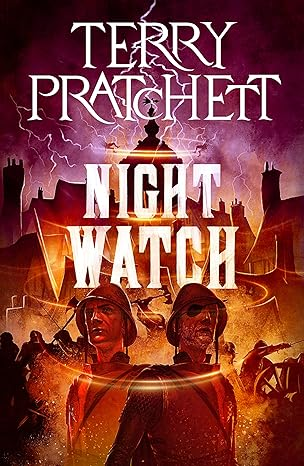
Did that experience shape Vetinari's later governance? Did watching Keel teach him something about the value of having a man like Vimes in the city? The novel never says directly. But when the Patrician tells Drumknott that he "rather thinks" he invented Vimes, there might be more truth to it than even Vetinari realizes. He's been watching Vimes become who he is for longer than either of them knows.
The Package Deal
By the later Watch novels, a quiet understanding has emerged. Vetinari cannot drag Ankh-Morpork into the future without Vimes. They come as a package deal—the city and its Commander, inseparable.

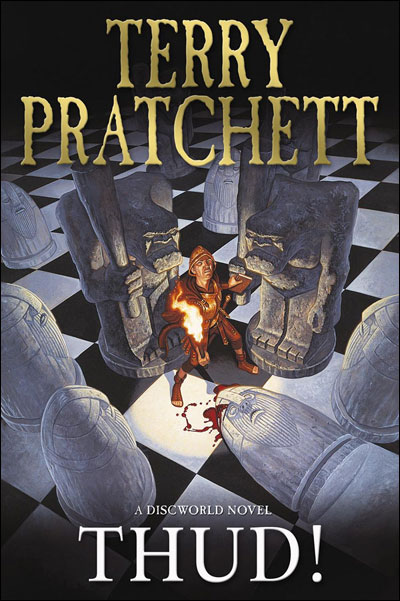
This isn't because Vimes is uniquely talented. Carrot is in many ways a better natural leader. Angua has abilities Vimes can't match. But Vimes has something no one else does: incorruptibility so absolute it's almost a superpower. In Thud!, we learn that his internal moral compass—called "The Guarding Dark"—is strong enough to defeat an ancient entity of vengeance.
Vetinari needs that. For all his genius at manipulation and control, there are problems that can't be solved through cleverness. Sometimes you need someone who will do the right thing simply because it's right, consequences be damned. Someone who can't be bought, can't be intimidated, can't be reasoned out of their convictions.
That's what Vetinari purchased when he rebuilt the Watch. Not a tool—tools can be turned against you. He created a force of conscience operating independently within his system, a check on his own power that he can never fully control.
And Vimes, for all his resentment, needs Vetinari too. Without the Patrician's tacit approval, the Watch couldn't function. Without Vetinari's political protection, Vimes would have been assassinated a dozen times over. They're locked in an endless dance, neither fully trusting the other, neither able to function alone.
Why It Matters
The Vimes-Vetinari relationship isn't just great character writing. It's Terry Pratchett working through fundamental questions about how societies function.
Can you have order without justice? Vetinari thinks so. His entire system is built on stability rather than fairness. But Vimes is his admission that pure pragmatism isn't enough—that sometimes you need someone who cares about what's right, not just what works.
Can you have justice without power? Vimes tries, but the Watch only functions because Vetinari allows it. Without the infrastructure of the state—even a corrupt, pragmatic state—individual integrity accomplishes nothing.
Their relationship suggests that the answer lies in the tension between them. Not resolution, not one winning over the other, but an ongoing argument between principle and pragmatism that forces both sides to stay honest.
The terrier never stops hunting. The chess master never stops planning. Ankh-Morpork keeps moving forward. And somewhere in the balance between a man who believes the ends justify the means and a man who believes the means are the ends, something resembling civilization emerges.

They Need Each Other
In the end, what makes this relationship so compelling is its necessity. Neither Vimes nor Vetinari would ever admit to needing the other. Both would probably insist they could get along just fine alone. But the books show us again and again that they can't.
Vetinari without Vimes would be a tyrant without a conscience—efficient, perhaps, but missing something essential. The city would work, but it wouldn't be right. He'd lose the moral authority that comes from tolerating someone who challenges him.
Vimes without Vetinari would be a crusader without a context—righteous anger with no outlet, integrity with no power to enforce it. He'd be back in the gutter, or dead in an alley, because wanting to do right isn't enough if you don't have the means.
Together, they're something more than either could be alone. Not friends. Not allies. Something harder to name—two parts of a functioning system, each doing what the other can't.
The terrier and the Patrician. The copper and the tyrant. Vetinari's greatest invention, and the man who refuses to be controlled.
Want to see this relationship develop from the beginning? Start with Guards! Guards! where they first meet, then follow through to Night Watch for the deepest exploration of what they mean to each other.