Wolfgang and Angua: The Von Uberwald Family's Battle for the Soul of Werewolf-Kind
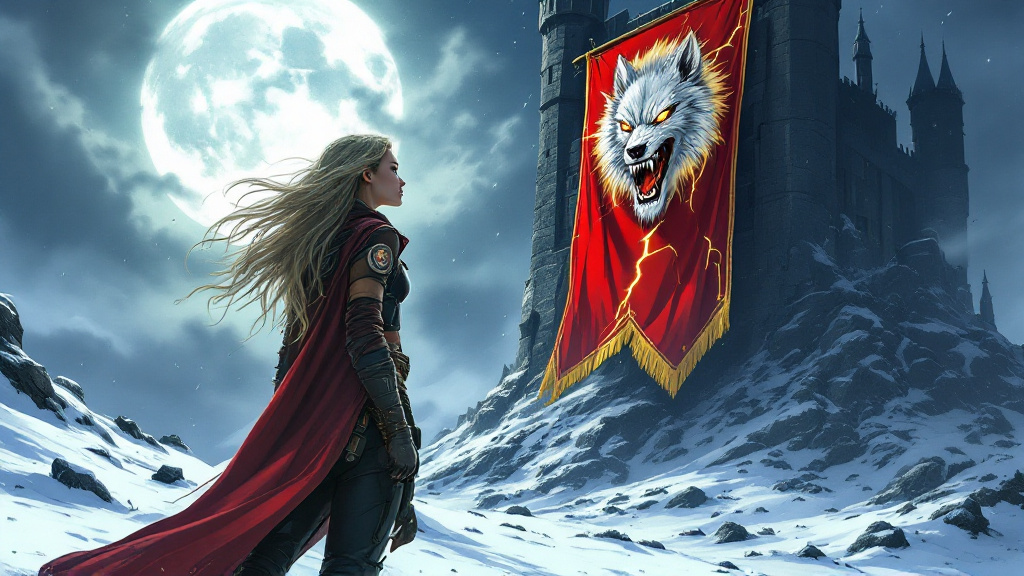
Angua and her brother Wolfgang aren't just feuding siblings. In The Fifth Elephant, they fight over what a werewolf is allowed to be: a predator or a person.
Wolfgang and Angua: The Von Uberwald Family's Battle for the Soul of Werewolf-Kind
Most family arguments at the dinner table are about politics, money, or who forgot to bring the potatoes.
The von Uberwalds argue about whether some of their children deserved to live.
That's the dark heart of The Fifth Elephant. On the surface it's a Sam Vimes diplomatic thriller, with fat mines, a stolen Scone of Stone, and dwarf succession politics. But underneath it runs a much older story: a daughter who ran away from home, and the brother she left behind, who turned out to be everything she was running from.
Angua and Wolfgang von Uberwald share the same parents, the same blood, and the same ability to change shape under the moon. What they don't share is an answer to the question Pratchett keeps pressing on throughout the book: is a werewolf a monster by nature, or only by choice?
Wolfgang has an answer. Angua spent years in Ankh-Morpork building a different one. The Fifth Elephant is where the two answers finally meet in the snow.
Meet the Family: The Von Uberwalds of Bonk
To understand the sibling war, you have to understand the household that produced it.
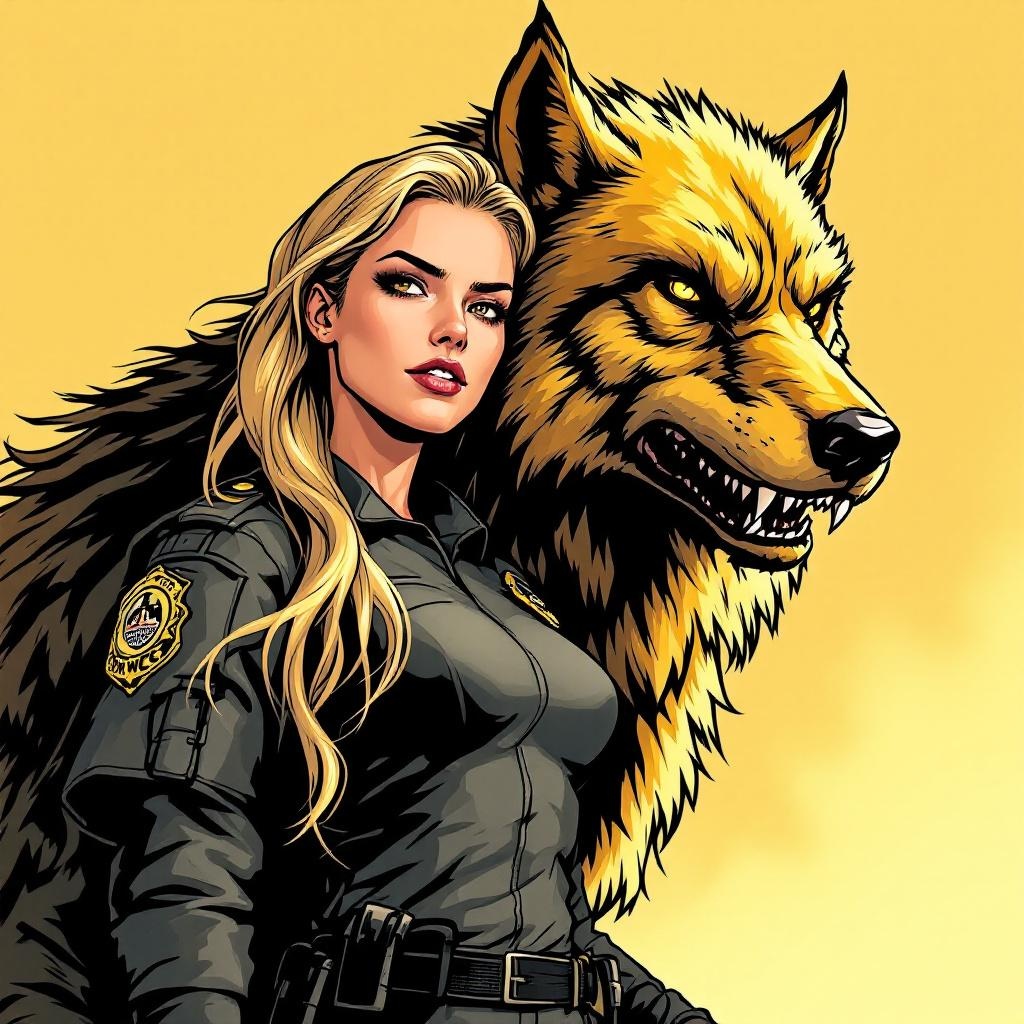
Angua's father is Baron Guye von Uberwald, known in his wolf form as Silvertail. He's old, a bit vague, and so close to his wolf side that he comes across less like a feudal lord and more like an elderly dog who has been allowed on the furniture. Her mother, Lady Serafine (Yellowfang), is the sharper of the two: a werewolf aristocrat of the old school who, in one of the book's best small jokes, went to school with Lady Sybil and has never once answered her Hogswatch card.
Then there are the children:
- Wolfgang, a full bimorph who can change at will, and who believes werewolves are born to rule.
- Elsa, a yennork, a werewolf stuck permanently in human form. She is dead, and everything in the book points at Wolfgang.
- Andrei, another yennork, stuck in wolf form. He got out. He's now, gloriously, a champion sheepdog in Borogravia.
- Angua herself, who also got out, and spent years drifting from city to city before the Ankh-Morpork City Watch started recruiting from every species and she walked in the door in Men at Arms.
Look at that list again. Of four children, one is dead, two have fled the country, and the one who stayed is the one who did the killing. That isn't a family. It's a selection process.
Wolfgang's Ideology: Purity, Strength, and a Crimson Banner
Wolfgang isn't a cackling villain. That's what makes him frightening. He has a worldview, and it hangs together on its own terms.
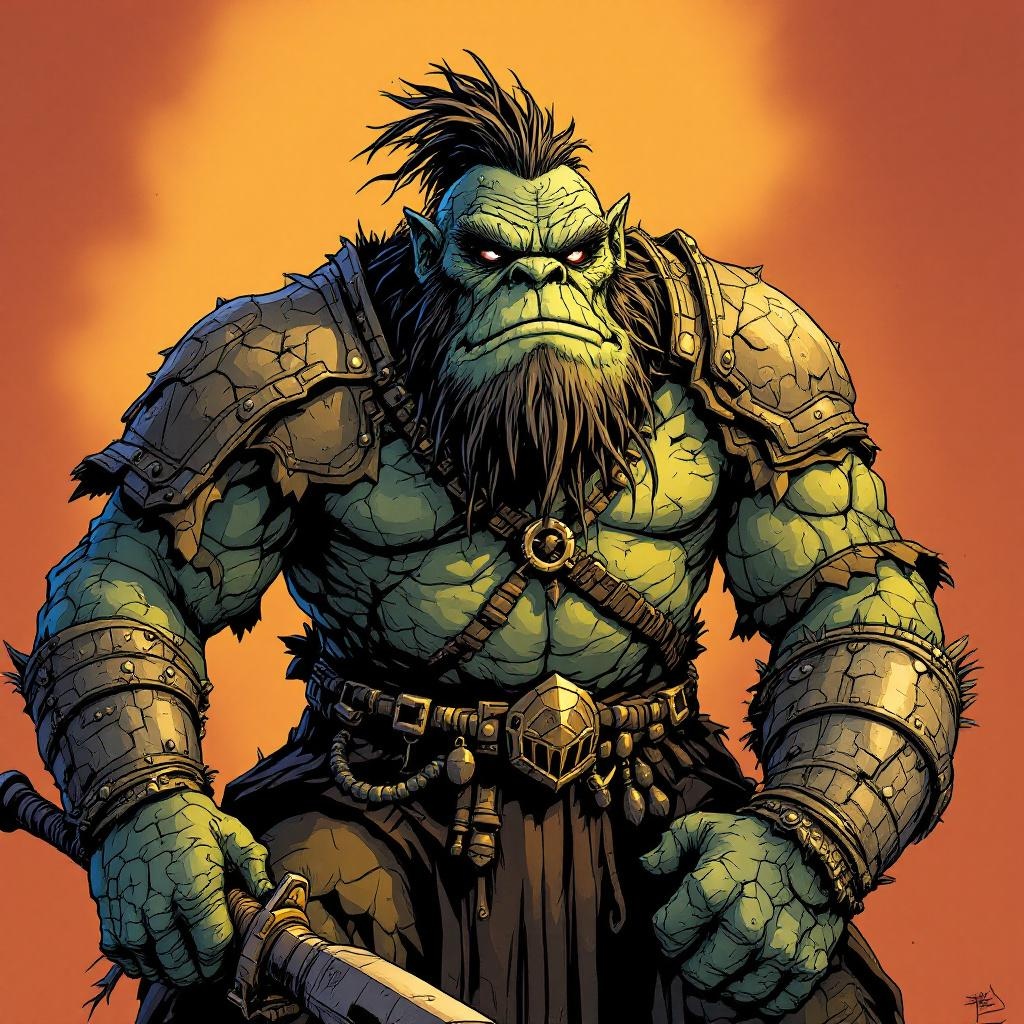
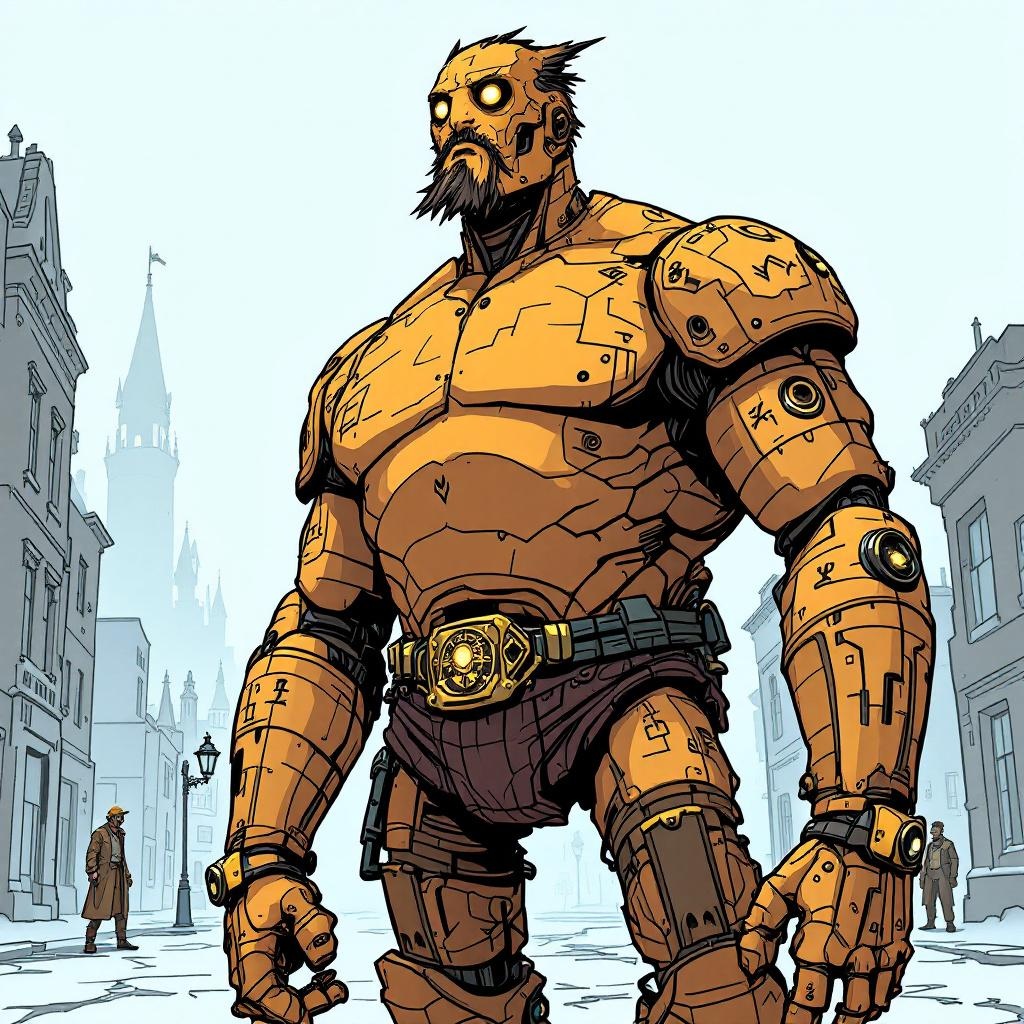
In his eyes, the werewolf is the superior form of life: stronger than humans, cleverer than wolves, and entitled to rule both. He keeps himself fit with endless outdoor exercise. He prefers to go about naked, even in human shape, because clothes are a human affectation and he considers nakedness more natural. And the yennorks, the werewolves who can't change, aren't unlucky relatives to him. They're defects. Abominations. Mistakes that need correcting.
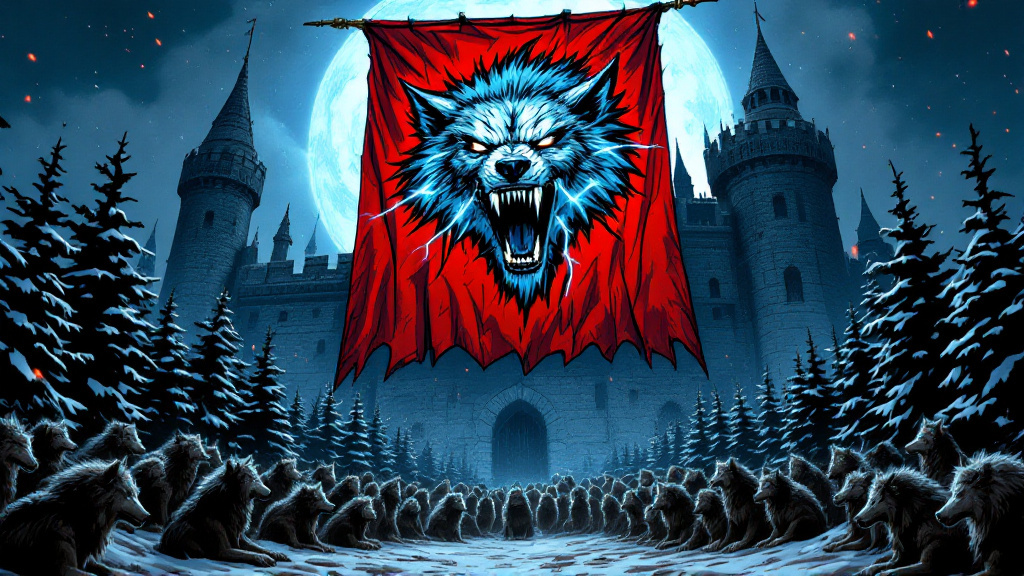
Fans spotted the shape of this almost immediately. The L-Space annotations put it bluntly, describing Wolfgang as having "been read as a Nazi in lupine form," and noting that his insignia is "a silver wolfshead on a crimson banner whose snarling mouth is filled with flashes of lightning." Crimson banners, lightning flashes, an obsession with pure blood, the culling of family members who fall short of the ideal: Pratchett is not being subtle, and he doesn't want to be.
Publishers Weekly noticed it too, praising a book that "skewers everything from monarchy to fascism." The fascism part is mostly Wolfgang.
"Wolfgang doesn't think he's a monster. He thinks he's the natural order."
Here's the thing that makes the parallel cut deeper than a cheap swipe: Wolfgang's ideology is wrapped in the language of nature. He isn't cruel, he'd tell you; he's just being what werewolves are. The strong rule. The weak are culled. That's how the forest works.
Except it isn't. Real wolves don't murder their pack-mates for being the wrong shape. They don't design flags. They don't have theories about destiny. As Angua argues elsewhere in the book (we unpack that speech in Homo Homini Lupus), when people behave monstrously and call it "acting like wolves," they're slandering the wolves. Wolfgang's supremacy isn't his wolf half talking. It's the most human thing about him.
Elsa and Andrei: The Siblings Who Didn't Fit
The yennorks are the moral center of the von Uberwald story, even though neither of them ever appears on the page.
Think about what being a yennork means in that household. You're born into a family whose entire identity rests on the ability to change, and you can't. You're stuck. To a family that believes werewolves are the master race, you're living proof that the bloodline isn't as perfect as they claim.
Elsa paid for that with her life. Pratchett never stages her death, but everything points the same way: at her brother. Andrei survived by running, and there's something quietly wonderful about where he ended up: herding sheep for farmers in Borogravia, a working dog, good at his job, valued for what he does rather than what he is. He found the kind of life Wolfgang would consider a disgrace, and it saved him.
Which raises the obvious question about Angua.
Why Angua Left Uberwald
By the time we meet Angua in Men at Arms, she's already been gone for years. She roamed from city to city, never settling, unable to find a decent job or someone who'd accept what she was. Ankh-Morpork was simply the place where somebody finally gave her a badge.
It would be easy to read that as an ordinary runaway story. Plenty of young people leave home because their parents are suffocating. But The Fifth Elephant recasts it. Once you've met Wolfgang and heard about Elsa, Angua's departure stops looking like teenage rebellion and starts looking like what Andrei did: getting out of a house where being different could get you killed.
"Angua didn't run away from being a werewolf. She ran away from what her family thought a werewolf had to be."
And notice what she built once she was free. Her whole adult life is a deliberate rejection of the von Uberwald philosophy. She works in the most mixed-species organization on the Disc, alongside trolls, dwarfs, a golem, and a zombie. She takes the job of protecting people, the very people her brother thinks exist to be hunted. She tries to live as a vegetarian, and when the wolf gets loose during the full moon and eats somebody's chickens, she pays for them afterward. (That small, extraordinary habit gets its own article: the vegetarian werewolf's dilemma.)
Wolfgang believes the wolf excuses everything. Angua believes the wolf excuses nothing. That's the whole argument, and every choice she's made since leaving home is her side of it.
Even her mother doesn't escape this reading. Angua's view, as the book develops, is that Serafine goes along with Wolfgang's scheme less out of conviction than out of fear of her own son, a fear she can't bring herself to admit. It's a sharp portrait of how ideologies like Wolfgang's take over families: not because everyone agrees, but because nobody dares to say no.
The Game: Wolfgang Hunts Sam Vimes
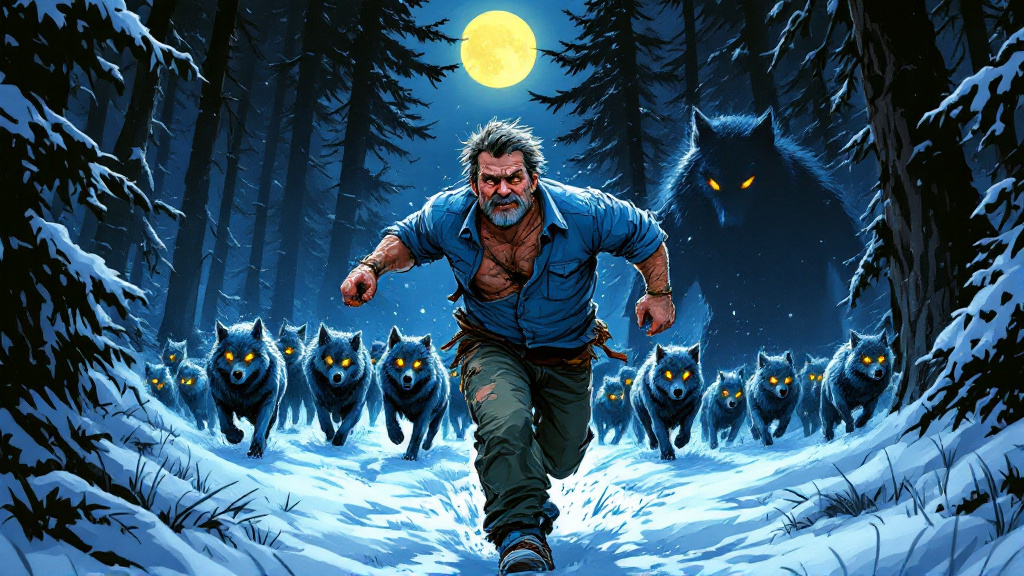
If you want to see Wolfgang's worldview in action rather than in theory, look at the Game.
The werewolf conspiracy revives an old Uberwald tradition: a human is let loose in the forest with a head start, and the werewolves hunt him. Outrun them and you live. In principle it's a contest. In practice, as the L-Space summary dryly notes, Wolfgang "doesn't play the game by the rules." The head start is theater. The ending is meant to be fixed.
The human he chooses is Sam Vimes, ambassador of Ankh-Morpork, sent running into the winter forest alone.
This is the purest expression of what Wolfgang believes. Humans aren't citizens or neighbors or even enemies; they're quarry. Sport. The "rules" exist to give the predators the pleasant feeling of fairness without the inconvenience of actually being fair. It's ideology dressed up as tradition, which is the most Uberwald thing imaginable.
And it's exactly here that Angua's choice pays off. Carrot and Angua arrive in time to break up the hunt and save Vimes from the pack. The werewolf who fled her family's values ends up rescuing a human from her family's sport. You couldn't draw the line between the two siblings more clearly if you used a ruler.
The war between the siblings has a cost, though. Gavin, the wolf-pack leader who had protected Angua long ago when she was caught in a pit trap, and who came all the way to Ankh-Morpork to warn her about her brother, dies trying to save Carrot from Wolfgang. Real wolves, in this book, are loyal to the end. The werewolf who claims to be the purest of wolves is the one who kills them.
"A Damn Bottle Covey": Vimes Sizes Up Wolfgang
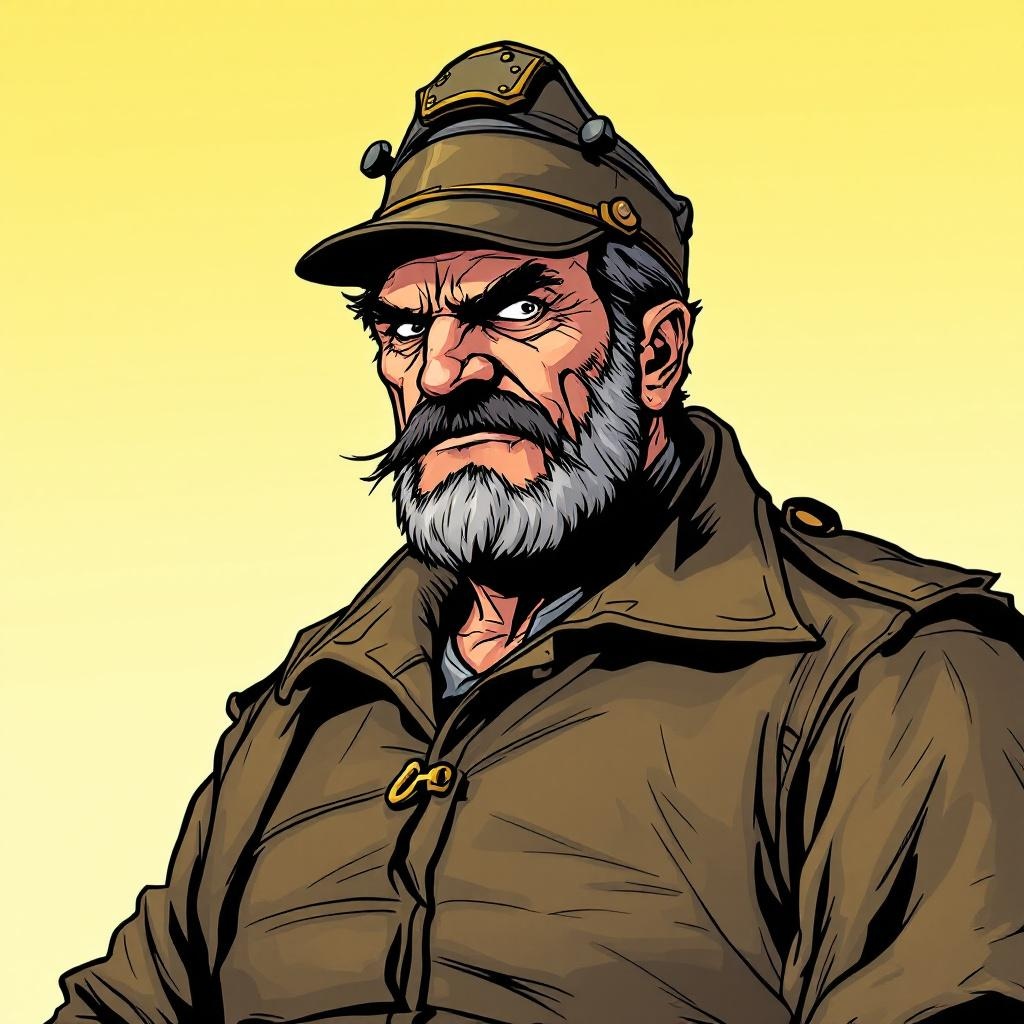
One of the great pleasures of The Fifth Elephant is watching Vimes recognize Wolfgang's type. Not a lord, not a monster, just a kind of man he has met in every bar fight of his career.
"Because our Wolfgang's a damn bottle covey, dear," Vimes tells Sybil. He's describing the sort of fighter who won't stay down no matter how badly he's beaten, and his conclusion is grim: "The only way to put 'em down is to put 'em out."
Sybil's reply is one of the funniest and sharpest moments in the book. "I think I recognize the type, yes," she says, and Pratchett adds that the irony "failed to register with Sam Vimes until some days later."
That joke matters. Vimes is also a man who doesn't know when to stop, who carries a beast inside him and keeps it on a chain by sheer stubbornness (we explore that in The Beast: How Sam Vimes Fights His Own Darkness). The difference between Vimes and Wolfgang isn't the presence of the darkness. It's what each of them does with it. Which is precisely the difference between Wolfgang and his sister.
The Final Confrontation
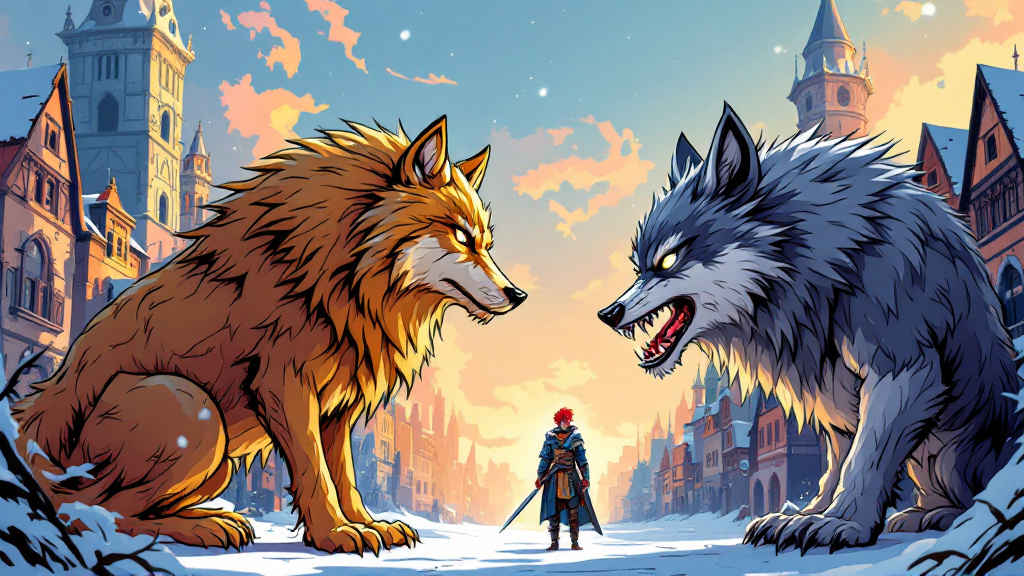
Wolfgang doesn't survive the book, and the way he dies is worth looking at closely.
By the end, the L-Space wiki observes, he's spent too long in wolf shape, and whatever restraint his human mind had is gone. His contempt for everything civilized has curdled into something close to madness. When he comes for Carrot one last time, Angua fights her own brother to protect the man she loves. Then Vimes finishes it, killing Wolfgang with a clacks signal flare.
Pratchett handles the moment with real care. He lists the clever lines Vimes could have delivered, the action-hero quips a lesser book would have used, and then:
He might have said "Fetch!" But he didn't, because if he had said any of those things, then he'd know that what he had just done was murder.
That's the moral key to the whole confrontation. Vimes won't turn Wolfgang's death into sport, because turning killing into sport is exactly what Wolfgang did. The Game, the head start, the fun of the chase: Vimes refuses to play it, even at the end, even against the man who tried to hunt him. The quip would have made him a little bit like the werewolf. Silence keeps him a copper.
It's also notable that Angua isn't the one who kills him. Pratchett spares her the act of fratricide. She fights Wolfgang, but she doesn't become the family member who kills family. That distinction, between defending someone and destroying someone, is the distinction she's built her whole life on.
Can Werewolves Be Anything Other Than Monsters?
So who wins the battle for the soul of werewolf-kind?
Not Wolfgang. His ideology ends the way these ideologies tend to end: isolated, increasingly unhinged, at war with his own family, and finally put down by the people he considered prey. His vision of werewolves as natural rulers produces nothing but corpses: Elsa, Gavin, and finally himself.
Angua's answer is quieter and much harder. She doesn't get to declare victory. She still has to manage the wolf every month. She still worries about whether her bond with Carrot is love or pack instinct. She still lives in a city where many people would happily see her driven out. Being a moral werewolf isn't a state she achieves once. It's a choice she has to make again every full moon.
But that's the point Pratchett is making. Wolfgang thinks nature is destiny: werewolves are predators, so werewolves should prey. Angua shows that nature is only the raw material. The wolf gives you teeth. It doesn't tell you who to use them on.
The von Uberwalds produced four children. One became a tyrant, one was murdered, one became a sheepdog, and one became a police officer. The bloodline didn't decide any of that. The choices did.
Where to Read the Von Uberwald Story
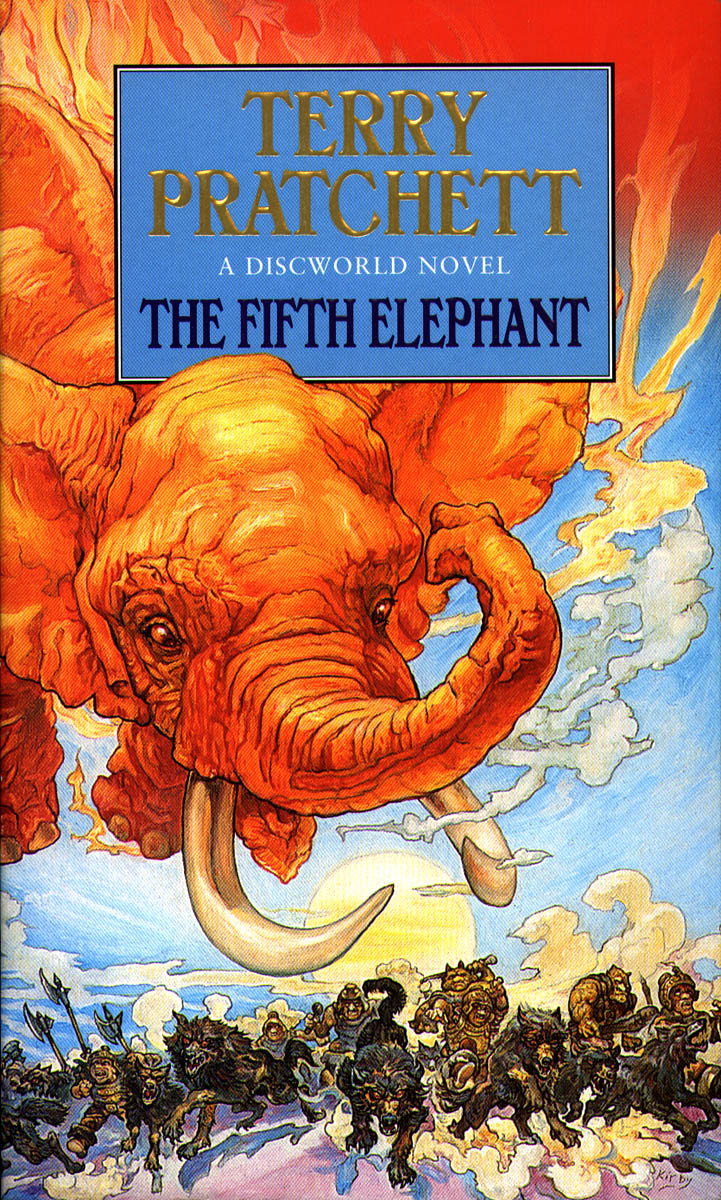
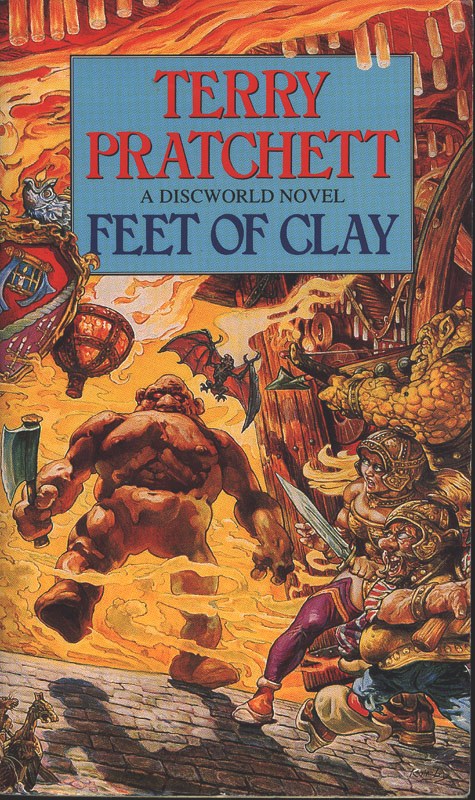
Want more? Read about Angua's Homo Homini Lupus speech, see how Gaspode helps Carrot track her across Uberwald, or follow the whole saga in our City Watch reading order.