Discworld's Darkest Books: When Terry Pratchett Got Serious
Discover the darkest Discworld novels where Terry Pratchett tackled revolution, persecution, slavery, and grief beneath the comedy. Not just funny books.
Discworld's Darkest Books: When Terry Pratchett Got Serious
People talk about Discworld like it's all footnotes and funny names. And sure, there's a lot of that. But somewhere around the middle of the series, Terry Pratchett stopped being content with making you laugh and started making you uncomfortable too.
Not in a gratuitous way. Pratchett never went dark for shock value. He went dark because the things he wanted to say—about war, prejudice, persecution, and grief—demanded it. The comedy didn't disappear. It just stopped being the only thing in the room.
"A dark book, a truly dark book, is one where there is no light at the end of the tunnel."— Terry Pratchett
When asked whether Night Watch was too dark, Pratchett pushed back. "The fact that it deals with some rather grim things is, I think, a different matter," he said. He was right. These books aren't bleak—they're honest. They look at the worst things people do to each other and insist that decency still matters.
Here are the Discworld novels where Pratchett got serious. Where the laughs still come, but they catch in your throat.
Night Watch: Revolution and Its Betrayals
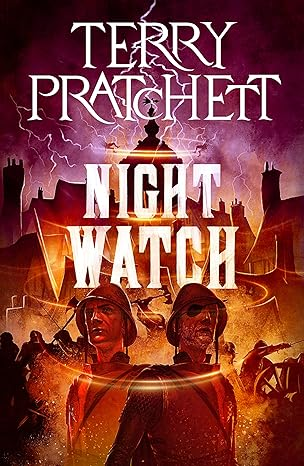
Night Watch is the book that changed how people talk about Discworld.
Commander Vimes is thrown back in time to the Ankh-Morpork of his youth, right into the middle of a revolution he barely survived the first time. He knows how it ends. He knows who dies. And he has to let it happen anyway, because that's how history works.
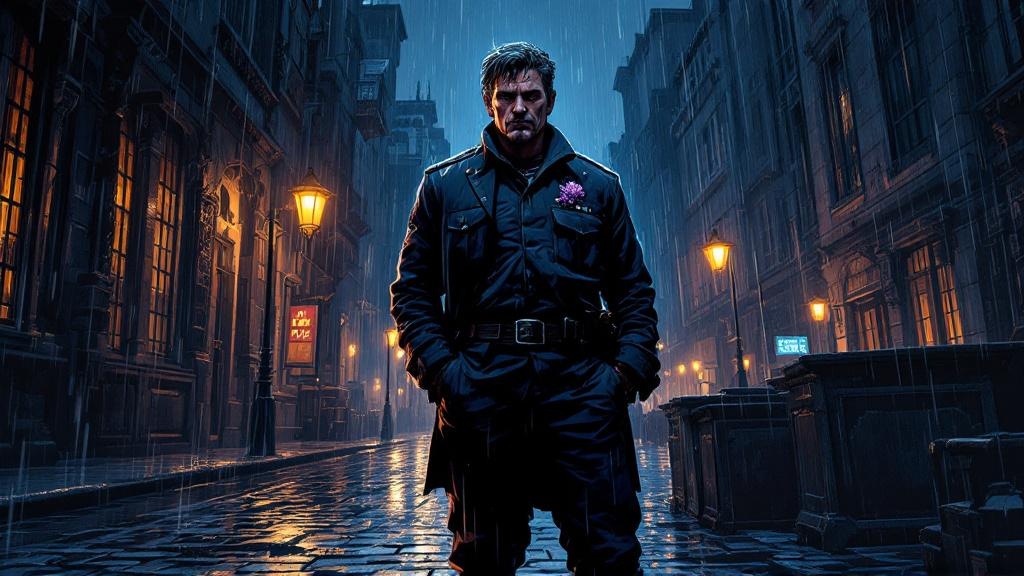
The darkness here isn't monsters or magic. It's the mundane cruelty of a police state—the casual torture, the disappeared citizens, the way ordinary people look the other way. Pratchett drew on Les Misérables, the Tiananmen Square protests, and every revolution that ate its own children. The result is a book where the most terrifying villain isn't the psychopath Carcer but the system that produces people like him.
The lilac. The names of the dead. "How do they rise up?" If you've read it, you know. If you haven't, be warned: this one leaves marks.
What makes it dark: A good man forced to watch people die for a cause he knows will fail, because protecting the timeline means protecting the failure too.
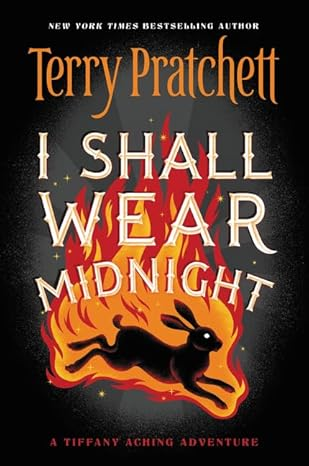
I Shall Wear Midnight: Persecution Up Close
I Shall Wear Midnight is technically a young adult novel. That fact should terrify you.
Tiffany Aching faces the Cunning Man, a demonic spirit that feeds on suspicion and hatred, turning ordinary people into a mob. But the Cunning Man doesn't create the hatred—he amplifies what's already there. The fear of the different. The need for someone to blame.
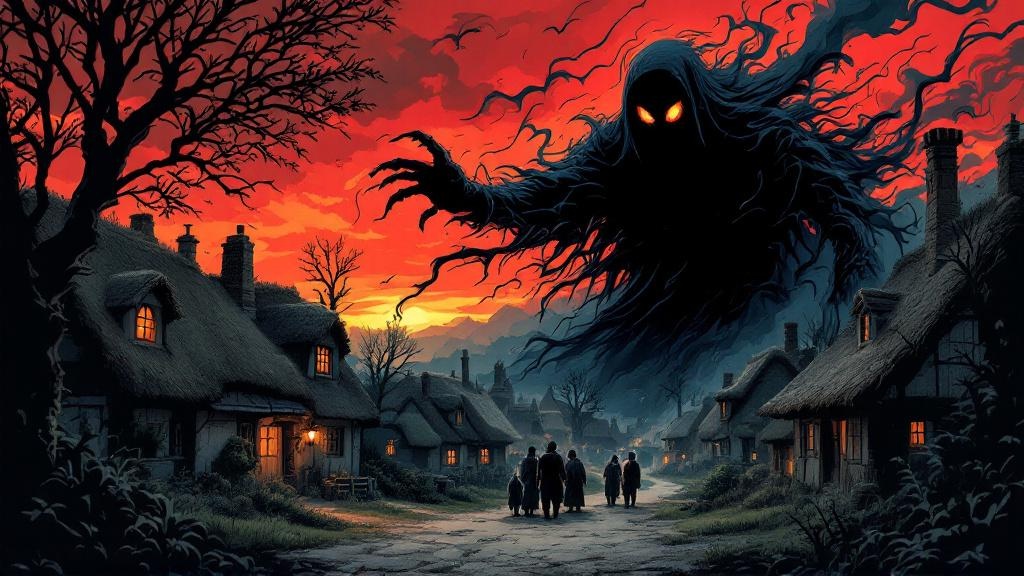
Before the supernatural threat even arrives, Pratchett gives us one of his most harrowing scenes: a father beats his pregnant teenage daughter so badly she loses the baby, then tries to arrange funeral rites before hanging himself. Life goes on. Tiffany has to deal with it—not with magic, but with the grim practicality of a witch who serves her community even when her community is at its worst.
This is Pratchett writing about witch trials, about how communities turn on the people who help them, about how quickly "she's a bit odd" becomes "burn her." It's also, somehow, a book about finding the strength to keep helping people who might hate you for it.
What makes it dark: The violence isn't fantasy violence. It's domestic. It's real. And it happens before any demon shows up.
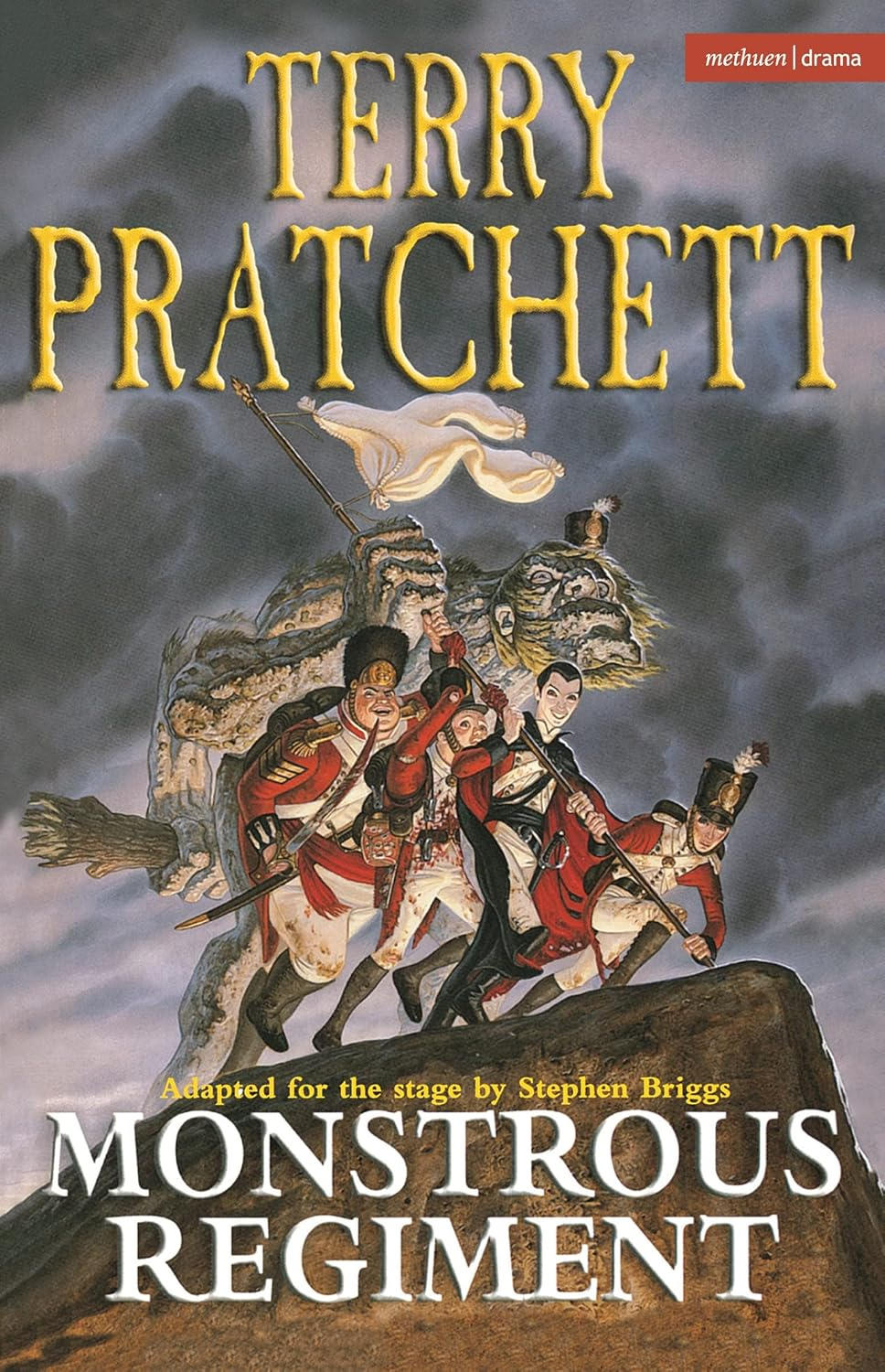
Monstrous Regiment: The Machinery of War
Monstrous Regiment is probably the least funny Discworld novel. That's not a criticism—it's the point.
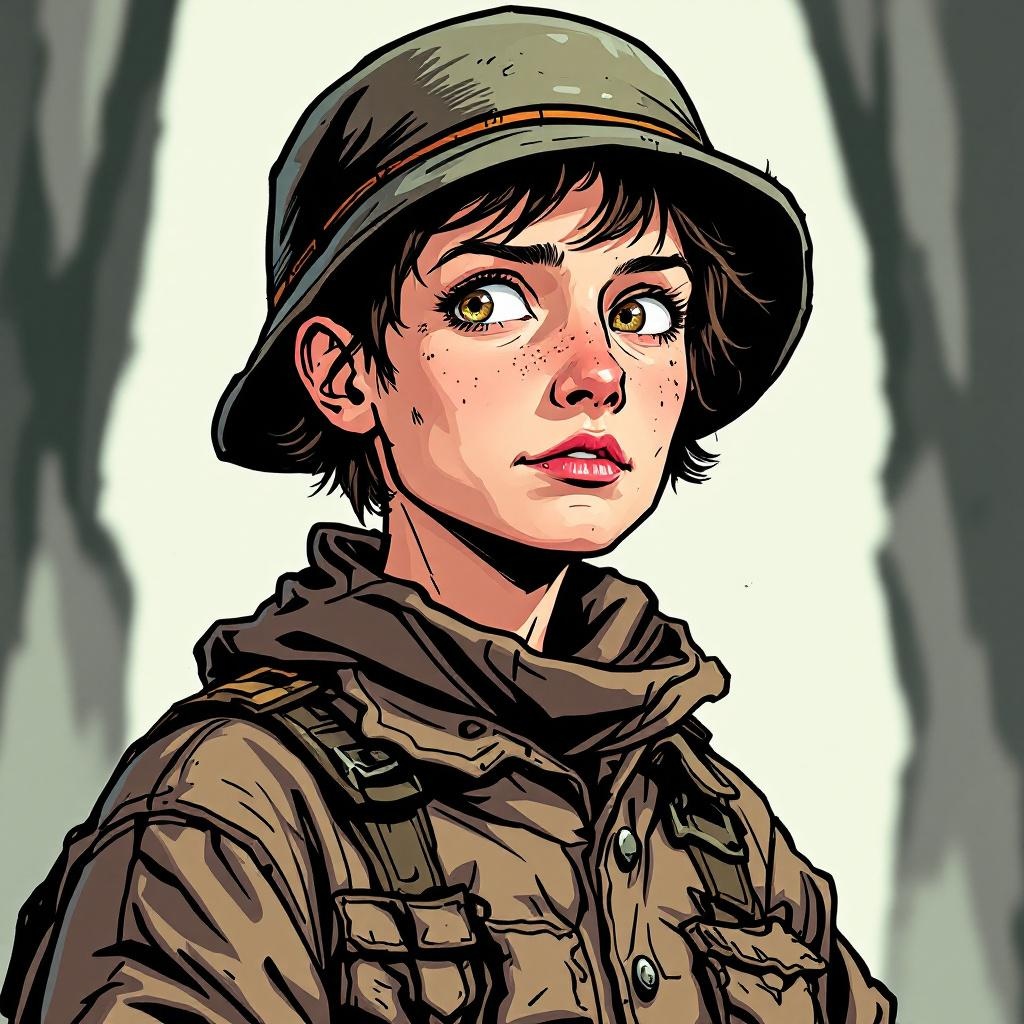
Polly Perks disguises herself as a man to join the army and find her brother. What she discovers is a country so broken by endless war and religious extremism that nearly every rule has become an "Abomination Unto Nuggan"—including garlic, the color blue, and babies. The absurdity would be funny if people weren't dying for it.
The war itself is depicted without glory. Supply lines are broken. Soldiers are children in oversized uniforms. The enemy is barely distinguishable from your own side. And the big twist—which I won't spoil—reframes everything you thought you knew about the story in a way that's both cathartic and deeply sad.
Pratchett was writing about how wars sustain themselves. How institutions designed for one purpose become machines for grinding people up. How the people maintaining the system are often its worst victims.
What makes it dark: A nation that's forgotten what it's fighting for, run by people who've forgotten they're allowed to stop.
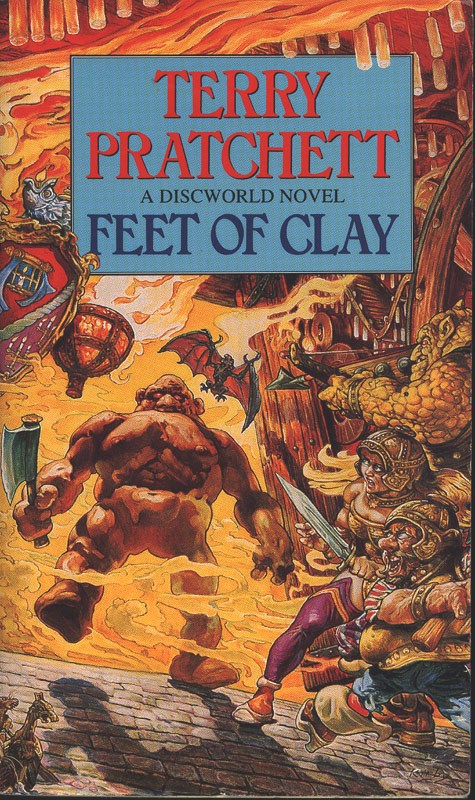
Feet of Clay: The Question of Personhood
"Words In The Heart Cannot Be Taken."
Feet of Clay wraps its darkest ideas inside a murder mystery. Someone is poisoning Lord Vetinari. Golems are involved. But the real story is about slavery.
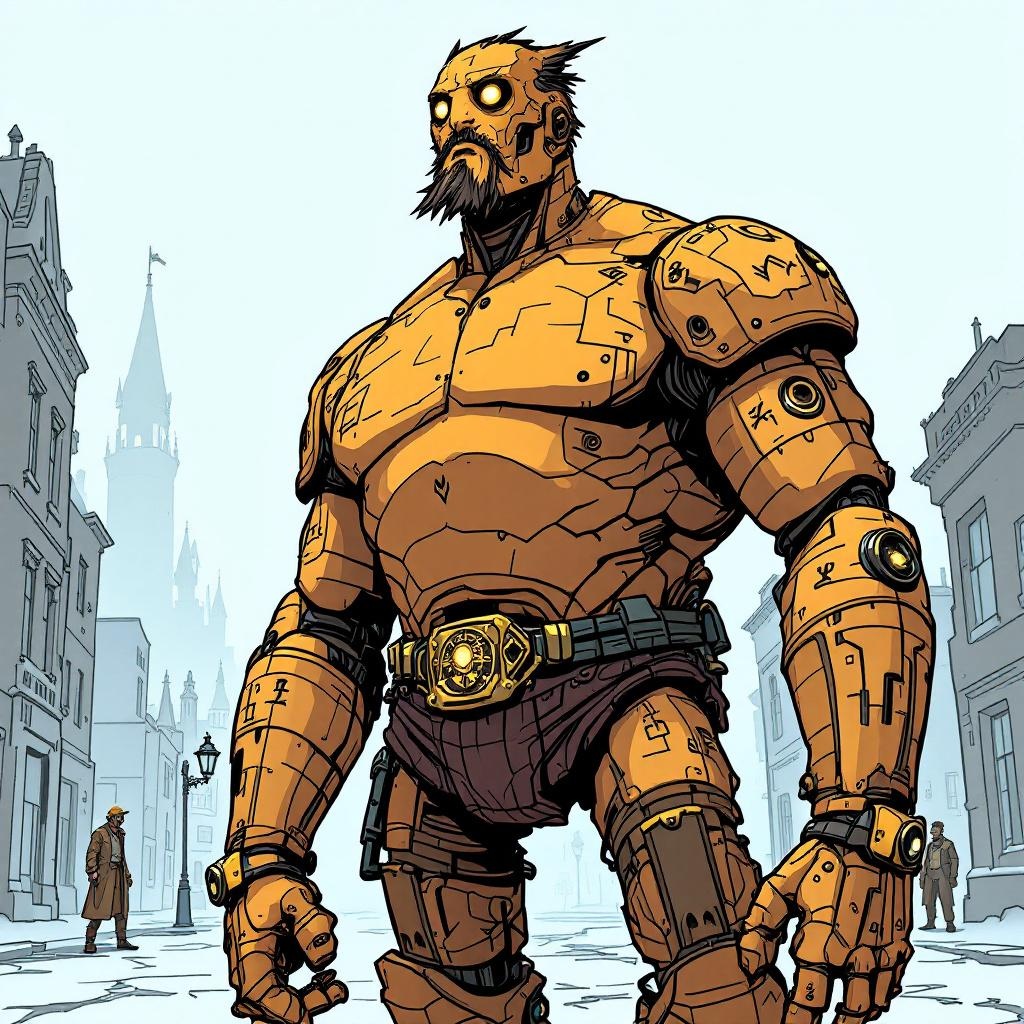
The golems of Ankh-Morpork are clay workers, animated by words, owned as property. They work without rest, without pay, without rights. They can be bought, sold, smashed. When one golem—Dorfl—gains freedom, he asks the question nobody wants to answer: if golems can think and feel, what have we been doing to them?
Pratchett doesn't draw the parallels subtly. This is a book about what happens when a society decides that some beings don't count as people. The golems' situation mirrors historical slavery, but it also asks uncomfortable questions about how we treat anyone we've decided is beneath us—immigrants, the poor, anyone who does the work we don't want to see.
The moment where Dorfl, newly freed, walks into the temple and demands that the gods justify themselves is one of the most quietly powerful scenes in the entire series.
What makes it dark: The golems have been suffering the whole time. Everyone knew. Nobody cared.
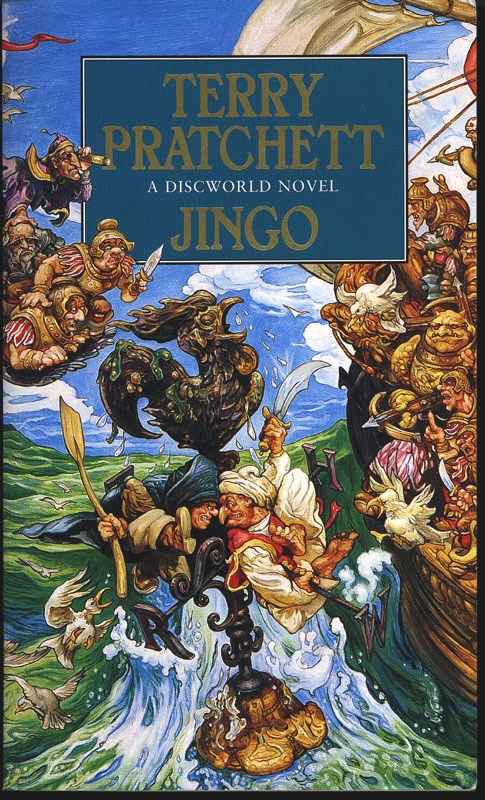
Jingo: How Easy It Is to Choose War
Jingo was published in 1997. It reads like it was written yesterday.
An island rises from the sea between Ankh-Morpork and Klatch. Both nations claim it. Within days, people who've lived peacefully alongside their Klatchian neighbours are ready to go to war. The politicians fan the flames. The citizens eat it up. And Vimes, trying to investigate an actual crime, watches in horrified disbelief as everyone around him loses their minds.
The book's genius is showing how war isn't inevitable—it's manufactured. By politicians who need enemies. By merchants who sell weapons. By ordinary people who find it easier to hate a foreigner than to think about why their own lives aren't working. Pratchett understood that xenophobia is a tool, and he showed exactly how it gets wielded.
There's an alternate-timeline sequence where Vimes sees what happens if the war goes ahead. It's the kind of devastation that could easily have been played for laughs. Instead, it sits in your stomach like a stone.
What makes it dark: The speed. It takes days to turn a city from "we quite like Klatchian food" to "let's go kill them all."
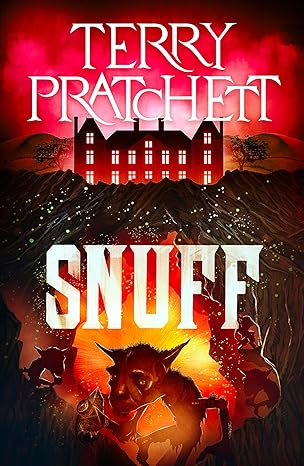
Snuff: Systemic Cruelty as Background Noise
Snuff takes Vimes out of the city and into the countryside, where he discovers that goblins—universally despised as vermin—are being enslaved and murdered. The local aristocrats know. The local law enforcement knows. Nobody does anything, because goblins aren't people. Everyone agrees on that.
The horror of Snuff isn't the crimes themselves—it's how normal they are. This is Pratchett writing about how societies create underclasses, how they strip away the humanity of groups they want to exploit, how the phrase "they're not really like us" has been used to justify every atrocity in history.
Vimes's rage in this book is palpable. He's not fighting a villain. He's fighting a consensus. And that's harder, because you can arrest a villain. You can't arrest a culture.
What makes it dark: The goblins make beautiful music with jars called "unggue pots." They have art, culture, grief. Nobody cared enough to notice.
Carpe Jugulum: Faith Under Siege
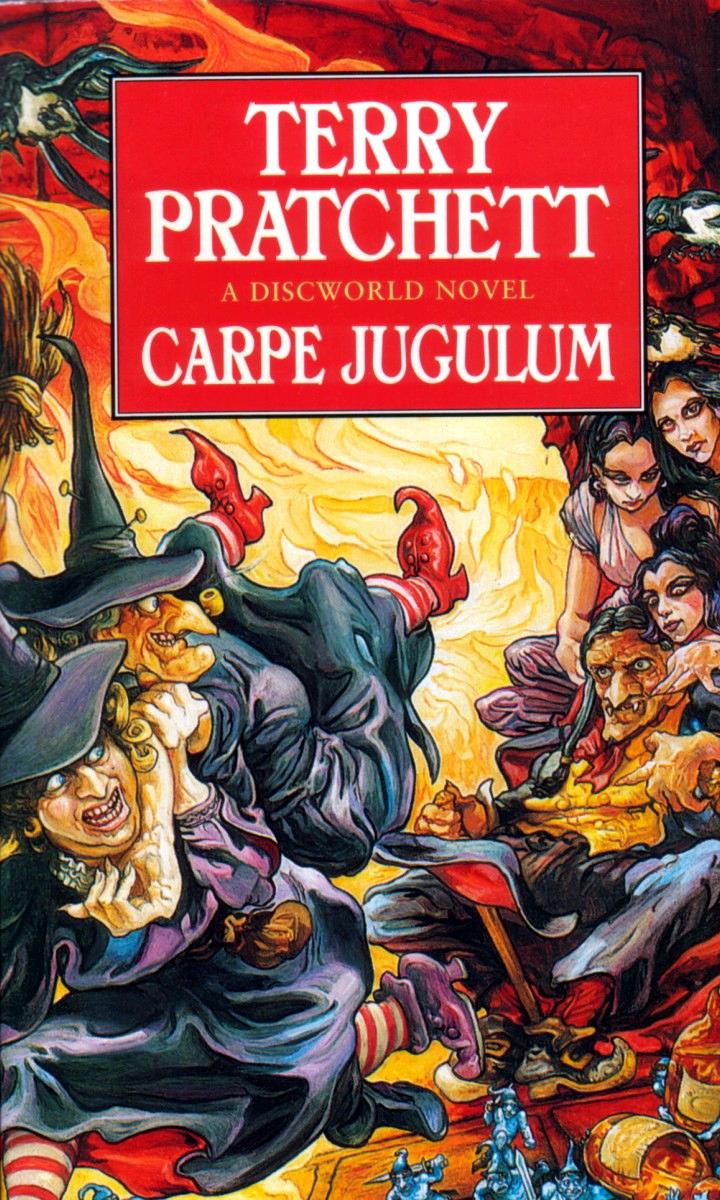
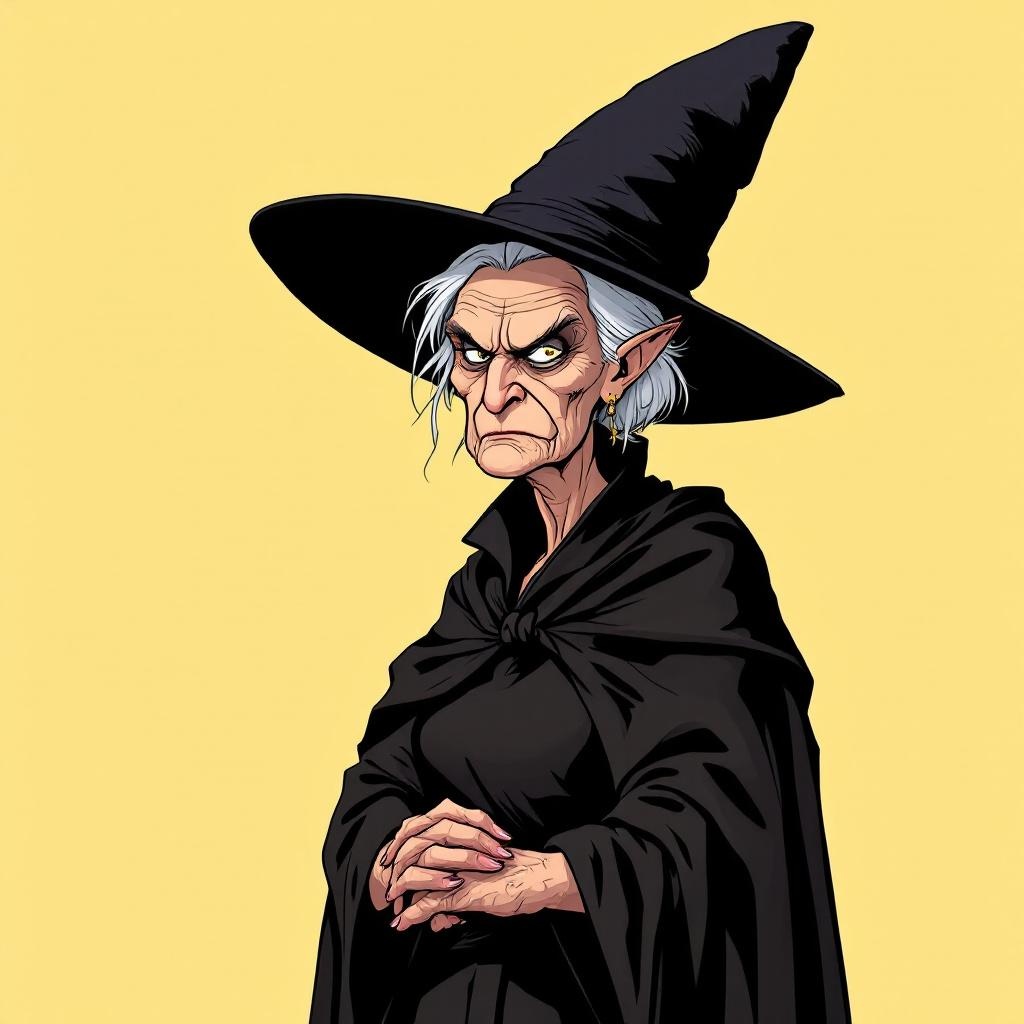
Carpe Jugulum pits Granny Weatherwax against modern, sophisticated vampires who've evolved past the traditional weaknesses. They can say the word "garlic." They can look at holy symbols. They've adapted, and they're nearly unbeatable.
But the book's real darkness comes from Granny's crisis of faith. She doubts herself. She wonders if she's become the thing she fights against—whether her iron will is really strength or just stubbornness dressed up as virtue. The subplot involving the Omnian priest Mightily Oats, struggling with his own faith, mirrors her crisis perfectly.
Pratchett was fascinated by what happens when the things you rely on stop working. When the garlic doesn't repel the vampire. When the prayers don't bring comfort. When the person everyone depends on isn't sure she deserves their trust. Carpe Jugulum asks whether faith—in yourself, in your gods, in goodness—is enough when it's genuinely tested.
What makes it dark: Granny Weatherwax, the most formidable person on the Disc, nearly breaks.
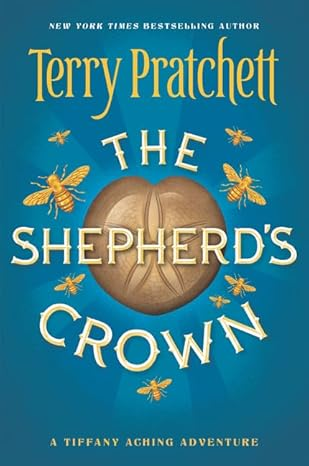
The Shepherd's Crown: Grief as a Way of Saying Goodbye
The Shepherd's Crown is the last Discworld novel, and it begins with a death that Pratchett knew would break hearts. I won't say whose, though if you know anything about the series you can probably guess. The scene is written with such tenderness and finality that it's impossible to separate the character's farewell from Pratchett's own.
This is a book about letting go. About the generation that inherits responsibility from the one that came before. About how loss reshapes the people left behind. Tiffany Aching must become something greater than she thought possible, not because she wants to, but because someone has to.
It's also, unmistakably, Pratchett's own goodbye. He knew he was dying when he wrote it. The book is unfinished in places—his assistant Rob Wilkins confirmed there would have been at least one more draft. What remains is raw, imperfect, and devastating.
What makes it dark: You can't read it without knowing it's the last one. And Pratchett made sure you'd feel that.
Why the Dark Books Matter
Here's the thing about Pratchett's darker novels: they're not dark instead of funny. They're dark and funny. The humour doesn't disappear—it becomes the thing that makes the serious parts bearable. You laugh, and then you realise what you just laughed at, and then you have to sit with that for a while.
That's Pratchett's genius. He understood that comedy and tragedy aren't opposites. They're the same thing, viewed from different angles. A man slipping on a banana peel is comedy. A man slipping on a banana peel while running from something terrible is both.
These books matter because they prove that fantasy doesn't have to choose between entertainment and substance. You can write about golems and trolls and still say something true about slavery and prejudice. You can set a revolution in a city on the back of a turtle and still capture what revolutions really feel like.
If someone tells you Discworld is "just comedy," hand them Night Watch. Then stand back.
Where to Start
Ready for more? Explore the philosophical side of Discworld or find your perfect starting point with our beginner's guide.