10 Discworld Books That Make You Think (Philosophy in Fantasy)
Discover the most thought-provoking Discworld novels where Terry Pratchett tackles religion, justice, mortality, and what it means to be human—wrapped in brilliant satire.
10 Discworld Books That Make You Think (Philosophy in Fantasy)
Terry Pratchett was the funniest writer in fantasy. He was also, quietly, one of the most profound.
That's the trick he pulled off, book after book: making you laugh so hard you almost miss the moment when he's explained something true about human nature, belief, or the structures we build to make sense of existence. The jokes are the delivery system. The philosophy is the payload.
"The jokes are the delivery system. The philosophy is the payload."
If you've only encountered Discworld as "those funny fantasy books with the footnotes," you're missing half the picture. Yes, there are wizards who can't spell. Yes, there's a turtle carrying the world through space. But there are also some of the most thoughtful explorations of religion, justice, mortality, and identity you'll find anywhere in fiction.
Here are ten Discworld novels that will make you think—and probably make you laugh while you're doing it.
1. Small Gods: What Happens When Faith Becomes Institution
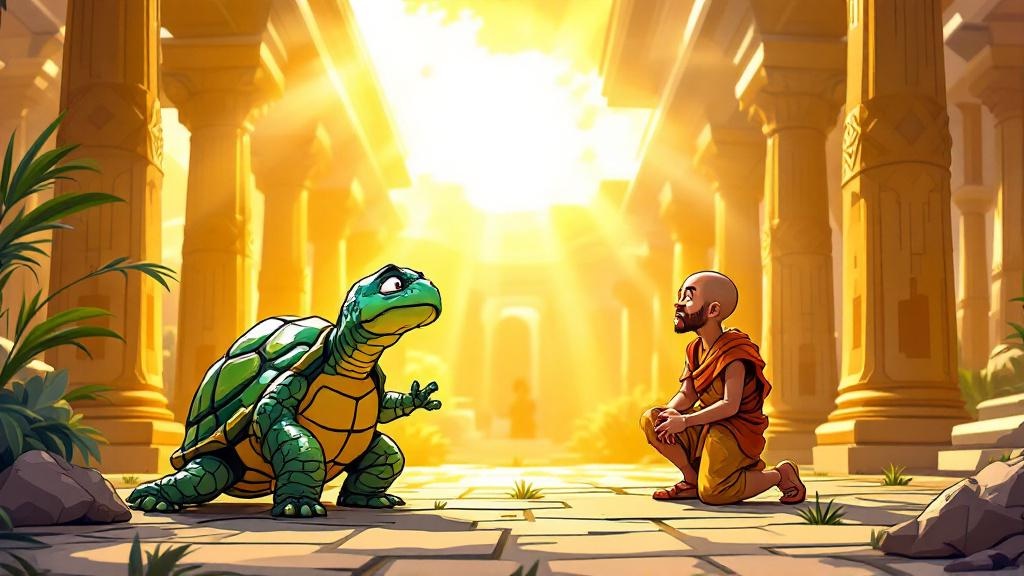
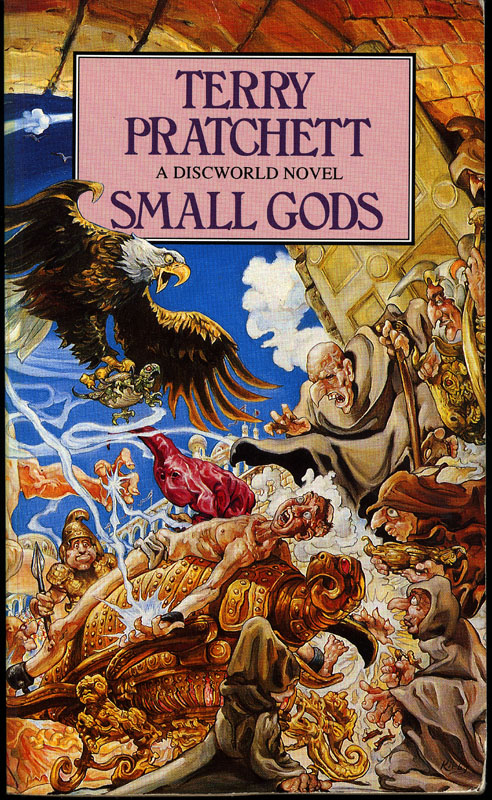
Small Gods might be the most overtly philosophical Discworld novel, and it's no accident that many fans consider it the series' finest standalone work.
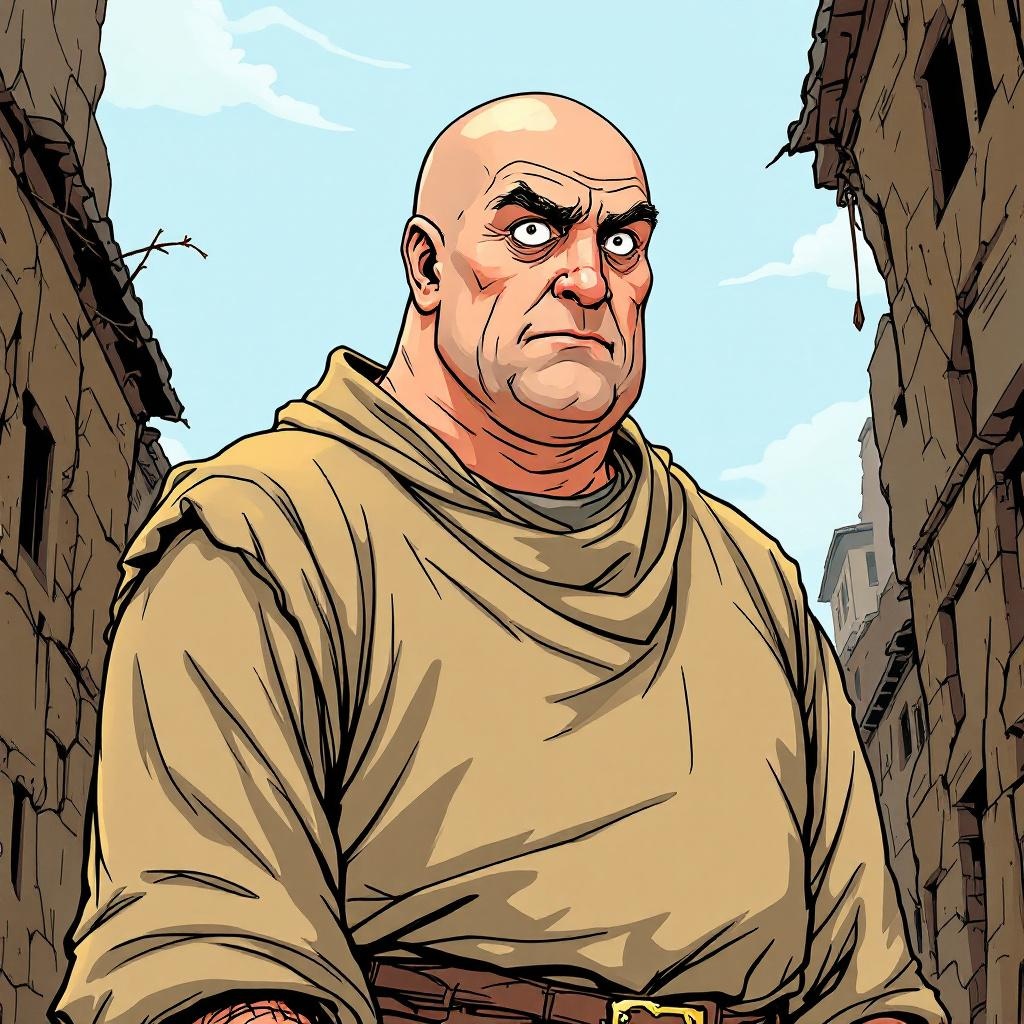
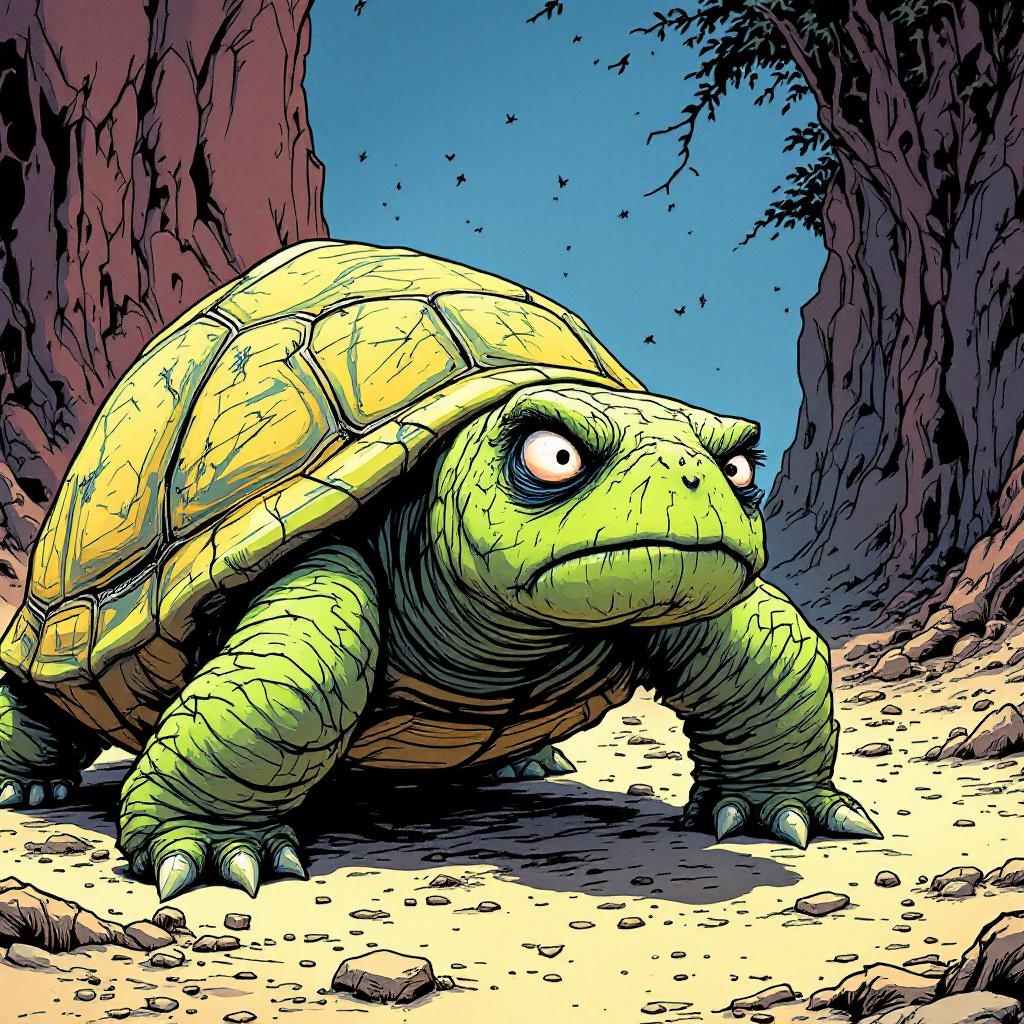
The premise is devastating in its simplicity: in the theocratic nation of Omnia, the Great God Om discovers he's been reduced to a small tortoise. After thousands of years of worship, he has only one true believer left—Brutha, a simple novice with a perfect memory. Everyone else believes in the institution, the rituals, the hierarchy. Not the god.
From there, Pratchett builds a savage critique of organized religion that never actually attacks faith itself. The target is the machinery that grows up around belief: the inquisitors who torture in god's name, the priests who've forgotten why they pray, the structure that replaces genuine connection with hollow ritual.
The philosophical question: What's the difference between believing in a god and believing in a religion?
The quote that stays with you: "The meek do not inherit the earth unless they are prepared to fight for their meekness."
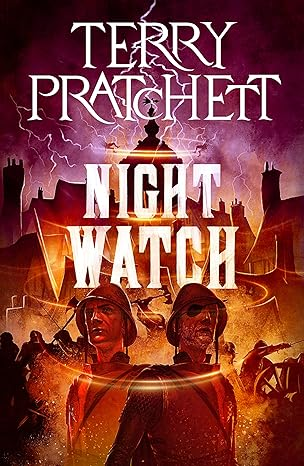
2. Night Watch: The Cost of Doing Right
Night Watch is often cited as the most mature Discworld novel, and it's easy to see why. Pratchett drops his most complex character—Commander Sam Vimes—into the city's past, during a revolution that shaped who he would become.
"How do they rise up?"— Sam Vimes
The book draws on Les Misérables, the Tiananmen Square protests, and every failed revolution in history. Vimes must guide his younger self through a popular uprising, knowing that the revolution will fail, knowing that people will die for ideals that won't survive the week, knowing that the "good guys" are often no better than the people they're replacing.
It's a meditation on violence, justice, and what we owe to the people who stand on the barricades. Vimes comes to understand that some fights aren't about winning—they're about showing up anyway.
The philosophical question: Is it better to do right and lose, or compromise and win?
The quote that stays with you: "Don't put your trust in revolutions. They always come around again. That's why they're called revolutions."
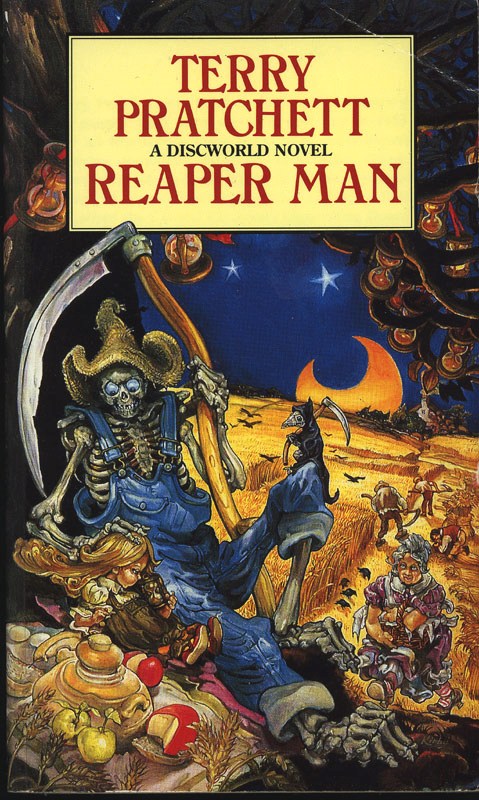
3. Reaper Man: Learning to Live By Learning to Die
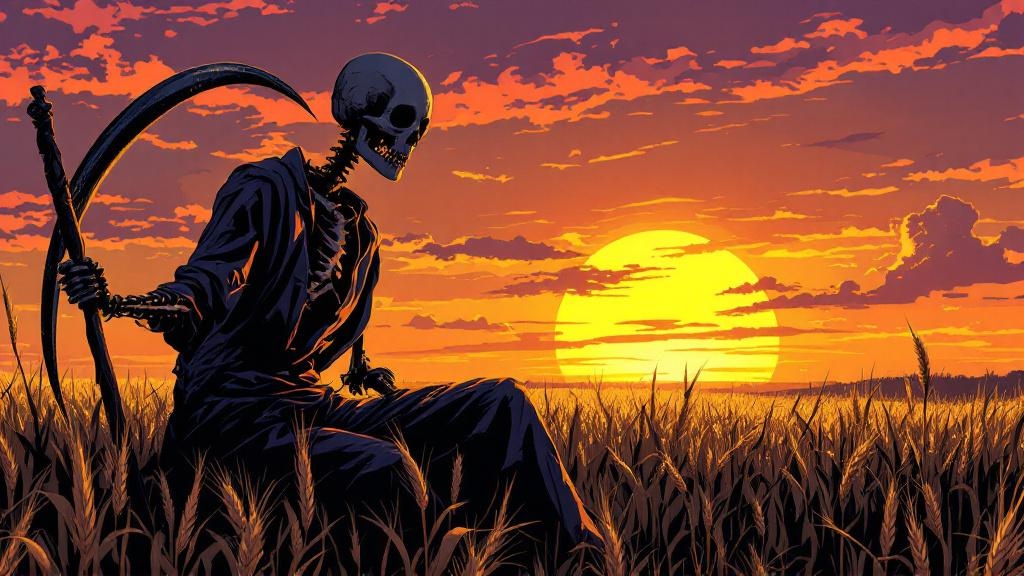
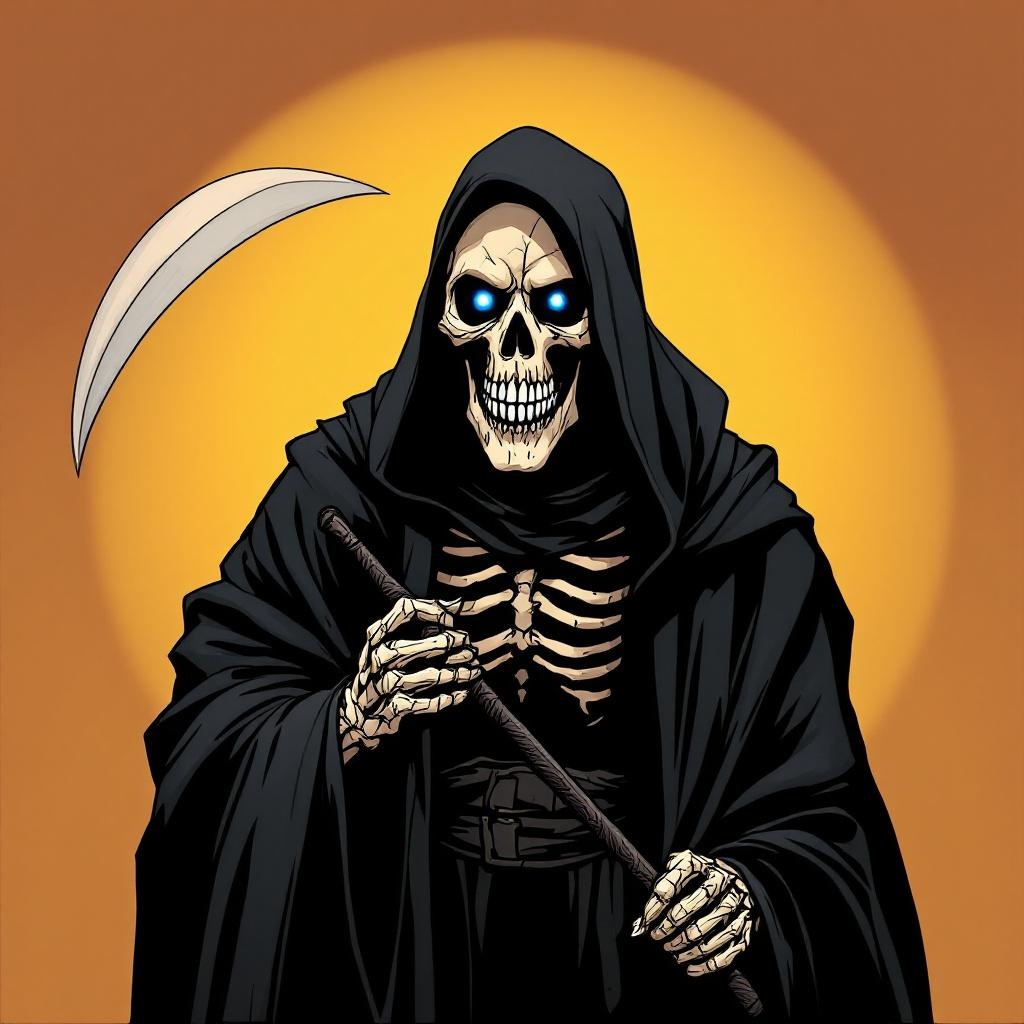
What if Death himself was forced to experience mortality?
In Reaper Man, the cosmic Auditors retire Death for becoming too interested in humans. Stripped of his role, he becomes Bill Door, a farmhand working for an elderly woman named Miss Flitworth. For the first time, he experiences time as a countdown rather than an abstraction.
The result is one of Pratchett's most moving explorations of what gives life meaning. Death learns to appreciate sunrises precisely because he has a limited number left. He discovers that hard work feels good, that friendship matters, that the harvest isn't just something that happens—it's something worth caring about.
The philosophical question: Does knowing you will die give life meaning, or does it steal meaning away?
The quote that stays with you: "LORD, WHAT CAN THE HARVEST HOPE FOR, IF NOT FOR THE CARE OF THE REAPER MAN?"
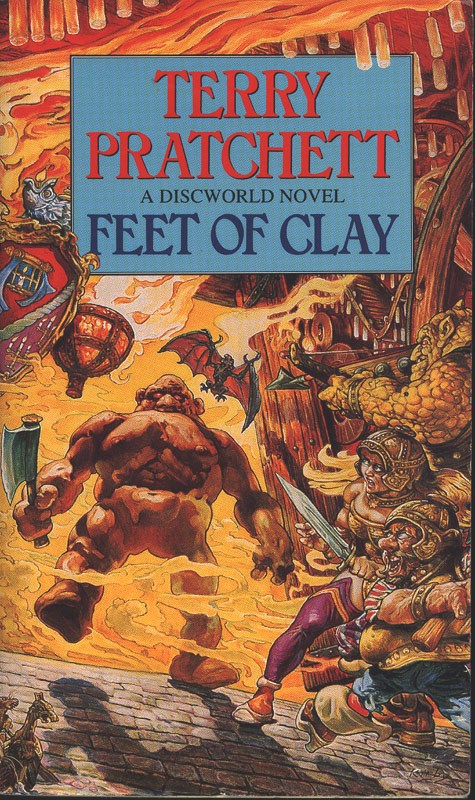
4. Feet of Clay: What Does It Mean to Be a Person?
Feet of Clay is ostensibly a murder mystery. Someone is poisoning Lord Vetinari, and golems are involved. But beneath the plot, Pratchett is asking one of philosophy's oldest questions: what makes someone a person?
Golems are clay servants, animated by words in their heads and bound to obey. They have no rights. They can be owned, sold, destroyed. But one golem—Dorfl—begins to question. When Vimes offers him freedom, Dorfl must decide what to do with a life that's suddenly his own.
The parallels to historical slavery and debates about artificial intelligence are intentional and unflinching. Pratchett doesn't offer easy answers, but he makes it impossible to ignore the question.
The philosophical question: Is consciousness something you're born with, or something you achieve?
The quote that stays with you: "Words In The Heart Cannot Be Taken."
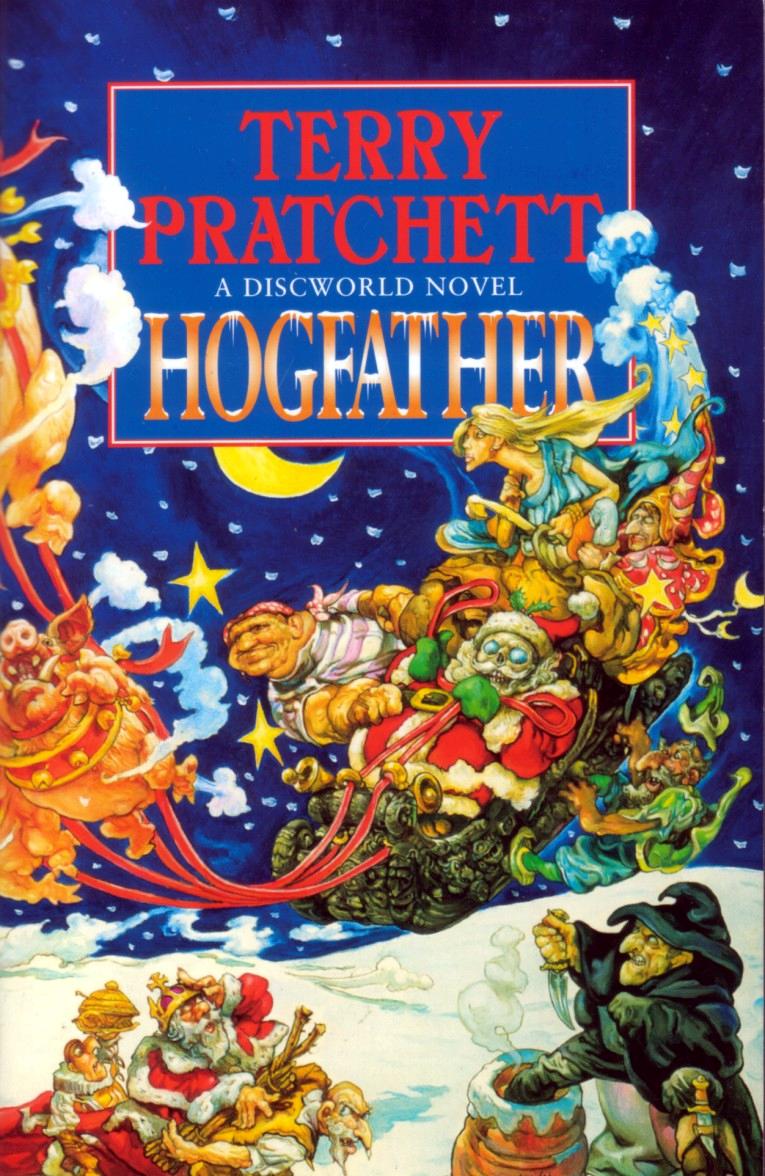
5. Hogfather: Why Humans Need to Believe in Lies
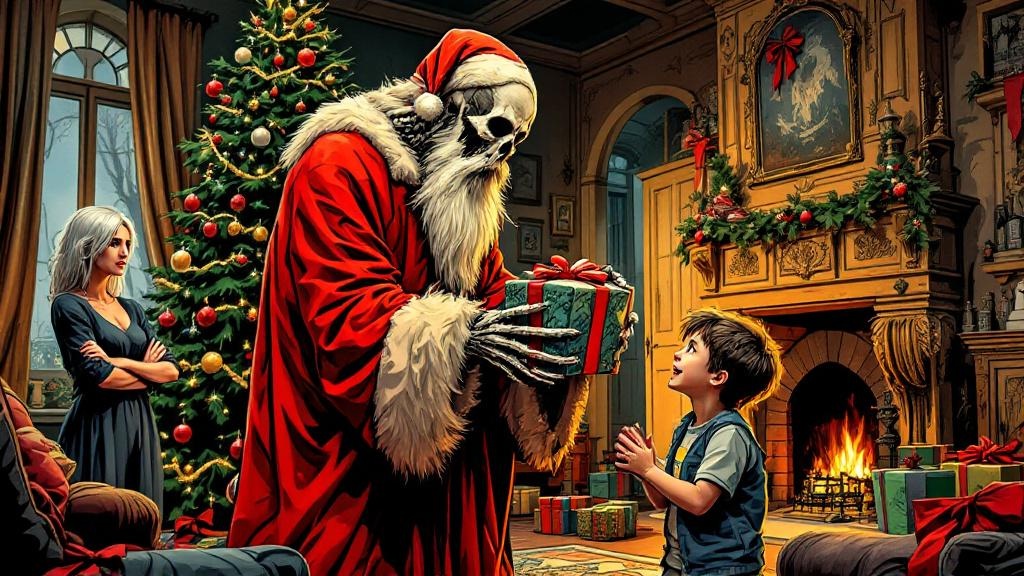
Hogfather is a Christmas book, sort of. The Hogfather (Discworld's Santa) disappears, and Death fills in to keep belief alive while his granddaughter Susan investigates.
But the book's real subject is why humans need mythology at all. The Auditors are trying to kill the Hogfather not because he matters, but because he's practice. If people stop believing in little lies—the Tooth Fairy, the Hogfather, the Soul Cake Duck—they might stop believing in big lies too.
"YOU HAVE TO START OUT LEARNING TO BELIEVE THE LITTLE LIES."
And here Pratchett delivers his most famous philosophical exchange. Susan asks Death where justice and mercy come from. His answer—that they're human inventions, lies we tell to make the universe bearable—is either devastating or hopeful, depending on how you read it.
The philosophical question: Are justice and mercy real, or just stories we tell ourselves?
The quote that stays with you: "HUMANS NEED FANTASY TO BE HUMAN. TO BE THE PLACE WHERE THE FALLING ANGEL MEETS THE RISING APE."
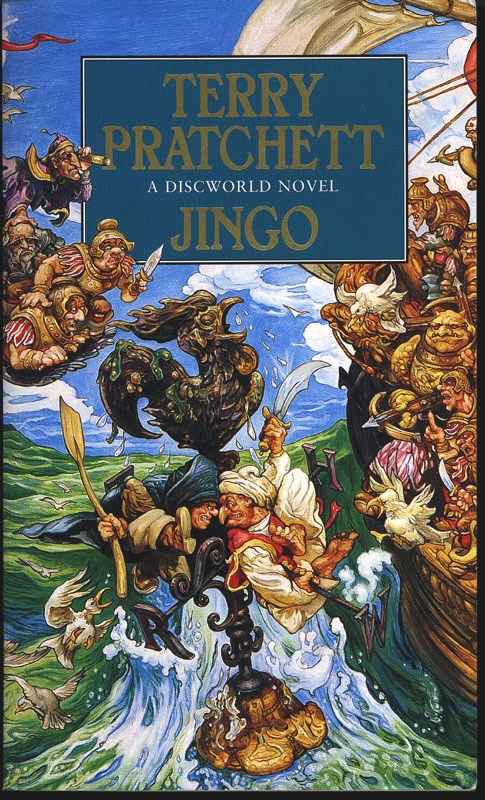
6. Jingo: The Stupidity of Nationalism
Jingo was published in 1997, and it hasn't aged a day. An island rises from the sea between Ankh-Morpork and Klatch, and suddenly both nations are beating war drums over a worthless rock.
Pratchett takes no prisoners. He skewers the politicians who whip up war fever for personal gain, the citizens who believe obvious propaganda, the generals who've never seen combat but love talking about glory. Vimes, trying to investigate a crime while everyone around him chooses sides, becomes increasingly furious at the machinery of hatred.
The book's most chilling insight: wars aren't started by enemies. They're started by people who need enemies.
The philosophical question: Why do humans so easily hate people they've never met?
The quote that stays with you: "Give a man a fire and he's warm for a day, but set fire to him and he's warm for the rest of his life."
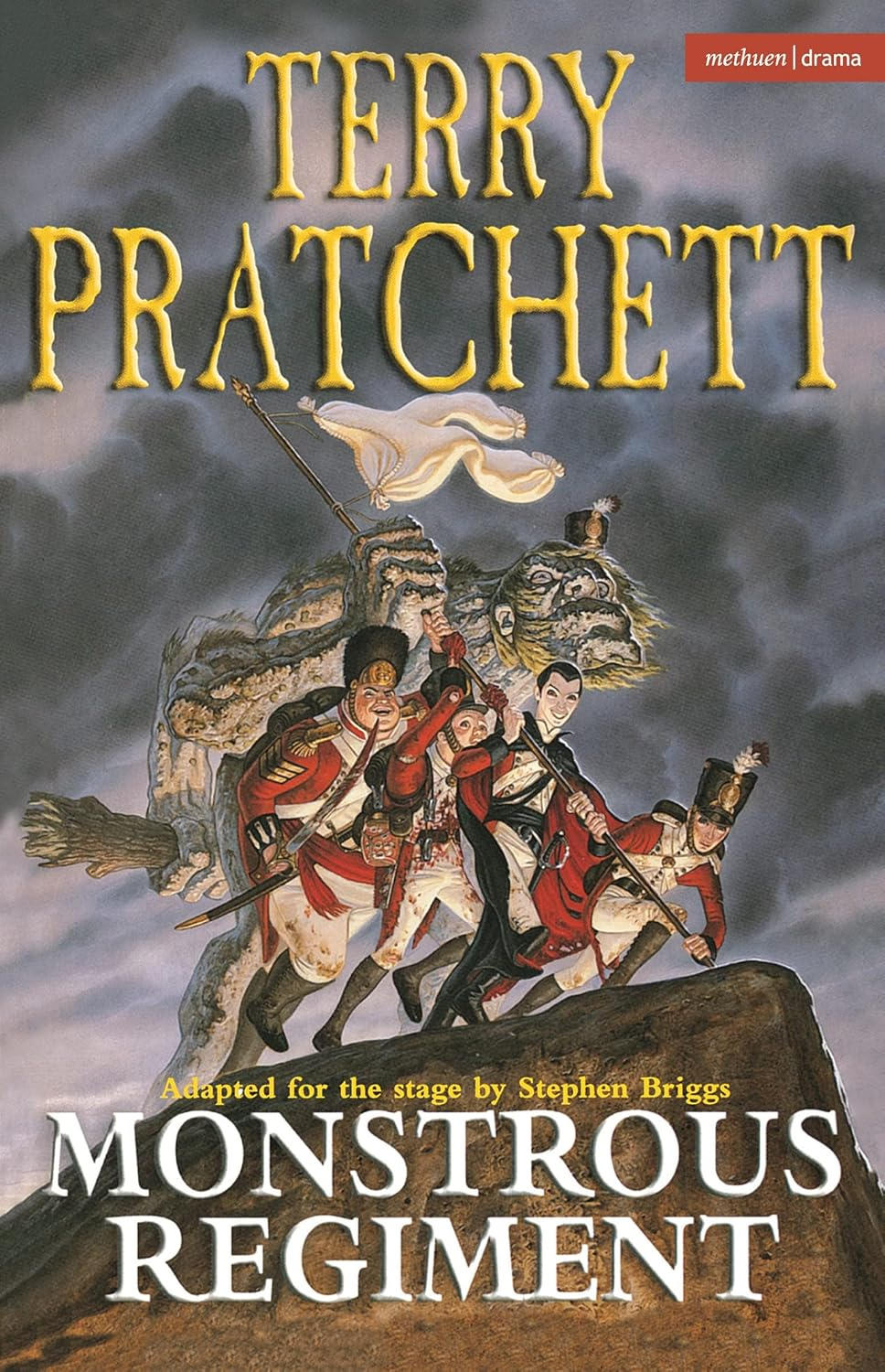
7. Monstrous Regiment: The Absurdity of Gender
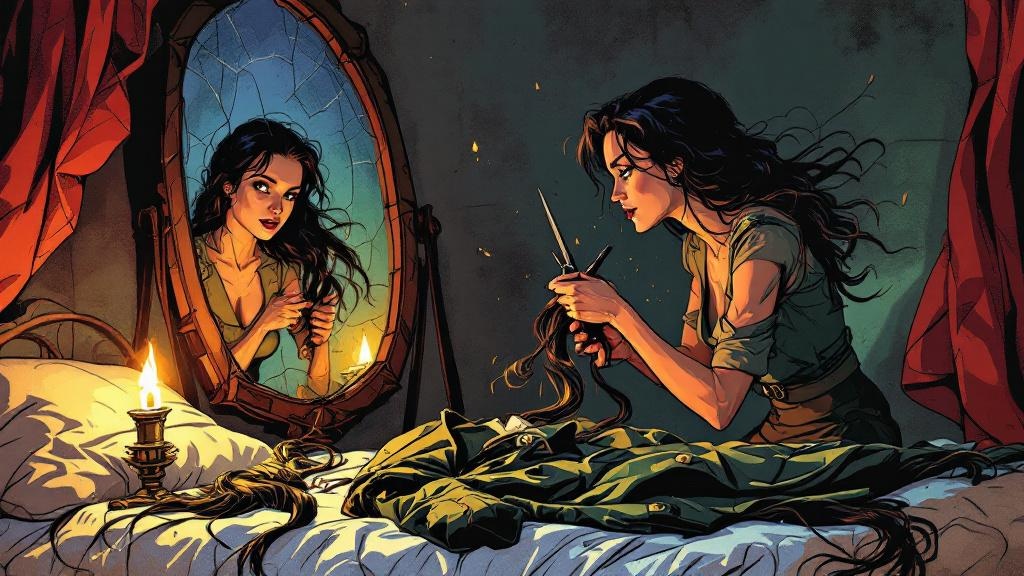
Monstrous Regiment starts as a story about a young woman disguising herself as a man to join the army and find her brother. It becomes something much larger: an examination of how arbitrary gender roles are, and how structures of oppression perpetuate themselves.
In the tiny nation of Borogravia, women are forbidden from wearing pants, reading, working in certain jobs—all declared "Abominations Unto Nuggan." Polly Perks cuts her hair, binds her chest, and enlists. What she discovers about her fellow soldiers, and about the army itself, challenges everything she thought she knew.
The book's genius is showing how systems built on lies require everyone to maintain the pretense, even when everyone privately knows the truth.
The philosophical question: Who benefits when we pretend certain groups can't do certain things?
The quote that stays with you: "You can't get people to believe in just Borogravia, not really. But they can believe in the regiment."
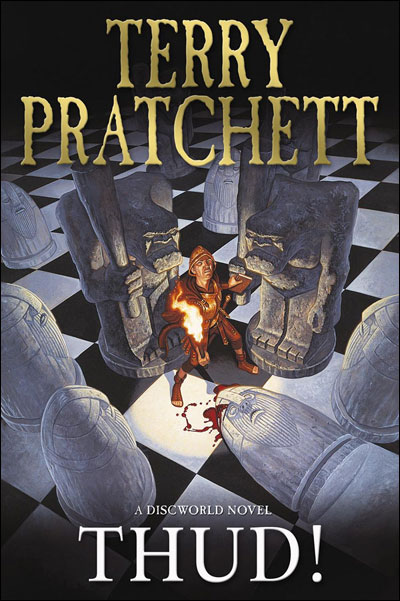
8. Thud!: Can Old Hatreds Be Healed?
Thud! drops Vimes into the middle of an ethnic conflict that's lasted thousands of years. Trolls and dwarfs have hated each other since the Battle of Koom Valley, and now someone is trying to reignite that hatred.
Pratchett uses the dwarf-troll conflict to examine how prejudice perpetuates itself through history, tradition, and selective memory. Both sides have their grievances. Both sides remember the atrocities committed against them. Neither side wants to examine what their ancestors might have done.
The solution, such as it is, comes not from forgetting history but from understanding it more completely. Sometimes the old stories are lies. Sometimes the truth is more complicated than anyone wants to admit.
The philosophical question: Can groups that have hurt each other ever truly reconcile?
The quote that stays with you: "Night Watch never forget. Nor do they remember."
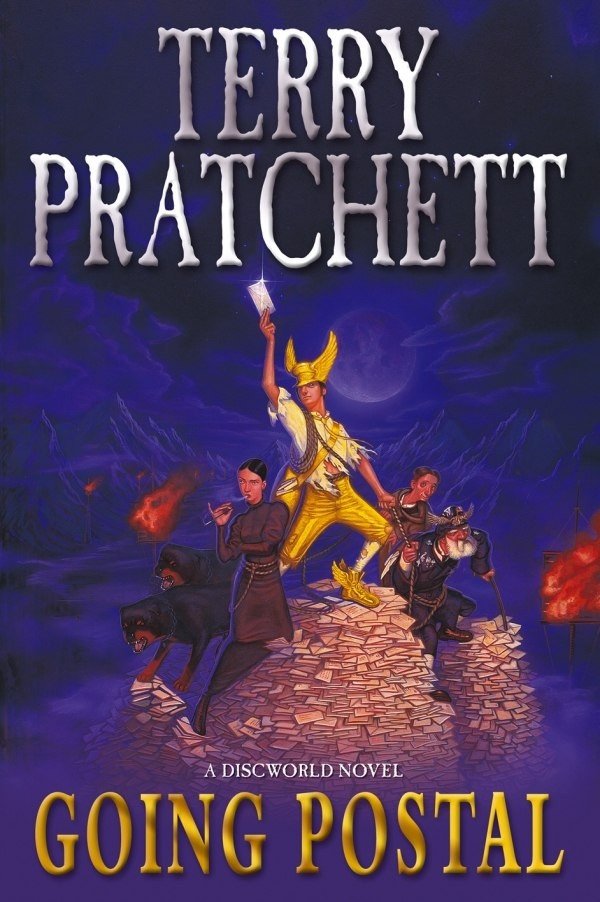
9. Going Postal: The Crimes of Capitalism
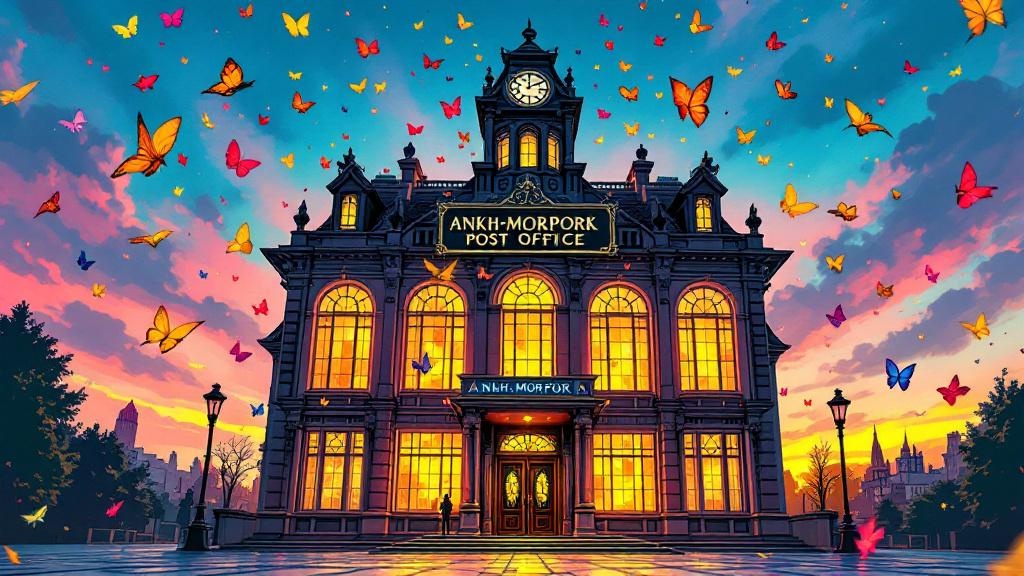
Going Postal is about a con man named Moist von Lipwig who's given a choice: run the broken-down post office or die. He chooses the post office.
What follows is partly a redemption story and partly a savage critique of what happens when vital public services are treated as profit opportunities. The villain, Reacher Gilt, has bought the magical telegraph network and is running it into the ground while extracting every possible penny. Sound familiar?
"There's a saying that all roads lead to Ankh-Morpork. And it's wrong. All roads lead away from Ankh-Morpork, but sometimes people walk along them the wrong way."
Pratchett was writing about private equity firms destroying public infrastructure before it became a common talking point. The book understands that some things are too important to be measured by profit alone.
The philosophical question: What happens when essential services exist only to make money?
The quote that stays with you: "The smug mask of virtue triumphant could be almost as ugly as the face of wickedness revealed."
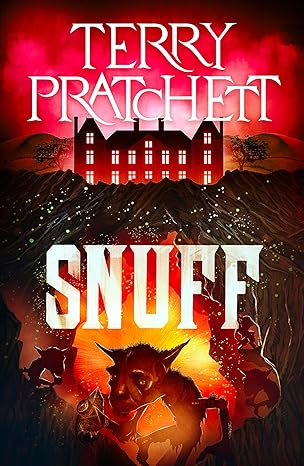
10. Snuff: Who Counts as Human?
Snuff takes Vimes to the countryside, where he discovers that goblins—considered vermin by respectable society—are being enslaved and killed. The local aristocrats know. They don't care.
The book is about systemic prejudice: how societies decide which lives matter, how they justify cruelty to those deemed less than human, how progress requires someone to stand up and say "this is wrong" when everyone around them insists it's fine.
It's not subtle. It's not meant to be. Pratchett, writing in his final years, had things to say about how civilizations treat their most vulnerable members, and he said them clearly.
The philosophical question: How do we decide who deserves rights?
The quote that stays with you: "The world is changing. Can't stop it. Shouldn't try."
Where to Start
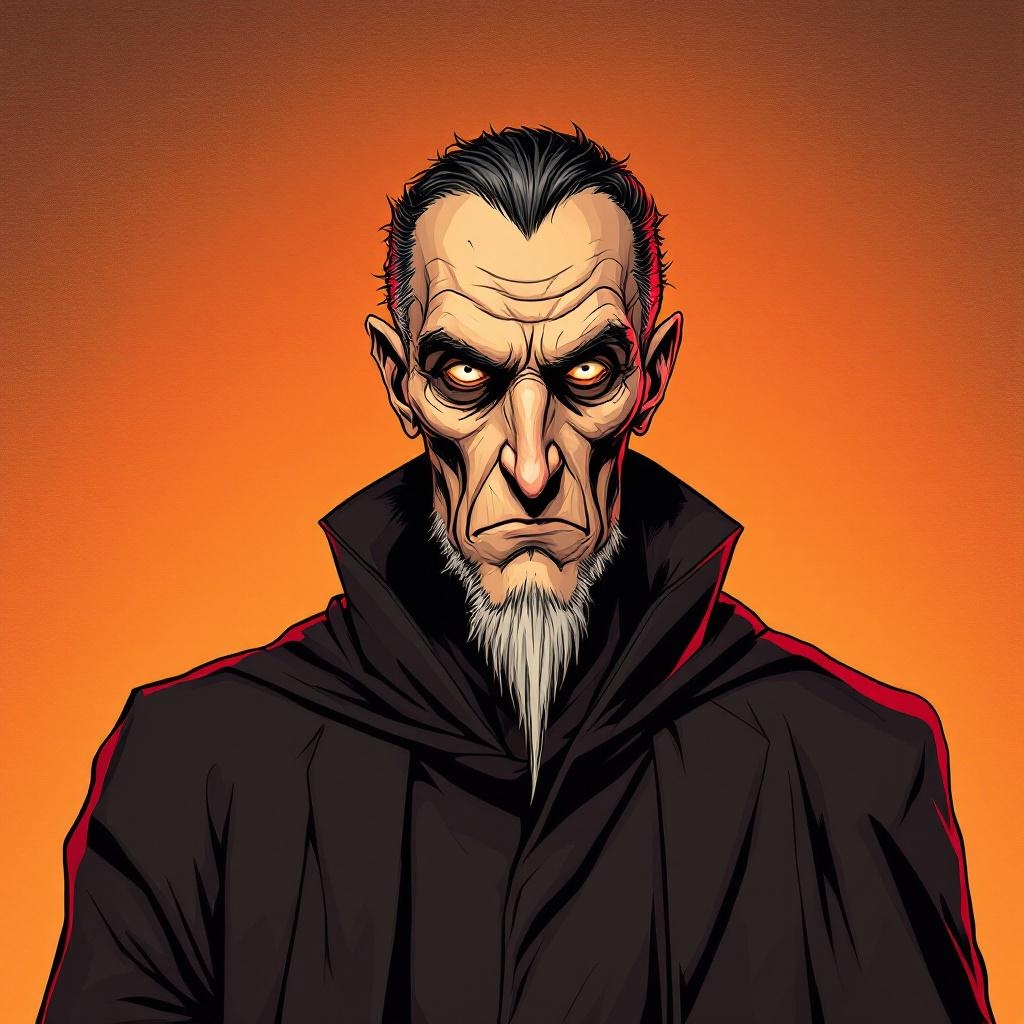
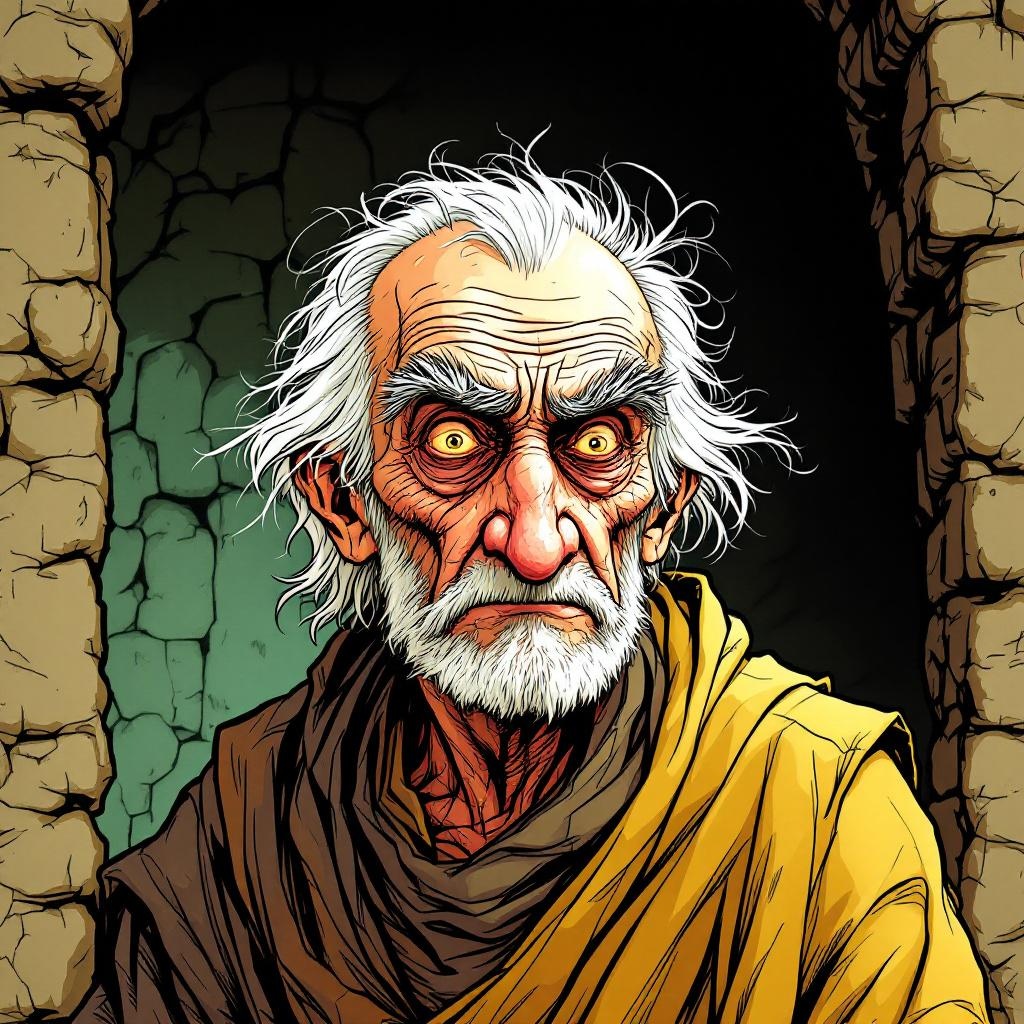
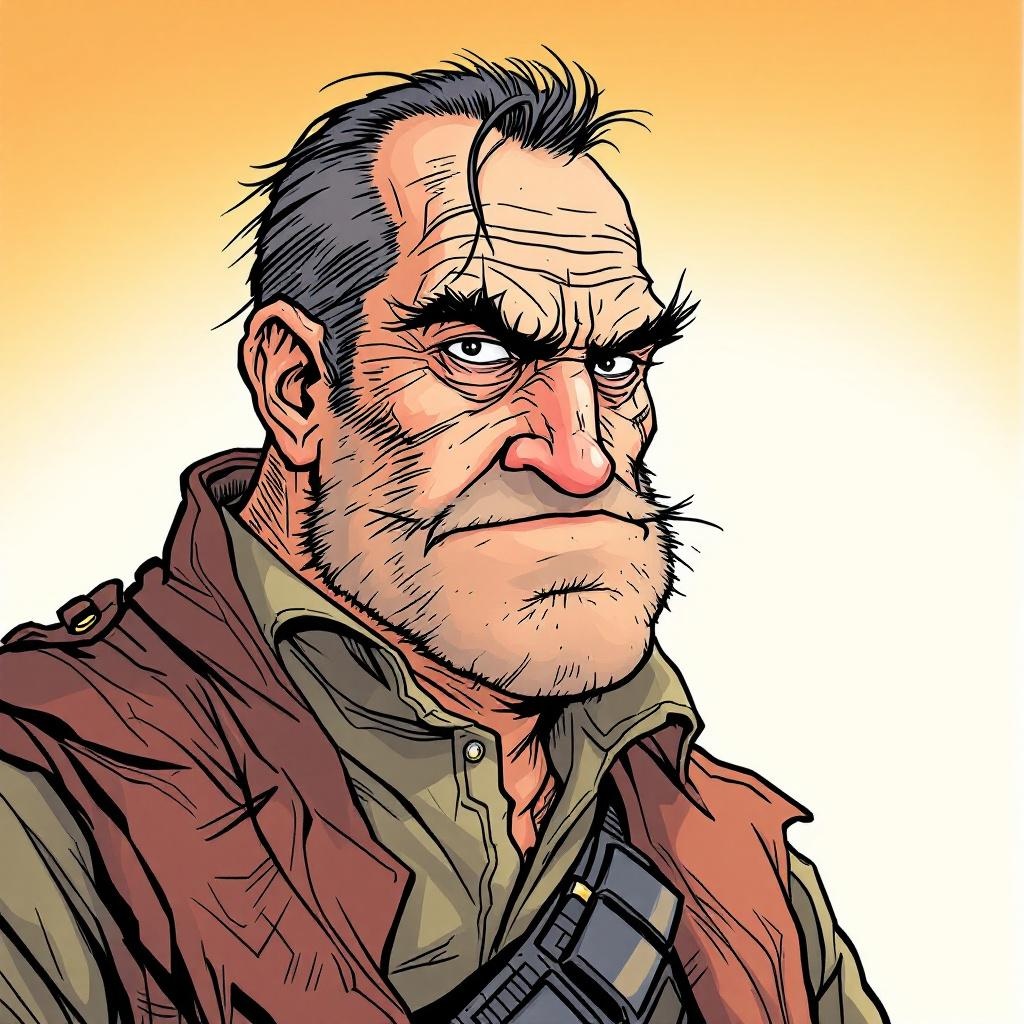
If you want to dive into philosophical Discworld, here are three entry points:


The Bottom Line
Terry Pratchett hid philosophy in comedy. Or maybe he hid comedy in philosophy—it's hard to tell with him. Either way, the Discworld novels do something remarkable: they make thinking entertaining.
These books won't tell you what to believe. Pratchett wasn't interested in answers; he was interested in questions. But he asked them in ways that stay with you, wrapped in characters you love and situations that make you laugh even while you're grappling with what they mean.
The turtle moves. And if you let it, it'll carry you somewhere unexpected.
Ready to start thinking? Pick up Small Gods for religion, Night Watch for justice, or explore our guide to Where to Start with Discworld for more entry points.