"Only One Queen in a Hive": The Elf Queen vs. Magrat Garlick
The Elf Queen's glamour unmakes people by stripping away who they are. Here's why it backfired on Magrat Garlick, the witch who never knew who she was.
"Only One Queen in a Hive": The Elf Queen vs. Magrat Garlick
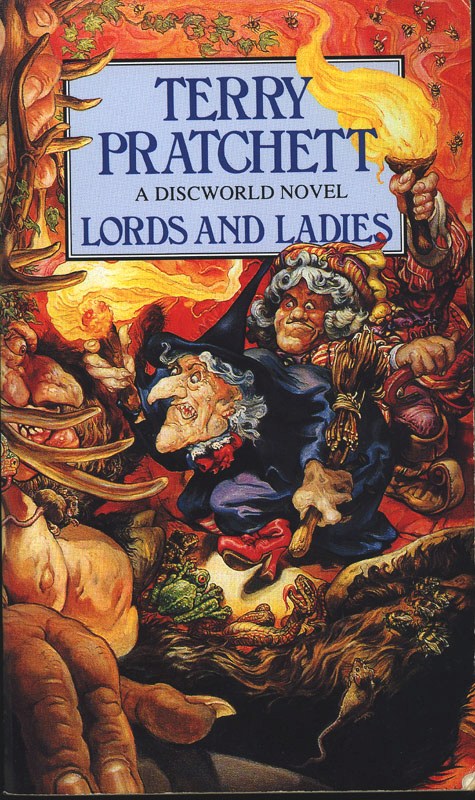
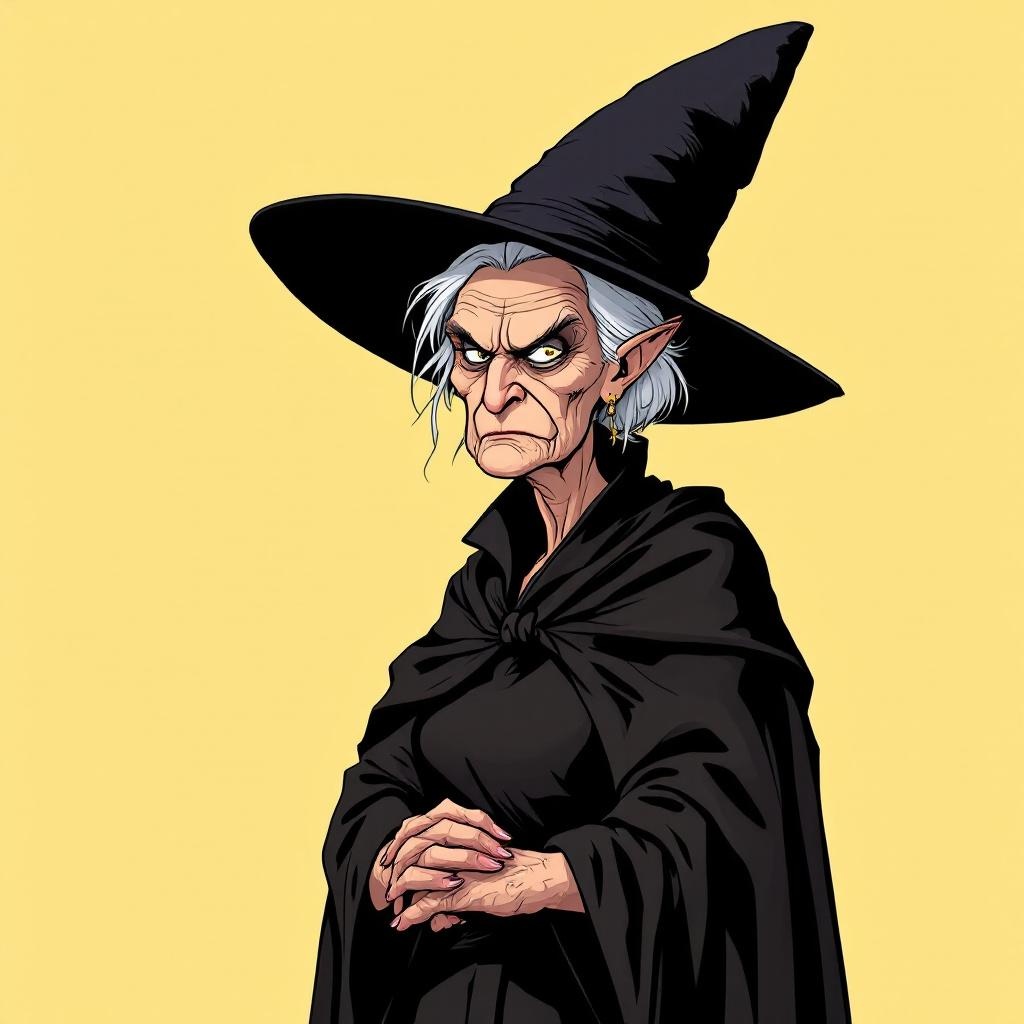
Here's a question that ought to bother you more than it does. The Queen of the Elves spends the whole of Lords and Ladies flattening people. Crowds stand frozen in place at her say-so. Even Granny Weatherwax, the hardest head in the Ramtops, ends the fight lying motionless, looking very much like a corpse.
So why does the Queen lose to Magrat Garlick?
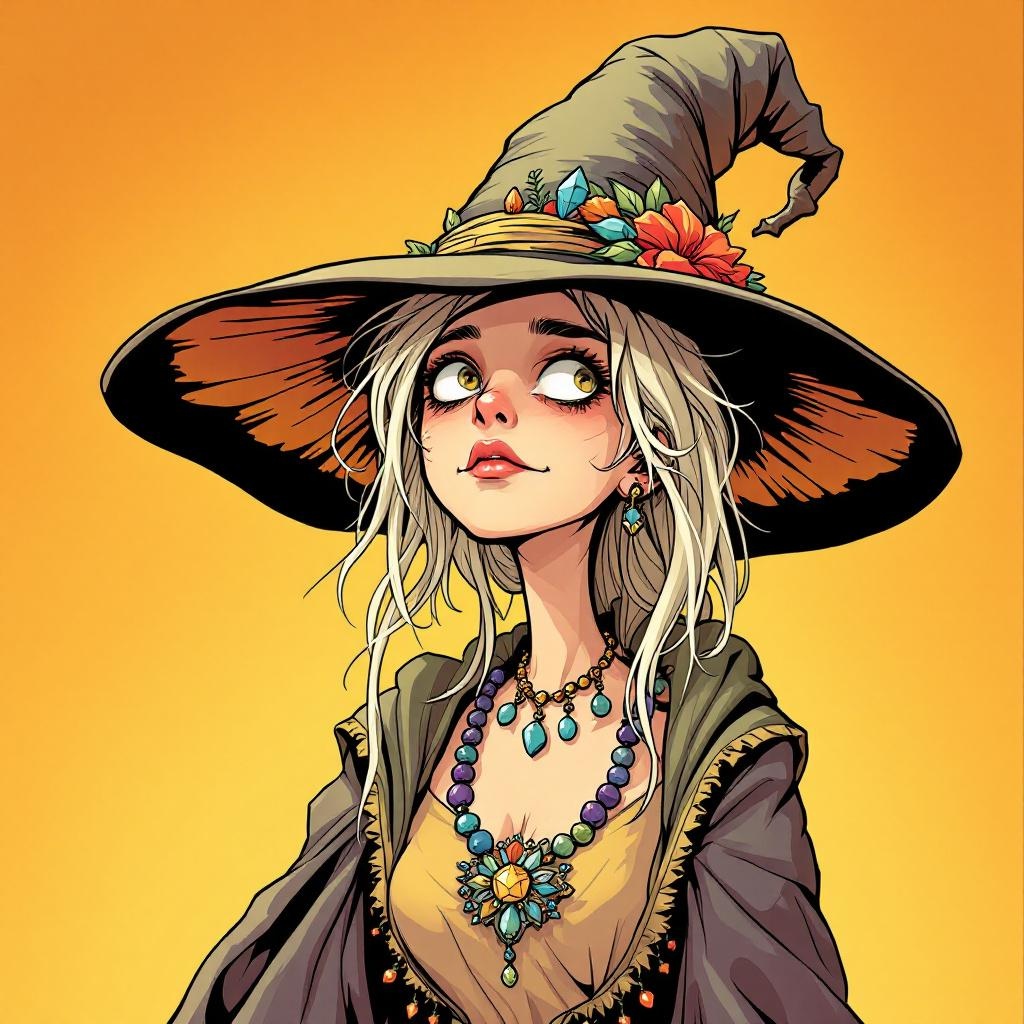
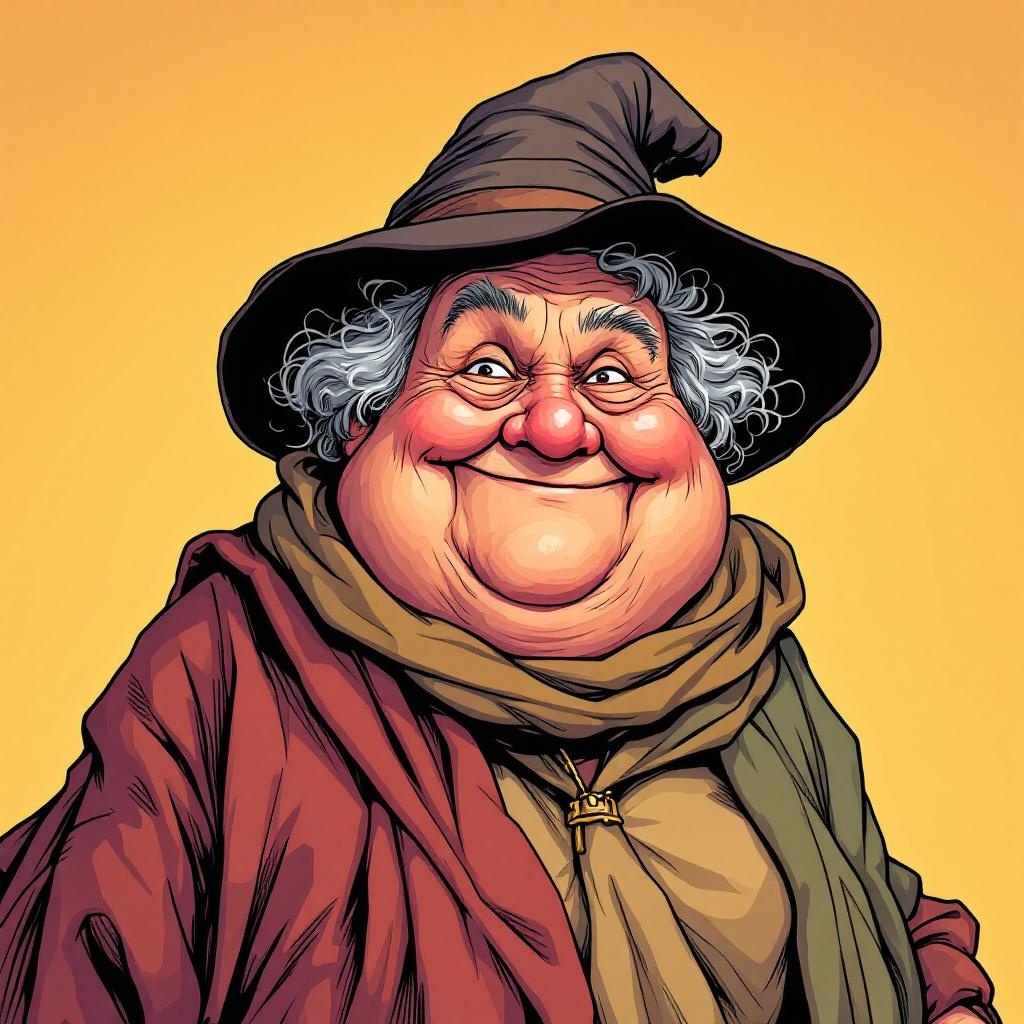
Not Granny, the witch who has spent a lifetime sharpening her will to a point. Not Nanny Ogg, who knows exactly who she is and has never once apologised for it. Magrat: the wet hen, the one with the crystals and the bangles, the witch who changes her approach to witchcraft about as often as other people change their socks.
The usual answer is "she was braver than everyone thought," and that's true as far as it goes. But it skips the clever part. The Elf Queen's weapon works by taking a person apart. Magrat is the one person in Lancre who'd never been properly put together in the first place.
How the Elf Queen Actually Fights
Elves in Discworld don't win with swords. They win with glamour, and if you've read our piece on Granny Weatherwax and the elves, you'll know Pratchett means something nastier than sparkle. Glamour makes you feel small. It tells you that these shining creatures are better than you, that you have no business saying no to them, that you're nothing much and never were.
Emmet Asher-Perrin, rereading the book for Reactor's Pratchett book club, put it bluntly: "the way that elves make people feel like nothing is… a really good stand-in for clinical depression." Once you see it that way, you can't unsee it. The Queen doesn't need to beat you. She just needs you to agree that you were never worth anything, and then you'll stand very still while she does whatever she likes.
Early in the book, she sums up her whole theory of government in two sentences:
"You are in my kingdom, woman," said the Queen. "You do not come or go without the leave of me."
That's the pitch. Your permission to exist runs through her.
The Queen Wore Magrat's Face
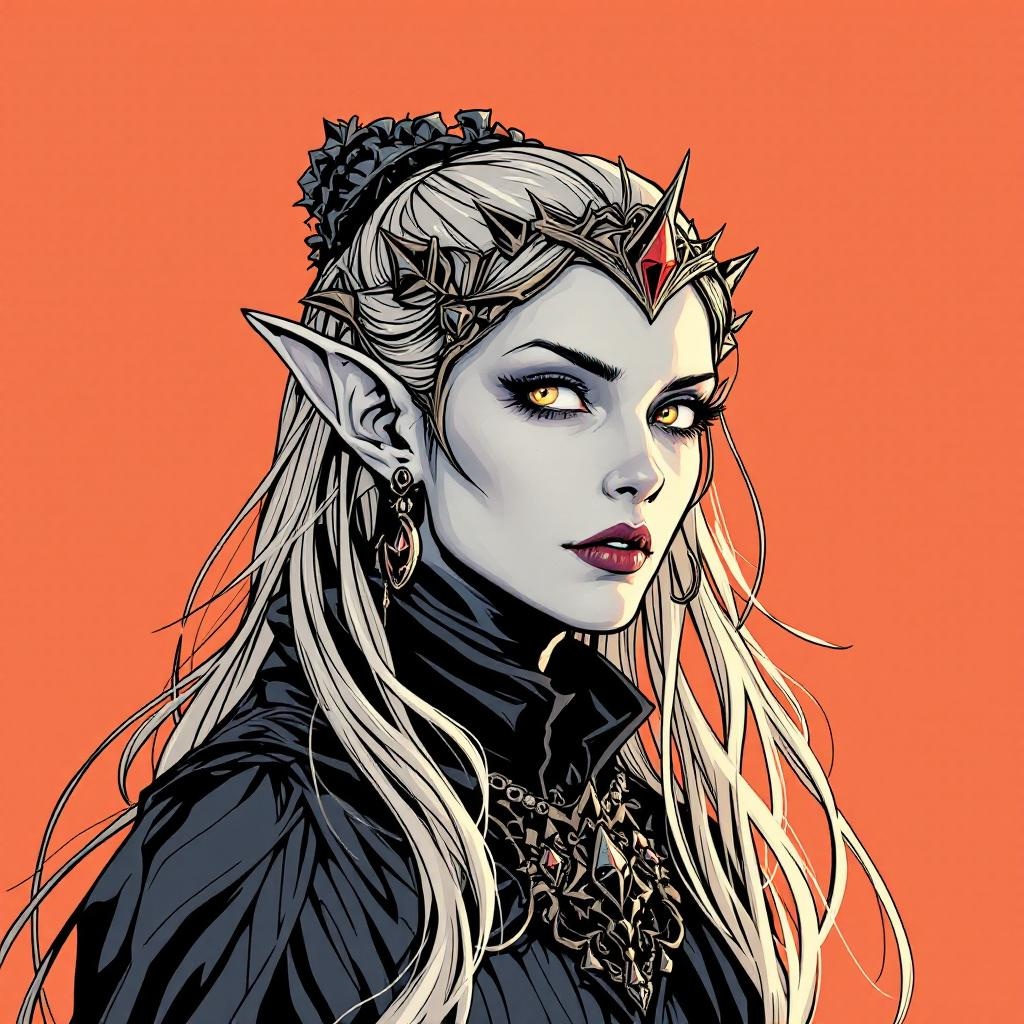
Here's the detail that gets overlooked. The Queen's plan isn't just to conquer Lancre. She means to marry King Verence, which would make the land itself accept her as its queen. And to do it, she changes her appearance into an idealised version of Magrat.
Think about what that means for Magrat specifically.
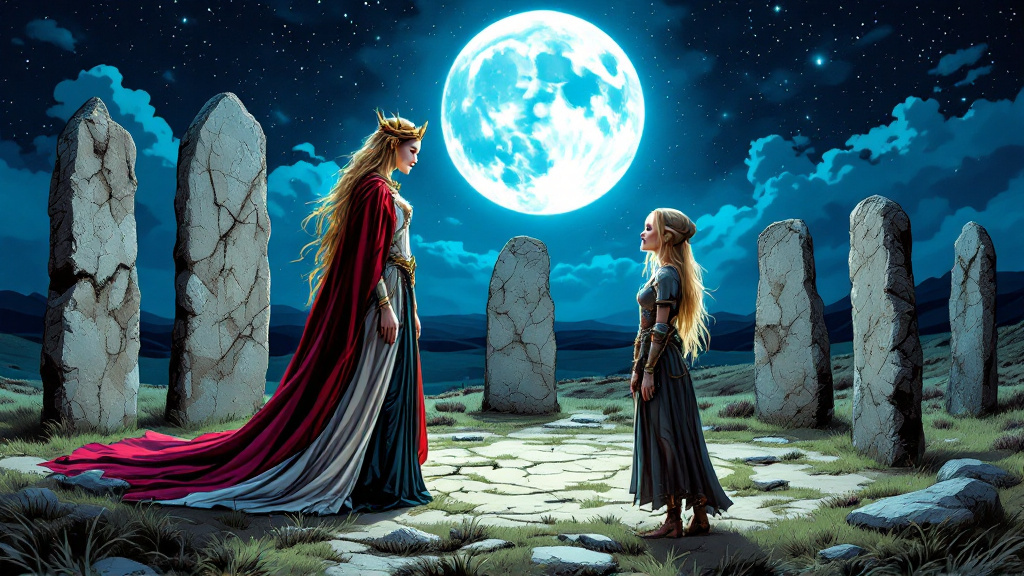
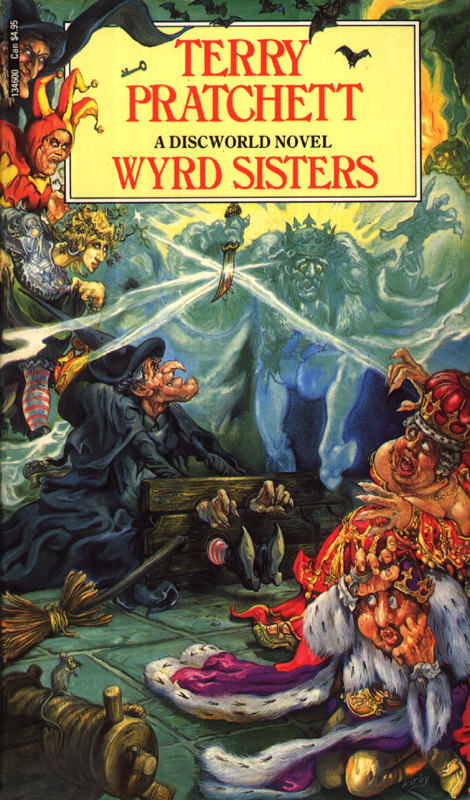
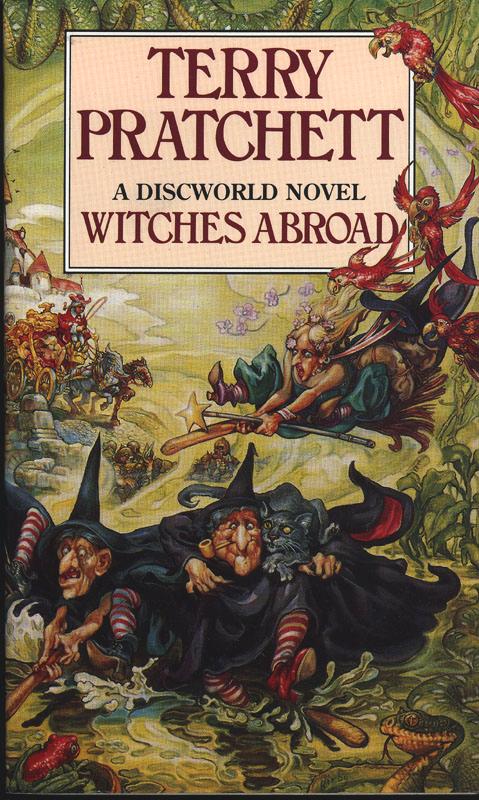
Magrat has spent two whole books trying to become a better version of herself. In Wyrd Sisters she's the junior witch who can't get Granny to take her seriously. In Witches Abroad she's lugging around a fairy godmother's wand that turns everything into pumpkins. She's tried occult jewellery, crystals, folk wisdom, other people's magic. Each new Magrat is supposed to be the one that finally works.
And then the Queen shows up wearing the finished product. Prettier, calmer, more regal, and plainly more suitable for a king. It's every self-improvement fantasy Magrat ever had, given a body, and that body belongs to the most dangerous creature in the book.
If glamour works by convincing you that someone else is better than you, this is the cruellest version of the trick: the someone else is you, only better.
The Ablation of Magrat Garlick
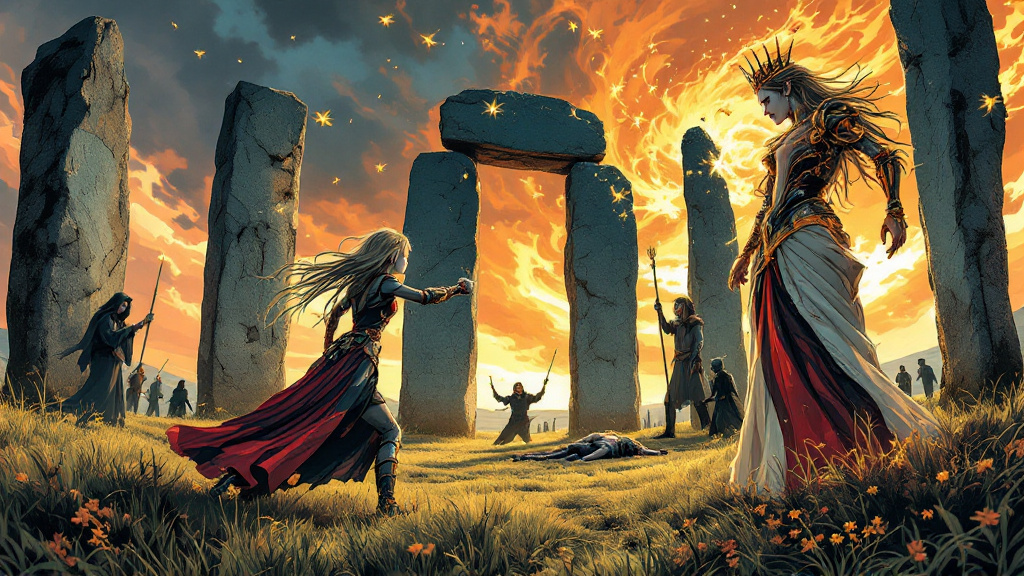
When the showdown comes at the stones, the Queen freezes everyone in place. Granny duels her mind to mind. It's Granny who prises Magrat loose from the glamour before she goes down herself, her body covered by her own bees. And then Magrat, free to move, goes for the Queen.
The Queen does what she always does. She pours worthlessness into Magrat's head. She starts peeling her apart, layer by layer, looking for the empty place at the middle where despair can go. Pratchett's word for this is the right one:
"And the ablation of Magrat Garlick roared on, tearing at the strata of her soul..."
Ablation is a wonderful choice, and "strata" tells you Pratchett is thinking in layers. Ablation is the glaciologist's word for a glacier wasting away from the surface, and the engineer's word for how a spacecraft's heat shield works: the outer layers are designed to burn off, so that whatever's inside survives the fire.
"You can't strip someone down to nothing when nothing was never what they were hiding."
That's the trick of the scene. The Queen thinks she's tearing off Magrat's protective layers. She isn't. She's burning through years of Magrat's half-finished experiments in being someone: the bangles, the borrowed spells, the earnest pamphlets, the wet hen. None of it was holding Magrat up. It was just what Magrat had been trying on.
Someone like Granny Weatherwax has a fixed, load-bearing identity. Attacking it is like attacking a castle wall: hard going, but at least the Queen knows where the wall is. Magrat had no wall. Every layer the Queen ripped away was one Magrat had never been sure of anyway.
So when the Queen finally got down to the bottom, expecting the hollow centre she'd found in everyone else, she found the one part of Magrat that had never changed. And it was angry.
What Was Left at the Core
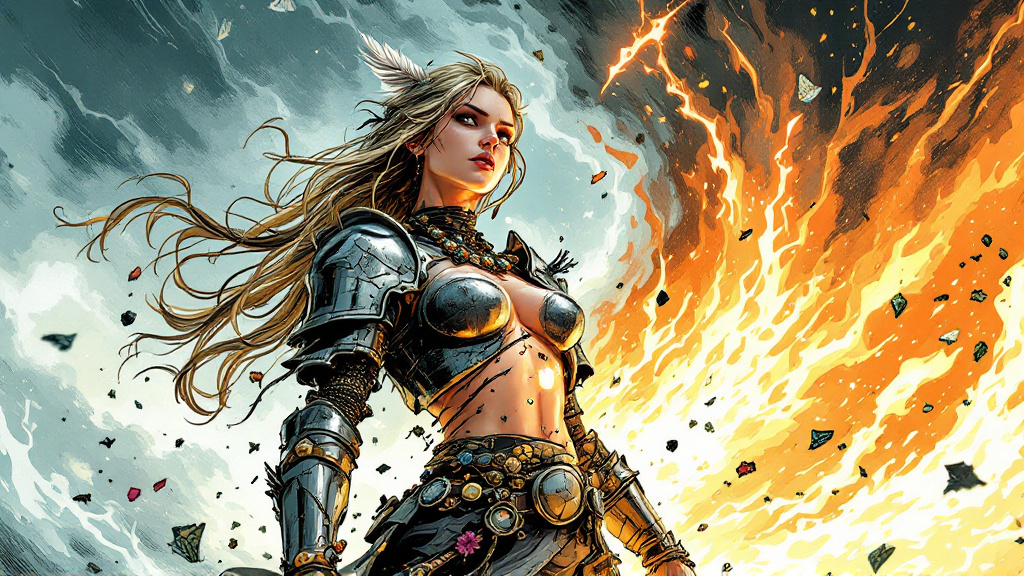
What was down there? Not confidence, exactly. Magrat never becomes confident in Lords and Ladies. What's at the core is simpler and more stubborn than that: a refusal. This is my kingdom. That is my man. You don't get to have them.
Magrat hits the Queen with her fist. Not with magic, not with a clever counter-spell, not with headology. With a fist. It's the least witchy thing a witch has ever done to an elf, and it lands precisely because the Queen was braced for a mind and got a body instead.
And by the end, Magrat has an axe in her hands. That's when things get serious.
Only One Queen in a Hive
The battle cry fans remember from this moment, "Only one queen in a hive!", didn't come from nowhere. Pratchett plants it chapters earlier, in what looks like a throwaway scene. Mr Brooks, the castle's beekeeper, explains to Magrat how a hive makes a queen. The workers pick an ordinary larva and feed it royal jelly until it becomes one. Usually a new queen leaves to start her own hive. But sometimes two queens end up in the same hive and fight to the death. Brooks has no doubt about which one has the edge:
"the old Queen's more cunning and nastier, see? But the new Queen, well, she's got everything to fight for."
Magrat can barely stand to hear it at the time. Later, it's the thing she reaches for.
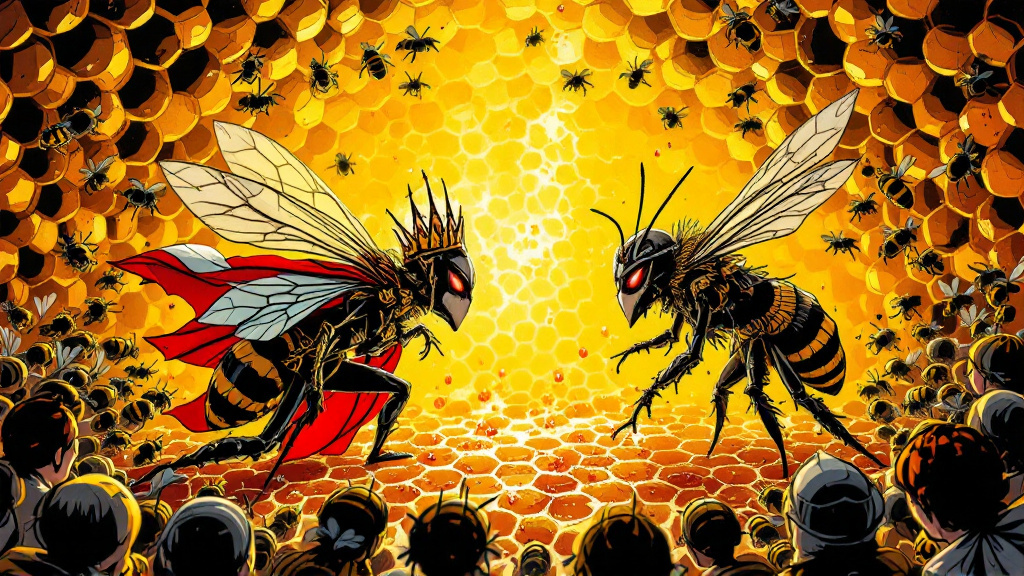
Look at how neatly the metaphor fits:
- The old queen is the Elf Queen, ancient, practised, and nastier than anything in Lancre.
- The new queen is Magrat, who isn't technically a queen yet. The wedding hasn't happened. She's fighting for a title she doesn't legally hold.
- The royal jelly is everything the hive fed her to make her fit for the job. Granny's provocations, Nanny's encouragement, all those years of being prodded. (The wet hen article traces how deliberate that prodding was.)
- The hive is Lancre itself, with all its people standing frozen in the glamour, waiting to find out who rules them.
"Only one queen in a hive" is a claim of sovereignty from someone with no crown and no wedding ring: just a borrowed suit of armour and a beekeeper's lesson she wishes she hadn't heard. That's what makes it land. Magrat doesn't win because she's queen. She becomes queen by winning.
The Armour Wasn't Entirely Fake
A word about that armour, because it matters to the fight. We covered the story of Queen Ynci's armour in detail elsewhere: the warrior queen was invented by a recent king, and the armour is a fake. The book gives away its humble origins in one line:
"My great-grandma's husband hammered it out of a tin bath and a couple of saucepans."
Readers on the alt.fan.pratchett newsgroup once asked Pratchett the obvious question: if the armour was fake, why did it work so well against iron-hating elves? His answer, preserved in the Annotated Pratchett File: "A tin bath isn't made out of tin. It's invariably galvanised iron."
"A fake queen's armour, made from real iron, worn by a real queen who didn't know she was one yet."
Which is almost too perfect. The story of the armour was a lie. The metal was the one thing on the Disc elves can't abide. Magrat walked into the fight wrapped in an invented legend and a kitchen's worth of genuine iron, and both did their job: the legend got her moving, and the iron kept her alive long enough for the core to come out.
Why She Doesn't Get to Finish It
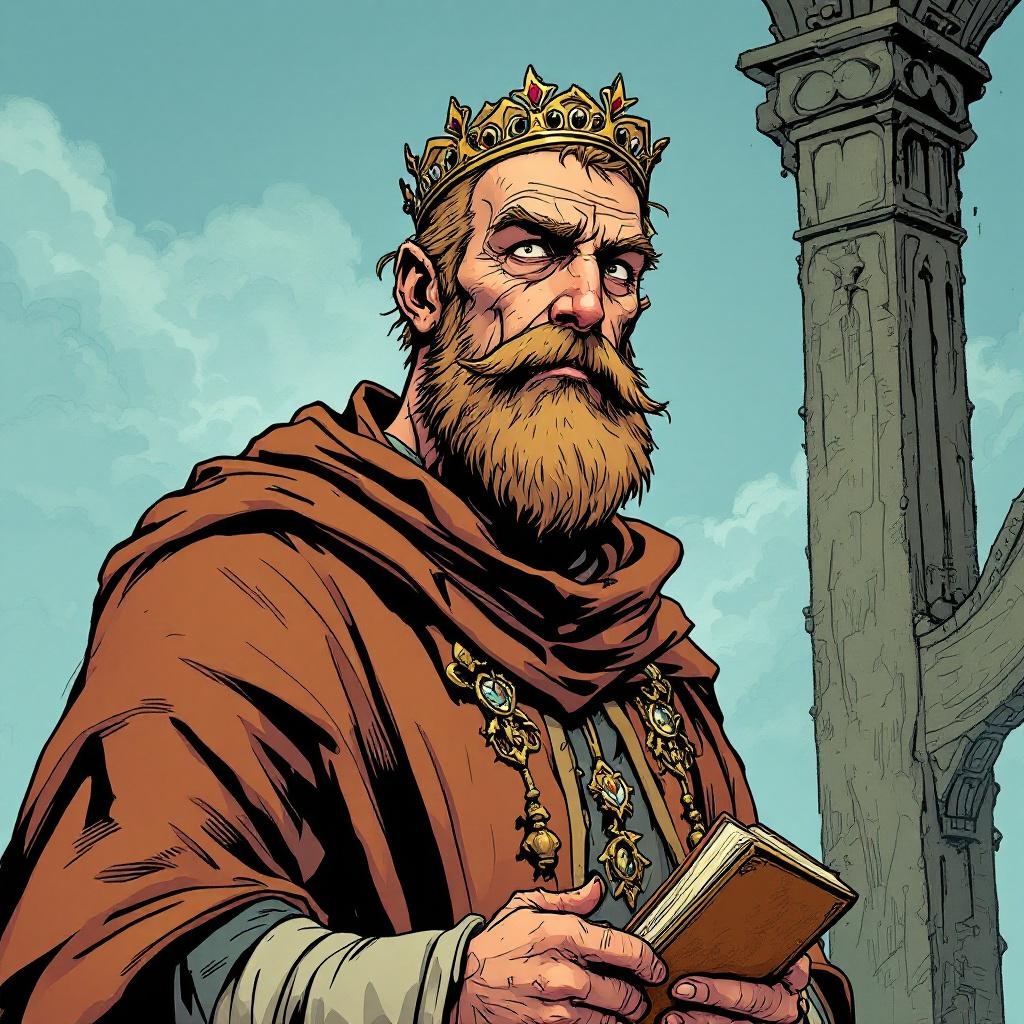
Then, just as Magrat is about to land a blow with the axe, the King of the Elves arrives, summoned thanks to some extremely pointed negotiation by Nanny Ogg. He holds out his hand to his wife. In the book's own words, "Only Magrat heard it. Something about meeting by moonlight, she said later." And the elves are gone.
Some readers find this frustrating. On the Terry Pratchett Forums you'll find a long thread arguing over whether the King is a deus ex machina who robs Magrat (and the villagers) of a victory they'd earned. It's a fair complaint. You do want to see the axe come down.
But I think Pratchett gets it right. Magrat's victory was never going to be killing the Queen. It was refusing to be unmade by her, and that happened the moment the glamour hit bottom and found something it couldn't dissolve. Everything after that is cleanup. And notice who handles the cleanup: Granny broke the glamour's hold, Nanny fetched the King, Magrat held the line. It takes all three witches to beat one elf. The coven works, even when its members can barely stand each other.
There's also a quieter grace note. The King speaks, and only Magrat hears him. The new queen of Lancre is the one standing close enough to the old powers to hear them say goodbye.
Why the Glamour Failed
So, back to the question: why does the Queen of the Elves lose to Magrat Garlick, of all people?
Because the Queen's whole method relies on a victim who has something to lose. Strip a proud person of their pride, and they collapse. Strip a certain person of their certainty, and they're lost. The Queen is very, very good at finding the thing you've built yourself around and kicking it out from under you.
Magrat hadn't built herself around anything. For years that looked like her great weakness: the witch with no fixed style, no settled method, no idea who she was. In the stones, it turned out to be armour better than anything in the castle. You can't take away an identity from someone who never managed to settle on one. All you can do is burn off the wrapping and expose what was always there.
And what was always there, it turns out, was a new queen with everything to fight for.
Where to Read More
- Lords and Ladies: the confrontation itself, plus Mr Brooks and his bees, Granny's duel with the Queen, and Nanny's visit to the King.
- Wyrd Sisters: meet Magrat at the start, unsure of herself and quietly in love with the Fool.
- Witches Abroad: Magrat trying, and failing, to be a fairy godmother. Useful context for how many identities she tried on before Lords and Ladies burned them away.
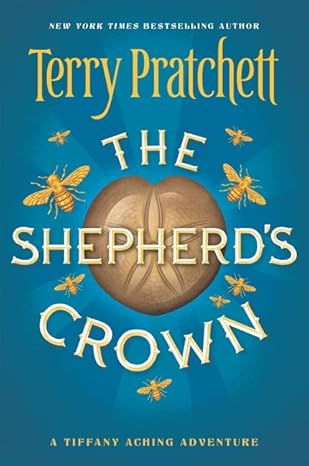
- The Shepherd's Crown: the elves come back, and so does the armour.
Want more? Read about Granny Weatherwax borrowing her bees to survive the same fight, or follow Magrat's complete journey from wet hen to warrior queen.