Elves Are Wonderful: Granny Weatherwax vs. Romanticized Evil
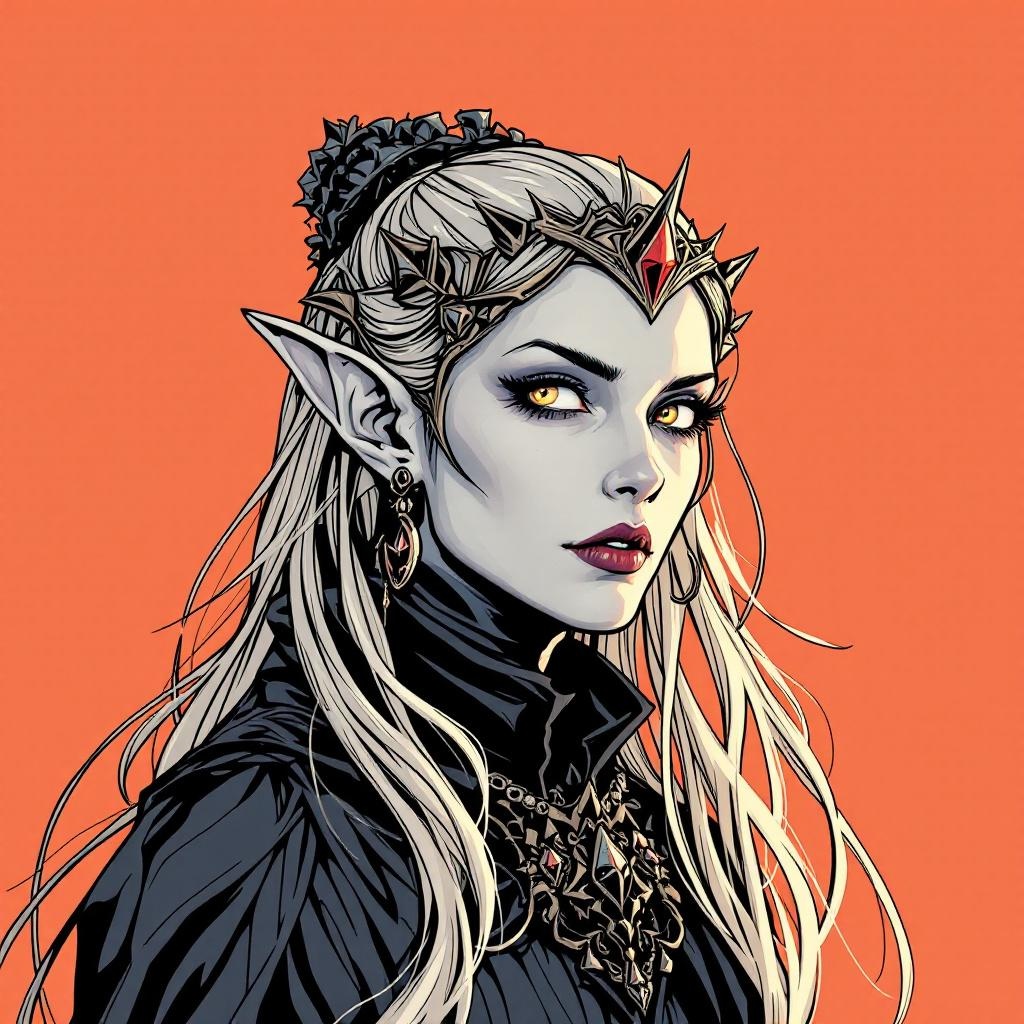
Pratchett's elves aren't Tolkien's. They're beautiful, cruel, and use glamour like propaganda. Here's how Granny Weatherwax saw through it all.
Elves Are Wonderful: Granny Weatherwax vs. Romanticized Evil
"Elves are wonderful. They provoke wonder. Elves are marvellous. They cause marvels. Elves are fantastic. They create fantasies. Elves are glamorous. They project glamour. Elves are enchanting. They weave enchantment. Elves are terrific. They beget terror."
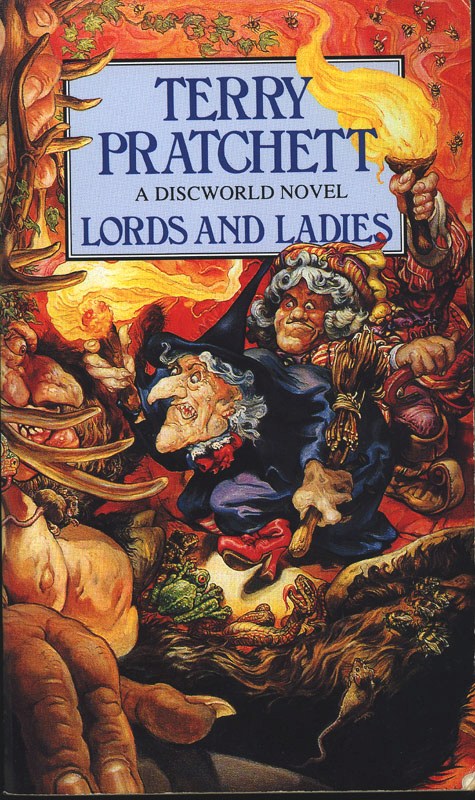
That's not a compliment. That's an autopsy of language itself, performed by a man who understood exactly how words lie to us. And at the center of Lords and Ladies—the book where Terry Pratchett pulled back the curtain on fairy tales and showed us the teeth underneath—stands Granny Weatherwax, the woman who refuses to be charmed.
Every generation romanticizes something dangerous. We do it with dictators, with cults, with toxic relationships, with movements that feel electric and righteous right up until the moment someone gets hurt. Pratchett saw this pattern and did what he always did: he wrote a fantasy novel about it.
What Glamour Actually Is
Let's get the terminology straight, because Pratchett is very precise about this.
"If cats looked like frogs we'd realize what nasty, cruel little bastards they are. Style. That's what people remember."
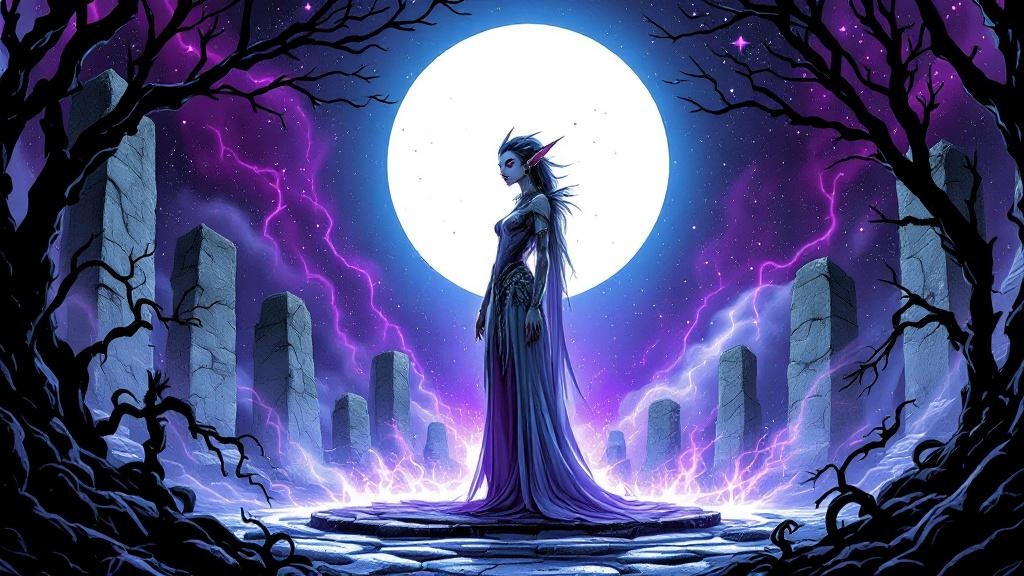
Glamour, in the Discworld sense, isn't an illusion. It's not a disguise or a trick of the light. It's something far more insidious—a psychic force that rewrites your perceptions from the inside out. The elves don't make themselves look beautiful. They make you believe they're beautiful. They reach into your mind and adjust the settings, turning up admiration and turning down fear until you're standing in front of something that wants to hurt you and all you can think is how magnificent it is.
This is a crucial distinction. An illusion can be penetrated by better senses—sharper eyes, clearer hearing. Glamour can't, because the deception isn't happening in the world. It's happening inside your own skull. Your eyes work fine. Your brain is the problem.
"They've got style," Pratchett writes. "Beauty. Grace. That's what matters. If cats looked like frogs we'd realize what nasty, cruel little bastards they are." The elves aren't beautiful creatures doing terrible things. They're terrible creatures who've convinced everyone they're beautiful.
The Snake Behind the Words
Here's where Pratchett does something genuinely brilliant. He doesn't just tell you that elves are dangerous. He shows you how language itself has been glamoured.
"The thing about words is that meanings can twist just like a snake, and if you want to find snakes, look for them behind words that have changed their meaning."
Wonderful used to mean "full of wonder"—as in, so strange and overwhelming it freezes you in place. Marvellous meant "causing astonishment"—not the pleasant kind. Terrific literally means "terror-inducing." Over centuries, these words softened. They became compliments. They lost their teeth.
The elves did the same thing to memory. People forgot the iron. They forgot the spitting. They forgot the circles of standing stones that existed specifically to keep these things out. Generations later, all they remembered was that elves were beautiful, and beauty must mean good, and so the old protections became quaint traditions nobody took seriously.
"No one ever said elves are nice. Elves are bad."
This is propaganda at its most effective—not a single, conscious lie, but a slow drift of meaning that rewrites collective memory. Nobody sat down and decided to rehabilitate the elves' reputation. It just happened, the way language always evolves, one softened word at a time, until the warning signs became wedding decorations.
Sound familiar? It should. Every real-world atrocity has a version of this: the slow, comfortable forgetting that turns "never again" into "well, it wasn't really that bad."
Why Granny Can See Through It
So if glamour rewrites your perception from the inside—if it hijacks the brain itself—how does anyone resist it?
Nanny Ogg has a phrase for it: "iron in the head." It's not about willpower exactly. It's about thinking in a particular way—practically, clearly, without the romantic imagination that glamour exploits. Trolls and dwarfs resist glamour partly because they're physically connected to iron and stone, but partly because they lack the narrative expectations that glamour feeds on. A dwarf doesn't look at an elf and see a beautiful creature from legend. A dwarf looks at an elf and sees something that isn't a dwarf.
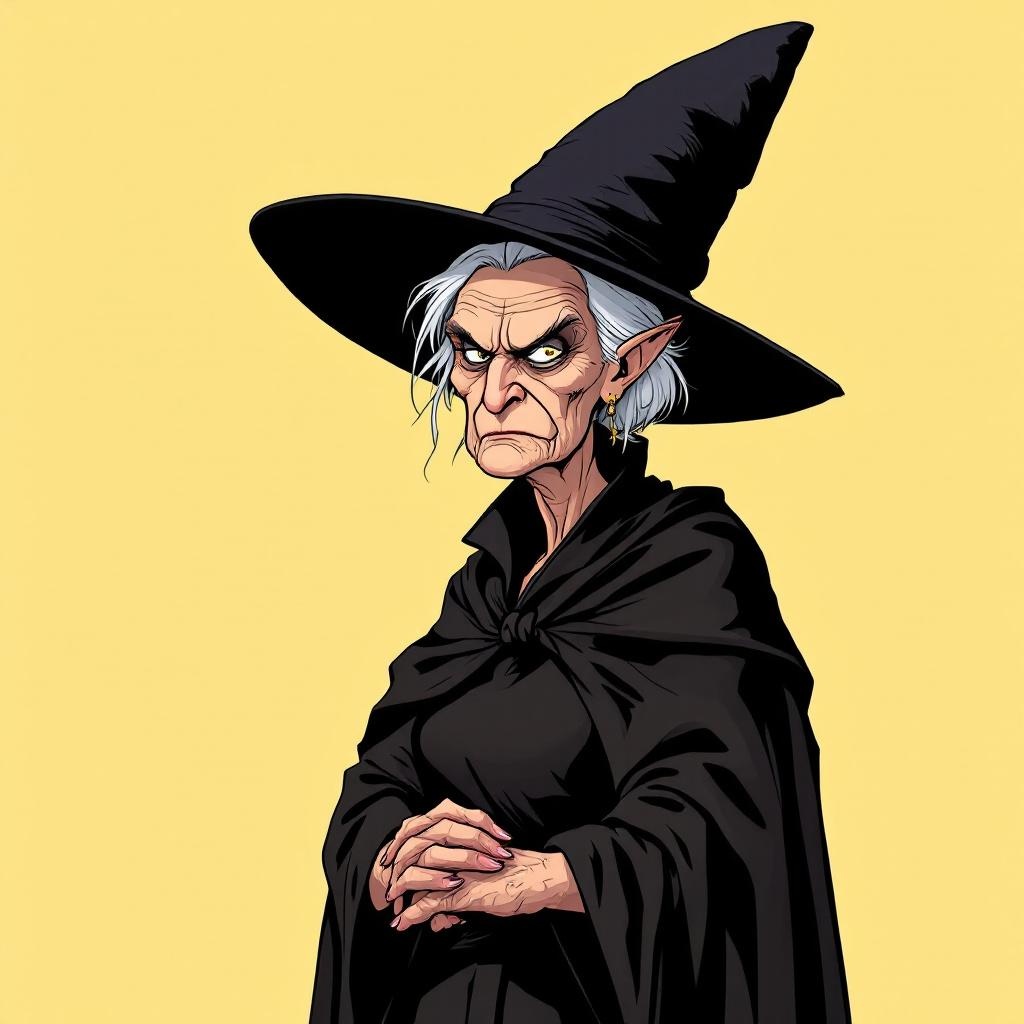
Granny Weatherwax takes this further than anyone. She doesn't resist glamour through lack of imagination. She resists it through total self-knowledge.
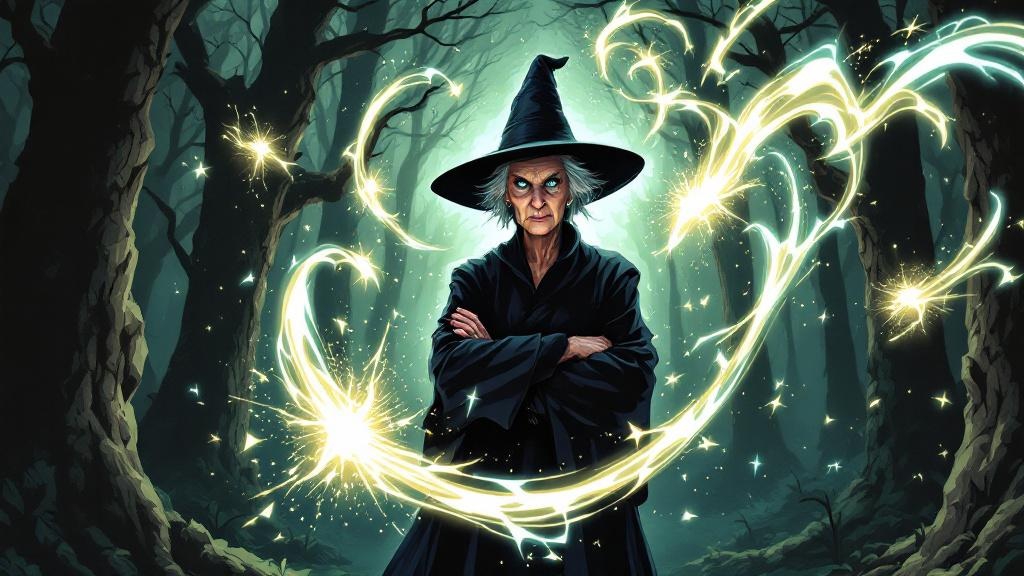
This is the same woman who walked out of a mirror maze by pointing to herself without a moment's hesitation. The same woman who borrowed an entire swarm of bees because her sense of self was too strong for a collective consciousness to dissolve. Glamour works by inserting false perceptions into your mind, but Granny's mind has no room for insertions. Every corner is occupied. Every thought is accounted for. There is no gap between who she is and who she thinks she is, and that gap is exactly where glamour lives.
The Elf Queen can project all the beauty and terror she wants. Granny looks at her and sees a parasite wearing a pretty face. Not because she's immune to beauty—she's not—but because she refuses, with the stubbornness of a woman who won't take second prize at a jam contest, to let beauty override her judgment.
The Morris Dancers and the Iron Bells
Here's the part that doesn't get enough attention: Granny isn't the only one who fights back.
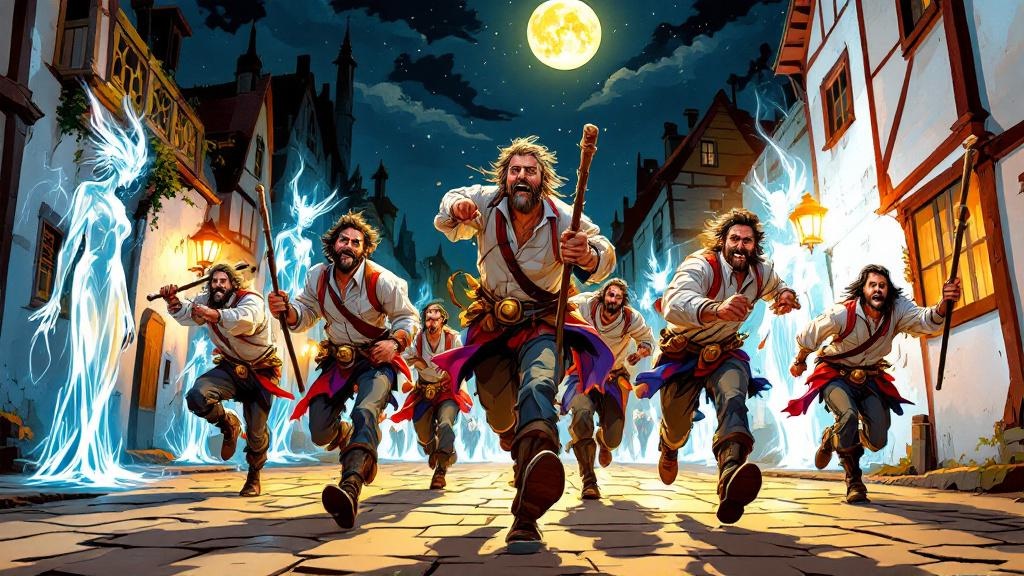
When the elves invade Lancre, it's not just a witch's war. The entire community ends up fighting. Wizards from Unseen University throw spells. Magrat, in Queen Ynci's armor, finds a courage nobody expected. And a group of morris dancers—ordinary blokes with sticks and bells—charge into battle against creatures from the edge of reality.
The bells are iron. That matters. Iron is the elves' weakness, the one thing glamour can't pretty up. Iron is real in a way that glamour can't override—heavy, cold, plain, functional. No style, no grace, just metal doing what metal does.
But there's a deeper point here. The morris dancers aren't warriors. They're not heroes. They're the Discworld equivalent of your mate Dave who does folk dancing on weekends. They fight the elves not because they're brave in any traditional sense, but because they're practical. They've got iron bells on their legs, they've got sticks in their hands, and there are elves in their town. The math is simple.
This is Pratchett's argument distilled: you don't need to be special to resist glamour. You don't need magical immunity or unshakeable self-knowledge. You need iron—literal iron against elves, metaphorical iron against everything else. You need the willingness to look at something beautiful and dangerous and say, "Yes, very impressive, but I've got work to do."
Glamour as Propaganda
Let's not pretend this is just about fairy tales.
"Glamour doesn't work on a mind that cares more about what's true than what's beautiful."
Pratchett was writing in 1992, but the mechanism he describes—charisma that obscures cruelty, aesthetics that override ethics—is the oldest trick in the authoritarian playbook. Every demagogue in history has understood what the Elf Queen understands: if you can control how people feel about you, it doesn't matter what you actually do. Style matters. Beauty matters. Grace matters. The substance underneath can be anything, as long as the surface is dazzling enough.
The elves don't build anything. They don't create anything. They don't contribute anything. They exist to amuse themselves at others' expense, and they do it with such style that their victims thank them for the privilege. They're every charismatic abuser who ever made someone feel special right before they made them feel small.
And the really clever thing about Pratchett's version is the forgetting. The elves didn't have to run a sustained propaganda campaign. They just had to be beautiful once, and let human nature do the rest. People want to believe in beautiful things. They want the fairy tale. They'll rewrite their own memories to get it, sanding down the sharp edges until "they tortured us for entertainment" becomes "they were wonderful."
Glamour, in other words, isn't just something the elves project. It's something humans participate in. It's collaborative self-deception, and that makes it almost impossible to fight—because you're not just fighting the elf. You're fighting the audience's desire to be enchanted.
The Confrontation
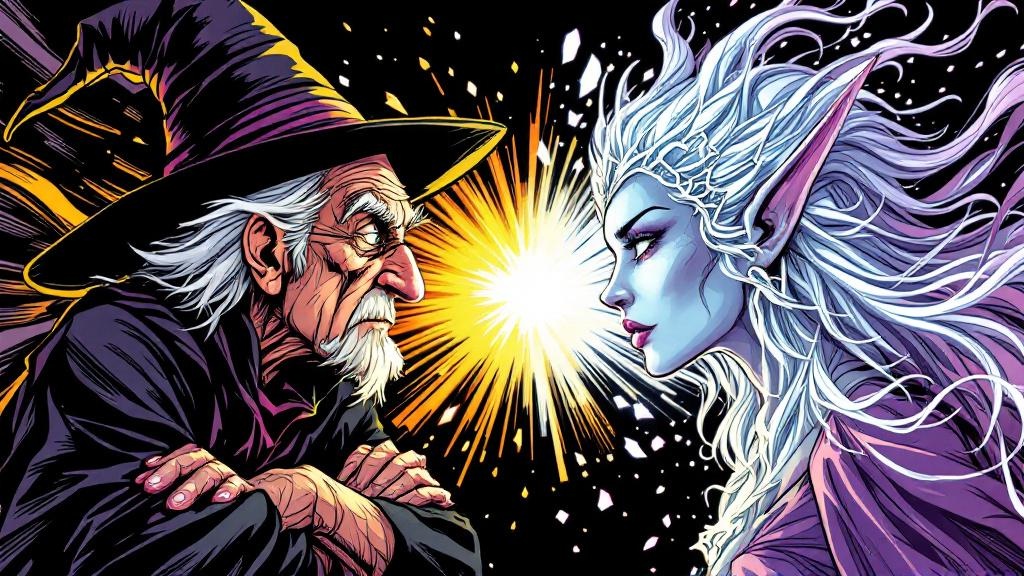
The climax of Lords and Ladies comes down to Granny versus the Elf Queen, and it's one of the great scenes in Discworld because it's not really a magical battle. It's a battle of perspectives.
The Queen hits Granny with everything she has. Full glamour. The kind of psychic assault that should rewrite a person's entire worldview, that should make Granny see the Queen as beautiful, as powerful, as someone to be served and worshipped.
And Granny falls.
She goes down. She looks dead. Everyone thinks it's over. The one person who could see clearly has been blinded.
Except she hasn't been blinded. She's been hiding—in a swarm of bees, riding the hive mind, waiting. And when she comes back, she comes back with ten thousand stinging points of iron-willed reality that no amount of glamour can deflect.
The Queen's mistake was thinking that defeating Granny's body meant defeating Granny. But Granny's power was never in her body. It was in her absolute refusal to see the world as anything other than what it is. You can knock her down, carry her off, lay her out in a castle. You can't make her believe something beautiful is something good.
The Iron in the Head
There's a reason this book resonates more now than it did in 1992.
We live in an age of glamour. Not the magical kind—the algorithmic kind. Every social media feed is a glamour engine, designed to project curated beauty that obscures messy reality. Every political movement has its aesthetic, its slogans, its carefully constructed emotional appeal. We're drowning in charisma, and the people wielding it understand the same thing the Elf Queen understood: style matters more than substance, and feeling matters more than fact.
Pratchett's answer isn't to reject beauty. Granny doesn't despise beautiful things. She simply refuses to let beauty be the end of the conversation. Beautiful and what? Charming and what? Wonderful and what?
That's iron in the head. Not cynicism—cynicism is just another kind of laziness. Iron in the head is the insistence on asking the next question. The refusal to let the story end where the storyteller wants it to end. The bloody-minded determination to look past the surface and see what's actually there, even when what's actually there is less pleasant than the glamour.
Granny Weatherwax doesn't fight elves with counter-spells. She fights them by being the kind of person who can't be lied to—not because she can detect lies, but because she's already looked at every uncomfortable truth about herself and the world and decided to keep going anyway. When you've faced yourself that honestly, a pretty face with cruel intentions isn't intimidating. It's just obvious.
What This Means for You
Here's the practical takeaway, because Pratchett always had one.
The next time something feels a little too wonderful—a little too beautiful, a little too perfect, a little too good to be true—ask yourself: what's the iron? What's the cold, heavy, unglamorous reality underneath the shiny surface? Not because beauty is always hiding something terrible. Sometimes things really are wonderful. But the asking matters. The habit of looking past the surface matters.
"I don't hold with paddlin' with the occult. Once you start paddlin' with the occult you start believing in spirits... And then you're in trouble."— Granny Weatherwax
Granny wouldn't call it critical thinking. She'd call it common sense, and then she'd tell you to stop asking foolish questions and get on with things. But the principle is the same: don't let style override substance. Don't let charisma bypass judgment. Don't let the story someone is telling you be more real than the evidence in front of your eyes.
Because the elves are still out there. They just don't have pointed ears anymore.

For more on Granny's impossible feats, read about how she borrowed an entire swarm of bees. To understand the self-knowledge that makes her glamour-proof, explore the mirror test that proved who she is. And for the philosophy behind it all, discover why goodness is a choice, not a gift.