The Armor of Queen Ynci: How Magrat Garlick Found Her Strength in a Lie
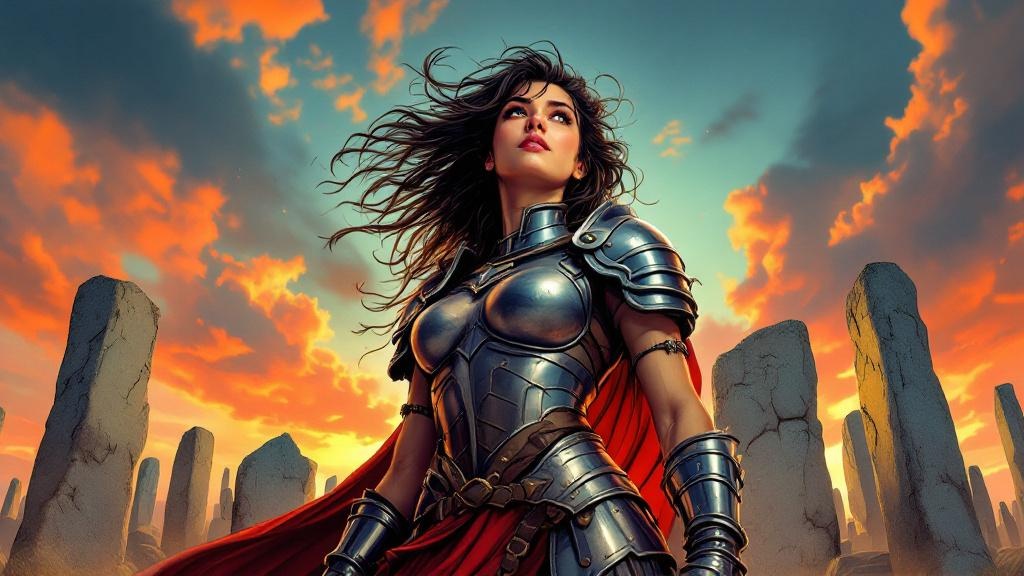
When Magrat donned the armor of legendary warrior queen Ynci, she became unstoppable. The twist? Ynci never existed. Exploring Pratchett's meditation on how false stories can reveal true selves.
The Armor of Queen Ynci: How Magrat Garlick Found Her Strength in a Lie
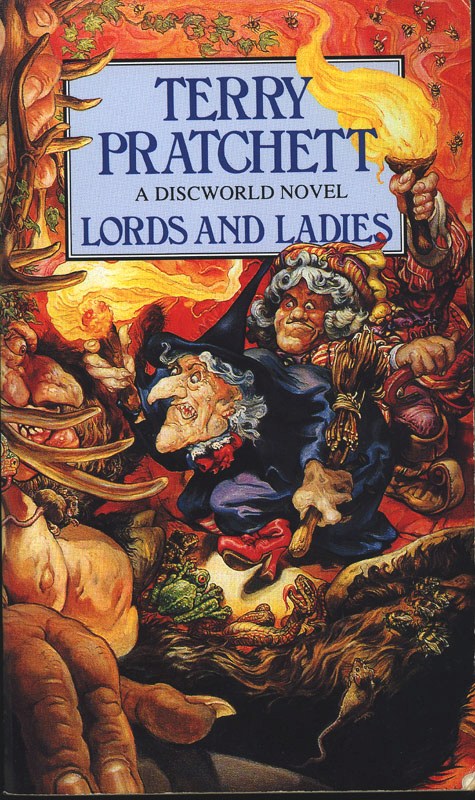
Everyone knows what Magrat Garlick is: a wet hen.
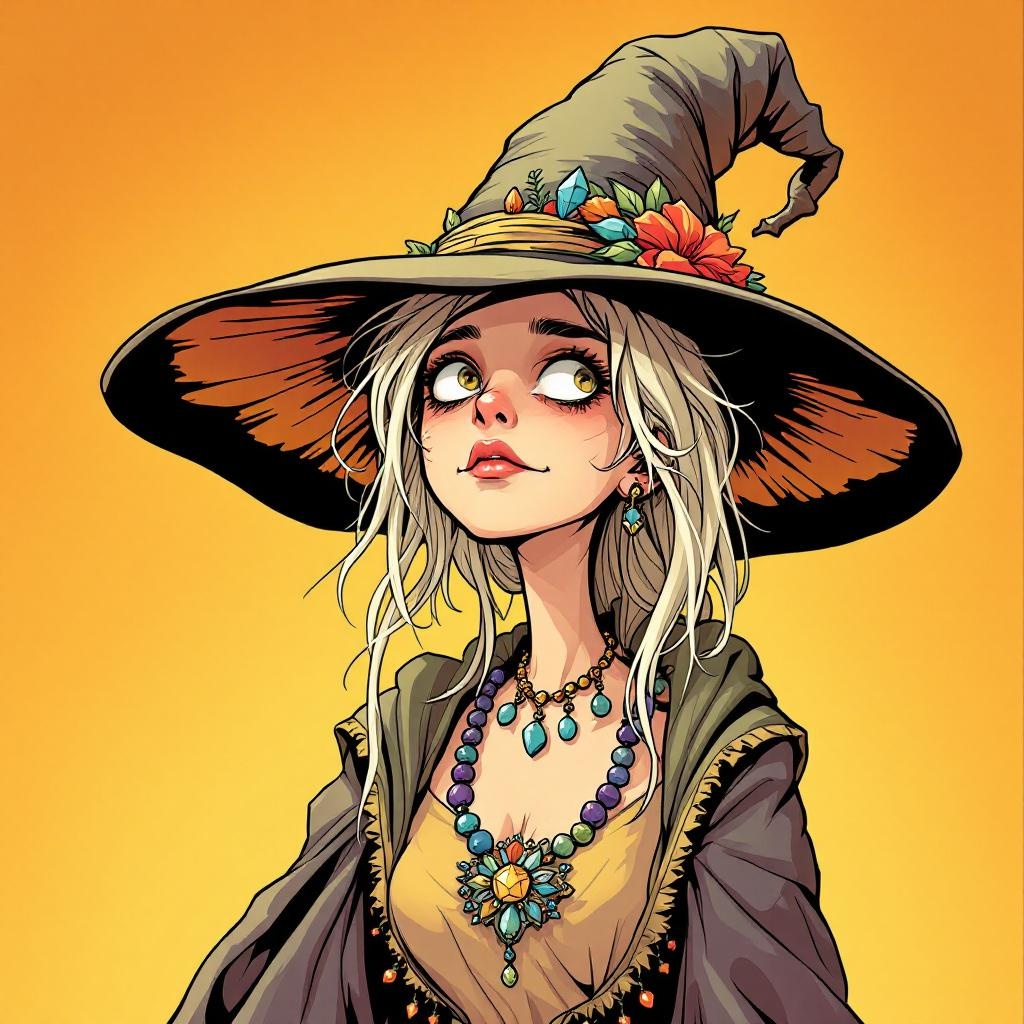
At least, that's what Granny Weatherwax has been telling her for years. Bedraggled. Soggy. The kind of witch who believes in crystals and occult jewelry rather than proper witchcraft. The kind of woman whose life is destined to end, as Pratchett memorably puts it, "in a damp squeak."
Then elves invade Lancre, Magrat finds a suit of ancient armor, and suddenly she isn't a wet hen anymore. She's a warrior queen punching the Queen of the Elves in the face.
The twist? The armor belonged to Queen Ynci the Short-Tempered, a legendary warrior queen of Lancre's past. And Queen Ynci never existed.
The Scene That Changes Everything
In Lords and Ladies, the elves have returned to Lancre through weakened barriers between worlds. The castle has fallen. King Verence is captured. Granny Weatherwax is locked in psychic combat she seems to be losing.
Magrat, meanwhile, is supposed to be getting married.
Abandoned at her own wedding preparations while the world falls apart, she does something unexpected: she stops waiting to be rescued. Fighting her way through the infiltrated castle with nothing but Shawn Ogg and her own determination, she finds herself in the armory, staring at a portrait.
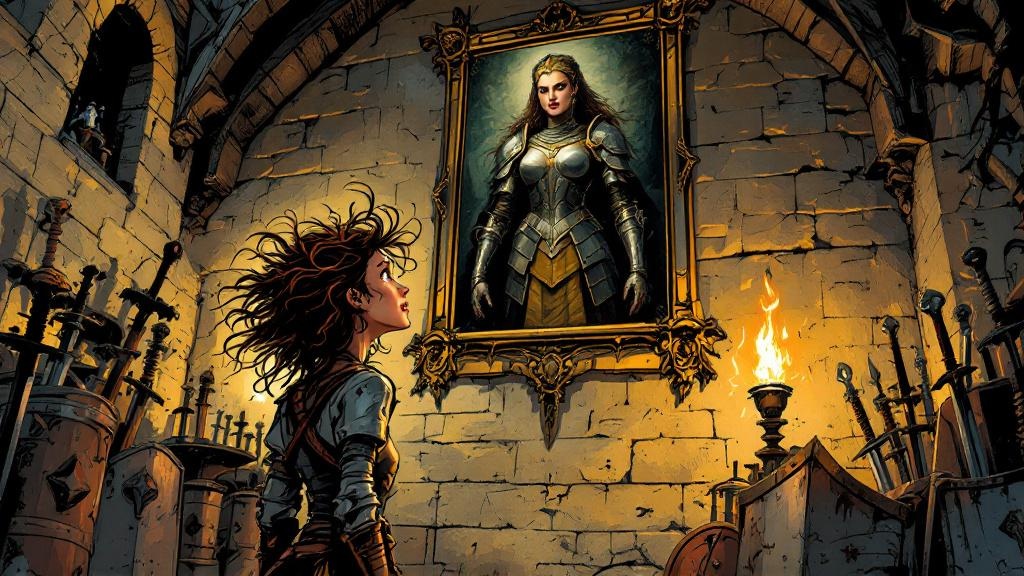
The portrait shows Queen Ynci the Short-Tempered—the only Queen of Lancre who was a warrior, not someone who spent her time "waving at people and doing tapestry." Below the portrait hangs ancient armor, mail and leather that doesn't look like anything a real knight would wear. It looks like something a warrior queen from legend would wear.
Magrat puts it on.
Becoming Ynci
The transformation is immediate and total. The moment Magrat dons the armor, she stops being Magrat the wet hen. She becomes Ynci.
Not pretending to be Ynci. Not trying to act like Ynci. She is Ynci.
"She was Ynci. She was in armour and she was going out there to get her kingdom back."
She rescues the captured Shawn. She fights her way out of the castle. She confronts an army of elves—creatures of pure malice and glamour who've been the terror of Lancre for generations—and she does it without hesitation.
Because Ynci wouldn't hesitate.
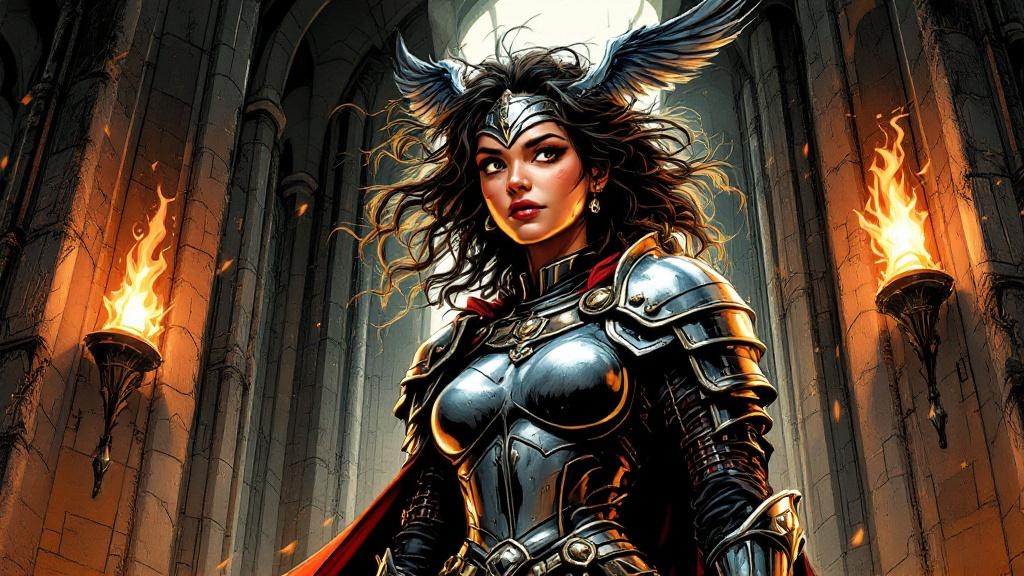
The wet hen who spent three books doubting herself, tolerating Granny's dismissals, and failing to make borrowed magic work, has somehow found a center of steel. She's borrowed the courage of a legendary queen, and it fits her perfectly.
There's just one problem.
The Lie at the Heart of It
Queen Ynci the Short-Tempered is a fiction.
"The armor didn't give Magrat power. It gave her permission—permission to be who she already was."
Pratchett reveals this casually, almost as an afterthought. After everything is over, after the elves are defeated and Magrat has saved her kingdom, Granny Weatherwax and Nanny Ogg have a quiet conversation:
Ynci was invented by a recent king who wanted to give Lancre "a degree of romantic history." There never was a warrior queen. The armor wasn't ancient mail and leather—it was constructed from cookware, beaten into shape to look impressive. The entire legend was a fabrication designed to make tourists feel like they were visiting somewhere important.
Magrat doesn't know this. She walked into battle dressed in pots and pans, channeling a queen who never existed, and she won anyway.
This is where a lesser author might make a joke at her expense. Silly Magrat, tricked by a made-up story.
Pratchett does something much more interesting. He makes the lie irrelevant.
The Strength Was Always Hers
When Magrat confronts the Elf Queen at the Dancers, something fascinating happens. The Queen uses her glamour—her ability to rewrite reality, to impose her narrative on the world—and she tries to unmake Magrat entirely.
The Elf Queen's power works by stripping away identity. She tears through the layers of who Magrat thinks she is, trying to find the nothing at the center, the hollow space where she can pour in worthlessness and despair.
But when the glamour strips away everything—Magrat's self-doubt, her uncertainty, her identity as "the wet hen"—it finds something unexpected at the core.
"And the ablation of Magrat Garlick roared on, tearing at the strata of her soul... exposing the core."
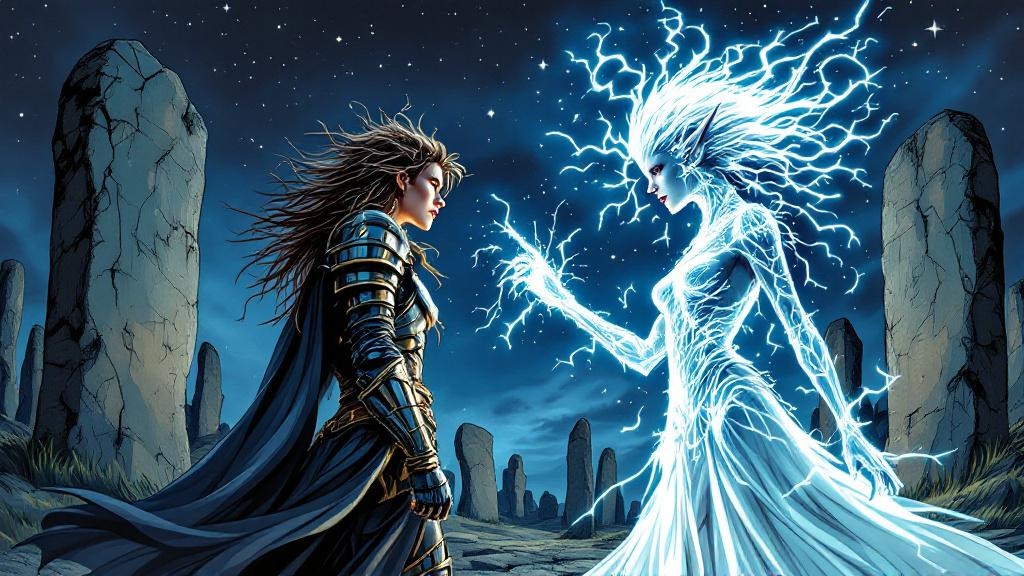
What the Elf Queen exposes is "the unexpectedly valorous core of Magrat's being."
The Queen expects to find weakness. She finds steel.
Magrat punches her in the face.
"Only one queen in a hive!"
What Granny Knew All Along
Here's what makes this scene even more remarkable: Granny Weatherwax isn't surprised.
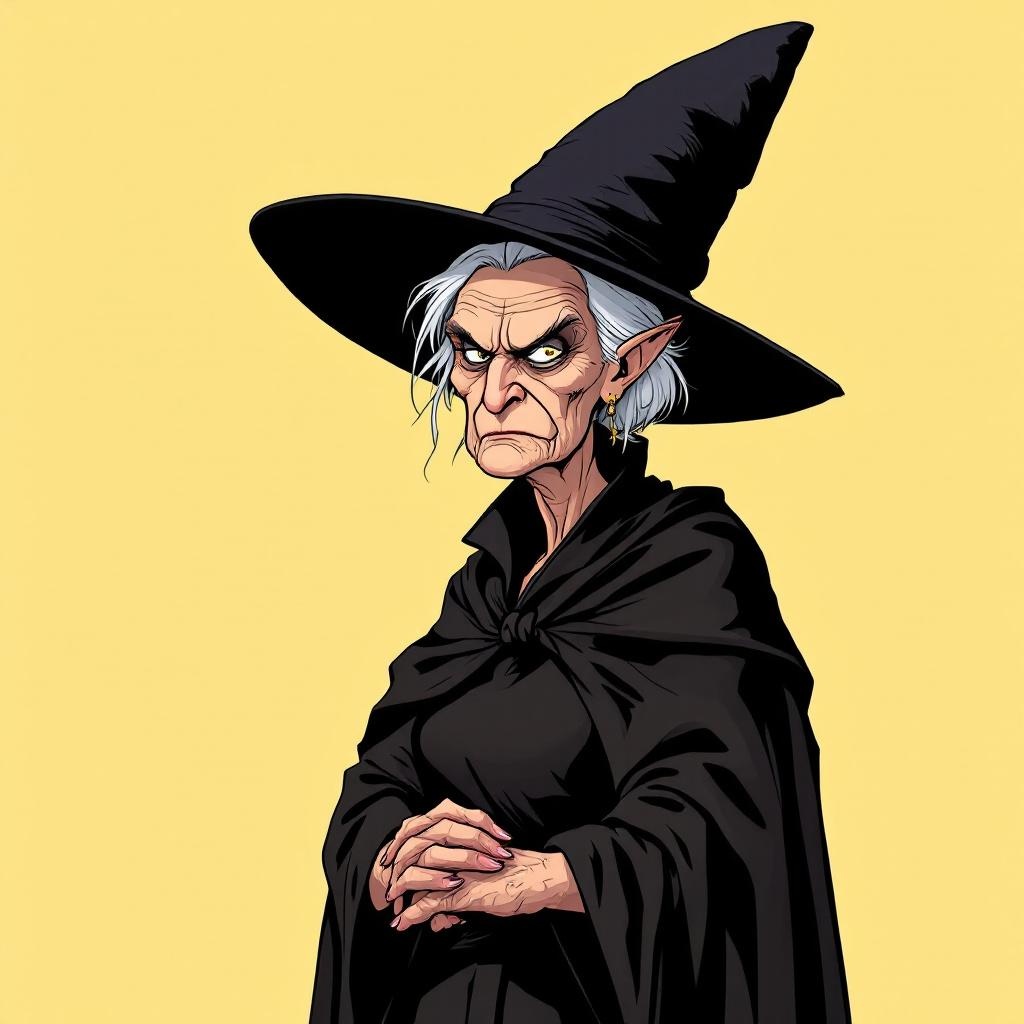
Throughout Lords and Ladies, Granny has been provoking Magrat relentlessly. More than usual. More pointedly than necessary. The "wet hen" comments, the dismissals, the constant implication that Magrat isn't a real witch—it all seemed like Granny being Granny.
But Pratchett reveals something else. Granny had "deliberately been stoking, aggravating and provoking" Magrat's inner strength "for just this very outcome."
Granny saw the warrior queen long before Magrat did. She saw it before Ynci's armor entered the picture. She saw it before the elves came. She'd been preparing Magrat for years, tempering her like steel, because she knew someday that strength would be needed.
The armor didn't give Magrat power. It gave her permission—permission to be who she already was.
Why the Lie Works
This is the most Pratchettian moment in a book full of them. A false story produces real courage. Made-up history creates genuine heroism. Fake armor gives authentic protection.
It would be easy to read this as a critique—see how foolish people are, believing in stories—but that's not Pratchett's point at all. Stories aren't foolish. Stories are the most powerful force on the Disc.
In Witches Abroad, Pratchett explores how stories can be weapons, how villains can trap people in narratives they didn't choose. In Lords and Ladies, he shows the opposite: how the right story, at the right moment, can set you free.
Magrat didn't need Ynci to be real. She needed Ynci to exist as an idea—an idea of what a queen could be. Not someone who waves and does tapestry. Someone who acts. Someone who fights. Someone who refuses to let her kingdom fall.
There were no warrior queens in Lancre's actual history. So someone made one up. And centuries later, when a wet hen needed to become a warrior, that fiction was waiting for her.
The Mongoose Within
Earlier in her Discworld career, Magrat is compared to "a small animal whose life is destined to end in a damp squeak." But the narration adds a crucial qualifier: she turns out to be "slightly more mongoose-y than previously thought."
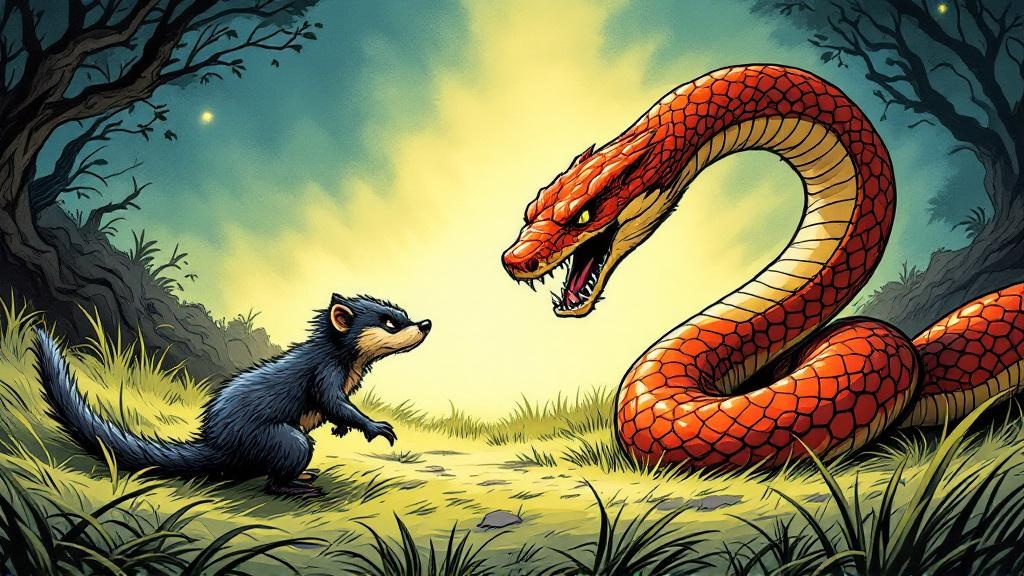
The mongoose comparison matters. Mongooses look unimpressive. They're small, furry, seemingly vulnerable. They are also snake-killers, capable of taking down prey much larger and more dangerous than themselves through sheer determination and an absolute refusal to back down.
The Elf Queen is the snake. Magrat is the mongoose.
"Stories don't make us into something we're not. They show us what we might already be, if we could just believe it."
The thing about mongooses is that they don't become mongooses when threatened. They always were mongooses. The threat just reveals what was there all along.
Ynci's armor doesn't transform Magrat. It reveals her.
The Armor Returns
In The Shepherd's Crown, Terry Pratchett's final novel, the elves return to threaten Lancre once more. Granny Weatherwax is gone. The barriers between worlds are weaker than ever.
And Queen Magrat of Lancre puts on Queen Ynci's armor again.
This time, she knows the armor is fake. She knows Ynci was invented. She knows the mail is just beaten cookware.
She puts it on anyway.
Because by now, Magrat understands what Granny always knew: the armor was never about Ynci. It was about giving herself permission to be fierce. Twenty years after Lords and Ladies, she doesn't need the permission anymore—she wears the armor as a symbol, a callback, a reminder of who she became when she first put it on.
She leads an army of witches into battle. She fights. She wins.
The wet hen is long gone. What remains is the queen.

The Permission We Need
There's something deeply generous about this story. Pratchett understood that sometimes the courage we need isn't missing—it's locked behind a door we don't have the key for. We need permission to be brave. Permission to be fierce. Permission to punch the metaphorical Elf Queen in the face.
For Magrat, that permission came from a suit of armor and a story about a queen who never existed.
For readers, the permission might come from reading about Magrat.
That's how stories work. They don't make us into something we're not. They show us what we might already be, if we could just believe it. They give us the armor. The strength to wear it—that was always ours.
Granny Weatherwax knew Magrat was more than a wet hen. She'd been deliberately provoking that strength for years, waiting for the moment it would finally break through.
The armor of Queen Ynci was a lie. The warrior queen who wore it was absolutely real.
She just needed the right story to find herself.
Where to Start
If you want to experience Magrat's full character arc, here's the path:
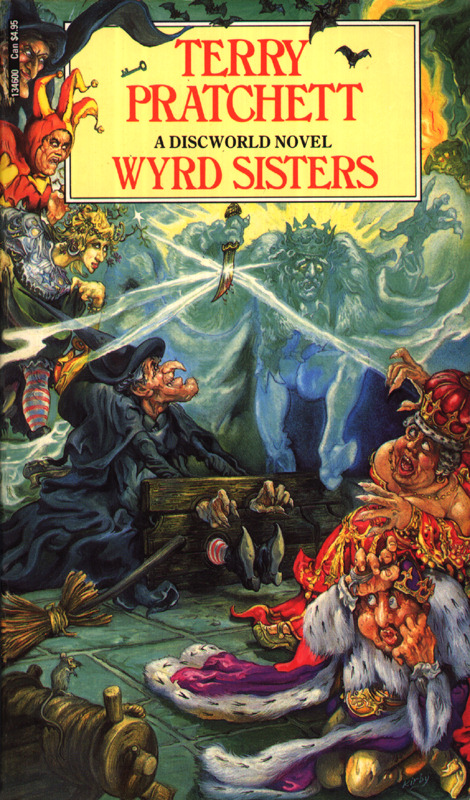
Wyrd Sisters - Meet Magrat as the young, uncertain member of the Lancre coven. Watch her struggle to fit in with Granny and Nanny while finding her own approach to magic.
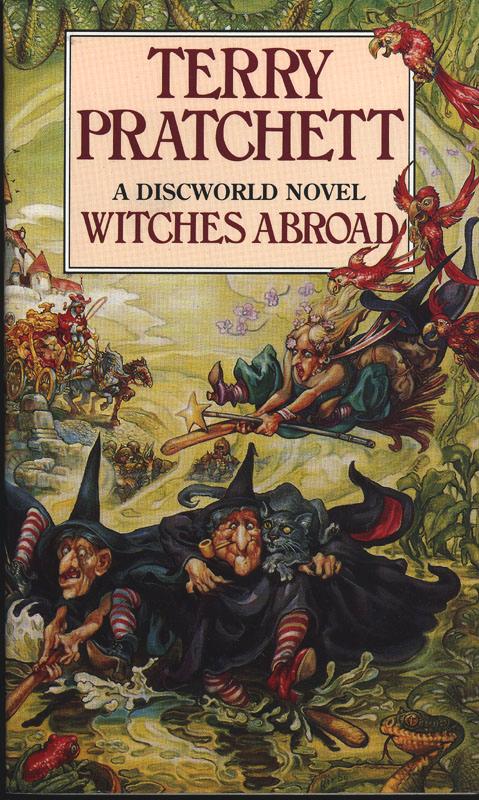
Witches Abroad - See Magrat traveling abroad with the witches, wielding a fairy godmother's wand she can't quite control. The mongoose is still hidden, but there are glimpses.
Lords and Ladies - The main event. Magrat's transformation from wet hen to warrior queen. If you're reading one Magrat book, this is the one.
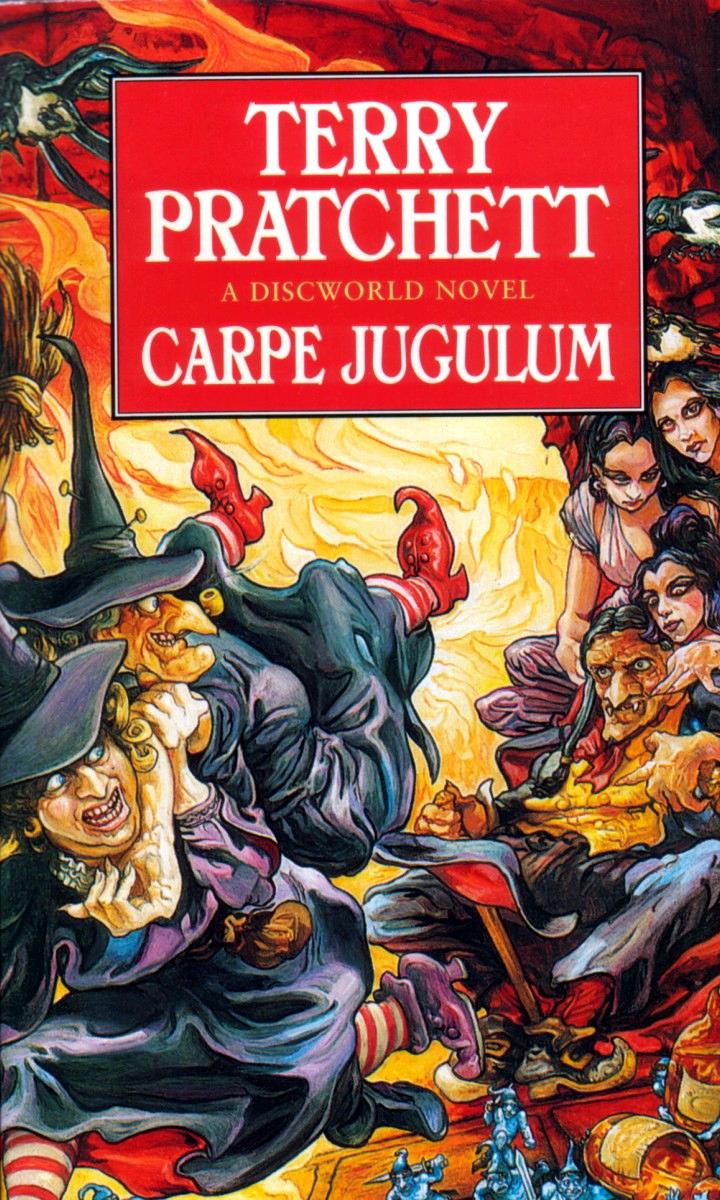
Carpe Jugulum - Magrat as queen and mother, defending her daughter against vampires. The wet hen is now, at most, "slightly damp."
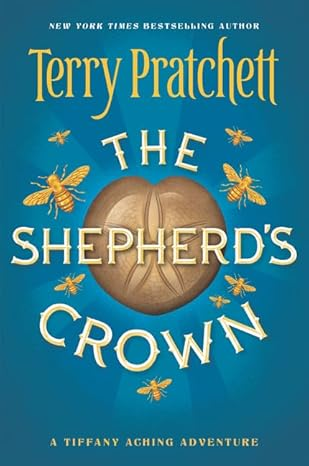
The Shepherd's Crown - The armor returns. Magrat leads witches into battle one last time, in Pratchett's final novel.
Want to explore more Discworld characters who found their strength in unexpected places? Read about Granny Weatherwax's headology or discover how Death learned to be human.