What Can the Harvest Hope For: How Bill Door's Time on Miss Flitworth's Farm Defines Discworld's Death
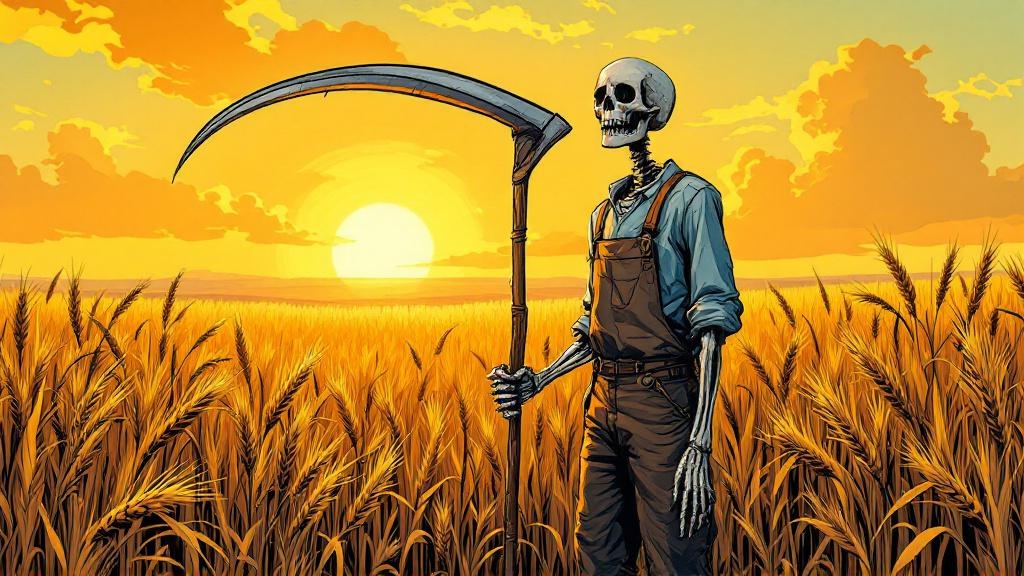
Death becomes mortal in Reaper Man, working as a farmhand named Bill Door. This storyline transforms him from grim reaper to Discworld's most beloved character.
What Can the Harvest Hope For: How Bill Door's Time on Miss Flitworth's Farm Defines Discworld's Death
There's a moment near the end of Reaper Man where Death faces a replacement version of himself—a New Death wearing a crown, speaking of rulership and dominion over mortals. Bill Door's response is one of the only times in 41 Discworld novels that Death uses an exclamation mark:
"A CROWN?! I NEVER WORE A CROWN!"
That fury tells you everything about what the Bill Door storyline means. This isn't just Death learning what mortality feels like. It's the origin story of the compassionate reaper who would go on to save the Hogfather, protect Susan, and become arguably the most beloved character Terry Pratchett ever created.
The Setup: Death Gets Fired
The Auditors of Reality—those grey, featureless entities who hate anything that disrupts the smooth running of the universe—have a problem with Death. He's developed a personality. He has a horse named Binky. He likes cats. He once ate a curry.
This cannot be tolerated.
So they do what cosmic bureaucrats do: they fire him. They give Death an hourglass of his own and send him off to experience mortality like everyone else. No longer the anthropomorphic personification of death, he's just... a very tall skeleton who needs to find work.
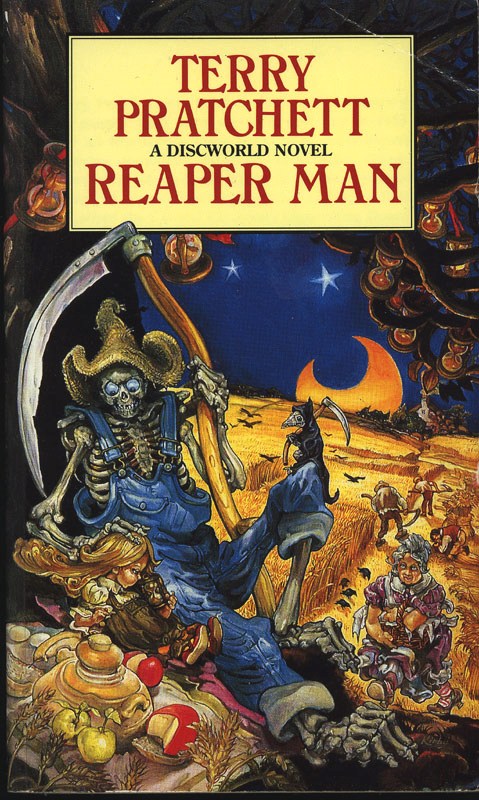
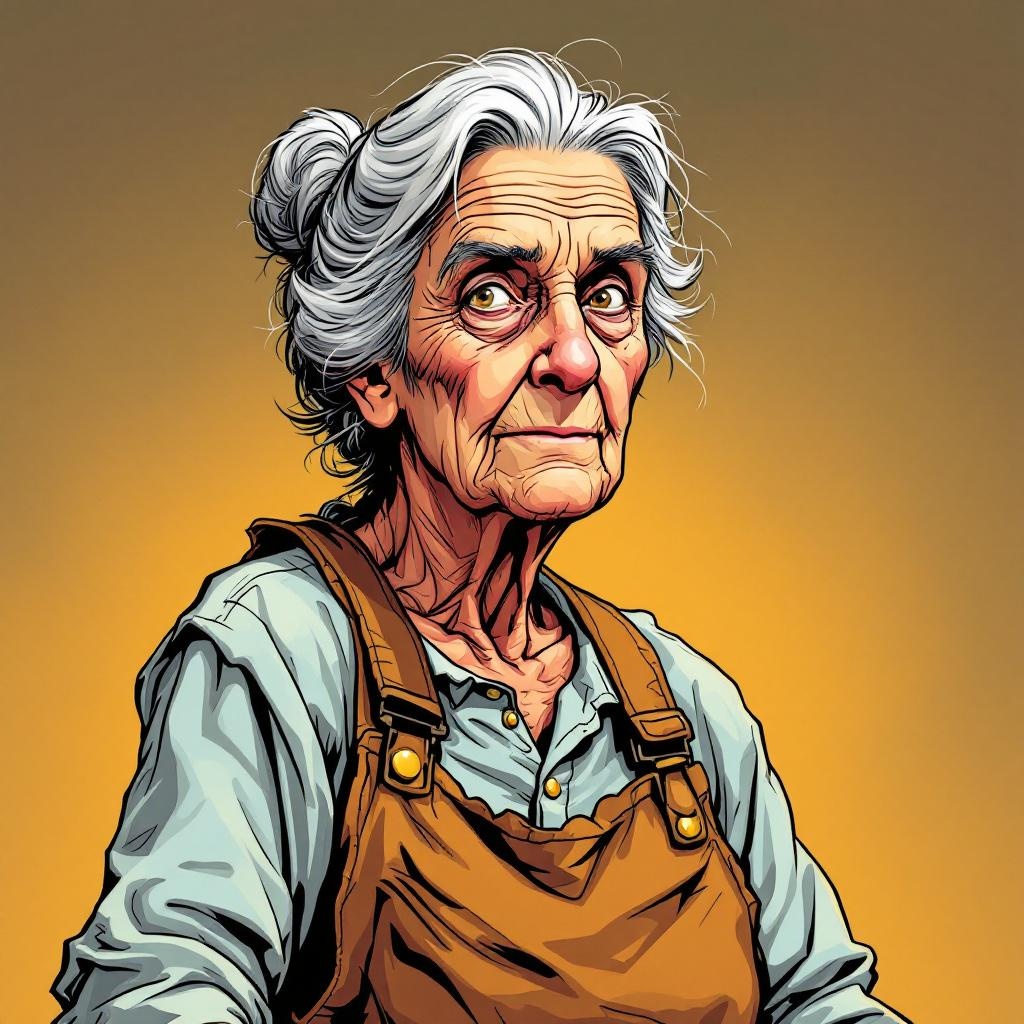
He takes the name Bill Door and becomes a farmhand in the Octarine Grass Country, working for an elderly woman named Miss Renata Flitworth.
Miss Flitworth: The Lonely Spinster
Miss Flitworth is not impressed by anything. When Bill Door shows up looking for work, she doesn't blink at his unusual appearance. She needs someone to bring in the harvest, and this stranger seems willing.
But Miss Flitworth carries her own weight. Decades earlier, her fiancé Rufus went on one last smuggling run in the mountains, the day before their wedding. He never came back. Some said he'd had second thoughts about marriage and run off. She never believed it.
She refused to let this become the story of her life, though she never married either. Instead, she built up a farm, a reputation for sharp dealing, and three treasure boxes in her parlor: two of gold, and one containing her bridal veil, never worn.
Learning to Live by Learning to Harvest
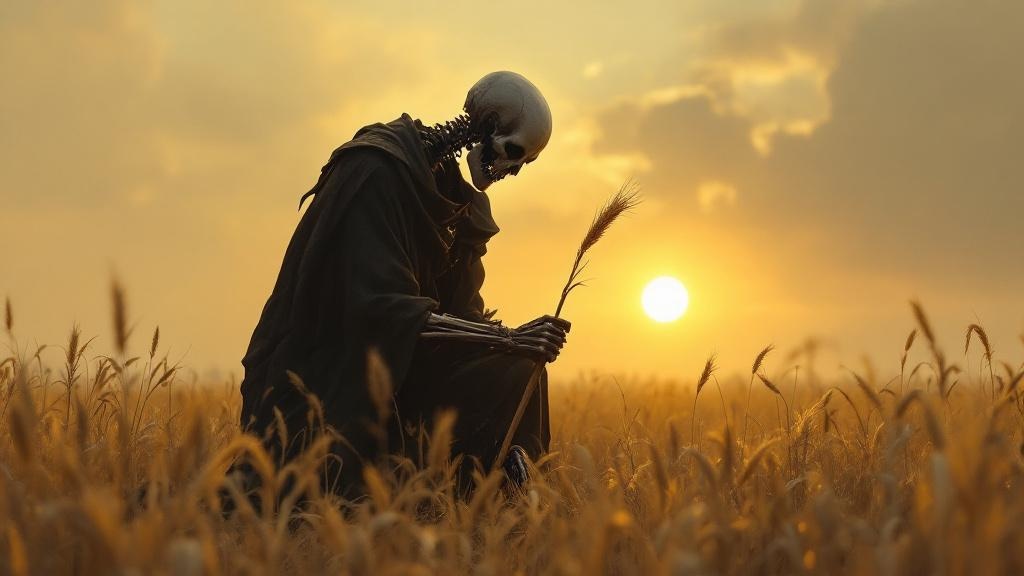
The Bill Door sections of Reaper Man unfold slowly, almost peacefully—a striking contrast to the chaotic B-plot in Ankh-Morpork. Pratchett gives Death space to discover simple things: the satisfaction of manual labor, the rhythm of farmwork, the taste of porridge.
But it's the harvesting that changes him.
There's a wonderful exchange where Miss Flitworth watches Bill Door work with a scythe:
"It's good. You've got the swing and everything."
THANK YOU, MISS FLITWORTH.
"But why one blade of grass at a time?"
THERE IS ANOTHER WAY?
"You can do lots in one go, you know."
NO. NO. ONE BLADE AT A TIME. ONE TIME, ONE BLADE.
"You won't cut many that way."
EVERY LAST ONE, MISS FLITWORTH. TRUST ME ON THIS.
Here's Death, stripped of his cosmic power, doing exactly what he's always done—taking each life individually, one at a time, with care. The metaphor is anything but subtle, but it works because it's earned through character. Bill Door isn't making a philosophical point. He genuinely doesn't know another way.
The Parlor Scene: When Death Has Nothing to Say
On the evening of the third day, Miss Flitworth invites Bill Door into her parlor. She wants to tell him about Rufus, about waiting sixty years for a man who never came.
And Bill Door has nothing to offer.
He has witnessed every death in history. He has seen every form of human grief. But faced with one lonely woman's quiet sorrow, he finds himself speechless. The universal becomes personal, and personal grief is harder to navigate than cosmic duty.
This is what the Auditors feared. Death isn't supposed to care. He's supposed to be a function, not a friend. But Bill Door sits in that parlor and learns something no accumulation of cosmic experience could teach him: that individual loss matters, that one person's grief is as infinite as all the deaths he's ever attended.
The Dream on the Fourth Morning
Death has been many things, but he's never been afraid. Then, on the fourth morning, he wakes from a dream with a cry of terror that rouses the entire farm.
"I SUDDENLY KNOW THAT WE ARE GOING TO DIE."
There it is—the moment when Death understands mortality from the inside. Not as the necessary end he administers, but as the terror that shadows every living thing. He's experienced death a trillion times and never once understood what it meant until now.
Miss Flitworth's response? "Keep busy and act cheerful."
It's not profound. It's not meant to be. It's how humans actually cope—not through wisdom, but through work and pretense and getting on with things. Death learns from her not philosophy but survival.
The New Death: Crown vs. Harvest
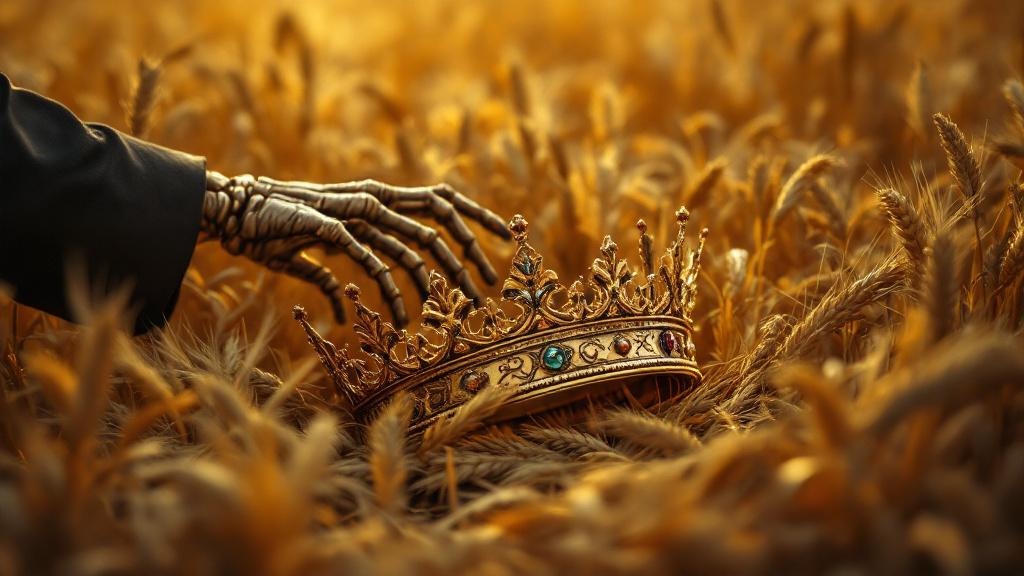
When humanity's collective fear of death finally coalesces into a New Death, it appears wearing a crown—a king, a ruler, death as tyrant.
The confrontation is brutal. The New Death mocks Bill Door: "You never wanted to rule."
No. He didn't. And that's exactly the point.
"NO CROWN. NO CROWN. ONLY THE HARVEST."
The New Death sees mortals as subjects. Bill Door sees them as a harvest to be cared for. The difference isn't semantic—it's the entire philosophical heart of the book.
Death doesn't take lives. He collects them. He's not a king ending his subjects; he's a farmer bringing in the crop. And what does any harvest hope for, if not for the care of the one who gathers it?
Miss Flitworth's Gift
Just as the New Death is about to destroy Bill Door, Miss Flitworth gives him something impossible: she wills him some of her own remaining time. Her hourglass tilts, sand flowing from her life into his.
With that borrowed time, Bill Door grasps the tangible scythe he used on the farm—not his infinite blade of office, but an ordinary farm tool sharpened by his own rage—and destroys the crowned pretender.
This is Pratchett at his most deliberate. The New Death, a creature of fear and dominion, is destroyed not by cosmic power but by a simple farm implement and the gift of a lonely old woman who found a friend.
The Dance
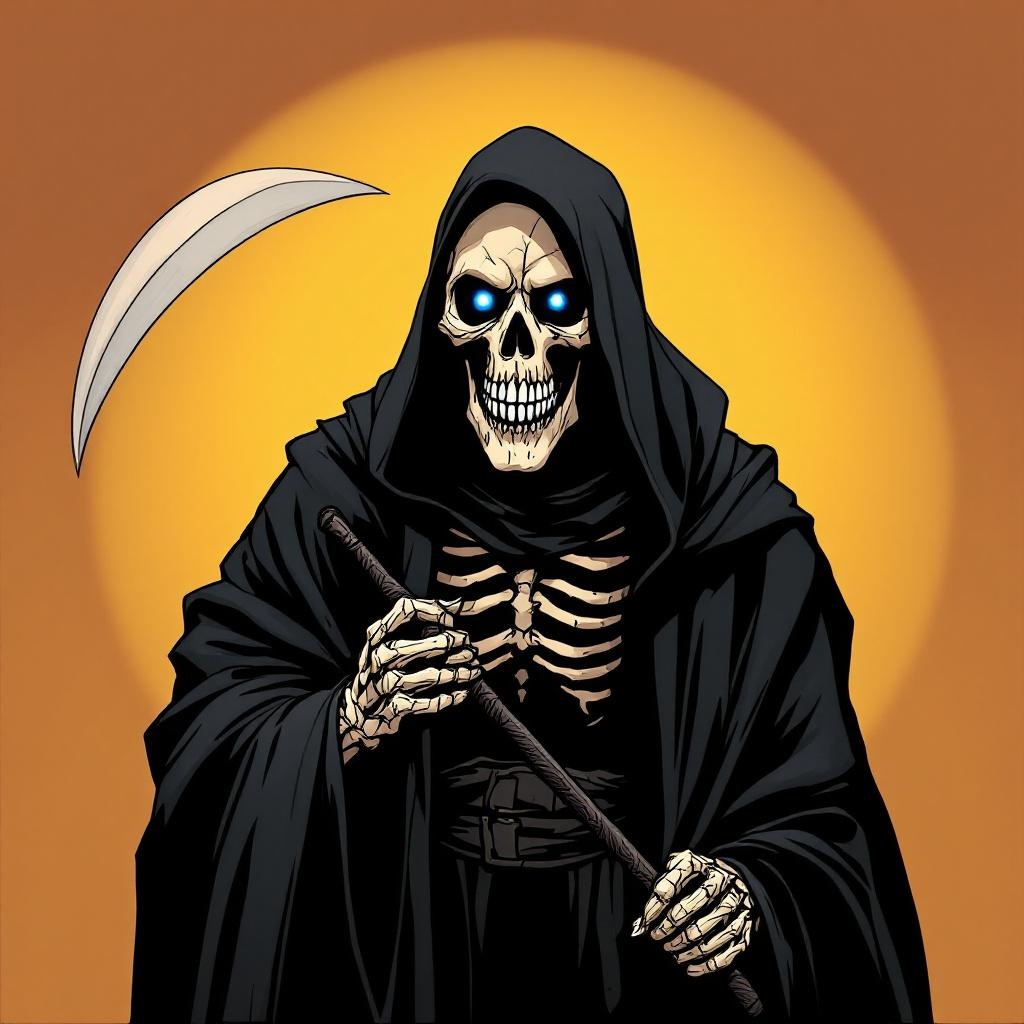
After defeating the New Death and reclaiming his position, Death returns to Miss Flitworth's farm at sunset. She's dead—died hours ago, actually.
But Death offers her a gift: the local Harvest Dance.

They dance through the night, Miss Flitworth in her never-worn wedding veil, Death in his black robe. At dawn, she realizes she's been dead the whole time. But Death isn't finished.
He puts her on Binky and rides backwards through time, to the moment when Rufus died in an avalanche on his way to their wedding. He reunites them—the bride who waited sixty years, the groom who never abandoned her.
"Who was that masked man?" she asks, in a reference to the Lone Ranger that feels somehow perfect.
Death doesn't answer. He doesn't need to. The harvest has been cared for.

The Appeal to Azrael
At the story's climax, Death confronts Azrael—the Death of Universes, the Great Attractor, an entity so vast that a supernova is merely the glint in his eye. Death pleads his case for being allowed to keep his personality, to remain the caring reaper rather than the mechanical function the Auditors wanted.
His argument: "LORD, WHAT CAN THE HARVEST HOPE FOR, IF NOT FOR THE CARE OF THE REAPER MAN?"
Pratchett invented this line himself—he wasn't quoting anything. But it sounds like it should be ancient wisdom, doesn't it? That's the trick. It feels true because it is true.
Azrael grants Death more time. The compassionate Death is allowed to continue existing. And from Reaper Man forward, we have the Death who saves the Hogfather, who dances with dying girls, who adopts a granddaughter and helps her grow up.
Why This Storyline Matters
The Bill Door sequence does something remarkable: it takes an inherently frightening concept—the grim reaper—and makes him not just acceptable but lovable.
"What can the harvest hope for, if not for the care of the reaper man?"
Death becomes human not by becoming weak but by becoming caring. His fury at the crown isn't about pride; it's about purpose. A king rules. A reaper serves. The distinction matters because it reframes death itself—not as a tyrant who takes from us but as a necessary function performed with something like love.
Readers facing terminal illness have written about finding comfort in Pratchett's Death. There's a famous story about a fan who asked their family to tell Death "I'd like my death to be small and friendly." This kind of connection doesn't happen with characters who are merely entertaining. It happens with characters who feel true.
The Bill Door storyline is where that truth was forged—in a farmhouse, with a lonely woman, learning to harvest one blade at a time.
The Crown Stays Off
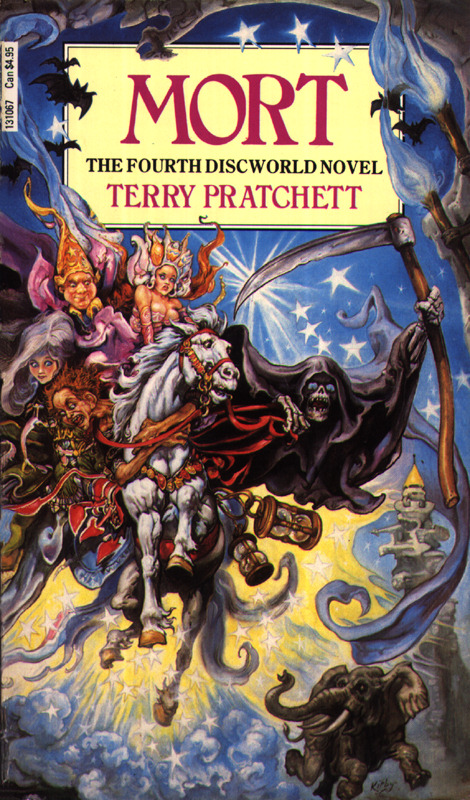
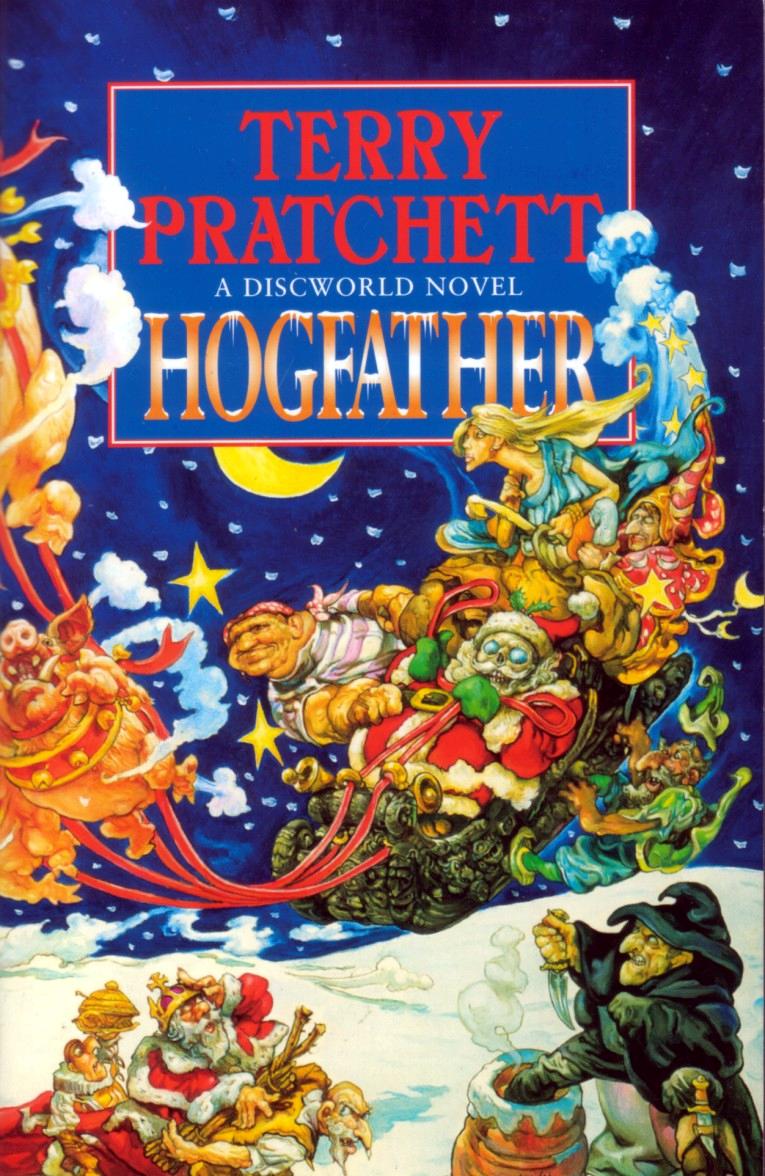
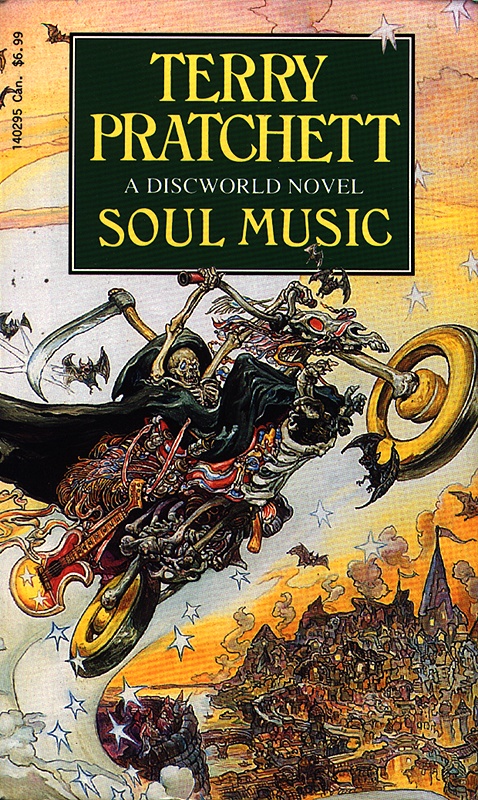
In every subsequent appearance, Death remains who Bill Door taught him to be: the careful reaper, never the crowned king. He saves Christmas in Hogfather. He grieves for his adopted family in Soul Music. He fights the Auditors again in Thief of Time.
Always without a crown. Always only the harvest.
WHAT CAN THE HARVEST HOPE FOR, IF NOT FOR THE CARE OF THE REAPER MAN?
It's not a question, really. It's a statement of purpose—the defining philosophy of Discworld's most beloved character, born in a farmhouse parlor, proven in a dance after death, and carried through every story that follows.
Want to continue Death's journey? Read about the aftermath in Soul Music, where Death confronts grief, or see his philosophy in action in Hogfather, where he saves humanity's capacity to believe.