The Lancre Coven: How Granny Weatherwax Leads Without Leading
Witches don't have leaders, yet Granny Weatherwax led them for decades. How the Lancre coven's unofficial boss mastered authority without hierarchy.
The Lancre Coven: How Granny Weatherwax Leads Without Leading
Business bookshelves are full of titles about "servant leadership", "leading from behind" and "influence without authority". They come with frameworks, four-quadrant diagrams and a foreword by somebody's CEO.
Granny Weatherwax would have used any one of them to prop up a wobbly table leg.
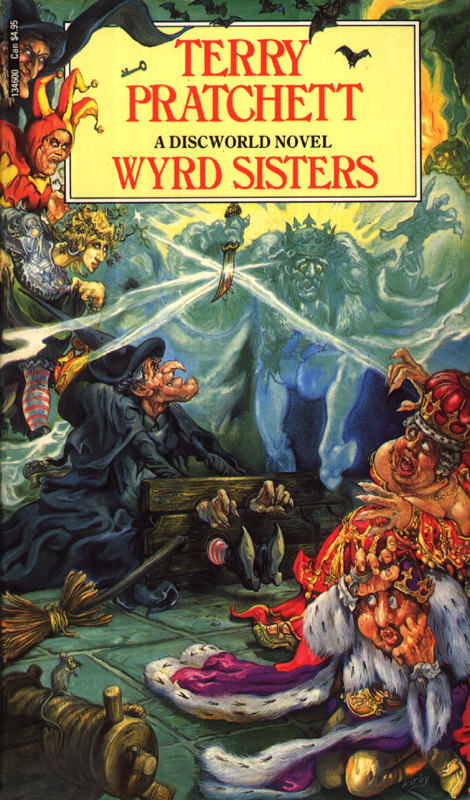
And yet she's one of the best case studies in that whole genre. Early in Wyrd Sisters, Terry Pratchett sets out the paradox that defines her:
"Witches are not by nature gregarious, at least with other witches, and they certainly don't have leaders. Granny Weatherwax was the most highly-regarded of the leaders they didn't have."
That's the whole job description. No title, no election, no badge of office, and no power to give anyone an order. Still, for decades, when something went badly wrong in the Ramtops, every witch in the mountains wanted to know what Esme Weatherwax was going to do about it.
So how does that work? How do you lead a group of fiercely independent women who would sooner eat their own hats than admit they have a boss? Let's look at how the Lancre coven actually runs.
A Coven That Isn't a Coven
Start with the fact that Granny doesn't really believe in covens.
In Wyrd Sisters, it's young Magrat Garlick who wants one. Magrat is the sort of witch who owns occult jewellery and reads books about ancient rituals, and she likes the idea of a proper, organised gathering. Granny regards the whole thing as fuss. Witches, in her view, get on with the work in their own steadings and only come together when there's something worth coming together for.
That reluctance matters. A leader who is desperate to lead builds structures to hold on to power: meetings, rules, ranks. Granny builds nothing. The coven exists because three witches keep ending up in the same place when trouble arrives, and because the other two keep (grudgingly or cheerfully) following her lead.
In Wyrd Sisters the ghost of a murdered king even addresses her as the "Doyenne of Witches", a title meaning something like senior lady among them. Note what kind of title that is. It describes a standing, not a job. Nobody appointed her. She just is the doyenne, the same way a mountain is the tallest thing around without ever running for office. Much later, in the Tiffany Aching books, the Nac Mac Feegle have their own name for her: the Hag o' Hags. Different words, same idea.
Maiden, Mother and Crone (and Who Really Runs It)
Pratchett built the Lancre witches on the old Maiden, Mother and Crone pattern: Magrat as the maiden, Nanny Ogg as the mother (with fifteen children, she's earned it), and Granny as the crone.
What's interesting is how little the roles map onto authority. On paper the crone is the senior figure, but the coven doesn't work because Granny outranks the others. It works because each of the three supplies something the others lack:
- Granny supplies judgement. She sees what's really going on, and she's usually right about it.
- Nanny supplies people. She knows everyone, everyone likes her, and she smooths the path for Granny's sharp edges.
- The maiden supplies a fresh pair of eyes, and the occasional reminder that Granny's way isn't the only way.
"She never had the power to give an order. She just had the habit of being right."
That last point is easy to miss. Magrat argues with Granny. So, later, does Agnes Nitt. Granny doesn't fire them for it, because she can't. There's nothing to fire them from. The only thing holding the coven together is that the others choose to listen, and that choice has to be re-earned every single time.
This is exactly what the management books mean by authority without hierarchy. Granny's influence rests entirely on track record. If she were wrong often enough, the others would simply stop turning up. She isn't, so they don't.
The Art of Being Managed by Nanny Ogg
Any honest account of Granny's leadership has to admit that a big chunk of it is quietly run by somebody else.
Nanny Ogg is the coven's diplomat, its public face and its pressure valve. When Granny has offended half the village, Nanny is the one who keeps them on side. When Granny's pride paints her into a corner, Nanny finds her a way out that doesn't look like a retreat. We've covered this double act in detail in The Granny-Wrangler, so here's the leadership lesson in brief.
Granny knows she's being handled, and she lets it happen. That is not weakness. It's one of the most important things a leader can do: recognise what you're bad at, and trust somebody who is good at it. Granny is hopeless at being liked. Nanny is brilliant at it. Between them they make one extremely effective witch.
The partnership also works the other way. Nanny has the warmth, but Granny takes on the hard, cold, necessary jobs that nobody else wants. Leadership in the coven isn't one person at the top. It's two people covering each other's blind spots, with one of them happy to let the other take the credit. (For a fuller comparison of the pair, see Granny Weatherwax vs. Nanny Ogg.)
Succession Without a Plan (That Anyone Can See)
The coven doesn't stay the same. Over the Witches books, the third seat changes hands, and how Granny handles each change says a lot about how she leads.
Magrat Moves On
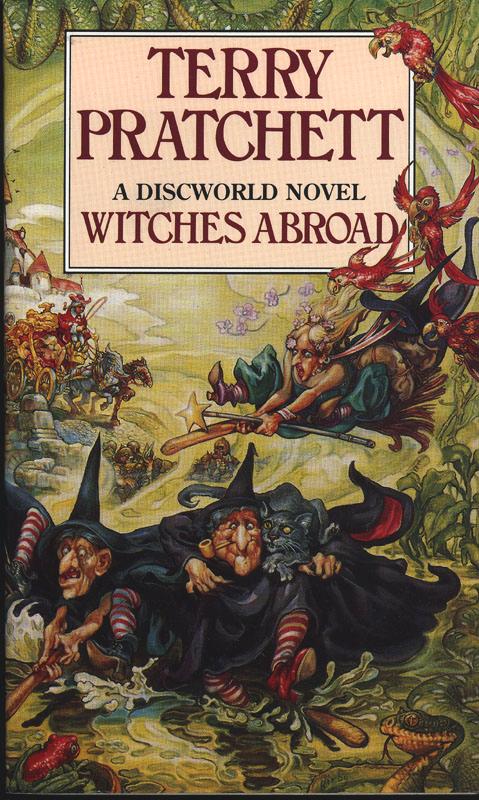
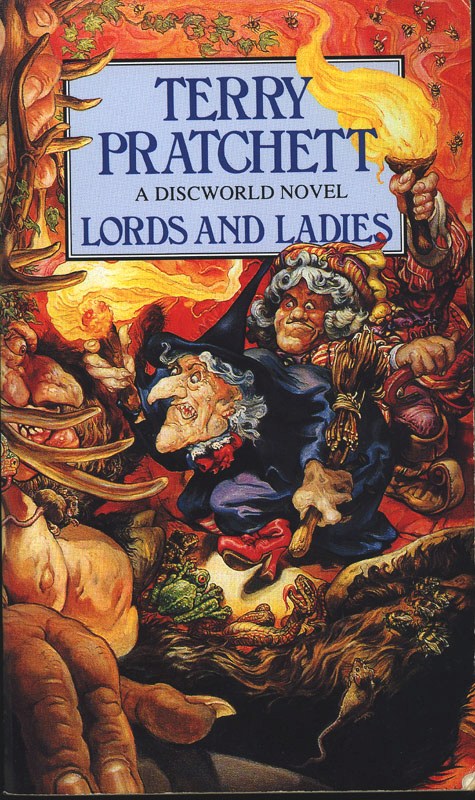
In Witches Abroad, Magrat is the one who's left a fairy godmother's wand, and Granny and Nanny come along for the journey to Genua whether she likes it or not. By Lords and Ladies, Magrat is engaged to King Verence, and the coven's maiden is about to become a queen.
Granny is not gracious about any of this, at least not out loud. She needles Magrat and the two of them fall out badly. But look at what actually happens by the end of the book: Magrat has found a strength she didn't know she had, and she's stepped into a role that suits her. Granny's prodding was abrasive, and also, as so often, exactly what was needed. (Our article on Magrat's wet-hen transformation traces that process.)
Agnes Is Recruited
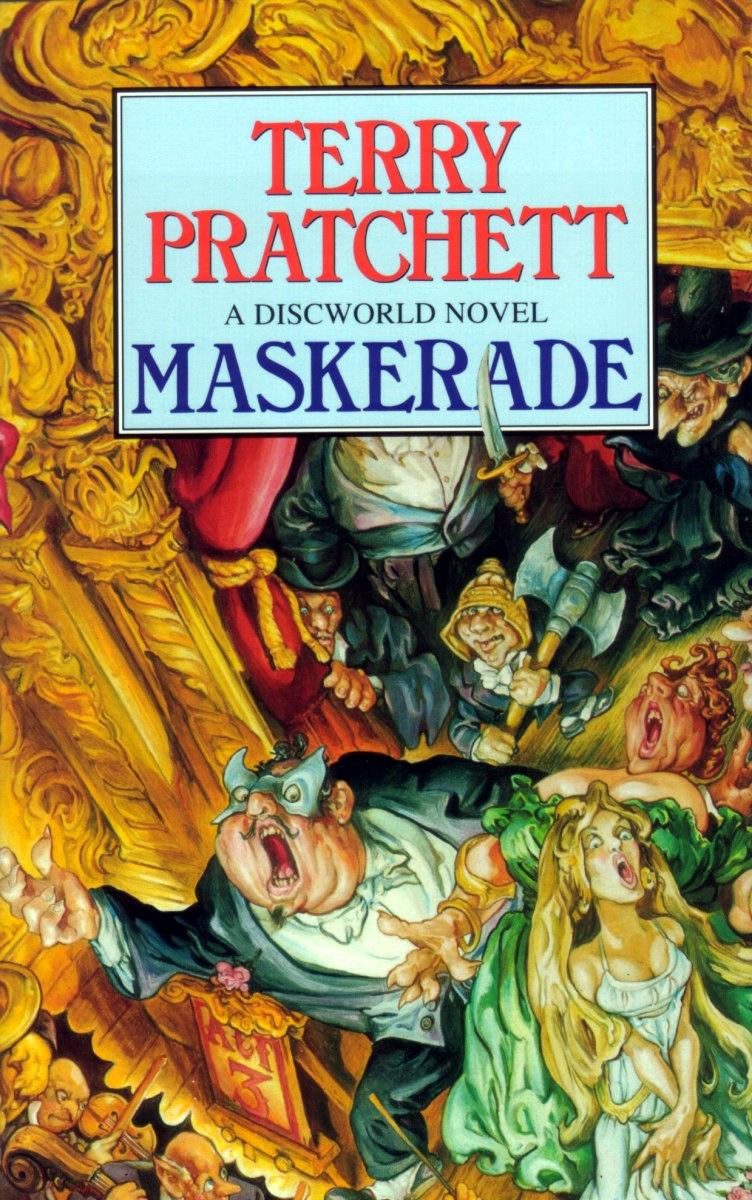
When Magrat leaves, the coven has a gap, and in Maskerade Granny and Nanny go all the way to Ankh-Morpork after Agnes Nitt, a Lancre girl with real talent who has run off to sing in the opera.
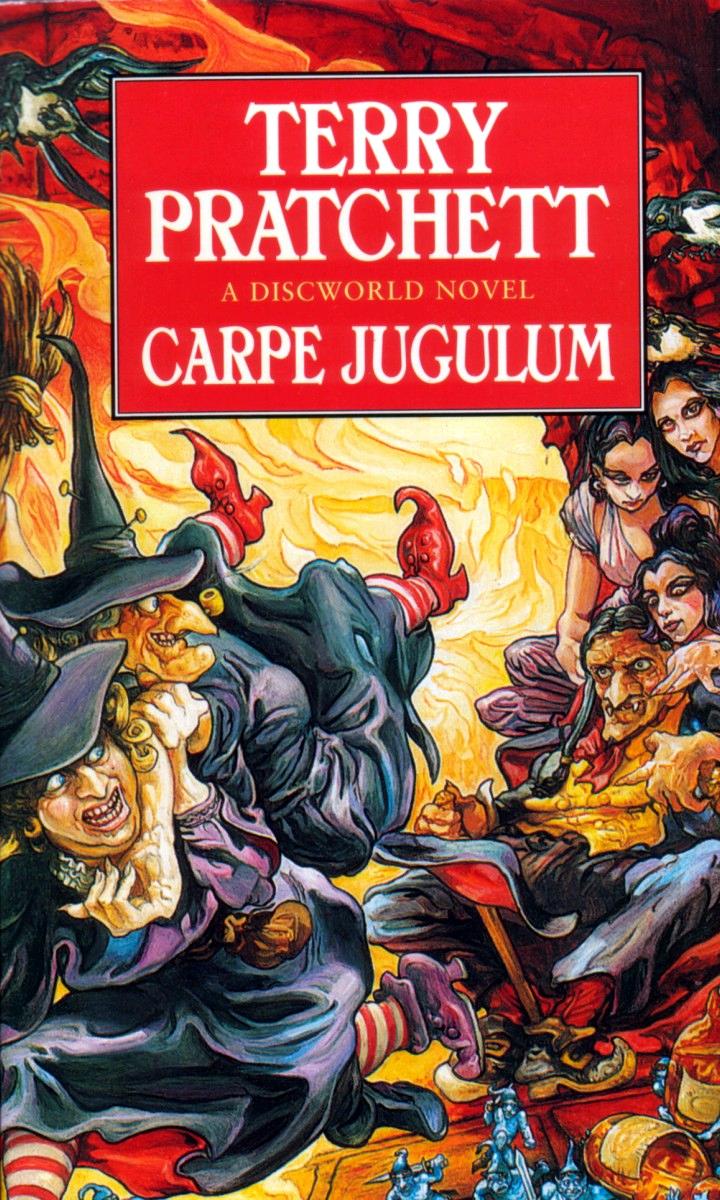
Agnes doesn't want to be a witch. That doesn't bother Granny much. She doesn't recruit Agnes by persuading her; she simply behaves as though the matter is settled and lets events prove her right. By Carpe Jugulum, Agnes is the third witch, Magrat is a mother, and the old Maiden, Mother and Crone arrangement has quietly reshuffled itself around Granny.
The Crone Is Overlooked
Carpe Jugulum is also where we see the limit of authority that rests on standing alone. Granny isn't invited to the royal christening, and the snub hits her hard, because it hints that the coven and the kingdom can carry on without her. That's the hidden cost of leading without a title: your position is only as secure as people's memory of why they needed you. Of course, by the end of the book they remember. (We dig into that comeback in Granny's Greatest Gambit.)
"We Don't Have Things Like Head Witches"
Once the series moves to the Chalk and to Tiffany Aching, we get to see Granny's leadership from the outside, through the eyes of a girl who's new to all of it.
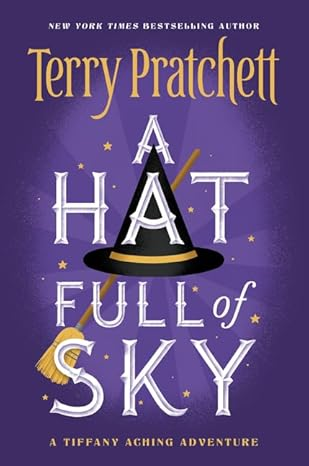
In A Hat Full of Sky, Tiffany asks the obvious question: so Mistress Weatherwax is the head witch, then? Her teacher Miss Level is shocked.
"Witches are all equal. We don't have things like head witches."
Miss Level believes this completely, and she's not wrong. There is no head witch. There's just a woman whom every other witch watches out of the corner of her eye.
"Granny's whole leadership style comes down to this: never take the job, and always do it."
The same book shows what that looks like in practice. Granny takes Tiffany up into the mountains to hunt the hiver, the creature that has been riding Tiffany's mind. Then, at the Witch Trials, she leaves Tiffany to face it alone. It looks like abandonment. It's actually the most respectful thing she could do: she trusts Tiffany to solve her own problem, and stays close enough to pull her back from Death when it counts.
The Annagramma Gambit
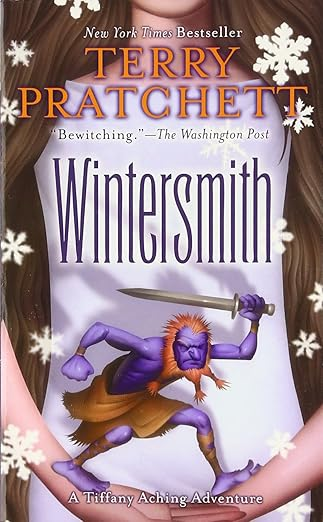
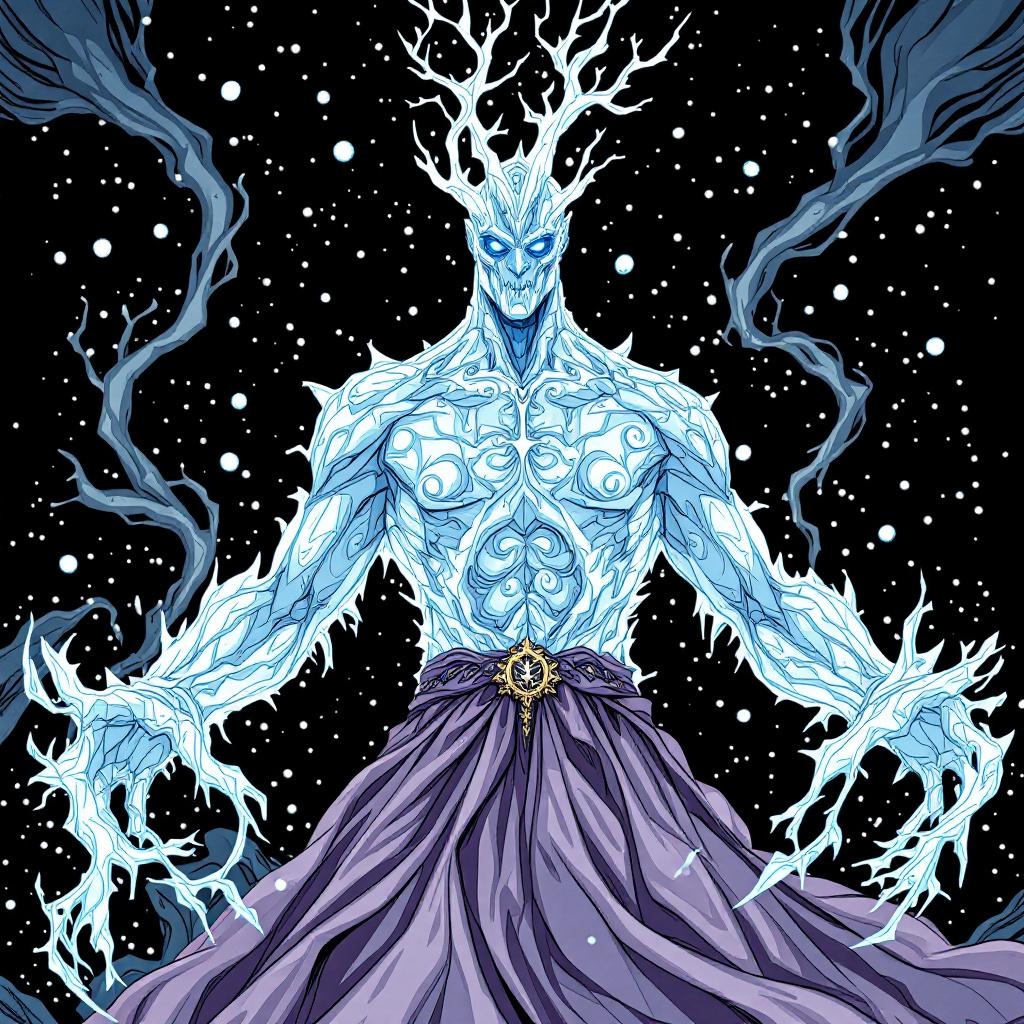
Wintersmith has Granny's most cunning piece of leadership, and you could easily read the whole book without noticing it.
When old Miss Treason dies, her cottage needs a new witch. Mrs Earwig, Granny's rival and the champion of the showy, robe-and-ritual style of witchcraft, wants her own star pupil, Annagramma, to have it. Annagramma is clever, well read and completely unprepared for the actual work of a steading.
Granny doesn't fight Mrs Earwig. She lets Annagramma have the cottage. Annagramma, predictably, starts to drown. And then Tiffany rallies the other young witches to help her, teaching her the practical, everyday work of being a witch.
As the L-Space wiki points out, this is exactly what Granny was after. In one move she shows up the weakness of Mrs Earwig's approach without ever saying a word against it. She gives Annagramma a hard lesson that will make her a better witch. And she makes Tiffany the natural leader of the younger generation, through Tiffany's own actions rather than anyone's say-so. That's leading from behind, done so well that the people being led never notice.
The Final Handover
(Spoiler warning: this section discusses the ending of Granny's story in The Shepherd's Crown.)
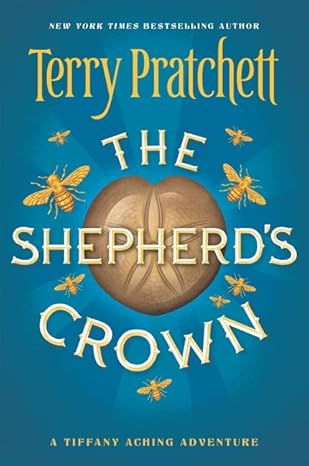
Granny's last act of leadership is the one she planned most carefully. In The Shepherd's Crown, she knows her time has come, and she has already decided who comes next. She leaves her cottage, her steading and her responsibilities to Tiffany Aching.
Notice what she doesn't leave, because she never had it to give: a title. Tiffany can't be appointed head witch any more than Granny was. She inherits the cottage and a great deal of extra work, and she has to earn her standing among the other witches all over again.
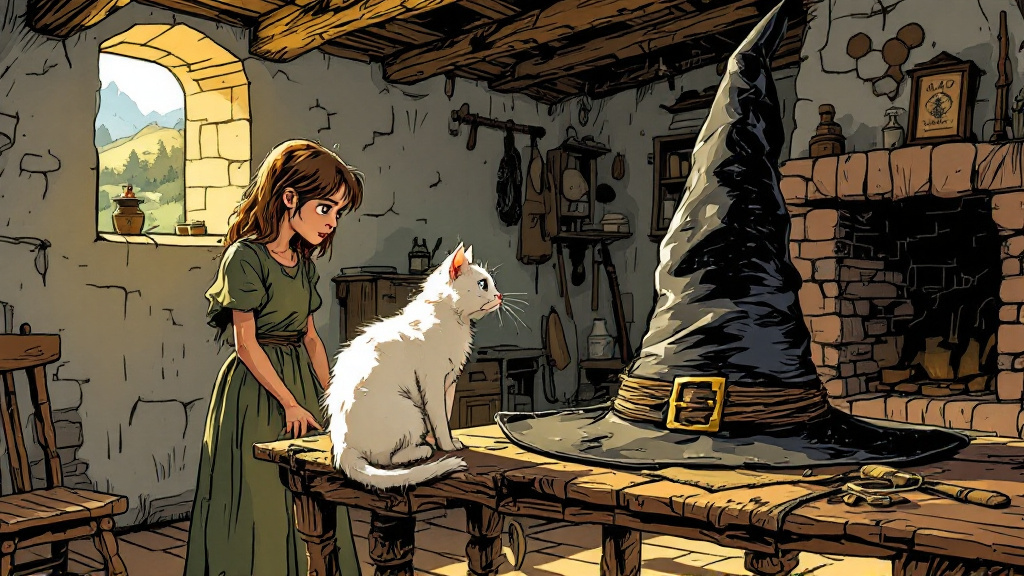
That's also where the book is wisest. Tiffany first tries to live up to Granny by doing everything the way Granny did, and wears herself out trying to run two steadings at once. She only finds her feet when she accepts that she has to do the job her own way. Granny's real legacy isn't a method to copy. It's the example of someone who did what needed doing without waiting for permission.
What Granny Teaches About Leadership
Strip away the pointy hats and you get a fairly modern set of principles:
- Authority comes from being right, not from being in charge. Granny's influence lasts exactly as long as her judgement is sound, and it usually is.
- Know what you're bad at. She lets Nanny Ogg do the people work, and the coven is better for it.
- Let people fail, but not fall. From Tiffany and the hiver to Annagramma's cottage, she lets people struggle right up to the edge, and stays close enough to catch them.
- Build leaders, not followers. Magrat becomes a queen, Agnes becomes a witch, Tiffany becomes her successor. None of them turns into a copy of Granny.
- Don't take the title. A title would give people something to argue with. Standing gives them nothing to push against.
Modern leadership theory spent decades and a lot of conference fees arriving at these ideas. Granny got there by living alone on a mountain, being right most of the time, and refusing to let anyone call her the boss.

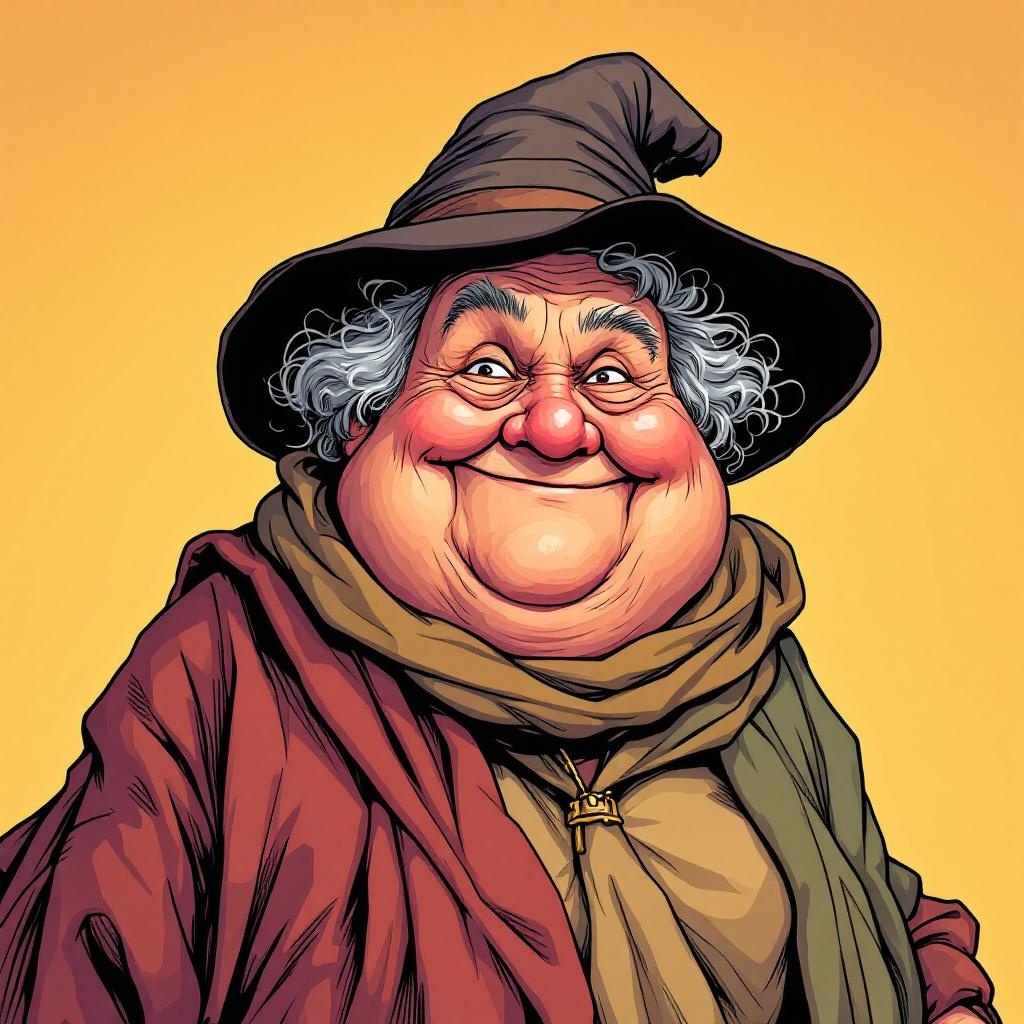

The Leader They Didn't Have
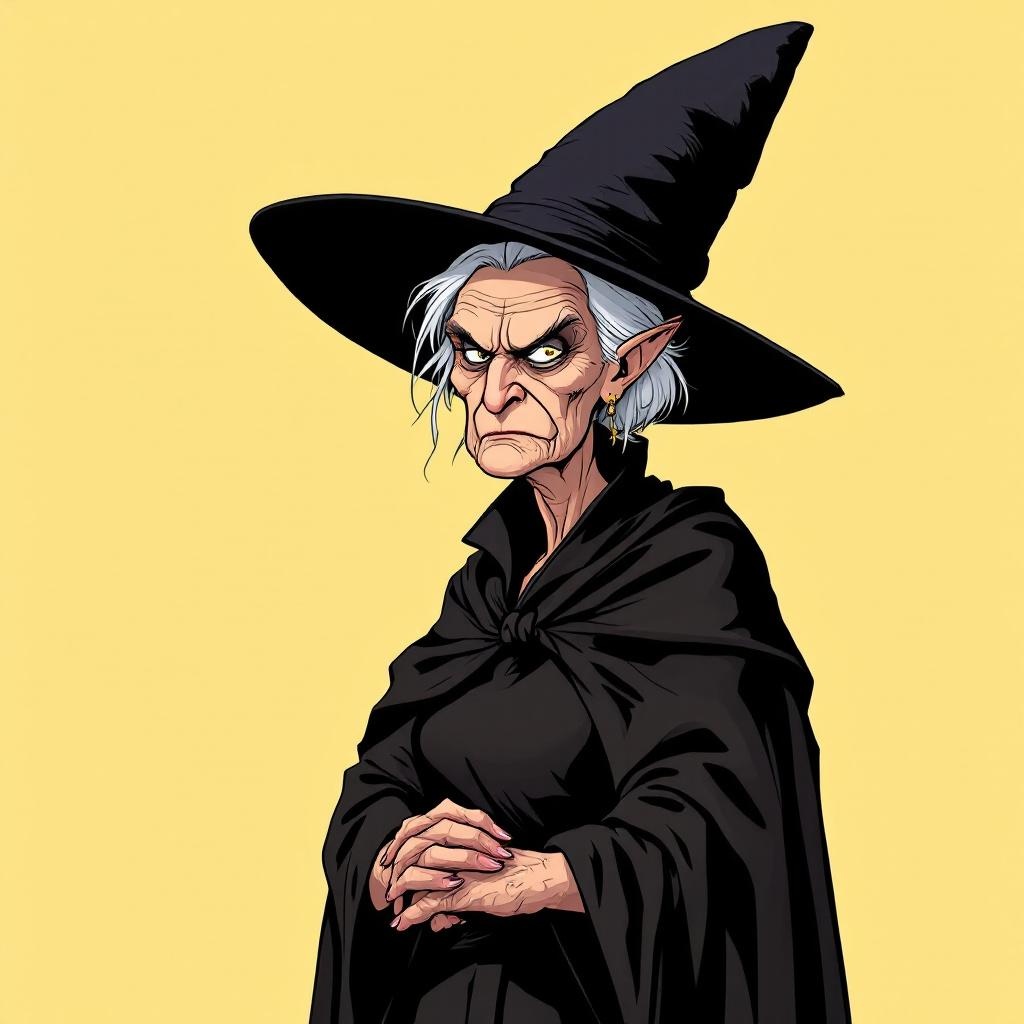
So how does Granny Weatherwax lead without leading? By making herself the one person everyone checks with, and then never asking anyone to check with her. She holds no office, so nobody can vote her out. She gives no orders, so nobody can disobey them. All she has is a long record of being right and a coven that keeps choosing to follow her.
If you want to watch it happen, start with Wyrd Sisters for the coven at its most chaotic, then jump to Wintersmith to see what decades of practice look like. Our Witches reading order guide will take you through everything in between.
She'd hate being called a leader, of course. Which is exactly why she was such a good one.