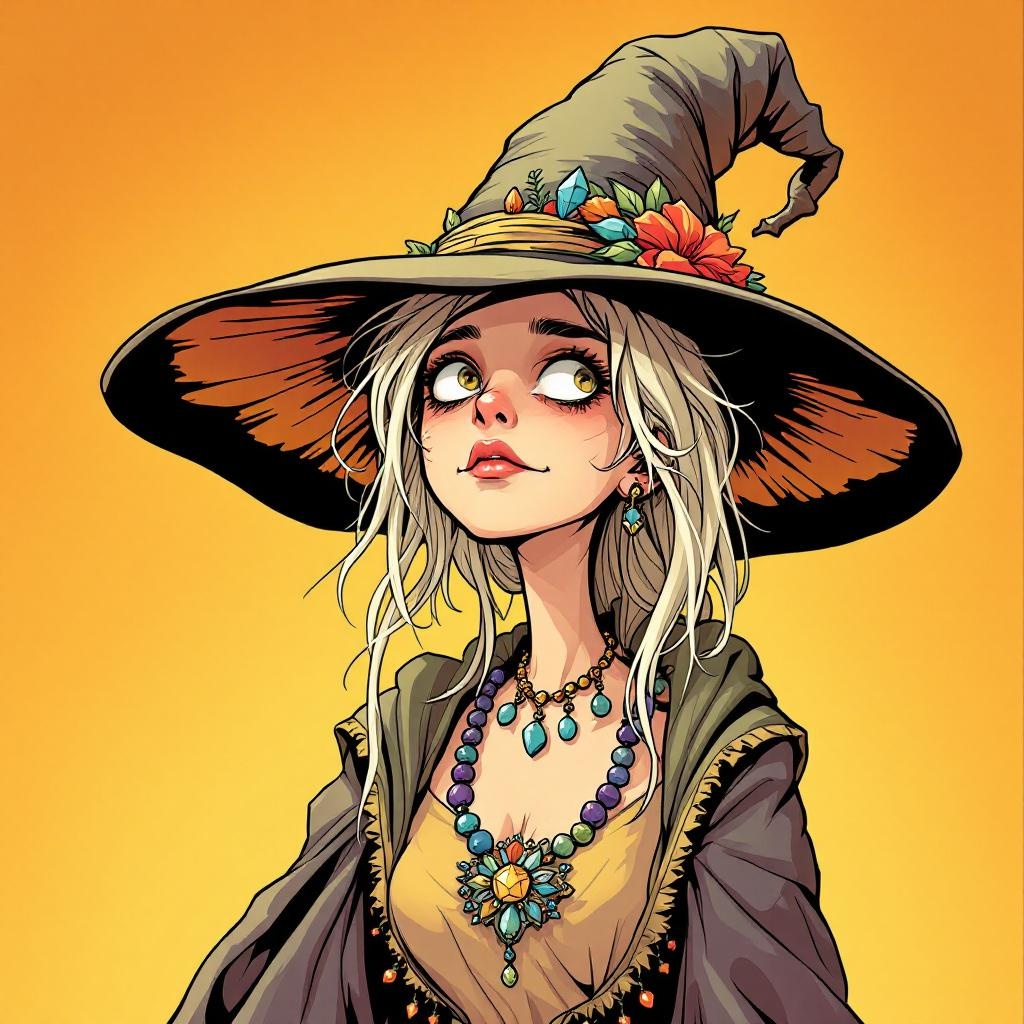
The Granny-Wrangler: How Nanny Ogg Manages the Most Formidable Woman on the Disc

Nanny Ogg is the only person who can handle Granny Weatherwax. Here's how she does it—through warmth, humor, and the most sophisticated headology in Discworld.
The Granny-Wrangler: How Nanny Ogg Manages the Most Formidable Woman on the Disc
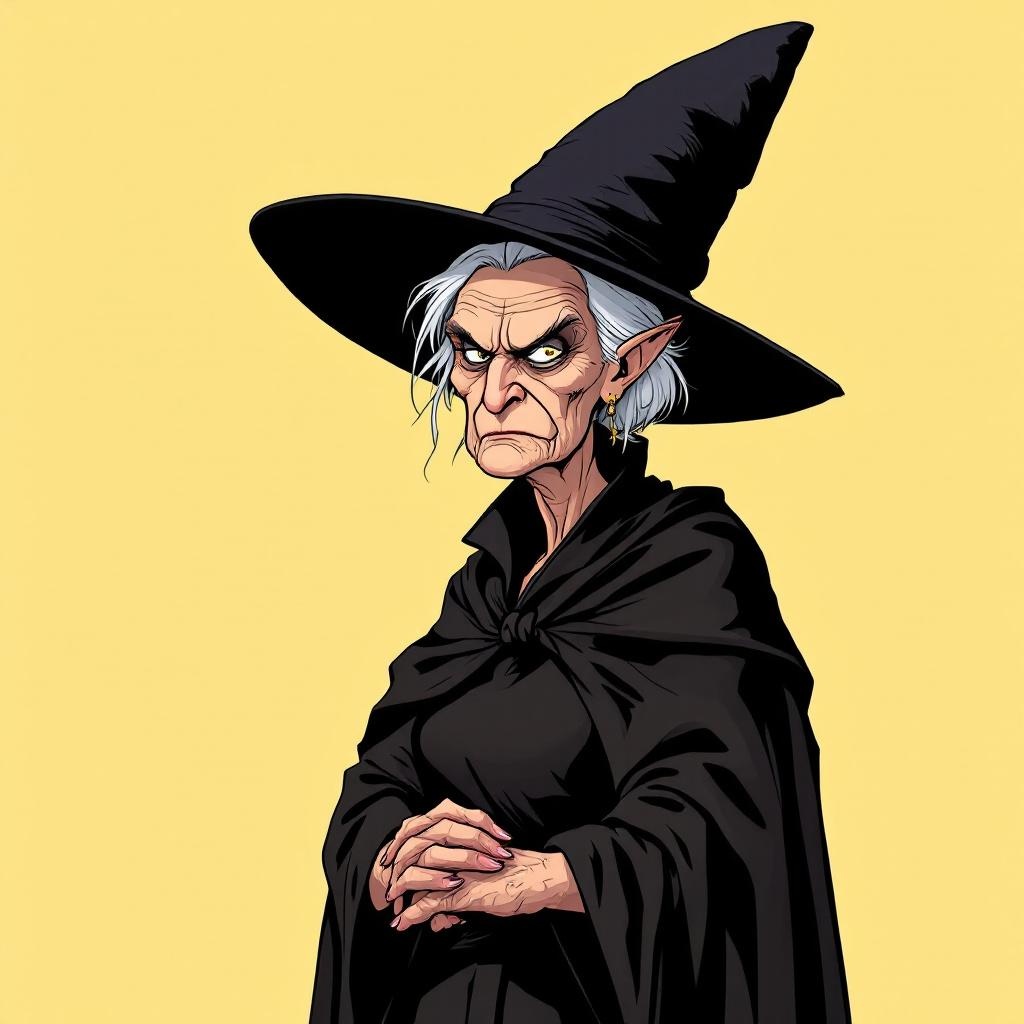
Granny Weatherwax has stared down Death. She's out-stubborned vampires, faced off against the Queen of the Elves, and once won a card game against the collective might of Lancre's witches through sheer bloody-mindedness. Kings defer to her. Wizards avoid her. Entire nations have learned not to make her cross.
And Nanny Ogg can get her to do the washing up.
That's not a joke. Well, it is, but it's also the most impressive feat of headology in forty-one Discworld novels. Because managing Granny Weatherwax—keeping her pointed in the right direction, keeping her human, keeping her from tipping over into the dark—is arguably the most important job on the Disc. And Nanny does it while singing bawdy songs and drinking everyone else's alcohol.
The Smile in the Scullery
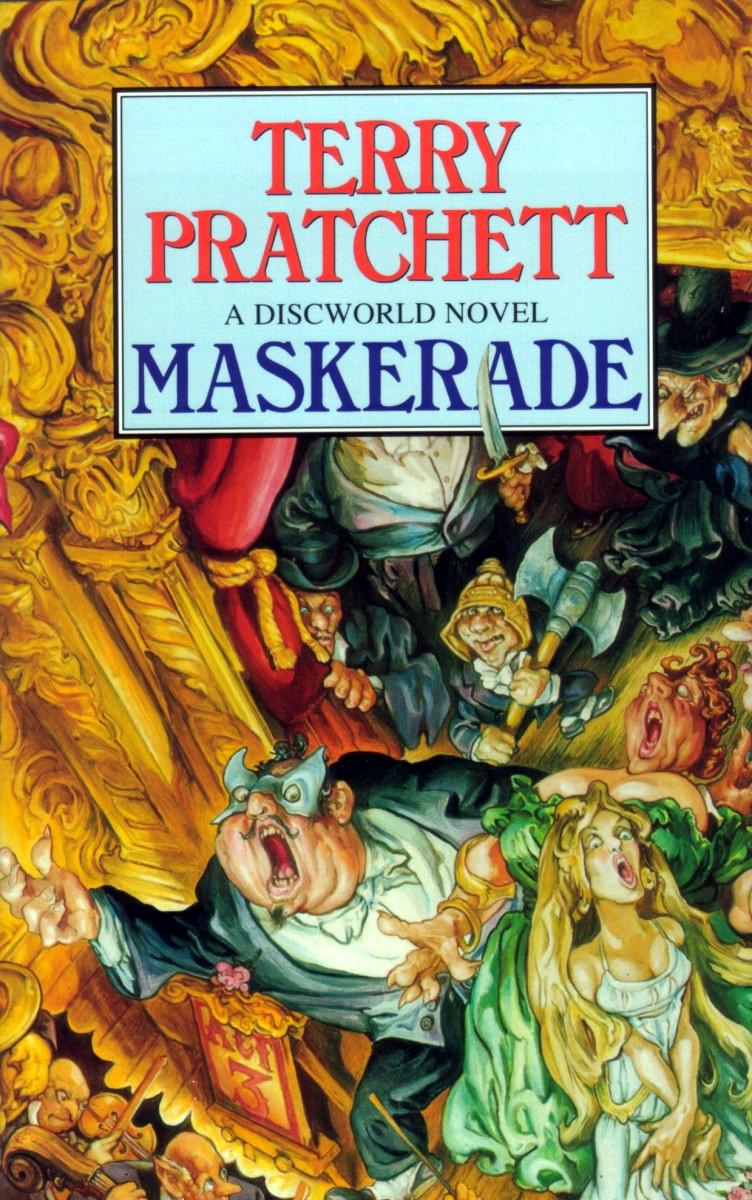
The single most revealing moment in Nanny Ogg's entire character arc happens in Maskerade, and it takes exactly one sentence.
Here's the setup: Granny has been brooding. She's isolated, getting darker, spending too much time alone in her cottage. Anyone who knows the history of Lancre's witches knows where that road leads—Black Aliss went that way, and she ended up living in a gingerbread house and meeting a bad end involving an oven.
"In the scullery, Nanny Ogg smiled to herself."
Nanny notices. Of course she notices. So she engineers a crisis. There's a letter about Agnes Nitt at the Opera House. There's the discovery that Nanny's cookbook publisher hasn't been paying her. There's righteous indignation and the need for someone—someone competent and intimidating—to go to Ankh-Morpork and sort things out.
Granny takes charge. Obviously. She'll handle this. She'll go to the city, deal with the publisher, investigate the opera. It was practically her idea.
And then Pratchett gives us that one devastating line: "In the scullery, Nanny Ogg smiled to herself."
The entire trip—the letters, the outrage, the supposedly spontaneous decision—was Nanny's operation from the start. She needed to get Granny out of that cottage before something went very wrong, and she did it so smoothly that the most headology-resistant person on the Disc never suspected a thing.
That's not manipulation. That's art.
Knowing Where the Dark Is
To understand why Nanny works so hard at managing Granny, you need to understand what she's managing against.
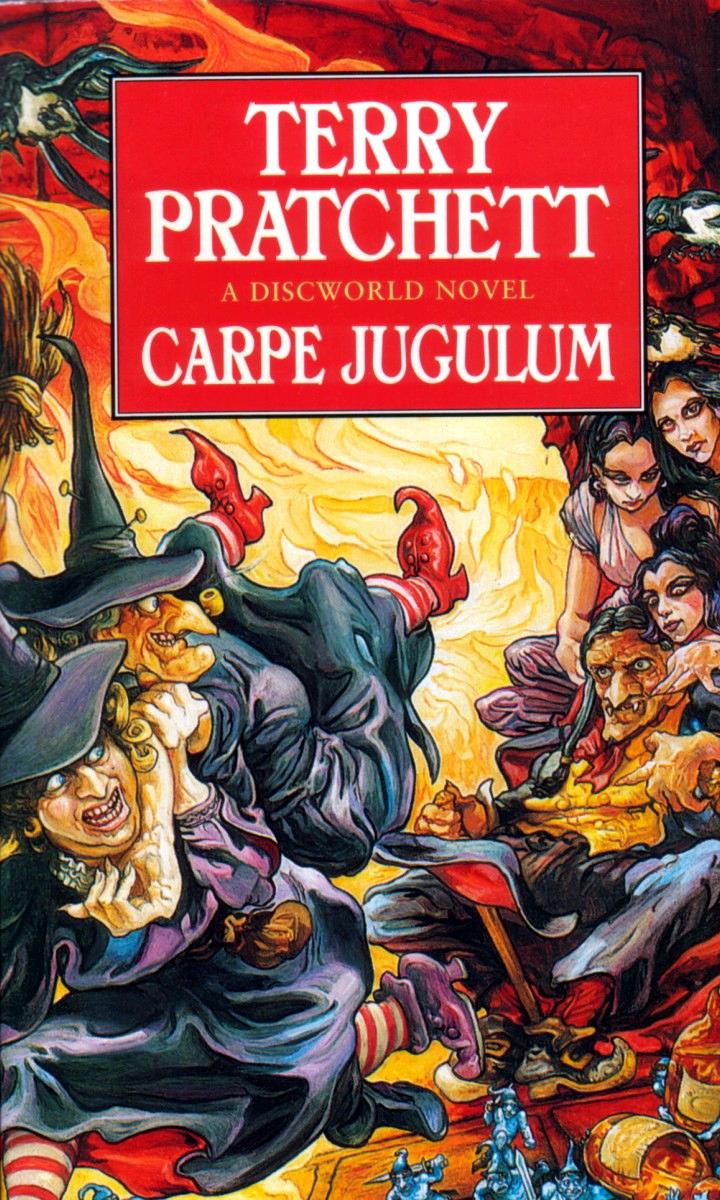
In Carpe Jugulum, Nanny explains the Weatherwax family history with characteristic bluntness: "There's always been a bit of the dark in the Weatherwaxes." She references old Allison Weatherwax, Granny's grandmother, who "went to the bad" and headed off to Uberwald. And of course there's Lily Weatherwax, Granny's own sister, who became a fairy godmother turned tyrant in Witches Abroad.

The darkness isn't theoretical. It's genetic. And Granny knows it better than anyone. As Nanny puts it, she's "terrified she'll go bad without noticin'." That's why Granny is constantly standing behind herself, criticizing what she's doing—she's running a permanent self-audit against the family tendency toward evil.
But self-audits have limits. You can't always see your own blind spots. That's what Nanny is for.
She serves as Granny's "conscience and reality-check"—the person who watches for the early warning signs. When Granny gets too isolated, Nanny manufactures reasons for her to engage with people. When Granny gets too harsh, Nanny smooths things over with the villagers afterward. When Granny starts drifting toward the kind of pride that ate Lily alive, Nanny is there to deflate it with a well-timed dirty joke.
It's the most thankless job in witchcraft. And the most essential.
The Art of Strategic Deference
Here's the thing about managing someone like Granny Weatherwax: you can never, ever let her know you're doing it.
Granny's pride isn't just a character trait—it's load-bearing. It's what holds her together, what keeps the dark in check. She needs to believe she's in charge, that she's the strongest, that she's the one making the decisions. The moment she suspects she's being handled, the whole structure collapses.
"She is wiser than Esme Weatherwax in some ways, and certainly wise enough not to show it."
Nanny understands this instinctively. She defers to Granny on everything that looks important while quietly steering everything that actually matters. Granny gets the dramatic confrontations, the big speeches, the moments where she faces down evil with nothing but a hard stare. Nanny gets the planning, the logistics, the behind-the-scenes social engineering that makes those confrontations possible.
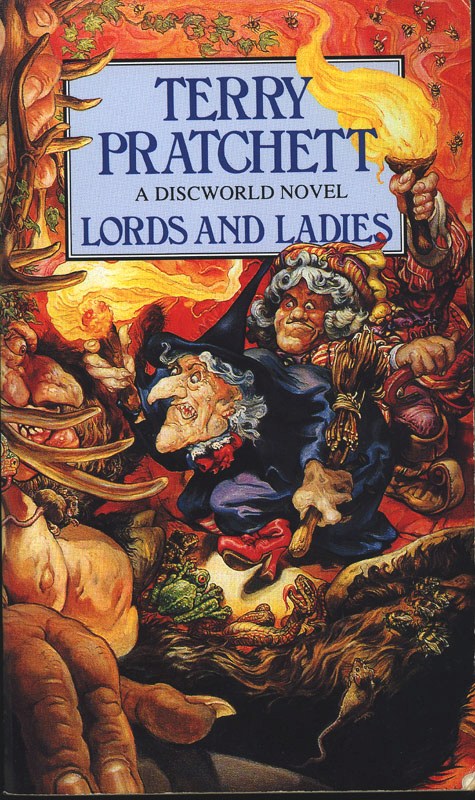
In Lords and Ladies, while Granny prepares for her direct battle with the Elf Queen, it's Nanny who handles the diplomatic back channel—traveling to meet the Elf King, charming a being of alien intelligence into helping, and securing the alliance that makes the final victory possible. Granny's approach was confrontation. Nanny's was conversation. Both were necessary. But only one of them looked heroic afterward.
This isn't subservience. It's the highest form of partnership—knowing that the best outcome requires you to stay in the background, and being secure enough not to mind.
The Silence Weapon
One of Nanny's most potent tools for managing Granny isn't what she says. It's what she doesn't say.
"One of Nanny Ogg's hidden talents was knowing when to say nothing. It left a hole in the conversation that the other person felt obliged to fill."
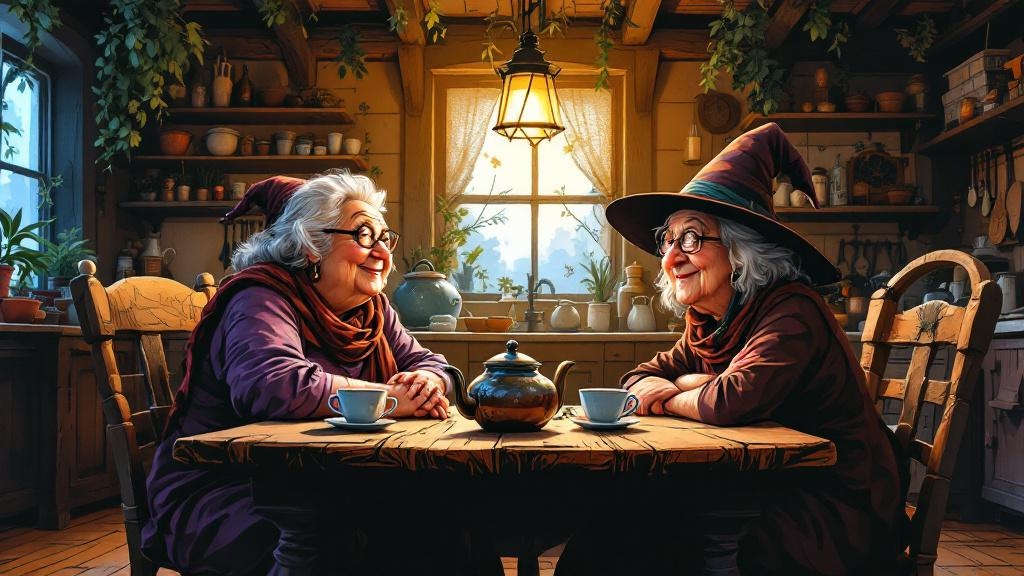
Think about how extraordinary this is when applied to Granny Weatherwax. Granny, who can win staring contests with Death. Granny, who uses silence as a weapon against everyone else. When Nanny deploys silence, even Granny finds herself talking to fill the void—revealing things she'd never say if directly asked.
It's headology turned inward on the coven. Granny uses headology on villagers. Nanny uses it on Granny. And because Nanny's version works through warmth rather than intimidation, it's almost invisible. People don't realize they're being managed when the person managing them is making them a nice cup of tea and nodding sympathetically.
The Buffer Zone
Nanny's management role extends beyond her direct relationship with Granny. She's also the essential buffer that makes the whole coven function.
Pratchett makes this explicit in Maskerade: "Without Magrat, Nanny Ogg and Granny Weatherwax got on one another's nerves. With her, all three had been able to get on the nerves of absolutely everyone else in the whole world, which had been a lot more fun."
The coven needs three witches—Maiden, Mother, and Crone. But more importantly, Granny needs someone between her and the world. Someone who can translate her harshness into something people can live with. Someone who "runs around getting people to make up when there's been a row."
That's always Nanny. Whether the third witch is Magrat or Agnes, Nanny is the one holding the group together. She smooths conflicts, absorbs Granny's bad moods, and makes sure the Maiden of the moment doesn't get completely steamrolled.
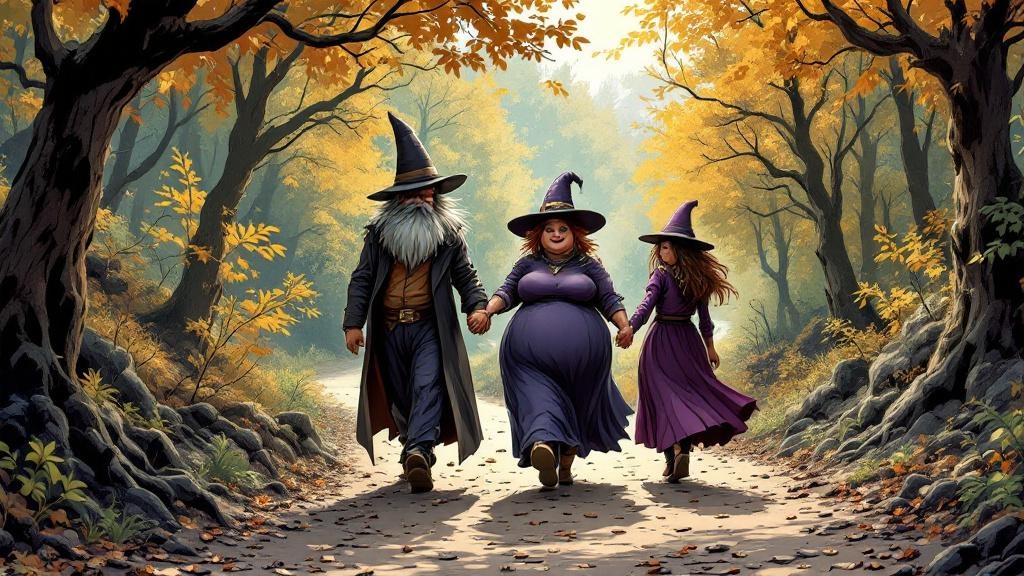
It's the emotional labor of witchcraft—invisible, exhausting, and absolutely essential. In Maskerade, when Nanny fills in the role of both Mother and concerned friend, she reveals just how much work goes into keeping the coven, and Granny, running smoothly.
Why Granny Tolerates It
Here's the question that makes this relationship so fascinating: Granny Weatherwax is nobody's fool. She knows headology better than anyone alive. So why does she tolerate Nanny's management?
The answer is complicated, and it might be the most human thing about Granny.
On some level, she needs it. Granny knows about the dark in the Weatherwaxes. She knows she needs someone watching her back—not for enemies, but for herself. Nanny is the early warning system she can't provide for herself, and Granny is smart enough to know that, even if she'd never admit it.
"People go to Granny Weatherwax when they have no choice. They go to Nanny for advice all the time."
But there's something deeper. Nanny is described as Granny's "oldest and perhaps only friend." Not her only ally, not her only colleague—her only friend. The distinction matters. Granny has earned respect, fear, and grudging admiration from half the Disc. But genuine friendship? The kind where someone likes you enough to tell you when you're being an idiot, but does it gently because they actually care? That's rare for anyone. For someone as formidable as Granny, it might be unique.
Nanny's broadmindedness is the counterbalance to Granny's judgmental nature. Where Granny is severe, Nanny makes lewd remarks. Where Granny sees moral imperatives, Nanny sees complicated humans doing their best. They shouldn't work as friends, but they do—precisely because each has what the other lacks.
Granny tolerates the management because it comes wrapped in something she desperately needs and would never ask for: unconditional friendship from someone who isn't afraid of her.
The Toughest Job on the Disc
Every powerful person needs a handler—someone who can tell them the truth when everyone else is too afraid to speak. Vetinari has Drumknot. Vimes has Sybil. And Granny Weatherwax has Nanny Ogg.
But Nanny's version of this role is uniquely demanding. She can't confront directly—Granny's pride won't allow it. She can't be obvious—Granny's headology would spot it immediately. She has to operate through warmth, through humor, through carefully manufactured crises and strategic silences. She has to manage the unmanageable while making it look effortless.
And she has to do it for decades. Every time Granny broods a bit too long. Every time she gets a bit too proud. Every time the dark creeps a little closer. Nanny is there, smiling in the scullery, engineering another small intervention that nobody will ever thank her for.
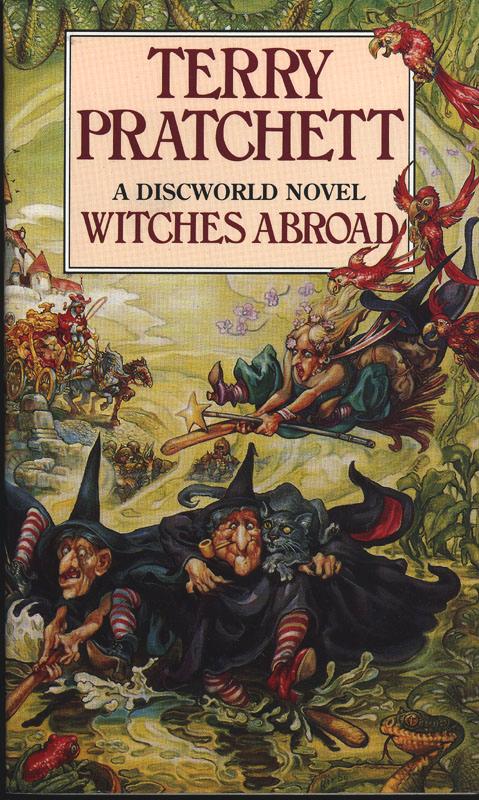
In Witches Abroad, Nanny sees firsthand what happens when a Weatherwax goes wrong—Lily's mirror-obsessed tyranny over an entire country. The horror of it isn't just what Lily became. It's the knowledge that Esme could become the same thing, and that Nanny is one of the few things standing between her friend and that abyss.
That's not a friendship. That's a calling.
The Real Headology
Granny Weatherwax invented headology. She refined it, weaponized it, turned it into the most powerful tool in a witch's arsenal.
And Nanny Ogg figured out how to use it on her.
That's the real genius of their relationship, and maybe of Nanny's entire character. She took Granny's own discipline, inverted it from intimidation to warmth, and used it to keep the most dangerous witch on the Disc pointed in the right direction for over forty years.
Every powerful person needs someone who can tell them the truth. Nanny Ogg figured out something better—she figured out how to make Granny Weatherwax tell it to herself, while thinking it was her own idea the whole time.
In the scullery, Nanny Ogg smiles to herself.
She always does.



Discover the secret power behind Nanny's jolly exterior, or explore Granny Weatherwax's own approach to headology.