Granny Weatherwax vs Nanny Ogg: Understanding Discworld's Greatest Witches
A deep dive into Discworld's iconic witch duo. Learn what makes Granny Weatherwax and Nanny Ogg so beloved, how they differ, and why their partnership is pure magic.
Granny Weatherwax vs Nanny Ogg: Understanding Discworld's Greatest Witches
If Sam Vimes is the heart of Ankh-Morpork, then Granny Weatherwax and Nanny Ogg are the soul of the Ramtops. Terry Pratchett created many unforgettable characters, but none quite like this pair of witches who could not be more different yet cannot function without each other.
At first glance, they seem like opposites. Granny Weatherwax is stern, intimidating, and lives alone in a cottage on the edge of the forest. Nanny Ogg is warm, sociable, and has more children and grandchildren than she can accurately count. But here's what makes them fascinating: they're not really opposites at all. They're two different answers to the same question—what does it mean to be a good witch?
The Basics: Who Are These Witches?
Granny Weatherwax
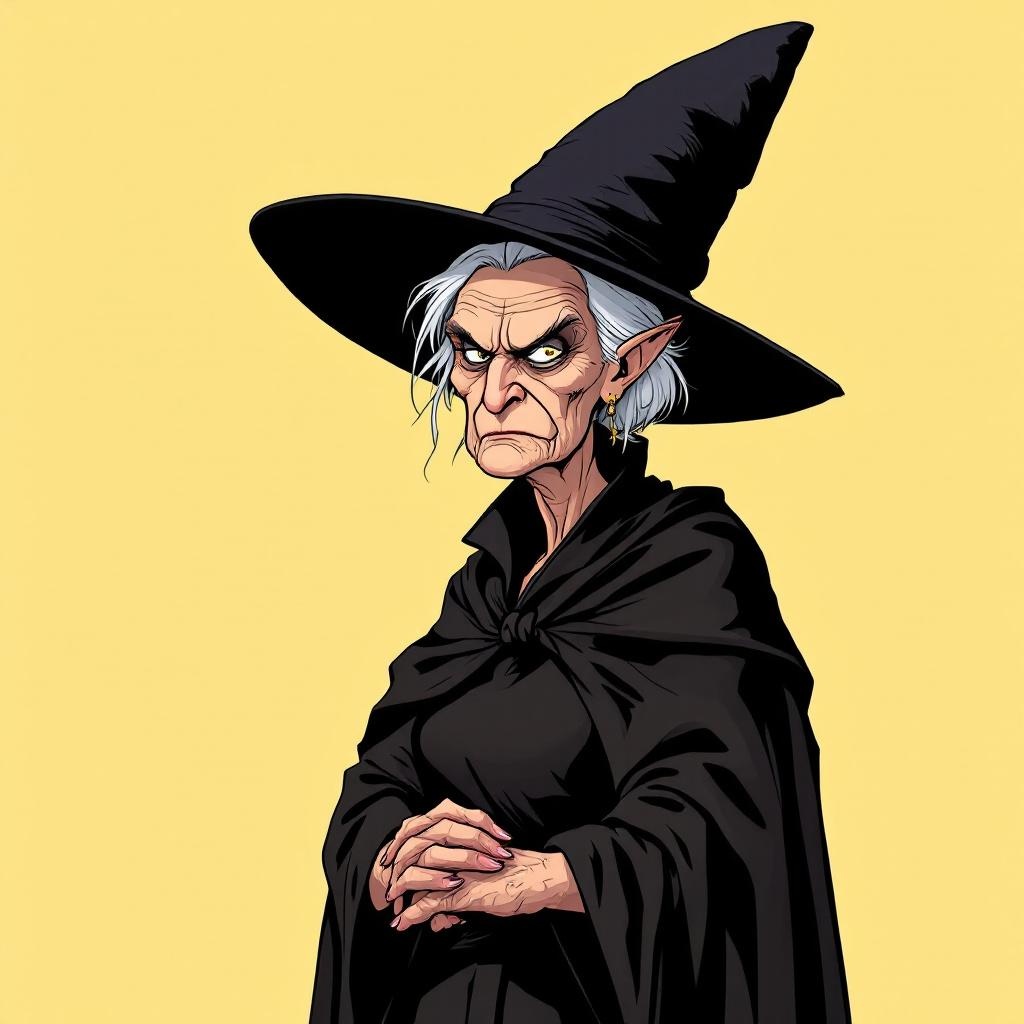
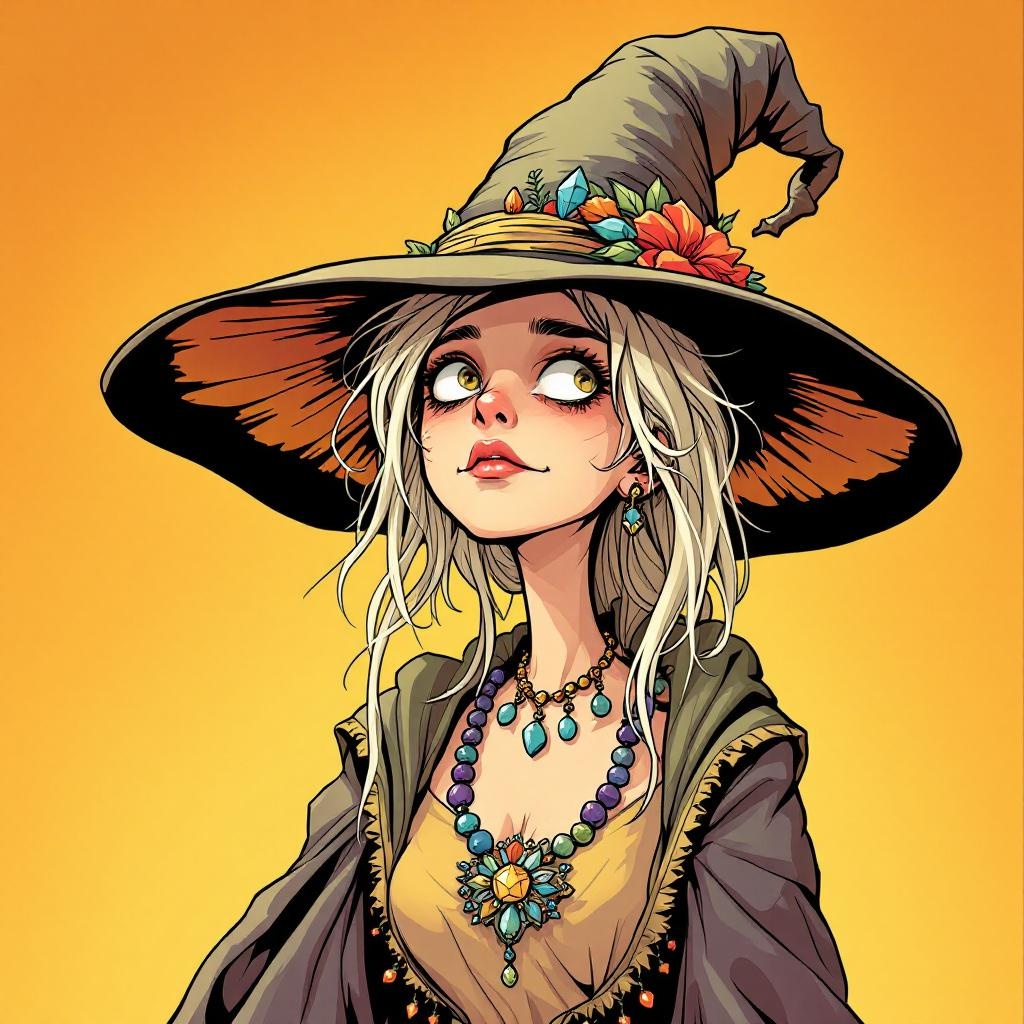
Esmerelda Weatherwax is the most powerful witch on the Discworld—and she'd be the first to tell you so, if she thought you needed reminding. She lives alone in a cottage in Lancre, keeps bees, and maintains a reputation so formidable that most problems solve themselves before she even arrives.
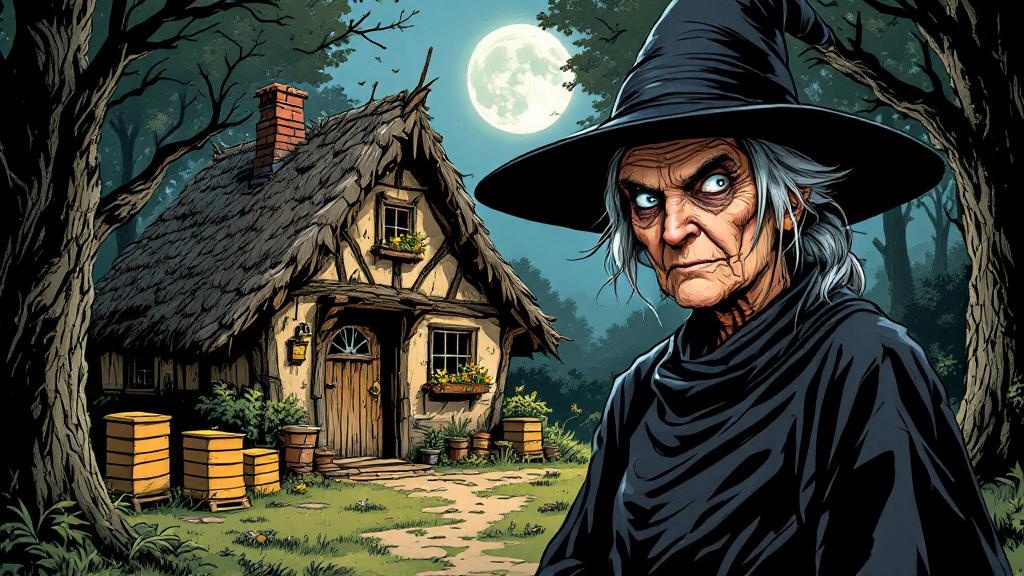
Her magic centers on what she calls "headology"—a practical psychology that makes people think they've been cursed, healed, or transformed without Granny doing much actual magic at all. Why waste power when a meaningful look and a well-timed silence will do?
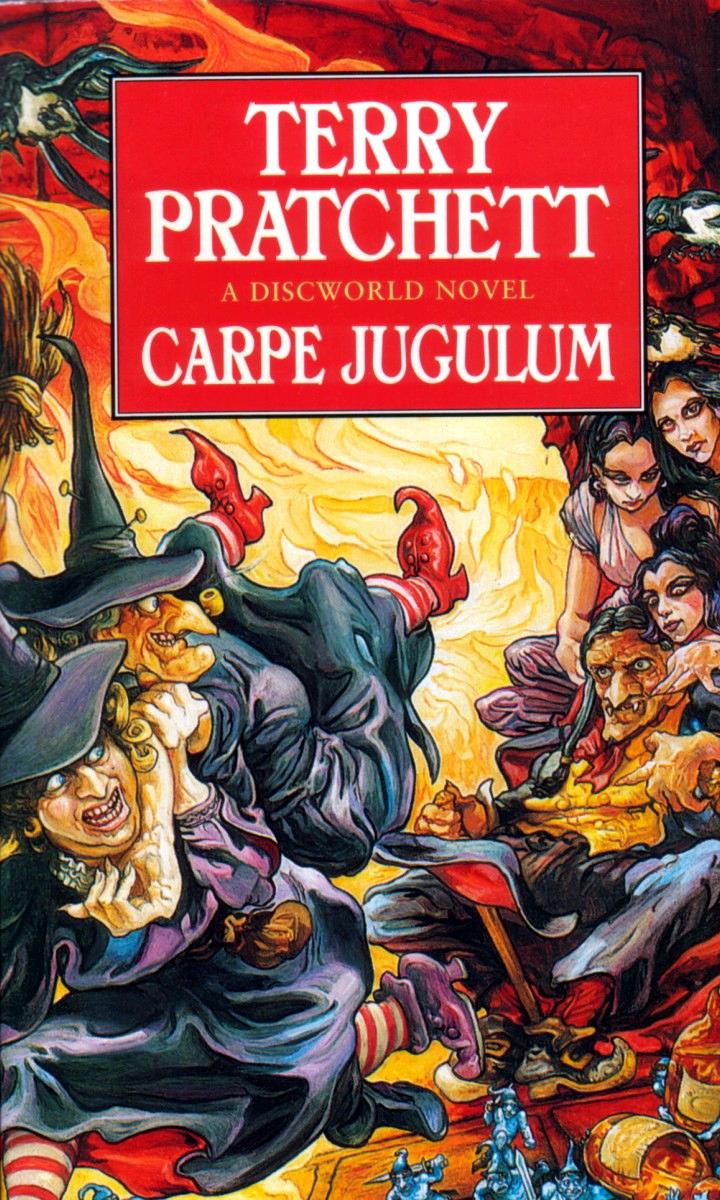
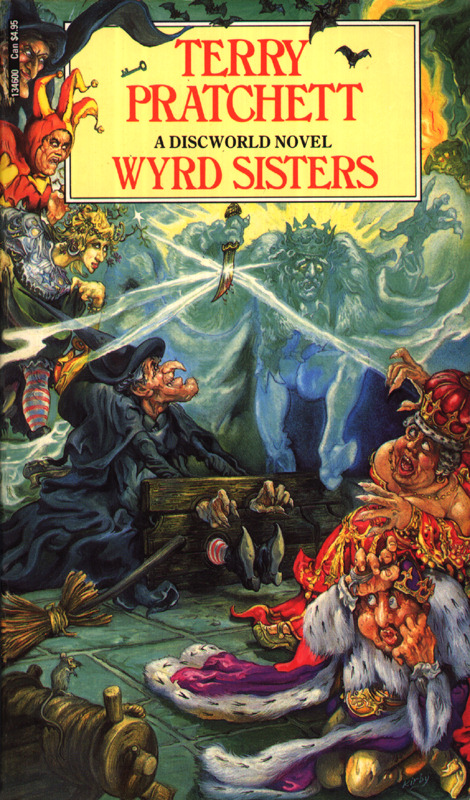
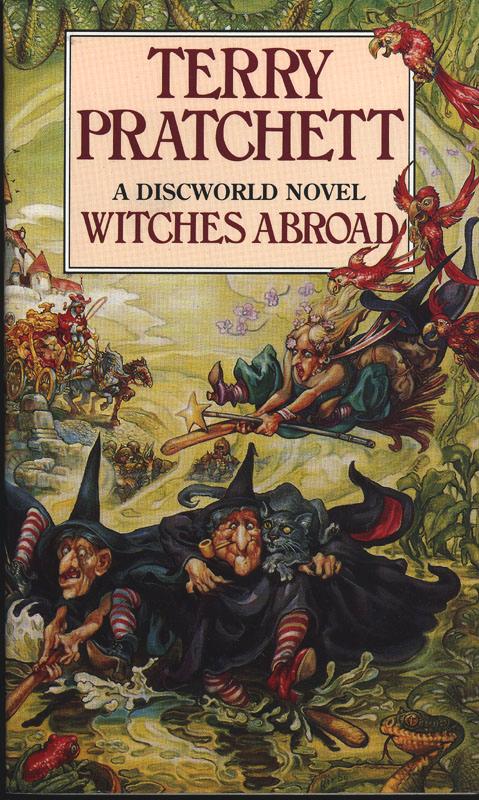
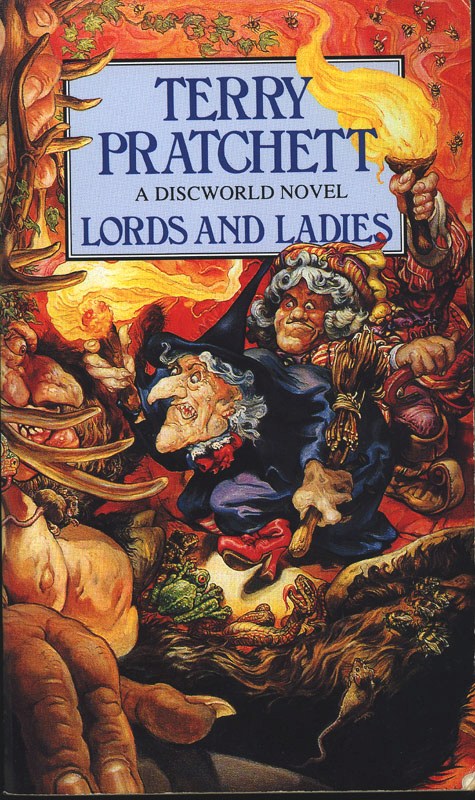
She first appears in Equal Rites and becomes a main character throughout the Witches series, including Wyrd Sisters, Witches Abroad, Lords and Ladies, Maskerade, and Carpe Jugulum.
Nanny Ogg
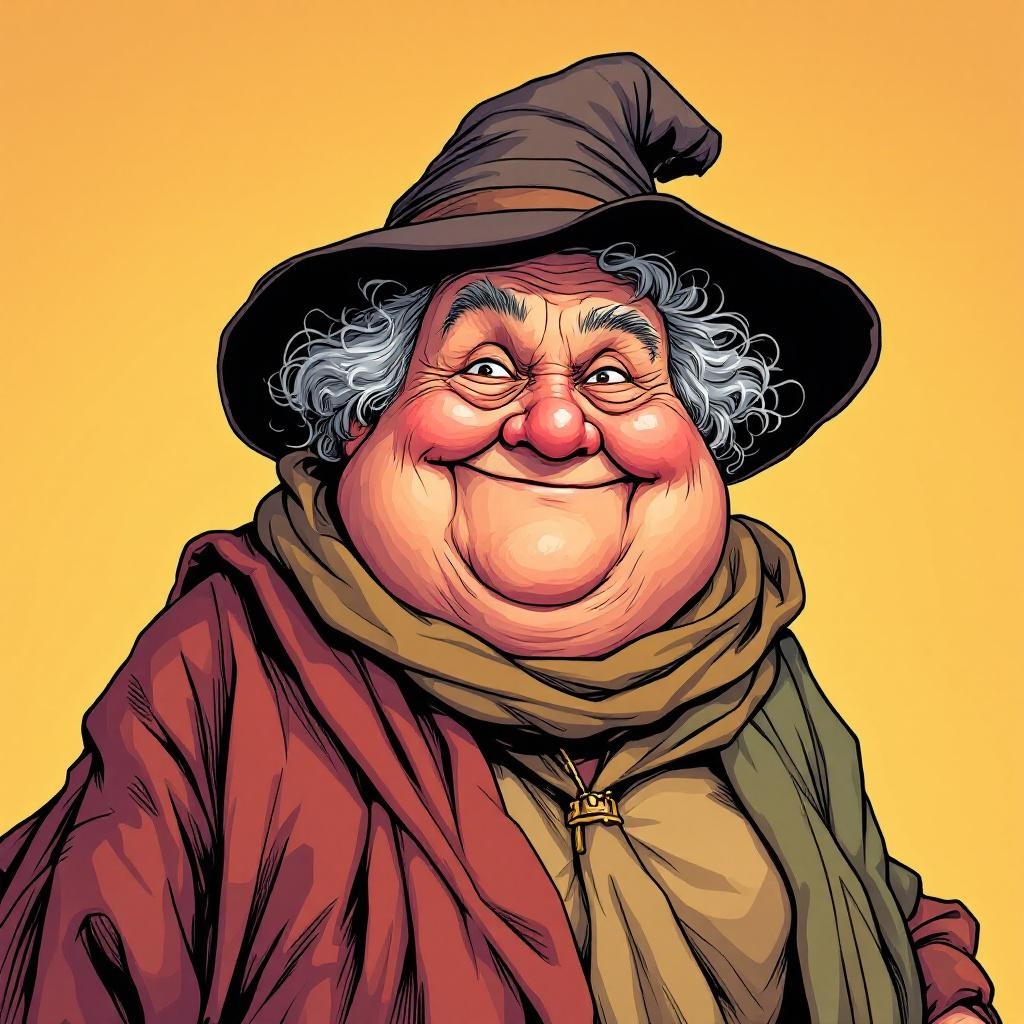
Gytha "Nanny" Ogg has been married three times, has fifteen children, and can't walk through Lancre without tripping over a grandchild. She lives in a comfortable townhouse (not a cottage, thank you very much), maintains an extensive network of family connections, and possesses a repertoire of songs so inappropriate that most can only be sung after several drinks.
Where Granny Weatherwax keeps people at a distance, Nanny Ogg pulls them in. As Pratchett wrote, after fifteen minutes of knowing Nanny, people feel like they've known her all their lives. She's the witch people actually want to visit—for a cup of tea, a bit of advice, or help bringing a baby into the world.
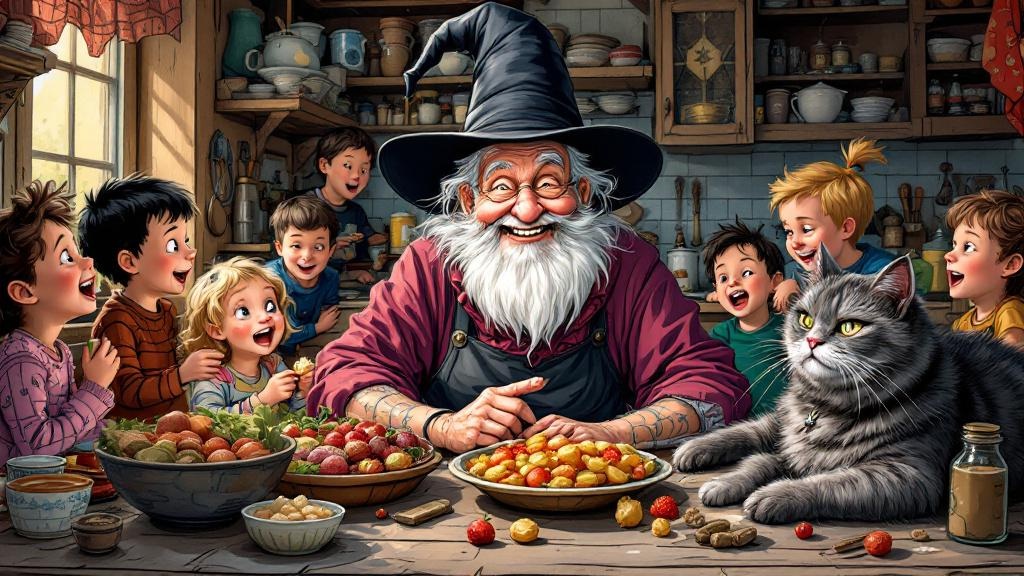
She debuts in Wyrd Sisters and appears alongside Granny throughout the series.
The Key Differences
How They Use Magic
Granny Weatherwax approaches magic like a master craftsman approaches tools—necessary for the job, but you shouldn't need them often if you're skilled enough. She prefers headology, manipulation, and sheer force of will. When she does use magic, it's formidable: in Wyrd Sisters, she sends the entire nation of Lancre fifteen years forward in time.
Nanny Ogg has what Pratchett called "immense natural magical talent," possibly even more raw power than Granny. But she's less interested in using it. Why bother with spells when you can achieve the same result with a knowing wink, a pat on the hand, and perhaps a carefully shared piece of gossip?
Here's the thing: Terry Pratchett once said he suspected Nanny was "deep down, the most powerful of the witches, and part of her charm lies in the way she prevents people from finding this out."
How They Connect With People
Granny Weatherwax is respected. She's the witch you call when there's no other option—when the problem is too dark, too dangerous, or too strange for anyone else. People are a little afraid of her, and she cultivates that fear deliberately. Fear is useful. Fear means she doesn't have to hurt anyone.
"People call Nanny for the births and Granny for the deaths."
Nanny Ogg is liked. She's the witch you call because you want to, not because you have to. She'll help deliver your baby, share a drink at your wedding, and make your dying grandmother laugh one last time. Her power lies in making everyone feel like family.
There's an old saying in Lancre: people call Nanny for the births and Granny for the deaths. It's the difference between welcoming someone into the world and ushering them out of it—both essential, but requiring very different temperaments.
Their Personal Lives
Granny Weatherwax lives alone, has never married, and admits to only one romantic episode—a summer-long relationship with a young wizard named Mustrum Ridcully, before they both chose their respective paths. She gave up love for magic, and she's never quite stopped wondering about that choice.
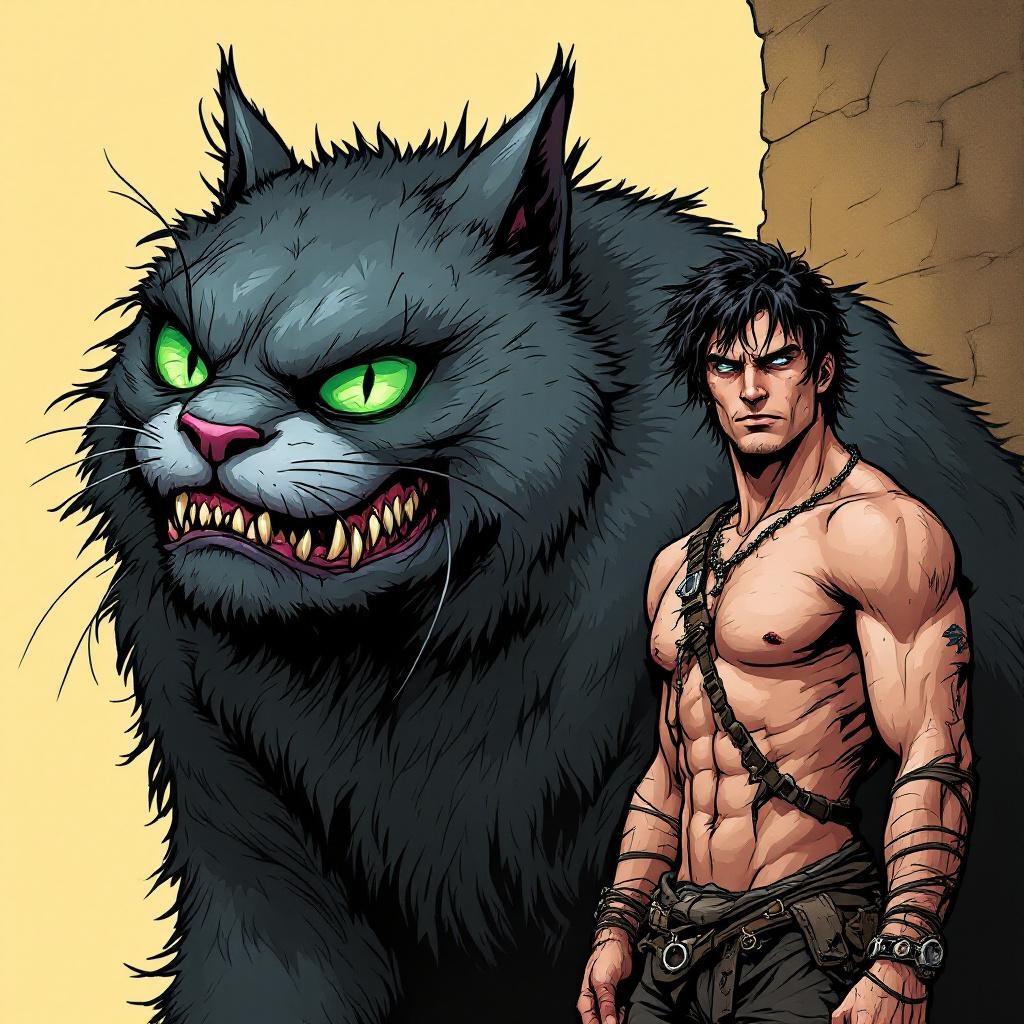
Nanny Ogg has had three husbands (she buried them all), fifteen children, and a crowd of grandchildren so large she sometimes forgets their names. Her house is always full of family, food, and that terrible cat Greebo. She chose love and family and magic—and somehow made all three work together.
Why They Work Together
Here's the secret to the Lancre coven: Granny and Nanny need each other precisely because they're so different.
Nanny serves as Granny's conscience, reality check, and only real friend. She's the one person who can tell Granny Weatherwax that she's being unreasonable and live to talk about it. She also handles the social side of witching—smoothing ruffled feathers, maintaining relationships, and generally making sure people don't hate the coven.
Granny provides the steel. When something needs to be done that no one wants to do—when someone needs to make the hard choice, do the necessary thing, be the bad guy—Granny steps up. She's the one who can look evil in the eye and not blink.
Together, they make a perfect witch: Granny does what needs doing, and Nanny bandages the wounded.
The Triple Goddess (Or Why Three Witches Matter)
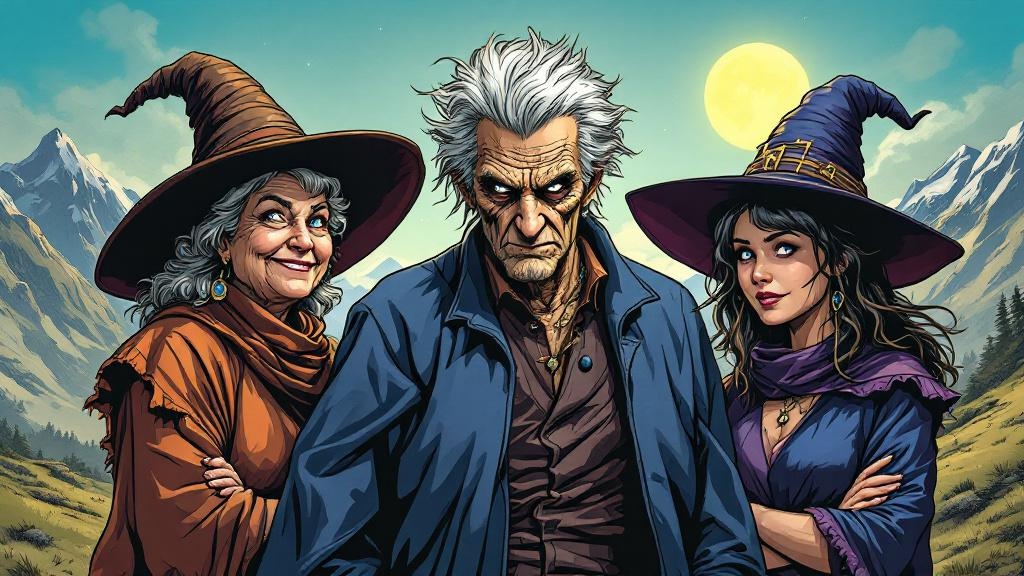
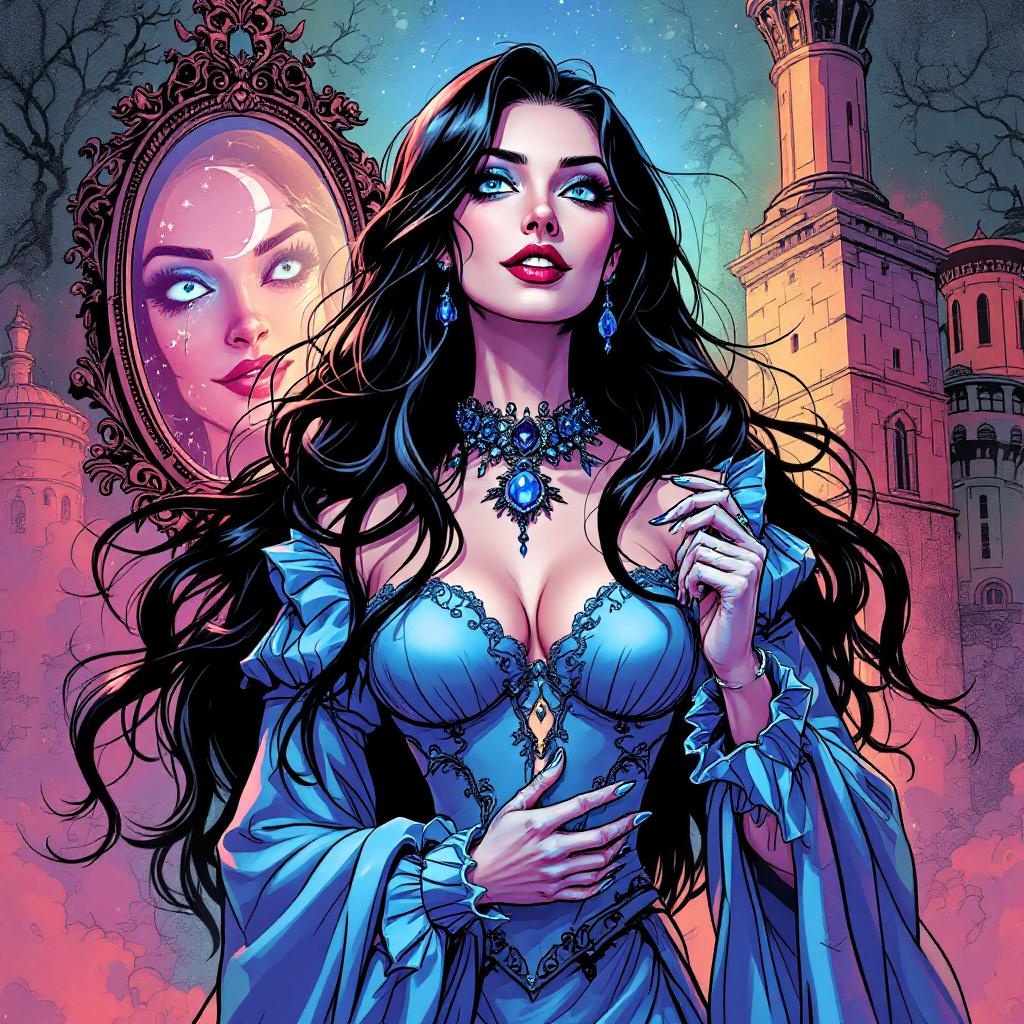
In Discworld's witch mythology, a coven traditionally consists of three witches representing the Maiden, the Mother, and the Crone. Nanny Ogg embodies the Mother—not just because of her many children, but because of her nurturing, life-affirming approach to everything.
Granny Weatherwax represents the Crone—sometimes tactfully referred to as "the other one." She's the wisdom, the authority, the one who deals with endings. (Though she'd point out, rather sharply, that she also technically qualifies for the Maiden role, having never married.)
The third spot rotates: first Magrat Garlick, the young romantic; later Agnes Nitt, whose inner voice Perdita adds its own complications.
This three-part structure isn't just tradition—it's balance. You need optimism and caution, warmth and strength, beginnings and endings. A coven with three Grannys would be too grim. A coven with three Nannys would get nothing done. A coven with three Magrats would be too wet.
What They Teach Us
From Granny Weatherwax
"Sin is when you treat people as things."
Granny Weatherwax teaches us that being good is a choice you make every day, and it's harder than being evil. As she says, "Sin is when you treat people as things." She knows she could have been a terrible witch—her sister Lily proved how bad a Weatherwax could go. Every day, Granny chooses not to be that.
She also teaches that real power doesn't need to be shown off. Granny rarely uses flashy magic because she doesn't need to. Her reputation precedes her. Her will is strong enough to face down vampires, elves, and gods without throwing a single fireball.
From Nanny Ogg
Nanny Ogg teaches us that kindness is its own kind of strength. She's not soft—she's shrewd, manipulative when she needs to be, and absolutely ruthless about protecting her family. But she leads with warmth rather than intimidation, and she gets just as much done.
She also shows that you don't have to choose between magic and life. Granny sacrificed love and family for power. Nanny didn't sacrifice anything. She just... had it all, messily and imperfectly and wonderfully.
Where to Read About Them
If you want to experience the Granny-and-Nanny dynamic at its best, here's where to start:
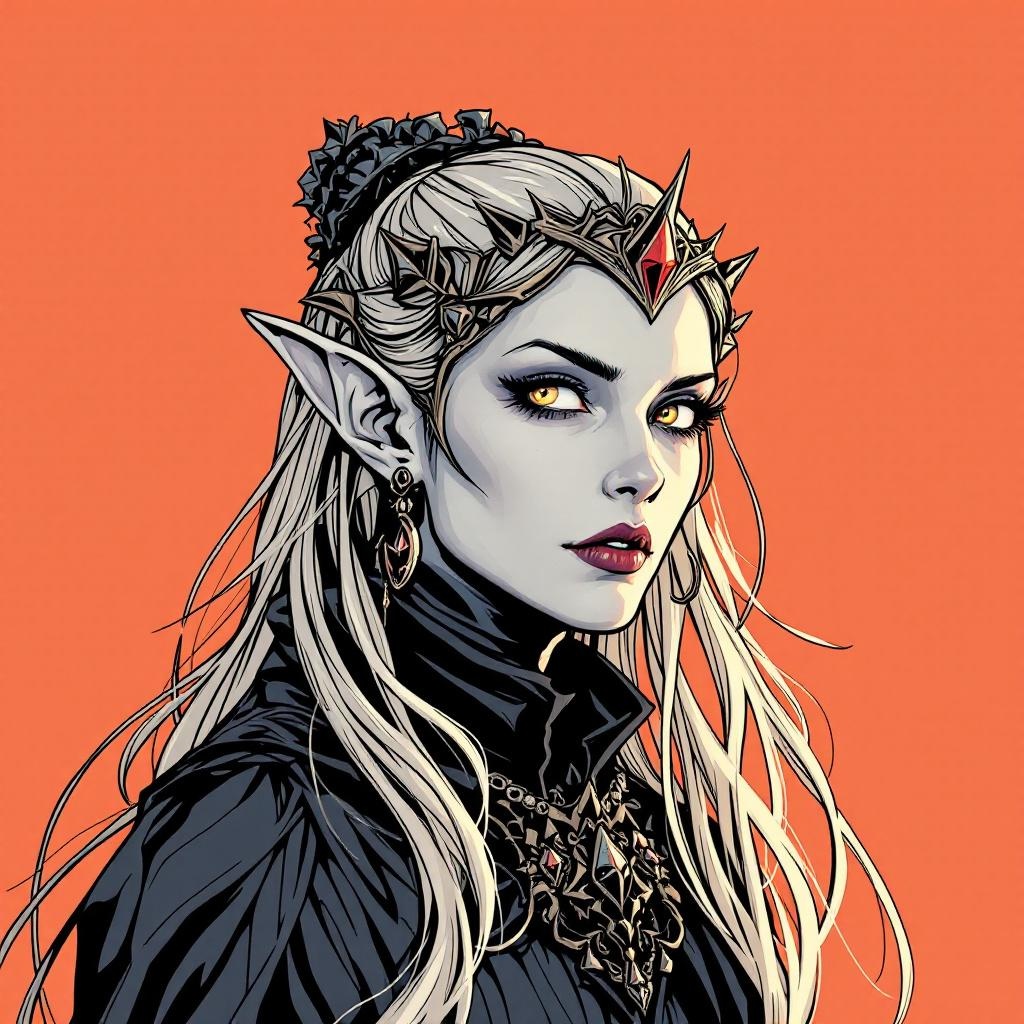
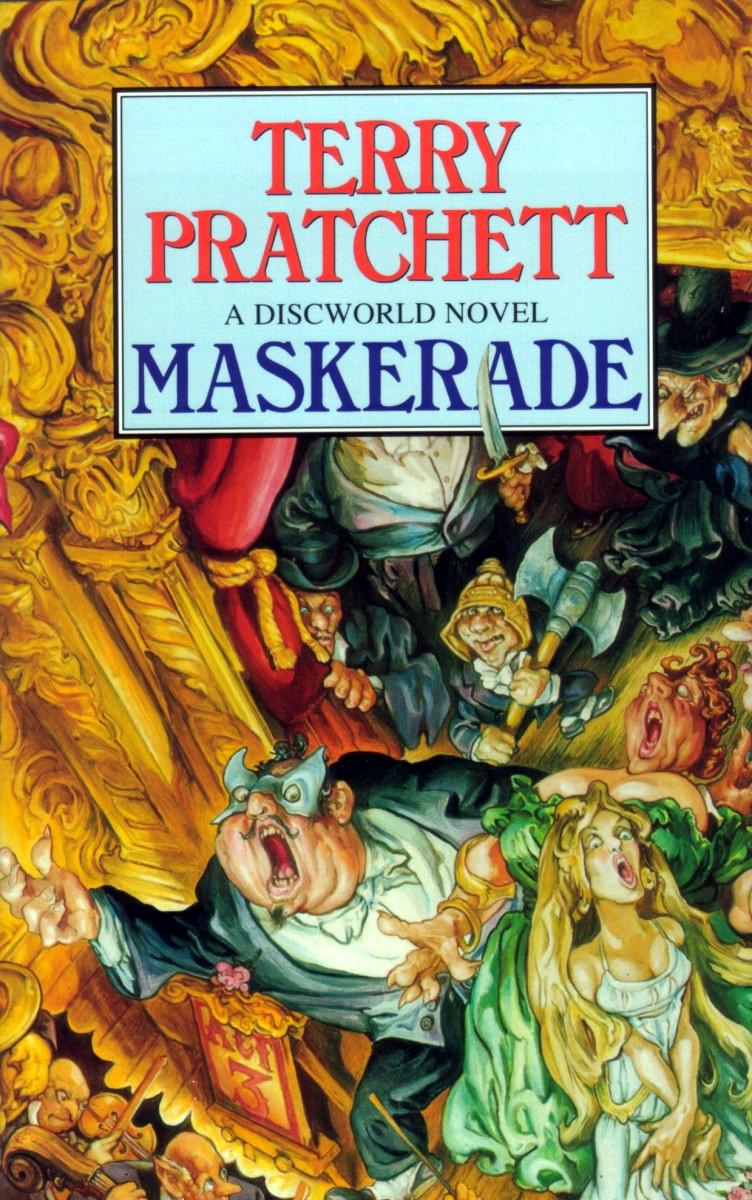
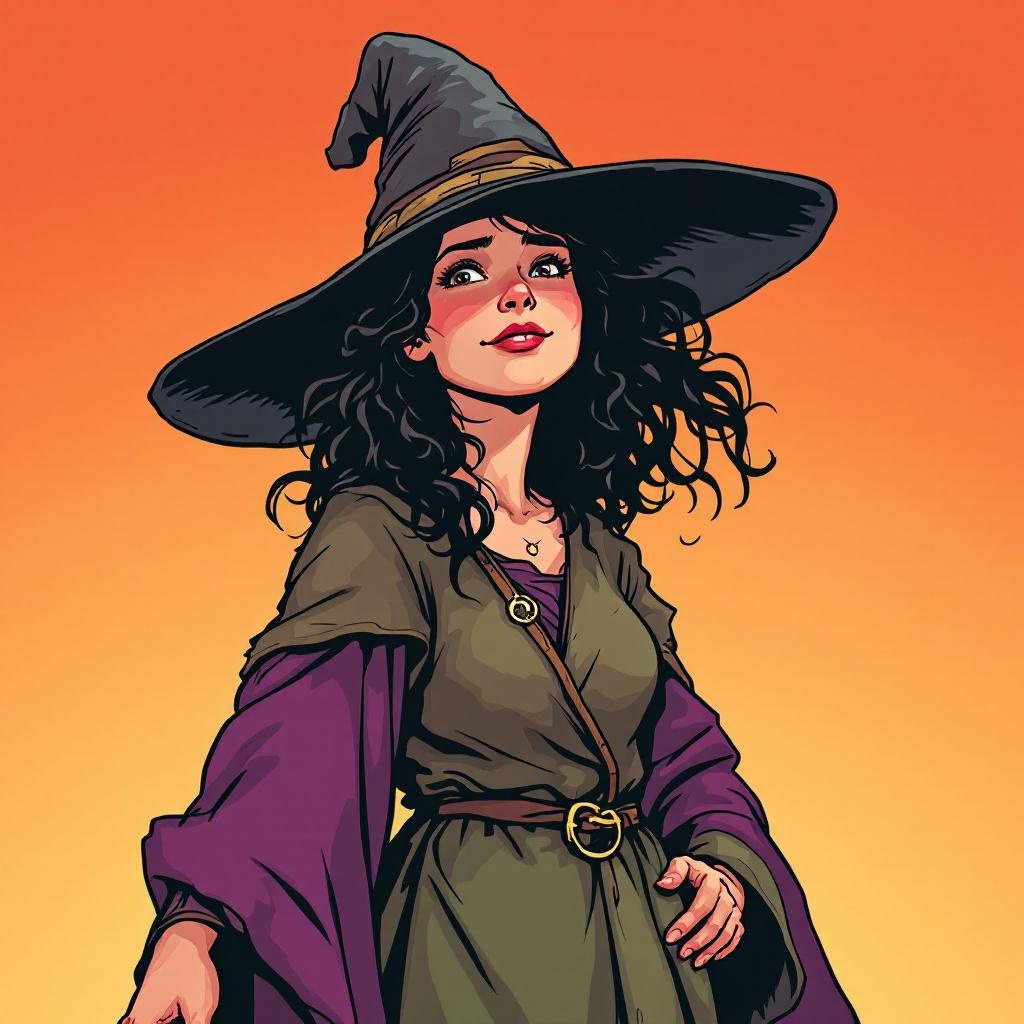
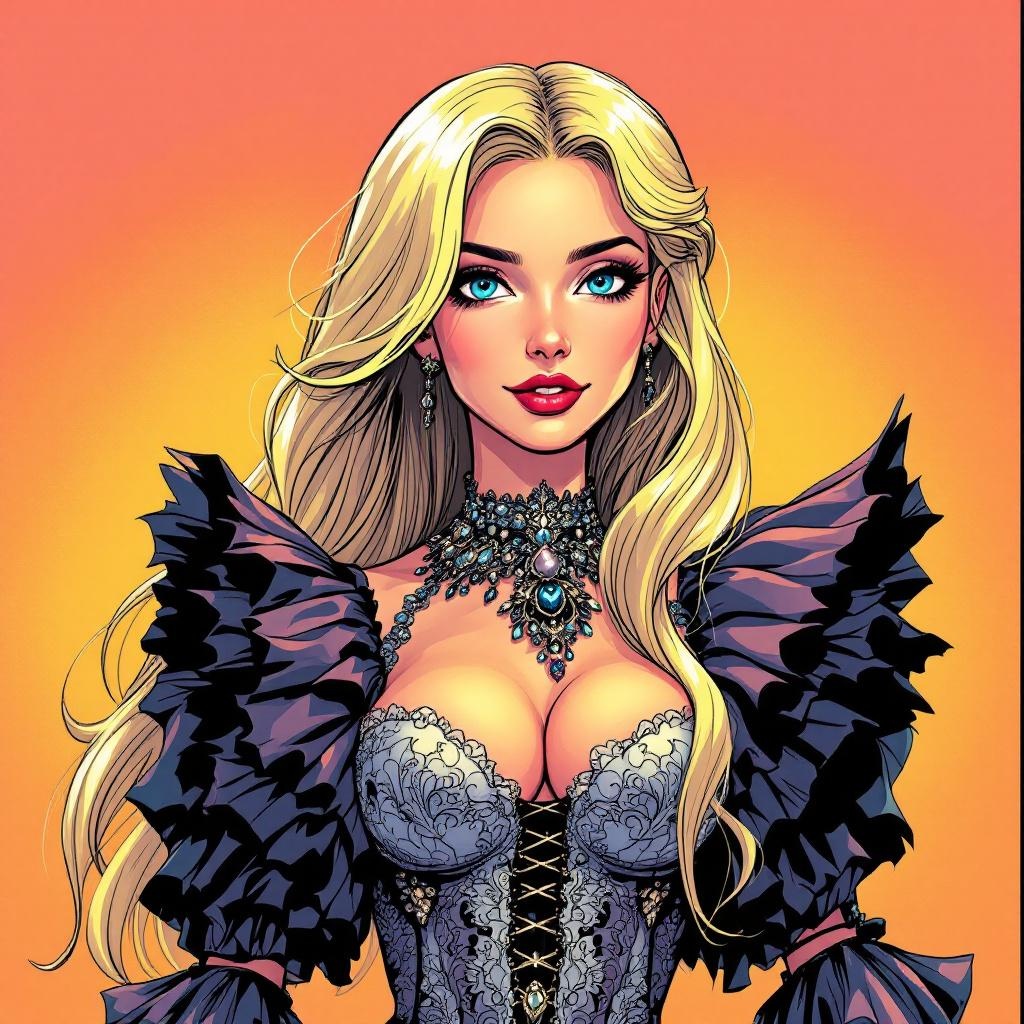
So Who's Better?
This is the wrong question, and Pratchett knew it. The whole point of Granny and Nanny is that you can't have one without the other.
Granny Weatherwax alone would be too cold, too hard, too unyielding. She might save the world, but she'd make enemies doing it, and she'd never stop to enjoy what she'd saved.
Nanny Ogg alone would be too accommodating, too easily swayed, too content. She'd keep everyone happy while problems festered, because she'd hate to make a fuss.
Together, they're complete. They're what every good partnership should be—two people who cover each other's weaknesses without diminishing each other's strengths.
And that's the real magic.
The Bottom Line
If you're new to Discworld and wondering which witch to love more, save yourself the trouble: you'll love them both, just differently. You'll admire Granny Weatherwax for her uncompromising integrity. You'll adore Nanny Ogg for her uncompromising humanity.
And somewhere around Maskerade, you'll realize they're not two characters at all. They're one character split into two bodies—the dual nature of what it means to be wise, powerful, and good in a world that often demands you choose only two.
The turtle moves, and so do the witches—always forward, always together, always making the world a little better while complaining about their feet.
Want to start the Witches series? Check out our guide to Where to Start with Discworld, or learn about the best starting points for different reading preferences.