Cuddy and Detritus: The Friendship That Shouldn't Have Worked
How a dwarf and a troll—natural enemies for millennia—became Discworld's most unlikely friends, and why Cuddy's legacy lives on Detritus's head.
Cuddy and Detritus: The Friendship That Shouldn't Have Worked
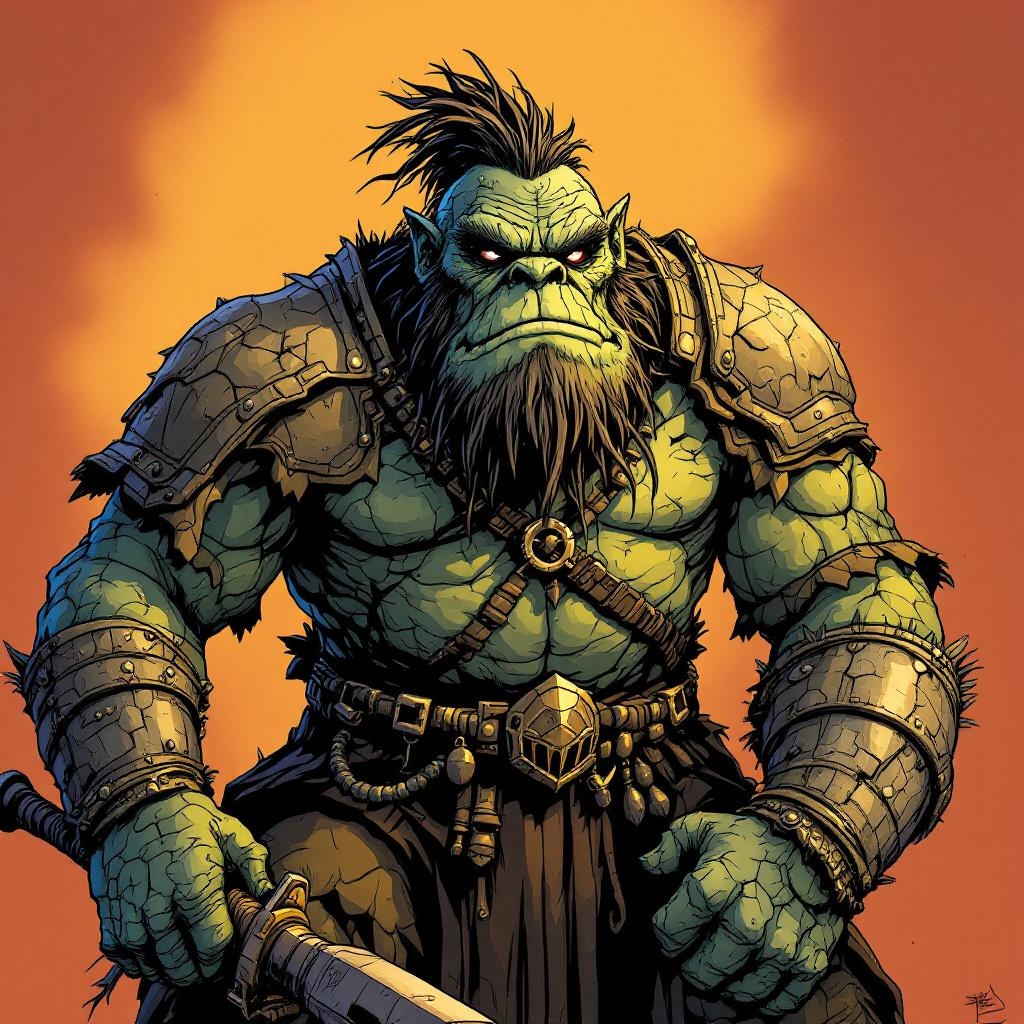
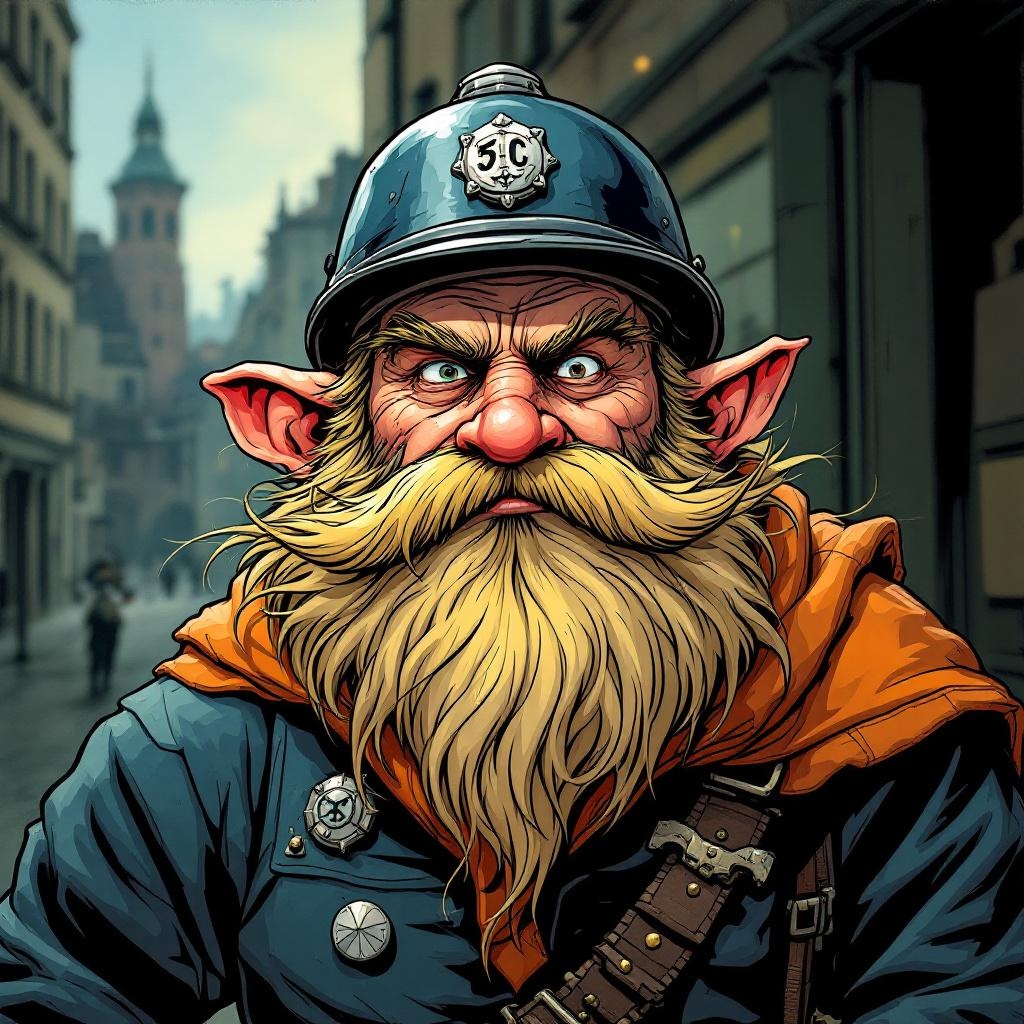
Take two species that have been killing each other since before recorded history. Make one of them seven feet tall and made of rock. Make the other one three feet tall and obsessed with mining. Now stick them together on patrol and tell them to keep the peace.
That's the setup for a joke. It's also the setup for one of the most genuinely moving friendships in all of fantasy literature.
In Men at Arms, Terry Pratchett takes the buddy cop formula—a genre built on mismatched partners learning to tolerate each other—and turns it into something far more powerful. Cuddy and Detritus aren't just an odd couple. They're the product of a thousand years of mutual hatred, thrown together by Lord Vetinari's diversity hiring policy and forced to either get along or kill each other.
They choose option three: becoming friends. And it changes everything.
Ancestral Enemies, Meet HR Policy
The troll-dwarf conflict runs deep. Deeper than personal grudges—it's cultural mythology, passed down through generations like a family heirloom nobody actually likes but nobody will throw away.
The root of the hatred is Koom Valley—the famous battle where, depending on who you ask, the dwarfs ambushed the trolls or the trolls ambushed the dwarfs. It's the ancestral reason why you can't trust those short, bearded bastards. Or those big, rocky bastards. Delete as appropriate.
When Captain Vimes gets orders to diversify the Watch, Detritus and Cuddy are among the new recruits. And Vetinari, in his infinite and possibly sadistic wisdom, ensures they're partnered together. The logic is that if a dwarf and a troll can work side by side, it'll ease tensions across the city.
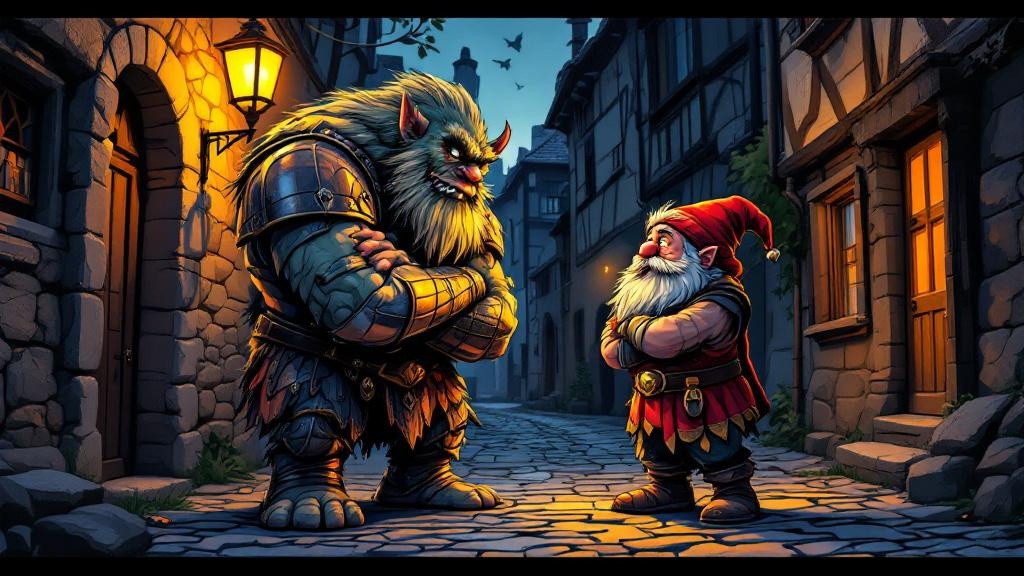
The reality, at first, is closer to a war zone. Cuddy calls Detritus "fick." Detritus responds with insults that have been festering in troll culture for centuries. They bicker through patrols, argue through stakeouts, and generally make everyone around them deeply uncomfortable.
"Hatred is inherited. Friendship has to be earned from scratch."
But here's the thing about being partnered with someone in the Watch: you end up depending on them. Not because you want to, but because Ankh-Morpork's streets don't care about your cultural grievances. When something with too many teeth comes at you in a dark alley, species politics suddenly feel a lot less important than having someone at your back.
The Warehouse That Changed Everything
The turning point comes in the Pork Futures Warehouse.
Cuddy and Detritus are investigating when they get trapped inside. The warehouse stores conceptual pork futures—meaning the temperature inside is far below freezing. For Cuddy, this is merely dangerous. For Detritus, it's something else entirely.
Troll brains are made of silicon. Silicon processes information faster at lower temperatures. As the warehouse gets colder, Detritus gets smarter. Not just a bit smarter—dramatically smarter.
He starts scratching equations on the walls. He begins contemplating the fundamental nature of reality. He very nearly derives a grand unified theory of everything, the kind of breakthrough that would make physicists weep with joy.
He's also dying. The cold that's lighting up his brain is shutting down his body.
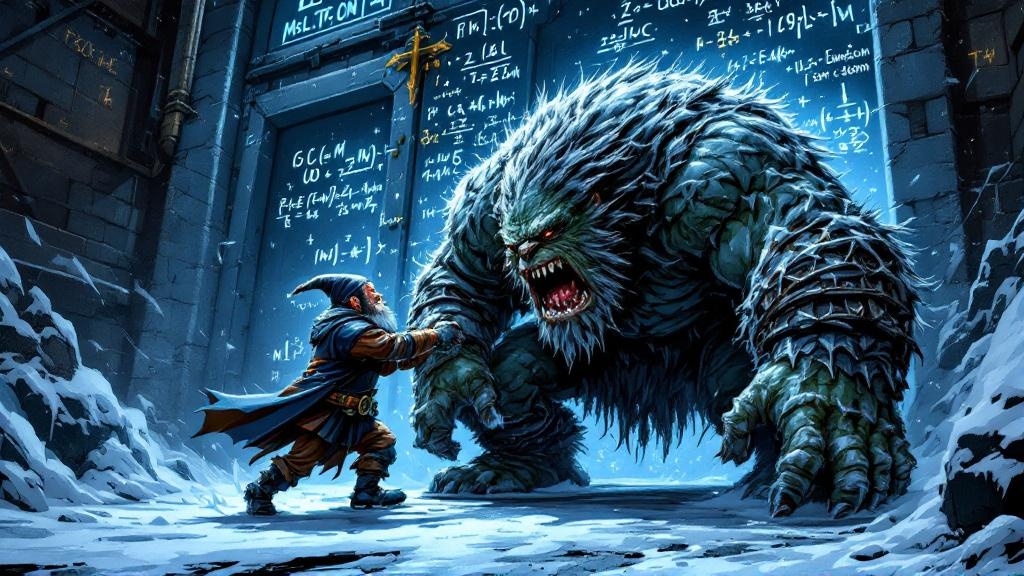
Cuddy saves him. The dwarf who's spent weeks mocking Detritus's intelligence—who belongs to a species that has considered trolls subsentient for millennia—drags his partner out of that warehouse. Not because orders require it. Not because of duty. Because somewhere between the insults and the shared patrols, Cuddy started seeing a person under all that rock.
And then Cuddy does something extraordinary: he builds Detritus a cooling helmet.
A Gift That Lasts Forever
The cooling helmet is, mechanically, a simple thing. A fan system rigged into a helmet that keeps Detritus's silicon brain at a more optimal temperature. It doesn't make him a genius—it just removes the obstacle that was hiding his intelligence.
"A dead dwarf's gift sits on a troll's head through every subsequent book. That's not an accessory. That's a monument."
But the cooling helmet is also the most important gift anyone gives anyone in the entire Discworld series. Because Cuddy doesn't survive Men at Arms. He's killed investigating the Tower of Art—a new watchman against an experienced assassin. The first dead copper in the modern Watch.
And yet his gift remains. Every single time Detritus appears in a subsequent novel—through Jingo, The Fifth Elephant, Thud!—that helmet is on his head. Every time Detritus thinks clearly, solves a problem, shows the depth that surprises everyone around him, he's doing it with help from a dead dwarf.
It's the most understated memorial in literature. No plaque, no statue, no grand speech. Just a troll wearing a cooling helmet that a dwarf built because he saw something worth saving.
"I'm Too Short for This Shit"
Part of what makes the Cuddy-Detritus partnership work is that Pratchett never lets the serious themes overwhelm the comedy. This is, after all, an affectionate parody of every buddy cop film ever made.
The Lethal Weapon parallels are deliberate and glorious. Two mismatched partners. Constant bickering. Reluctant mutual respect growing into genuine affection. And Cuddy gets the definitive line. When a civilian dwarf named Stronginthearm complains about Detritus insulting another dwarf, Cuddy—who has watched this same troll risk his life for him—erupts.
He tells Stronginthearm exactly where he can shove his complaints, defends Detritus passionately, and then delivers: "I'm too short for this shit!"
It's a perfect Pratchett moment. It's funny. It's a pitch-perfect genre parody. And underneath the laugh, it's the sound of a dwarf publicly choosing his troll partner over his own species' prejudice. That's not a punchline. That's a declaration.
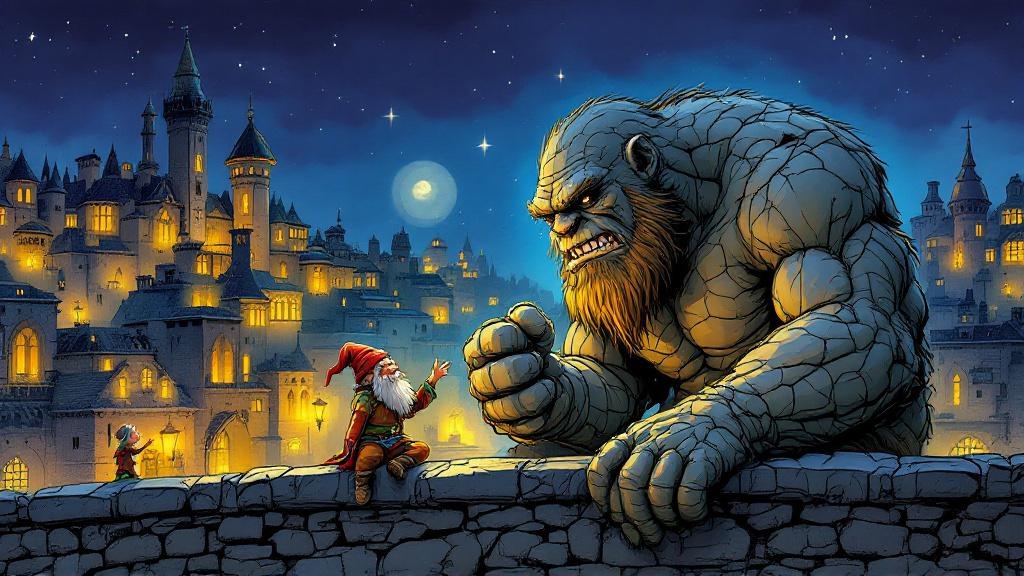
Then there's the counting scene. Cuddy teaches Detritus to count, cheering him on like a coach training a boxer:
"You can do it!" / "I can do it!"
"If you can count to ten, you can count to anything!" / "If I can count to ten, I can count to anything!"
"The world is your mollusk!" / "The world is my molus... What's a mollusk?"
It's hilarious. It's also a dwarf investing genuine effort in helping a troll learn, believing that improvement is possible when everyone else has written Detritus off.
When Grief Becomes a Weapon
Cuddy's death hits like a sledgehammer. Not because it's telegraphed or dramatic—it happens almost offhandedly, the way violence usually does. One moment he's investigating. The next, he's gone.
"Carrot doesn't order Detritus to stand down. He tells him Cuddy wouldn't want this. And that's what works."
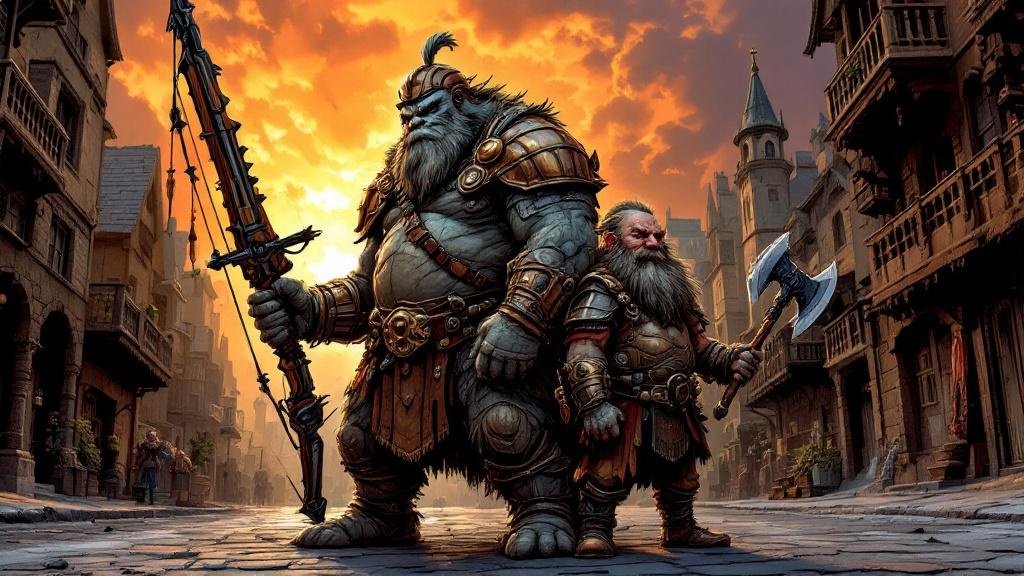
Detritus's reaction is devastating. He stares at the cooling helmet—the last thing his friend made for him—and something in him shifts. He picks up his massive crossbow. He picks up Cuddy's axe. And he goes marching toward the Assassins' Guild with the clear intention of reducing it to rubble.
It takes Carrot to talk him down. And Carrot, being Carrot, finds exactly the right words. He doesn't give orders. He doesn't threaten consequences. He tells Detritus that Cuddy wouldn't want this.
That's the appeal to that stops a grieving troll with a siege weapon. Not authority. Not logic. The memory of what a dead dwarf believed in—that justice matters more than vengeance, that the Watch does things properly.
The fact that it works tells you everything about what Cuddy meant to Detritus.
The Legacy in Later Books
Cuddy dies in Men at Arms, but his influence on Detritus stretches across the entire series.
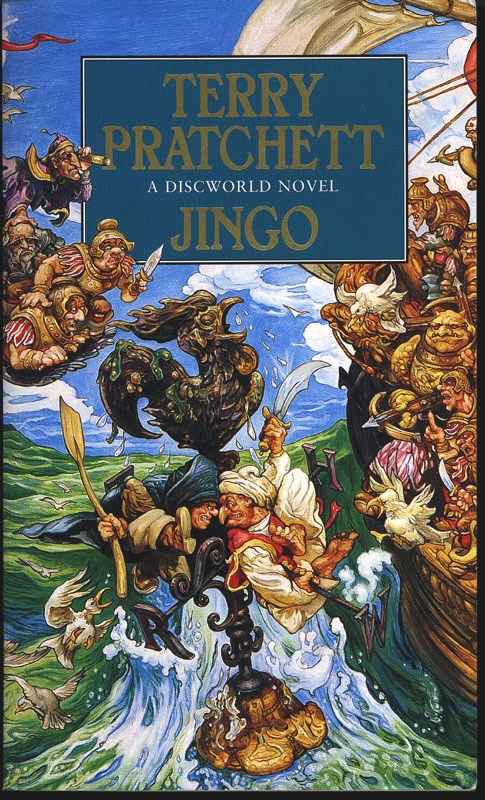
In Jingo, when the Watch is deployed to Klatch, Detritus explains the troll word "aagragaah" to his colleagues—the moment when you see small pebbles falling and know a thousand tons of rock is about to hit you and it's too late to run. This is a troll with philosophical depth, with dark humor, with a vocabulary for inevitability that most poets would envy. The cooling helmet is doing its work.
In The Fifth Elephant, Vimes tests Detritus by ordering him to shoot an unarmed man. Detritus refuses. "I ain't dat fick, sir." A troll who understands the law well enough to defy an unlawful order from his commanding officer—that's Cuddy's gift in action. Not just the helmet. The belief that Detritus could be more than what the world expected.
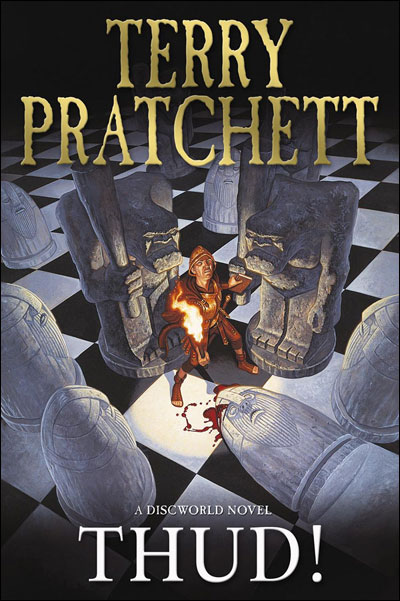
And in Thud!, when deep-down dwarfs capture Detritus in thin shackles he could easily snap, he doesn't break free. He understands that escaping would give the dwarfs justification to kill him, would escalate the very tensions his friend died trying to ease. The troll who once solved every problem with violence now chooses restraint because he sees the bigger picture.
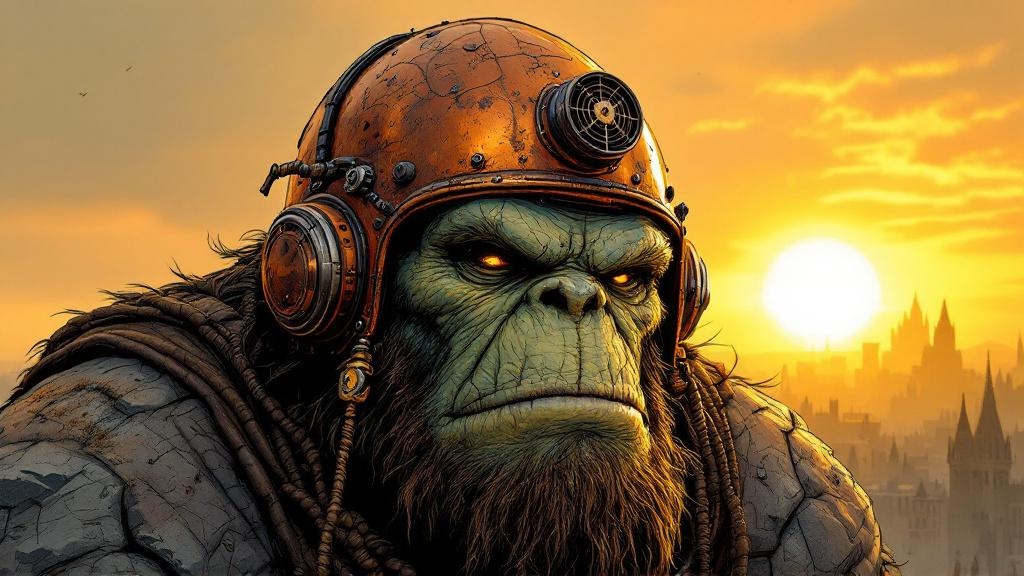
Every one of these moments is Cuddy's legacy. Not because the helmet makes Detritus smart—it doesn't create intelligence from nothing. But because a dwarf believed a troll was worth investing in, and that belief became the foundation for everything Detritus achieved after.
What Pratchett Was Really Saying
The Cuddy-Detritus friendship is Pratchett's sharpest examination of how prejudice actually works—and how it actually breaks down.
Prejudice, in Pratchett's world, isn't natural. It's manufactured. The troll-dwarf hatred is maintained not by genuine grievances but by cultural mythology—stories about Koom Valley that both sides tell differently, resentments passed down like sacred texts, leaders on both sides who benefit from keeping the conflict alive.
"The enemy is not Troll, nor is it Dwarf, but it is the baleful, the malign, the cowardly, the vessels of hatred."— Thud!
What breaks it down is something much simpler: proximity. Forced to work together, forced to depend on each other, Cuddy and Detritus discover that individual people don't conform to species stereotypes. Cuddy isn't the scheming, gold-obsessed dwarf of troll mythology. Detritus isn't the mindless violent rock formation of dwarf prejudice. They're just two coppers trying to survive Ankh-Morpork's streets.
And once you see someone as a person—once you've taught them to count, once they've saved your life, once you've built them a helmet because you genuinely want them to succeed—you can't go back to seeing them as a category. The individual relationship destroys the abstract hatred.
That's not just a fantasy theme. That's social psychology. And Pratchett knew it.
The First Dead Copper
There's a detail about Cuddy's death that often gets overlooked: he's the first officer to die in the modern Ankh-Morpork City Watch.
That matters. The Watch is Vetinari's experiment in integration, in making species work together despite centuries of bad blood. And the first casualty of that experiment is a dwarf who died while doing his job—not killed by a troll in some racial conflict, but by a human assassin. He died because he was a good copper, not because he was a dwarf.
There's something quietly powerful in that. The troll-dwarf war claims victims by the hundreds in the mythology. But Cuddy dies as a watchman. His identity as a dwarf is irrelevant to his murder. In death, he becomes exactly what Vetinari hoped integration would produce: someone defined by their role, not their species.
And his partner—a troll—mourns him as a friend. Not as "a dwarf who wasn't too bad, for a dwarf." As a friend. Period.
Where to Experience This Story
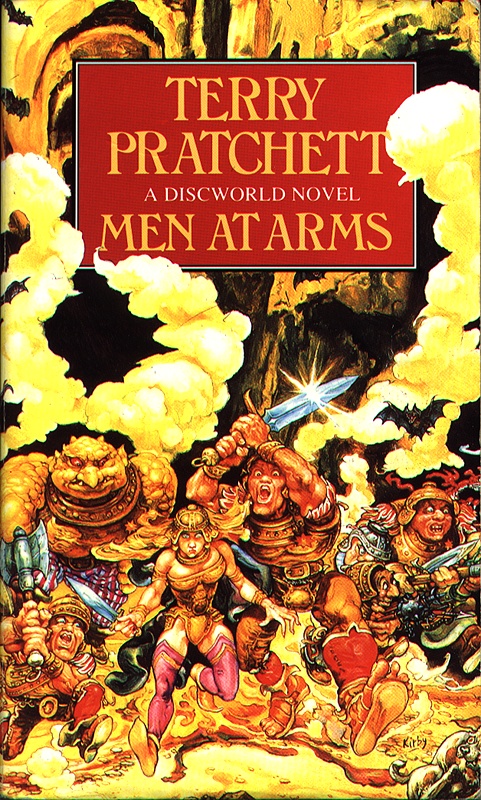
Men at Arms is where this story lives. You don't need prior Discworld knowledge to appreciate it—the dwarf-troll conflict is explained as you go, and the buddy cop framework is familiar enough to carry you through.
But if you want to see what Cuddy's friendship meant in the long run, follow Detritus through the later Watch books. Watch him grow smarter, braver, and more politically astute with every novel. Watch the cooling helmet do its quiet work through Jingo, The Fifth Elephant, and Thud!.
And every time you see Detritus making a clever observation or choosing restraint over violence, remember: there's a dead dwarf's gift sitting on his head. Still working. Still cooling. Still proving that when one person decides to see another as worth investing in, the effects last longer than either of them.
For more on Detritus's journey, read about his complete transformation from splatter to sergeant, or explore how a freezing warehouse nearly changed everything.