A Human Being a Dwarf: Carrot Ironfoundersson and the Identity You Choose
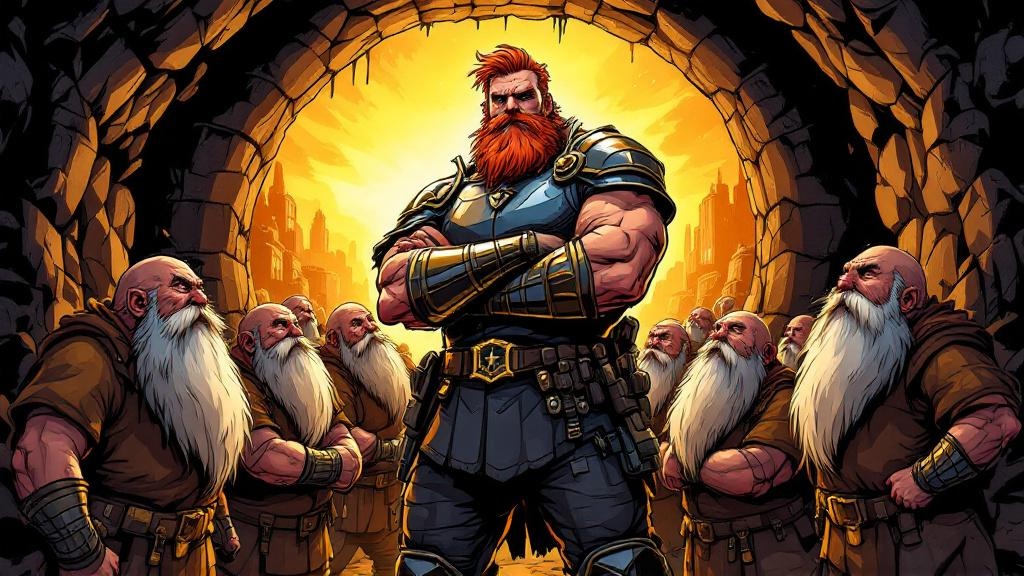
Carrot Ironfoundersson is 6'6" and unmistakably human—but he's also a dwarf. How Pratchett used one character to explore what cultural identity really means.
A Human Being a Dwarf: Carrot Ironfoundersson and the Identity You Choose
Can you belong to a culture you weren't born into? Not as a visitor. Not as an honorary member. But genuinely, fully, down-to-your-bones belong—even when your bones are a foot and a half longer than everyone else's?
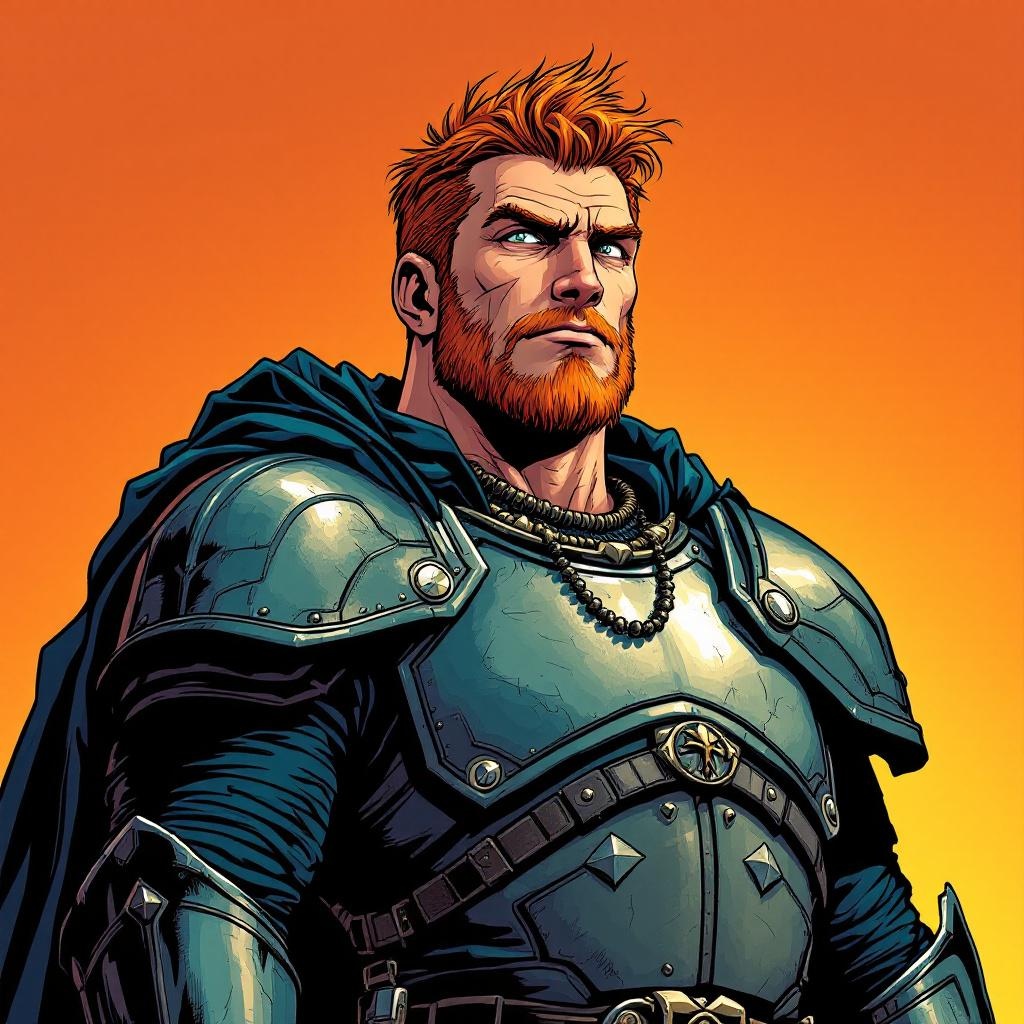
Terry Pratchett's answer walks a beat in Ankh-Morpork. He's six-foot-six, built like a barn door, can't grow a beard, and would look ridiculous in a mine helmet. His name is Carrot Ironfoundersson, and he is—by every measure that actually matters—a dwarf.
The Head Banger
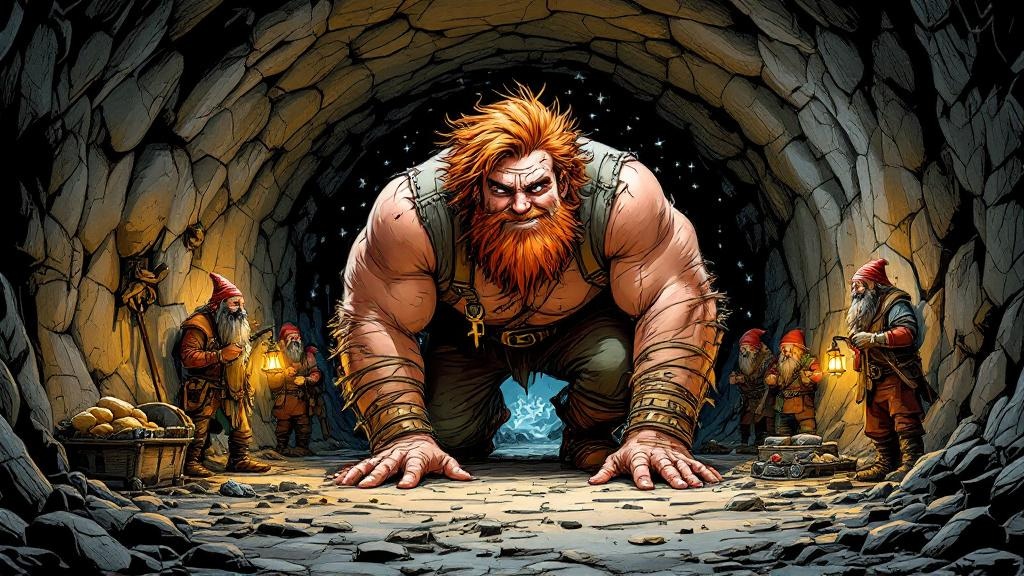
Before he was Captain Carrot of the Ankh-Morpork City Watch, before he was the uncrowned king, before he was any of the things that make him one of Discworld's most fascinating characters—he was Kzad-bhat.
That's his dwarfish name. It means "Head Banger." And if you're wondering about the poetry of dwarf naming conventions, the explanation is brutally literal: the mines where Carrot grew up had five-foot ceilings. Carrot is six-foot-six. You do the maths.
"Being a human just means being born to human parents. That's easy. Being a dwarf doesn't mean being born to dwarfs, though it's a good start. It's about the things you do."
His human parents died in a bandit attack when he was an infant. A dwarf couple found him and raised him as their own in the Copperhead mountains. He learned to swing a pickaxe. He completed all the required dwarfish ceremonies. He wrote home once a week, as all proper dwarfs do. And he spent his formative years developing the physique of a small ox, largely because mining in tunnels built for people half your height is an extraordinary workout.
The name Kzad-bhat isn't cruel. It's affectionate—the way dwarfs are affectionate, which is to say practical and slightly painful. It acknowledges Carrot's difference while making it part of his story. Every dwarf has a name. This is his. The fact that it comes from physical discomfort is, in a way, the most dwarfish thing about it. Dwarfs don't sentimentalise. They observe.
"So I'm a Human and a Dwarf"
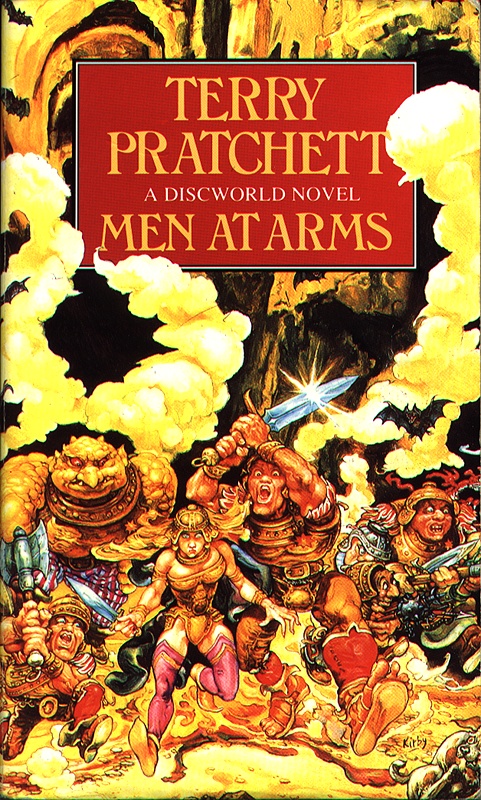
In Men at Arms, Carrot delivers what might be the single most important line of dialogue Pratchett ever gave him:
"Being a human just means being born to human parents. That's easy. Being a dwarf doesn't mean being born to dwarfs, though it's a good start. It's about the things you do. Certain ceremonies. I've done them. So I'm a human and a dwarf."
Read that again, because there's something radical buried in it. Carrot doesn't say he's a human who feels like a dwarf. He doesn't say he's culturally dwarfish but biologically human. He makes no distinction at all. He is a human and a dwarf, in the same way that someone might be a copper and a friend. Both things are true simultaneously. Neither cancels the other out.
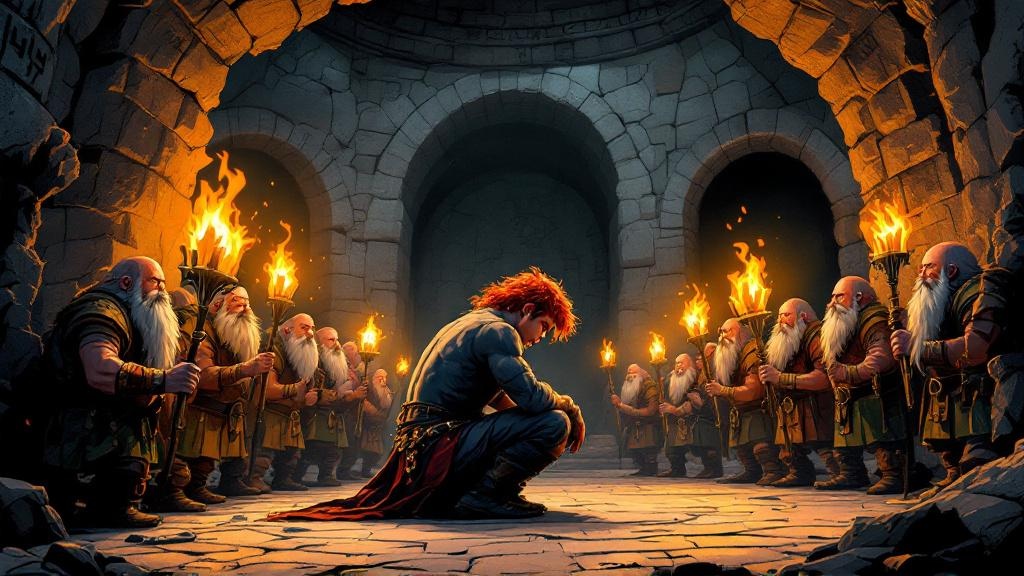
This is Pratchett at his most philosophical, and—as usual—he disguises it as a perfectly straightforward character moment. Carrot isn't making an argument about identity politics. He's just stating a fact. He did the ceremonies. He is a dwarf. What's complicated about that?
Everything, obviously. But the genius of Carrot is that he genuinely doesn't see the complication. For him, identity isn't a debate—it's a series of actions. You become what you do.
The Conservative Streak
Here's where it gets interesting. And uncomfortable.
If Carrot had absorbed only the good parts of dwarf culture—the loyalty, the work ethic, the directness—he'd be a straightforward moral exemplar. But Pratchett was too honest for that. Carrot absorbed all of it. Including the parts that don't age well.
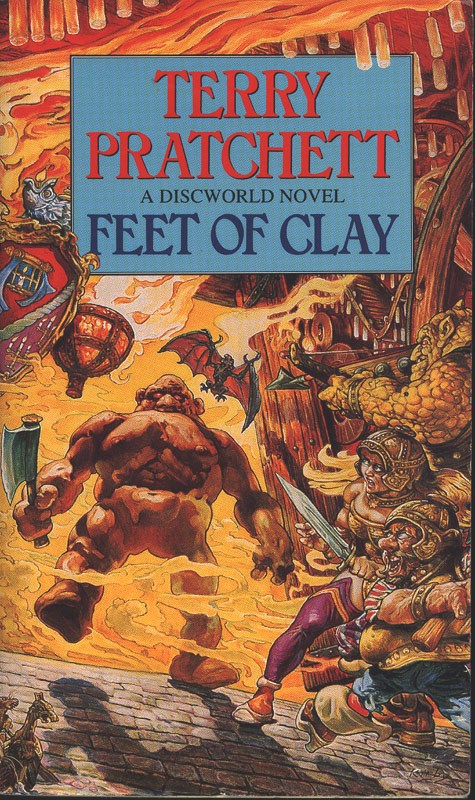
In Feet of Clay, Cheery Littlebottom joins the Watch. Cheery is a dwarf who begins openly identifying as female—wearing makeup, adopting feminine pronouns, eventually welding high heels onto her iron boots. In traditional dwarf culture, this is roughly equivalent to walking into a conservative church wearing nothing but body paint. Dwarfs don't acknowledge gender publicly. All dwarfs have beards. All dwarfs use male pronouns. The idea that you'd announce your biological sex is, to a traditional dwarf, indecent.
And Carrot—progressive, kind, everyone's-best-friend Carrot—reacts badly.
"Carrot, I think you might have something wrong with your head. I think you might have it stuck up your bum."— Angua von Überwald
When Angua tells him about Cheery, his response is revealing: "I would have thought she'd have the decency to keep it to herself." Angua's reply—"Carrot, I think you might have something wrong with your head. I think you might have it stuck up your bum"—is one of the best lines in the series.
This matters enormously. Pratchett could have made Carrot's dwarfishness purely charming—the literal-mindedness, the letter-writing, the earnestness. Instead, he showed that genuine cultural adoption means inheriting prejudices alongside virtues. Carrot's discomfort with Cheery's gender expression isn't a failure of character. It's evidence that his dwarf identity is real. He didn't pick and choose. He absorbed a culture wholesale, including the blind spots.
This is what separates Carrot from a tourist playing dress-up. A tourist takes what they like and leaves the rest. Carrot took everything.
The Literal-Minded Weapon
One of Carrot's most distinctive traits—his extreme literalism—is essentially a dwarfish trait amplified by sincerity.
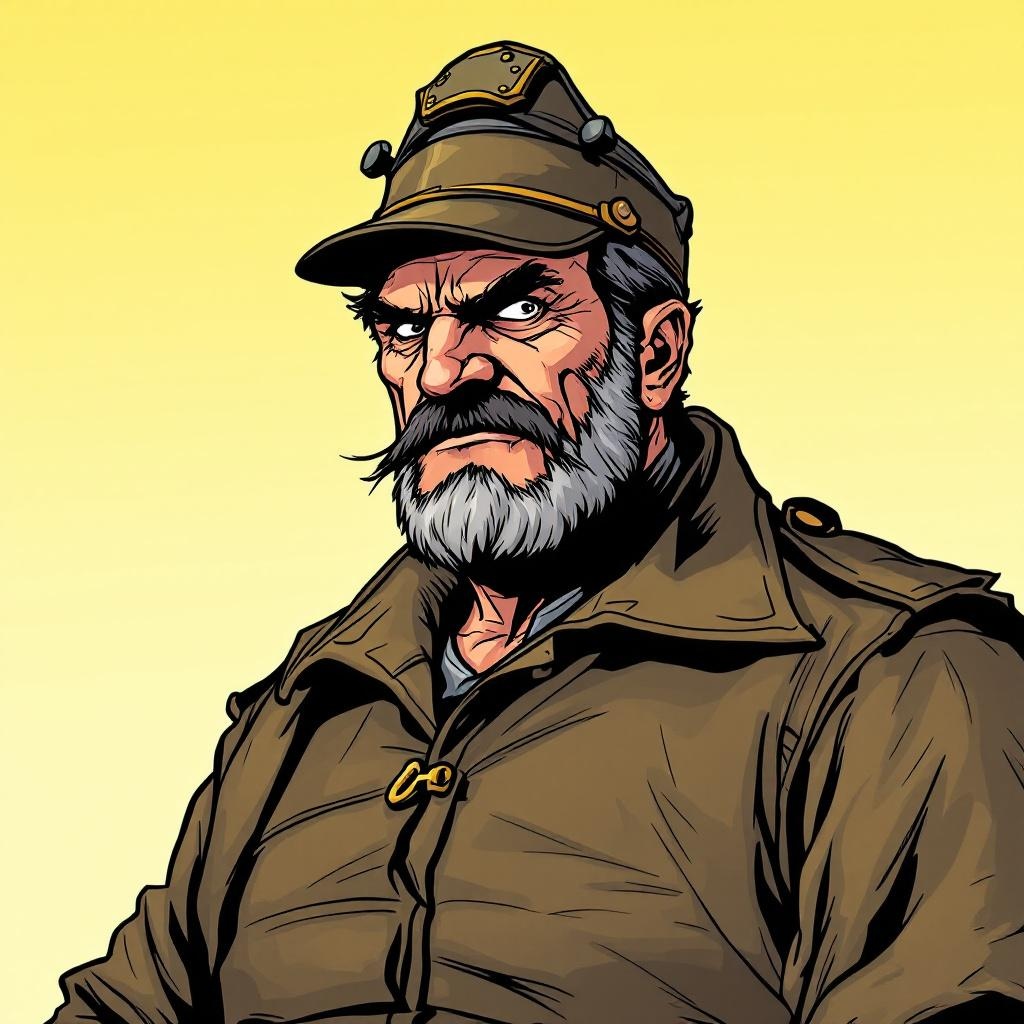
Dwarfs, as Pratchett notes, have trouble with metaphors. When Vimes once told Carrot to "throw the book" at a suspect, Carrot threw the actual Laws and Ordinances of Ankh and Morpork—a volume heavy enough to stagger a man. The suspect stepped backward in surprise and fell five stories to his death.
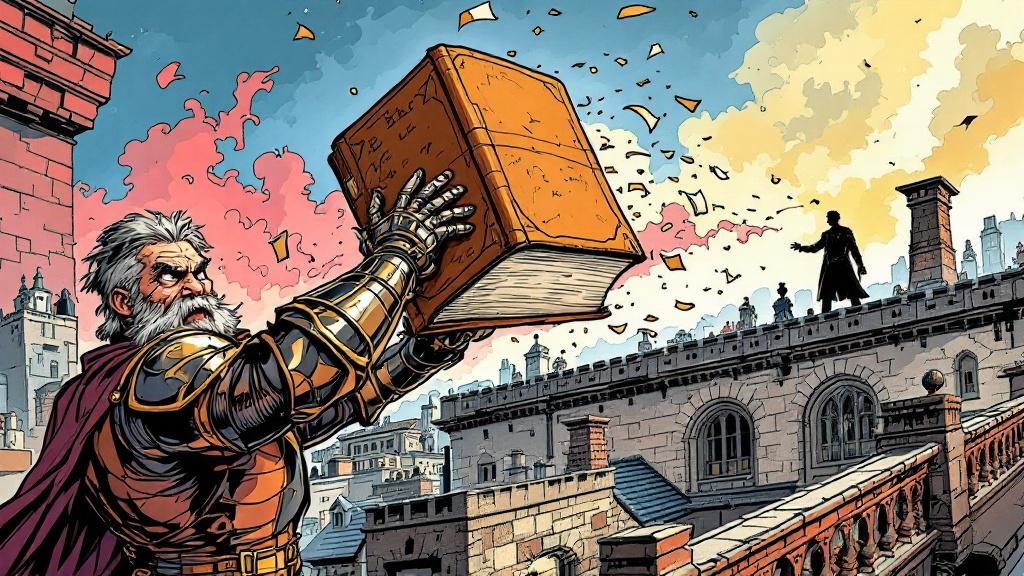
It's played for laughs, but underneath it there's something important. Carrot's literalism isn't a quirk—it's cultural. He was raised by people who say what they mean and mean what they say. Metaphor is a human invention, a way of talking around things. Dwarfs talk at things, directly, with the same blunt force they apply to rocks.
When Carrot reads the Laws and Ordinances cover to cover and then starts arresting Guild leaders for technically illegal activities, that's dwarf thinking. The law is written down. It says what it says. Why would you not enforce it? The idea that laws might be decorative—present but not applied—is as alien to a dwarf as a mine shaft without supports.
This extends to his famous exchange about appointments and morningstars, his habit of knowing every citizen by name (dwarfs remember their community members), and his unshakeable belief that if a rule exists, it exists for a reason. His entire approach to policing is dwarfish: systematic, literal, thorough.
The Smelter: Too Human, Too Dwarfish
Carrot's dual identity reaches its most dramatic expression in Thud!, when he's appointed "smelter"—a dwarf detective—to investigate the murder of Grag Hamcrusher.
The choice is deliberate. Carrot is, as someone observes, "a dwarf too human for the deep-downers and too dwarfish for the trolls." In a case that hinges on ancient racial hatred between dwarfs and trolls, he's the only person in Ankh-Morpork who can walk both sides of the line.
And he can do it because his identity isn't a costume. When he speaks to dwarf witnesses in Dwarfish, they respond. Not because they're fooled into thinking he's one of them—they can see perfectly well that he's six-foot-six—but because they recognise that he is one of them. He did the ceremonies. He knows the customs. He calls the mines home.
When he organises dwarf volunteers to dig out bodies from the collapsed Koom Valley tunnels, it's not an outsider directing operations. It's a dwarf who happens to be a copper coordinating with other dwarfs. His impossible identity becomes his greatest investigative asset.
"A dwarf too human for the deep-downers and too dwarfish for the trolls."
Throughout the Watch series, this pattern repeats. Carrot bridges species divides that other characters can't cross. He helped integrate trolls and dwarfs in the Watch when the two species had been enemies for millennia. In Jingo, he got enemy soldiers playing football together during a military standoff. His ability to connect across cultural lines doesn't come from being above culture—it comes from being genuinely inside one that isn't biologically his.
He understands what it means to belong somewhere unexpected. And that understanding makes him uniquely equipped to help others do the same.
The First Love in the Mine
There's a small detail that often gets overlooked: before leaving for Ankh-Morpork, Carrot had romantic feelings for Minty Rocksmacker, a dwarf back in the Copperhead mines.
Think about what that means. His entire emotional development—his first crush, his adolescent fumbling, his idea of what romance looks like—happened within dwarf cultural context. When he later falls in love with Angua, a werewolf, it's actually his second cross-cultural relationship. His first love was wholly within his adopted culture.
This tiny detail reveals how completely Carrot's interior world is dwarfish. He didn't grow up feeling out of place, pining for human company. He grew up feeling like a dwarf who happened to be tall, with all the social and emotional experiences that entails.
What Pratchett Was Really Saying
Carrot's dual identity works as a thought experiment that Pratchett kept returning to across nine novels: what happens when nature and nurture diverge completely?
The answer, Pratchett suggests, is that nurture wins. Not easily, not without complications, and not without inheriting both the good and the bad—but it wins. Carrot is living proof that culture is something you do, not something you're born with.
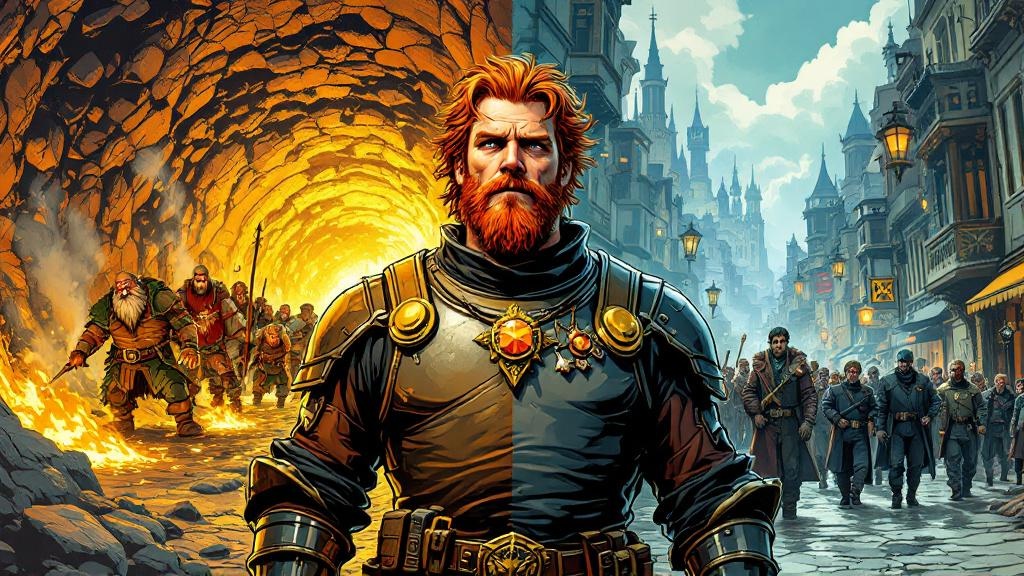
But Pratchett goes further. By making Carrot simultaneously the rightful king of Ankh-Morpork—an identity he rejects—Pratchett sets up a deliberate contrast. The identity Carrot was born to (royalty), he refuses. The identity he was raised into (dwarfishness), he embraces completely. The identity he chose (copper), he holds above all else.
That's three layers of nature versus nurture in one character, and each time, choice wins over biology. You aren't what your blood says. You aren't even what your upbringing dictates, if you decide otherwise. You are what you decide to be.
The Uncomfortable Question
Of course, Carrot's situation is idealised. He's fully accepted by dwarf culture. No dwarf questions his legitimacy. His adopted parents love him completely. In the real world, people who grow up between cultures—transracial adoptees, immigrants' children, anyone straddling two identities—often find themselves caught between belonging nowhere and belonging everywhere.
Pratchett knew this. The Cheery Littlebottom subplot exists partly to show that dwarf culture, like any culture, can be rigid and exclusionary. And Carrot's initial reaction to Cheery proves that cultural belonging doesn't make you immune to cultural prejudice.
But Pratchett also believed in the possibility that Carrot represents: that identity can be built rather than inherited, that communities can choose to include rather than exclude, and that the ceremonies we complete together matter more than the accidents of birth.
It's an optimistic vision. Coming from a writer who spent forty books examining how people treat each other, that optimism was hard-earned and deliberately offered.
Where to See Carrot's Dwarfishness
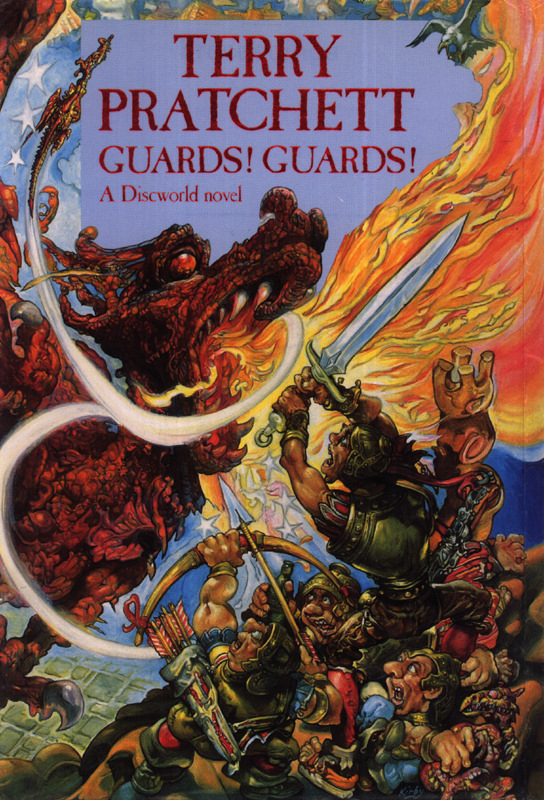
For the purest expression of Carrot's dual identity, start with Guards! Guards!, where he arrives in Ankh-Morpork fresh from the mines, armed with a literal reading of the law book and an unshakeable belief that rules are rules. His dwarfishness is everywhere—in his literalism, his earnestness, his inability to understand why people would have laws they don't enforce.
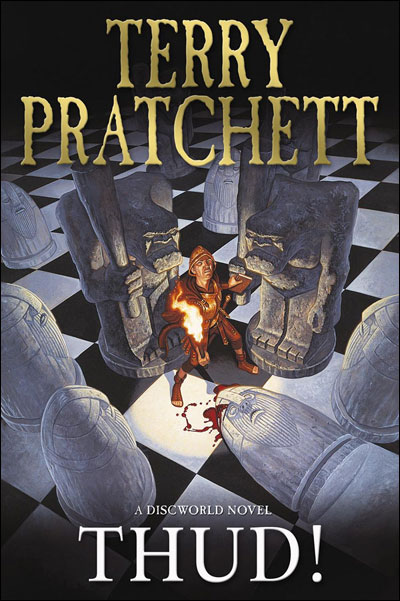
Then follow him through Feet of Clay for the uncomfortable Cheery moment that reveals his conservative dwarfish core, and Thud! for the investigation where his impossible identity becomes his greatest strength. Together, these books trace the full arc of a character who proves that what you choose to become is more powerful than what you happened to be born.
After all, being a human just means being born to human parents. That's the easy part.
Explore more of Carrot's character: discover why he refused the throne of Ankh-Morpork, or read about how his linear thinking becomes a weapon.