Reading Discworld in 2026: Is It Still Worth It?
Wondering if Terry Pratchett's 40-year-old fantasy series is still relevant? Here's why Discworld isn't just worth reading in 2026—it might be more essential than ever.
Reading Discworld in 2026: Is It Still Worth It?
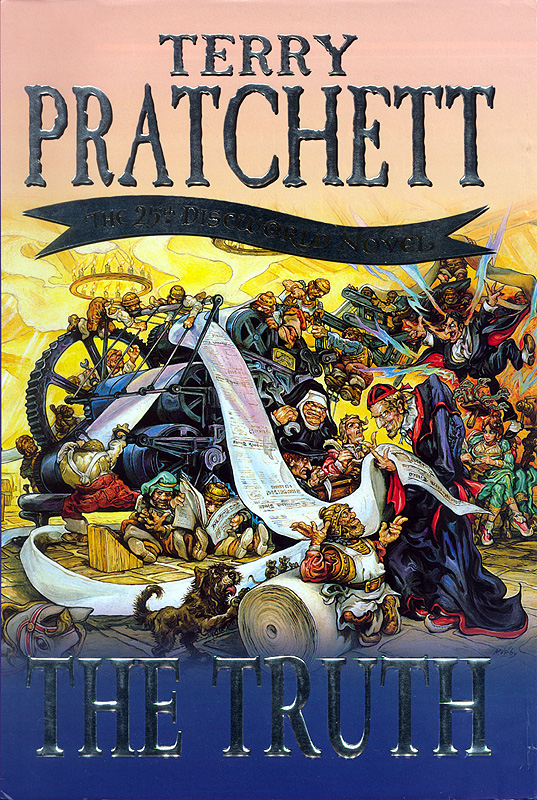
You've heard about Terry Pratchett's Discworld—41 books, millions of devoted fans, a flat world on the back of a giant turtle. But here's the thing: the first book came out in 1983. That's over 40 years ago. The series ended in 2015 when Pratchett passed away. The world has changed dramatically since then.
So you're wondering: is this vintage fantasy series still worth your time in 2026? Or is it a nostalgia trip best left to people who grew up with it?
Here's the honest answer: Discworld isn't just worth reading—it might be more relevant now than when it was written.
Let me explain.
The Concerns You Probably Have
Before we talk about why Discworld still works, let's acknowledge the legitimate worries. You're not wrong to have them.
"Won't the References Be Dated?"
Early Discworld parodies 1970s and 80s sword-and-sorcery fantasy—Conan the Barbarian, Fafhrd and the Gray Mouser, Dragonriders of Pern. If you haven't read those books (and let's be honest, most people under 40 haven't), will you miss half the jokes?
Yes and no. The early books do lean heavily on genre parody. But here's what makes Pratchett special: even when you don't catch a reference, the prose still works. Longtime fans are still discovering Easter eggs after decades of rereading. The stories stand on their own merits—the references are bonus content, not required reading.
"Isn't British Humor an Acquired Taste?"
Pratchett is undeniably British. There's wordplay. There's understatement. There's a particular kind of dry wit that doesn't translate perfectly to every culture.
But British humor has gone global. If you've enjoyed Good Omens, Doctor Who, The Hitchhiker's Guide to the Galaxy, or even The Office, you already speak the language. Pratchett co-wrote Good Omens with Neil Gaiman, and his influence shows in everything from Terry's footnotes to his narrative voice.
"The World Has Changed So Much"
This is the big one. Discworld has no internet. No smartphones. Characters send letters by the clacks (a semaphore system that's basically mechanical Twitter). The technology is quaint.
But here's what Pratchett understood: technology changes, but people don't. The problems he wrote about—corruption, inequality, prejudice, the seductive appeal of easy answers—are our problems. Just with different window dressing.
Why Discworld Is More Relevant Than Ever
"Pratchett wasn't writing about the 1980s—he was writing about humanity."
The Social Commentary Has Aged Like Wine
Terry Pratchett's books are famous for their satire. But unlike a lot of 80s and 90s pop culture, his targets were timeless: the abuse of power, religious fundamentalism, the machinery of war, how institutions corrupt themselves.
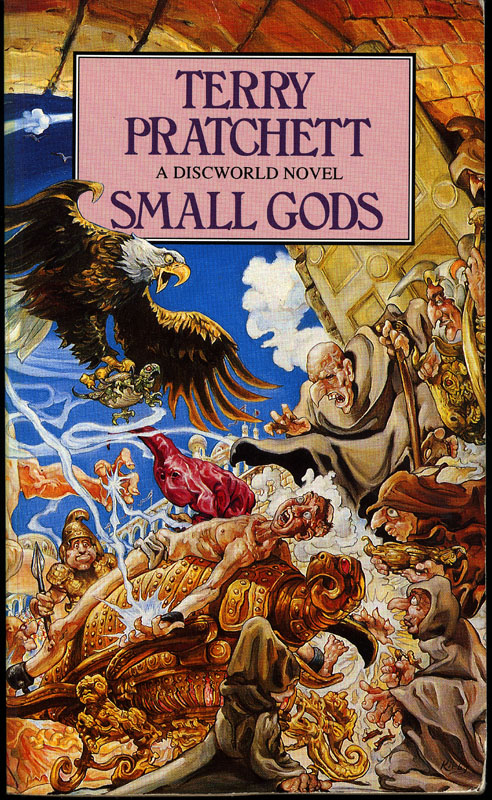
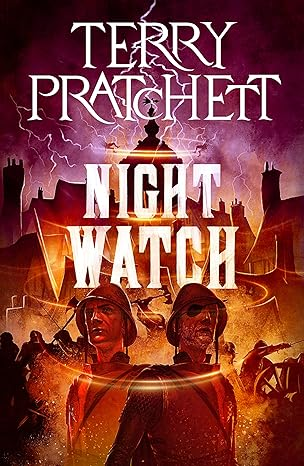
Small Gods dissects how religious institutions can kill the faith they claim to protect. Jingo shows how quickly rational people can be whipped into war fever. Night Watch explores how revolutions can be betrayed by the very people who fought for them.
These books weren't predictions—they were observations about patterns that repeat throughout human history. Reading them now, during our own era of political polarization and institutional distrust, they feel less like fantasy and more like diagnosis.
The "Industrial Revolution" Books Feel Eerily Current
Later Discworld books tackle something familiar: rapid technological change disrupting established systems.
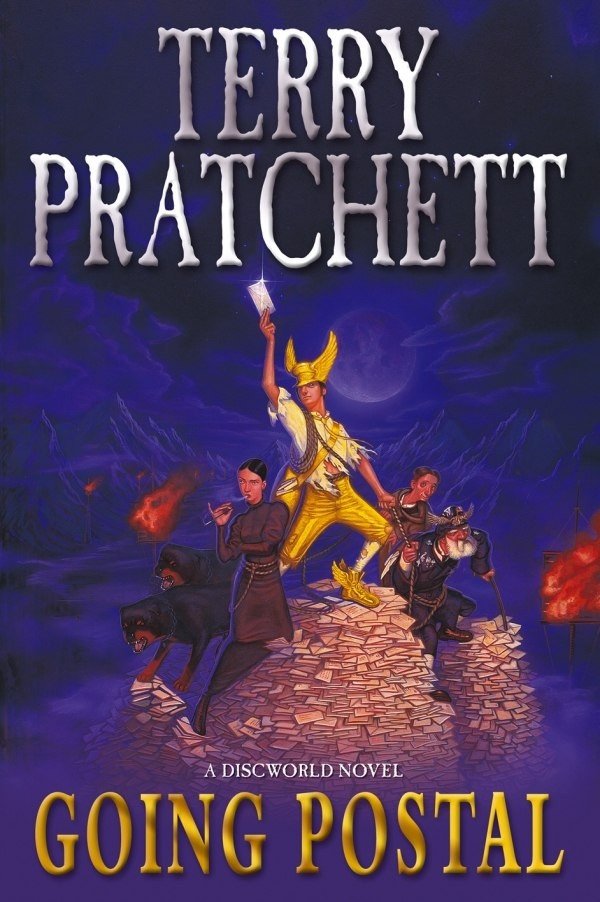
In Going Postal, the post office gets reinvented to compete with new technology. In Making Money, the banking system faces modernization. In Raising Steam, the railway changes everything about how the Disc works.
Moist von Lipwig, the reformed conman who drives these books, is essentially a startup founder—moving fast, breaking things, and hoping charm can paper over the chaos. Sound familiar?
The Characters Transcend Their Era
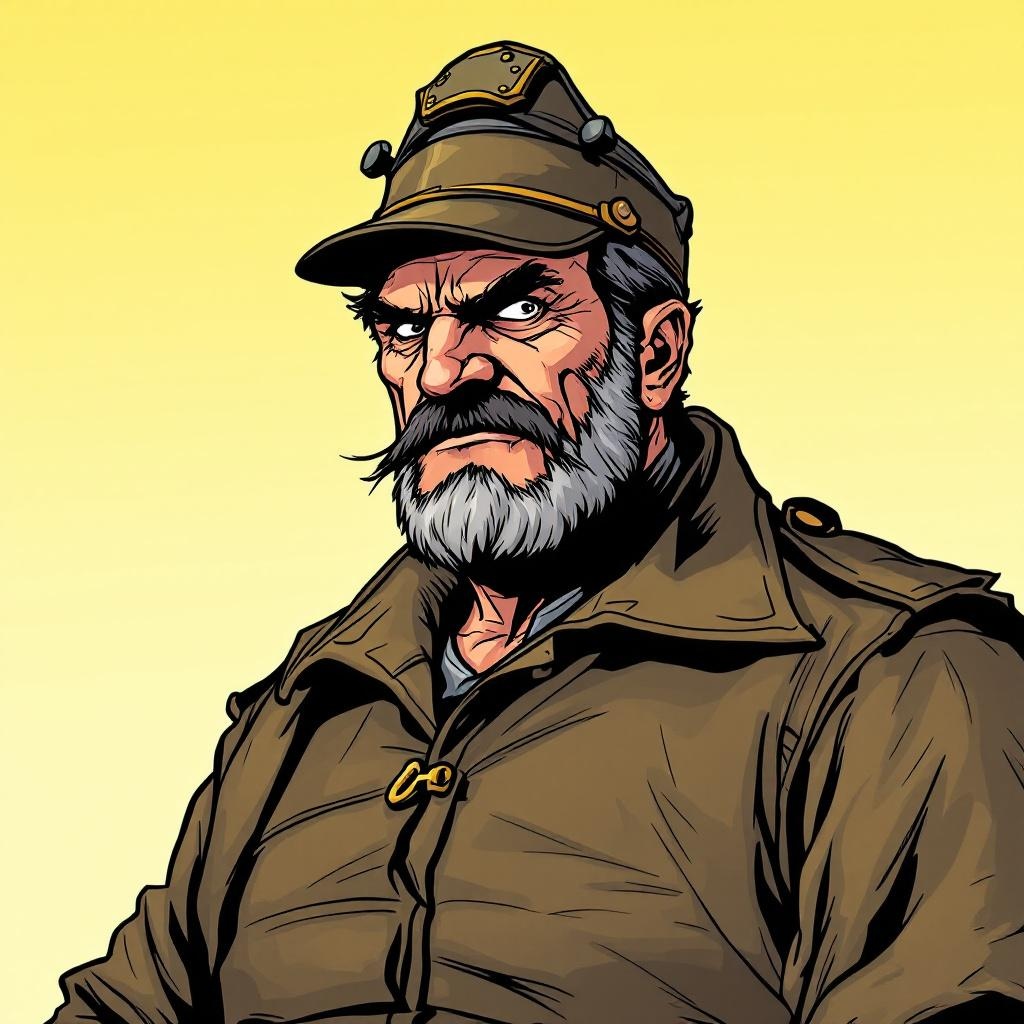
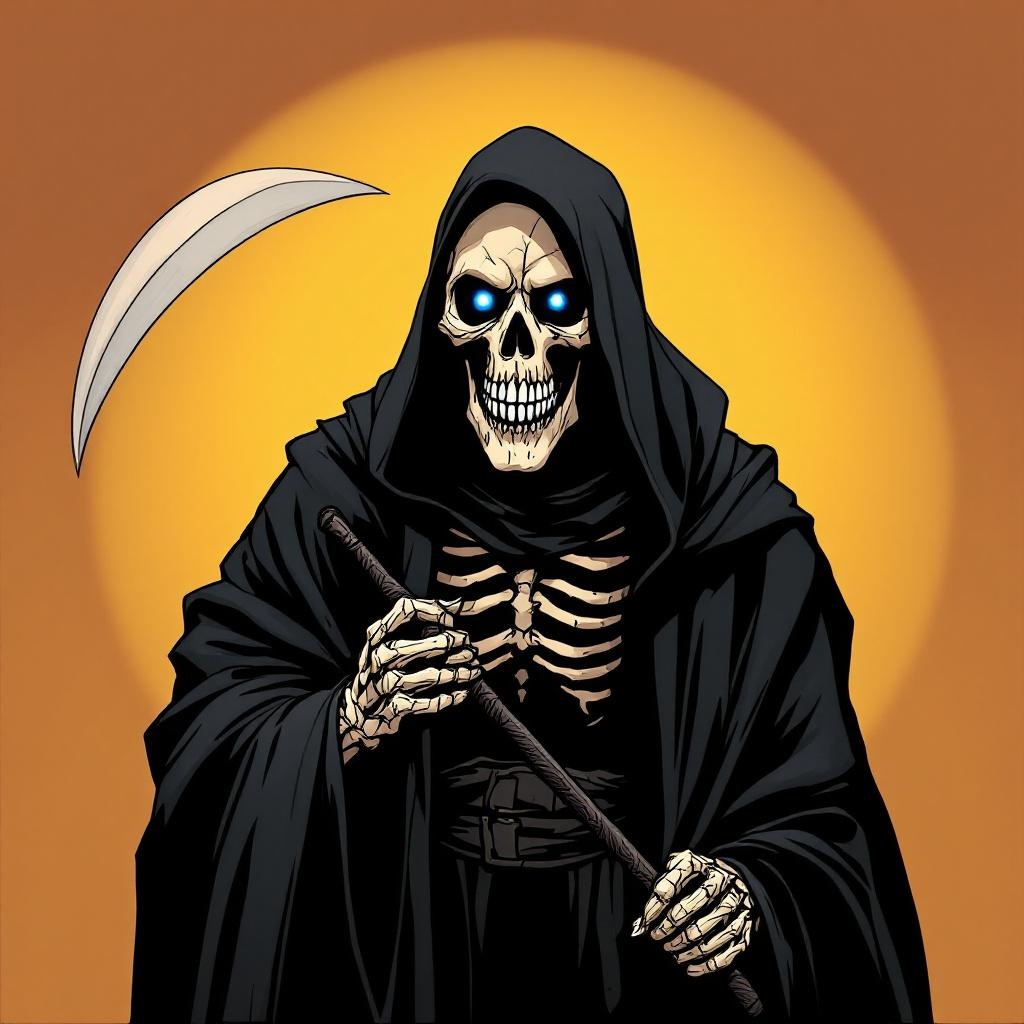
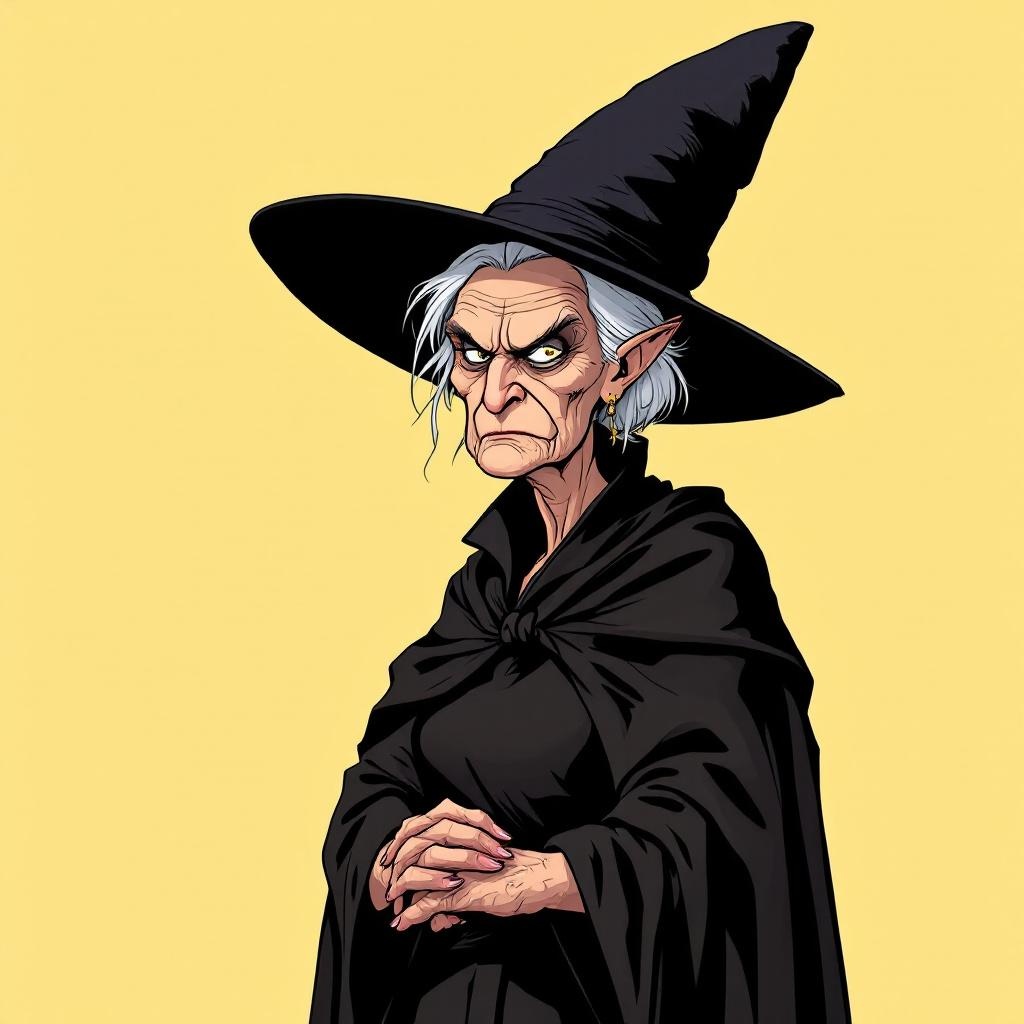
Sam Vimes is a cop who distrusts authority, including his own. Granny Weatherwax is an older woman whose power comes from choosing not to use her power. Death (yes, the skeleton with the scythe) is a cosmic entity trying desperately to understand what makes humans worth caring about.
These aren't characters trapped in their time. They're archetypes—recognizable, complex, human in all the ways that matter even when they're not technically human.
Vimes's struggle with his own capacity for violence, Granny's insistence on doing what's right rather than what's nice, Death's growing affection for the mortals whose lives he ends—these resonate because they're about being a person, not about being a person in 1995.
What Hasn't Aged Well (And Why It Doesn't Matter Much)
Let's be honest: not everything in a 40-year-old series holds up perfectly.
The Early Books Are Rough
The first few Discworld novels—The Colour of Magic, The Light Fantastic—are primarily genre parodies. Pratchett was still finding his voice. If you start there and bounce off, you're bouncing off the weakest material.
"The best satire ages like wine, not milk."
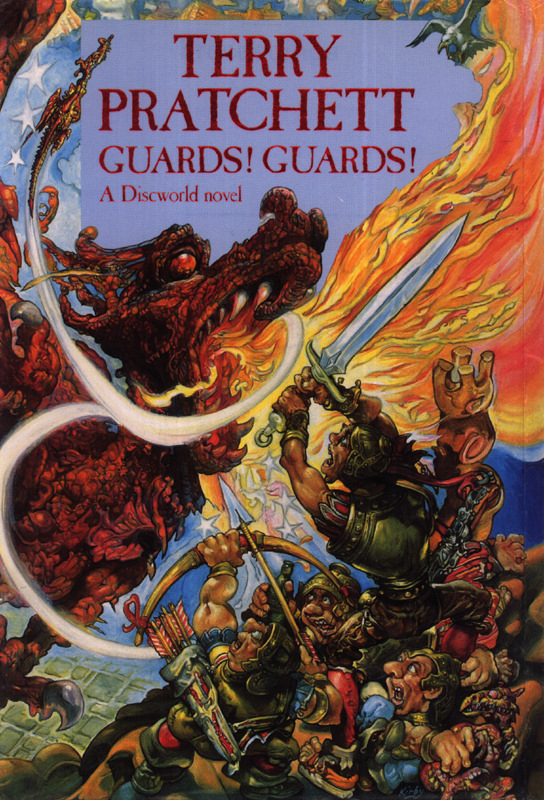
This is why fans universally recommend starting with Guards! Guards! or Mort instead. By book eight, Pratchett had evolved from clever pastiche to genuinely insightful social commentary with jokes.
Some Jokes Require Context
Occasionally you'll hit a joke that requires knowing British pop culture from 1992, or a reference to a fantasy novel you've never heard of. The L-Space Wiki maintains the "Annotated Pratchett File" documenting thousands of these references—a testament to both Pratchett's density of allusion and the fact that many readers discover them years later.
But here's the key insight: Pratchett's skill meant these moments don't stop the narrative. You might miss a reference to obscure 70s prog rock, but the story keeps moving. The jokes that land still land.
The World Is Imperfect
Early Ankh-Morpork is a fairly generic fantasy city. Some characters introduced early get abandoned. There are minor continuity errors across 41 books.
These are the marks of a living, evolving work written over three decades. They're also utterly irrelevant to whether you'll enjoy the experience. Nobody finishes Night Watch and thinks "great book, shame about that inconsistency in how the Assassins' Guild works."
Practical Advice for Modern Readers
Don't Start at the Beginning
Seriously. The Colour of Magic is book one, but it's also book one of a writer who hadn't yet become Terry Pratchett. Start with:
- Guards! Guards! if you like cop stories and ensemble casts
- Mort if you like philosophical questions and unusual protagonists
- Small Gods if you like standalone novels and religious satire
All three are gateways to the real Discworld. Pick based on what sounds interesting.
Don't Try to Read Them All
There are 41 novels. You don't have to read all of them. Discworld has multiple sub-series—the Watch books, the Witches books, the Death books, the Moist books. Follow the threads that interest you.
If you love Guards! Guards!, there are seven more Watch books waiting. If Small Gods blows your mind but you don't love the other philosophical standalones, that's fine too. There's no Discworld police forcing you to complete the set.
Give It Three Chapters
Pratchett's books typically start slow and end strong. The first few chapters establish the situation; the acceleration comes later. If you're 30 pages in and on the fence, push to chapter three. That's usually when it clicks.
If you hit chapter three and still don't care, this might not be your series—and that's okay. But give it the chance to reach cruising altitude.
The Real Question
The question isn't "Is Discworld dated?" The question is "Does it speak to something true about being human?"
Yes. Absolutely yes.
Pratchett wrote about how easy it is for good people to do terrible things when they stop thinking. He wrote about how institutions meant to serve people end up serving themselves. He wrote about the courage it takes to stand up for what's right when everyone around you is doing what's easy.
He did it with jokes about orangutans and trolls and a skeleton who SPEAKS IN CAPITAL LETTERS. But the humanity underneath has never been more relevant.
Forty years from now, people will still be discovering Discworld. They'll still be laughing at the jokes and crying at the endings and seeing themselves reflected in characters who happen to live on a flat world carried through space by a giant turtle.
That's not nostalgia. That's literature.
The Bottom Line
Is Discworld worth reading in 2026?
It's worth reading in any year you need to be reminded that humans are capable of both terrible stupidity and profound kindness—often in the same afternoon. It's worth reading when you need to laugh at the absurdity of existence without losing hope. It's worth reading when you want fantasy that's about something, not just escapism.
The turtle moves. And the books are waiting.
Ready to start? Check out our Where to Start with Discworld guide for personalized recommendations, or read our breakdown of Guards! Guards! vs Mort vs Small Gods to pick your entry point.