The Scientist Among Wizards: Ponder Stibbons and the Futility of Explaining Things
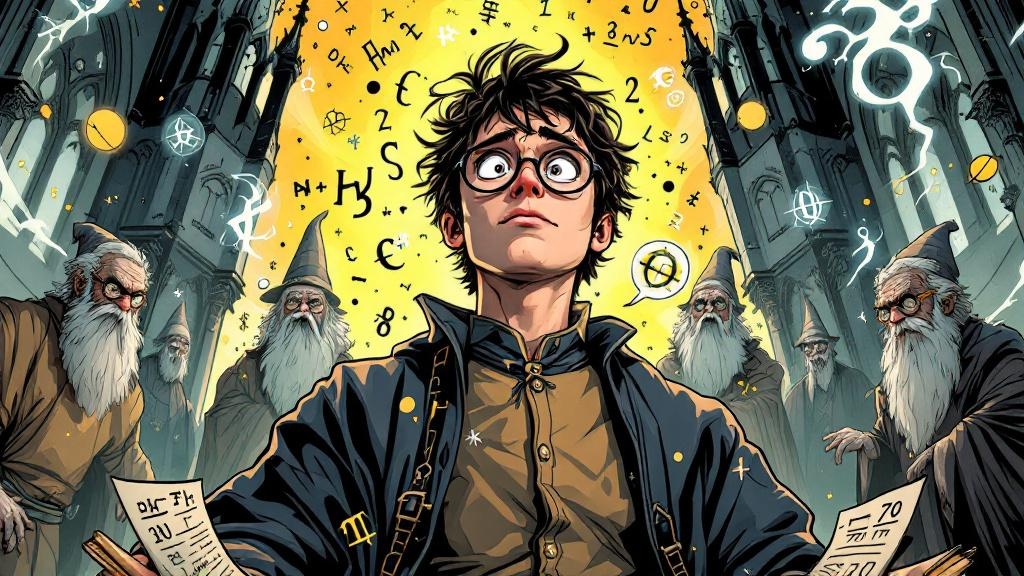
How Ponder Stibbons became Discworld's voice of reason in a world that refuses to listen—and why he keeps trying anyway.
The Scientist Among Wizards: Ponder Stibbons and the Futility of Explaining Things
Imagine being a scientist. Now imagine that your laboratory is a magical university, your colleagues are elderly men who believe thinking too hard about anything is vulgar, and your every attempt to explain how reality works is met with deliberate misunderstanding.
Welcome to Ponder Stibbons' life.
"Ponder Stibbons was one of those unfortunate people cursed with the belief that if only he found out enough things about the universe it would all, somehow, make sense."— Terry Pratchett, The Last Continent
Ponder Stibbons is the Head of Inadvisably Applied Magic at Unseen University. He's also the Reader in Invisible Writings, the Praelector, the creator of the magical computer Hex, and—most importantly—the only wizard who thinks things should happen on time and that numbers should add up.
This makes him profoundly unsuited to his workplace. And that's exactly the point.
The Curse of Understanding
Ponder's curse isn't that he's surrounded by idiots. The senior faculty at Unseen University are cunning, in their way. They've survived decades of wizard politics, which historically involved a lot of murder. They're skilled at the magic that matters to them—primarily the magic of getting the best chair at dinner.
No, Ponder's curse is that he believes explanation should work.
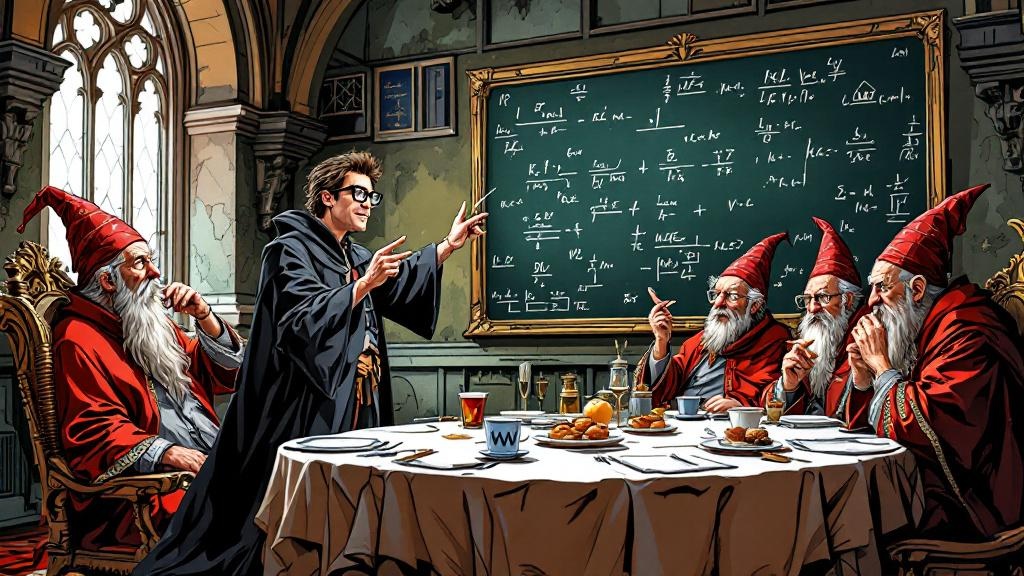
When Ponder tries to explain something to his colleagues, he's not met with confusion. He's met with something worse: creative misunderstanding. The wizards don't fail to grasp concepts—they grasp entirely different concepts and then argue about those instead.
The classic example comes from Lords and Ladies, where Ponder attempts to explain parallel universes to Archchancellor Ridcully. Ridcully immediately mishears "parallel universes" as "parasite universes"—and then becomes fixated on a completely different concern.
If there's an alternate version of him who married Granny Weatherwax, Ridcully wants to know, how come he was never invited to the wedding?
This isn't stupidity. It's something more frustrating: selective comprehension. The faculty members understand exactly enough to veer off into irrelevance. They're not incapable of following logic—they're allergic to it.
The Trousers of Time
Despite everything, some of Ponder's ideas break through. His concept of the "Trousers of Time"—where the universe splits at decision points, sending reality down different trouser legs—becomes one of Discworld's most important cosmological ideas.

Ponder introduces this in Lords and Ladies, trying to explain how choices create branching timelines. The explanation goes predictably sideways—but the idea sticks. It returns in Night Watch, where Sam Vimes experiences it firsthand. It echoes through Thief of Time.
Here's the cruel irony: Ponder's theory actually explains something true about Discworld. "Parasite universes"—the term Ridcully accidentally coined—turn out to describe exactly where the elves come from. Little scraps of reality with no past or future, trying to latch onto real timelines and suck them dry.
The man who can't get anyone to listen invented the framework for understanding some of Pratchett's best stories. He just didn't get credit for it in-universe.
The Last Continent Disaster
The Last Continent provides the definitive showcase of Ponder's frustration. The wizards find themselves accidentally travelling through time, and Ponder tries desperately to warn them about the grandfather paradox—the idea that going back in time and killing your grandfather would prevent your own existence.
"When he was a boy, he had imagined that wizards would be powerful demigods. Then he'd grown up and found that they were tiresome old men who worried about the state of their feet."— Terry Pratchett, The Last Continent
The faculty's response? They ruthlessly make fun of him. Not because they don't understand the paradox—but because they find the whole concept of worrying about logical consistency tedious.
This is also the book containing one of Pratchett's most cutting observations about Ponder's disillusionment. As a boy, Ponder had imagined wizards as powerful demigods able to change the world with a flick of a finger. Then he grew up and discovered they were tiresome old men obsessing over the state of their feet.
The gap between expectation and reality is Ponder's entire existence.
The God of Evolution
The Last Continent also gives Ponder a moment of genuine crisis. On Mono Island, he encounters the God of Evolution—a deity who is also, paradoxically, an atheist. The God has been designing creatures in isolation, working toward what he believes will be the ultimate life form.
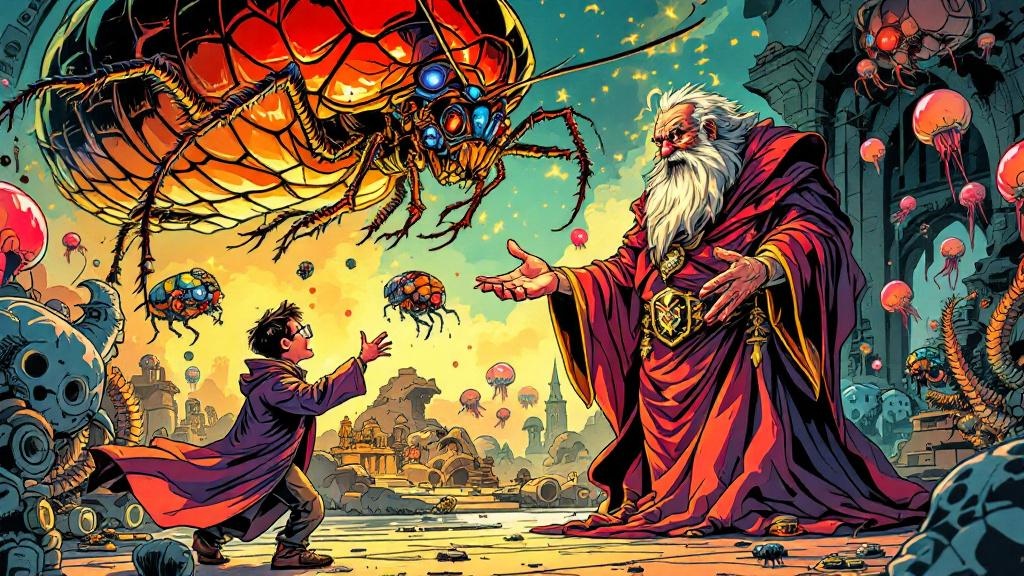
The God offers Ponder a job as his assistant. Here, finally, is someone who cares about how things work, who wants to understand the mechanisms of life. Ponder is genuinely tempted.
Then the God reveals his ultimate project: the cockroach.
Ponder flees in horror. Not because the cockroach is disgusting, but because of what it represents. The pinnacle of evolution isn't the intelligent, sapient being who can ask questions about the universe. It's an insect that will outlive everything.
For a man who believes understanding should lead somewhere, this is devastating. The universe's design doesn't privilege curiosity or intelligence. It privileges survival. And the survivors don't need to understand anything at all.
Why He Keeps Trying
This brings us to the central question: Why does Ponder keep explaining things?
He knows Ridcully won't understand. He knows the Senior Wrangler will mishear "quantum" as something about sandwiches. He knows the Dean will fall asleep. He's been through this a hundred times.
Yet every time something needs explaining, there's Ponder, reaching for an analogy.
Part of it is that Pratchett needed a straight man. The wizard comedy only works if someone's actually trying to be coherent. Ponder provides the baseline rationality that makes everyone else's irrationality funny.
But there's something deeper happening. Ponder keeps trying because someone has to. Not because he'll succeed—he rarely does—but because the alternative is giving up on sense entirely.
Ridcully actually seems to appreciate this about him. There's a rule at Unseen University: if someone is still trying to explain something after two minutes, it's probably important enough to warrant attention. The explainer is usually Ponder. He's earned a kind of grudging respect through sheer persistence.
The relationship between them is oddly functional. Ridcully never understands what Ponder is saying. Ponder never expects him to. But they work together anyway, and things mostly get done.
The Accidental Administrator
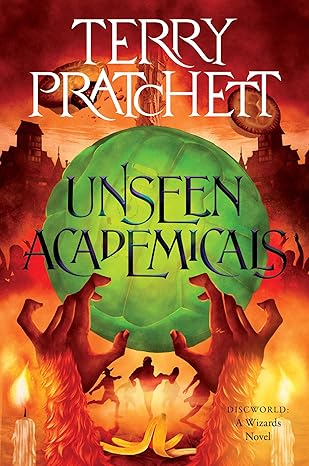
By Unseen Academicals, Ponder has accumulated twelve positions at the university, including Master of The Traditions and Camerlengo. This gives him twelve votes on the University Council—a majority by himself.
Nobody noticed because all the reports went to Ponder.
Here's the beautiful thing: he didn't seek this power. He just kept being the person who showed up, who filed the paperwork, who made sure things happened. In an institution where everyone else was busy being important, Ponder was busy being useful.
And when he finally uses his accumulated authority, it's not for personal gain. He talks Ridcully and the former Dean out of starting a magical war—politely, patiently, and by being intentionally boring enough that they calm down.
The rational man in the irrational institution eventually runs the institution. Not by winning arguments, but by being the only one who'd bother doing the work.
What Ponder Represents
Terry Pratchett had a background in journalism and press relations, and he clearly understood a certain kind of frustrated professional: the person who believes in evidence, logic, and clear communication, surrounded by people who prefer tradition, inertia, and whatever sounds good at the time.
Ponder is every scientist who's tried to explain climate change to a dismissive audience. Every IT worker asked to make the impossible possible. Every junior employee who sees obvious problems their seniors refuse to acknowledge.
He's also a commentary on the limits of rationality itself. Ponder's right about almost everything. The grandfather paradox is real. Parallel universes do exist. The mechanisms of evolution do work the way he describes. Being right doesn't help him communicate, because communication isn't about correctness—it's about connection.
The wizards don't reject Ponder's ideas because the ideas are wrong. They reject them because the ideas are inconvenient, complicated, and interrupt lunch.
The Hope Inside the Futility
There's something optimistic buried in Ponder's endless frustration. He keeps trying because he believes—despite all evidence—that understanding matters. That if he can just find the right words, the right analogy, the right moment, something might click.
Sometimes it does. The Trousers of Time became part of Discworld's cosmology. Hex became genuinely important. The university, against all odds, functions.
Ponder Stibbons isn't the hero who saves the day through dramatic action. He's the hero who keeps the day running through persistent explanation, patient administration, and stubborn refusal to accept that things shouldn't make sense.
In a world full of magic, his superpower is caring about logic. And while it doesn't always work, it works often enough to matter.
Where to Experience Ponder's Frustration
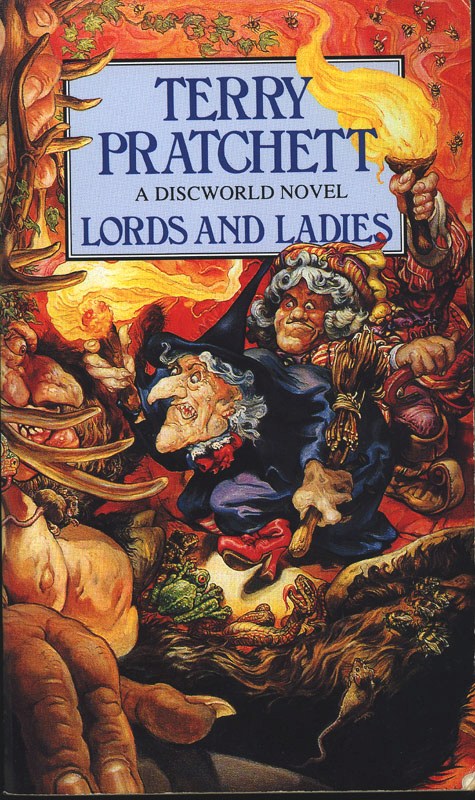




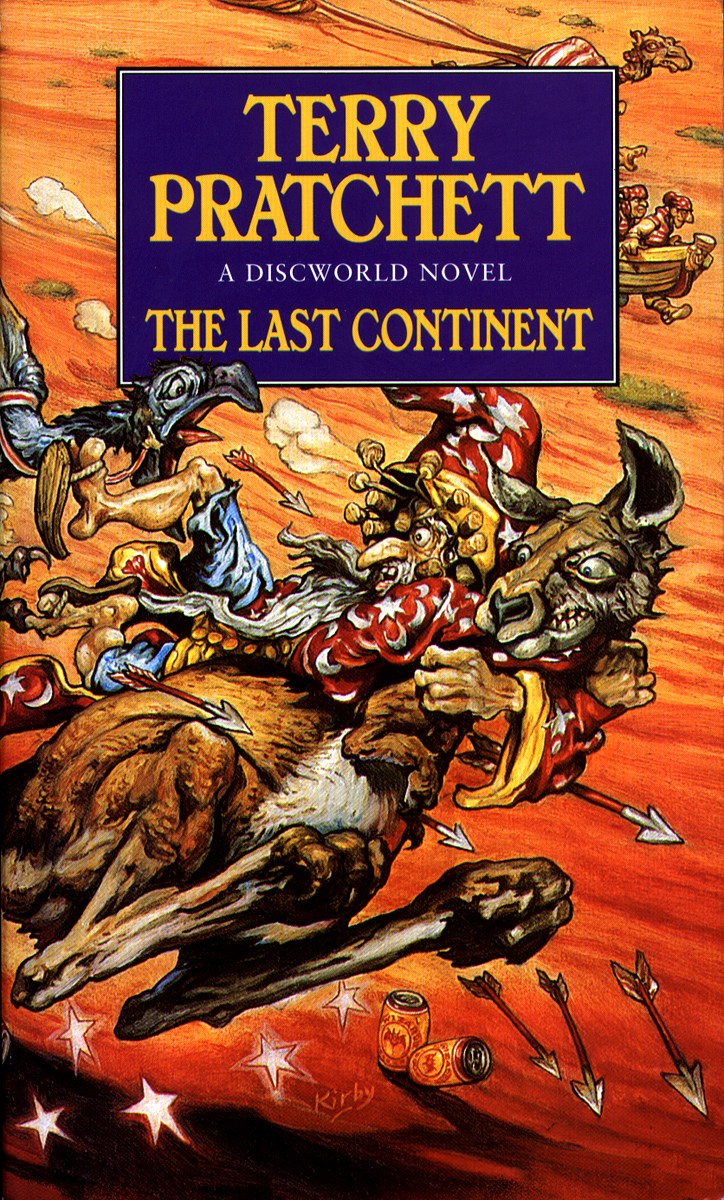
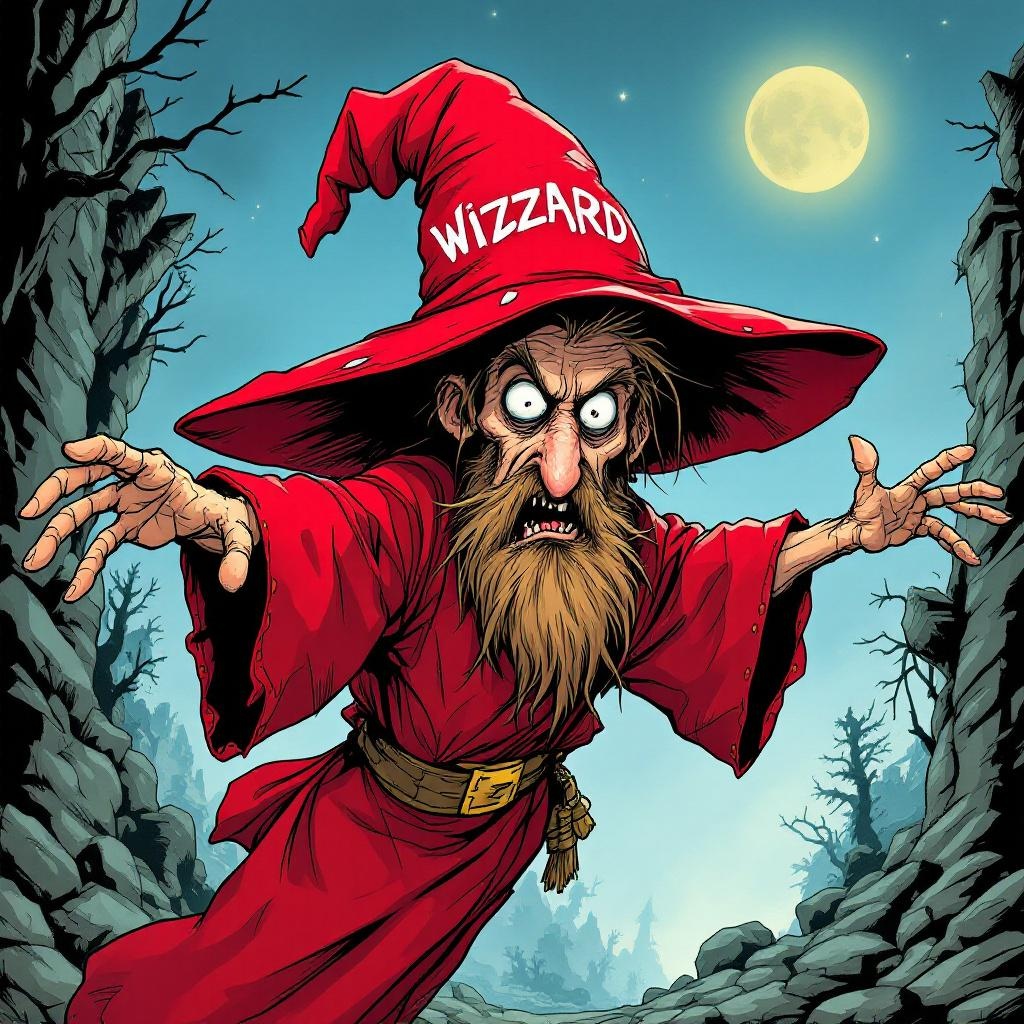




Start with Lords and Ladies for his first significant appearance, then The Last Continent for the full Ponder experience. After that, Unseen Academicals shows what happens when the rational man accidentally accumulates all the power.
The Bottom Line
Ponder Stibbons is cursed with believing the universe should make sense, working in an institution dedicated to ignoring sense entirely. He keeps explaining anyway—not because he expects success, but because someone has to try.
That's not futility. That's hope disguised as frustration.
And occasionally, when no one's paying attention, his ideas change everything.
Want to explore more of Unseen University? Read about Ridcully's approach to survival, or discover how Hex developed consciousness through a teddy bear.