The Woman Who Was a City: How Lady Sybil Conquered Sam Vimes

Terry Pratchett's famous passage compares Lady Sybil to Ankh-Morpork itself. Here's why their romance inverts every fantasy trope—and why that matters.
The Woman Who Was a City: How Lady Sybil Conquered Sam Vimes
Fantasy romance has rules. The hero rescues the princess. The knight wins the lady's favor through deeds of valor. The man proposes, the woman accepts, and they live happily ever after in his castle.
Terry Pratchett looked at these rules and thought: what if we tried something different?
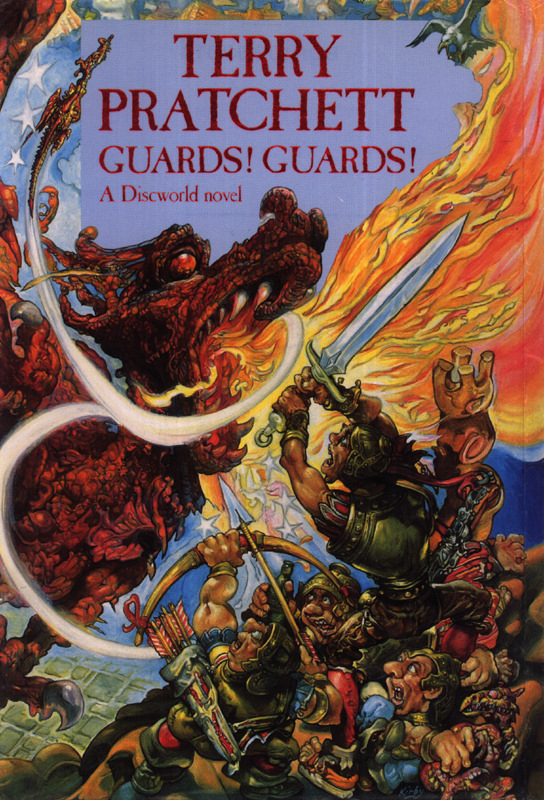
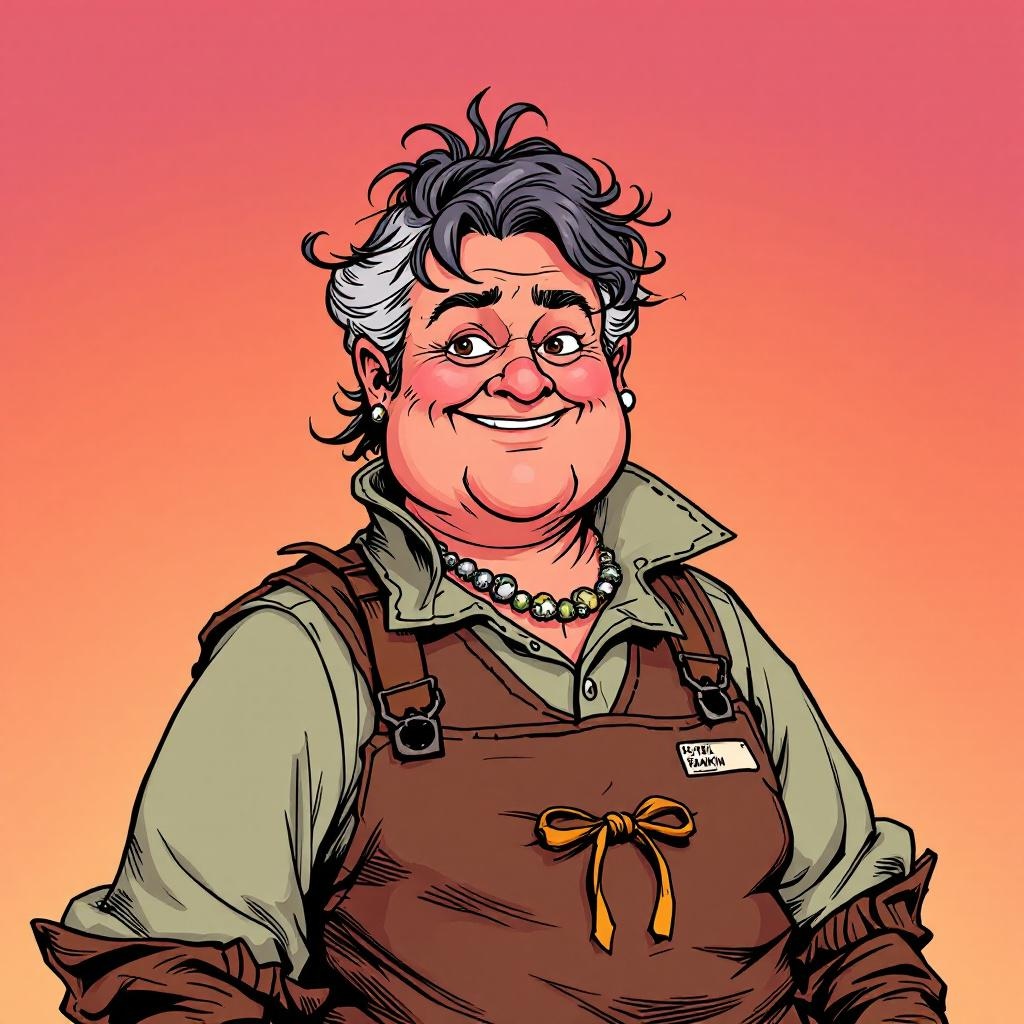
In Guards! Guards!, he gave us Lady Sybil Ramkin—a large, confident aristocrat who breeds dragons, owns half of Ankh-Morpork, and proposes to a drunk cop she met in her dragon pens. And then he described her in terms that turn the entire rescue fantasy on its head.
"The Woman Was a City"
The passage comes near the end of Guards! Guards!, when Sam Vimes finally allows himself to think about what Sybil means to him:
She smiled at him. And then it arose and struck Vimes that, in her own special category, she was quite beautiful; that was the category of all the women, in his entire life, who had ever thought he was worth smiling at. She couldn't do worse, but then, he couldn't do better. So maybe it balanced out. She wasn't getting any younger but then, who was? And she had style and money and common sense and self-assurance and all the things that he didn't, and she had opened her heart, and if you let her she could engulf you; the woman was a city.
"She could engulf you; the woman was a city."
That final image—the woman was a city—is striking enough. But Pratchett doesn't stop there:
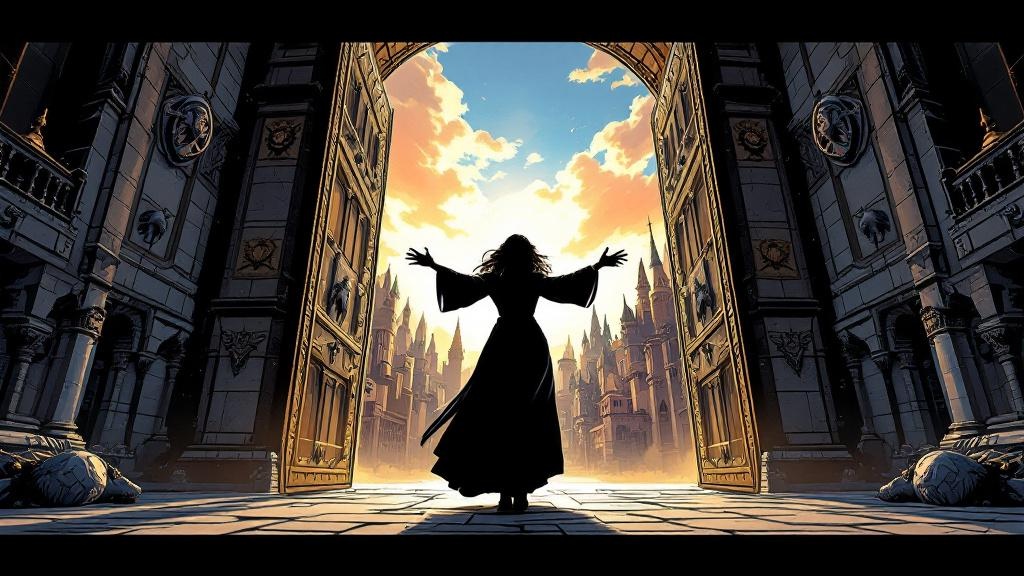
And eventually, under siege, you did what Ankh-Morpork had always done—unbar the gates, let the conquerors in, and make them your own.
This is Ankh-Morpork's defining characteristic: the city has been invaded countless times, but it absorbs every conqueror. Armies march in victorious and emerge, generations later, as just another neighborhood. The city wins by letting others think they've won.
And that's Sybil. She doesn't chase Vimes. She doesn't pursue him or pressure him. She simply opens her gates—her heart, her home, her dragons, her patience—and lets him think he's making a choice. But really, she's already won. She's absorbing him into something better.
How Sybil Got Vimes
In most fantasy romances, the man pursues the woman. He proves his worth through quests and valor. He asks permission from fathers and wins approval through social climbing.
Sybil proposed to Sam.
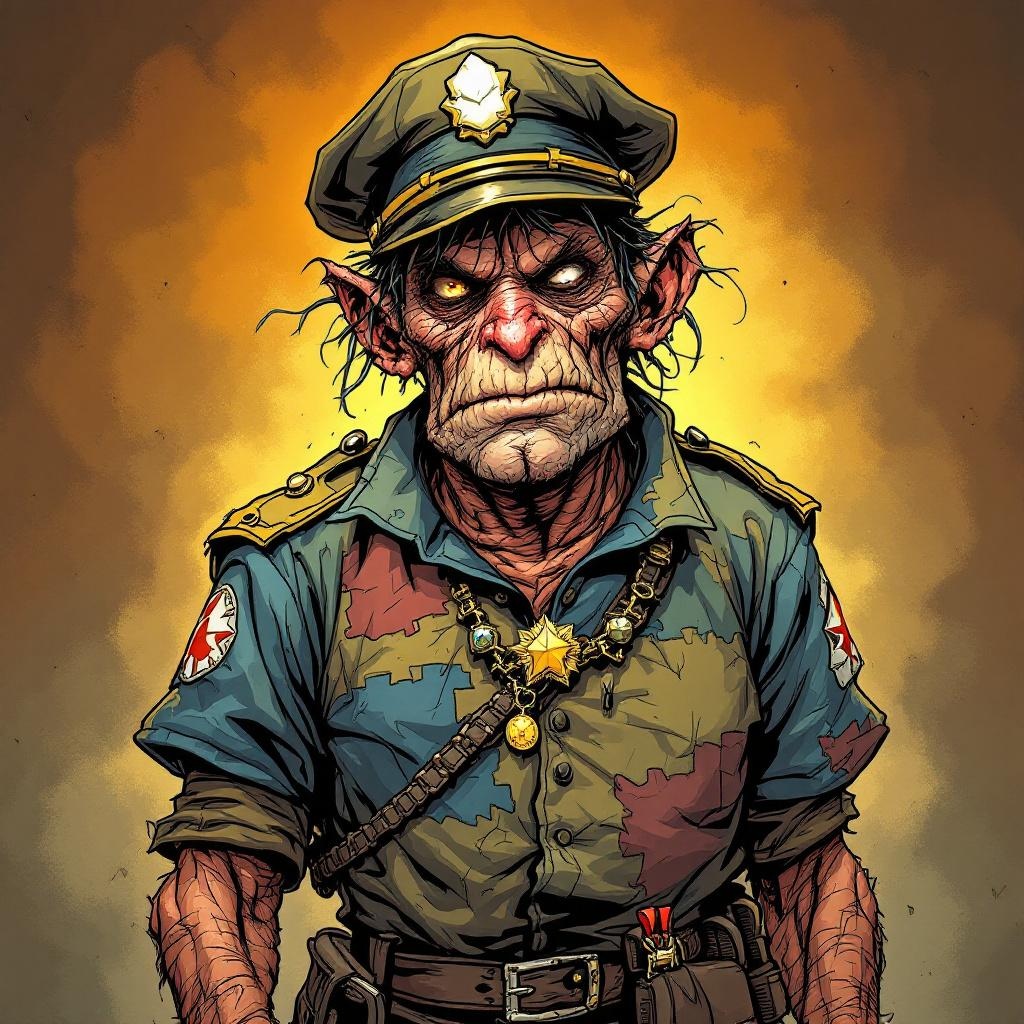
This isn't just mentioned in passing—it's central to understanding their dynamic. When we meet Vimes in Guards! Guards!, he's drunk, bitter, and running the most pathetic police force in Ankh-Morpork. Three men, a shack, and an attitude problem. He has nothing to offer anyone, least of all the richest woman in the city.
Sybil doesn't care. She sees something in Vimes that he can't see in himself—what fan discussions describe as her ability to believe "that Vimes and his Watch are capable of being the best version of themselves." She doesn't ask him to become worthy of her. She decides he already is.
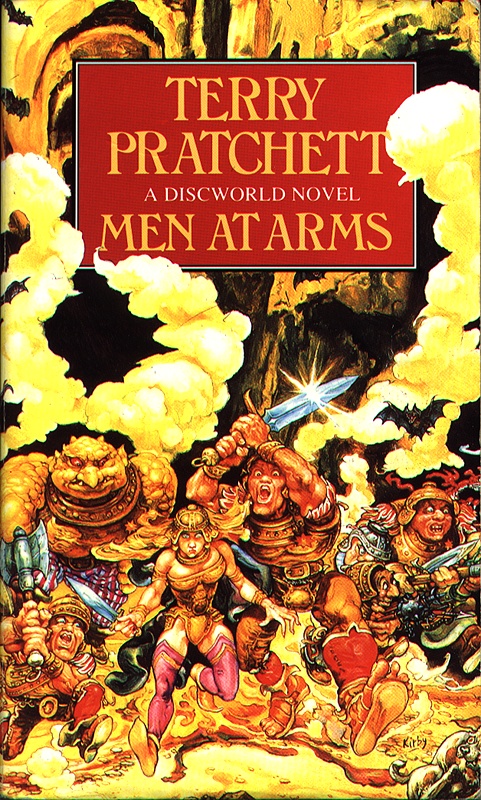
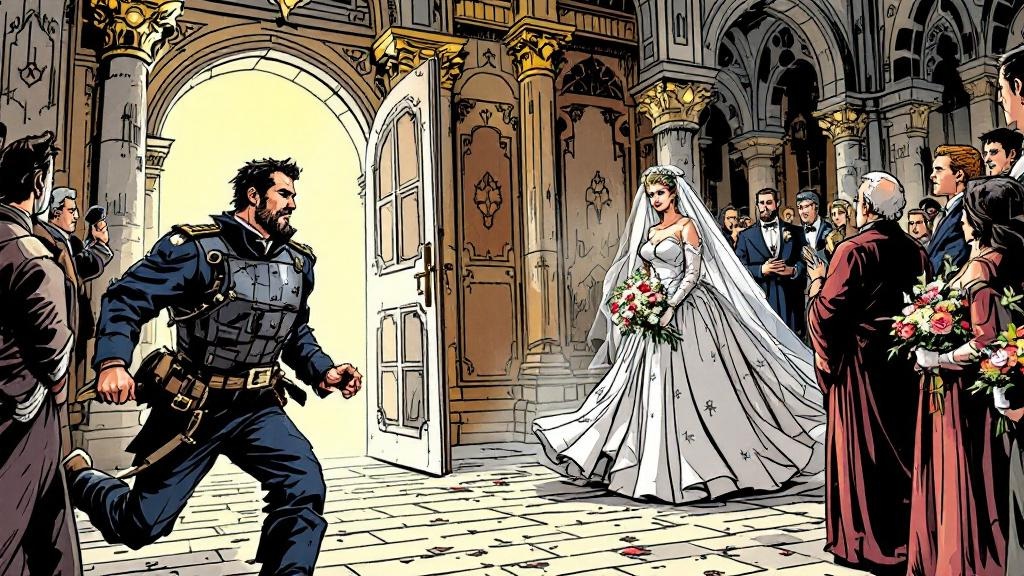
The wedding itself, in Men at Arms, establishes the pattern of their entire marriage. As the ceremony begins, an assassin attempts to kill Lord Vetinari. Vimes sees it happen. And on his wedding day, on the day of his retirement from the Watch, he leaves his bride at the altar to chase the gunman through the sewers.
"Unbar the gates, let the conquerors in, and make them your own."— Terry Pratchett
How does Sybil react? She bears it with grace. She knew who she was marrying. She knew his devotion to justice would always compete with his devotion to her. And rather than resent him for it—rather than demand he choose—she accepts this divided loyalty as part of the package.
This is the pattern throughout the Watch novels: Vimes runs off to save the city, and nearly every book ends with him making some form of amends to his neglected wife. A delayed honeymoon. Time with their son. An actual conversation.
Sybil doesn't need to be rescued. She needs to be seen. And eventually, always, Vimes comes back to see her.
She Saved Him
Here's the uncomfortable truth that Pratchett never lets us forget: Sam Vimes was an alcoholic.
In the early Watch books, his drinking is played for dark comedy. "Old Stoneface" Vimes, nursing his morning hangover, trying to function. But there's real damage underneath. Pratchett hints that Vimes has a condition—that his body produces less natural alcohol than most people, leaving him painfully too sober when he hasn't been drinking. Reality without any comforting illusions. Every flaw visible. Every failure catalogued.
Then Sybil happened.
Vimes gave up alcohol after his marriage. Not because she demanded it. Not because she issued ultimatums or staged interventions. Because loving her—and being loved by her—gave him something else to hold onto. She was the first person who believed he was worth more than a bottle of cheap whiskey.
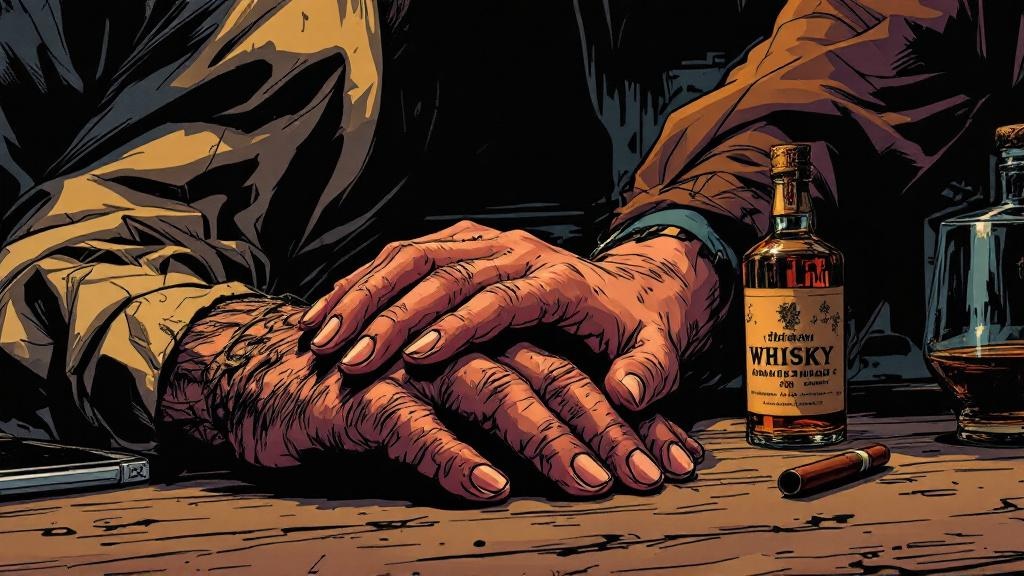
Now he smokes foul cigars instead—still an addiction, still a crutch, but one that doesn't leave him face-down in the gutter. And he keeps a bottle of Bearhugger's Whisky in his desk drawer. Not to drink. As a test. A reminder of who he was, and what she helped him become.
This is the inversion that matters most. In traditional fantasy, the knight saves the princess from dragons. In Discworld, the dragon lady saves the knight from himself.
Partners, Not Rescuer and Rescued
Pratchett never reduces their relationship to a simple redemption arc. Sybil isn't just "the good woman who saved the drunk"—she's a fully realized character with her own passions, skills, and arc.
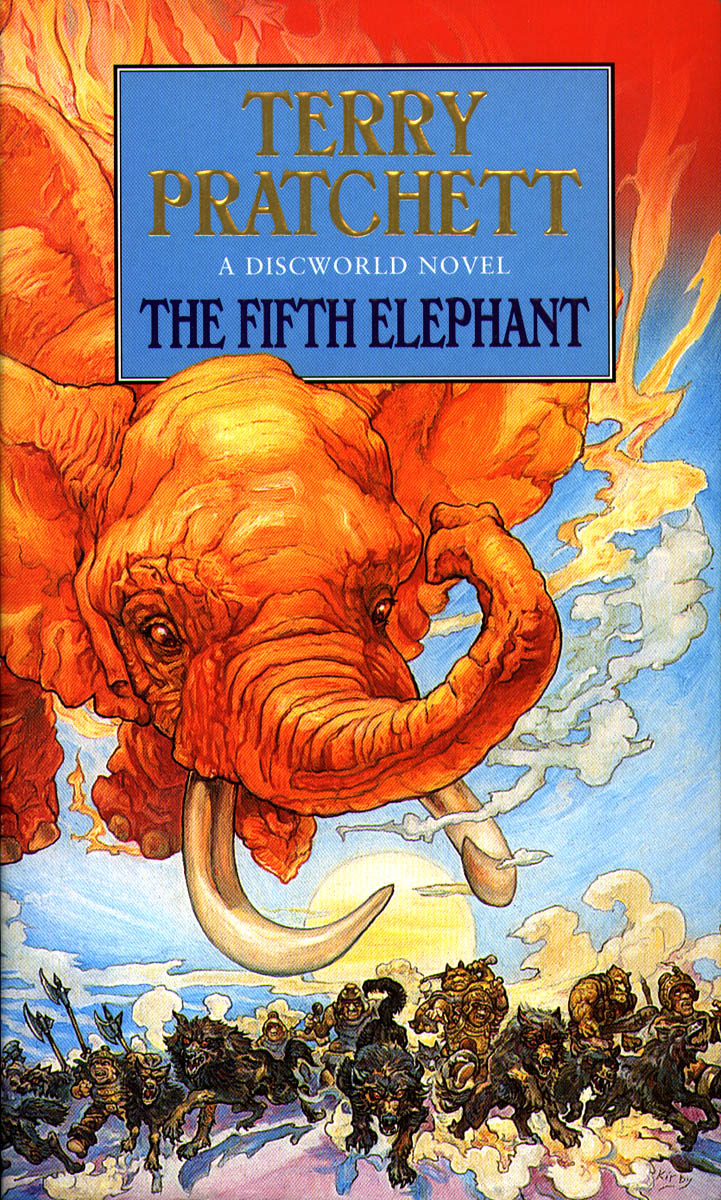
Her knowledge of dwarf culture helps resolve international crises. In The Fifth Elephant, her singing of the dwarf opera Bloodaxe and Ironhammer moves hardened warriors to tears and helps prevent underground war. Her observational skills catch details Vimes misses. Her social network spans continents.
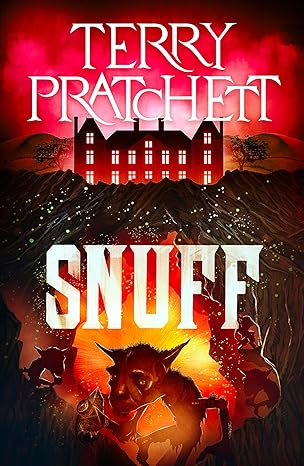
And she keeps growing. In Snuff, decades into their marriage, Sybil organizes a concert that changes goblin history. She invites Lord Vetinari, Lady Margalotta, and ambassadors to hear a goblin girl play music so beautiful that it forces legal recognition of goblin personhood.
She doesn't ask permission. She doesn't wait for Vimes to solve it through policing. She uses her own tools—wealth, connections, social standing—to create facts on the ground.
Vimes never resents her for being powerful. If anything, he worships the ground she walks on while occasionally grumbling about her influence on his diet. She's not his rival or his subordinate. She's his partner in a way that few fantasy relationships manage.
What This Says About Love
The "woman was a city" passage isn't just clever wordplay. It's a thesis statement about how healthy relationships actually work.
Traditional romance narratives frame love as conquest—someone pursues, someone yields, someone wins. The man proves himself, the woman rewards him. It's inherently transactional.
Pratchett offers something different. Sybil doesn't need to be won. She chooses Vimes despite his flaws, not because he's overcome them. And that choice—her choice, made freely, when she could have had anyone—transforms him more than any quest ever could.
The city metaphor captures this perfectly. You don't conquer a city like Ankh-Morpork by force. You walk through the gates she's already opened, thinking you're the victor, and slowly realize you've become a citizen. You belong to her now. You're home.
Reading Recommendations





The Bottom Line
Terry Pratchett wrote hundreds of characters across forty-one books. But the Vimes-Sybil relationship might be his most quietly radical creation.
She's large, wealthy, confident, and powerful. She proposes to a drunk cop and absorbs him into something better. She doesn't need rescuing—she does the rescuing. And Vimes, the cynical copper who trusts no one, opens his gates and lets her in.
The woman was a city. And the city always wins.
Want to explore more of Lady Sybil's character? Read about her unapologetic bigness and body positivity representation, or discover how she changed goblin history through activism.