The Wonder Dog Who Wasn't: Gaspode, Laddie, and the Illusion of Fame
How Gaspode lost the Wonder Dog role to a beautiful idiot in Moving Pictures — and why Pratchett's Hollywood satire cuts deeper than you think.
The Wonder Dog Who Wasn't: Gaspode, Laddie, and the Illusion of Fame
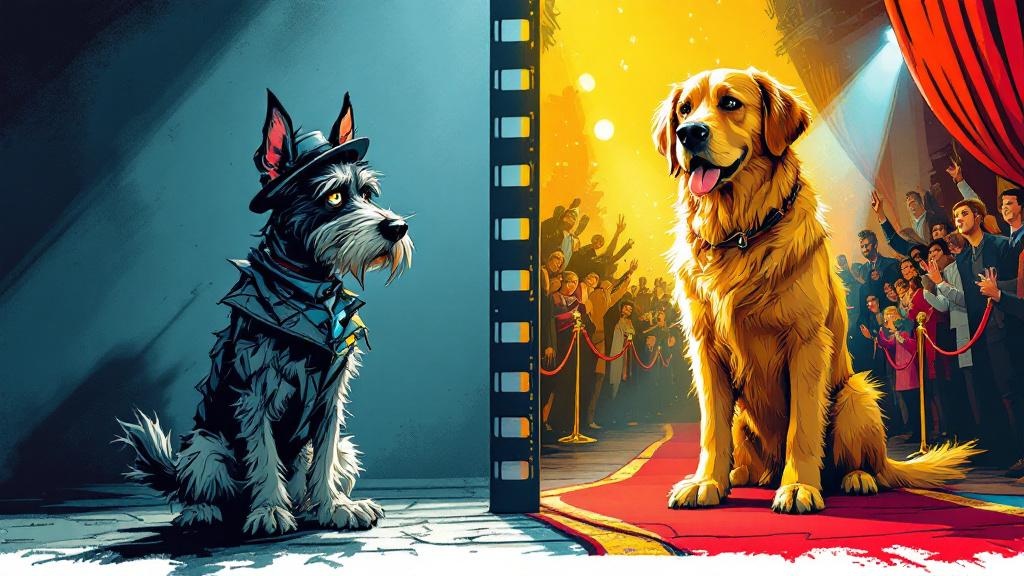
Here's a casting call for you: one role, two dogs. The first is intelligent, articulate, brave, and can literally speak human language. The second is gorgeous, dim, and can bark. Guess which one gets the part.
If you guessed the pretty one, congratulations—you understand Hollywood. And if that answer made you a little angry, congratulations again. You understand Gaspode.
Moving Pictures is Terry Pratchett's love letter to—and surgical dissection of—the entertainment industry. When Holy Wood magic brings cinema to Ankh-Morpork, it needs stars. It needs spectacle. And it needs a Wonder Dog. What it gets is two dogs who, between them, have all the qualities of a perfect movie hero. Unfortunately, those qualities are split down the middle: Gaspode got the brains, and Laddie got the looks. In Holy Wood, that's not even a contest.
The Audition Nobody Held
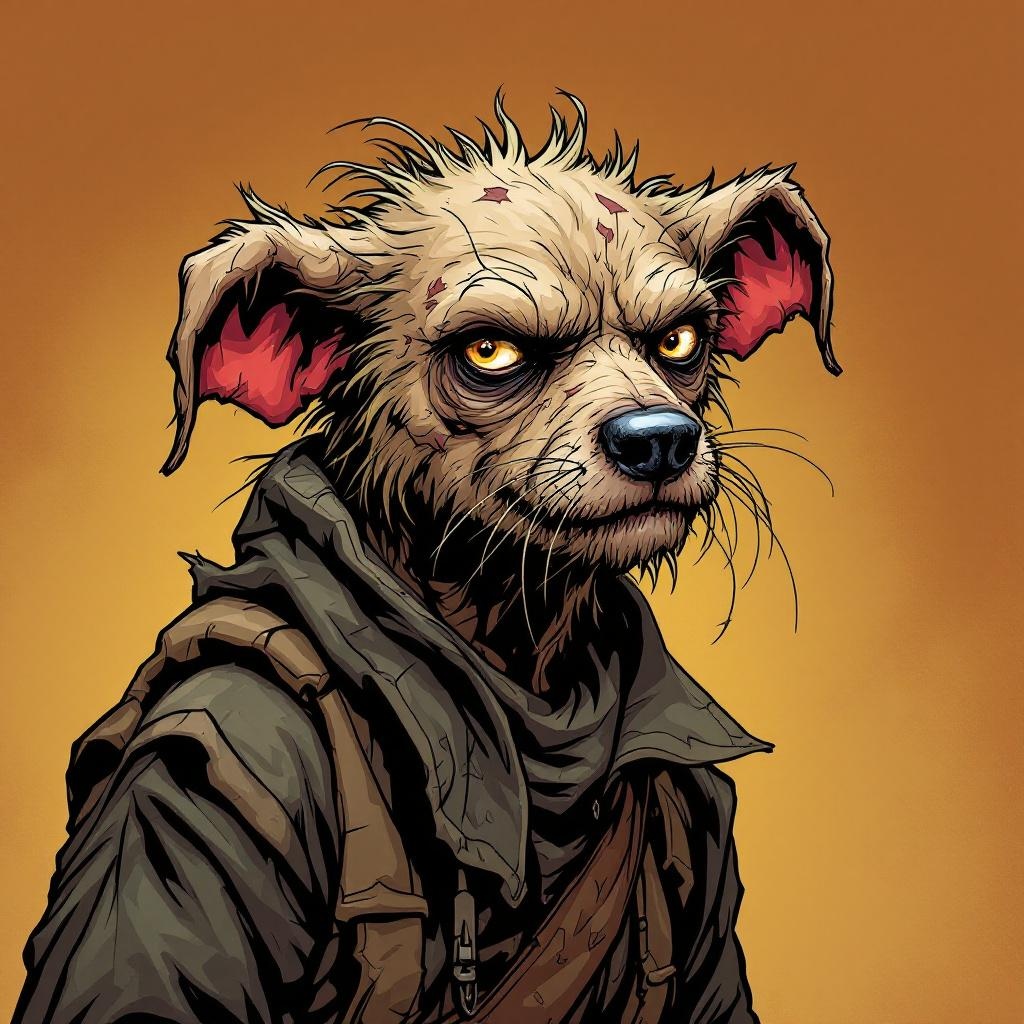
Gaspode didn't choose to be intelligent. Holy Wood magic did that to him—the same force that animated the entire movie industry, reaching into the mind of a small, mangy, flea-ridden street terrier and giving him something no dog was ever meant to have: self-awareness. Suddenly, Gaspode could think, speak, and understand the world around him. He could also understand, with painful clarity, that the world wasn't particularly interested in what he had to say.
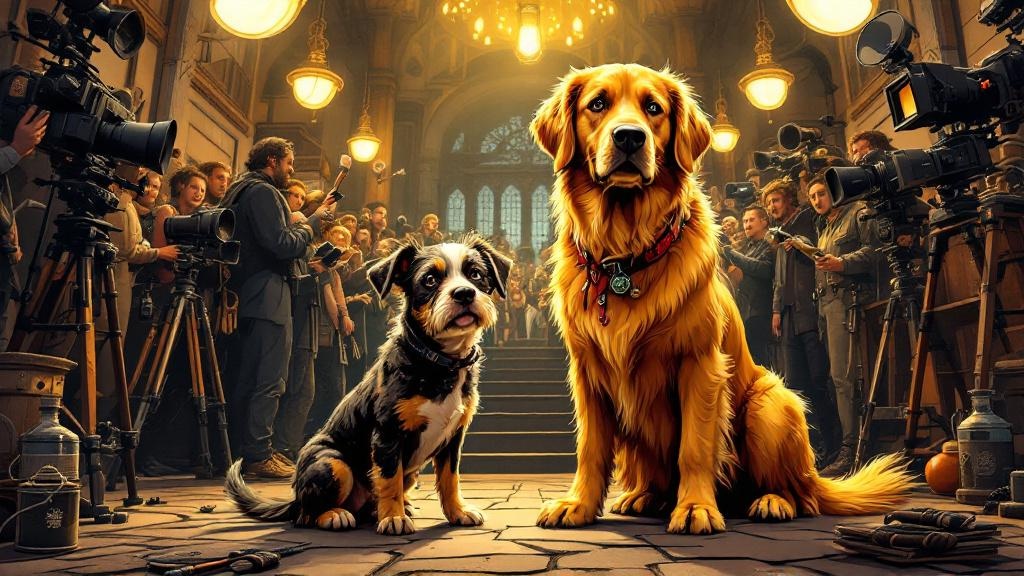
When the moving pictures industry needed a dog star, Gaspode was right there. He could follow directions. He could improvise. He could hold an actual conversation with the director. But he also had mange, an impressive collection of skin diseases, a coat that looked like it had been assembled from spare parts, and the general aroma of a week-old sock. He was, as he would put it, the world's only talking dog—and nobody cared, because he didn't look like a Wonder Dog.
Enter Laddie.
Laddie was everything Gaspode wasn't: sleek, golden, photogenic, with bright eyes and a glossy coat. He was the dog equivalent of a leading man—the kind of animal that makes people say "good boy" just by walking into a room. He was also, in Gaspode's immortal assessment, possessed of "the brains of a stunned herring."
"Percy the Pup here with a cold nose, bright eyes, glossy coat and the brains of a stunned herring."
Laddie couldn't talk. Laddie couldn't think in any meaningful sense. Laddie could bark, sit, and look magnificent. And that was enough. More than enough. Because Holy Wood doesn't want talent—it wants the appearance of talent. It doesn't need a dog who can solve problems. It needs a dog who looks like it could solve problems, ideally while backlit by a sunset.
The role of Wonder Dog went to Laddie without a second thought. And Gaspode, being the smartest dog in Ankh-Morpork and therefore the most pragmatic, did what any self-respecting genius would do when outperformed by an idiot: he became the idiot's agent.
The Power Behind the Paw
This is where Pratchett's satire shifts from funny to uncomfortably accurate. Gaspode takes his ten percent. He manages Laddie's career, coaches Victor and Ginger through their scenes, and generally runs the entire operation from the shadows. He's the writer, the director, the producer, and the strategist—and Laddie's the one on the poster.
If you've ever worked in any creative industry, you just flinched.
The Gaspode-Laddie dynamic is Hollywood stripped to its bones. The talent—the real, unglamorous, hard-working talent—operates behind the scenes. The face gets the credit. It's a system where the person who actually makes the movie work is invisible, while the person who just has to show up and be attractive becomes the star. Gaspode writes the scenes; Laddie barks on cue. Gaspode solves the problems; Laddie gets the applause.
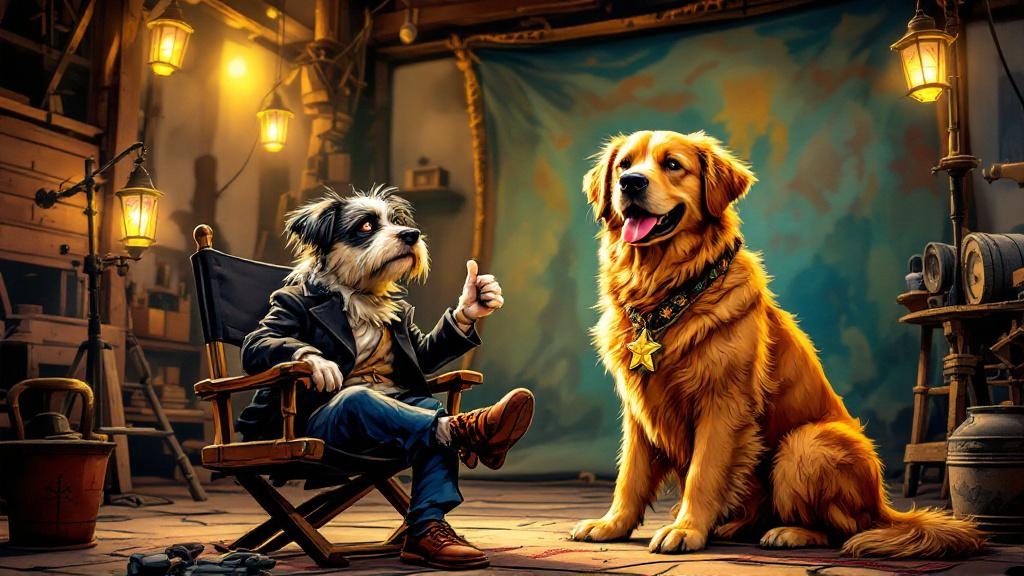
And the most cutting part? It works. The system works. Movies get made, audiences are entertained, and everyone is happy—except Gaspode, who knows exactly what's happening and can't do anything about it because the system doesn't have a slot for what he actually is. There's no role in Holy Wood for "ugly dog who's smarter than everyone else." There's only Wonder Dog, and Wonder Dog needs to look the part.
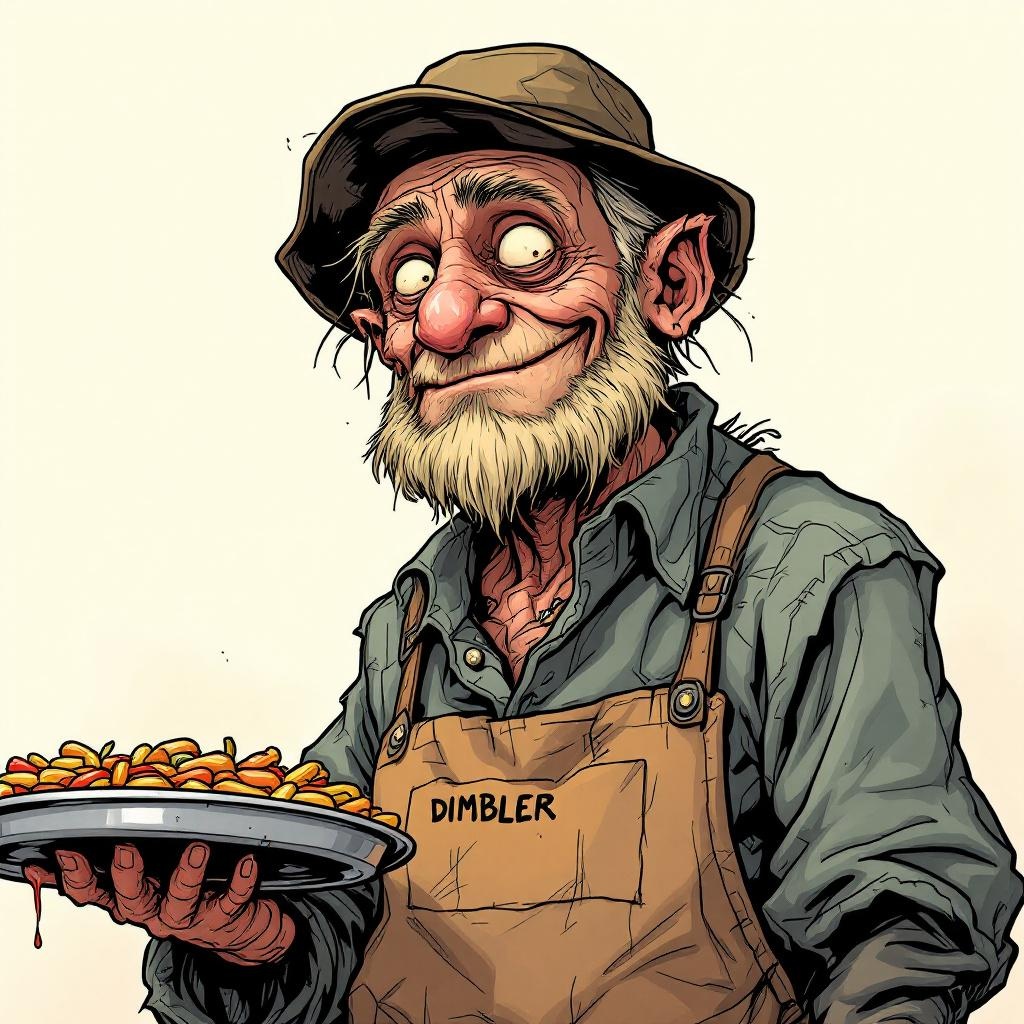
Pratchett knew this wasn't just about dogs. The entire Moving Pictures cast is trapped in the same machine. Victor Tugelbend is a mediocre student who becomes a star because he has the right jaw. Ginger—Theda Withel from a small village—gets remade into what Holy Wood wants. C.M.O.T. Dibbler smells profit and becomes a studio mogul. Nobody in Holy Wood is doing what they're best at. They're doing what the industry decided they should be.
But it's the dogs who make the point most clearly, because the dogs can't pretend. Laddie isn't acting at being dim—he genuinely is. Gaspode isn't acting at being brilliant—he genuinely is. There's no polite fiction to hide behind. The talent gap between them is absolute, visible, and completely irrelevant to who gets the role.
The Lassie of It All
It helps to know what Pratchett is parodying. Laddie is Lassie—the most famous dog in entertainment history, a collie who starred in films and television from the 1940s onward. And the real Lassie story is, if anything, even more absurd than the parody.
The original Lassie was played by a dog named Pal—a male collie playing a female character because male collies had a fuller coat. Pal's trainer was a man named Rudd Weatherwax (yes, really—the same surname as Granny Weatherwax, a coincidence so perfect that fans have debated for years whether Pratchett knew). When Pal had a son, the studio named the puppy Laddie—but found him less photogenic than his father, relegating him to stunt and distance shots.
"There's nothin' wrong with bein' a son of a bitch."
That's the real entertainment industry for you. A dog named Laddie—the actual son of Lassie—wasn't handsome enough to play his own mother. Pratchett barely had to exaggerate.
The "Timmy in the well" trope gets its treatment too. In the classic Lassie formula, Lassie barks, humans somehow interpret the barking as detailed instructions, and everyone runs off to save the day. In Moving Pictures, Gaspode—who can actually explain the problem in words—tries to tell people what's happening. Nobody listens. Laddie barks, and everyone immediately understands. Not because barking communicates more than speech, but because people expect a Wonder Dog to bark meaningfully. Gaspode telling them the truth doesn't fit the narrative. Laddie barking does.
It's one of those jokes that gets funnier the more you think about it, and then stops being funny entirely, and then comes back around to funny again because the alternative is crying.
More Hero Than Thou
The relationship between Gaspode and Laddie could have been pure comedy—the smart ugly one jealous of the dumb pretty one. And for most of Moving Pictures, it is. Gaspode calls Laddie names, mocks his intelligence, and takes his percentage with the air of a dog who knows he's being cheated by the universe but has decided to profit from the injustice rather than fight it.
But Pratchett wasn't interested in leaving it there.
In the climax of Moving Pictures, when Holy Wood's ancient evil threatens to break through into the Disc, everything falls apart. The glamour drops. The pretence ends. And in that moment, Laddie—dim, useless, nothing-but-a-pretty-face Laddie—refuses to leave injured Gaspode behind.
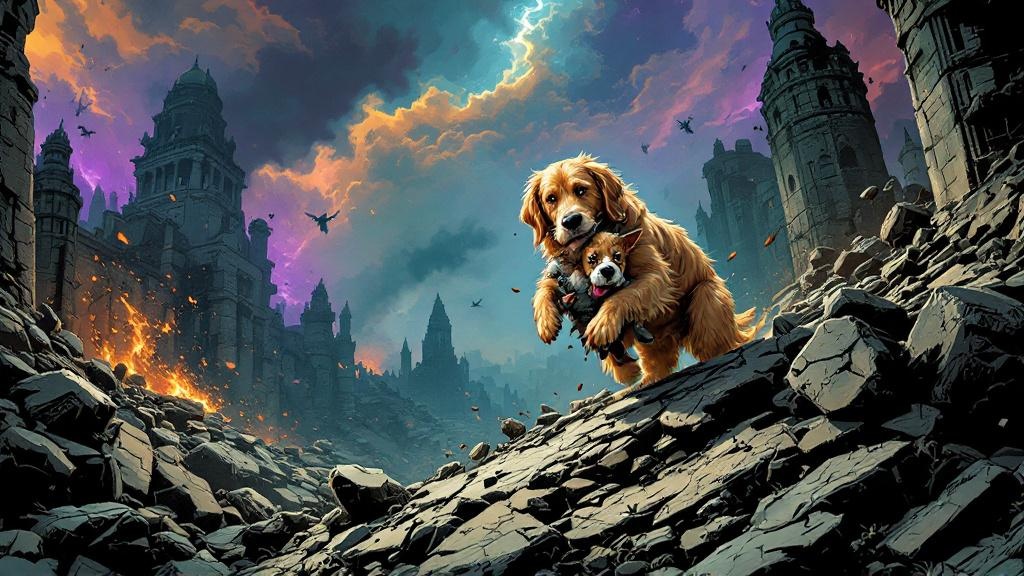
Laddie carries Gaspode through the chaos. Gaspode—who has spent the entire book being the clever one, the self-interested one, the one who looks out for number one—yells at Laddie to save himself. Laddie doesn't understand the words. He doesn't need to. He's a dog, and there's an injured dog, and that's all the information he requires.
And in that moment, Gaspode calls him a good boy.
Not sarcastically. Not as a joke. Genuinely. Because Laddie has done the one thing Gaspode's intelligence could never achieve: he's acted without calculation, without self-interest, without any thought at all except help. Laddie isn't brave because he's weighed the options. He's brave because he doesn't know he shouldn't be.
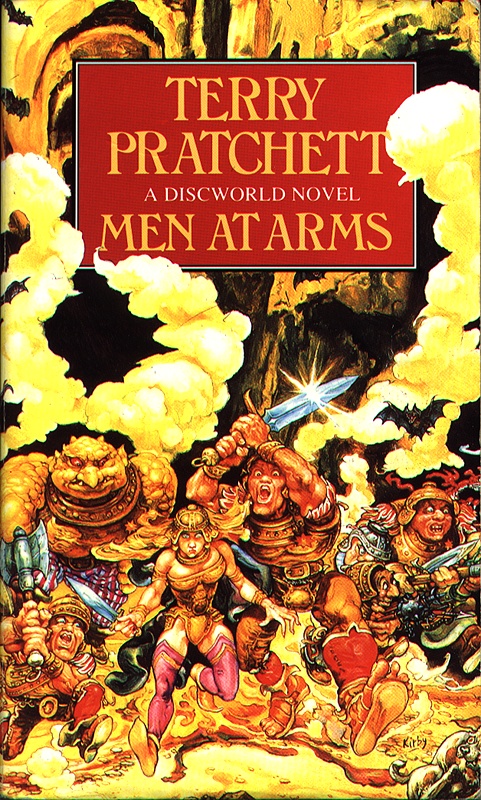
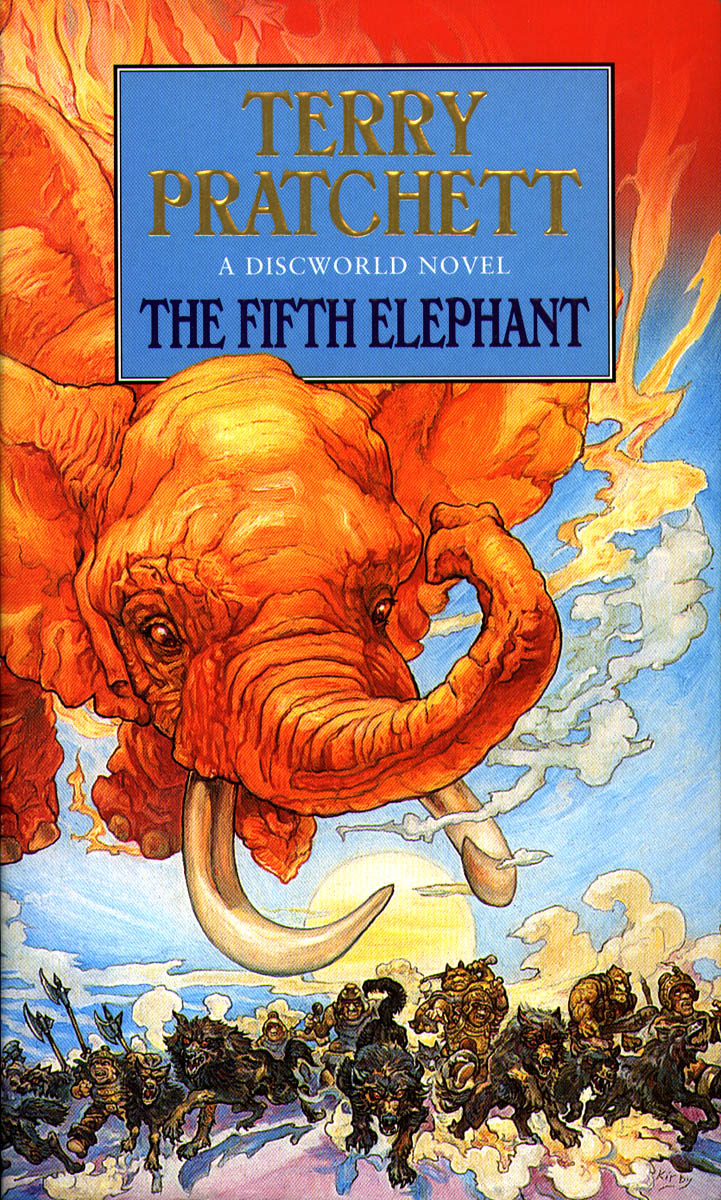
This is the moment that saved Gaspode's life—in more ways than one. Pratchett originally planned for Gaspode to die at the end of Moving Pictures. His beta-readers, in their words, told him "in no uncertain terms" to reconsider. The character was too good to lose. And so Gaspode survived, went on to defeat Big Fido's Dog Guild in Men at Arms, track Angua across a continent in The Fifth Elephant, and become a Watergate informant in The Truth.
All because some beta-readers loved a mangy, foul-mouthed, disease-ridden street dog who knew he deserved better and settled for ten percent.
What Holy Wood Teaches
Moving Pictures is often treated as one of the lighter Discworld novels—a romp, a pastiche, not quite in the same weight class as the books that followed. That's not entirely wrong. It is lighter than Men at Arms or Night Watch. But the Gaspode-Laddie story carries more weight than people give it credit for.
Because here's the thing about talent and appearance: the system Pratchett describes in Moving Pictures isn't a fantasy. It's Tuesday. It's every industry that values image over substance, every workplace where the person who presents well gets promoted over the person who does the work, every creative field where the face of the project gets the credit while the people who built it stay anonymous.
Gaspode knows this. He's known it since the moment he lost the Wonder Dog role to a golden retriever with the cognitive capacity of a decorative pillow. And his response—to adapt, to take his cut, to work the system from the inside while cracking jokes about its absurdity—is the response of anyone who's ever been too talented and too ugly for the room they're in.
It's not a heroic response. Gaspode would be the first to tell you that. But it's an honest one. And in Holy Wood, where nothing is honest, that makes it practically revolutionary.
Where to Read It
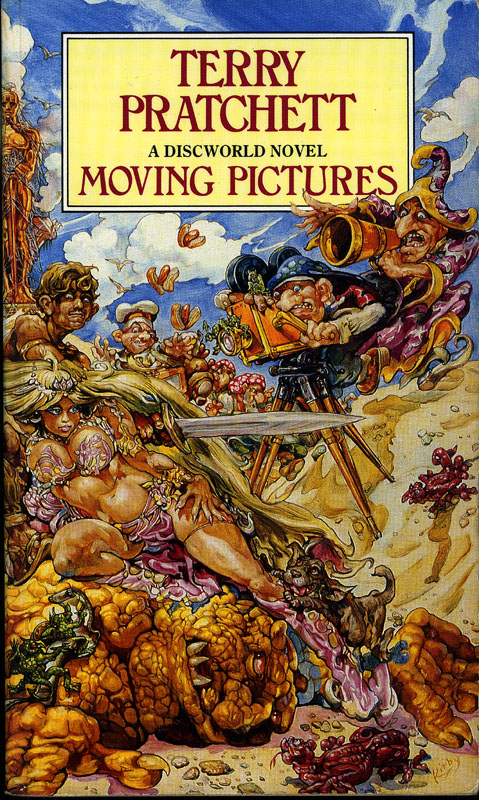
If this has you hooked on Gaspode, don't stop here. His next appearance in Men at Arms takes the character somewhere much darker—and much braver. The scene where he defeats an army of attack dogs with two words is one of the finest moments in all of Discworld.
And for the real Gaspode completionists: The Fifth Elephant sends him on an odyssey across a continent that might be the saddest thing Pratchett ever wrote about loyalty. But that's a story for another time.
For more on the Discworld characters who make the most of bad hands, explore Rincewind's philosophy of running or discover how C.M.O.T. Dibbler keeps cutting his own throat.