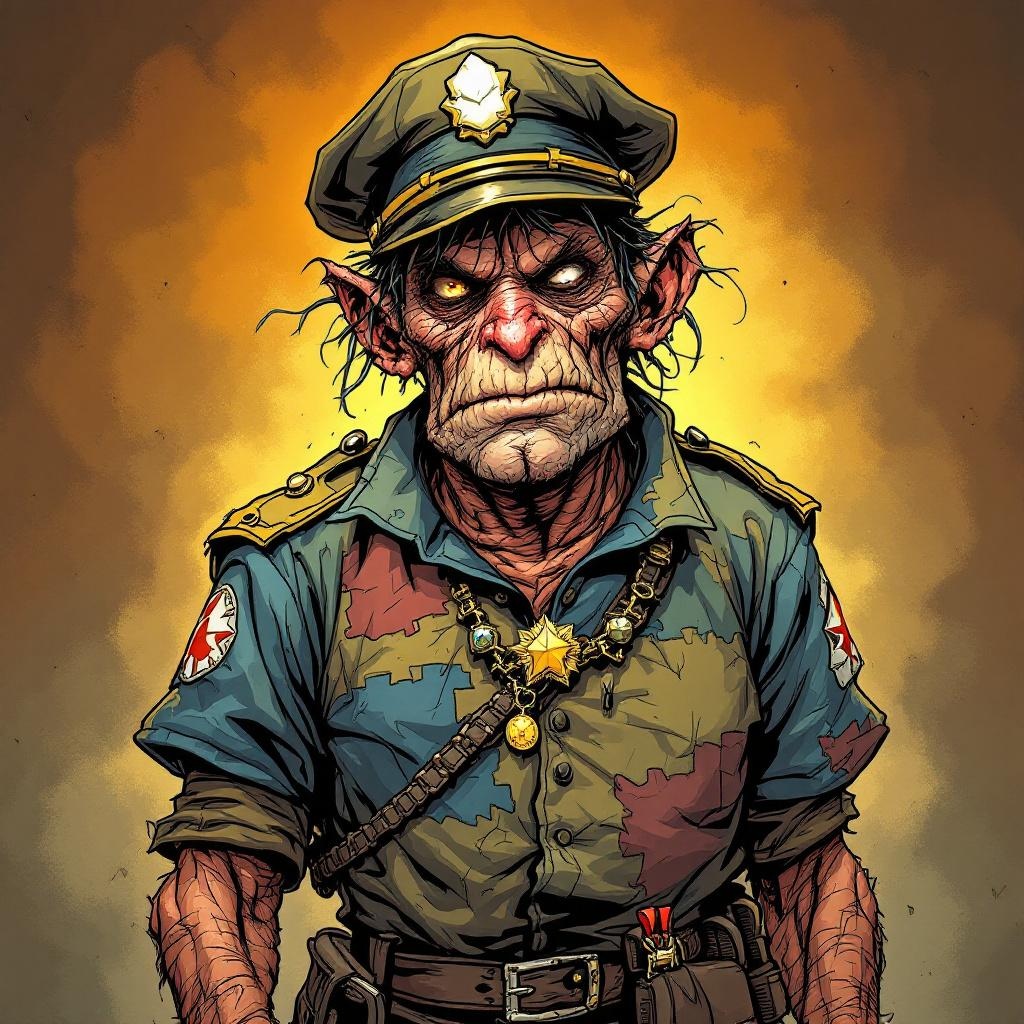
Fred Colon and the Sugar Cube Incident: Pratchett's Perfect Peter Principle Parable
How Terry Pratchett used one man's obsession with sugar cubes to illustrate that competent followers can become catastrophic leaders—and that wisdom lies in knowing your ceiling.
Fred Colon and the Sugar Cube Incident: Pratchett's Perfect Peter Principle Parable
Here's a management principle that everyone who's ever worked knows is true: people get promoted until they reach a level where they're incompetent.
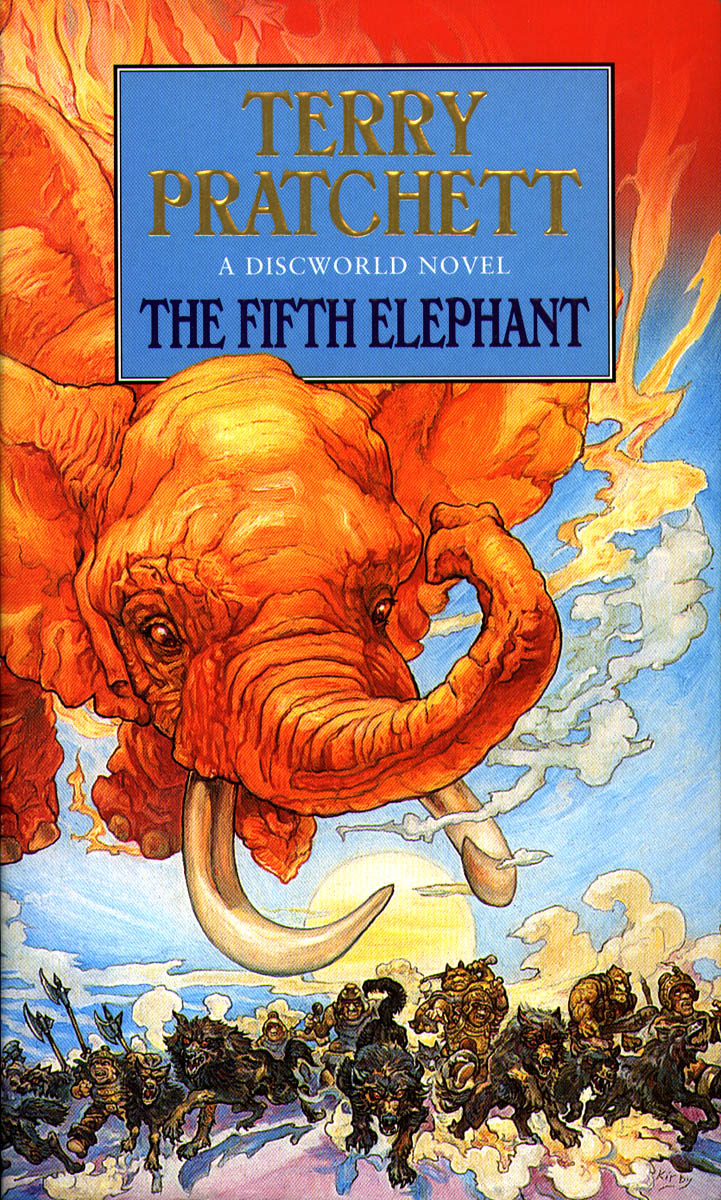
It's called the Peter Principle, it was identified in 1969, and Terry Pratchett illustrated it perfectly in The Fifth Elephant using nothing more than a sugar bowl and a sergeant who should have stayed a sergeant.
The result is one of Discworld's most painfully accurate satires—and a cautionary tale for anyone who's ever wondered whether they really wanted that promotion.
The Setup: How Fred Became Captain
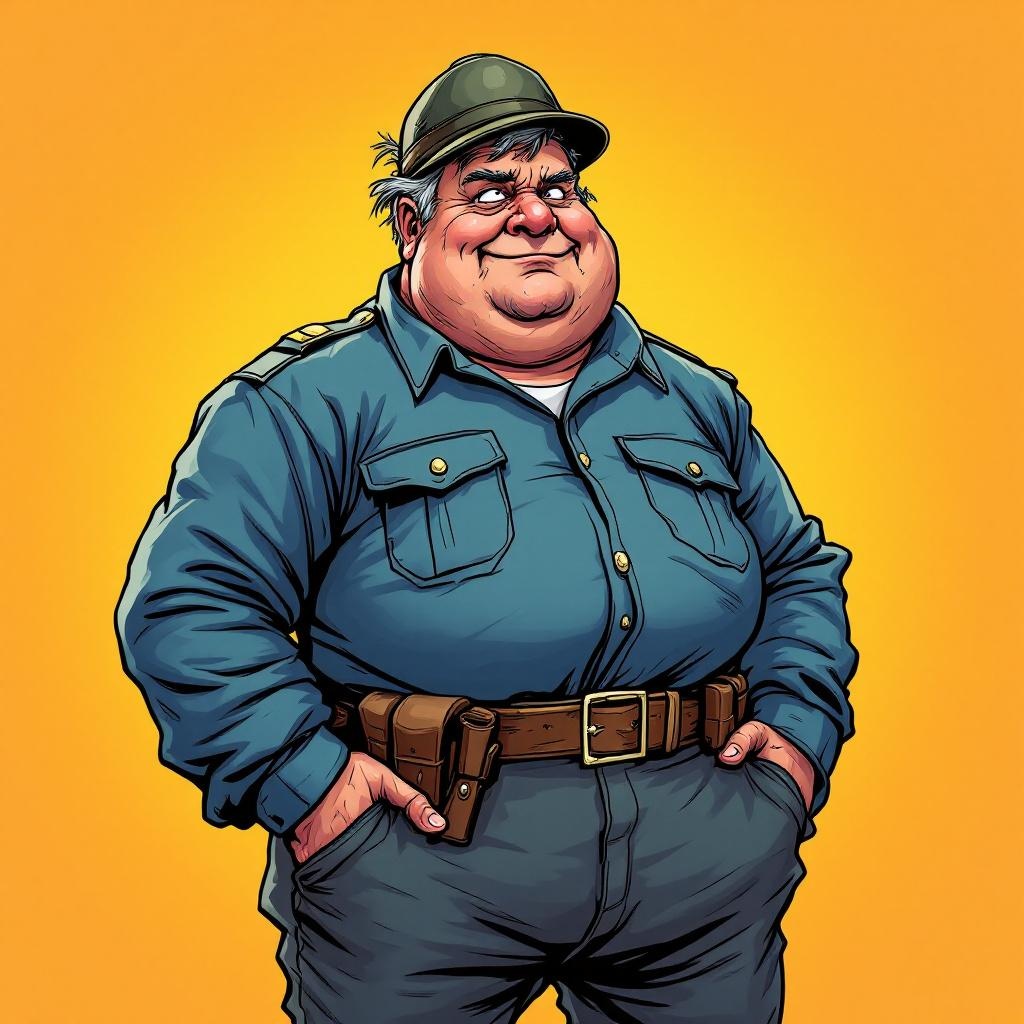
Fred Colon had been a sergeant in the Ankh-Morpork City Watch for decades. He was, in Pratchett's memorable phrase, "one of nature's sergeants"—good at organizing rotas, running whip-rounds, managing small tasks, and knowing exactly how to avoid doing any actual work while looking busy.
"Good at organizing rotas, running whip-rounds, managing small tasks, and knowing exactly how to avoid doing any actual work while looking busy."
He was not good at paperwork. He was not good at making decisions. He was definitely not good at leadership.
But in The Fifth Elephant, Commander Sam Vimes has to leave for Uberwald on diplomatic business. Captain Carrot goes after him when Angua disappears. And suddenly, by sheer process of elimination, Sergeant Fred Colon is the highest-ranking officer in the Ankh-Morpork City Watch.
He becomes Acting Captain Colon.
The city trembles. Not because Fred is dangerous—but because Fred is Fred.
The Paranoia Spiral: When Sugar Becomes Sinister
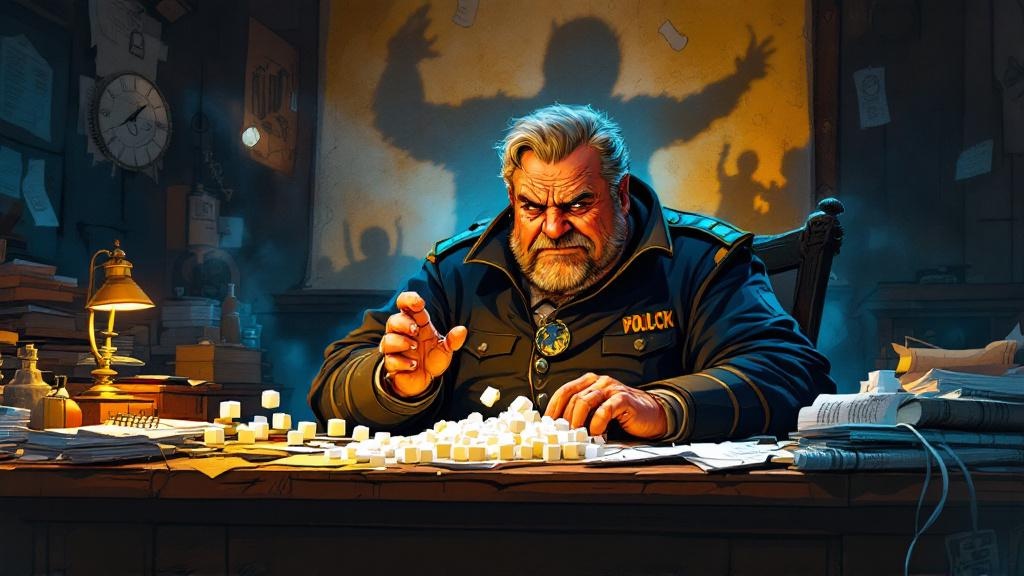
What happens when you give authority to someone who isn't equipped for it? In Fred's case, the answer involves sugar cubes.
Pratchett was directly referencing Herman Wouk's The Caine Mutiny, where Captain Queeg's paranoid obsession with missing strawberries becomes the symbol of his mental breakdown. Fred's sugar cubes serve the same function—a tiny thing that becomes enormous when viewed through the lens of anxiety and inadequacy.
Fred began counting the sugar cubes in the Watch House. They added up differently each time.
This wasn't because anyone was stealing them. This was because Fred was bad at arithmetic. But try telling that to Acting Captain Colon. He knew something was wrong. The numbers didn't lie. Someone was taking his sugar.
The investigation began.
The Discipline Disasters: How to Destroy a Watch in Five Easy Steps
What followed was a masterclass in catastrophic leadership. Fred, convinced that insubordination lurked around every corner, began handing out disciplinary actions like they were going out of style.
Constable Visit was demoted to Lance Constable for "stealing" a sugar lump. The fact that Fred himself had been stress-eating the sugar was irrelevant. A crime had been committed (in Fred's mind), and justice had to be served (also in Fred's mind).
"Competent followers can become catastrophic leaders—and the Peter Principle proves it happens everywhere, all the time."
Other officers faced similar fates. Imagined slights became formal charges. The atmosphere in the Watch House curdled. Fred, who had spent thirty years avoiding confrontation, suddenly saw enemies everywhere.
This is what anxiety does to people who aren't built for command. They become the worst version of every bad boss they've ever had, amplified by their own terror.
The Collapse: From Sixty to Five
The numbers tell the story better than any description could.
When Vimes left for Uberwald, the Ankh-Morpork City Watch had approximately sixty officers.
When he returned, there were five.

Fred hadn't fired them all. Some had quit. Some had transferred. Some had simply stopped showing up. But the crowning achievement of Acting Captain Colon's tenure was the formation of the Watchmen's Guild—the City Watch forming a union against its own captain.
Think about that. The officers of the Watch, many of whom would later face down werewolves, vampires, and dragons, decided that the most effective strategy against their commanding officer was collective bargaining.
That's how bad it got.
The Caine Mutiny Connection
Pratchett was an omnivorous reader, and his reference to The Caine Mutiny isn't subtle. Captain Queeg's obsession with missing strawberries becomes his undoing—rolling ball bearings in his hand as he spirals into paranoid delusion during his court-martial testimony.
Fred's sugar cubes are the same symbol, translated into Discworld. The tiny thing that isn't actually important but becomes all-consuming when you're drowning in a job you can't handle.
But Pratchett adds a layer that Wouk didn't. Queeg's breakdown is presented as tragic—a man destroyed by war and pressure. Fred's breakdown is presented as inevitable. Not because Fred is bad, but because Fred is a sergeant who was forced to be a captain.
The tragedy isn't that Fred broke. The tragedy is that anyone expected him not to.
The Peter Principle in Action
In 1969, Laurence Peter and Raymond Hull published The Peter Principle, which argued that people in hierarchies rise to their level of incompetence. You get promoted because you're good at your current job. You keep getting promoted until you reach a job you aren't good at. Then you stop getting promoted—but you stay in that job, incompetent, forever.
Fred Colon is the Peter Principle in purest form.
As a sergeant, Fred was actually competent. He knew everyone on the streets. He could sense when trouble was brewing. He organized schedules and kept the tea flowing. He had thirty years of institutional knowledge that Vimes himself valued.
As a captain? Fred was a disaster. The skills that made him a good sergeant—avoiding confrontation, going along to get along, focusing on small manageable tasks—became catastrophic when applied to leadership.
This wasn't Fred's fault. It was the system's fault for putting him there.
Vimes's Solution: The Art of Deliberate Demotion
When Vimes returns from Uberwald, he doesn't punish Fred. He doesn't humiliate him. He does something much cleverer.
He creates new positions. Custody Officer. Watch Liaison Officer. Jobs so vague that "no one is entirely sure what they entail."

These jobs come with impressive titles and absolutely no authority. Fred gets to feel important. Fred gets to avoid actual responsibility. And most importantly, Fred can never be Acting Captain again, because now there are technically always officers above him.
It's a kindness disguised as bureaucracy. Vimes understands that Fred isn't a bad person—he's a good sergeant who was put in an impossible position. The solution isn't to fix Fred. The solution is to fix the system so that Fred is never put there again.
The Wisdom of Knowing Your Ceiling
Here's what makes Fred Colon more than just a joke. He knows.
After the disaster, Fred doesn't try to climb back up. He doesn't angle for another shot at captaincy. He settles happily back into his sergeant's stripes and his comfortable patrols with Nobby Nobbs.
"One of nature's sergeants" isn't an insult. It's a description of someone who understands where they function best. Not everyone is meant to be in charge. Not everyone should be in charge. And there's genuine dignity in knowing your limits and operating within them.
Fred Colon made his city worse by being captain. He makes his city better by being sergeant. The math isn't complicated.
The Real Villain: Hierarchies Themselves
Pratchett's satire cuts deeper than just mocking one bad boss. The sugar cube incident is an indictment of every organization that promotes people into failure.
Fred didn't ask to be captain. He was the warm body available when the real officers left. The system demanded someone be in charge, so Fred was in charge, regardless of whether that was good for anyone—including Fred.
This happens everywhere. Schools promote their best teachers into administration, where they stop teaching. Hospitals promote their best doctors into management, where they stop treating patients. Companies promote their best engineers into leadership, where they stop engineering.
And then everyone wonders why the organization is being run by people who seem incompetent.
They're not incompetent. They're just in the wrong job.
What Fred Gets Right
It's easy to laugh at Fred Colon. Pratchett certainly invites us to. But mixed in with the satire is genuine respect for what Fred actually does well.
Fred and Nobby have "street-level knowledge of Ankh-Morpork on a par with Vimes." They can sense when a crowd is turning ugly. They know who's who in the city's underworld. They pick up rumors faster than anyone.
They just can't do paperwork. Can't make tough calls. Can't inspire troops or negotiate with nobles.




Vimes understands this. He values Fred not despite his limitations but in full knowledge of them. A sergeant who knows his limits is worth ten captains who don't.
The Universal Truth
Here's the thing about the sugar cube incident: you've seen it happen.
Maybe not with actual sugar. But you've watched someone get promoted into incompetence. You've seen the anxiety spiral, the paranoid accusations, the desperate flailing as someone tries to do a job they're not equipped for.
Maybe you've been Fred.
Pratchett's genius was taking this universal corporate nightmare and making it funny enough to bear while keeping it painful enough to recognize. The sugar cubes are absurd. The underlying dynamic is brutally real.
The Lesson Fred Learned
After The Fifth Elephant, Fred Colon never tries to be more than a sergeant again. He appears in later books doing what he does best—patrolling with Nobby, sensing trouble before it erupts, providing comic relief while Vimes handles the heroics.
He found his ceiling. He stayed below it. And he was happier for it.
That's not failure. That's wisdom.
The Bottom Line
Fred Colon's sugar cube paranoia is Pratchett at his satirical best—using a minor character's breakdown to illuminate a truth about hierarchies, competence, and the danger of promoting people past their abilities.
The Peter Principle tells us that everyone rises to their level of incompetence. Fred Colon shows us what that looks like in practice: a good sergeant becoming a terrible captain, not through malice but through mathematics.
The solution isn't to punish the Freds of the world. It's to build organizations that don't force them into positions they can't handle.
And if you ever find yourself counting sugar cubes and finding enemies, maybe ask yourself: am I in the right job?
Some of us are born to be sergeants. There's no shame in that. There's only shame in pretending otherwise.
Want to explore more of Fred Colon? Read about his philosophical conversations with Nobby Nobbs, or discover the surprising bravery hidden beneath the cowardice.