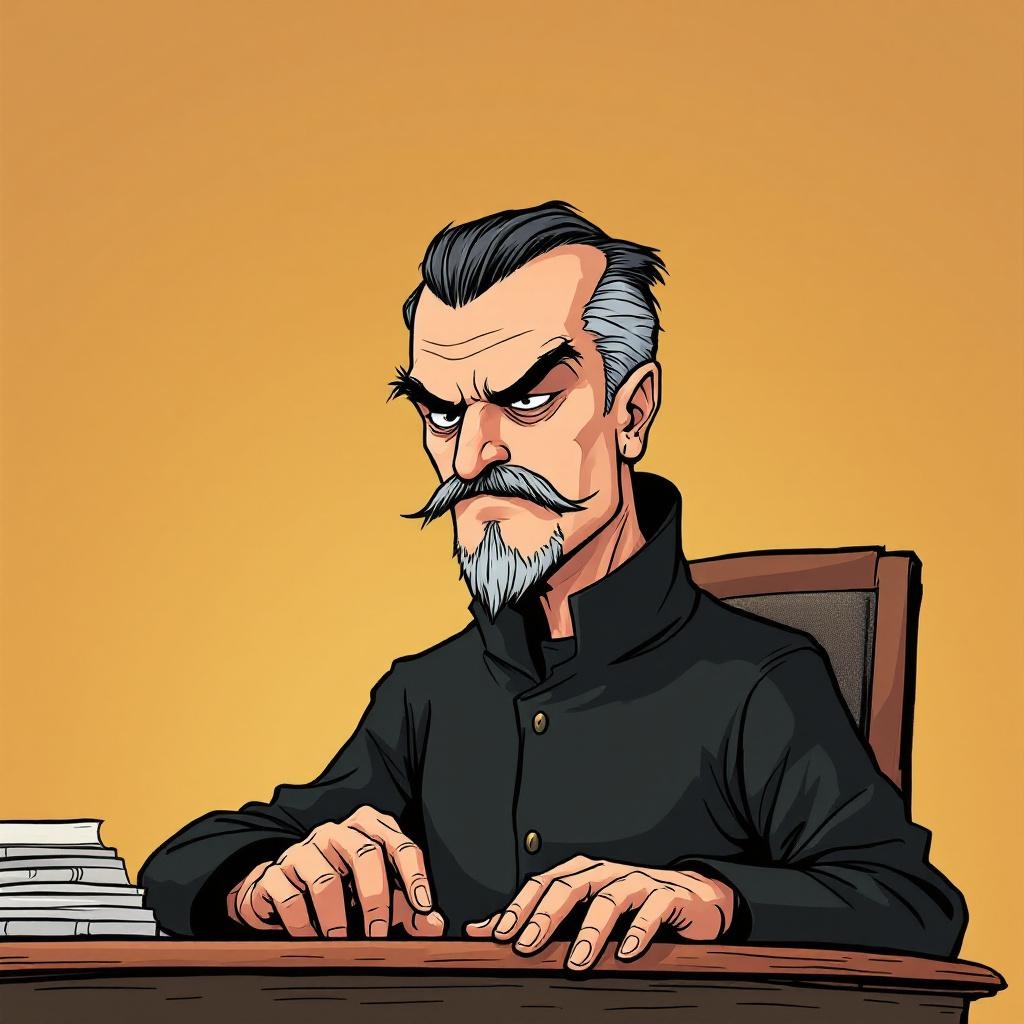
Enhanced Cowardice: The Paradox of Fred Colon's Bravery
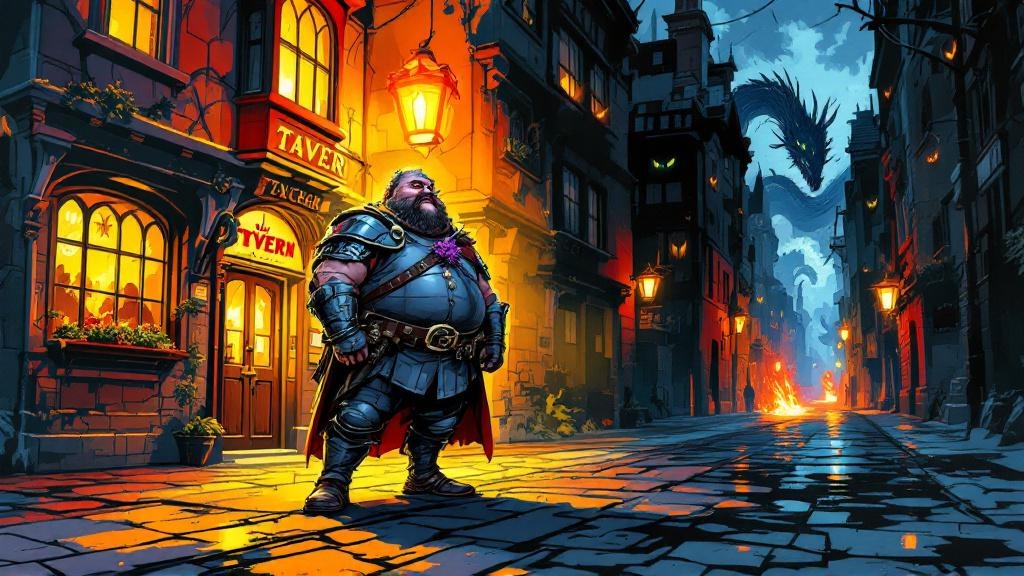
Fred Colon is Discworld's biggest coward—except for all the times he isn't. How Terry Pratchett redefined bravery through one terrified sergeant.
Enhanced Cowardice: The Paradox of Fred Colon's Bravery
Let's get this out of the way: Fred Colon is a coward.
He'll tell you himself. He's spent thirty years in the Ankh-Morpork City Watch perfecting the art of being somewhere else when trouble happens. He's never met a dangerous situation he didn't want to walk briskly away from. His preferred approach to any crisis is to wait for someone braver—or at least more stupid—to deal with it.
And yet. And yet.
This man shot an arrow at a noble dragon. He survived the barricades on the Glorious 25th of May. He accompanied Lord Vetinari into the heart of enemy territory during a war. He was chased through the streets of Ankh-Morpork by an unstoppable golem.
Terry Pratchett gave us a character who is, by any reasonable definition, a coward—and then kept putting him in situations where he did brave things anyway. That's not a contradiction. That's the point.
A Kind of Enhanced Cowardice
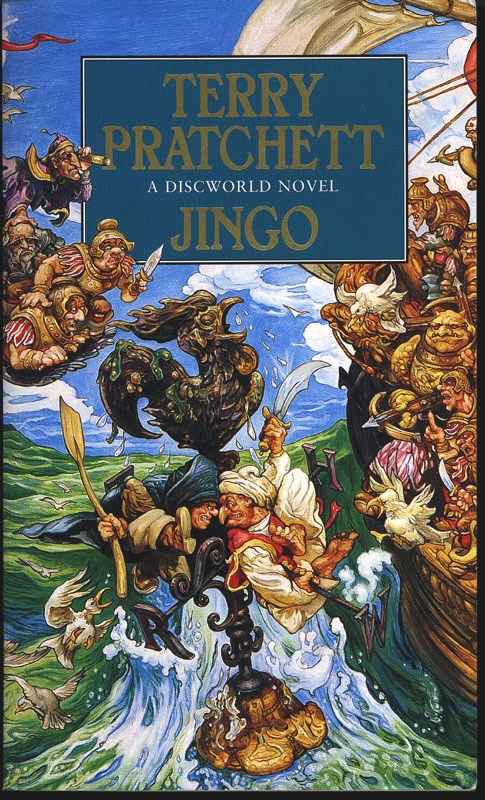
The quote that unlocks everything comes from Jingo:
"And Sergeant Colon once again knew a secret about bravery. It was arguably a kind of enhanced cowardice—the knowledge that while death may await you if you advance it will be a picnic compared to the certain living hell that awaits should you retreat."
Read that again. Pratchett isn't saying Fred is secretly courageous. He's saying Fred is so thoroughly a coward that his cowardice wraps around and becomes functional bravery. He doesn't advance because he's brave. He advances because he's calculated—at some primal, gut-level—that retreating would be worse.
"Death may await you if you advance, but it will be a picnic compared to the certain living hell that awaits should you retreat."
This isn't the inspirational poster version of bravery. There's no "feel the fear and do it anyway" here. This is a man who is terrified of what's in front of him and even more terrified of what's behind him. The only direction left is forward.
And honestly? That's closer to how real bravery works than any amount of square-jawed heroism. Ask anyone who's done something genuinely dangerous—soldiers, firefighters, people who've intervened in emergencies—and most of them won't tell you they weren't afraid. They'll tell you that not acting felt worse.
The Dragon and the Underwear
Fred's first real moment of enhanced cowardice comes in Guards! Guards!, and it's a beauty.
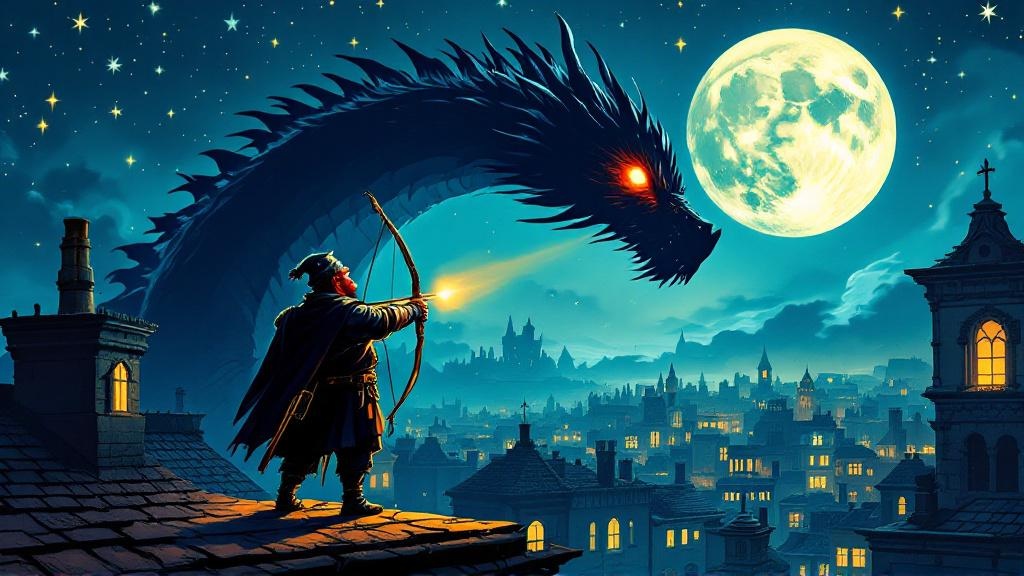
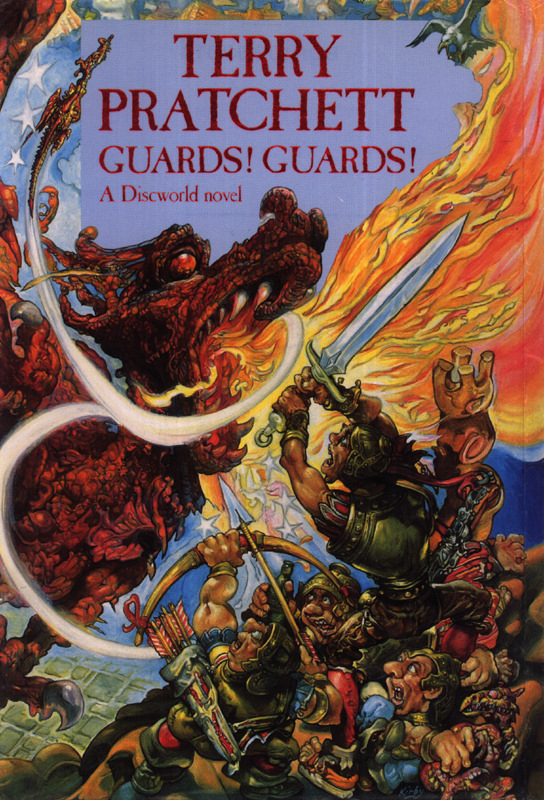
A noble dragon has taken over Ankh-Morpork. The Watch—at this point consisting of Vimes, Colon, Nobby, and Carrot—decides to try and kill it. Their plan involves getting up on a rooftop and shooting it with a single arrow.
This is, to be clear, an incredibly stupid plan. Noble dragons are enormous, fire-breathing, and very much alive. They are not impressed by arrows. The Watch knows this. Fred definitely knows this.
But they've talked themselves into the idea of a "million-to-one shot." In Discworld, million-to-one shots come up nine times out of ten—but only if they're exactly a million to one. So they adjust the odds carefully, making sure they're precisely improbable enough.
Fred takes the shot. He misses—the arrow goes wide, the dragon remains un-slain, and the entire plan is a fiasco. But here's what matters: he was up there. On a rooftop. Drawing a bow. Aiming at a creature that could have incinerated him with a sneeze.
Pratchett notes that Fred had to change his underwear afterwards. That's the joke, and it's funny. But it's also the truth: Fred was genuinely, comprehensively, bowel-loosening terrified. And he still did it.
The Barricades He Kept Expanding
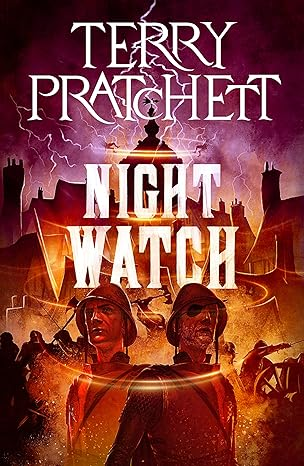
Night Watch shows us a younger Fred Colon—Corporal Colon—during the Glorious Revolution of the 25th of May. This is Pratchett's most serious book, a story about civil uprising, police brutality, and the gap between the powerful and the powerless.
"They wouldn't be rebelling against the city if they were the city."
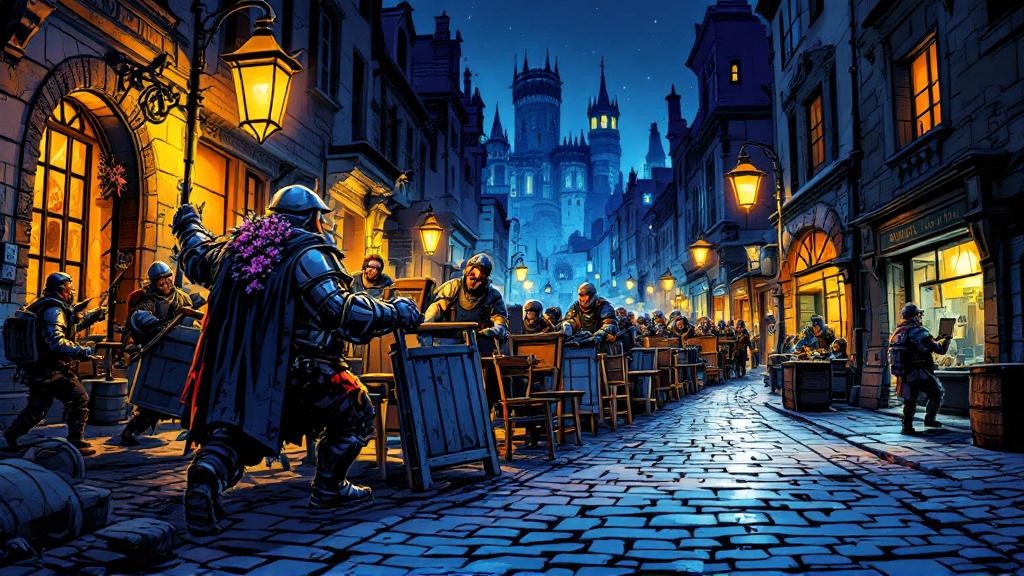
Fred is part of the Watch that ends up behind the barricades of the People's Republic of Treacle Mine Road. And here Pratchett gives us one of Fred's most endearing moments of accidental courage: he keeps pushing the barricades outward.
Fred and the other simple-minded watchmen expand the barricades during the night, street by street, until Vimes finds himself in control of a quarter of the city. Fred's logic is beautiful in its simplicity: they wouldn't be rebelling against the city if they were the city. If the barricaded area is bigger than the unbarricaded area, well, technically they're the legitimate authority.
It's classic Colon reasoning—so wrongheaded it's almost right. But beneath the comedy, something real is happening. Fred chose a side. He stayed behind the barricades when he could have walked away. He wore the lilac.
Years later, on every 25th of May, Fred Colon still wears a sprig of lilac in memory of those who died. He's one of the sacred survivors—alongside Vimes, Nobby, and, improbably, Vetinari himself. Whatever else Fred is, he was there. He didn't run.
The Submarine and the Dancing Girl
If Night Watch shows Fred's courage in a serious key, Jingo plays it for comedy—which doesn't make it any less real.
When war breaks out between Ankh-Morpork and Klatch, Vetinari recruits Fred and Nobby for a secret mission. They end up aboard Leonard of Quirm's submarine—the Going-Under-the-Water-Safely Device—traveling to the heart of enemy territory during an active war.
Fred doesn't want to be there. He really doesn't want to be there. But Vetinari asked, and when the Patrician asks, you don't say no. (This, too, is enhanced cowardice: fear of the enemy is bad, but fear of disappointing Vetinari is worse.)
Once in Klatch, they disguise themselves in local clothing. Nobby ends up dressed as a dancing girl and discovers something unexpected about himself. Fred ends up trudging through hostile territory, terrified, racist, and very much out of his depth—but trudging forward nonetheless.
The mission succeeds. They discover that the island of Leshp is sinking, making the entire war pointless. Fred contributes almost nothing to this discovery. But he was on the submarine. He was in Klatch. He didn't desert, didn't hide, didn't find an excuse to stay behind.
He was, as always, too scared of the alternative to stop.
The Fish With Lights on Their Noses
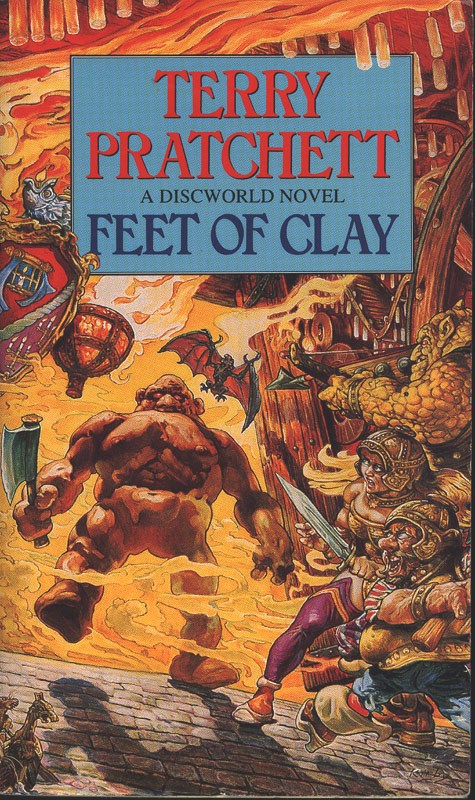
In Feet of Clay, Fred gets captured during an investigation into golem owners. He wakes up tied up, overhears plans to have the golem Meshugah "deal with him," and has one of Pratchett's best descriptions of total fear:
"The little flickering part of his brain that was still sparking coherent thought through the fog of mind-numbing terror that filled Colon's head was telling him that he was so far out of his depth that the fish had lights on their noses."
"He was so far out of his depth that the fish had lights on their noses."
He escapes with Wee Mad Arthur from the sewers below, deputizes the gnome rat-catcher on the spot, and then spends the rest of the adventure being chased through Ankh-Morpork by the King Golem—a creature that keeps reassembling itself no matter how many times it's broken apart.
Fred doesn't fight the golem. Fred doesn't outsmart the golem. Fred runs from the golem. But running from an unstoppable clay monster through the streets of a medieval city is itself an act that requires a certain amount of nerve, especially when the thing you're running from doesn't get tired, doesn't slow down, and keeps putting itself back together.
Why Pratchett Gave the Coward the Brave Moments
There's something deliberate about the way Pratchett keeps placing Fred in these situations. He could have given these moments to Vimes—the natural hero—or Carrot, the man who's brave without even noticing. Instead, he gives them to the fat, lazy, prejudiced sergeant who just wants to go home and not be killed.
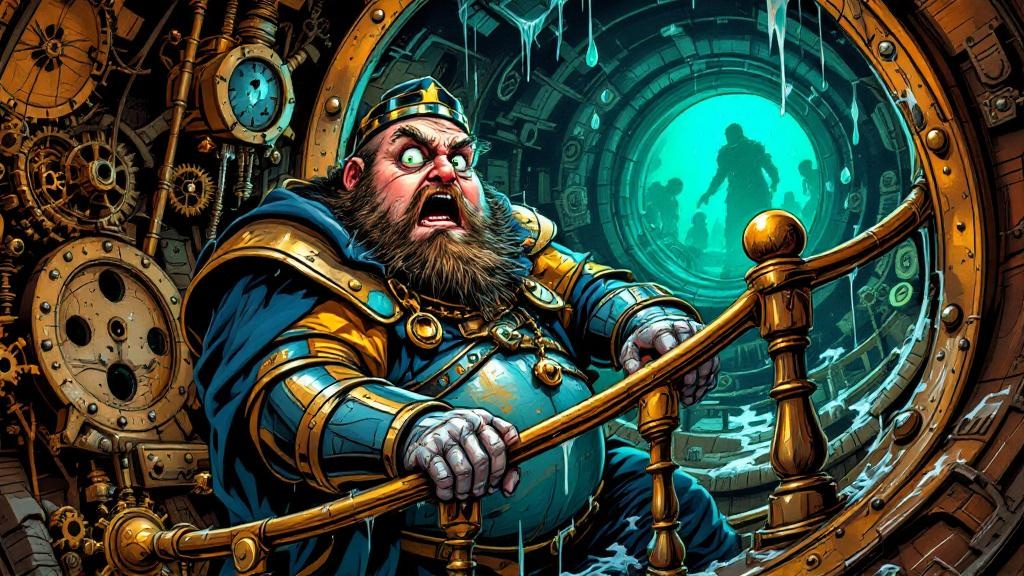
And that's the point. Pratchett understood that bravery in fiction is usually given to people who are good at it. The hero charges into battle, the warrior faces the dragon, the leader rallies the troops. We call these people brave, but what we really mean is that they're competent under pressure. They were probably going to be fine.
Fred is never going to be fine. He knows it. Everyone around him knows it. His survival odds in any given dangerous situation hover somewhere between "miracle" and "clerical error." And he shows up anyway.
Not because he's noble. Not because duty calls. Because Mrs. Colon would kill him if he got himself sacked, or because Vimes would give him That Look, or because Vetinari would raise an eyebrow, and any of those fates is worse than whatever's trying to eat him right now.
The Feet-of-Clay Hero
Here's what I think Pratchett was saying with Fred Colon: that heroism has nothing to do with the absence of fear, and everything to do with the presence of something that scares you more than the danger.
For Vimes, that's injustice. For Carrot, it's the idea of not doing his duty. For Granny Weatherwax, it's being less than she decided to be.
For Fred? It's the embarrassment of being seen to run. The shame of letting down the few people who still expect something of him. The terror of facing Mrs. Colon's disappointment. The bureaucratic nightmare of explaining to Vetinari why you deserted.
These aren't grand motivations. They're petty, human, and deeply recognizable. And that's exactly what makes Fred's bravery more honest than most fictional heroism. He's not driven by principle. He's driven by the same cocktail of fear, obligation, and social pressure that makes real people do difficult things every day.
The "enhanced cowardice" quote isn't just a joke. It's Pratchett's thesis statement on courage, delivered through the most unlikely character in the entire Watch: that bravery isn't a virtue you either have or you don't. It's a calculation. And sometimes the coward's calculation leads to the same place as the hero's conviction.
Where to Meet the Accidental Hero
If you want to see Fred's bravery—such as it is—in action, you have options.
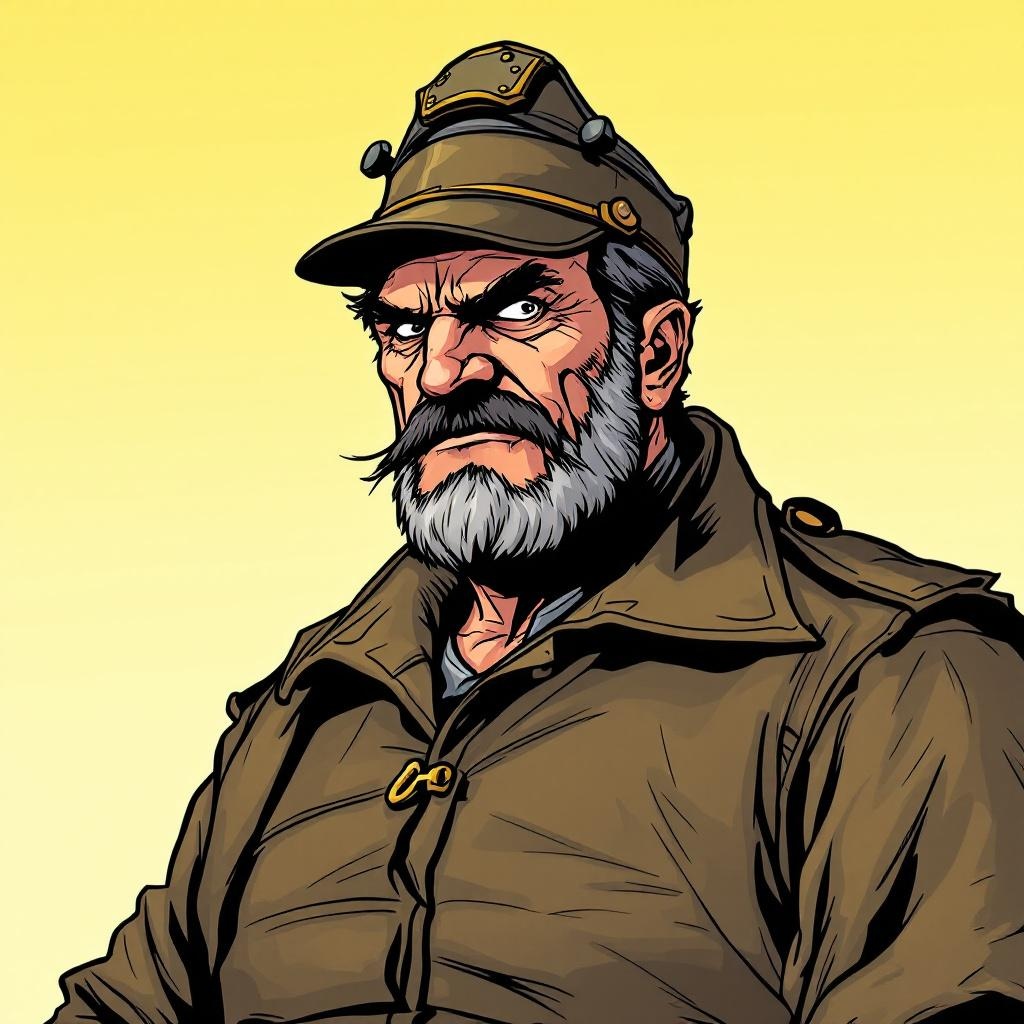
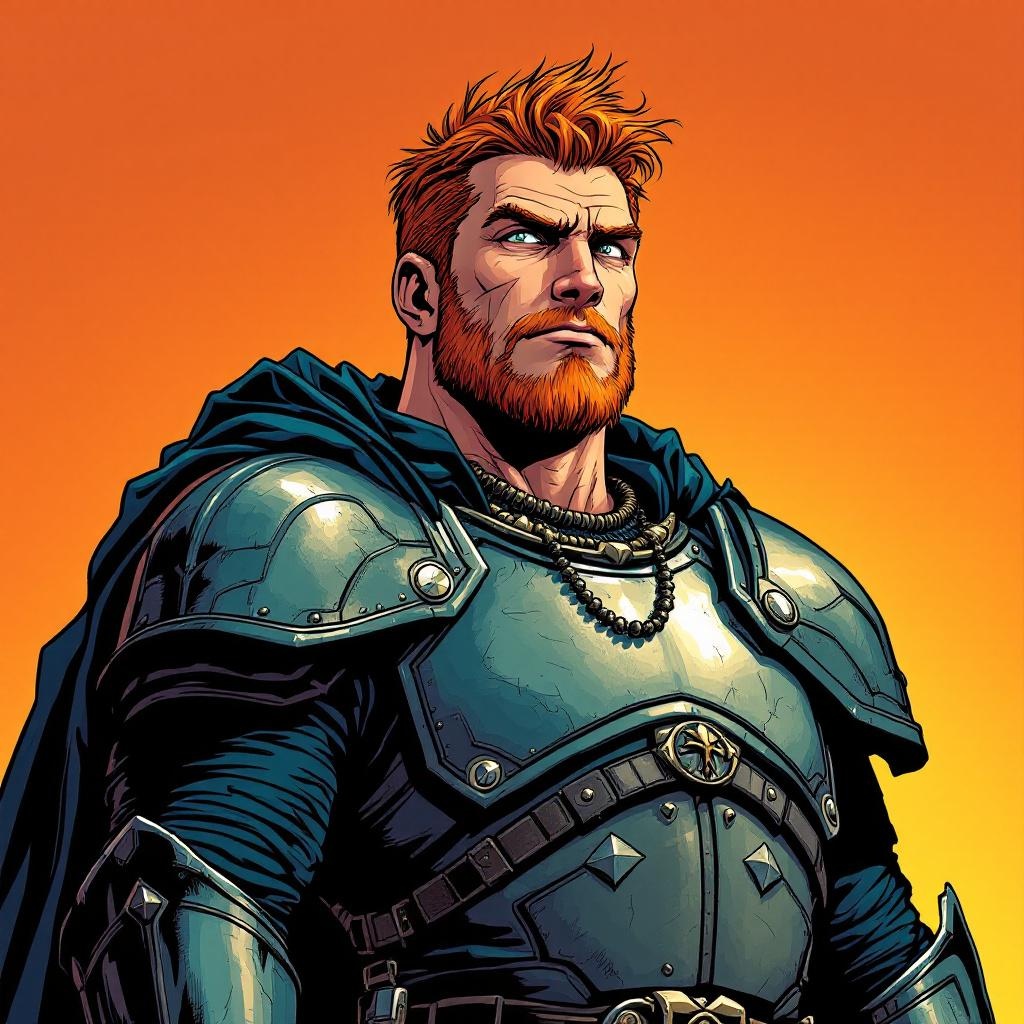
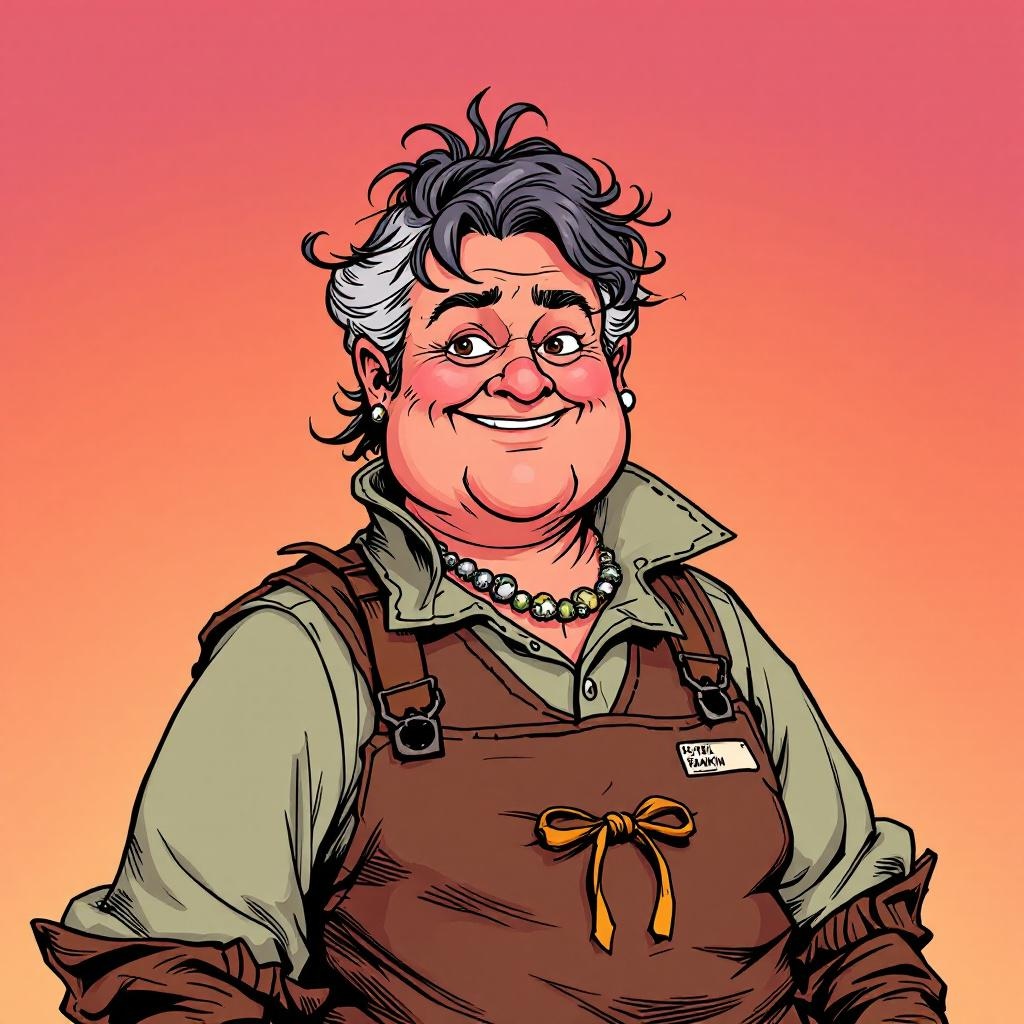
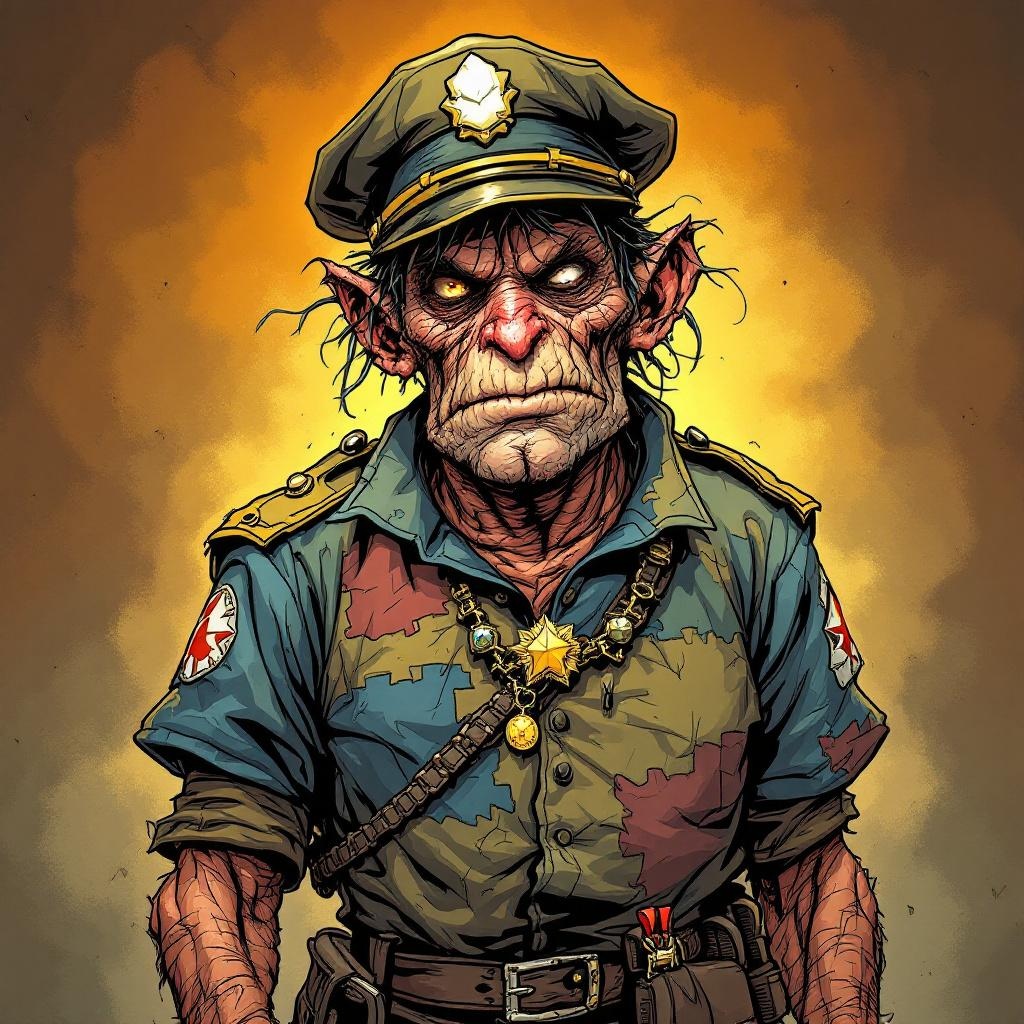
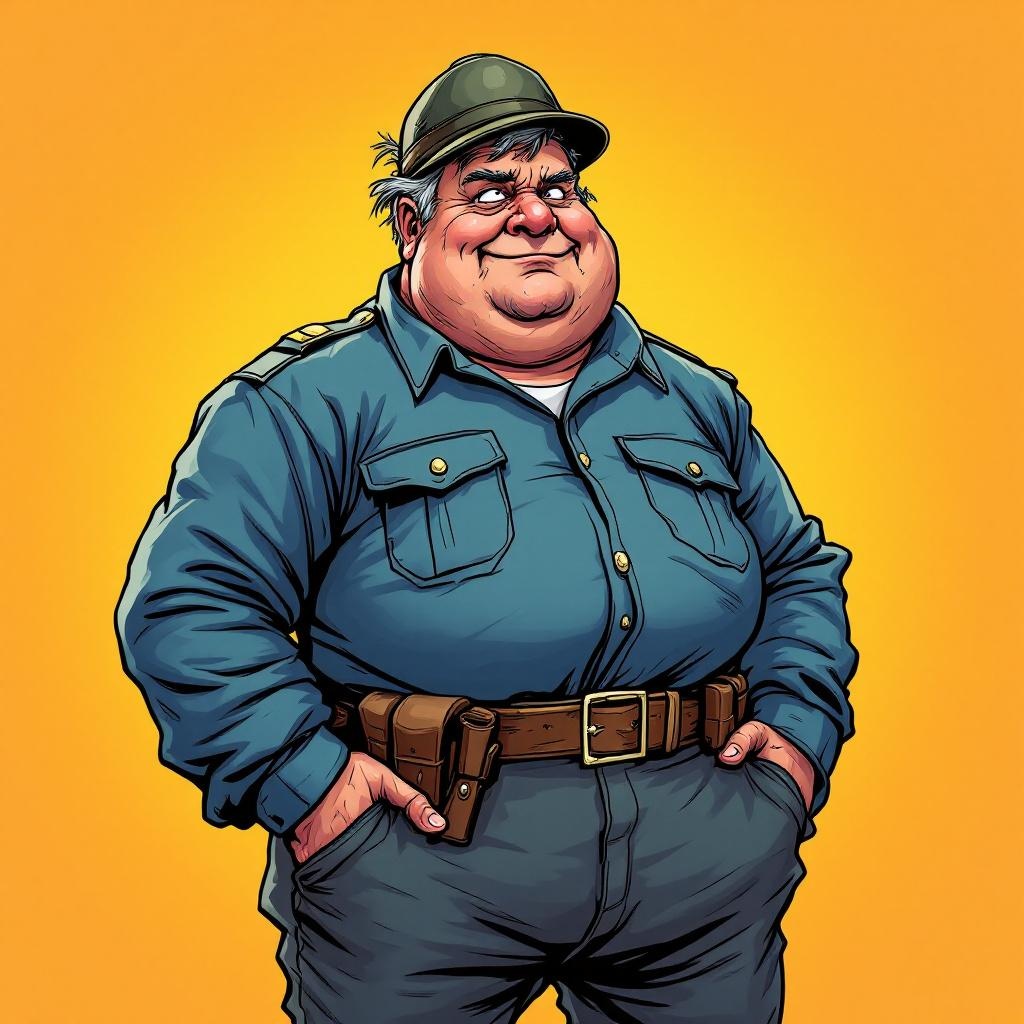
Night Watch gives you the young Corporal Colon at the barricades, wearing the lilac. Jingo puts him on a submarine to Klatch. Feet of Clay throws a golem at him. In every case, Fred does what Fred always does: he panics, he complains, he very much wants to be somewhere else—and then he doesn't leave.
That's not nothing. That might, in fact, be everything.