Lipstick, Beards, and Revolution: How Cheery Littlebottom Changed What It Means to Be a Dwarf
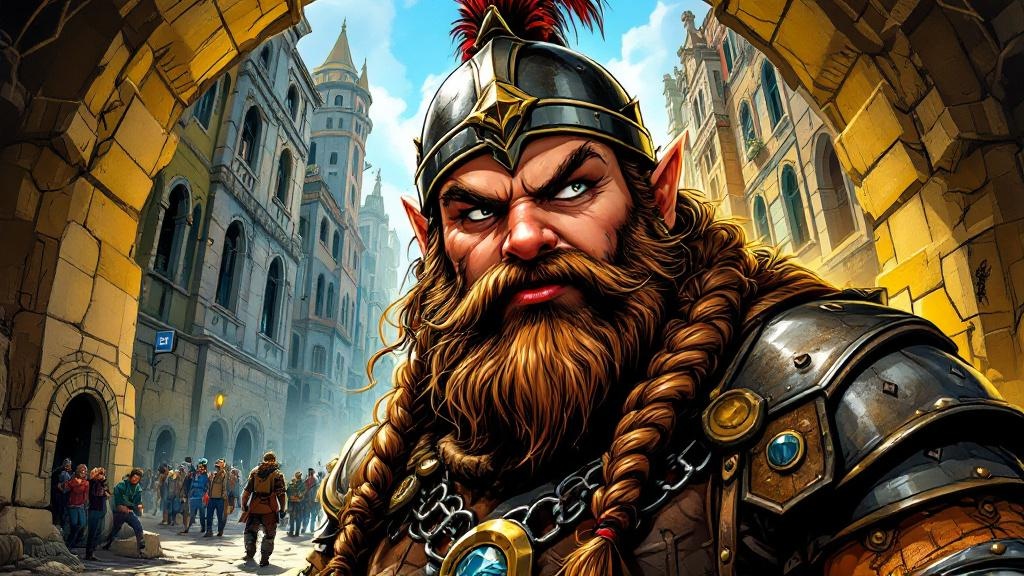
Cheery Littlebottom kept her beard and added lipstick—refusing to choose between being a dwarf and being a woman. How her quiet revolution changed Discworld forever.
Here's a sentence that shouldn't make sense: she kept the beard and added lipstick.
Not because she was confused. Not because she hadn't thought it through. Because she'd thought it through completely—and decided she didn't owe anyone a choice between being a dwarf and being a woman.
Cheery Littlebottom arrived in Ankh-Morpork as a forensic alchemist who'd accidentally blown up the entire leadership of the Alchemists' Guild. She left as the person who blew up something much more entrenched: the idea that dwarfs only come in one gender.
All Dwarfs Are Male (Even the Female Ones)
To understand why lipstick on a bearded face was revolutionary, you need to understand what dwarf culture looked like before Cheery.
All dwarfs have beards. All dwarfs wear iron helmets, chain mail, and up to twelve layers of clothing. All dwarfs mine, drink, fight, and use male pronouns. Gender, in traditional dwarf society, is "more or less optional"—which sounds progressive until you realize what it actually means: everyone defaults to male, and anyone who objects keeps it to themselves.
As Angua puts it with characteristic bluntness: "You can be any sex you like provided you act male."
"You can be any sex you like provided you act male."
That's not tolerance. That's erasure with extra steps. Female dwarfs weren't oppressed in the conventional sense—they had the same jobs, the same rights, the same access to every mine and forge. They were just expected to pretend a fundamental part of themselves didn't exist. Nobody told Cheery she couldn't be a dwarf. They told her she couldn't be a woman and a dwarf at the same time.
This is what makes Pratchett's treatment of dwarf gender so much sharper than a typical fantasy approach. He wasn't writing about women fighting for access to male spaces. Female dwarfs were already fully present in those spaces. They had all the rights. They had none of the recognition.
The Moment Everything Changed
Then Cheery arrived in Ankh-Morpork. And she saw something that rearranged everything:
"Then Cheery Littlebottom had arrived in Ankh-Morpork and had seen that there were men out there who did not wear chain mail or leather underwear, but did wear interesting colours and exciting makeup, and these men were called 'women.'"
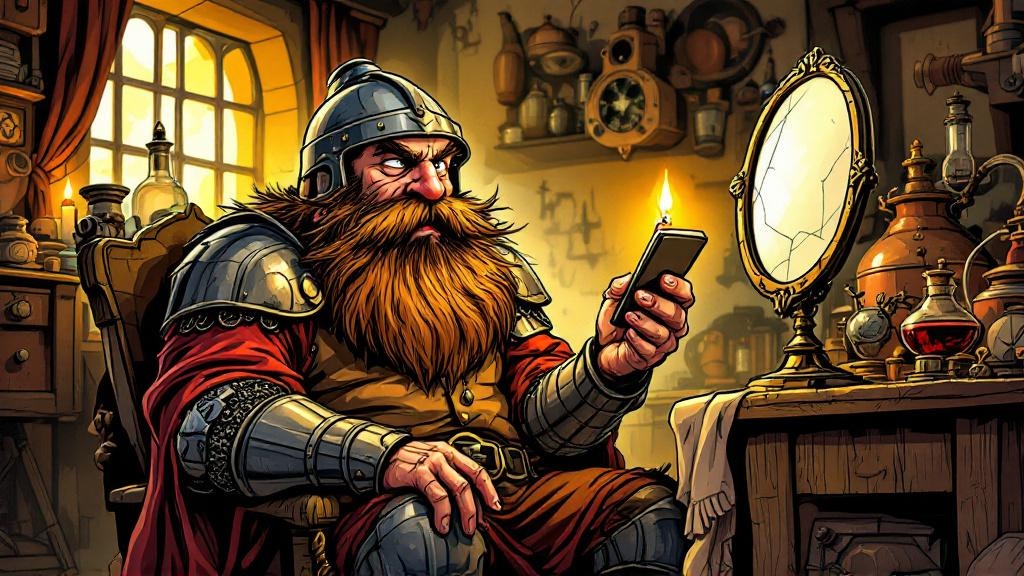
"Why not me?" That was the thought. Three words. And in that bullet-shaped head—Pratchett's words, not mine—a revolution was born.
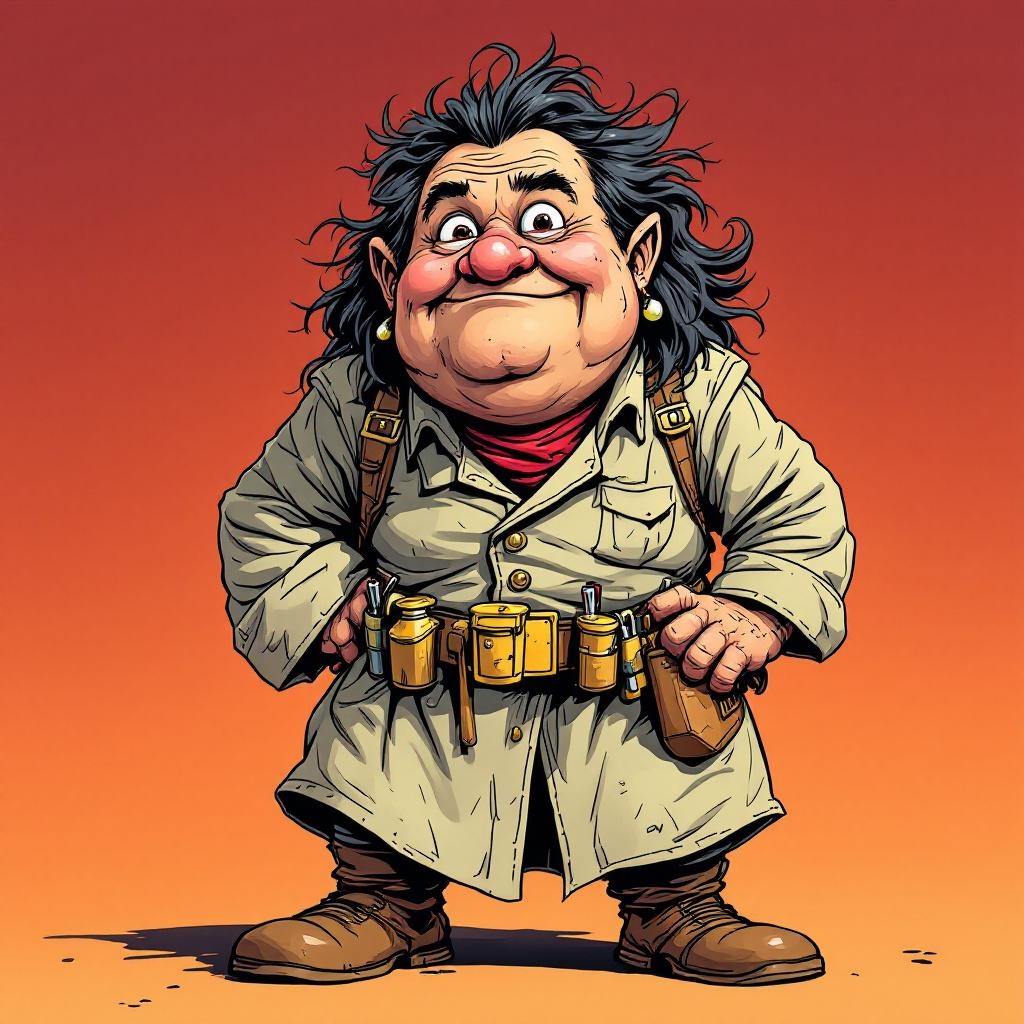
It started with lipstick. Just lipstick. Applied to a face that still had a full beard, beneath a helmet that stayed firmly on. The visual was jarring—deliberately so. This wasn't a dwarf trying to pass as a human woman. This was a dwarf inventing something that had never existed before: femininity on dwarf terms.
Then came the heels. High heels, welded onto her iron-toed boots, because practicality still mattered even mid-revolution. She needed to walk through mines and crime scenes, so the heels were permanent fixtures on functional footwear. It's a detail so perfectly Pratchett you can almost hear him grinning as he wrote it.
The Beard That Stayed
Here's where Cheery's story stops being a simple narrative of self-expression and becomes something genuinely radical.
When Angua—who'd sniffed out Cheery's biological sex with her werewolf nose and become her first real ally—asked whether she'd shave her beard, Cheery refused. Not because she hadn't considered it. Because she had, and she'd realized that the beard wasn't a male trait. It was a dwarf trait.
"I can wear what I like, sir. That's the point. I don't have to wear that dress. I can wear what I like."
This distinction matters enormously. A lesser writer would have had Cheery discard every marker of dwarf masculinity—shave the beard, ditch the helmet, swap chain mail for a dress. That would have been a story about a dwarf becoming a human woman. Pratchett wrote something much more interesting: a story about a dwarf expanding what it means to be a dwarf.
Lipstick and beard. Heels and helmet. Pronouns changed, identity intact.
In The Fifth Elephant, when challenged about her clothing choices, Cheery puts it with devastating clarity: "I can wear what I like, sir. That's the point. I don't have to wear that dress. I can wear what I like. I don't have to wear something just because other people don't want me to."
That's freedom defined not as the ability to conform to a new set of expectations, but as the right to refuse all of them.
The Price of Being First
Cheery's revolution wasn't painless. Traditional dwarfs called her "ha'ak"—an extremely derogatory term, with the Dwarfish enclitic "-ak" meaning "not." Not-dwarf. Un-dwarf. The worst thing you can call someone in a culture where dwarfishness is everything.
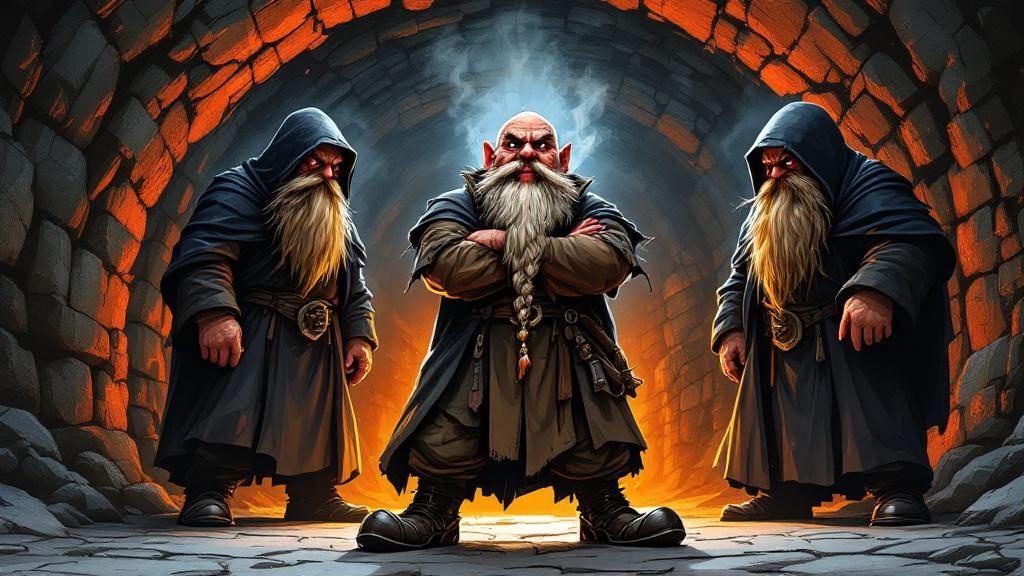
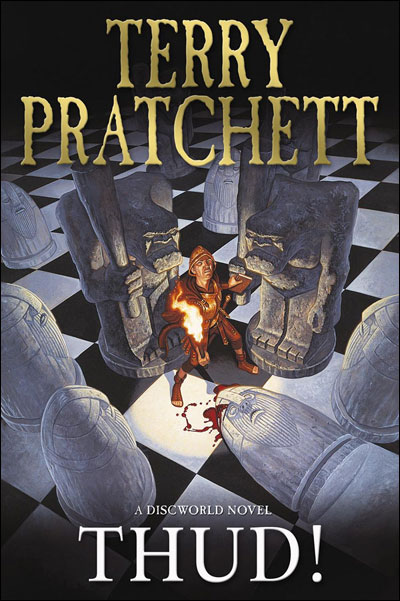
By Thud!, where Cheery has risen to the rank of sergeant, the traditionalist grags—the fundamentalist religious leaders who refuse to acknowledge the surface world—see her as an abomination. She's not just a woman who won't hide; she's proof that dwarf culture is changing, and the deep-downers would rather kill to prevent that than learn to live with it.
When Vimes investigates the murder of Grag Hamcrusher, Cheery finds herself doing forensic work on a crime that's essentially about her—about the hatred that people like her inspire in people like the grags. She's examining evidence of her own persecution, in her capacity as a professional investigator. The irony is exquisite and awful.
The Carrot Problem
One of the most striking moments in Cheery's story involves Carrot Ironfoundersson—the man raised by dwarfs, the Watch's moral compass, the closest thing Discworld has to a genuinely good person.
When Angua tells Carrot that Cheery is female, his response is shocking: "I would have thought she'd have had the decency to keep it to herself."
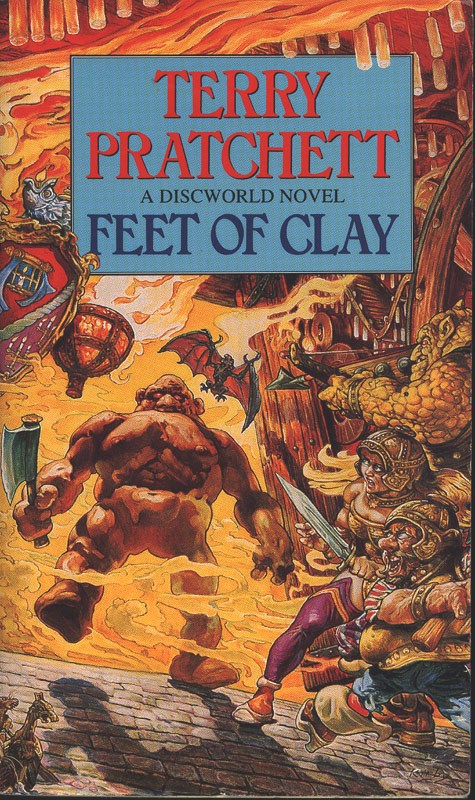
"Carrot, I think you might have something wrong with your head... I think you might have it stuck up your bum."— Angua von Uberwald, Feet of Clay
Angua's response—"Carrot, I think you might have something wrong with your head... I think you might have it stuck up your bum"—is one of the sharpest rebukes in the entire series. It works because Carrot isn't a villain. He isn't cruel. He's a deeply decent man who grew up in a culture that told him gender expression was shameful, and he absorbed that lesson without questioning it. He's a good person with a bad assumption, and he doesn't even know the assumption is there.
Pratchett understood that prejudice doesn't require malice. Sometimes it just requires not thinking about it. The most dangerous biases are the ones carried by good people, because good people never examine them.
Angua: The Ally Who Understood
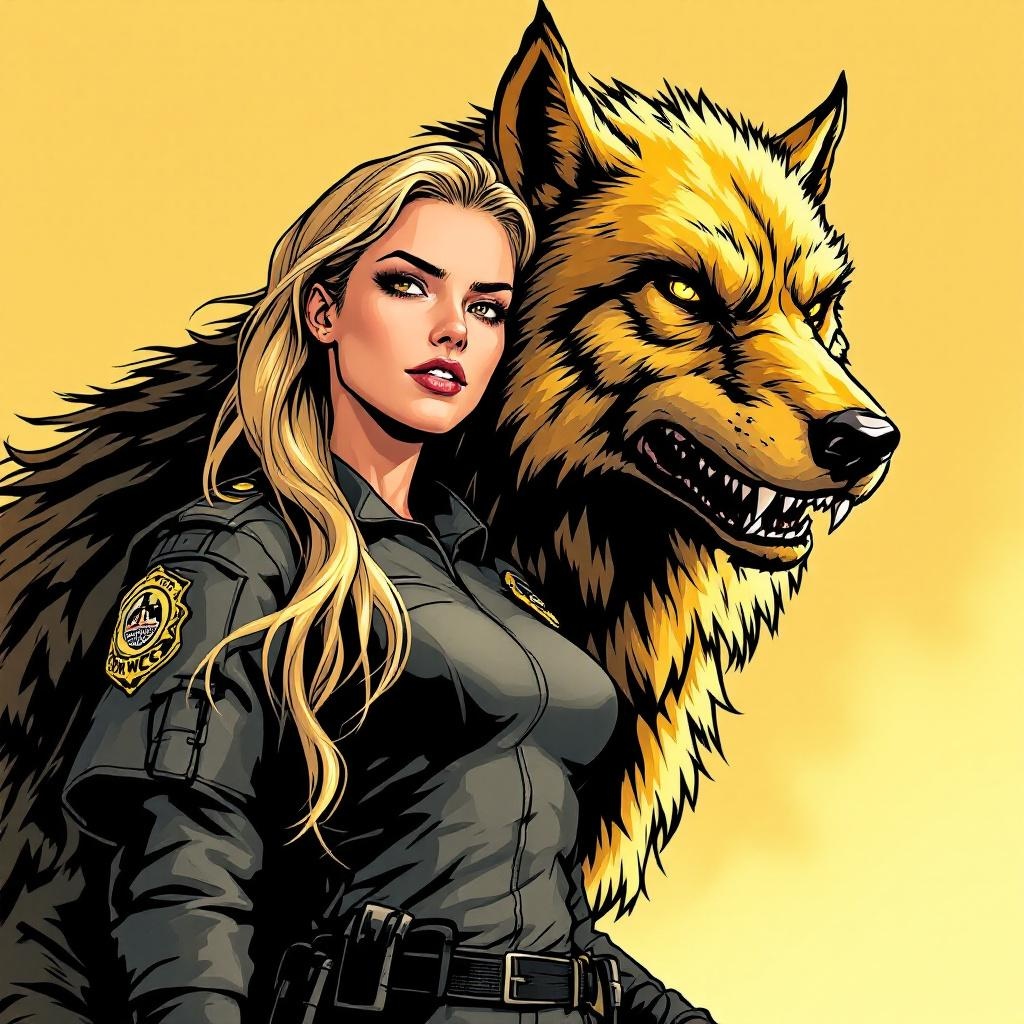
The friendship between Cheery and Angua is one of Discworld's quiet masterpieces. Angua—a werewolf hiding her own nature—saw Cheery hiding hers and decided to help. She lent her makeup and dresses. She used the right pronouns before anyone else did. She gave Cheery the space to figure out what being a female dwarf actually meant.
There's a deep irony here. Angua was helping Cheery come out while concealing her own secret—that she was a werewolf, a species that Cheery's family had reason to hate. When Angua eventually revealed herself in wolf form to save Cheery's life, the moment could have ended their friendship. Instead, Cheery admitted the family werewolf story might have been "apocryphal."
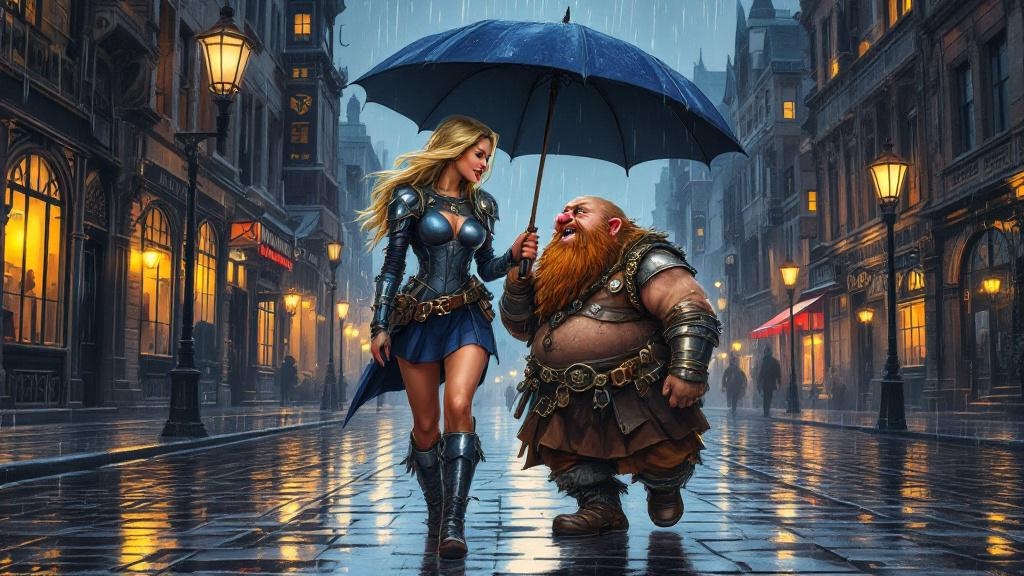
Two people, each hiding something that their cultures told them was shameful, finding safety in each other. Angua gave Cheery the courage to be seen. Cheery gave Angua proof that old hatreds can dissolve when actual people replace abstract enemies.
The Revolution Spreads
Cheery didn't just change herself. She changed the language.
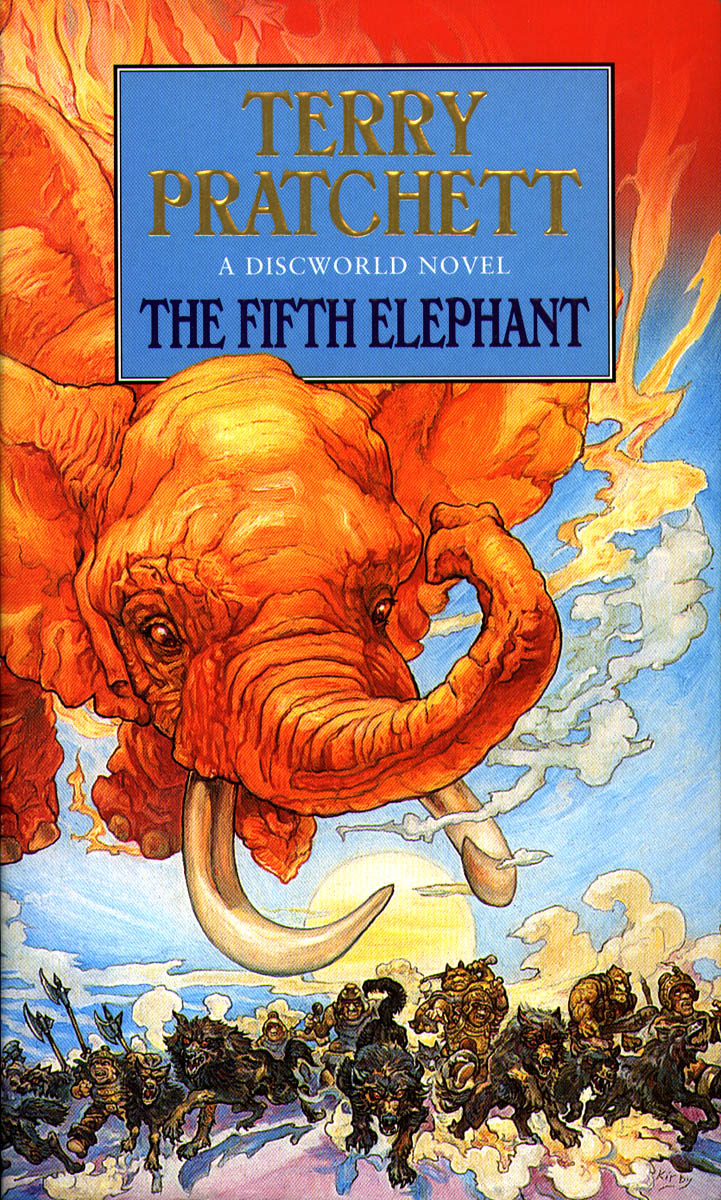
By The Fifth Elephant, "she" and "her" were entering the Dwarfish vocabulary as new pronouns. Other female dwarfs were following her example—tentatively at first, then with growing confidence. What had started as one alchemist putting on lipstick had become a cultural movement.
This is what frightened the grags so much. One dwarf wearing lipstick is an oddity. A hundred dwarfs wearing lipstick is a revolution. And Cheery was the proof that the revolution couldn't be stopped by calling people names, because she'd heard every name they had and she was still standing.
What Pratchett Was Really Writing About
There's a reason Cheery Littlebottom resonates so deeply with trans and gender-nonconforming readers. Her story maps precisely onto the experience of discovering that the gender your culture assigned you doesn't fit—and that expressing who you actually are will cost you relationships, safety, and belonging.
Neil Gaiman, who knew Pratchett well, recalled him saying how proud he was "that trans people saw themselves in his dwarf characters, who are boxed into identifying as male, regardless of their actual gender, by social convention." When people tried to claim posthumously that Pratchett would have been "gender critical," his daughter Rhianna responded: "My father would most definitely not be a GC if he was still alive. Read. The. Books."
"When you've made up your mind to shout out who you are to the world, it's a relief to know you can do it in a whisper."
But Cheery's story isn't only about gender. It's about any situation where a culture tells you that part of yourself is unacceptable—where belonging requires amputating something real. It's about the person in the conservative family who comes home with different ideas. The first woman in the office who refuses to pretend she's "one of the boys." The immigrant who keeps their accent while learning the new language.
Pratchett's genius was making this story funny and warm without making it easy. Cheery pays real costs. She's called slurs. She's ostracized by traditionalists. She lives under the threat of violence from the deep-downers. The revolution works not because it's painless but because she decided the pain of hiding was worse.
"When you've made up your mind to shout out who you are to the world," Pratchett wrote, "it's a relief to know you can do it in a whisper."
That's Cheery Littlebottom in a sentence. She didn't storm the barricades. She put on lipstick and went to work.
Where to Experience Cheery's Revolution
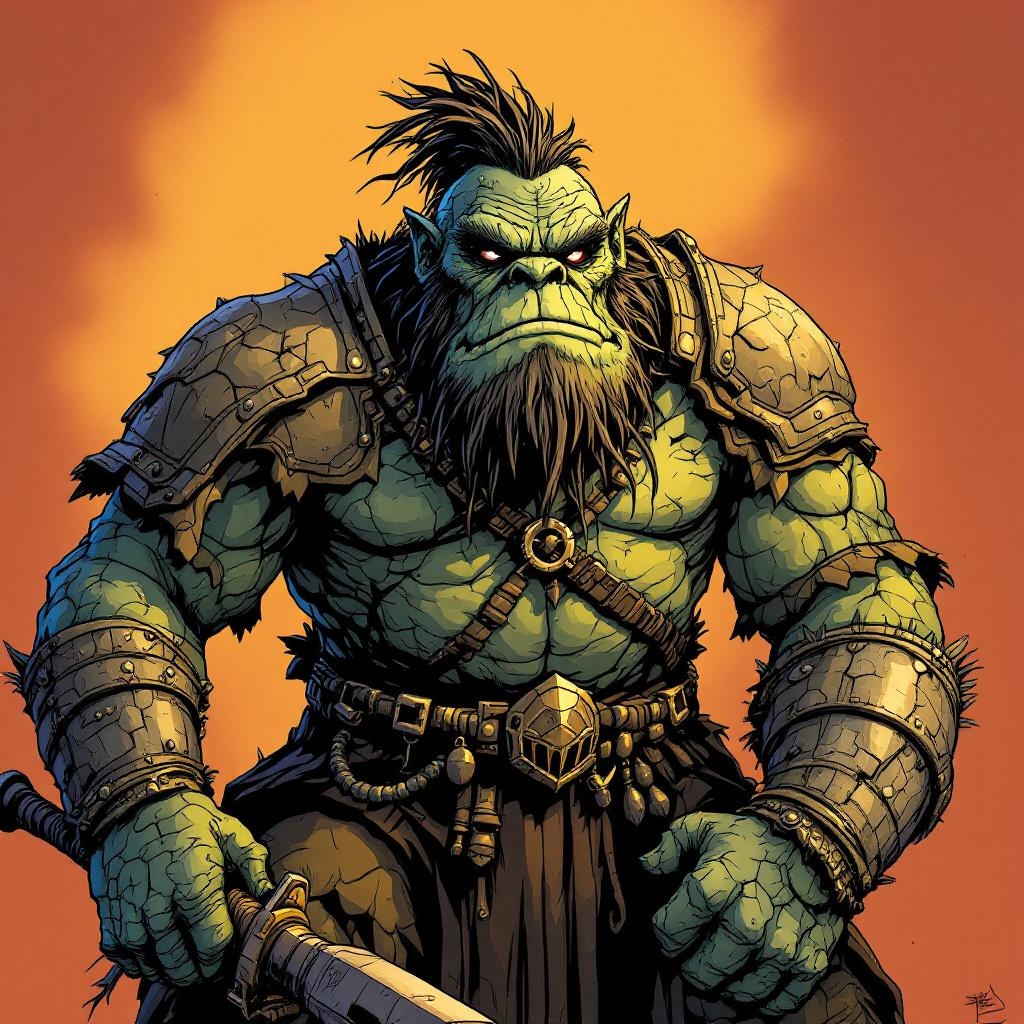
Next time someone tells you that you have to choose between where you come from and who you are, remember Cheery. She kept the beard. She added the lipstick. And she changed what it means to be a dwarf forever.
For more on the friendships that made Cheery's revolution possible, read about Angua's vegetarian werewolf philosophy and the unlikely friendship that started it all.