Can You Read Discworld Books Out of Order? What You Need to Know
Worried about reading Discworld in the wrong order? Relax. Here's the honest truth about which books work as standalones and when order actually matters.
Can You Read Discworld Books Out of Order? What You Need to Know
You've finally decided to read Discworld. You've heard it's brilliant. You've seen the reading order charts—those elaborate flowcharts with color-coded paths and branching arrows that look like someone tried to diagram the London Underground after a few pints.
And now you're paralyzed. What if you read them wrong? What if you miss something crucial? What if you accidentally spoil a character's arc by starting in the middle?
Here's the honest answer: yes, you can absolutely read Discworld books out of order. Not only can you—Terry Pratchett designed it that way.
The Quick Answer (For the Impatient)
Every Discworld book is written to work as a standalone novel. You can pick up almost any one of the 41 books, start reading, and enjoy a complete story with a beginning, middle, and end. No required reading. No prerequisites. No homework.
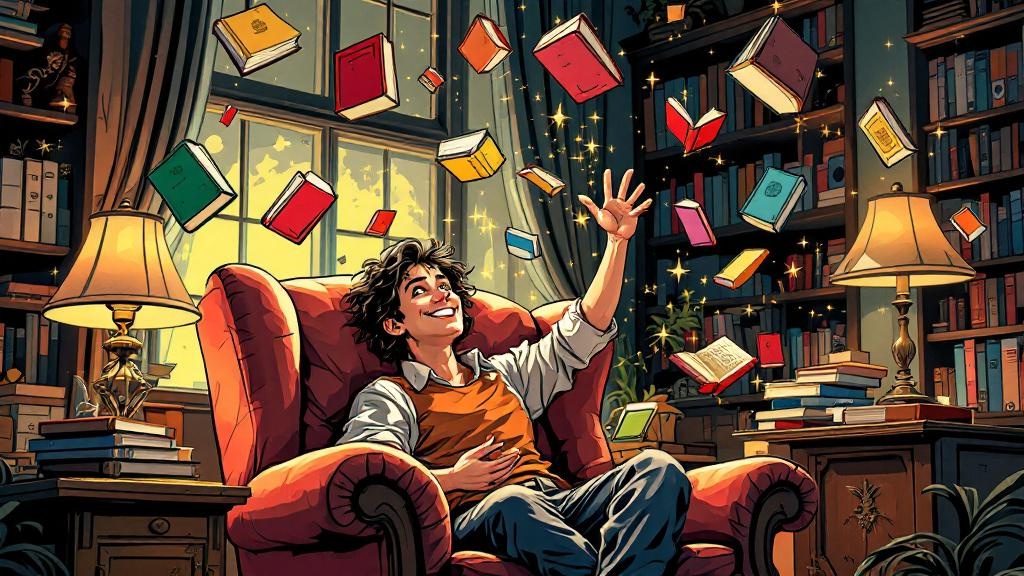
This isn't a case where fans say "technically you can start anywhere" while giving you a knowing look that suggests otherwise. Pratchett genuinely structured each book to welcome new readers. He knew people would pick up whichever cover caught their eye at the bookshop.
That said, understanding how the books connect helps you make smarter choices. Let's break it down.
Why You're Worried (And Why You Shouldn't Be)
The anxiety about reading order comes from two places:
First: modern serialized fantasy has trained us that order matters. Try reading A Storm of Swords before A Game of Thrones and you'll be hopelessly lost. The Discworld flowcharts make it look like the same rules apply.
Second: the books do have connections. Characters develop over multiple novels. Events in one book affect later ones. The world evolves. Reading in order gives you something extra.
"Do not start at the beginning with Discworld."— Terry Pratchett
But here's what nobody emphasizes enough: the books reward reading in order—they don't punish reading out of it.
Pratchett himself was famously uncomfortable with the idea of new readers starting at The Colour of Magic. He said: "I find it now rather embarrassing that people beginning the Discworld Series start with The Colour of Magic and The Light Fantastic, which I don't think are some of the best books to start with. This is the author saying this, folks. Do not start at the beginning with Discworld."
When the author is telling you not to read in publication order, it's safe to relax about reading order in general.
How the Books Actually Connect
Discworld isn't one long serialized story. It's a shared universe with multiple overlapping sub-series:
| Sub-Series | Number of Books | Main Characters |
|---|---|---|
| City Watch | 8 | Sam Vimes, Carrot, Angua |
| Witches | 6 | Granny Weatherwax, Nanny Ogg |
| Death | 5 | Death, Susan Sto Helit |
| Moist von Lipwig | 3 | Moist, Adora Belle |
| Tiffany Aching | 5 | Tiffany, the Nac Mac Feegle |
| Rincewind/Wizards | 8 | Rincewind, the Unseen University faculty |
| Standalones | 6+ | Various |
Each sub-series follows its own characters through their own adventures. The City Watch books work like a police procedural series—each one solves a new case while the characters gradually develop. The Witches books are about a coven dealing with various magical threats. And so on.
"The books reward reading in order—but they don't punish reading out of it."
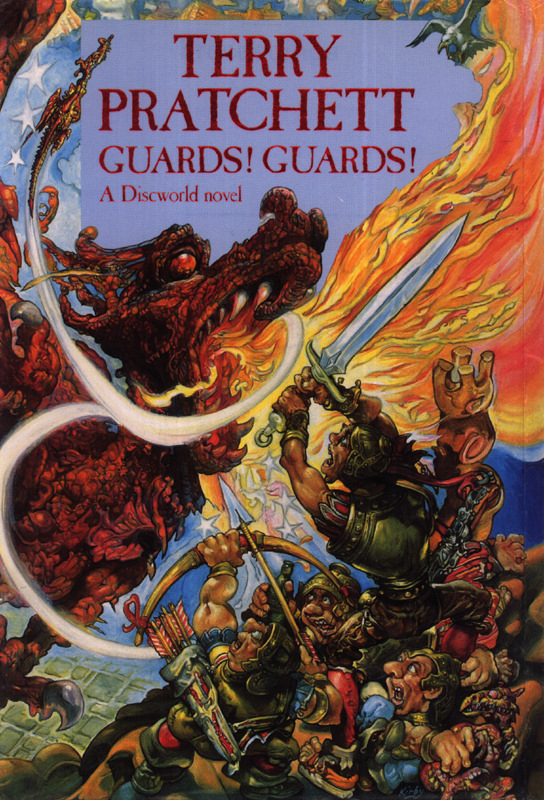
The key insight: each book within a sub-series tells a complete story. Guards! Guards! ends with the mystery solved and the dragon dealt with. Men at Arms starts a new case with a new threat. You don't need the first to understand the second—though you'll appreciate some character moments more if you've read both.
The connections between sub-series are even looser. Characters from the Watch might appear in a Witches book, but as cameos rather than essential plot elements. The city of Ankh-Morpork develops across all the books, but you'll never be confused about what's happening because you missed a novel from a different sub-series.

The Truly Standalone Books
Some Discworld books are particularly self-contained. These have no sequels, minimal connections to other books, and can be read as your first, your only, or your fiftieth Discworld novel:
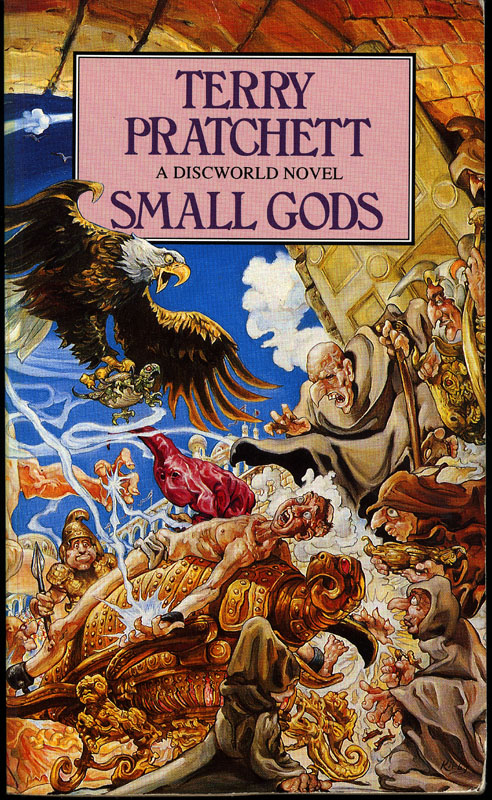
Small Gods
Small Gods is the purest standalone in the series. It's set in a distant theocracy called Omnia, featuring entirely unique characters. The Great God Om has been reduced to a small tortoise with only one true believer left—a simple novice named Brutha. It's Pratchett's most philosophical novel and many fans consider it his masterpiece.
Why it works standalone: Different setting. Unique cast. No sequels or prequels. The few Discworld references are Easter eggs, not plot points.
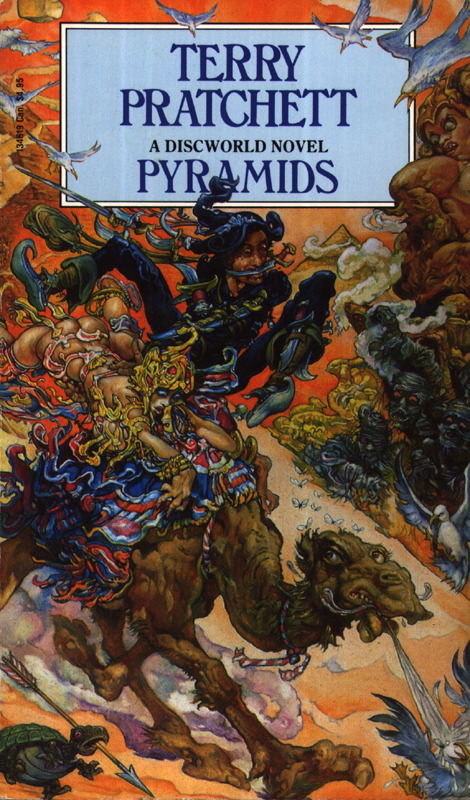
Pyramids
Pyramids takes place in Djelibeybi, Discworld's equivalent of ancient Egypt. Teppic, a young king trained as an assassin, must deal with ancient pyramids that are doing strange things to time and reality.
Why it works standalone: Entirely self-contained story in a setting that appears nowhere else in the series.
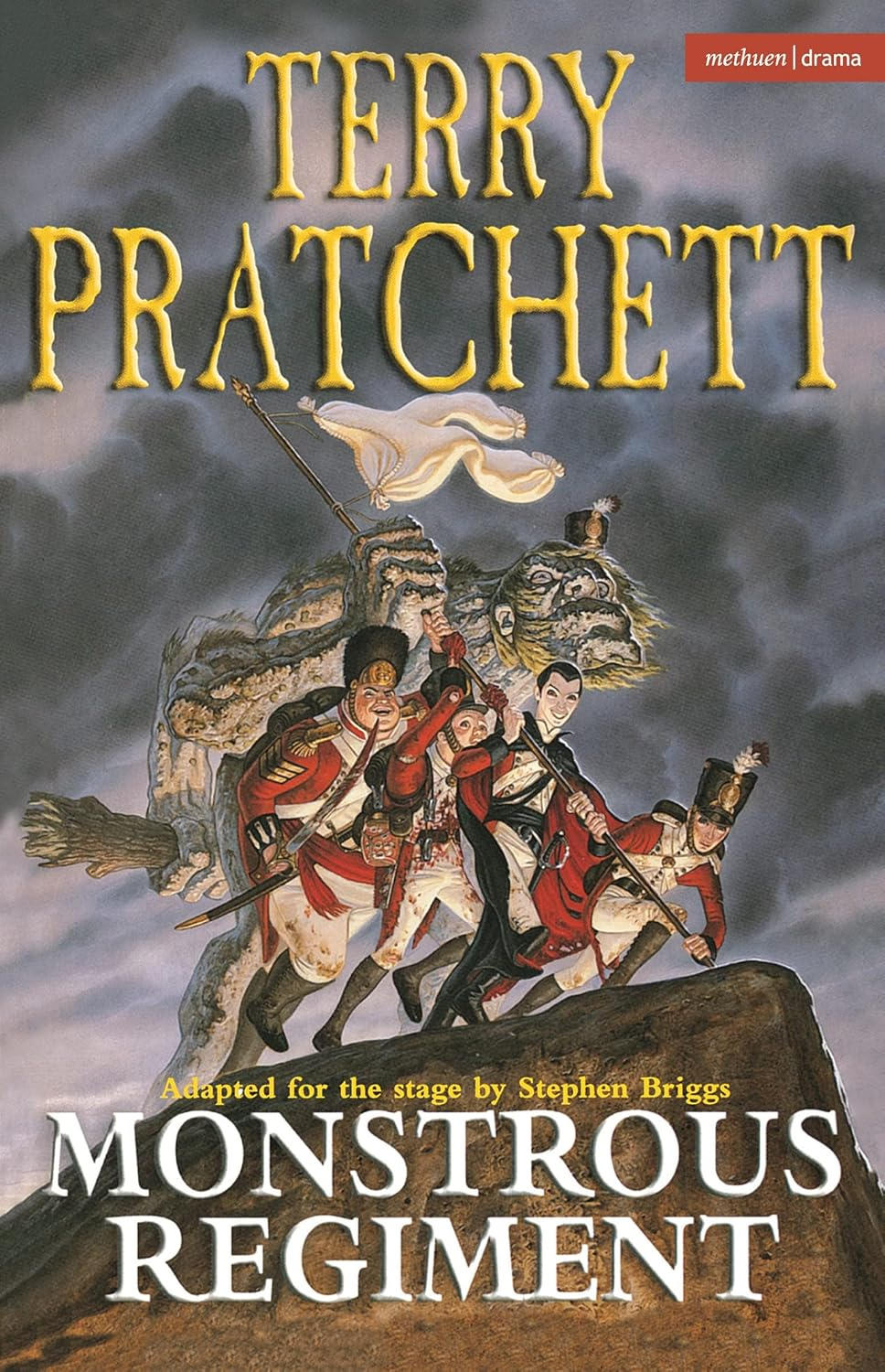
Monstrous Regiment
Monstrous Regiment follows Polly Perks, who disguises herself as a boy to join the army and find her brother. It's a war story, a gender commentary, and a mystery all in one.
Why it works standalone: The Watch characters make cameos, but the core story and cast are unique to this book.
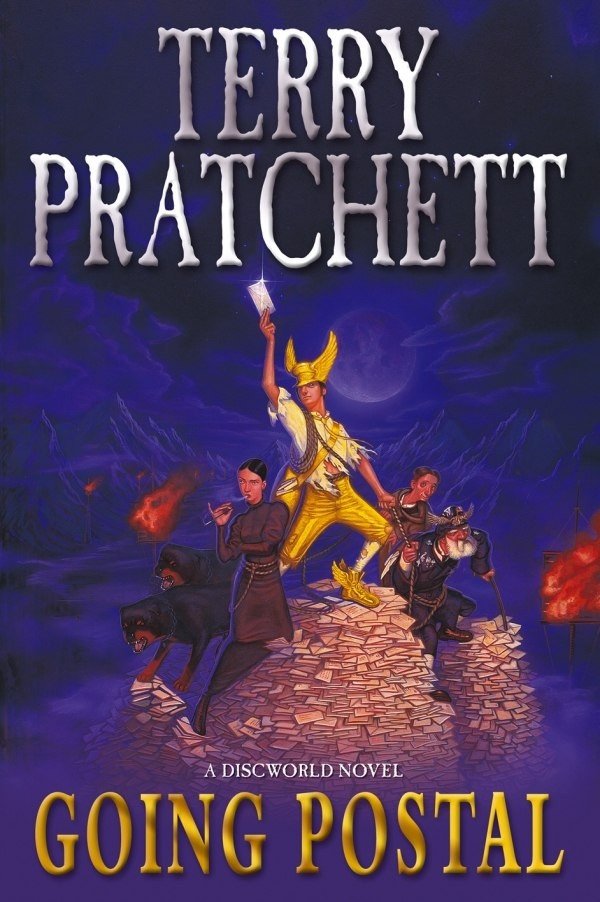
Going Postal
Going Postal introduces Moist von Lipwig, a con man sentenced to revive the city's defunct Post Office. It's technically the start of a trilogy, but works perfectly as a single read.
Why it works standalone: The sequels expand on Moist's story, but Going Postal resolves its central conflict completely.
Other Strong Standalones
- Moving Pictures — Hollywood comes to Ankh-Morpork
- The Truth — The birth of newspapers on the Disc
- The Amazing Maurice — A talking cat runs a Pied Piper con
Books That Benefit from Context
While no Discworld book requires previous reading, some give you more if you've read their predecessors:
The Later Watch Books
Night Watch—widely considered Pratchett's masterpiece—hits harder if you've followed Sam Vimes through earlier books. You can read it first and still appreciate it, but knowing Vimes's history with alcoholism, his marriage to Lady Sybil, and his relationship with his officers adds emotional weight.
Recommendation: If Night Watch calls to you, read Guards! Guards! and Men at Arms first. That's enough context.
Death's Family Story
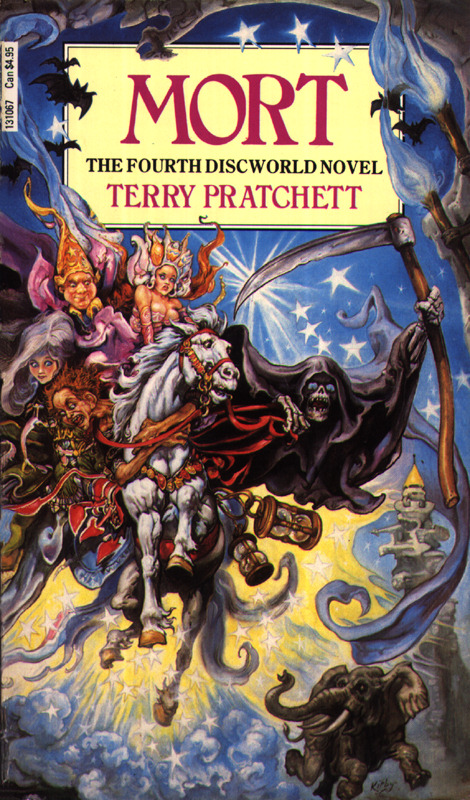
Soul Music introduces Susan Sto Helit, Death's granddaughter. The family dynamics make more sense if you've read Mort, which explains how Death came to have a granddaughter in the first place.
Recommendation: Mort is short, excellent, and makes the later Death books richer.
The Witches' Dynamic
The interplay between Granny Weatherwax, Nanny Ogg, and their various third members is the heart of the Witches sub-series. Wyrd Sisters establishes the dynamic. You can start with Witches Abroad or Lords and Ladies, but you'll miss some of the relationship nuances.
Recommendation: Wyrd Sisters first, then follow your interest.
When Order Actually Matters
In the entire 41-book series, there are only a few cases where reading order genuinely matters:
The Colour of Magic + The Light Fantastic
These are one story split across two books. The Colour of Magic ends on a literal cliffhanger—Rincewind falling off the edge of the Disc. The Light Fantastic picks up immediately after. Read these together or not at all.
The Tiffany Aching Sequence
Unlike other sub-series, the Tiffany books form a genuine coming-of-age arc. Each book builds on Tiffany's growth and relationships. Starting with I Shall Wear Midnight means missing her entire journey.
Recommendation: Start with The Wee Free Men and read in order.
The Shepherd's Crown
Pratchett's final novel, The Shepherd's Crown, serves as a farewell to the Disc. Reading it without any context means missing the emotional resonance. This is the one book that genuinely requires investment in the series first.
Practical Strategies for Reading Out of Order
If you want to dive into Discworld without following a chart, here are some approaches that work:
The Sampler Approach
Pick three books from different sub-series—say, Guards! Guards! (Watch), Mort (Death), and Small Gods (standalone). See which flavor you like best, then explore that sub-series further.
The Mood-Based Approach
Choose based on what you're in the mood for:
- Crime fiction: Start with the Watch
- Philosophy: Small Gods or the Death books
- Sharp satire: Going Postal or The Truth
- Shakespeare riffs: Wyrd Sisters or Lords and Ladies
- Fairy tale deconstruction: Witches Abroad
The Cover Approach
Go to a bookshop. Pick whichever cover catches your eye. Start reading.
This sounds flippant, but it's genuinely how many lifelong Discworld fans discovered the series. Pratchett designed it to work this way.
What You'll Miss (And Why It's Fine)
If you read out of order, you'll occasionally encounter:
-
References to past events: A character might mention something that happened in an earlier book. You won't get the reference, but it won't affect your understanding of the current story.
-
Changed dynamics: Carrot goes from new recruit to experienced officer across the Watch books. If you read them out of order, you'll notice different versions of his character. Neither is wrong—just different moments in time.
-
Evolved world-building: Ankh-Morpork changes across the series. The city in The Colour of Magic is rougher and more generic than the rich, developed city of later books. Reading out of order means seeing these versions in a different sequence.
None of this prevents enjoyment. You might occasionally think "huh, there's some history here I don't know"—but that happens when you read any novel set in a shared universe. It's an invitation to explore more, not a barrier to entry.
The Bottom Line
Discworld is 41 books written over 32 years. Pratchett knew that demanding sequential reading would be a ridiculous ask. So he made each book work on its own terms.
The reading order charts exist because fans love the series and want to help newcomers get the "best" experience. That's wonderful. But the best experience is the one that gets you reading.
Pick a book that sounds interesting. Read it. If you love it, pick another. If you're curious about order, follow a chart. If not, keep choosing whatever appeals.
The turtle moves—and it really doesn't care which direction you approach from.
Ready to pick your first book? Check out our comparison of Guards! Guards! vs Mort vs Small Gods or learn about Publication Order vs Series Order for more guidance.