Death's Character Evolution Across 5 Discworld Books
Trace Death's journey from cosmic functionary to beloved philosopher across Mort, Reaper Man, Soul Music, Hogfather, and Thief of Time.
Death's Character Evolution Across 5 Discworld Books
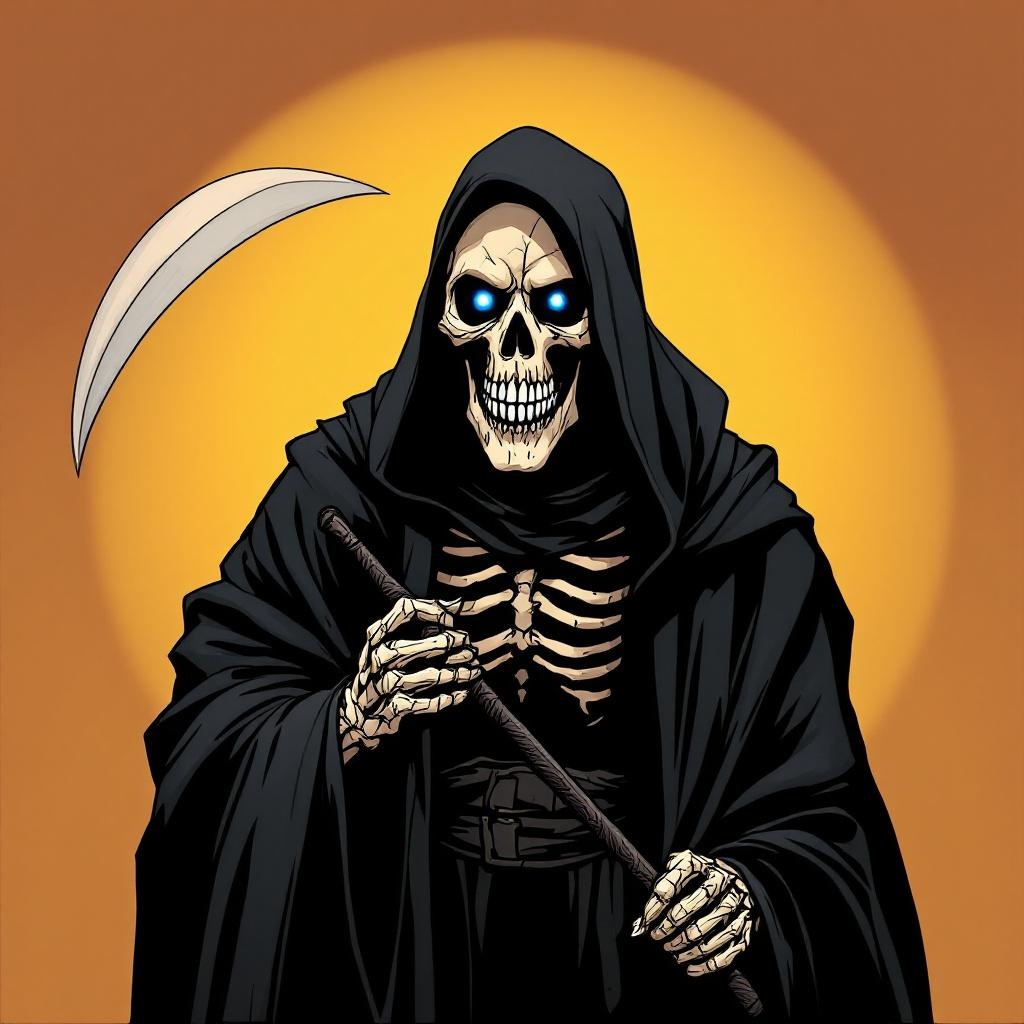
DEATH SPEAKS IN CAPITAL LETTERS. He rides a pale horse named Binky. He has a fondness for cats, curry, and humanity in general. And over the course of five novels, Terry Pratchett transformed him from a cosmic joke into one of fantasy literature's most profound and beloved characters.
That's the remarkable thing about Discworld's Death. He starts as a skeletal figure who appears briefly in early books, delivers ominous pronouncements, and moves on. By the end of his arc, he's become something entirely unexpected—a meditation on mortality, meaning, and what it is to be human, wrapped in a black robe and carrying a scythe.
"CATS ARE NICE."
The Death books aren't just about death. They're about life—specifically, about what gives life meaning. Through Death's eyes, Pratchett examines belief, tradition, identity, and the small moments that make existence worthwhile. It's philosophy delivered with a punchline, and it works because Death himself is on a journey of discovery.
Here's how that journey unfolds across five essential novels.
The Death Series at a Glance
| Order | Title | Year | Death's Journey |
|---|---|---|---|
| 1 | Mort | 1987 | Takes an apprentice, explores humanity |
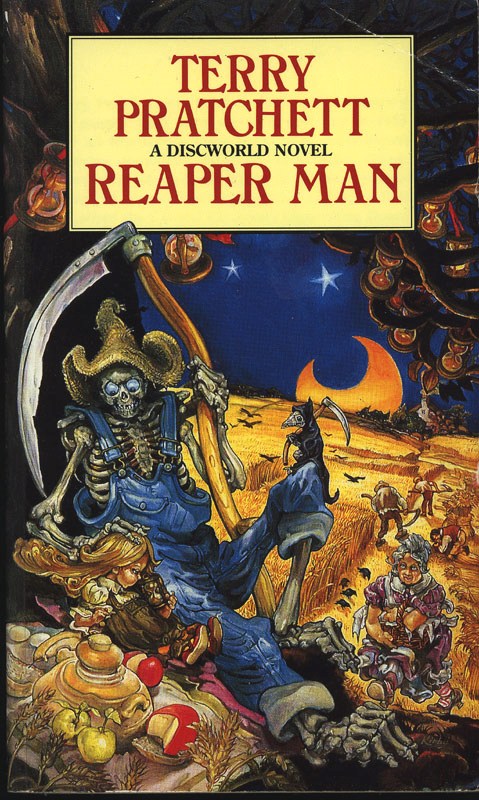
| 2 | Reaper Man | 1991 | Forced into mortality, learns to live |
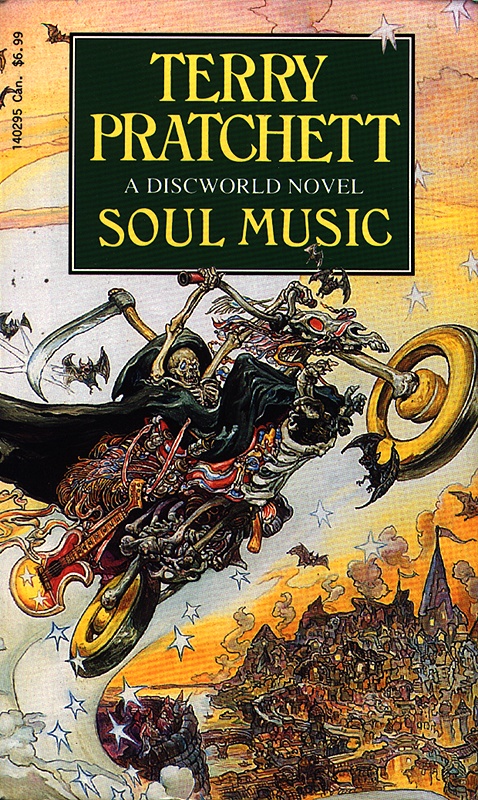
| 3 | Soul Music | 1994 | Disappears; Susan introduced |
| 4 | Hogfather | 1996 | Becomes the Hogfather, defends belief |
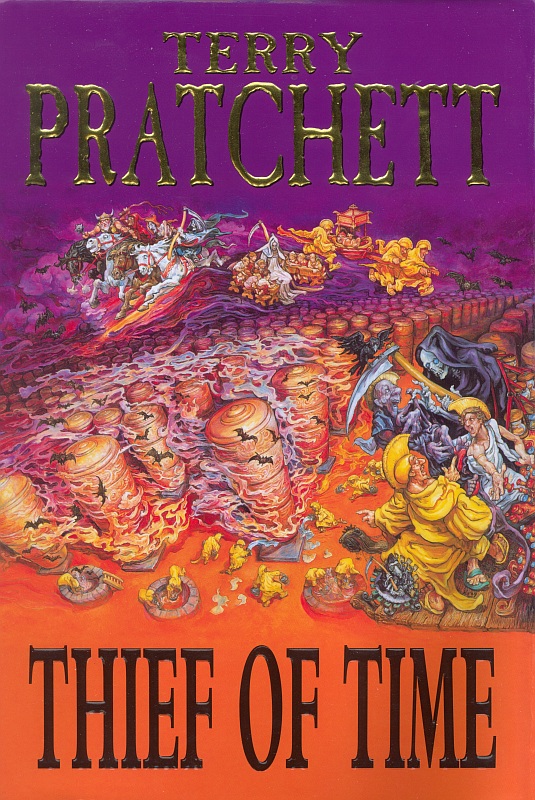
| 5 | Thief of Time | 2001 | Confronts time itself, philosophical peak |
Five books spanning fourteen years. That's not just a series—it's an evolution, with each novel building on what came before while exploring entirely new questions.
Book-by-Book: How Death Becomes Human
1. Mort (1987): The Apprentice
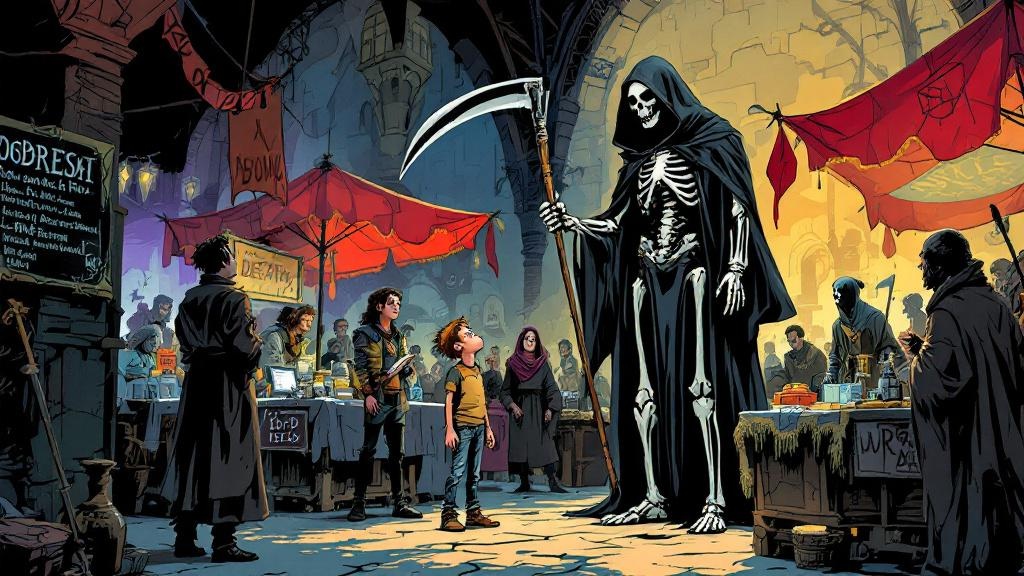
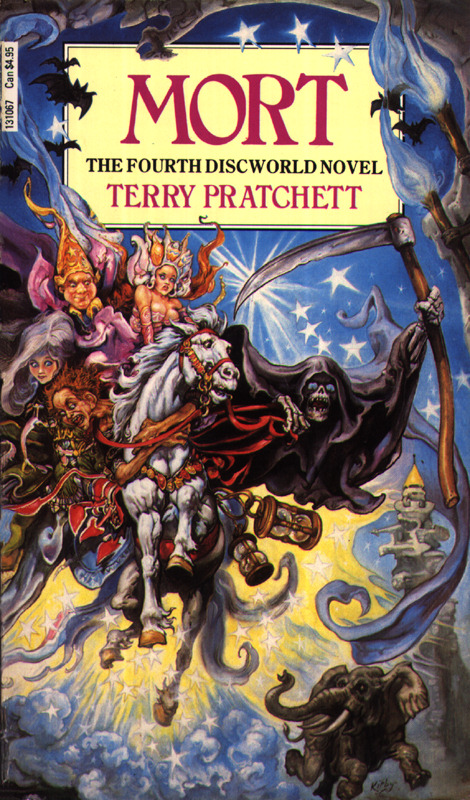
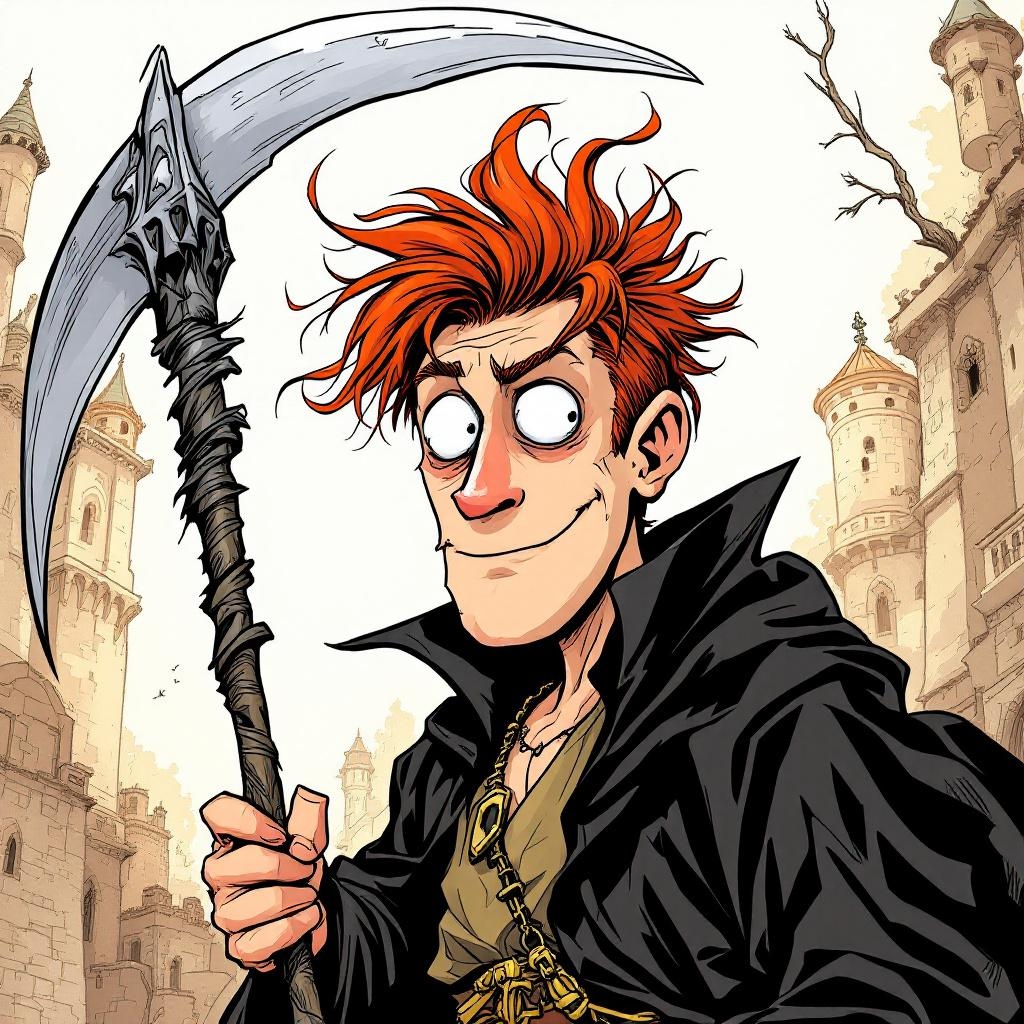
In Mort, Death does something unexpected: he takes an apprentice. At a job fair, of all places. The young man he chooses—Mortimer, called Mort—has no obvious qualifications except a certain... perspective.
Why does the Grim Reaper need an apprentice? Because Death has been doing this job since the beginning of time, and he's started to wonder about all the things he's been missing. While Mort learns the trade of guiding souls to the next world, Death embarks on his own experiment: trying to experience what it means to be human.
He gets a job in a kitchen. He learns to fish. He attends parties (badly). He tries to understand why humans do the strange, irrational, wonderful things they do.
Meanwhile, Mort creates chaos by refusing to claim the soul of Princess Keli, altering reality itself out of love and compassion. It's Mort's story, but it's also Death's awakening. He sees a young man choose emotion over duty, and something shifts.
What Death learns: Humans make choices that defy logic because love and compassion exist. This is confusing. This is also interesting.
2. Reaper Man (1991): The Harvest
Reaper Man begins with Death being fired.
The Auditors of Reality—cosmic bureaucrats who despise anything messy, emotional, or unpredictable—decide that Death has become too... personal. Too interested in individual humans. Too much like one of them. They retire him, replacing him with a soulless system of death by category.
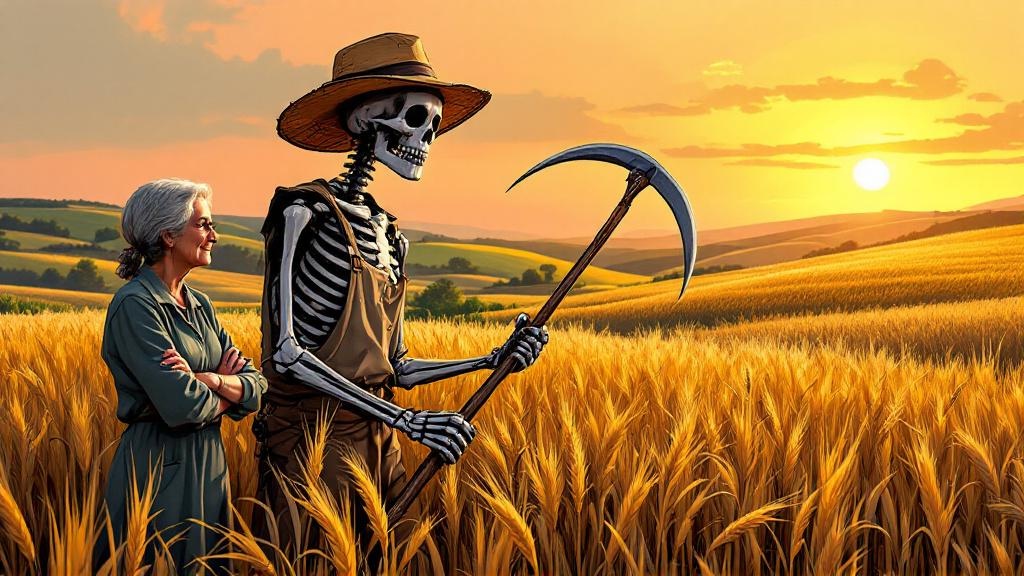
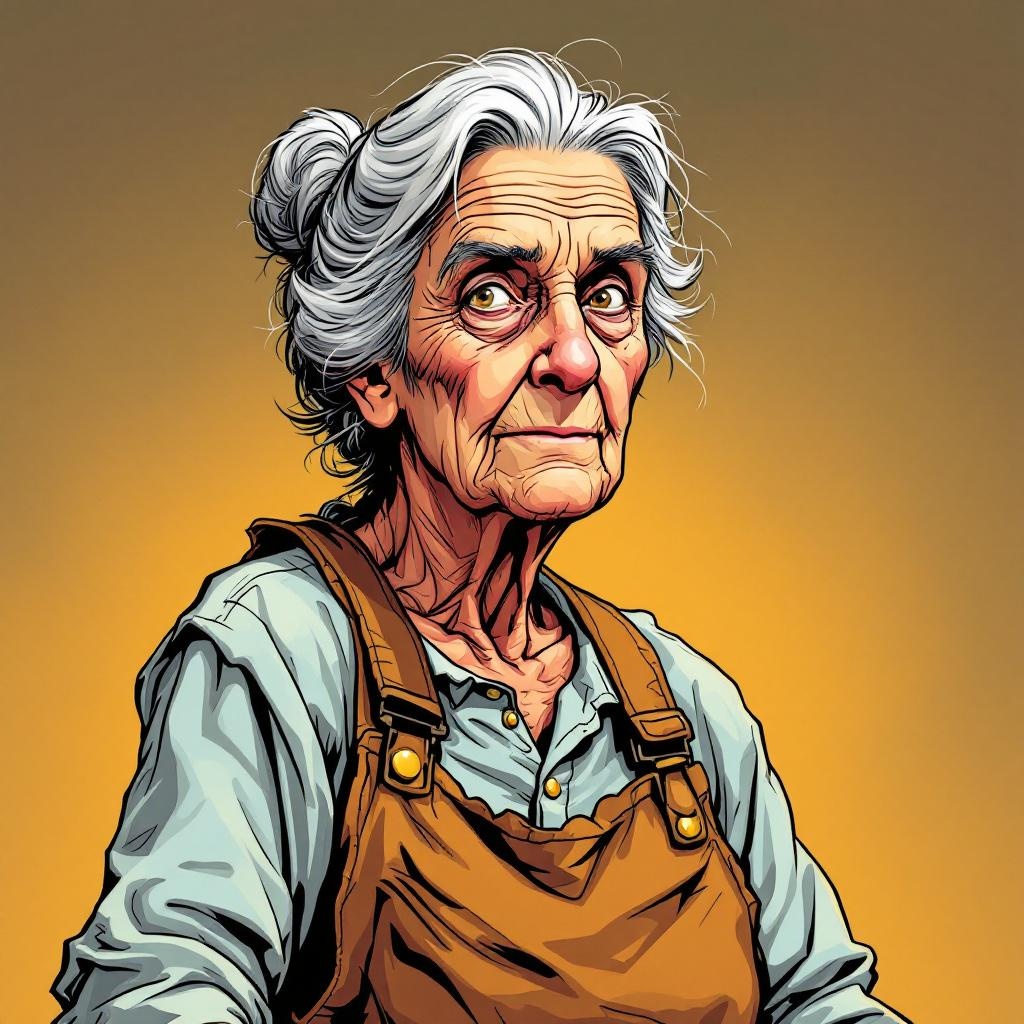
Stripped of his cosmic role, Death becomes mortal. He takes the name Bill Door and finds work as a farmhand for Miss Flitworth, an elderly woman waiting for her long-dead fiancé. For the first time, Death experiences life with a deadline.
He learns what it means to be tired. To be hungry. To watch the sunrise knowing you have only so many sunrises left. He develops friendships. He cares about the harvest not because it's his duty, but because Miss Flitworth depends on it.
"LORD, WHAT CAN THE HARVEST HOPE FOR, IF NOT FOR THE CARE OF THE REAPER MAN?"— Death
The novel's climax—Death reclaiming his role to save Miss Flitworth one final time—is genuinely moving. He's no longer just collecting souls; he's become someone who understands why every soul matters.
What Death learns: Life is precious because it ends. The finite nature of existence is what gives it meaning. Also, hard work is satisfying. Who knew?
3. Soul Music (1994): The Absence
In Soul Music, Death disappears.
The reasons are never fully explained—Death seems to be experiencing something like grief, or perhaps an existential crisis about his endless existence. But his absence forces someone else to step into the role: his granddaughter, Susan Sto Helit.
Susan is the daughter of Mort and Ysabell, Death's adopted daughter. She was raised to be normal, to ignore her supernatural heritage, to be relentlessly practical and rational. She teaches at a school. She does not believe in things that don't make sense.
Then she inherits the family business.
Susan's introduction changes the Death series fundamentally. Where Death himself approaches humanity with philosophical curiosity, Susan approaches her grandfather's world with irritation. She didn't ask for this. She doesn't want to walk through walls or be invisible when she chooses. But duty calls—specifically, duty to stop the magical chaos caused by "Music with Rocks In," Discworld's version of rock 'n' roll.
Death eventually returns, but something has shifted. Now there's a family dynamic—the curious grandfather and the pragmatic granddaughter who deals with the messes he leaves behind.
What Death learns: He needs rest sometimes. He also needs Susan, whether either of them wants to admit it.
4. Hogfather (1996): The Believer
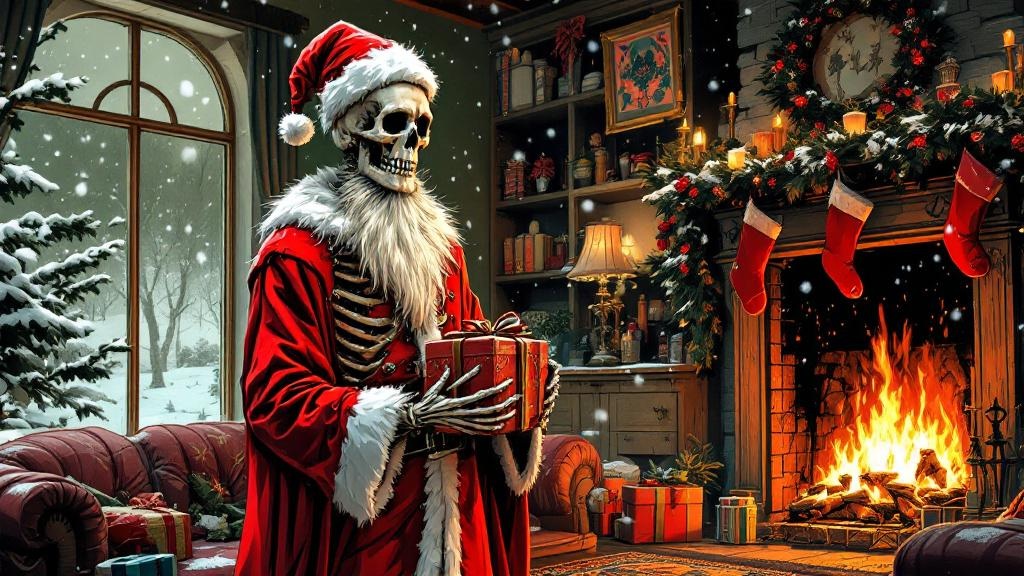
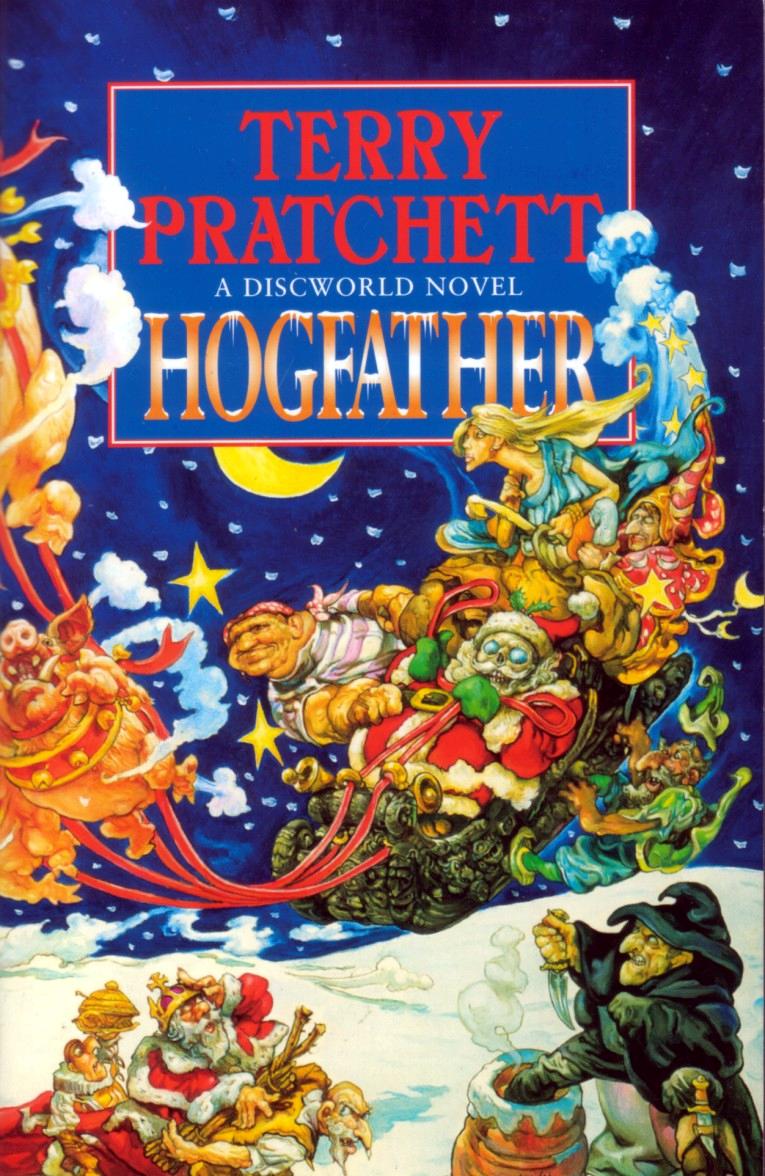
When the Hogfather—Discworld's version of Santa Claus—vanishes, Death does something unprecedented: he takes over the job.
Hogfather is arguably the most thematically rich Death novel, and it's about belief. The Auditors have hired an assassin to kill the Hogfather, not physically but conceptually—to destroy humanity's belief in him. And if they succeed, they'll prove that all beliefs can be killed, including belief in justice, mercy, and meaning itself.
Death fills in because someone must. Presents need delivering. Children need to believe. But his impersonation is... imperfect. He gives a sword to a girl who asked for one (her parents wanted her to have a doll). He terrifies some children while delighting others. He fundamentally doesn't understand why humans need these rituals.
But he's learning.
Susan, meanwhile, tracks down the conspiracy, confronting the assassin Teatime (pronounced Teh-ah-tim-eh, if you please) in the Tooth Fairy's castle. The climax brings grandfather and granddaughter together for one of Pratchett's most famous philosophical exchanges about why humans need to believe in things that aren't strictly real.
What Death learns: Humans need small lies—the Hogfather, the Tooth Fairy—to practice believing in bigger ones. Justice. Mercy. That sort of thing. Without belief, the universe is just grinding rocks.
5. Thief of Time (2001): The Confrontation
Thief of Time is the philosophical culmination of Death's arc, even if he's not quite the main character.
The Auditors are back, and this time they're trying to stop time itself. They've manipulated a brilliant clockmaker into building a device that will freeze the universe in perfect, eternal order—no chaos, no change, no messy human emotions. Susan must stop them, aided by the mysterious History Monks and a strange young man who might be Time's son.
Death joins the confrontation directly, riding with the Four Horsemen (well, five, if you count Ronnie Soak, the former Chaos who now delivers milk). He faces the Auditors not as an enemy but as a representative of everything they despise: the messy, unpredictable, beautiful process of existence and ending.
The novel's strength lies in its meditation on time, perception, and free will. Susan's journey from reluctant participant to active defender of humanity completes her arc, while Death's presence throughout grounds the cosmic conflict in something personal.
What Death learns: Some things are worth fighting for. Even—especially—things that don't last.
Why Death Works as a Character
Here's what makes Death remarkable: he's fundamentally alien, yet entirely sympathetic.
He doesn't understand jokes. He takes everything literally. He has no genuine need for his horse, his house, or his servant Albert—he created them because that's what people expect Death to have. He is, in many ways, playing a role defined by human expectations.
But that's precisely why his journey resonates. Death is trying to understand humanity, and that trying is what makes him human in all the ways that matter. He collects cats because they seem to like him. He keeps bees because he finds them interesting. He defended the Hogfather because children need wonder.
Over five books, Pratchett uses Death to examine what makes life meaningful:
- Connection: Death learns through relationships—with Mort, Miss Flitworth, Susan
- Purpose: Even the Grim Reaper needs something to care about beyond duty
- Belief: Meaning isn't found; it's created through faith in things larger than ourselves
- Acceptance: Understanding mortality doesn't mean fearing it
Death never becomes fully human—that would miss the point. But he becomes someone who appreciates humanity enough to defend it, even against cosmic forces that want order without chaos, existence without the mess of living.
Where to Start Reading
If you want to experience Death's complete arc:


The Bottom Line
Death's evolution across these five books represents something rare in fantasy: a character who starts as a cosmic concept and ends as someone you'd want to share a curry with.
"HUMANS NEED FANTASY TO BE HUMAN. TO BE THE PLACE WHERE THE FALLING ANGEL MEETS THE RISING APE."
He never stops being Death—still speaks in capitals, still carries the scythe, still escorts souls to whatever comes next. But through Mort's defiance, Miss Flitworth's harvest, Susan's pragmatism, and his own curiosity, Death becomes something more: a character who understands that the point of existence isn't the ending, but everything that comes before.
Pratchett said he was surprised by how much people loved Death. He shouldn't have been. In a series full of memorable characters—Granny Weatherwax, Sam Vimes, Moist von Lipwig—Death stands apart because he represents the one thing we all share. And in making him compassionate, curious, and strangely hopeful, Pratchett made mortality itself a little less frightening.
THERE'S NO JUSTICE, Death once said. THERE'S JUST ME.
But by the end of his arc, that's not quite true anymore. There's also belief, and tradition, and love, and all the small moments that make a lifetime worth living. Death learned that. And through him, so do we.
Ready to meet Death? Start with Mort or explore our guide to Where to Start with Discworld for more options.