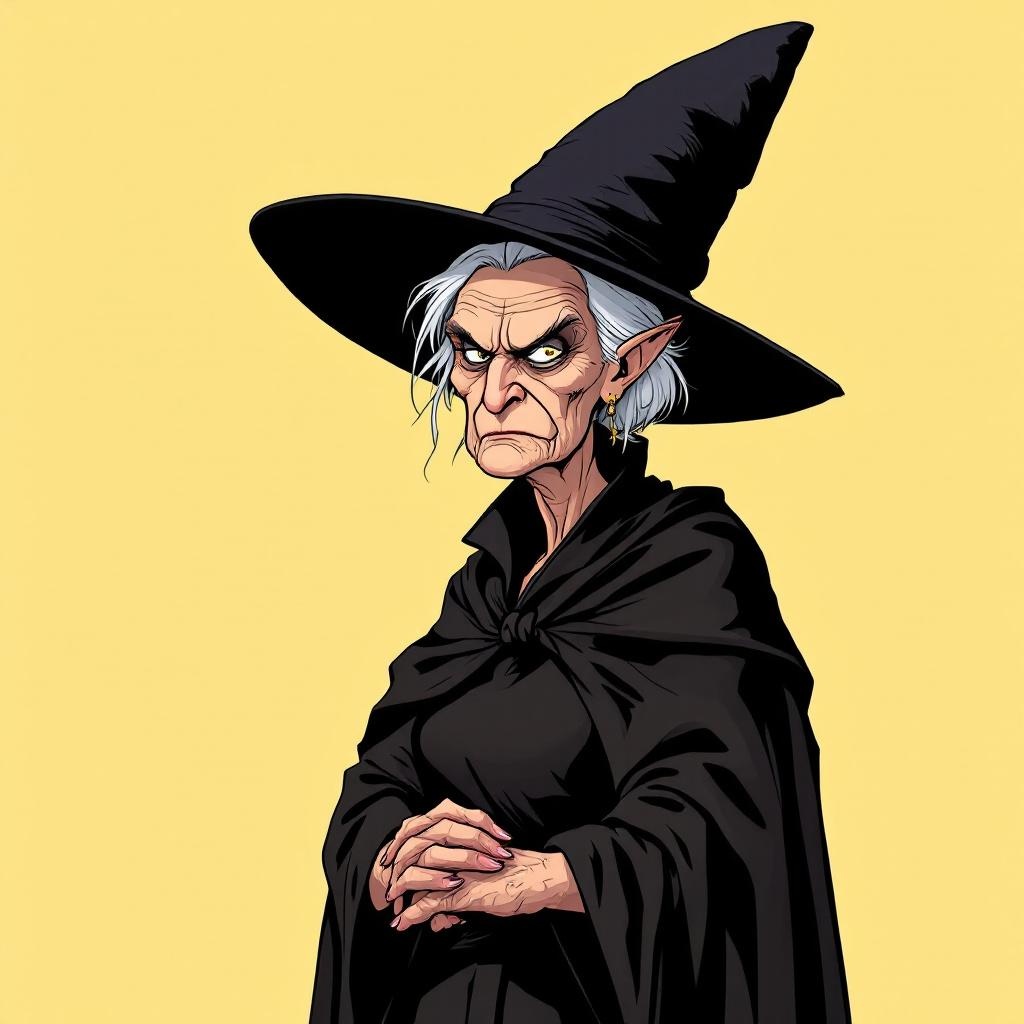
The Hag O' the Hills: How Granny Aching Made Tiffany a Witch Before She Knew It

Tiffany Aching's grandmother died before the first book begins. Her memory shapes every book that follows. Here's how the dead make us who we are.
The Hag O' the Hills: How Granny Aching Made Tiffany a Witch Before She Knew It
Most fantasy heroes get a mentor. A wise old figure who shows up, explains the quest, teaches the secret skill, and then conveniently dies at an emotionally appropriate moment so the hero can stand on their own.
Tiffany Aching gets something stranger and more powerful than that. She gets a mentor who's already dead when the story starts.
Granny Aching—Sarah Aching, shepherd of the Chalk, hag o' the hills to the Nac Mac Feegle—never appears alive in a single page of the five Tiffany books. She died two years before The Wee Free Men begins. There are no flashback chapters, no prequel interludes, no magical resurrection scenes. She exists entirely in memory, in scent, in the way the hills feel when you walk them knowing someone walked them better.
And somehow, she's the most important character in the entire series.
A Witch Who Never Used the Word
Here's what Granny Aching was not: she was not a witch. At least, she never said she was. She didn't wear a pointy hat. She didn't have a cottage in the woods. She didn't cackle or brew potions or fly on a broomstick.
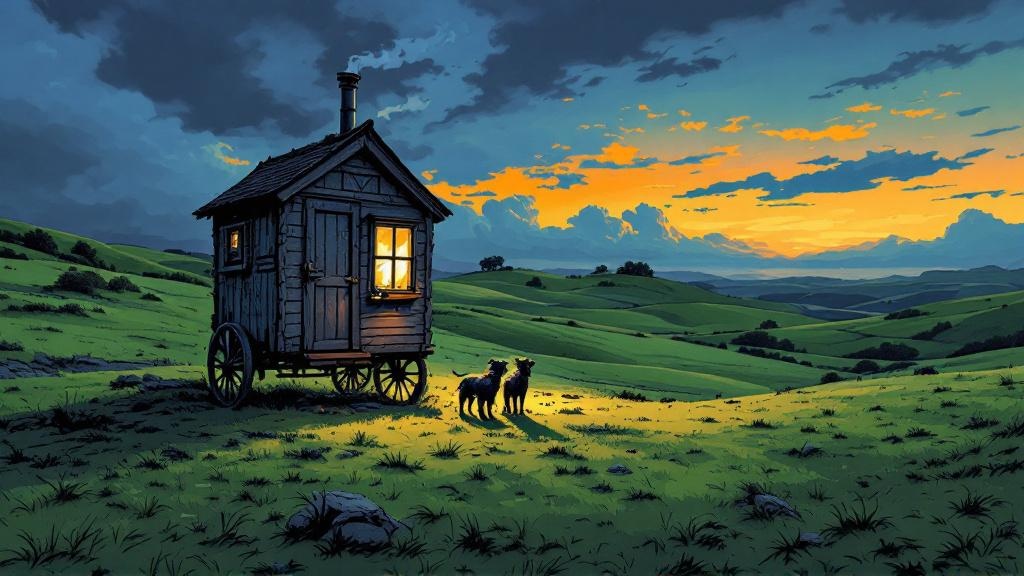
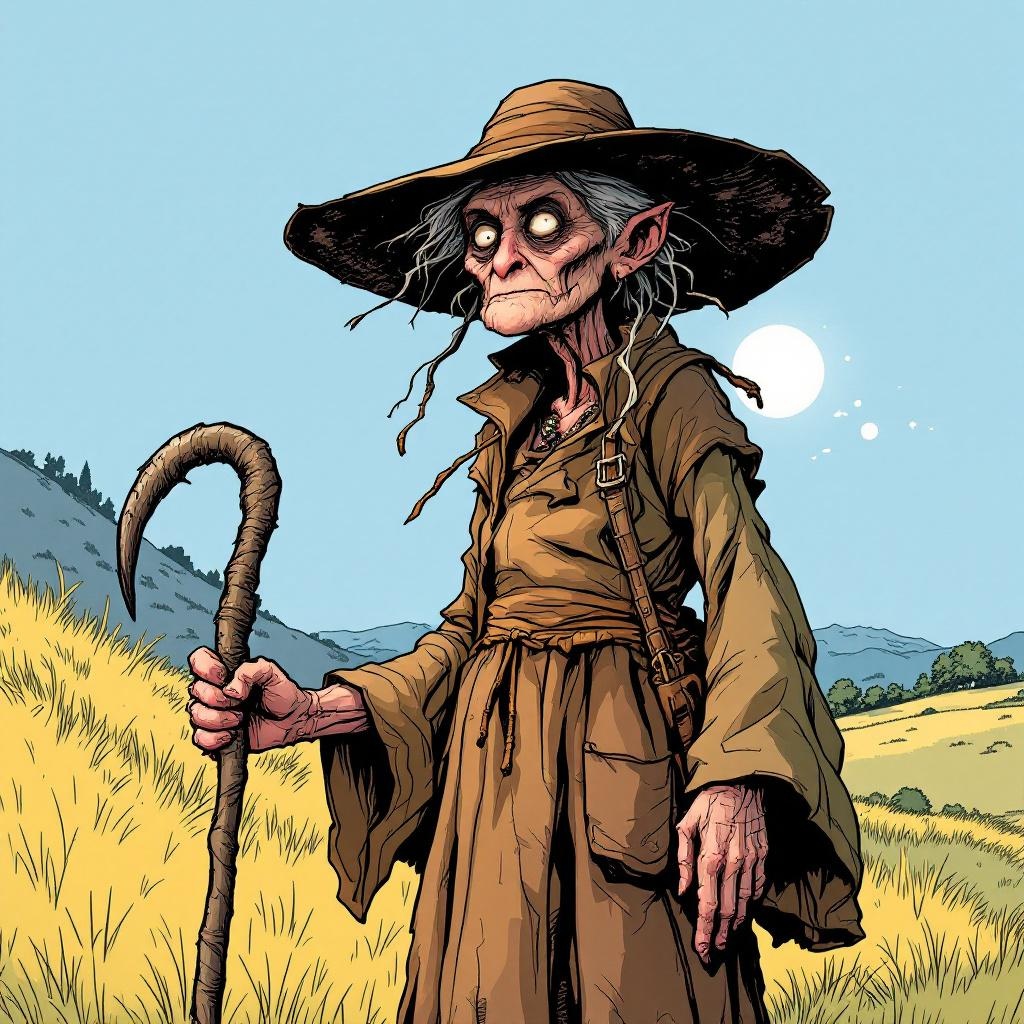
Here's what Granny Aching actually was: the soul of the Chalk itself. Its best shepherd, its wisest woman, and its memory. She lived in a wheeled shepherd's hut on the downs, smoked a foul pipe packed with Jolly Sailor tobacco, dosed sick sheep with turpentine, and used words as if they cost money.
"She collected silence like other people collected string."
She possessed First Sight—the ability to see what's really there, not what your head tells you ought to be there. She had Second Thoughts—the thoughts you think about the way you think. She could look at a sheep and know it was sick before it showed a single symptom. She could read weather in ways that made barometers look like toys.
She did all of this without ever calling it magic.
This is Pratchett's deepest insight about witchcraft. A witch isn't someone who casts spells. A witch is "the village herbalist, the midwife, the person who knew things." A designated sensible person. Someone who feeds the hungry, clothes the naked, and speaks up for those who have no voices. Granny Aching did all of this. She just did it while smelling of sheep.
Even Granny Weatherwax—the most powerful witch on the Disc, a woman not given to complimenting others—said she would have liked to meet Granny Aching. Coming from Esme Weatherwax, that's roughly equivalent to a standing ovation.
How the Dead Teach the Living
The central mystery of the Tiffany books is this: how did a girl whose grandmother died when she was seven become the most naturally gifted young witch on the Disc?
The answer is that Granny Aching didn't teach Tiffany through lessons. She taught her through being. Children absorb their environment like chalk absorbs rain. They don't learn values from lectures—they learn them from watching what the adults around them actually do.
What Tiffany watched was a woman who took care of things. Not because anyone told her to. Not because there was a reward. But because the sheep needed tending, the land needed watching, and someone had to be the one who did it. Granny Aching's entire philosophy could be condensed into a single instruction: "Open your eyes. And then open your eyes again."
The first opening is physical. You're awake, you're present, light enters your eyes. The second opening is the hard one. That's when you actually see—not what you expect or hope or fear, but what's genuinely in front of you. Granny Aching lived her entire life in that second opening, and Tiffany, watching from the age of two or three, learned to live there too.
"Feed them as is hungry, clothe them as is naked, speak up for them as has no voices."— Granny Aching
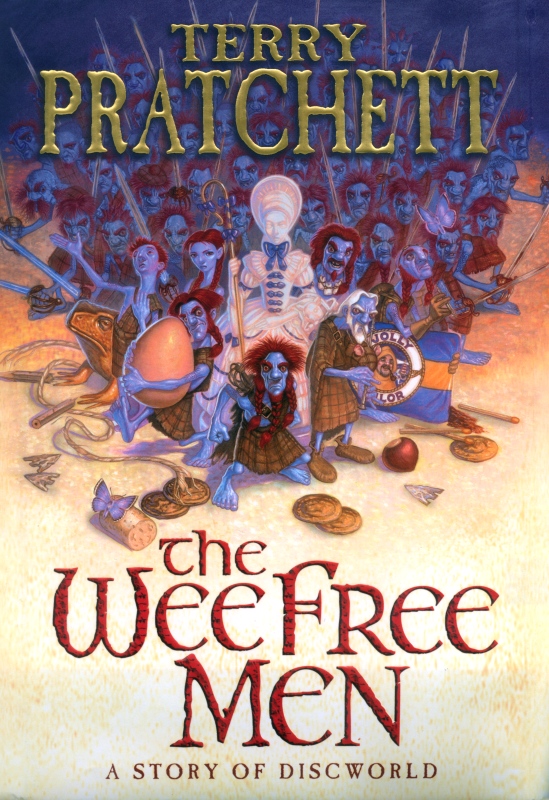
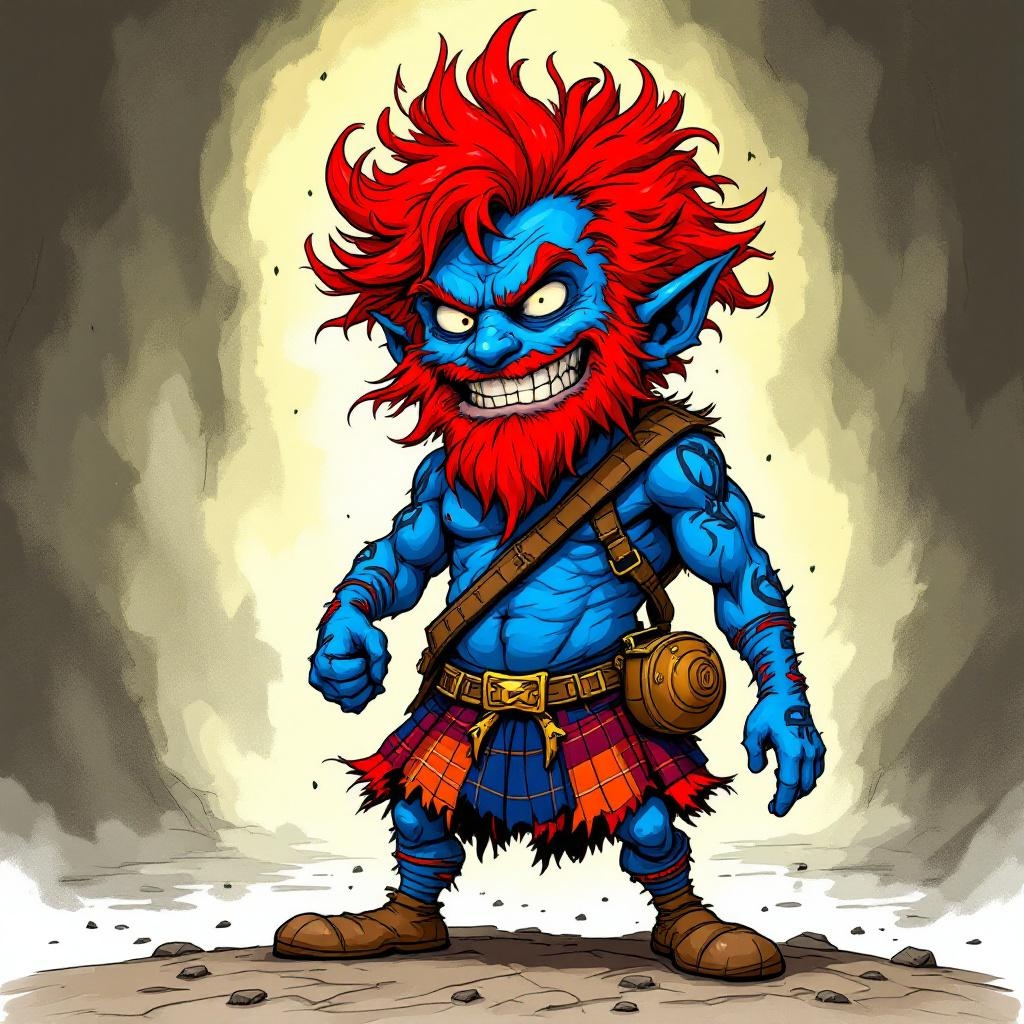
This is why the Nac Mac Feegle recognized Tiffany immediately. The six-inch-tall blue Pictsies who'd been "kicked out of Faerie for being too disruptive" had lived under Granny Aching's protection for years. She was their hag—their witch—and they loved her. When she died, they mourned. When her granddaughter showed up with the same clear eyes and the same stubborn sense of duty, they knew exactly what they were looking at.
The hag o' the hills wasn't dead. She'd just changed form.
Thunder and Lightning
Every detail Pratchett gives us about Granny Aching carries symbolic weight, but the sheepdogs might carry the most.
Thunder and Lightning were Granny Aching's dogs—fabulously efficient, utterly devoted, extensions of her will across the Chalk. For young Tiffany, they were just dogs. She knew them as animals before she knew their names were also forces of nature.
That's the thing about growing up with someone extraordinary. You don't realize they're extraordinary. Thunder is just a dog. Granny is just your grandmother. The turpentine smell is just how the hut smells. It's only later, when the extraordinary person is gone, that you start to understand what you had. What you lost. What they left inside you.
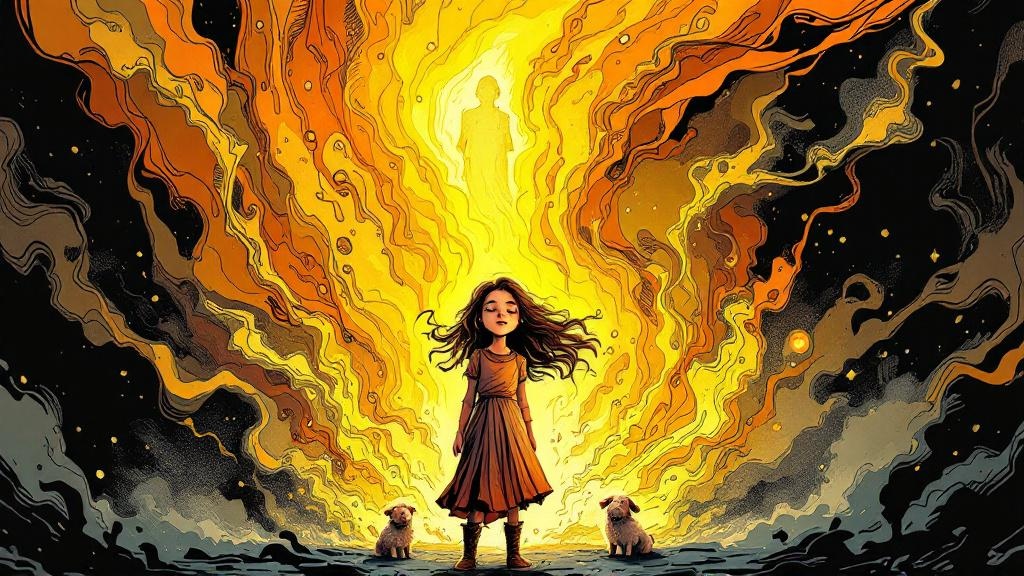
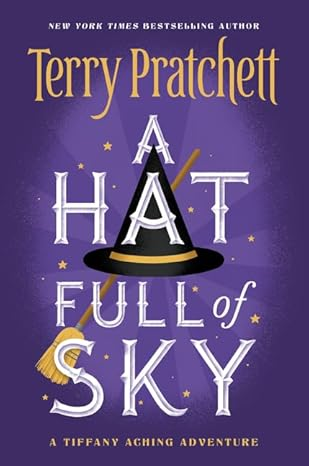
In A Hat Full of Sky, when the mind-stealing hiver possesses Tiffany, the Nac Mac Feegle discover the one thing that can reach her: those smells. Turpentine. Sheep's wool. Jolly Sailor tobacco. Placed under her physical nose while she's lost inside her own head, the scents cut through the hiver's control and reach the deepest part of her—the part where Granny Aching still lives.
The hiver can steal Tiffany's conscious mind. It can amplify her desires, twist her personality, make her someone she's not. But it can't touch the bedrock. It can't reach the layer of identity that was formed on the Chalk, in a wheeled hut, watching an old woman tend sheep in silence.
That's what inheritance really means. Not money, not property, not even knowledge. It's the part of you that was shaped so early and so deeply that nothing can dig it out.
The Chalk Remembers
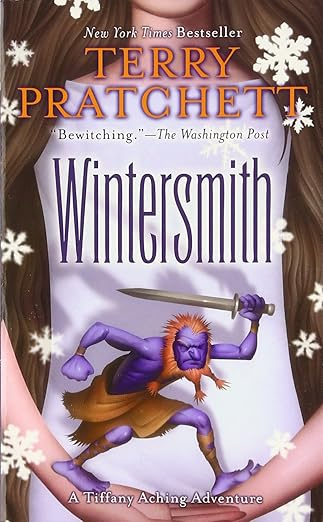
In Wintersmith, Tiffany faces an elemental being that's fallen in love with her—the personification of winter itself. She's in over her head. She's a teenager confronting a force of nature. And in the moment when she needs strength most, she reaches not for spells but for memory.
"Thunder on my right hand. Lightning in my left hand. Fire behind me. Frost in front of me."
Those aren't spells. Those are a shepherd's dogs. Granny Aching's dogs, repurposed as a witch's invocation. Tiffany draws her power from the same source she always has: the woman who walked these hills before her, whose boots wore paths into the chalk, whose silence was heavier than other people's speeches.
This is the pattern across all five books. Every time Tiffany faces something too big for her—the Queen of the Elves, the hiver, the Wintersmith, the Cunning Man—she doesn't reach for bigger magic. She reaches back. Back to the Chalk, back to the hut, back to the woman who never needed magic because she had something better: absolute certainty about who she was and what needed doing.
The Hut With Iron Wheels
Granny Aching died quietly. Tiffany noticed the silence first—not the usual silence of many small noises, but a dome of true silence surrounding the hut. She knew before she opened the door.
The men of the Chalk cut the turf, dug the grave, and laid Granny Aching to rest. Then they burned the hut. Tiffany's father said there wasn't a shepherd anywhere on the Chalk who'd use it now. When the ashes cooled and blew across the raw chalk, all that remained were the iron wheels on their axles and the pot-bellied stove.
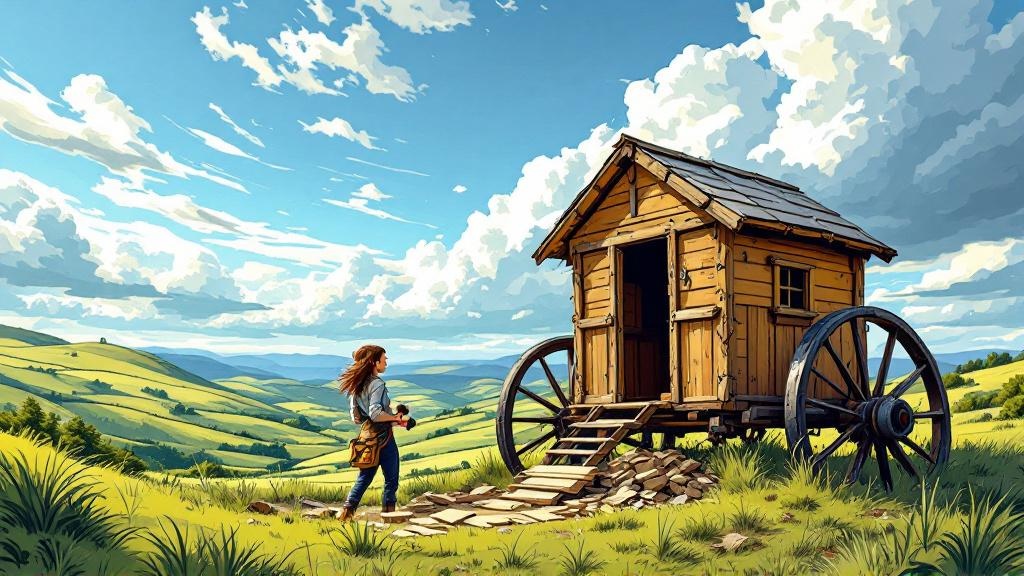
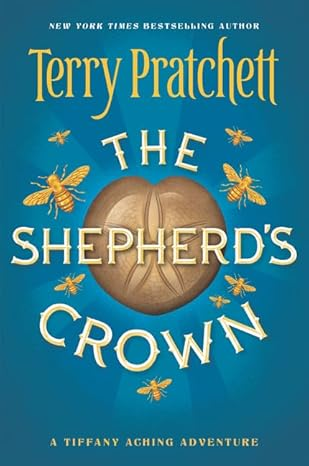
Then, at the end of The Shepherd's Crown—the last Discworld novel Terry Pratchett ever wrote—Tiffany builds a new hut. On the same iron wheels.
This is where the metaphor becomes almost unbearably precise. Tiffany doesn't replicate Granny Aching's hut. She builds her own, her way, on wheels that already know every path across the Chalk. New wood on old foundations. A new witch on an ancient tradition. The past doesn't dictate the future—it provides the wheels that make the future possible.
And it's a choice. In The Shepherd's Crown, Tiffany is offered Granny Weatherwax's cottage in Lancre after Granny Weatherwax dies. The cottage of the most powerful witch in history. Any sensible young witch would take it. Instead, Tiffany gives the cottage to Geoffrey, the boy who wants to be a witch, and goes home to the Chalk.
She doesn't become another Granny Weatherwax. She doesn't become another Granny Aching, either. She becomes Tiffany Aching—a witch in her own right, standing on the hills where her grandmother stood, seeing them with her own First Sight.
What the Dead Leave Behind
Terry Pratchett once wrote: "No one is finally dead until the ripples they cause in the world die away."
Granny Aching's ripples don't just persist through the Tiffany books. They intensify. With each novel, Tiffany understands more of what her grandmother was, and that understanding changes what she herself can become. The nine-year-old who remembered the smell of turpentine becomes the teenager who invokes Thunder and Lightning as sources of power, who becomes the young woman who rebuilds the hut, who becomes the witch who chooses the Chalk over the most prestigious posting in witchcraft.
This is how mentorship actually works. Not the clean, dramatic version where the wise figure delivers a speech and the student suddenly understands. The real version, where the lessons don't make sense until years after the teacher is gone, where the most important things were never said aloud, where you spend half your life figuring out what someone meant by the way they held their silence.
Granny Aching made people help each other. She made them help themselves. She never explained why. She just did it until it became the way things were done on the Chalk, and when she was gone, the pattern held—because patterns, once set deep enough, outlast the people who set them.
Tiffany didn't become a witch because she read a book about it, or because a prophecy said she would, or because she found a magic sword in a stone. She became a witch because she grew up watching a woman who took care of things, and when that woman died, someone still had to take care of things.
So she did.



New Wood, Old Wheels
Granny Aching never appears alive. She never delivers a stirring speech. She never gives Tiffany a magical artifact or a final lesson. She just lived the way she lived, tended the things that needed tending, and trusted that the hills would remember.
They did. And so did the girl who smelled turpentine and thought it smelled like safety.
That's the real magic of the Tiffany Aching books. Not the Nac Mac Feegle, entertaining as they are. Not the elves or the hiver or the Wintersmith. The real magic is the idea that someone can shape your entire life without being present for most of it. That the most powerful force in the world isn't a spell or a prophecy—it's a grandmother who showed you what it looked like to care.
The hag o' the hills is gone. The hills are still here. And so is the girl who learned to walk them with her eyes open.
Both times.
Explore more of Tiffany's journey with First Sight and Second Thoughts, or discover why the Chalk defines her witchcraft. To see how another grandmother's legacy shaped Discworld's greatest witch, read about Granny Weatherwax's burden of goodness.