The Reluctant Hero: How Rincewind Saves the World By Trying Not To
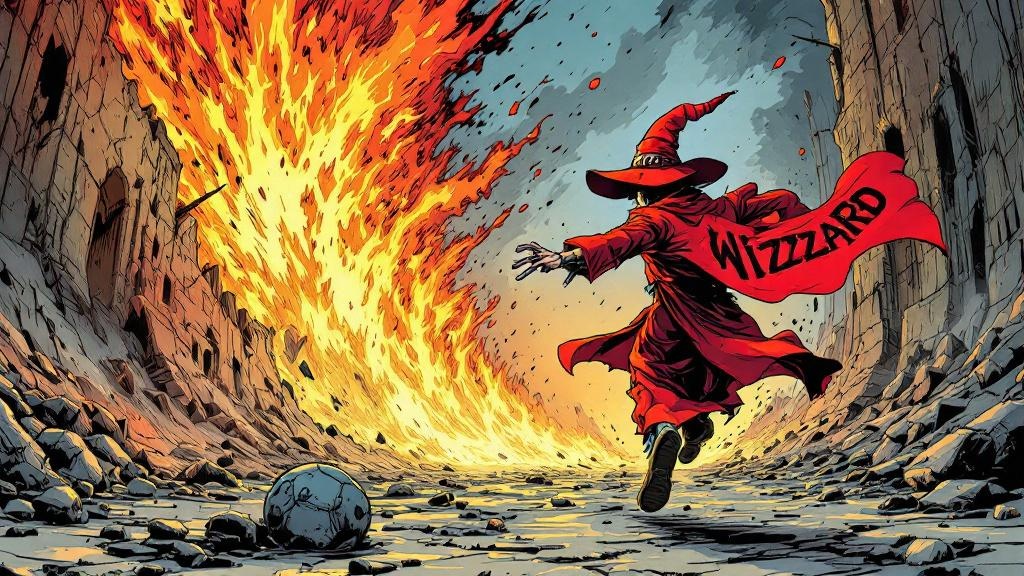
Rincewind has saved the Discworld at least four times. The irony? Every single time, he was desperately trying to run away from the problem.
The Reluctant Hero: How Rincewind Saves the World By Trying Not To
Rincewind has saved the Discworld at least four times. Baby world-turtles hatched, sourcery undone, revolutions accidentally won, gods preserved from explosive annihilation.
The irony? Every single time, he was desperately trying to run away from the problem.
If fantasy literature has taught us anything, it's that heroes are brave, capable individuals who hear the call to adventure and answer it with determination. Rincewind is none of these things. He's a wizard who can't do magic, a coward who runs from everything, and a man who would very much prefer to be left alone with a potato and absolutely no world-ending crises.
And yet the universe keeps choosing him anyway.
The Anti-Chosen One
Most fantasy heroes follow what Joseph Campbell called the Hero's Journey. They receive a call to adventure, initially refuse it, then accept their destiny, face trials, and ultimately triumph. It's a pattern so deeply embedded in storytelling that we barely notice it anymore.
Rincewind is what happens when you put someone in that structure who never, ever stops refusing the call.
He doesn't want to be part of the story. He wants to be in a completely different book—preferably one about someone who lives quietly and never encounters anything more dangerous than a slightly aggressive dandelion. But the universe has other plans. As his list of misadventures has grown longer, Rincewind has grown increasingly cynical about how his own life works.
"He probably had saved the world a few times, but it had generally happened accidentally, while he was trying to do something else."
The narrator puts it perfectly: "He probably had saved the world a few times, but it had generally happened accidentally, while he was trying to do something else." So you almost certainly didn't actually get any karmic points for that. It probably only counted if you started out by thinking "By criminy, it's jolly well time to save the world, and no two ways about it!" instead of "Oh shit, this time I'm really going to die."
That's the essential Rincewind experience. Not "I will save the world" but "Oh no, not again."
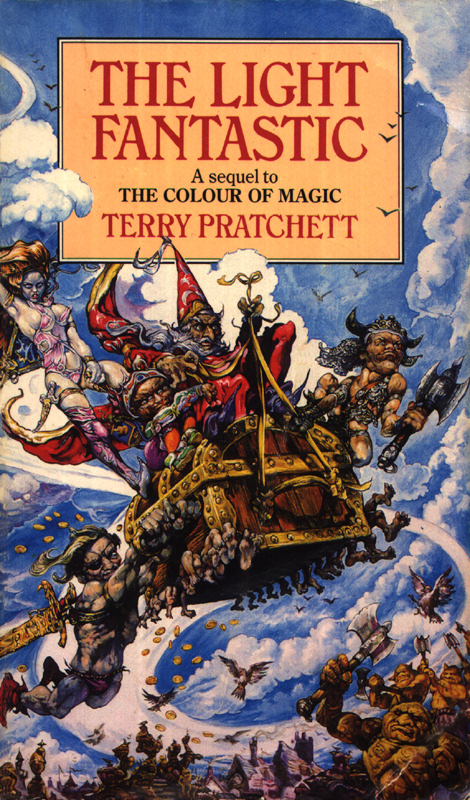
The Light Fantastic: Saved by the Spell That Ruined Him
Rincewind's first world-saving adventure is built on the cruelest irony of his life. As a young student at Unseen University, he opened the Octavo—the most dangerous magical text in existence—on a bet. One of its eight great spells leapt into his head and lodged there, preventing him from ever learning another spell. He became, in the words of the wizards, "the magical equivalent to the number zero."
This ruined him as a wizard. But in The Light Fantastic, it also makes him the only person who can save the world.
A massive red star is on a collision course with the Discworld. The only way to avert catastrophe is to speak all eight spells of the Octavo together. Seven are in the book. The eighth is in Rincewind's head—where it's been squatting for years, "frightening off" any other magic.
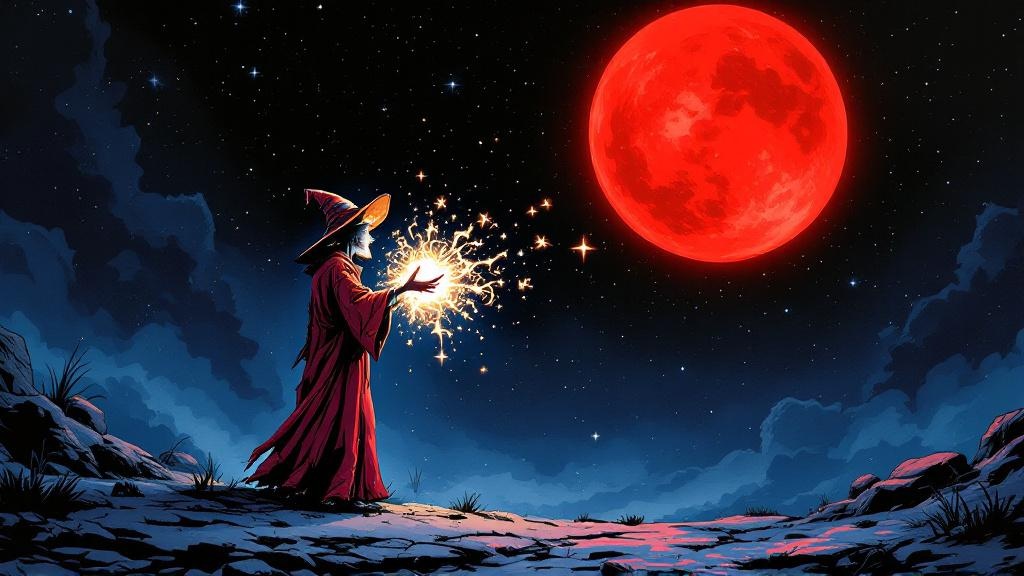
Rincewind doesn't volunteer for this mission. He doesn't accept his destiny. He spends most of the book running from various factions who want to either use him or kill him. The mad wizard Trymon attempts to absorb all the spells himself and becomes a gateway for eldritch horrors from the Dungeon Dimensions. Rincewind and Twoflower kill the transformed Trymon, and Rincewind speaks the spells mostly because there's literally nothing else left to do.
The red star's moons crack open, birthing eight infant world-turtles who follow Great A'Tuin away from the Disc. Reality is saved.
And Rincewind still can't do magic.
Sourcery: The One Time He Chose
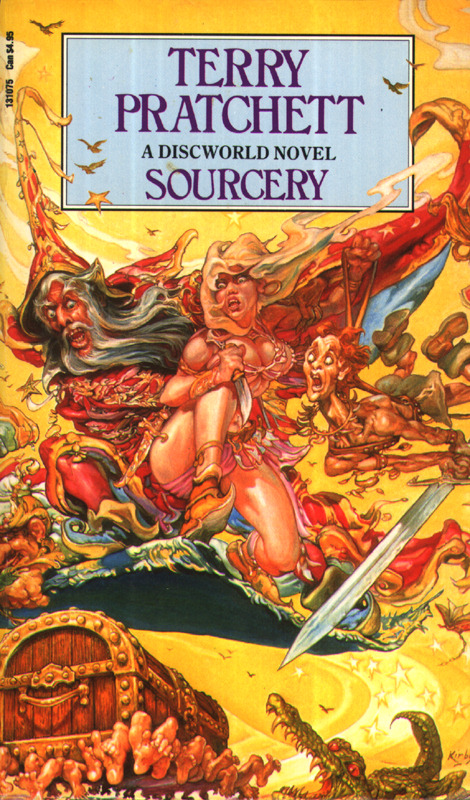
Sourcery is different. This is the book where Rincewind actually makes a conscious choice to be heroic—and it's the most devastating thing that ever happens to him.
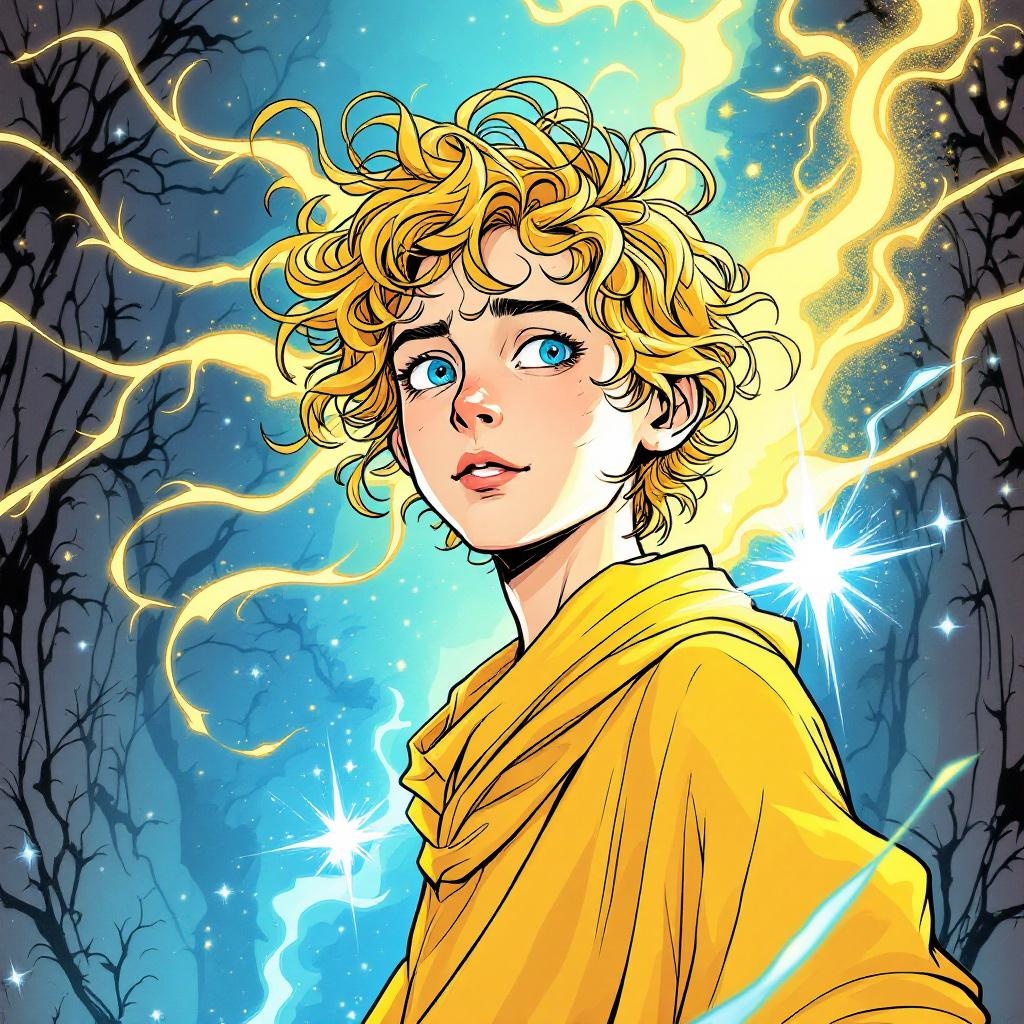
Coin is a sourcerer, the eighth son of an eighth son of a wizard, capable of generating raw magic rather than merely channeling it. Under his dead father's influence (Ipslore the Red bound his soul to Coin's staff to escape Death), Coin has transformed the wizards into conquerors and reality itself is beginning to crack.
"No, there aren't! Because you've only got one life but you can pick up another five causes on any street corner!"
When told there are causes worth dying for, Rincewind is unimpressed: "No, there aren't! Because you've only got one life but you can pick up another five causes on any street corner!"
It's classic Rincewind philosophy. But when he learns that Coin is essentially a child being controlled by his father's vengeful ghost, something shifts. This isn't about causes. This is about saving a kid.
Armed with only a half-brick in a sock, Rincewind confronts the most powerful wizard who ever lived.
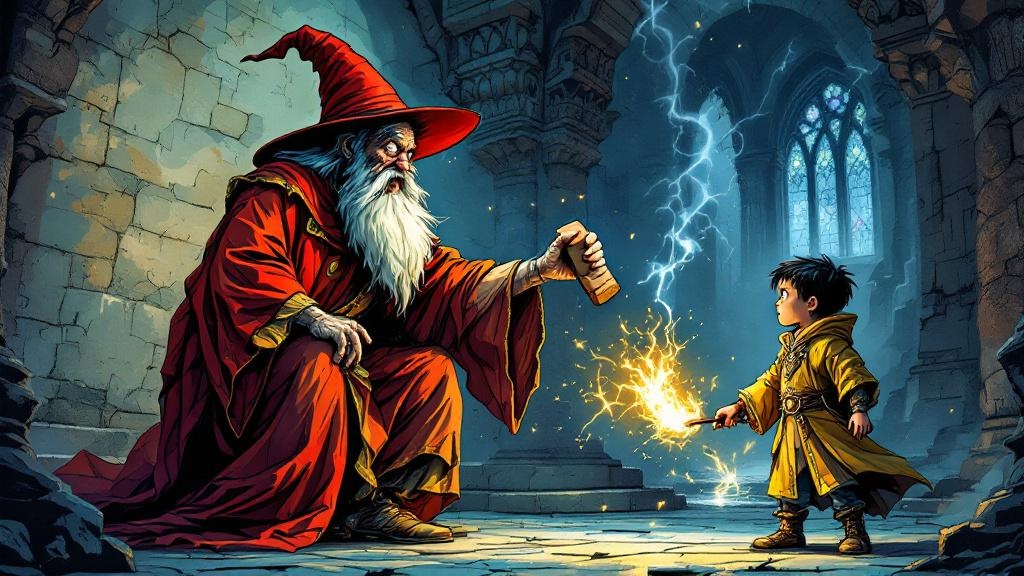
He is too powerless to fight, but he causes Coin to doubt his father's will. When Coin finally throws the staff away and Ipslore's power turns against his son, Rincewind does something he's never done before: he runs toward danger. He grabs the child and sends both of them tumbling into the Dungeon Dimensions—the realm of Things that want to eat reality—so Coin can escape.
The world is saved. Coin undoes all the damage. The gods are restored.
And Rincewind is trapped in the Dungeon Dimensions with monsters made of nightmares, left there for years until the events of Faust Eric accidentally retrieve him.
That's the price of Rincewind's one moment of deliberate heroism. It's worth noting that Pratchett never made him do it again.
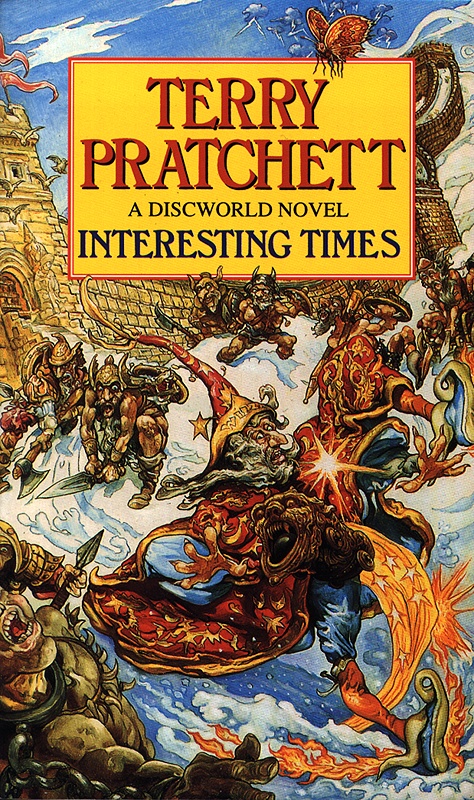
Interesting Times: Accidentally Revolutionary
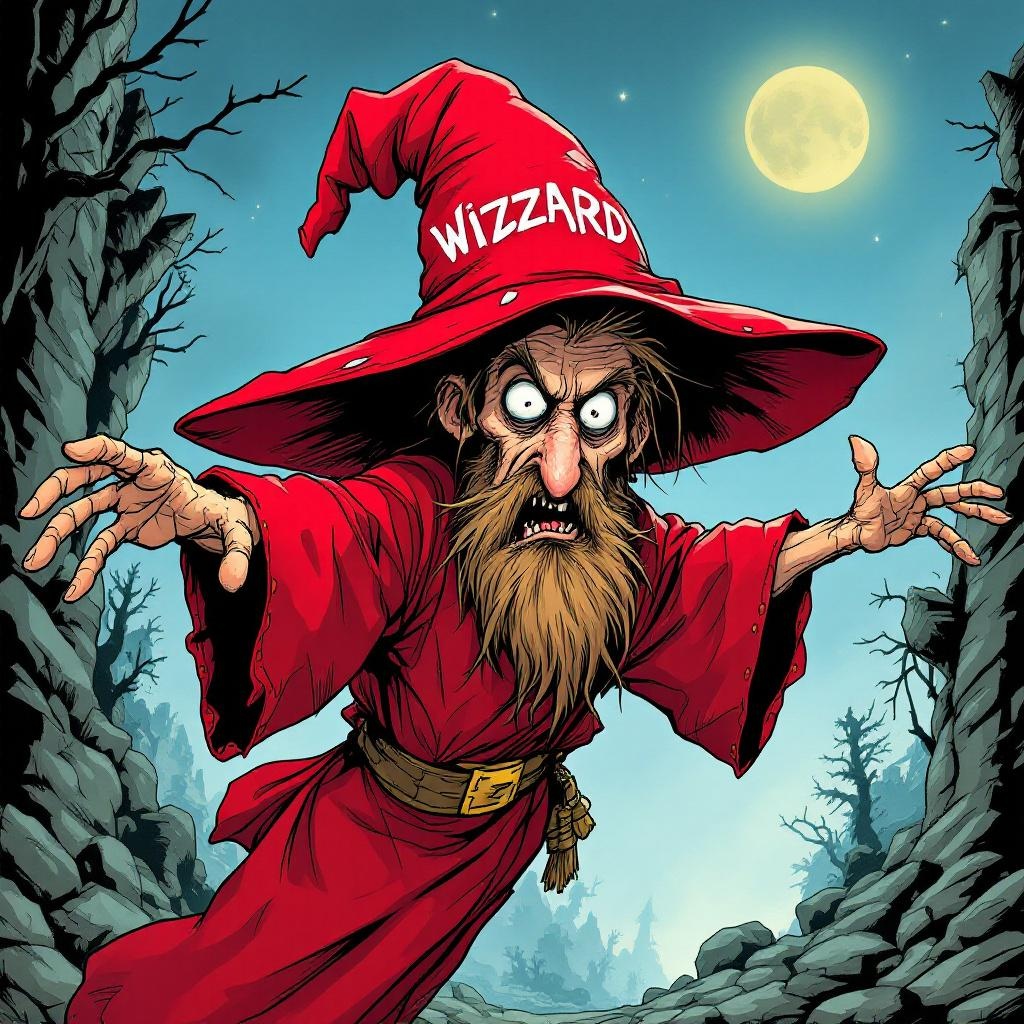
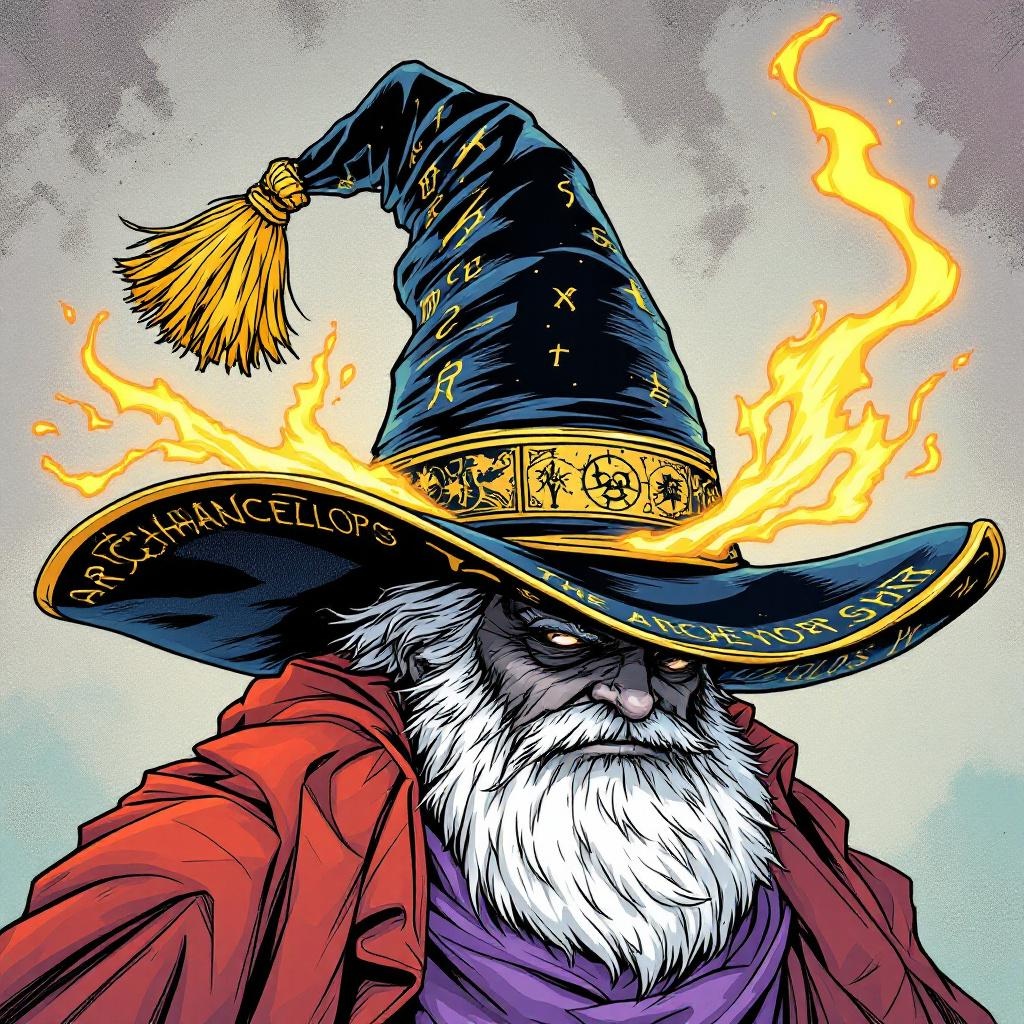
By Interesting Times, Rincewind has learned his lesson about volunteering. When the Patrician receives a message demanding the "Great Wizzard" be sent to the Agatean Empire (the misspelling matching Rincewind's hat exactly), our hero is magically transported against his will.
He arrives to find a country on the brink of revolution, inspired partly by a pamphlet that turns out to be Twoflower's innocent travelogue about Ankh-Morpork. The villainous Grand Vizier Lord Hong has manufactured a crisis to justify conquest. The "Red Army" of young revolutionaries are about to be slaughtered.
Rincewind wants no part of any of this. He runs.
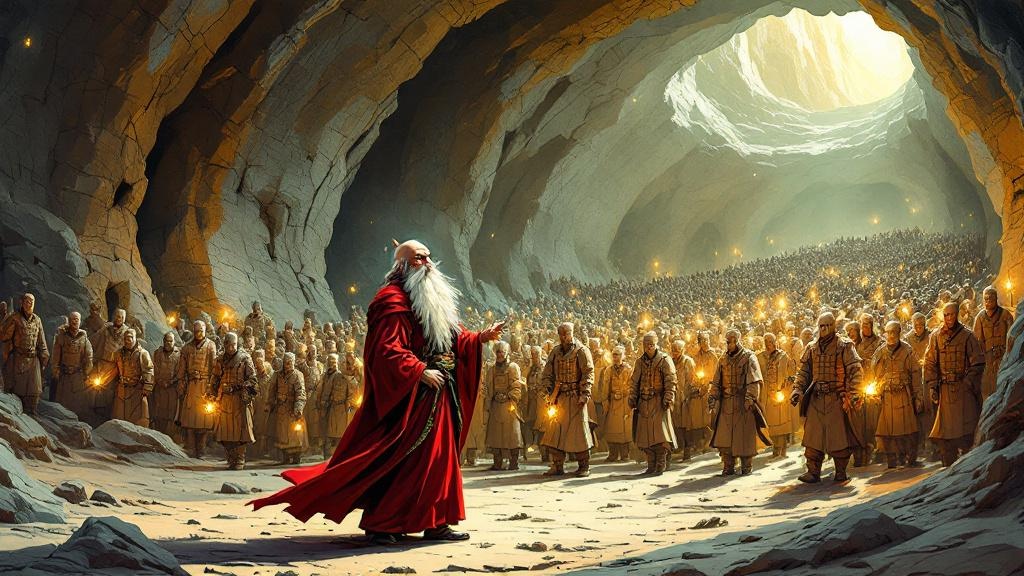
And in running, stumbles into a cave containing the real Red Army—thousands of terracotta warriors from ancient legend, magical automatons that can be controlled by whoever wears the enchanted armor. Which Rincewind accidentally puts on while trying to hide.
He didn't plan to save the revolution. He was trying to save himself. But the result is the same: the automatons destroy Lord Hong's forces, the revolution succeeds, and Rincewind somehow becomes a historical figure in a country he never wanted to visit.
This is the pattern at its purest. Rincewind runs away from danger and runs directly into the solution. He's not brave. He's not clever. He's just the universe's favorite pinball, bouncing from crisis to resolution without ever intending to.
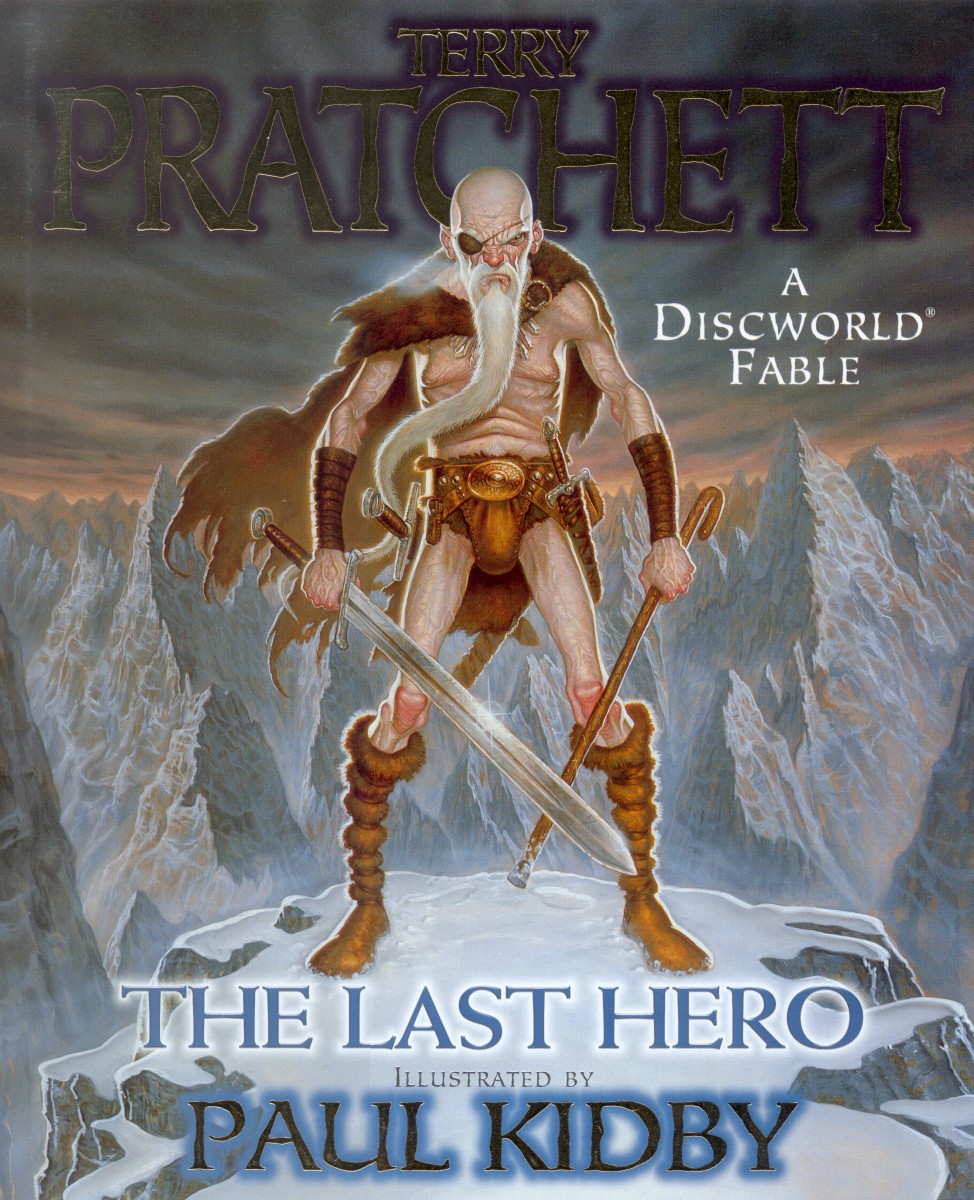
The Last Hero: Volunteer By Resignation
The Last Hero shows us what happens when Rincewind finally accepts his role—not with courage, but with exhausted resignation.
Cohen the Barbarian and his Silver Horde have decided to return fire to the gods. Literally. They're climbing Cori Celesti with a cartload of Agatean Thunder Clay to blow up the gods' mountain home. This will destroy all magic on the Disc. Which will destroy the Disc.
Lord Vetinari needs someone to go on a suicide mission to stop them. Leonard of Quirm has built a ship that can fly to the mountain—powered by swamp dragons, because this is Discworld.
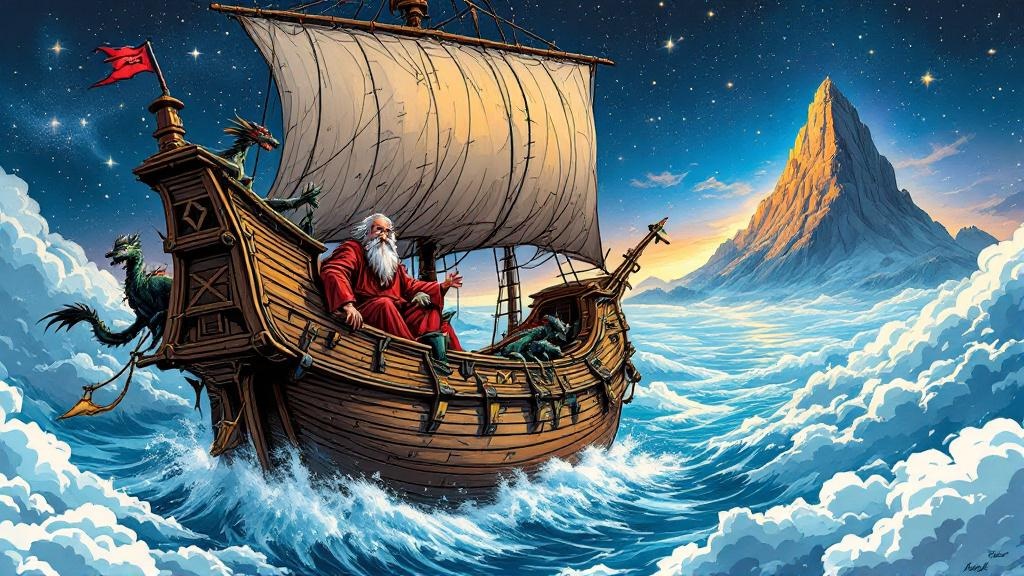
Rincewind barges into the meeting to announce he's not volunteering. He wants it on record that he never wanted to go, that someone's bound to force him anyway, so he's preemptively not-volunteering.
Vetinari is bemused. But Rincewind knows how his life works. If he tries to run, he'll end up hiding in a crate that gets loaded onto the ship. If he tries to leave the city, something will happen that drags him back. Past experience has taught him that he'll eventually be made to do this anyway.
So he "volunteers." Or rather, doesn't volunteer but shows up prepared to go. The distinction matters to him.
"Morituri Nolumus Mori: We who are about to die don't want to."
He even suggests the mission motto: "Morituri Nolumus Mori." When Vetinari requests a translation, Rincewind provides it: "We who are about to die don't want to."
Vetinari lets it stand. Because it's perfect—honest in a way traditional heroic mottos never are. Not "we who are about to die salute you" but "we who are about to die really wish we weren't."
The mission succeeds. Rincewind doesn't die. Cohen and the Silver Horde sacrifice themselves instead (then steal horses from the Valkyries because they refuse to accept death, but that's another story). And Rincewind survives yet again.
Why This Works
Pratchett's genius with Rincewind isn't just the joke of a coward who keeps saving the world. It's the way he deconstructs heroism while simultaneously affirming its importance.
Traditional heroes are brave because they don't fully grasp the danger, or because they've convinced themselves death doesn't matter, or because they're simply built differently from ordinary people. Rincewind is fully aware of the danger. He knows death matters. He's exactly like us—terrified, selfish, desperate to survive.
And he does the right thing anyway. Sometimes accidentally. Sometimes because he has no choice. But in Sourcery, at least once, because he chose to.
That might be more meaningful than conventional heroism. Anyone can be brave if they don't understand fear. Being brave while absolutely certain you're going to die, while desperately wanting to run, while knowing exactly how bad things are going to get—that's something else entirely.
Death himself has observed that if every culture has legends of an Eternal Champion who rises in times of need, perhaps there's also an Eternal Coward. Someone who, when faced with waking up one morning to face down a great threat, will pull the covers over his head and ignore the alarm clock.
The universe, it seems, needs both.
The Accidental Pattern
Looking at all four world-saving adventures, a pattern emerges:
In The Light Fantastic, the solution is literally inside him. The Octavo arranged to hide its eighth spell in Rincewind's head before he was born. He's been carrying the answer his whole life, suffering for it, and ultimately can't avoid using it.
In Sourcery, he makes a choice—but only when it becomes personal. Causes aren't worth dying for. Children are.
In Interesting Times, running away takes him exactly where he needs to be. The universe uses his cowardice as a navigation system.
In The Last Hero, he accepts that resistance is futile. If the universe is going to drag him into saving the world, he might as well show up prepared.
None of this looks like the Hero's Journey. But maybe that's the point. Maybe heroism isn't about answering the call. Maybe it's about what you do when the call won't stop ringing, when running away just takes you somewhere worse, when the only options are doing nothing and doing something.
Rincewind chooses something. Eventually. Reluctantly. While complaining the entire time.
But he chooses.
Where to Watch Him Save the World
If you want to see the reluctant hero in action, Sourcery is the essential read. It's the one time Rincewind makes a conscious choice, and it costs him everything.
For pure accidental heroism, Interesting Times is perfect—Rincewind stumbles through a revolution, reunites with Twoflower, and discovers the real Red Army while running away from everyone.
The Last Hero gives us philosophical Rincewind, the man who's finally accepted that he can't escape his narrative role. The illustrated format by Paul Kidby makes his weary resignation even more vivid.
Start anywhere. He'll survive. He always does.
That's kind of the point.
Want to understand Rincewind's survival philosophy? Read about his religion of running away, or learn why the Octavo incident made him the magical equivalent of zero.