The Dog-Botherer: Young Vetinari and the Making of a Tyrant in Night Watch
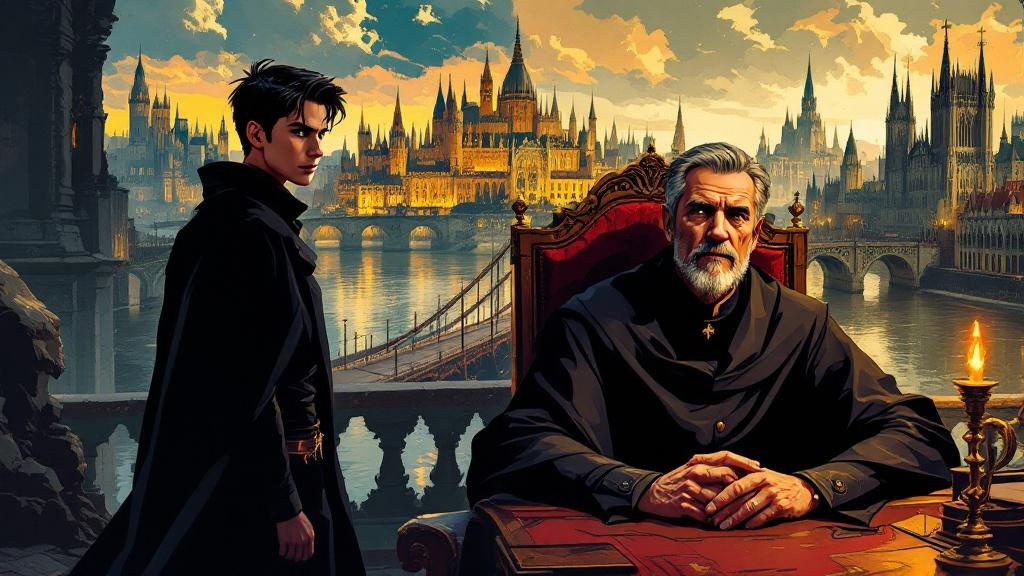
How the Glorious 25th of May forged Lord Vetinari from a bullied teenage assassin into Ankh-Morpork's greatest ruler. A Night Watch character study.
The Dog-Botherer: Young Vetinari and the Making of a Tyrant in Night Watch
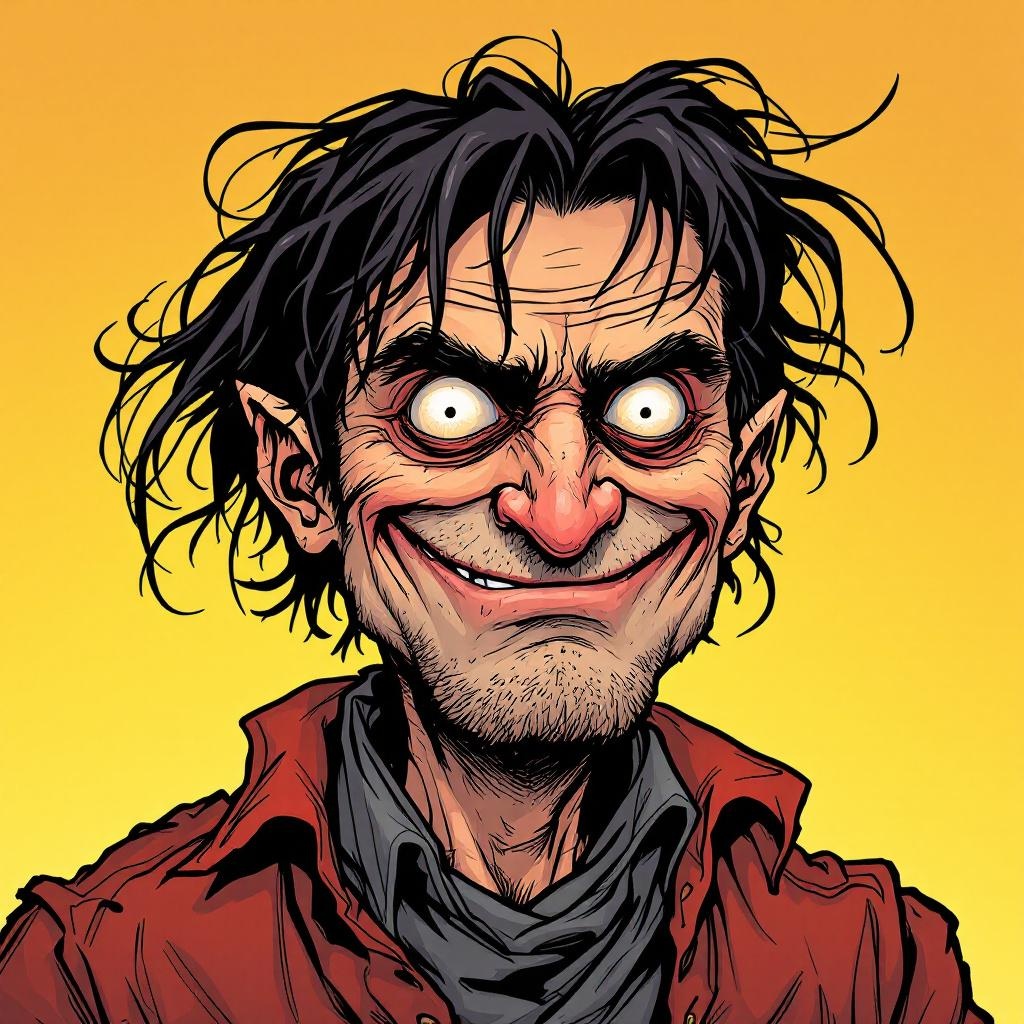
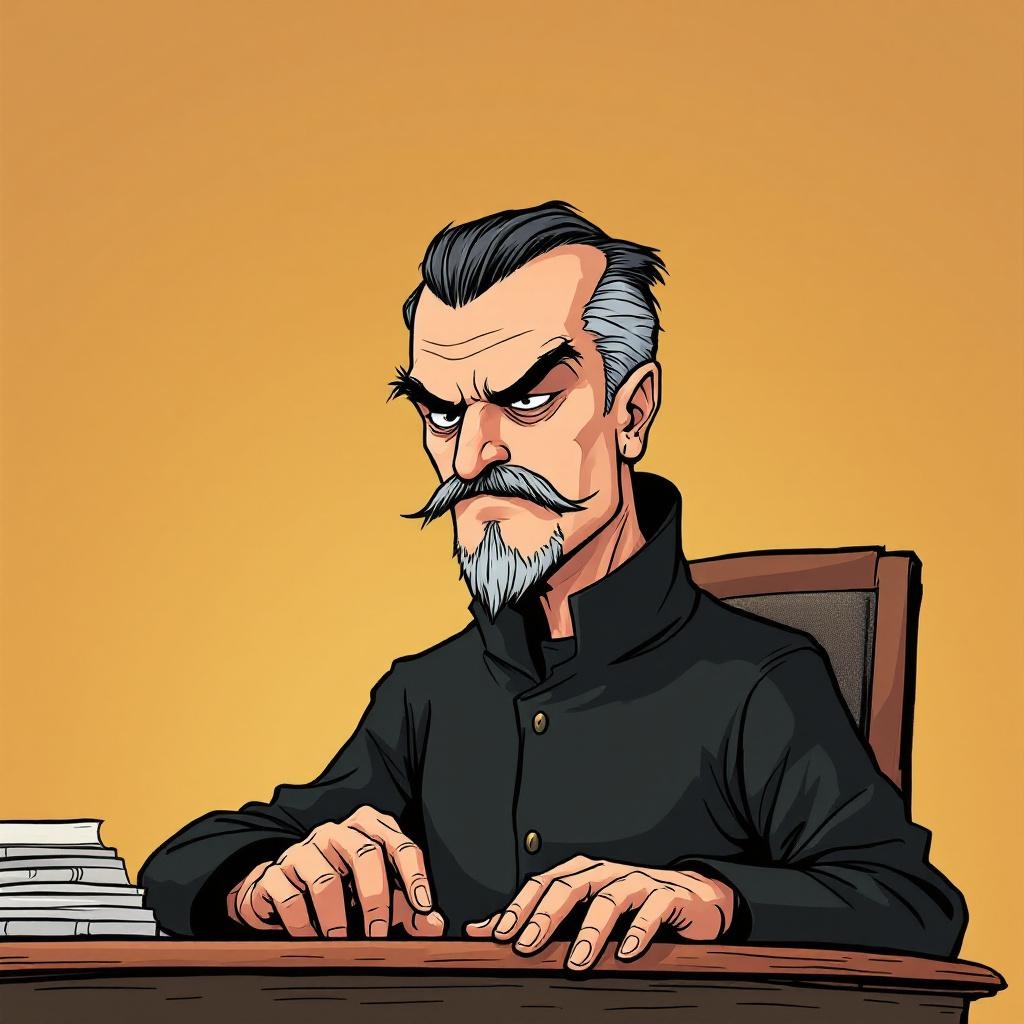
Before the dark robes. Before the scorpion pit. Before the one-man-one-vote democracy and the careful, terrifying silences that made guild leaders sweat through their finest clothing—there was a skinny teenager at the Assassins' Guild, and the other boys called him Dog-Botherer.
It wasn't even a clever nickname. "Vetinari" sounds a bit like "veterinary," and Lord Downey, who in those days was less the head of a prestigious murder academy and more a garden-variety bully, thought this was the height of wit. He threw young Havelock's books into the fireplace. He called everyone a scag. He was, by every account, exactly the sort of person you'd expect to peak at school.
And the thin, quiet boy who read too much and said too little? He was busy becoming something else entirely.
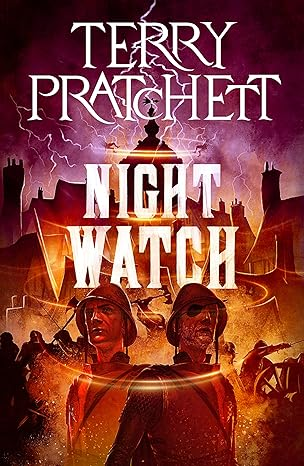
Night Watch gives us the single most important piece of backstory in the Discworld series. It shows us how the Glorious 25th of May—a revolution, a massacre, and a lesson in political reality—forged the man who would become Lord Vetinari, Patrician of Ankh-Morpork. And it all starts with a boy who scored zero on his stealth exam.
The Boy Who Wasn't There
Here's the thing about young Vetinari's infamous zero score: it was, paradoxically, perfect.
The Assassins' Guild teaches many things—poison, blade work, the art of the elegant inhume—but also history, languages, and the rather specialized skill of not being seen. Vetinari took this last lesson more seriously than anyone intended. While his classmates practiced skulking in shadows and climbing walls with theatrical flair, Vetinari simply... wasn't there.
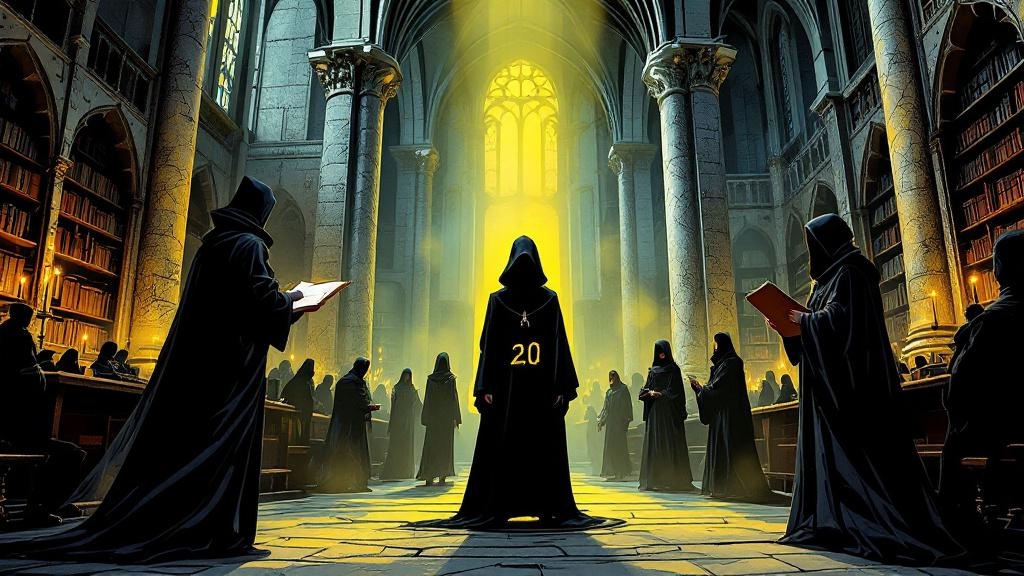
His examiner failed him, convinced the boy had never attended a single class. Vetinari's defense was elegant: in a course teaching discretion, he was the only student who was genuinely discreet. His aunt, Lady Roberta Meserole, didn't scold him for the mark. She praised it. A zero in stealth from the Assassins' Guild is either catastrophic failure or masterful subversion, and Lady Roberta knew her nephew well enough to recognize which one it was.
This is your first clue about who Vetinari really is. Not the best killer. Not the most dangerous fighter. The one who understands that the highest form of any skill is making it look like you were never there at all.
"In a class on an inherently discreet occupation, he was the only student who wasn't visibly present."
Downey, meanwhile, was getting top marks and telling everyone about it. The contrast is instructive. The bully became head of the Assassins' Guild, which sounds impressive until you realize it means he runs a school and fills out paperwork. The Dog-Botherer became ruler of the most complex city on the Disc.
The Revolution That Made Him
Ankh-Morpork in the days before Vetinari's rise was a city eating itself. Homicidal Lord Winder—and yes, that's an official title—ran the place through a combination of paranoia and the Cable Street Particulars, a secret police force whose methods made the word "unmentionable" literal. People disappeared. Doors were kicked in at night. The city lived in the kind of fear that makes citizens watch what they say even in their own kitchens.
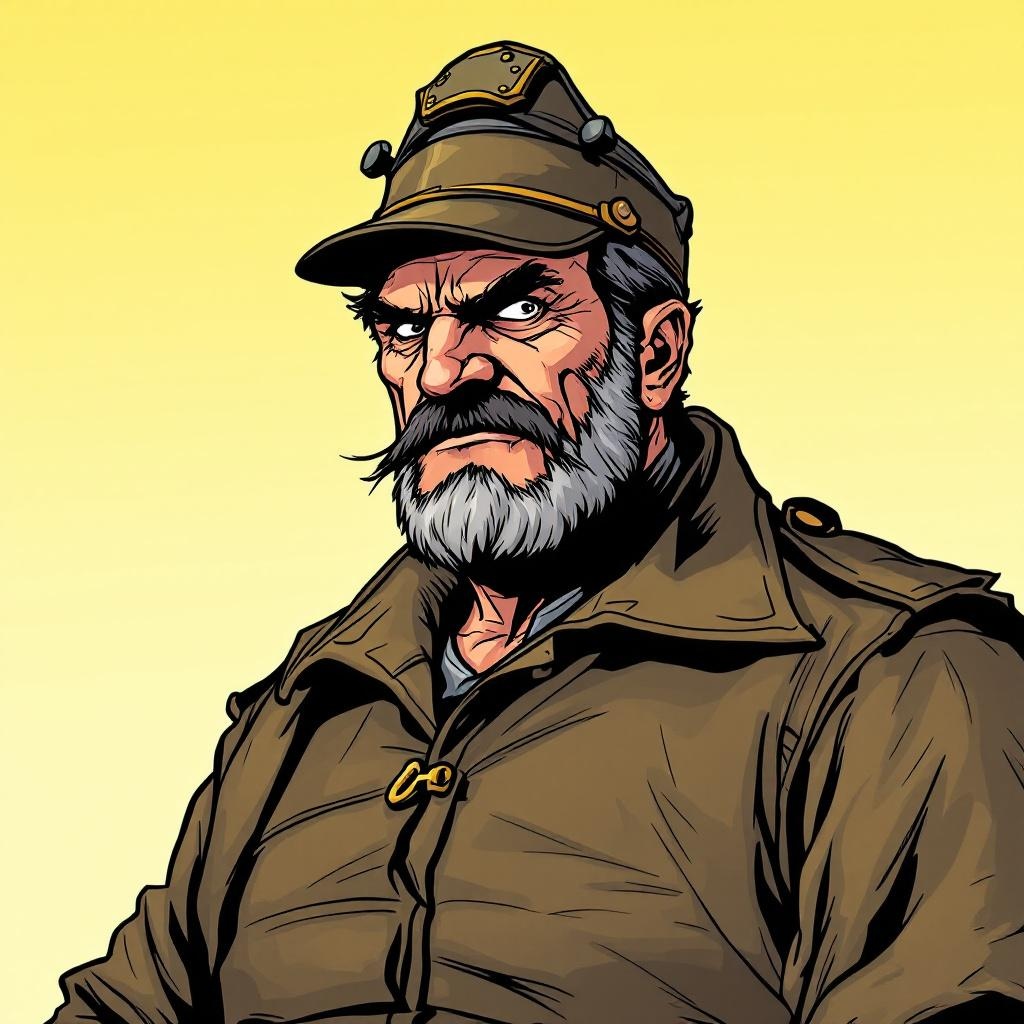
Into this nightmare walks Sam Vimes—or rather, Sam Vimes falls backward through time, takes the identity of the murdered John Keel, and ends up mentoring his own younger self. It's complicated. Time travel usually is. But the important thing for our purposes is that young Vetinari, still a student at the Assassins' Guild, gets pulled into the revolution that follows.
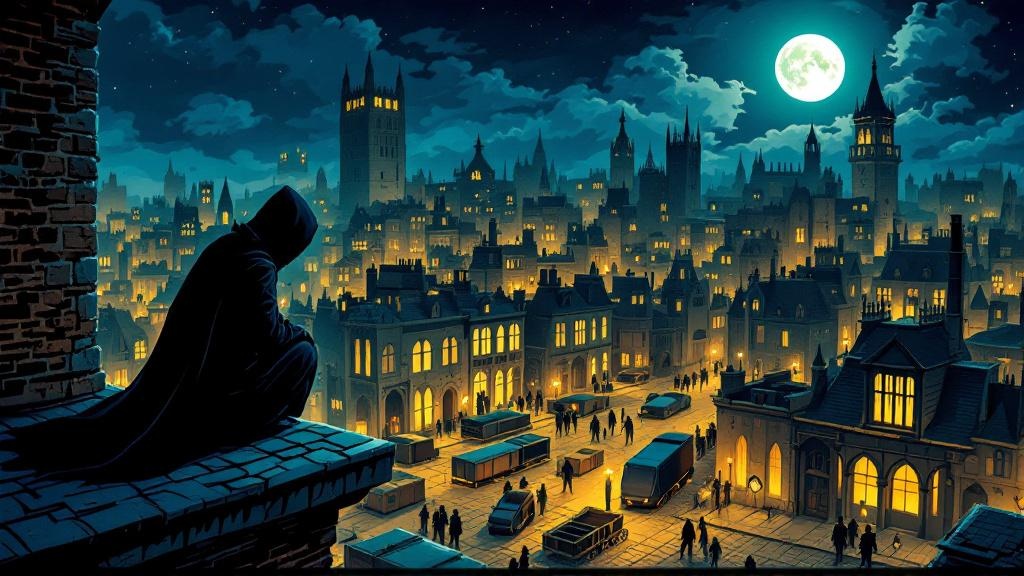
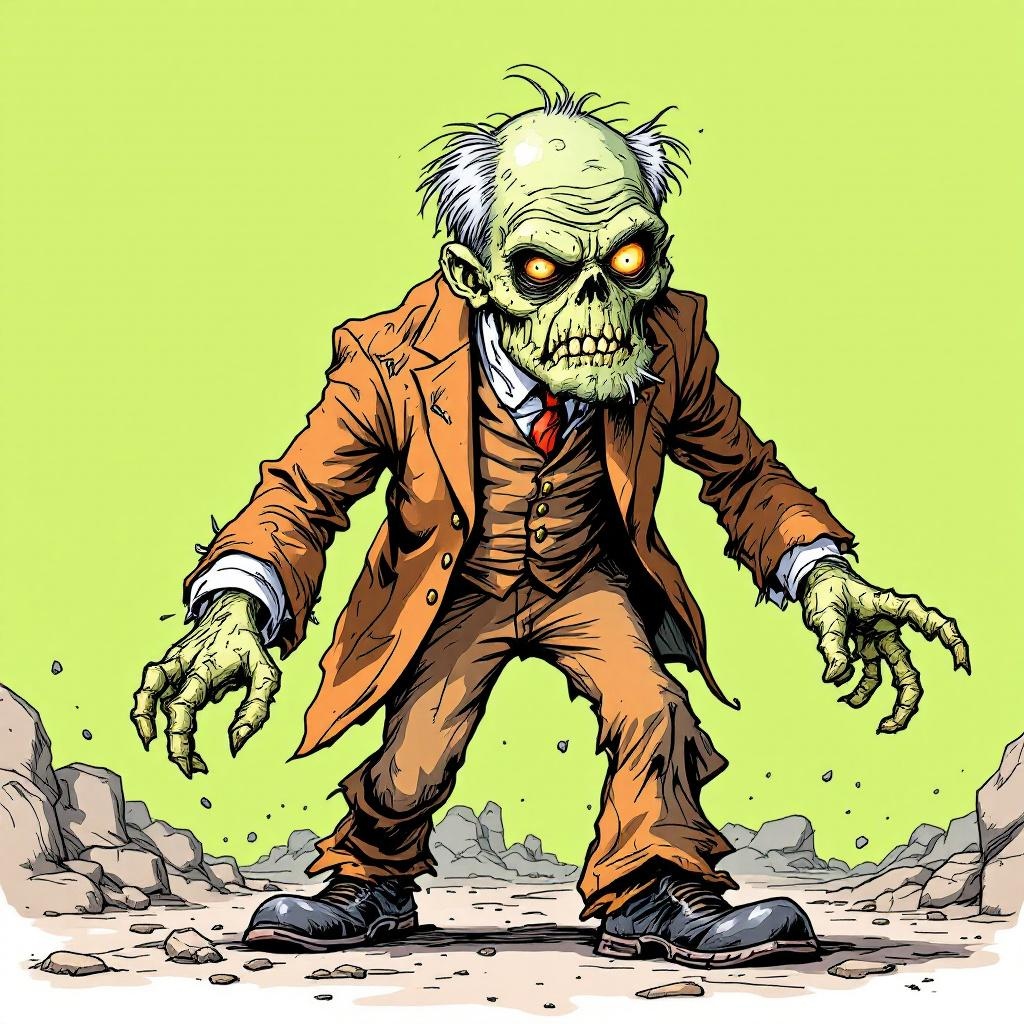
And he watches. He watches "Keel" build barricades. He watches ordinary people—coppers, shopkeepers, a young zombie named Reg Shoe—stand up against professional soldiers. He watches a man who has no power, no title, no authority beyond sheer bloody-minded decency hold a neighborhood together through a night that should have torn it apart.
He also kills a man. An assassin sent to eliminate Keel comes clattering down from a rooftop, struck by an unidentified assailant. Nobody sees Vetinari do it. Of course they don't. He scored zero in stealth.
The Non-Assassination of Lord Winder
This is the scene that defines everything.
"His mere arrival was enough to frighten Winder to death. He dropped his weapon beside the corpse unused."
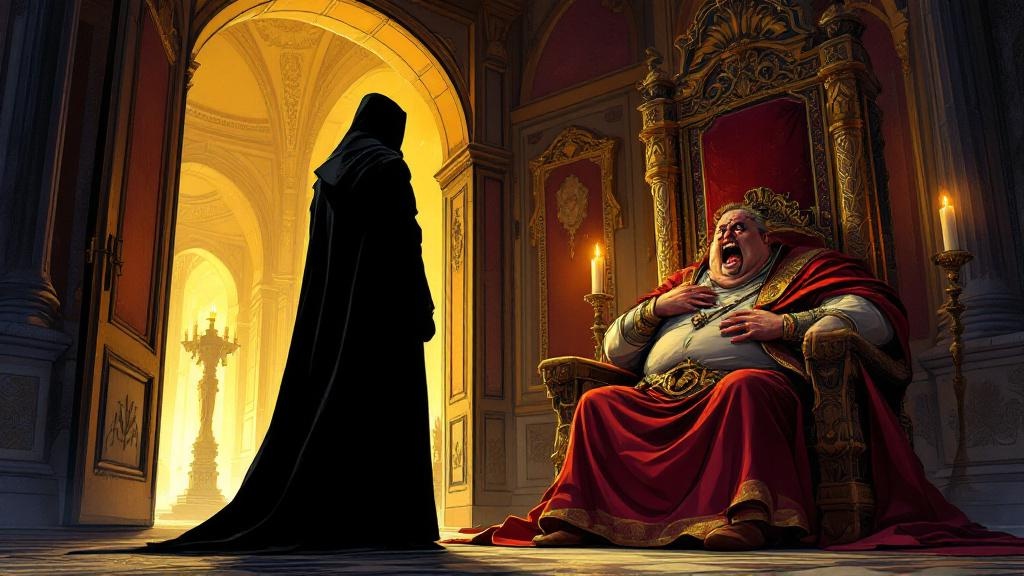
Young Vetinari, in full Assassin's regalia, enters the room where Lord Winder is hiding during the chaos of revolution. He intends to kill the Patrician. He's been contracted to do it—or rather, his aunt Lady Roberta and her network of conspirators have arranged for exactly this moment.
But Winder takes one look at the figure standing before him—calm, silent, inevitable—and his heart gives out. Just stops. The most powerful man in Ankh-Morpork dies of sheer terror at the sight of a teenager.
Vetinari sets down his weapon beside the body. He leaves the room unobserved by anyone except the dead man. The kill is technically... nothing. He didn't draw blood. He didn't even speak. He simply appeared, and reality rearranged itself around his presence.
If that isn't a thesis statement for his entire future career as Patrician, nothing is. Vetinari's greatest weapon was never poison or a blade. It was the understanding that sometimes you don't need to do anything. You just need to be the person that everyone knows could.
"I Come From the City"
After Winder's death, there's a moment that fans often overlook but that cuts to the bone of who Vetinari becomes. When asked who sent him, the young assassin doesn't name his aunt. Doesn't claim credit for a political faction. He says something far more revealing: "I come from the city."
Not "I come from the Guild." Not "I represent certain interests." The city.
This is a teenager talking. A teenager who's just watched his city tear itself apart under the rule of a paranoid tyrant, who's seen good people die on barricades because nobody in power cared enough to run things competently. And in that moment, something crystallizes. The city isn't a thing to be ruled. It's a thing to be served.
Every decision the adult Vetinari makes—legalizing the Thieves' Guild, reviving the Post Office, tolerating Sam Vimes's insubordination, sitting through interminable council meetings without stabbing anyone—traces back to this principle. He doesn't serve himself. He serves Ankh-Morpork. The fact that serving Ankh-Morpork requires absolute power is, from his perspective, merely an inconvenient structural necessity.
The Keel Effect
Here's where it gets genuinely fascinating. Night Watch creates a temporal paradox that Pratchett never explicitly addresses, but fans have been chewing on for decades.
The man who shaped Vetinari's political philosophy wasn't really John Keel. It was Sam Vimes, traveling back in time. The lessons young Vetinari learned on the barricades—that ordinary people matter, that competent governance trumps ideology, that the right copper in the right place can hold a city together—came from a man who was himself shaped by Vetinari's Ankh-Morpork.
"The man who shaped Vetinari's philosophy was himself a product of Vetinari's city. It's turtles all the way down."
Think about that for a second. Vimes learned to be the man he is because Vetinari's Ankh-Morpork gave him the space to become it. But Vetinari became who he is because Vimes—traveling as Keel—taught him what mattered. It's a closed loop. Each man is, in some fundamental way, a creation of the other.
This explains so much about their relationship in later books. When Vetinari tells Drumknott "I rather think I did" invent Sam Vimes, he's more right than he knows. And when Vimes endures Vetinari's "playful manipulation" with barely concealed fury, he's pushing back against a system he helped create before he was born.
The chicken-and-egg nature of their dynamic is pure Pratchett. It's funny if you don't think about it too hard, and deeply unsettling if you do. Which is, come to think of it, also a pretty good description of Ankh-Morpork.
Downey's Long Shadow
Let's come back to the Dog-Botherer nickname, because it matters more than it seems.
Lord Downey becomes head of the Assassins' Guild. He's competent enough, in a bureaucratic sort of way. He runs the school, manages contracts, keeps the Guild politically relevant. But every time he sits across from Vetinari in an official meeting, there's something hanging in the air between them.
Downey knows. He knows that the quiet boy he tormented, whose books he burned, whose name he mocked—that boy now holds his life, his Guild, and his entire world in a loose, indifferent grip. And the worst part? Vetinari never mentions it. Never brings it up. Never retaliates in any way that could be identified as personal.
That's the cruelty of it. Downey would almost prefer open revenge. At least then there'd be a ledger to settle. Instead, there's just Vetinari's thin smile and the absolute certainty that the Dog-Botherer remembers everything.
It's tempting to read this as pettiness. It's not. It's governance. Vetinari keeps Downey off-balance not because of schoolyard grudges but because an off-balance Assassins' Guild is a manageable Assassins' Guild. The personal history is just a convenient tool—which is, of course, exactly the kind of thing Vetinari would say, and exactly the kind of thing that makes you wonder if it's entirely true.
What the Revolution Taught
The Glorious 25th of May didn't just give Vetinari a backstory. It gave him a curriculum.
Lesson one: Tyrants fall. Winder's paranoia and brutality didn't save him. If anything, they accelerated his end. The more he squeezed, the more people had reason to resist. Vetinari learned that the smart tyrant makes rebellion seem unnecessary rather than impossible.
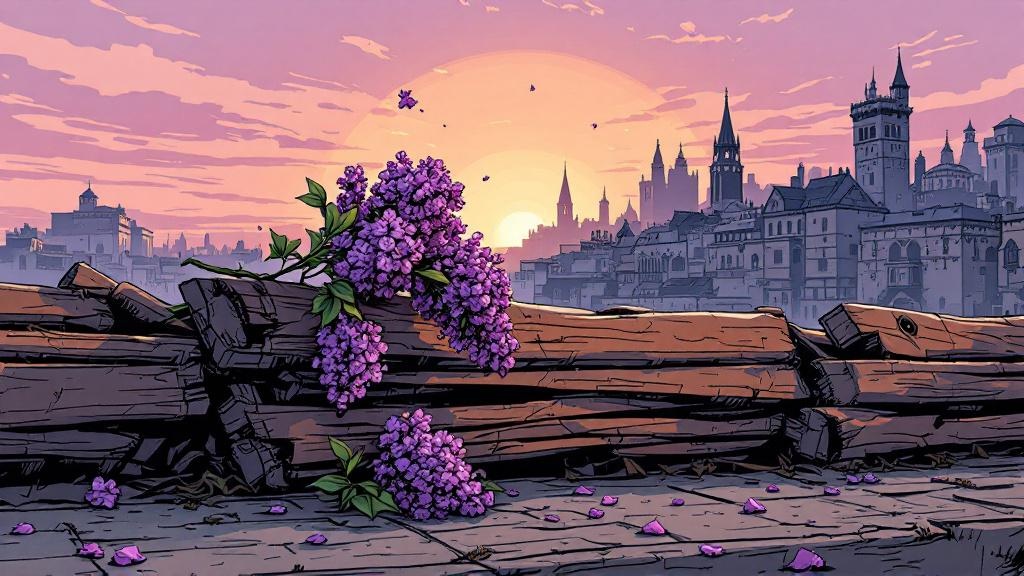
Lesson two: People will die for symbols. The lilac. The barricades. "How do they rise up?" These things shouldn't matter—they're flowers and wooden planks and a song. But they do matter, because people make them matter, and any ruler who ignores that is already dead.
Lesson three: Good coppers are worth more than good armies. Keel held his neighborhood with a handful of watchmen and civilians. Not because they were well-armed or well-trained, but because they belonged there. Vetinari would spend his entire reign building institutions—the Watch foremost among them—that turned citizens into stakeholders rather than subjects.
Lesson four: The right person makes all the difference. Not the strongest or the smartest. The right one. The one who shows up. The one who does the job because it needs doing. Vetinari would spend decades finding these people—Vimes, Moist von Lipwig, William de Worde—and putting them exactly where they needed to be.
From Dog-Botherer to Patrician
There's a straight line from the rooftops of the 25th of May to the Oblong Office. The teenager who scored zero in stealth becomes the ruler who governs from the shadows. The boy who killed without drawing blood becomes the man whose greatest defense is making his existence slightly preferable to the alternative. The student bullied by Downey becomes the Patrician who keeps the entire Assassins' Guild in check with nothing more than memory and a thin smile.
Night Watch is, on its surface, Sam Vimes's story. It's his tragedy, his time-travel adventure, his reckoning with the past. But running through it like a thread of silver is the origin story of the most effective ruler in fantasy literature. Every scene with young Vetinari is a seed that blossoms into the man we know from a dozen other books.
And it all started with a nickname that wasn't even clever.
The Dog-Botherer. The boy nobody noticed. The future of Ankh-Morpork.
Where to Start
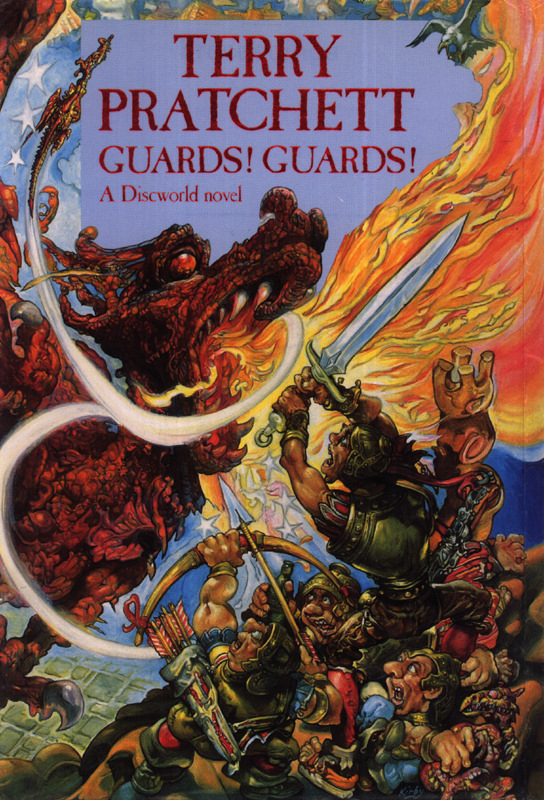
If you want to see Vetinari at his most fully formed, start with Guards! Guards!—it's where we first meet the Patrician in all his manipulative glory, and it introduces the Vimes relationship that Night Watch retroactively deepens.
But if you want to understand why Vetinari is the way he is—why the thin smile, why the tolerance for Vimes's fury, why the tireless devotion to a city that doesn't even like him—then Night Watch is essential reading. Just know that it hits harder if you already know the man before you meet the boy.