The Fool Who Became King: Verence II and the Art of Accidental Rule
How Discworld's most traumatized jester became Lancre's most well-meaning monarch - and why wearing a crown doesn't make you a ruler.
The Fool Who Became King: Verence II and the Art of Accidental Rule
Most fantasy heroes become kings through destiny. They pull swords from stones, fulfil ancient prophecies, or defeat dark lords in climactic battles. Their coronation is the reward, the narrative payoff for hundreds of pages of heroism.
King Verence II becomes king because everyone else said no.
That's not a punchline. That's a thesis statement—and one of the quietest, most devastating character arcs Terry Pratchett ever wrote.
A Tall Man in a Half-Crouch
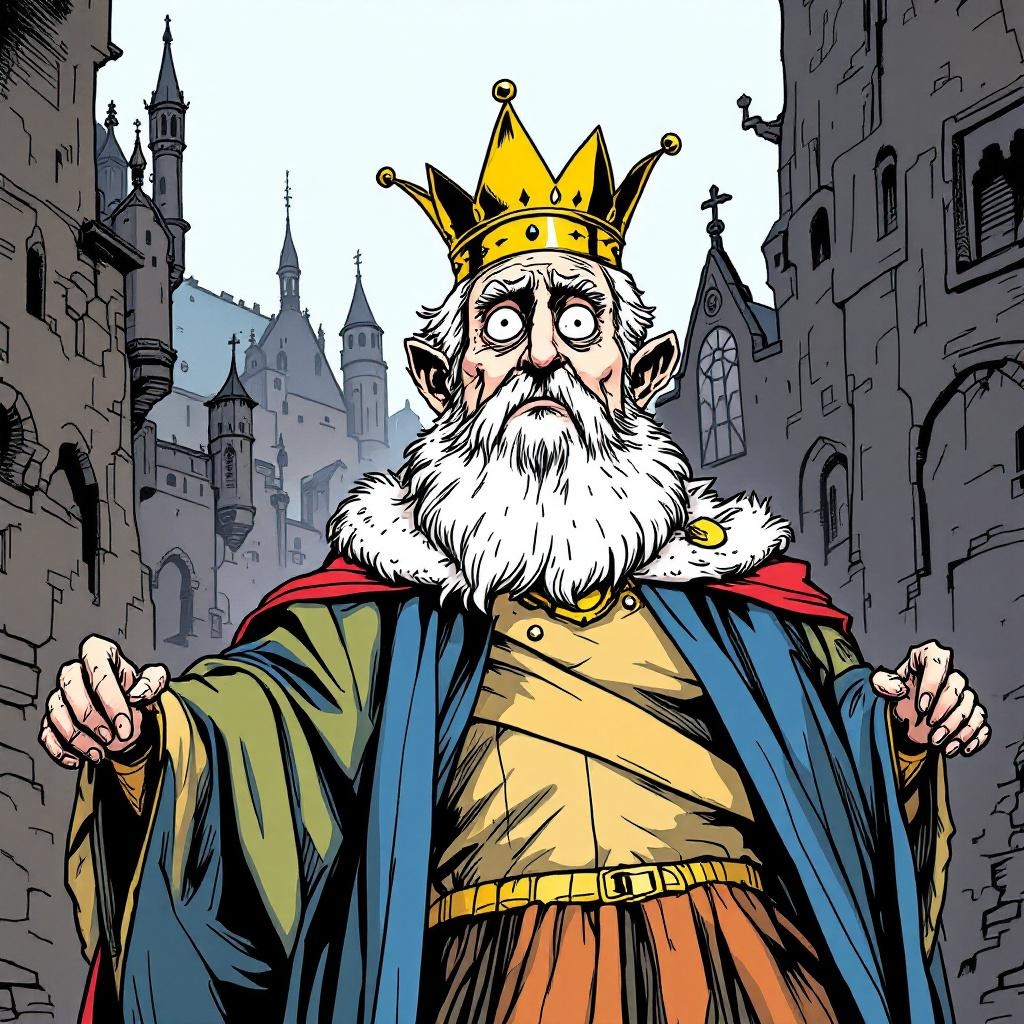
Before he was King Verence II of Lancre, he was just the Fool. Not even a fool. The Fool—capital F, no other name necessary, a designation that had replaced whatever identity he might once have had.
And the thing about the Fool is that he was tall. Genuinely tall. But he'd spent so long prancing in a half-crouch, hunching and bowing and making himself smaller, that most people never noticed. He moved like a man apologising for taking up space, which is exactly what the Fools' Guild had trained him to do.
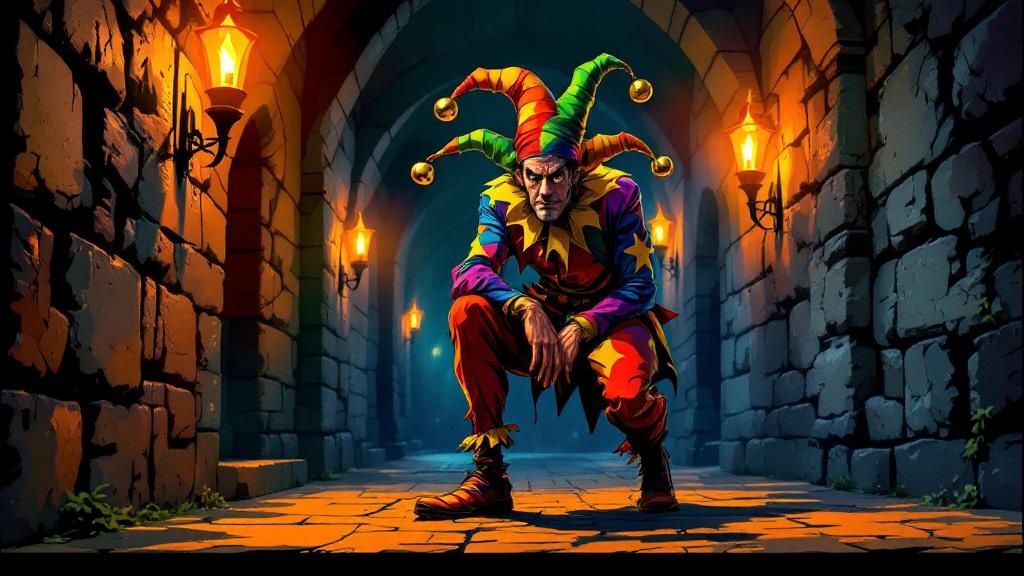
The Fools' Guild backstory is one of the darkest things in Discworld, and Pratchett delivers it with the kind of matter-of-fact horror that makes it hit harder than any melodrama could. The Guild's founder believed that the heart of all comedy is pain—specifically other people's pain. Students endured cold baths, bad food, wooden beds, and systematic humiliation. Verence was whipped with a belt. The fact that it had bells on it didn't help.
He developed, as Pratchett puts it with surgical precision, "absolutely no sense of humour." Not because he lacked one naturally, but because the Guild's training beat comedy out of him rather than into him. He arrived at the Fools' Guild as a child sent by an abusive grandfather, and he left as a man who takes everything seriously—because he learned at a very early age that being a Fool was no laughing matter.
"He takes most things seriously, having learnt at a very early age that being a Fool was no laughing matter."
That line is vintage Pratchett: funny on the surface, heartbreaking underneath. The entire character of Verence lives in that space between the joke and the wound.
The Murder He Couldn't Unsee
In Wyrd Sisters, the Fool witnesses something no court jester is supposed to see: Duke Felmet murdering King Verence I. He sees it happen. He understands what it means. And he's too terrified to speak.
This is important because it establishes exactly who the Fool is before his transformation. He's not a coward in any simple sense. He's a man who has been systematically taught that he doesn't matter, that his job is to entertain and deflect and never, ever assert himself. Witnessing a murder and saying nothing isn't moral failure—it's the logical outcome of a lifetime spent being told you're nothing.
What changes him is Magrat.
The Fool and Magrat Garlick connect as two misfits who don't fit their roles. She's a witch who believes in crystals and candles instead of headology. He's a fool who's never been funny. Their awkward conversations are painful and tender in equal measure—two people reaching toward each other across the gap of their own inadequacy.
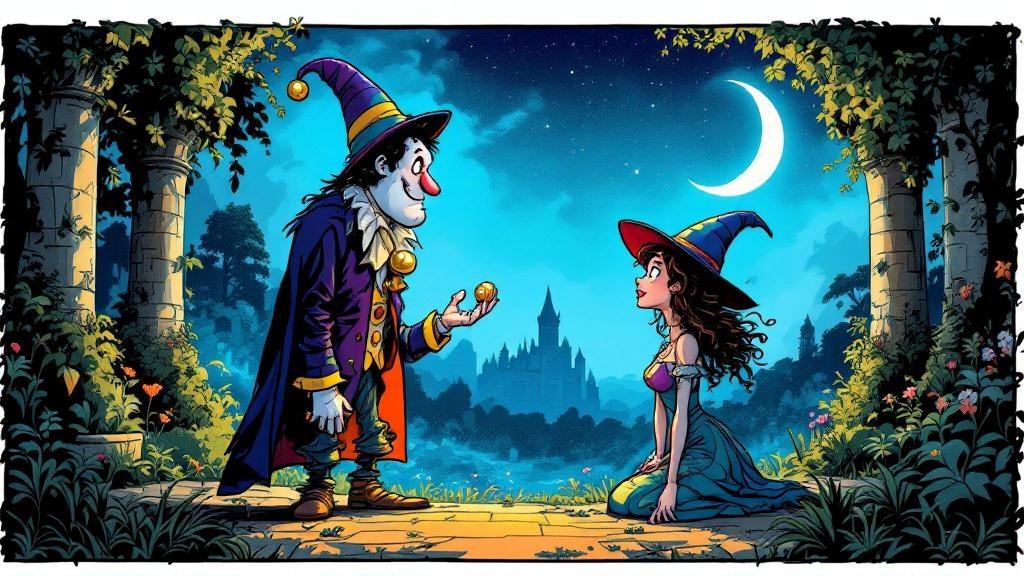
And it's love—not duty, not honour, not some narrative destiny—that gives the Fool the courage to finally testify. The same man who could hardly mutter a response to the Duke calls out to two large mercenaries in an attempt to stand up for Magrat, and eventually stands before the people of Lancre to confess what he saw.
It's his first act of courage. It costs him everything he thought he was. And it sets in motion the chain of events that will make him king—not because he wanted it, but because the universe has a sense of humour that the Fools' Guild never managed to teach him.
"You'd Have to Be a Born Fool to Be a King"
Granny Weatherwax says this early in Wyrd Sisters, and like all her best lines, it works on several levels at once.
On the surface, it's a comment about the impossibility of kingship—who would want the job? Below that, it's prophecy: the born Fool will become king. And below that, it's an observation about narrative itself. On the Discworld, where stories shape reality, saying something with enough conviction can make it true.
"You'd have to be a born fool to be a king."
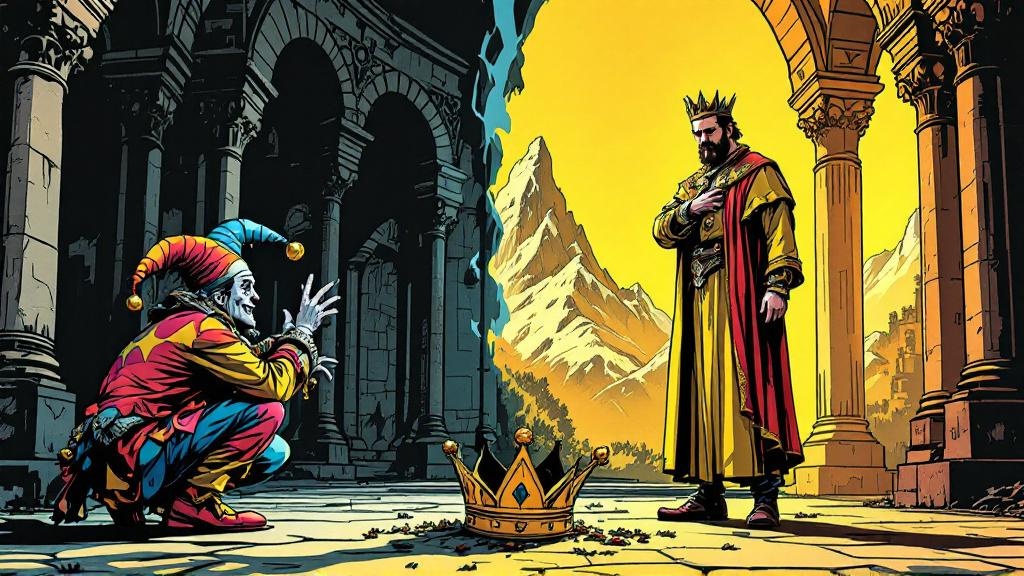
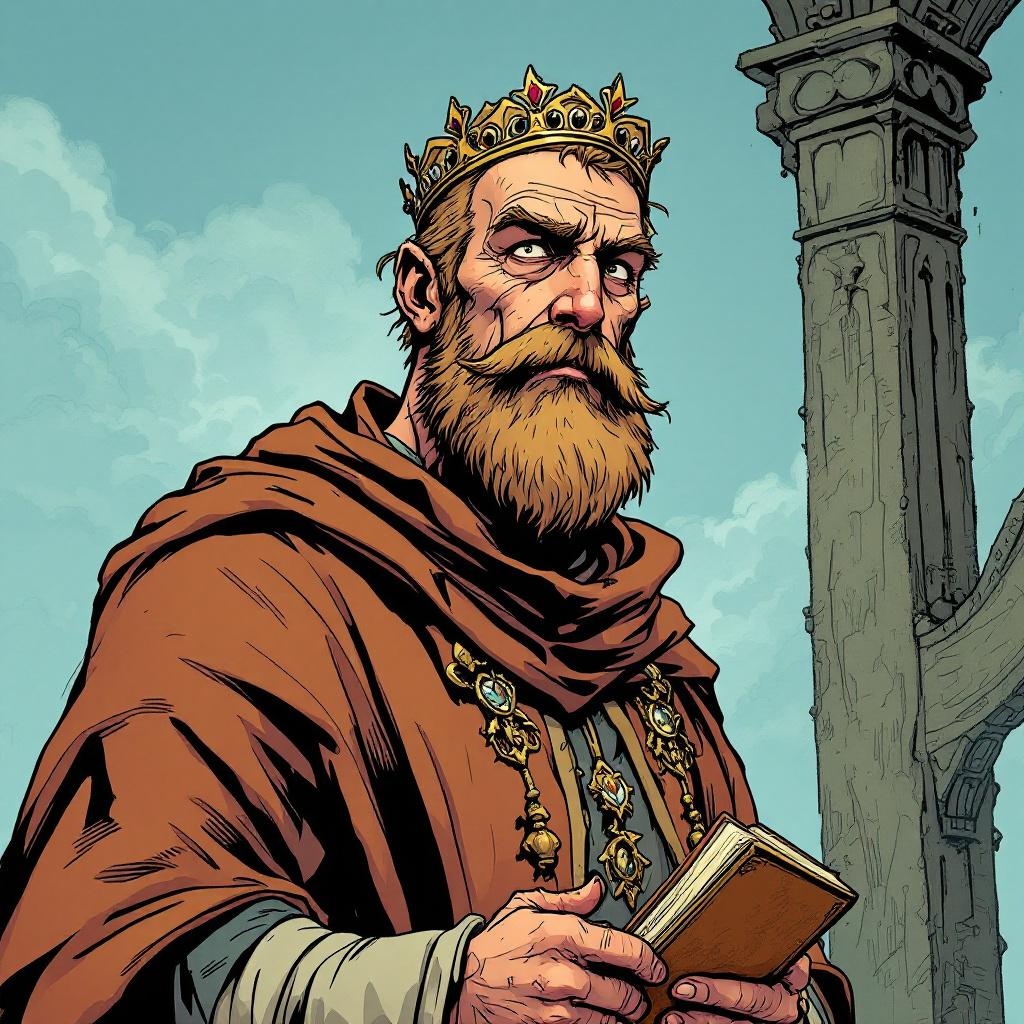
When the rightful heir Tomjon—a gifted actor who'd rather stay with his theatre company—refuses the crown, it falls to the Fool by default. He doesn't seize power. He doesn't claim divine right. He receives the throne because everyone else left, which is the most Verence way possible to become king: reluctantly, accidentally, and because the alternative was no king at all.
Pratchett parodies Shakespeare's Twelfth Night here—some people are born to kingship, some achieve kingship, and some have kingship thrust upon them. Verence gets the third option, and spends the rest of his life trying to live up to a role he never auditioned for.
The Parentage That Doesn't Matter
Here's where Pratchett does something characteristically brilliant. He deliberately muddies the question of who Verence's father actually is, because the answer doesn't matter—and the fact that it doesn't matter is the point.
Publicly, Granny tells the crowd that the Fool is King Verence I's illegitimate son. Privately, she admits to Nanny Ogg and Magrat that both the Fool and Tomjon are actually children of the previous Fool and the Queen. The old king was fond of exercising his droit de seigneur, but the Queen, it seems, was fond of the jester.
An apple peel thrown over Magrat's shoulder spells "VERENCE"—the same name as the old king—hinting at a connection. But which connection? Royal blood or fool's blood? Pratchett leaves it deliberately ambiguous because, as the people of Lancre demonstrate, "they don't really care who their king is, as long as he does his job."
On the Discworld, where narrative has the force of law, Verence is the rightful king because Granny Weatherwax said so loudly enough. The biological truth—that his father was probably a jester, not a monarch—adds poignant irony without changing anything. He's still a fool's son, performing a role he may never have been born to play. But then again, isn't everyone?
The Crown That Doesn't Fit
Being crowned doesn't make Verence a ruler any more than the bells and motley made him funny. He takes the job seriously—desperately seriously, with the intensity of a man who has learned that nothing in life is a joke—but seriousness and competence are different things.
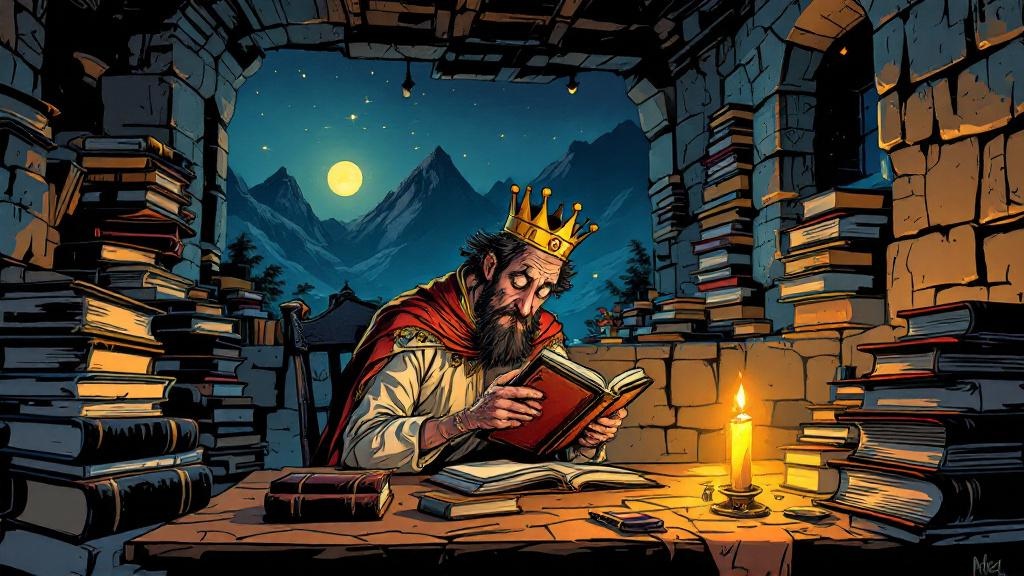
In Lords and Ladies, we see the results of his earnest attempts at governance. He tries to introduce Ephebian democracy to Lancre, "giving the vote to everyone, or at least everyone who be of good report and who be male and hath forty years and owneth a house worth more than three and a half goats a year." Nobody shows up. He commissions the Lancrastian Army Knife—a "handy pocket knife" that needs to be carried on a cart because he kept suggesting additional features. He reads philosophy books about governance while missing what actually governs.
Pratchett captures his predicament perfectly: "Verence II was the most amiable monarch in the history of Lancre. His subjects regarded him with the sort of good-natured contempt that is the fate of all those who work quietly and conscientiously for the public good."
That sentence should be carved above the entrance to every parliament building in the world.
His subjects would prefer a king who orders them around and carouses. They don't want democracy. They don't want modernisation. They want things done the way they've always been done, and they want a king who understands that a king's job is mostly ceremonial—to exist, to be kingly, and to stay out of the way while the witches handle anything that actually matters.
"Verence II was the most amiable monarch in the history of Lancre. His subjects regarded him with the sort of good-natured contempt that is the fate of all those who work quietly and conscientiously for the public good."
Verence is Pratchett's most sympathetic failure. He reads the right books, has the right ideas, genuinely cares about his people—and accomplishes nothing because he doesn't understand them. His reforms fail not from opposition but from indifference. The people of Lancre don't resist democracy. They simply don't attend.
The Vampire Disaster
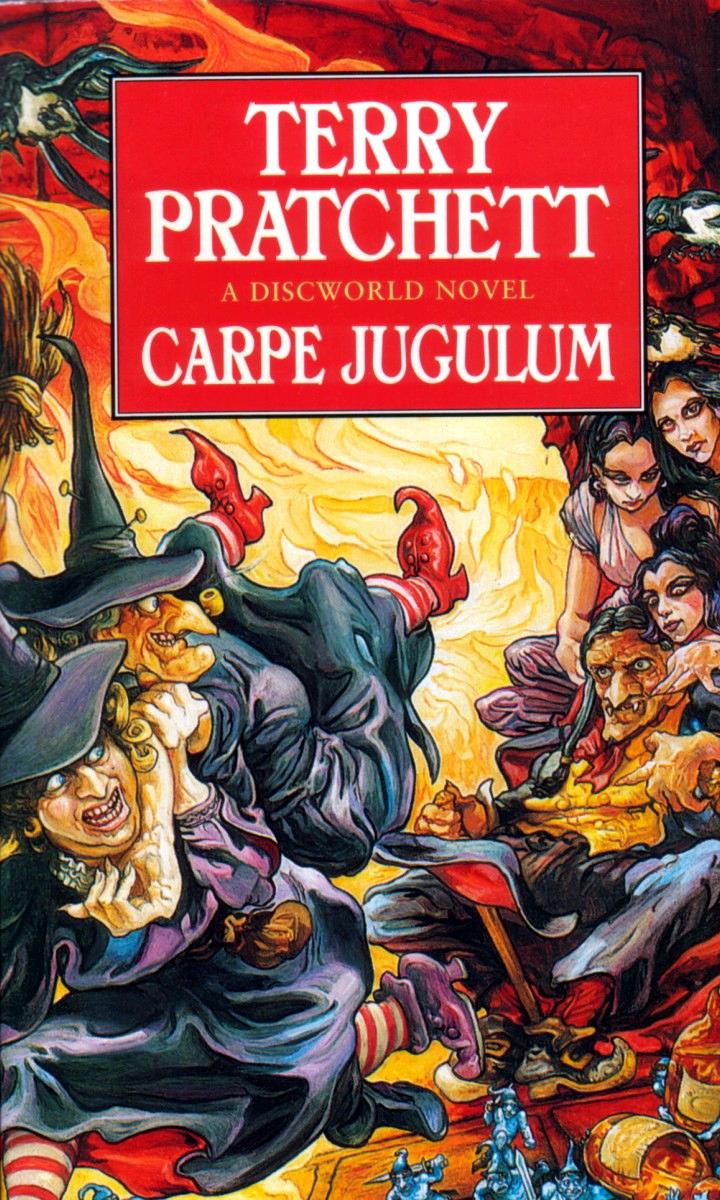
By Carpe Jugulum, Verence's progressive instincts have escalated from harmless to catastrophic. As a gesture of modern diplomacy toward Uberwald, he invites the de Magpyr vampire family to his daughter's naming ceremony.
We all know what happens when you invite vampires in.
The Magpyrs accept the invitation, conquer Lancre, and begin treating the population as livestock. It's Pratchett's sharpest commentary on Verence: good intentions without practical wisdom don't just fail—they actively create catastrophe. Verence wanted to be open-minded and progressive. He got his kingdom conquered because he extended a hand of friendship to creatures who saw it as a meal.
The witches save him, naturally. They always do. And Verence recovers from being bitten not through his preferred modern methods but through nourishing broth from Big Aggie of the Nac Mac Feegle—Lancre's rustic traditions triumphing over his diplomatic idealism one final time.
Still the Fool
Here's the thing about Verence that makes him more than just a comic figure: he never stops trying.
He fails at democracy. He fails at diplomacy. He fails at modernisation. His subjects regard him with affectionate contempt. The witches treat him as something between a well-meaning nephew and a particularly slow student. And he keeps going. He keeps reading his philosophy books. He keeps proposing reforms. He keeps trying to be a good king in a kingdom that isn't sure it wants one.
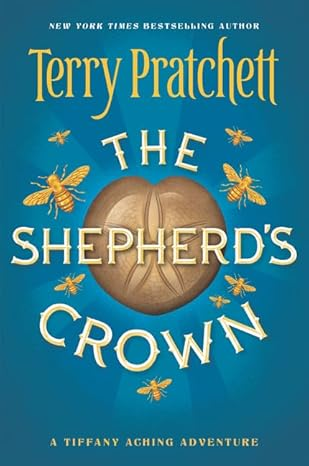
By The Shepherd's Crown—Pratchett's final novel—an older Verence faces another elf invasion. But this time, something has shifted. Lancre's defense is coordinated with the witches from the start. The king who once invited monsters now stands alongside those who protect his kingdom. It's not a grand redemption. It's something quieter and more real: the slow, unglamorous process of a well-meaning person learning from their mistakes.
He's still the Fool, in many ways. Still earnest where everyone around him is pragmatic. Still reading books about how things should work while the witches deal with how things actually work. Still taking everything seriously because he learned long ago that nothing is a joke.
But he's also a man who started with nothing—no name, no family, no identity beyond a set of bells and a runny nose—and built something. Not a great kingdom. Not a legendary reign. Just a small, quiet life where he tries, every day, to be better than what he was made to be.
Where to Meet the King
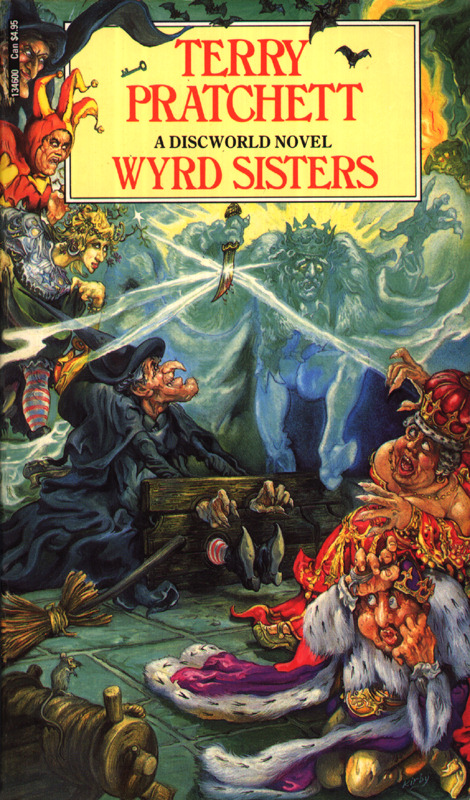
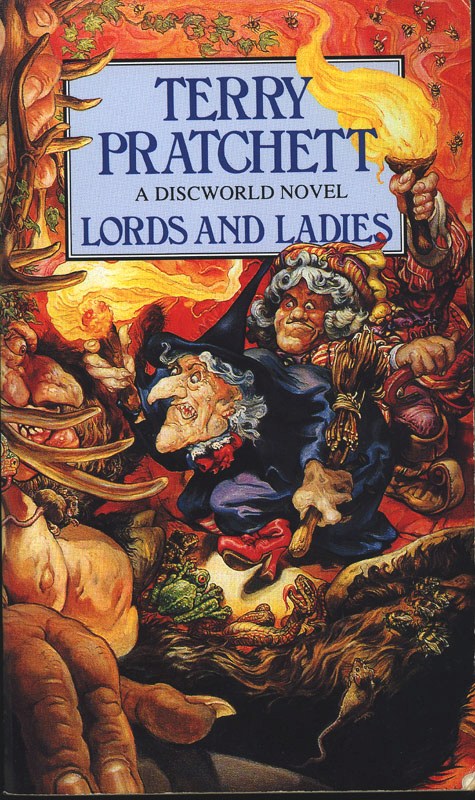
Start with Wyrd Sisters to see the Fool become the king, then follow him through Lords and Ladies and Carpe Jugulum to watch him discover that wearing a crown is the easy part. The hard part is everything that comes after.
Want more Lancre? Read about Magrat's transformation from wet hen to warrior queen, or discover Granny Weatherwax's philosophy of goodness.