The Boy Who Didn't Rescue Himself: How Roland Subverts the Fairy Tale Hero
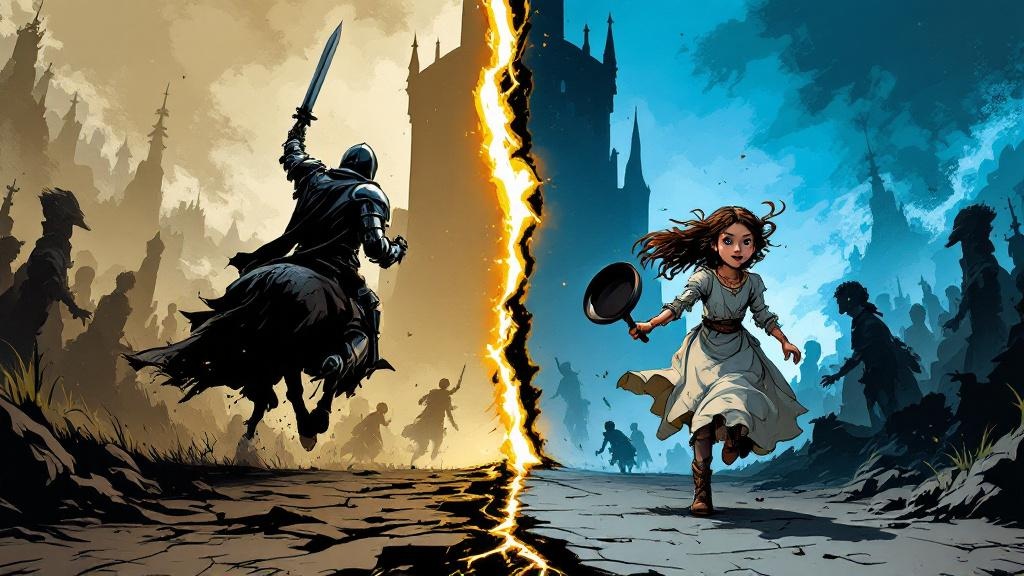
Roland de Chumsfanleigh was supposed to be the hero. Instead, a nine-year-old with a frying pan rescued him from Fairyland. Here's why that matters.
The Boy Who Didn't Rescue Himself: How Roland Subverts the Fairy Tale Hero
There's an old English fairy tale called "Childe Rowland." In it, the hero storms the Dark Tower of Elfland, defeats the Elf King in single combat, and rescues his captive sister. He does this because he's brave, noble, and armed with a magic sword. He is the Childe—an aristocratic youth destined for knighthood—and the story exists to prove he deserves the title.
Terry Pratchett named his character Roland de Chumsfanleigh. Pronounced "Chuffley," because it's not his fault.
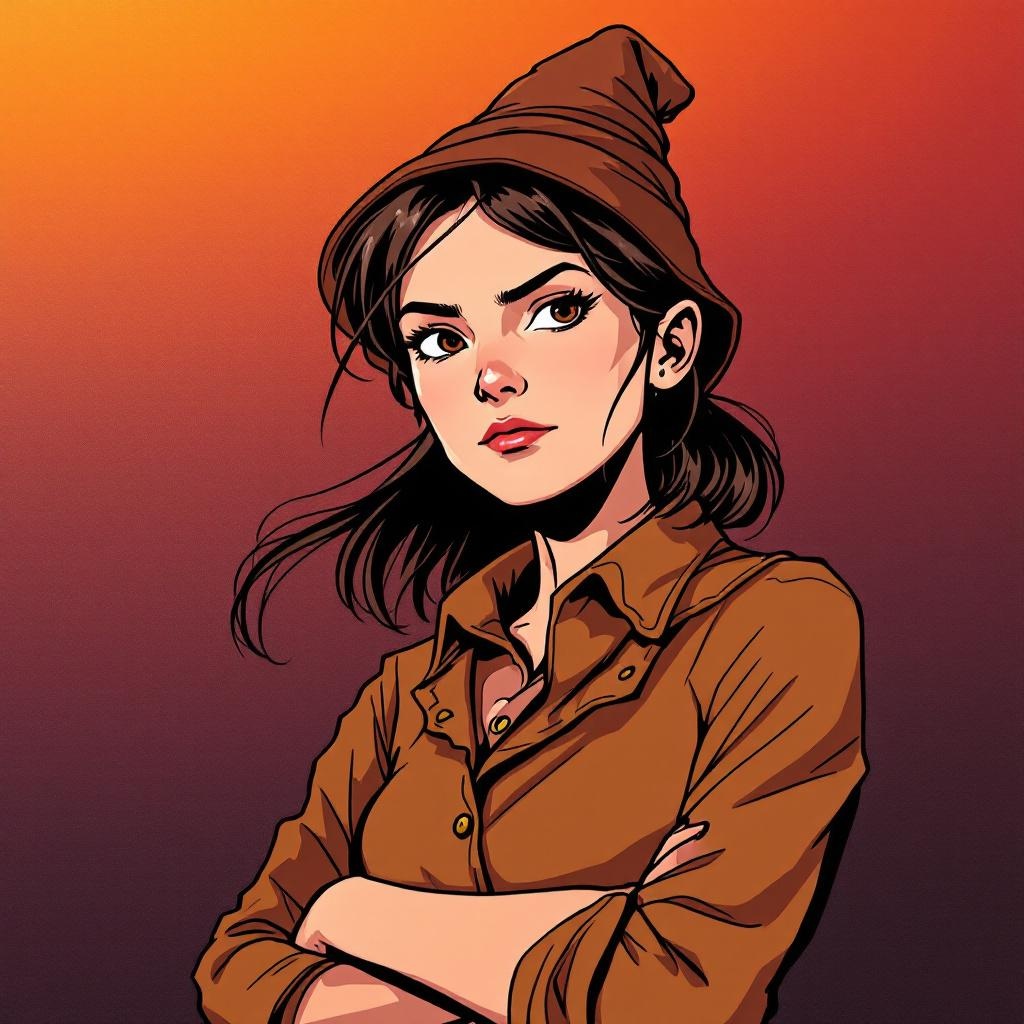
This Roland is thirteen years old when he's captured by the Queen of the Elves. He doesn't fight. He doesn't escape. He settles into Fairyland and seems content to stay there forever. His rescue comes not from a fellow knight or a magical champion, but from a nine-year-old shepherd's granddaughter armed with a frying pan.
That's not a punchline. That's Pratchett rewriting the rules.
The Ballad in Reverse
"He's not useless because he's stupid. He's useless because he's been dropped into a story he was never meant to star in."
The original "Childe Rowland" ballad dates back centuries. It was old when Shakespeare referenced it in King Lear. The plot is straightforward heroic fantasy: a noble youth follows instructions from Merlin, enters the realm of Faerie, and fights his way to victory. He chops off heads. He refuses enchanted food and drink. He does everything right because he is the hero, and heroes do things right.
Pratchett takes every element of this story and flips it.
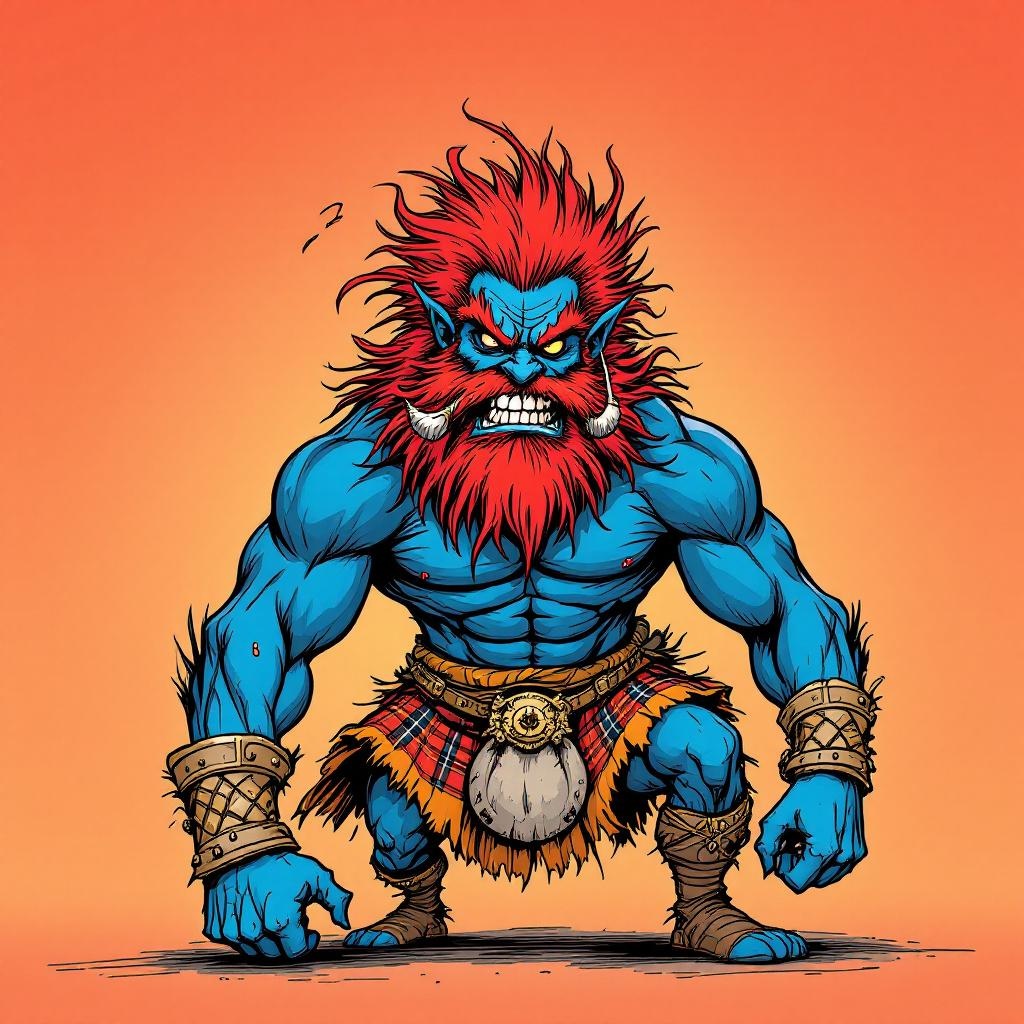
The Childe becomes the captive. The rescuer isn't a trained warrior but Tiffany Aching, a girl four years younger than him who has never held a sword in her life. Her weapon of choice is kitchen equipment. The Nac Mac Feegle—six-inch-tall blue men who fight like a pub brawl in a blender—do most of the actual combat. And the quest itself isn't driven by chivalric duty or romantic love. Tiffany goes to Fairyland to rescue her baby brother Wentworth. Roland is practically a side quest.
The "Childe" title makes this sharper. In medieval English, a childe was a nobleman's son who hadn't yet earned his spurs—a knight-in-training, someone on the cusp of proving themselves worthy. Roland has the aristocratic background (his father is the Baron of the Chalk), the ridiculous surname that signals old money and older bloodlines, and absolutely none of the competence the title traditionally implies.
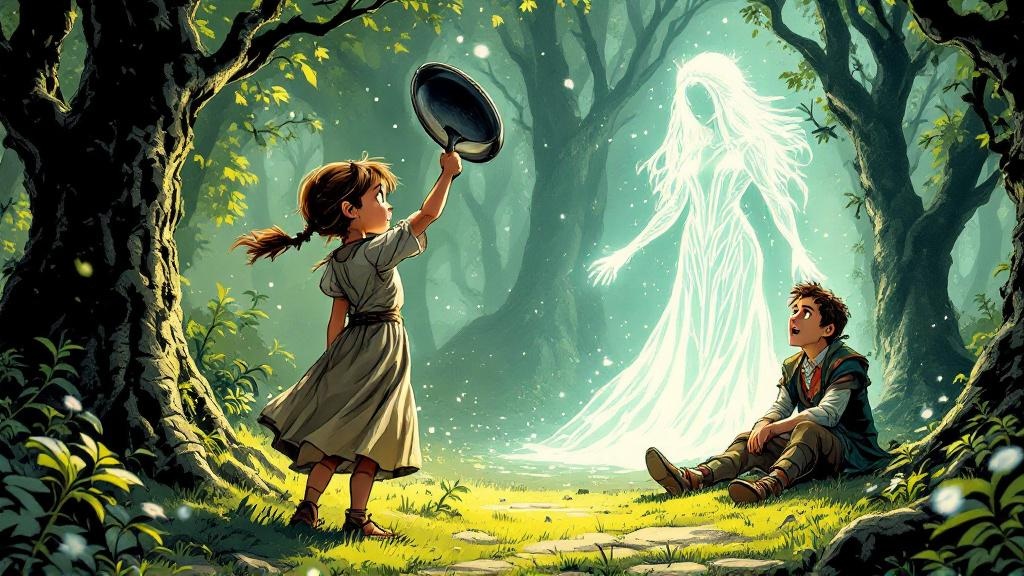
Pratchett even winked at the connection. When asked about the parallel to the "Childe Rowland and Burd Ellen" ballad, he said it didn't mean anything to him—then added, "but it's eerie, innit? I think I might start pretending I had that in mind all along." Whether deliberate or instinctive, the subversion is complete.
Roland's One Job
Here's what Roland actually does during his own rescue: he cracks a nut.
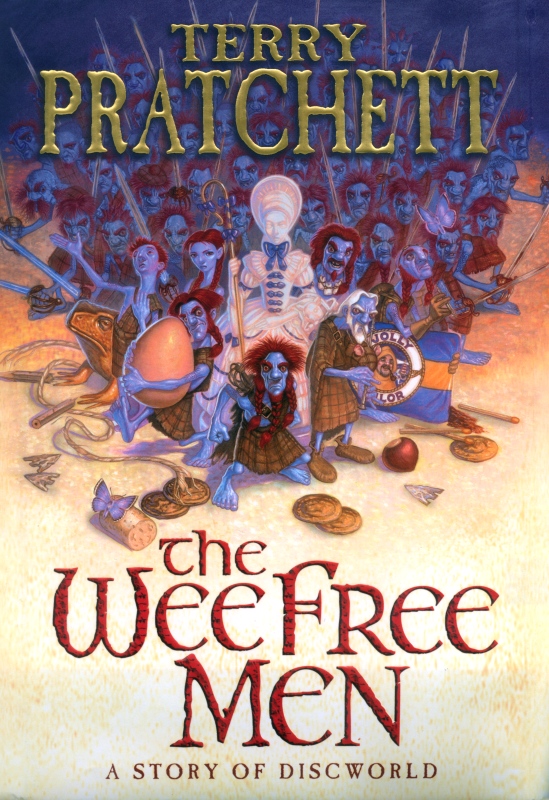
That's not an exaggeration. During the climactic confrontation in The Wee Free Men, the Nac Mac Feegle are trapped inside a giant dream-walnut by the Queen of the Elves. Tiffany tells Roland to crack it open. He does. The Feegles pour out, and the fight turns.
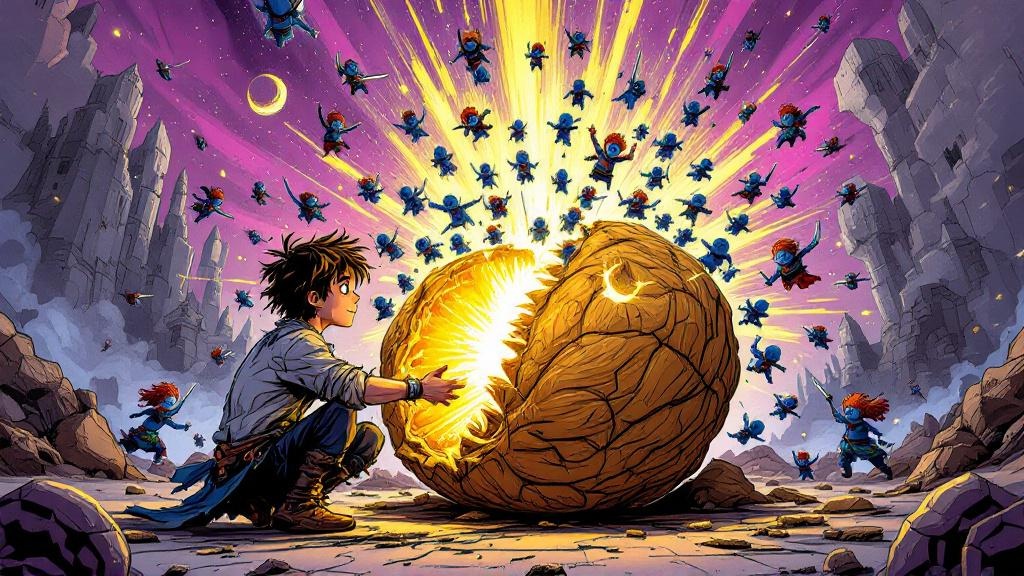
That's his contribution. One instruction followed. One nut cracked. In a story where Tiffany fights the Queen of the Elves, faces down her own fears, and drags both her brother and Roland out of Fairyland through sheer force of will, Roland's big moment is doing what he's told with a piece of fruit.
Multiple fan analyses describe Roland during this sequence as "worse than useless." That's harsh but not entirely unfair. He doesn't sabotage anything, but he doesn't contribute much either. He's a passenger in someone else's hero's journey, and the story makes no effort to pretend otherwise.
But here's where Pratchett does something clever. He doesn't mock Roland for this. He doesn't make him a villain or a buffoon. Roland is a perfectly ordinary thirteen-year-old boy who was captured by an ancient, powerful fairy queen and didn't have the tools, training, or temperament to resist. There's nothing contemptible about that. He's not useless because he's stupid. He's useless because he's been dropped into a story he was never meant to star in.
That distinction matters enormously.
The Credit Problem
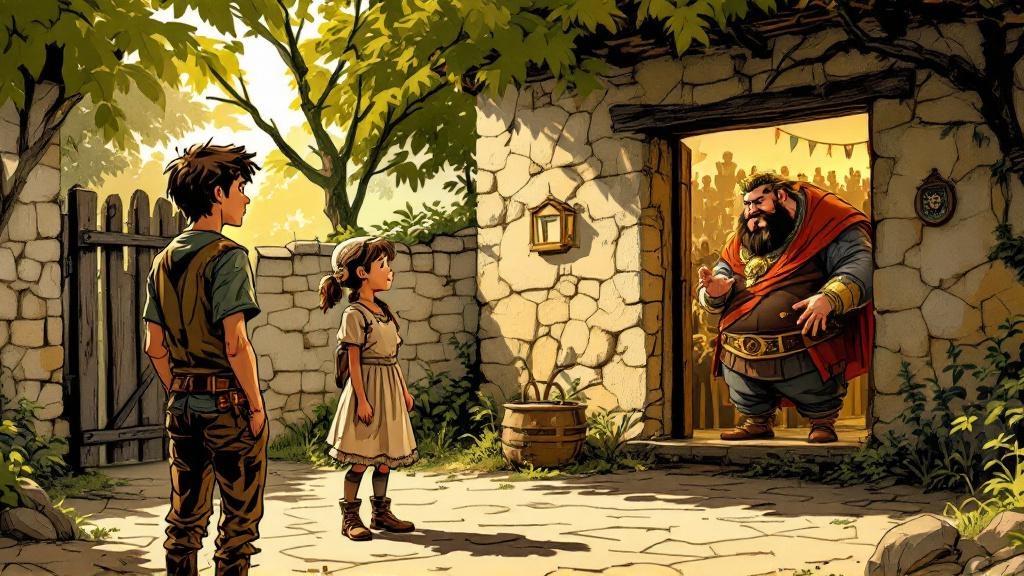
After the rescue, the Baron—Roland's father—publicly claims that his son rescued Tiffany and Wentworth. Not the other way around. Because of course he does. The Baron can imagine his son as a hero. He can't imagine a nine-year-old girl with a frying pan doing what knights and warriors are supposed to do.
"Integrity is a quieter kind of heroism, and Roland has it from the start."
This is Pratchett doing two things at once. First, he's satirizing the assumption baked into fairy tales—and real life—that rescue, courage, and agency belong to the older male character by default. The Baron isn't lying out of malice. He genuinely believes the version of events that makes narrative sense to him. The boy rescues the girl. That's how stories work.
Second, and more importantly, he gives Roland the moment that defines his character.
Roland personally apologizes to Tiffany. He knows what really happened. He knows his father is wrong. And rather than accept unearned credit, he seeks Tiffany out and tells her the truth. He can't correct his father publicly—he's a teenager with no power—but he can be honest with the person who matters.
Then he makes a promise. If Tiffany keeps quiet about what really happened, Roland will rule justly when he becomes Baron. Not a grand vow or a theatrical declaration. A simple, practical bargain between two young people who understand each other.
This is the real subversion. Pratchett doesn't just flip who rescues whom. He separates heroic capability from heroic character. Roland can't fight the Queen of the Elves. He can't swing a sword or survive in Fairyland on his own. But he can be honest when lying would be easier. He can acknowledge someone else's achievement when taking credit would benefit him. He can make a promise about the kind of leader he'll be and actually mean it.
Integrity is a quieter kind of heroism, and Roland has it from the start.
What Tiffany's Rescue Says About Both of Them
The frying pan is doing a lot of work in this story, and not just as a weapon.
Tiffany doesn't arm herself with a sword or a magical artifact. She grabs a kitchen implement—the most domestic, mundane, un-heroic object imaginable—and uses it to face down the Queen of the Elves. The frying pan represents everything the traditional hero narrative ignores: practical skill, domestic knowledge, the unglamorous competence of people who actually keep the world running.
Roland, meanwhile, represents the character the traditional narrative would choose as its hero. He's male, older, aristocratic, and the son of the local authority figure. In any conventional fairy tale, the story would be about him. He'd be the one charging into Elfland, probably with a magic sword and a prophecy.
But Pratchett understood something about fairy tales that most fantasy writers take for granted: the reason the Baron's son always saves the day isn't because Baron's sons are inherently brave. It's because those are the stories that get told. The stories where the shepherd's granddaughter does the saving—with a frying pan, with common sense, with raw stubbornness—don't get written down. Or if they do, someone rewrites them with the Baron's son as the hero.
Which is exactly what the Baron does.
The Quiet Setup for Everything That Follows
Roland's passivity in The Wee Free Men isn't a dead end. It's a setup.
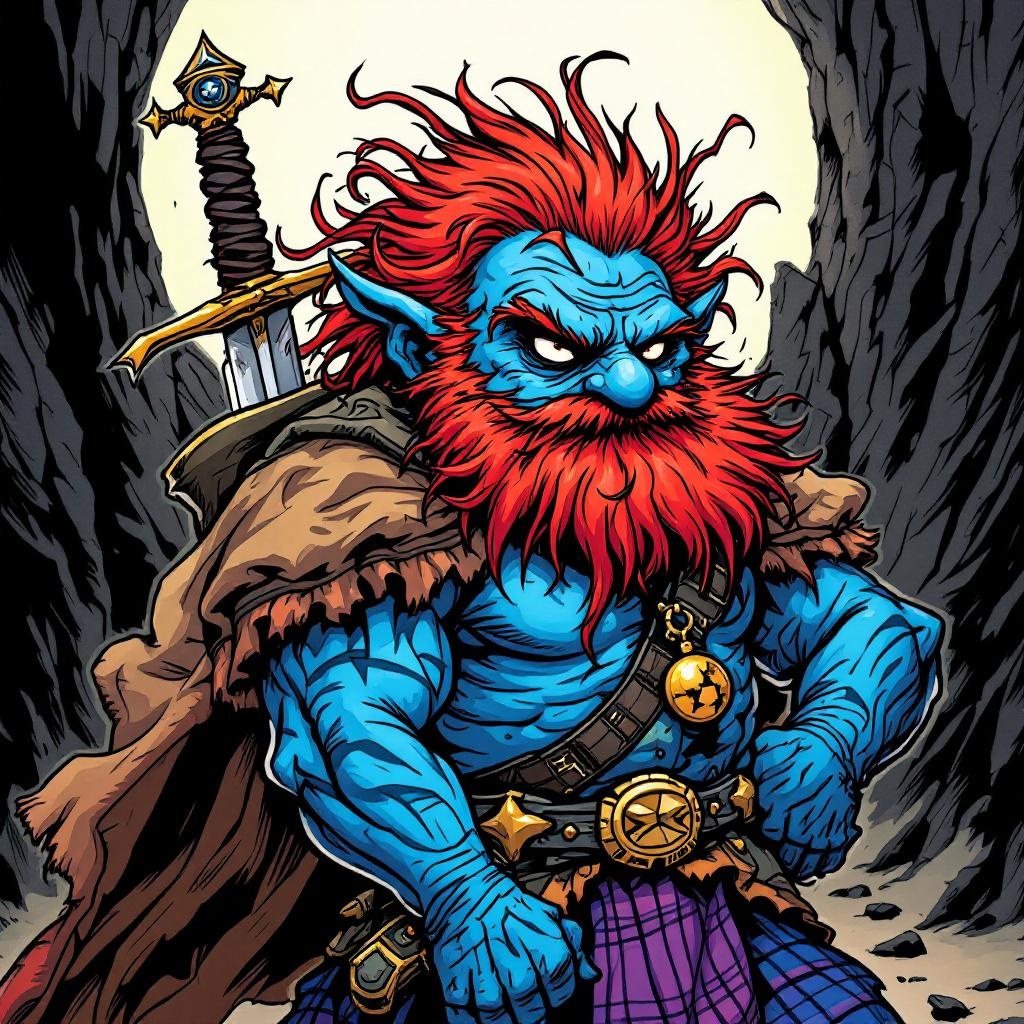
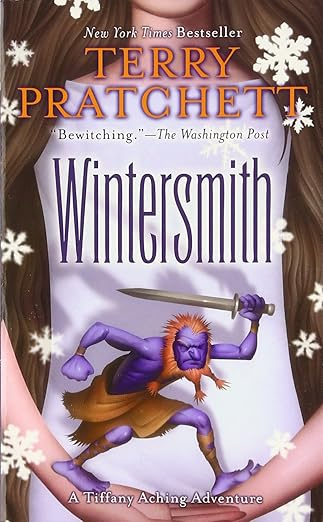
In Wintersmith, Granny Weatherwax decides that Tiffany's situation requires a Hero—capital H—and the Nac Mac Feegle reluctantly make Roland into one. They teach him to fight by climbing inside a suit of armor and serving as a moving target. He descends into the Underworld. He rescues the Summer Lady with a kiss. He becomes the fairy tale prince he wasn't in the first book.
But that transformation only works because of where he started. Roland's heroism in Wintersmith means something precisely because it was so absent in The Wee Free Men. He doesn't arrive as a natural hero who was always destined for greatness. He becomes heroic through effort, training, and the belief that he can be more than he was. When he whispers "I remember... a sword..." he's not recalling a real weapon. He's believing himself into the role, drawing on childhood mirror-practice and Feegle boot camp and the decision to try.
Pratchett's position is clear: heroes aren't born. They're ordinary people who find a reason to act and then do the work. Roland at thirteen had no reason and no training. Roland at sixteen has both.
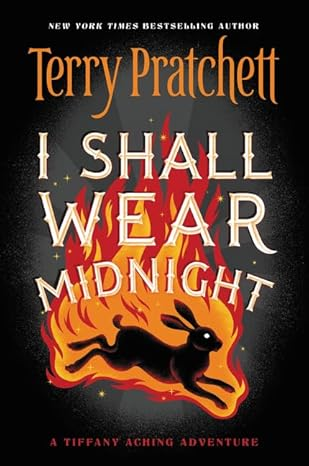
And then I Shall Wear Midnight complicates things further. Roland becomes the Baron, gets engaged to Letitia Keepsake, and drifts away from Tiffany. Some fans felt this ignored his Wintersmith development. Others saw it as Pratchett's final subversion: the hero who proved himself doesn't get the girl, because life isn't a fairy tale. Not even on the Discworld.
Why This Matters
The "Childe Rowland" inversion isn't just literary cleverness. It's Pratchett arguing about who gets to be the hero of the story.
Traditional fairy tales have a strict casting call. The hero is young, male, noble, and destined for greatness. The people who actually do the work—the midwives, the herbalists, the women who know which mushrooms won't kill you—are background characters at best. Pratchett spent the Tiffany Aching books insisting that those background characters are the real protagonists. That the person who knows when to use a frying pan is more valuable than the person who knows how to hold a sword.
Roland isn't a joke. He's a decent young man born into the wrong kind of story. He has integrity without capability, title without substance, and the good grace to know the difference. Pratchett treats him with more respect than most writers give their subverted archetypes—he lets Roland grow, change, and eventually find his own kind of heroism on his own terms.
But the first story—the foundational one—belongs to Tiffany. A girl with a frying pan, a head full of First Sight and Second Thoughts, and absolutely no interest in waiting for someone else to save the day.