The Two Voices Inside: Agnes Nitt, Perdita X Dream, and the War Within
Agnes Nitt's split personality isn't a horror trope—it's self-criticism made literal. Exploring Discworld's most uncomfortable psychological portrait.
The Two Voices Inside: Agnes Nitt, Perdita X Dream, and the War Within
Most split personalities in fiction are horror movie material. Jekyll and Hyde. Norman Bates. Characters whose darker halves emerge to do terrible things while the "real" person watches helplessly.
Terry Pratchett did something far more unsettling with Agnes Nitt. He created a woman whose self-criticism became so constant, so relentless, that it developed its own voice. Agnes and Perdita aren't a monster and its victim. They're a running argument that never stops—two perspectives on the same life, locked in permanent disagreement about everything from how to dress to whether it's worth getting out of bed.
That's not supernatural horror. That's Thursday.
The Birth of Perdita X Dream
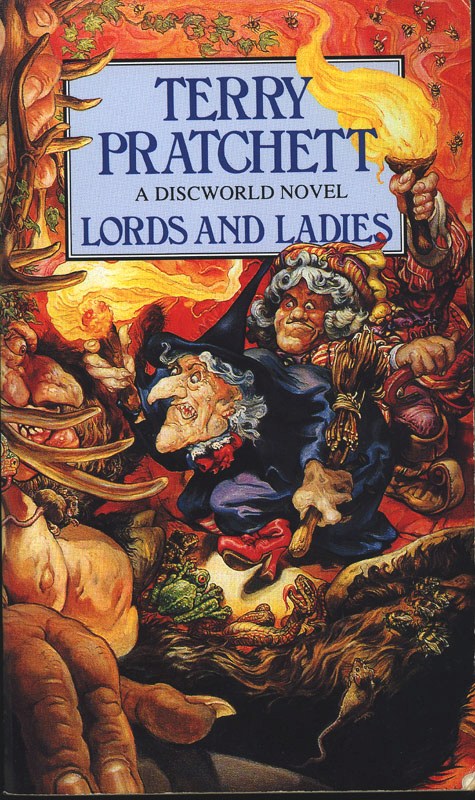
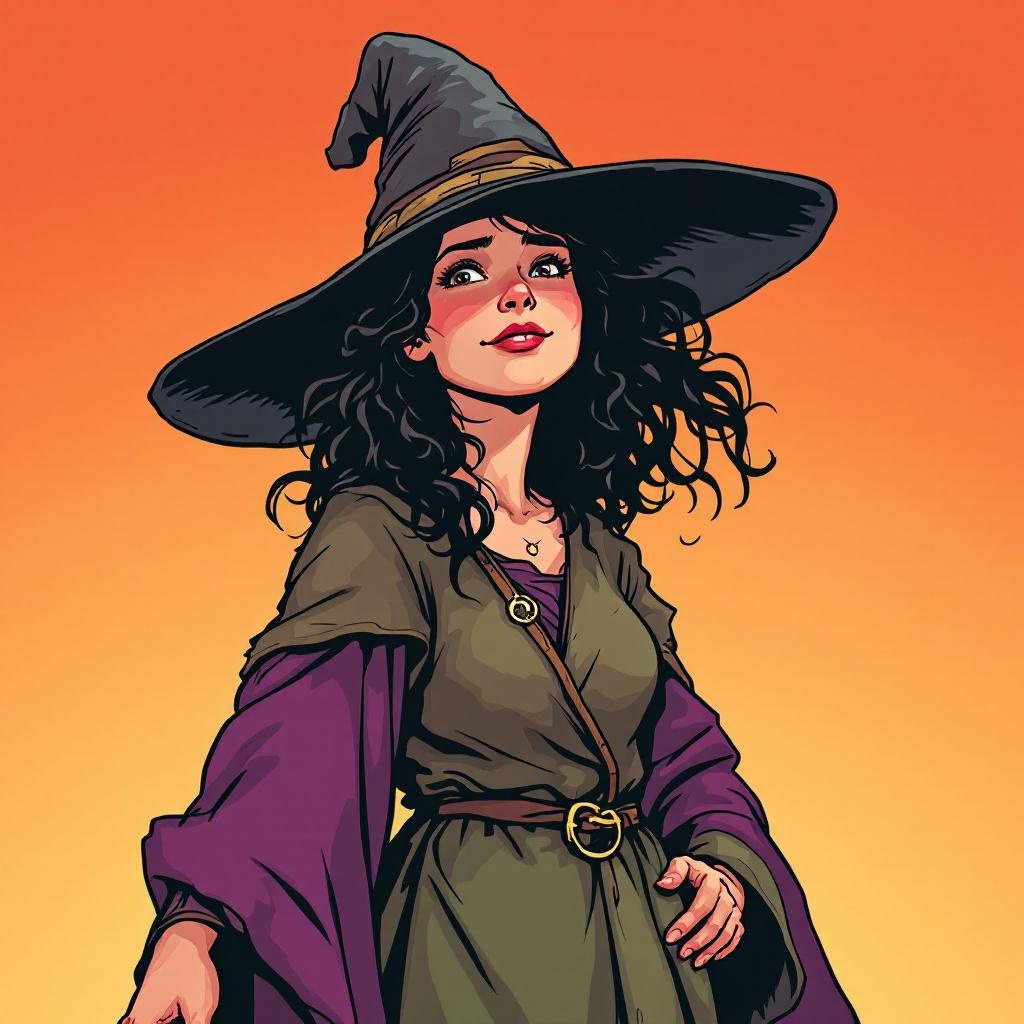
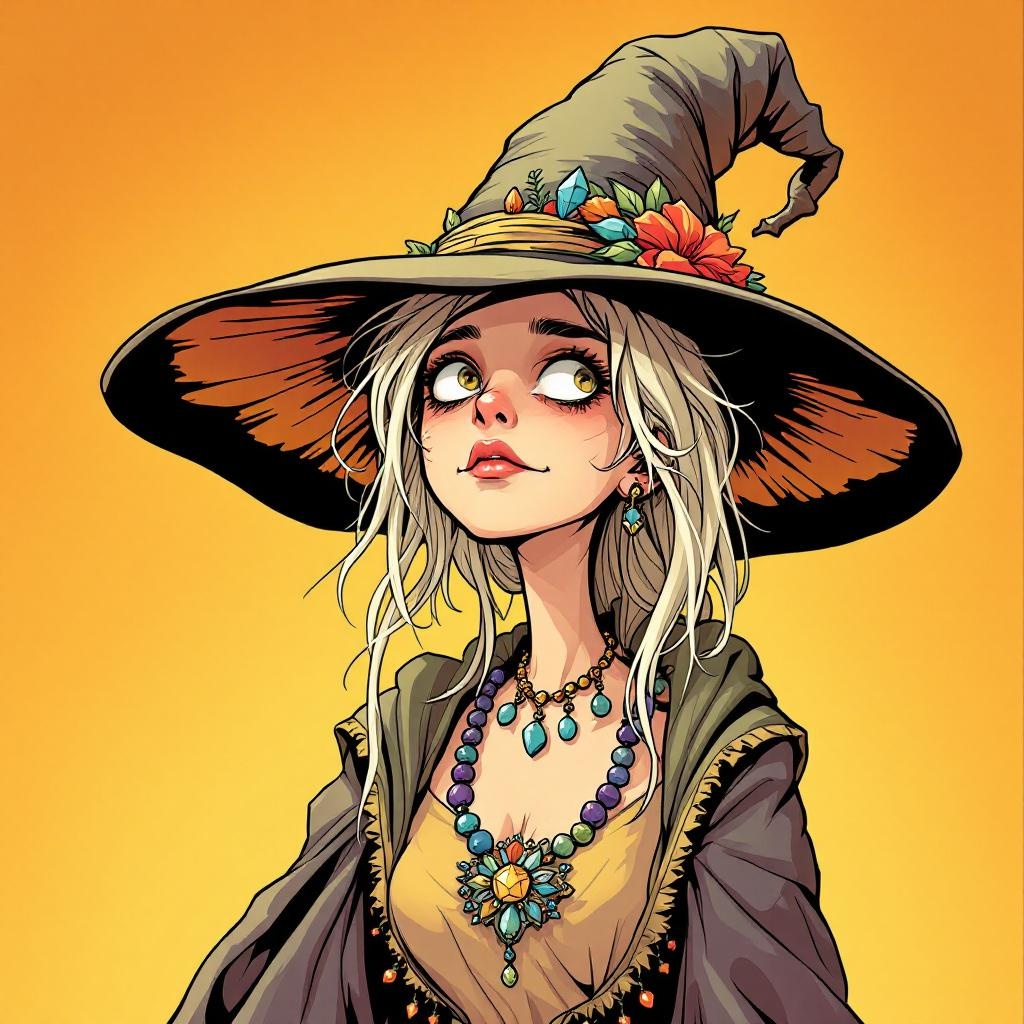
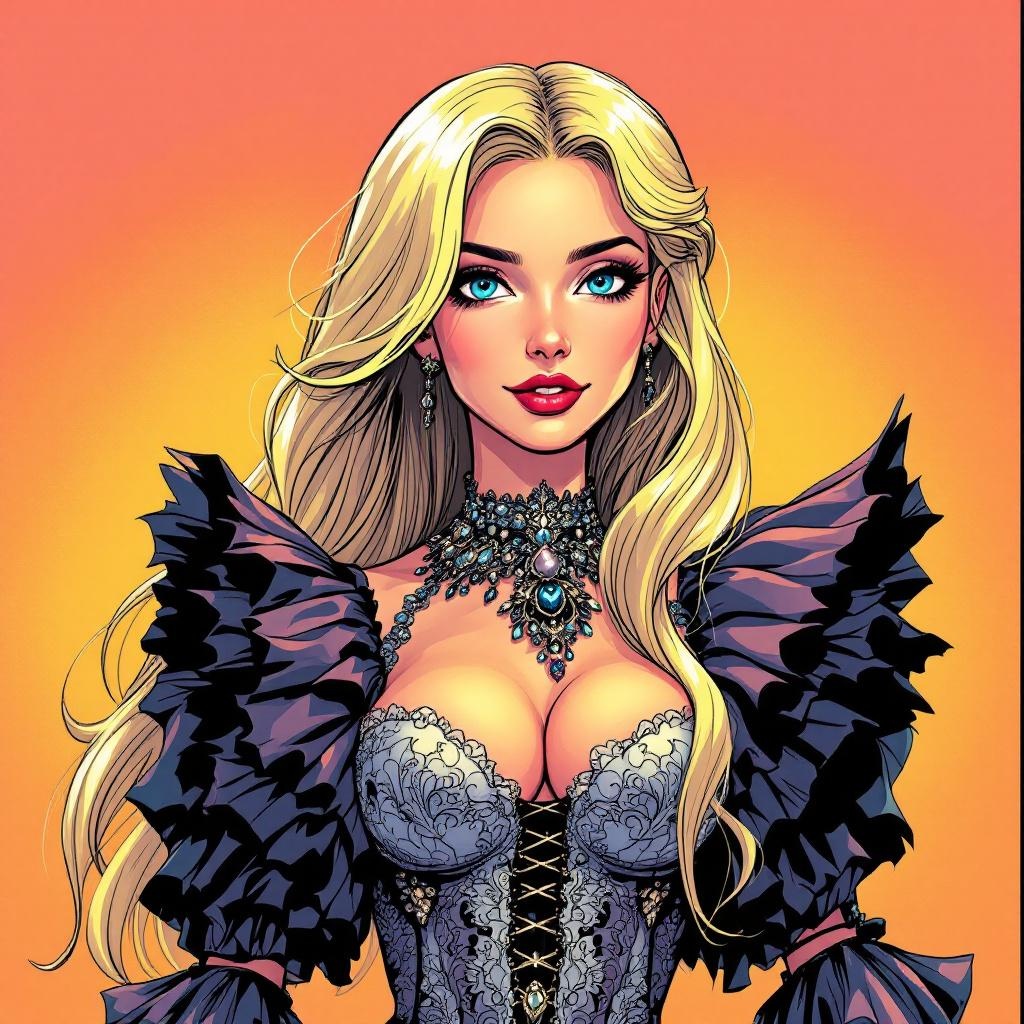
Agnes created her alter ego during her teenage goth phase, as part of Lucy Tockley's amateur coven in Lords and Ladies. Lucy renamed herself "Diamanda" to sound more mystical, and Agnes—determined not to be outdone—became "Perdita X Dream."
The name tells you everything. "Perdita" means "lost" in Latin. The "X" stands for "someone who has a cool and exciting middle initial." That's not just a teenage affectation—it's a self-aware joke about her own aspirations. Agnes knows she's trying to seem cooler than she is. The name acknowledges the performance even as it performs.
But as Nanny Ogg would later observe, giving something a name gives it life. What started as a pseudonym became an attitude. What started as an attitude became a voice. What started as a voice became, by Carpe Jugulum, a complete second personality capable of taking control of Agnes's body and saying things Agnes would never say out loud.
The Evolution Across Three Books
Pratchett was careful to develop the Agnes/Perdita dynamic gradually, treating it as something that grows rather than something that simply exists.
In Lords and Ladies, Perdita barely appears. Agnes is just one of several young witches dabbling in things they don't understand. Her alternative name is mentioned, but it's just that—a name she chose, not a separate presence.
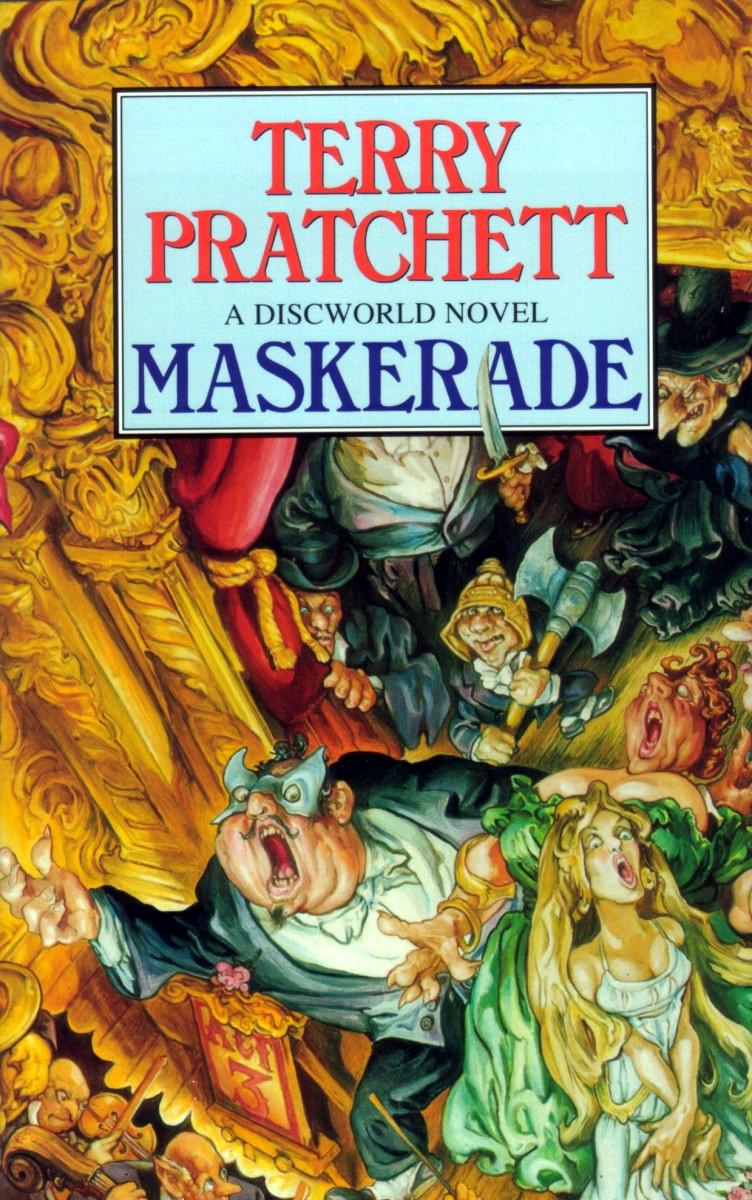
In Maskerade, everything changes. Perdita becomes what Pratchett calls "a voice on the shoulder"—not quite a personality, but definitely more than a mood. She provides running commentary on Agnes's life, usually sarcastic, often cruel. When Agnes is overlooked, Perdita seethes. When Agnes is too polite to object, Perdita supplies the objections internally. She's the part of Agnes that refuses to just accept what's happening.
"Perdita thought that not obeying rules was somehow cool. Agnes thought that rules like 'Don't fall into this huge pit of spikes' were there for a purpose."
By Carpe Jugulum, they're essentially two people sharing one body. Perdita can take over Agnes's voice without permission. She has her own opinions that contradict Agnes's mid-sentence. The internal commentary has become external reality—other characters notice when Perdita speaks through Agnes, and they don't like it.
It's psychological realism dressed up as fantasy. We all have voices in our heads that criticize us. Pratchett just took the metaphor literally.
What Agnes and Perdita Think of Each Other
Here's where it gets uncomfortable.
Agnes considers Perdita "vain, selfish and vicious." Perdita considers Agnes "a fat, pathetic, weak-willed blob that people would walk all over were she not so steep."
That mutual contempt isn't a joke. It's the dark heart of their dynamic. Agnes's inner critic doesn't whisper gentle corrections—it savages her. And Agnes, in turn, has no respect for the part of herself that seems to want all the wrong things.
This is where Pratchett's satire becomes something closer to tragedy. Agnes is talented, kind, intelligent—and relentlessly self-critical. Perdita is dramatic, ambitious, honest about her desires—and cruel. Neither voice likes the other. Neither voice shuts up.
Sound familiar? It should. Most people don't have literal split personalities, but plenty of us have the experience of wanting something, berating ourselves for wanting it, then resenting the part of us that did the berating. Agnes just externalizes the whole exhausting process.
The Thin Girl Inside
There's a particularly sharp passage in the novels about the idea that "inside every fat girl is a thin girl trying to get out." Pratchett takes this cliché—one that's often meant as motivation but actually functions as a knife—and makes it literal.
Perdita is the thin girl inside Agnes. She's what Agnes imagines she'd be if she looked different: confident, dramatic, free from the constant awareness of taking up too much space. Perdita isn't just an inner critic. She's an impossible ideal made vocal, constantly reminding Agnes that she's not enough.
"Instead, people would take pains to tell her that beauty was only skin-deep, as if a man ever fell for an attractive pair of kidneys."— Terry Pratchett, Maskerade
This is the uncomfortable truth at the center of Agnes's character. She hasn't just absorbed society's fatphobia—she's given it a name and let it move in permanently. Perdita represents the internalized judgment Agnes faces every day, now impossible to ignore because it has its own voice.
But here's what makes Pratchett's handling of this so much more nuanced than it might seem: Perdita isn't entirely wrong to be angry. The world does treat Agnes unfairly. Christine is talentless and still gets everything. The system is rigged against Agnes in ways that deserve fury. Perdita's mistake isn't the anger—it's aiming it inward instead of outward.
The Opera House Test
Maskerade puts Agnes's inner conflict in the most painful possible spotlight: the Ankh-Morpork Opera House.
Agnes has the best singing voice anyone has ever heard. She can harmonize with herself. She can throw her voice around a room. She has range from deep bass to glass-shattering soprano—talents that appear to stem from her latent magical ability, channeled unconsciously into music.
And none of it matters, because she's "the wrong shape for a prima donna."
Christine—beautiful, thin, completely unable to sing—gets the starring roles. Agnes provides the actual voice from behind a curtain while Christine mouths the words on stage. Everyone knows. Everyone accepts it. The show must go on, and shows require the right-shaped people in the spotlight.
For Agnes, this is humiliating. For Perdita, it's intolerable. Their different reactions to the same injustice define their relationship: Agnes tries to be professional and make the best of it, while Perdita screams internally (and sometimes externally) about how unfair it all is.
The kicker? Agnes tests whether Christine is even listening to her by saying, "My father is the emperor of Klatch and my mother is a small tray of raspberry puddings." Christine responds: "That's very interesting!! What do you think of my new dress?!"
Christine isn't cruel. She's just completely unaware that Agnes exists as a real person with real thoughts. Agnes is furniture to her. And Perdita will never, ever forgive that.
When the Weakness Becomes the Weapon
Here's where Pratchett pulls off something structurally brilliant. For two books, Agnes's split personality is a source of suffering—internal conflict that makes her life harder. Then, in Carpe Jugulum, it becomes her greatest advantage.
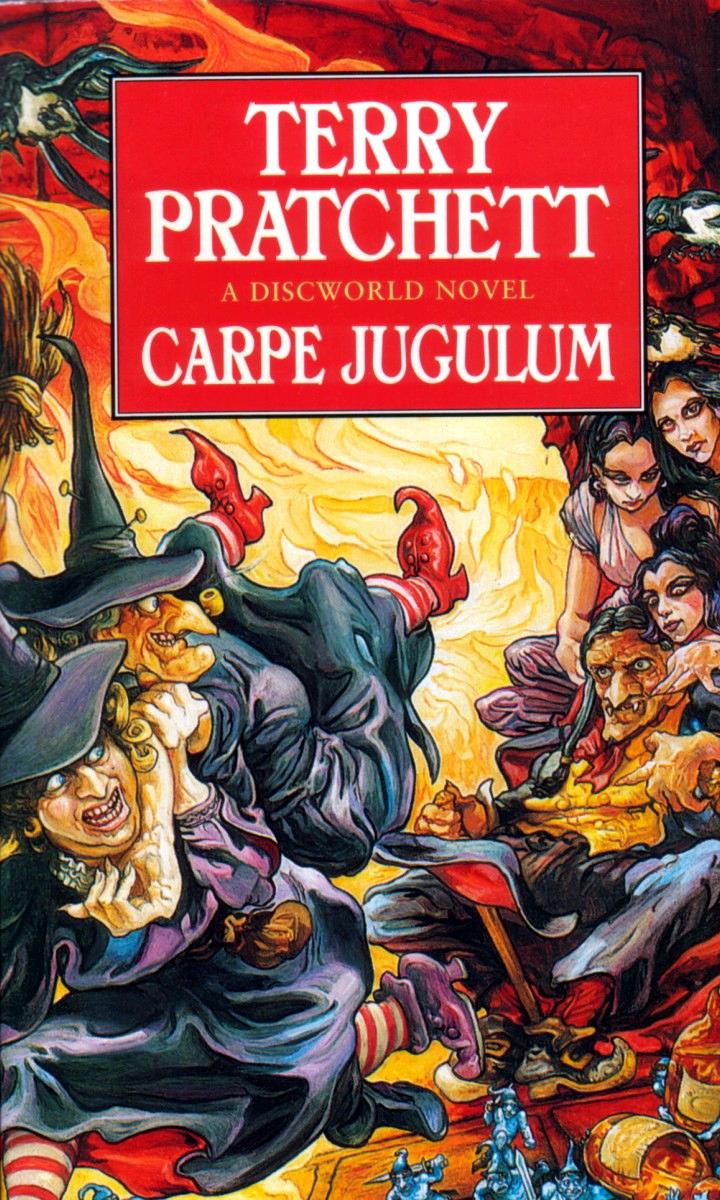
The Magpyr vampires have evolved past the usual weaknesses. Holy water doesn't bother them. Garlic just adds flavor. They've conditioned themselves to resist everything that traditionally kills their kind. And they have a hypnotic power that lets them control human minds, making their victims perfectly happy to be fed upon.
But they can't control Agnes. When Vlad Magpyr tries to entrance her, he finds not one mind to dominate but two—and they're already arguing with each other too loudly for him to get a word in edgewise.
The internal conflict that usually torments Agnes becomes defensive armor. While Vlad tries to make her compliant, Perdita is suggesting various rude responses, Agnes is maintaining her own thoughts, and the vampire just can't find a single thread to pull. The crowded mind has no room for him.
It's a beautiful narrative payoff. The thing that makes Agnes's life difficult is also, in the right circumstances, the thing that saves her. Her weakness and her strength are the same quality, viewed from different angles.
"I'd Even Hold Their Coats"
But Agnes's journey in Carpe Jugulum isn't just about resisting mind control. It's about choosing to act.
When she witnesses the vampires' treatment of the village of Escrow—queues of people waiting to be fed upon like it's a tax collection, children playing while they wait their turn—something breaks in Agnes. Or rather, something finally unbreaks.
Vlad appeals to her for understanding, perhaps even mercy. He's been trying to seduce her throughout the book, convinced that her resistance to his charm means she's special.
Agnes's response is the coldest line she ever speaks: "Vlad, I'd even hold their coats."
She's not going to fight the vampires because she's brave. She's going to help others fight them—steadying their resolve, removing obstacles, doing whatever it takes. The woman who spent two books as an observer—watching Christine take credit, watching Nanny and Granny work, watching herself through Perdita's eyes—finally stops watching.
And when the time comes, Agnes—the "wrong shape" for an action hero—punches out the vampire Lacrimosa. She's no Buffy. She doesn't look the part. But she hits hard enough when it matters.
Why the Two Never Merge
One of the most interesting things about Agnes's arc is what Pratchett doesn't do with it.
In most split-personality stories, the arc ends with integration—the warring parts recognize they're both valid, embrace each other, and merge into a healthy whole. It's the therapeutic ideal: acknowledge your shadow self, accept all parts of you, become complete.
That doesn't happen with Agnes and Perdita. They're still bickering in her final canonical appearance, sensing Granny Weatherwax's death across the Disc in The Shepherd's Crown. They never merge. They never make peace. They just... continue.
"Agnes and Perdita's war isn't supernatural—it's the internal battle many people fight silently, every day."
This is Pratchett refusing easy answers. Some internal conflicts don't resolve. Some arguments with yourself never end. The goal isn't to silence the critical voice—it's to function despite it, maybe even to use it when it's useful and ignore it when it's not.
Agnes finds a kind of balance. By The Shepherd's Crown, she's managed to maintain both a singing career and part-time witchcraft—the only witch to successfully hold down an outside job. She's not integrated; she's coping. And sometimes coping is the best any of us manage.
The Voice You Can't Silence
Most fictional split personalities are external impositions—curses, possessions, scientific accidents. Agnes created Perdita herself. She took the part of her that wanted to be different, gave it a name, and then had to live with what that name became.
That's what makes her story so uncomfortably relatable. We all have Perdita voices. The critic that points out every flaw. The sneering observer who notes how we're failing to be who we want to be. The thin girl inside, waiting impatiently to be let out.
Agnes's story isn't about defeating that voice or embracing it. It's about living with it. Some days it protects her. Some days it attacks her. Most days it just won't shut up.
And in the end, when it really matters—when the vampires need fighting and the good guys need someone to hold their coats—Agnes shows up. Both of her. Disagreeing the whole time about whether this is a good idea.
That's not a character flaw. That's how most of us function when we're at our best.
Want to see Agnes's other key moments? Explore the Opera House satire in Maskerade, or discover the Escrow decision that transformed her from observer to actor.