The Pointiest Heels in the World: Adora Belle's Weapons and Why She Needs Them
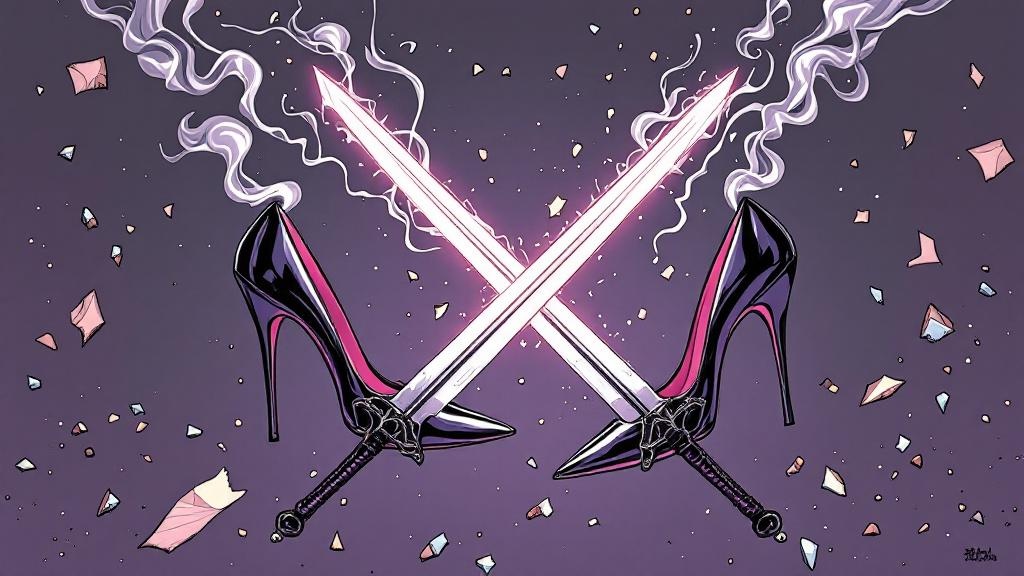
Adora Belle Dearheart greets the world with stilettos and cynicism. Terry Pratchett gave us a woman whose armor tells the story of everything she's survived.
The Pointiest Heels in the World: Adora Belle's Weapons and Why She Needs Them
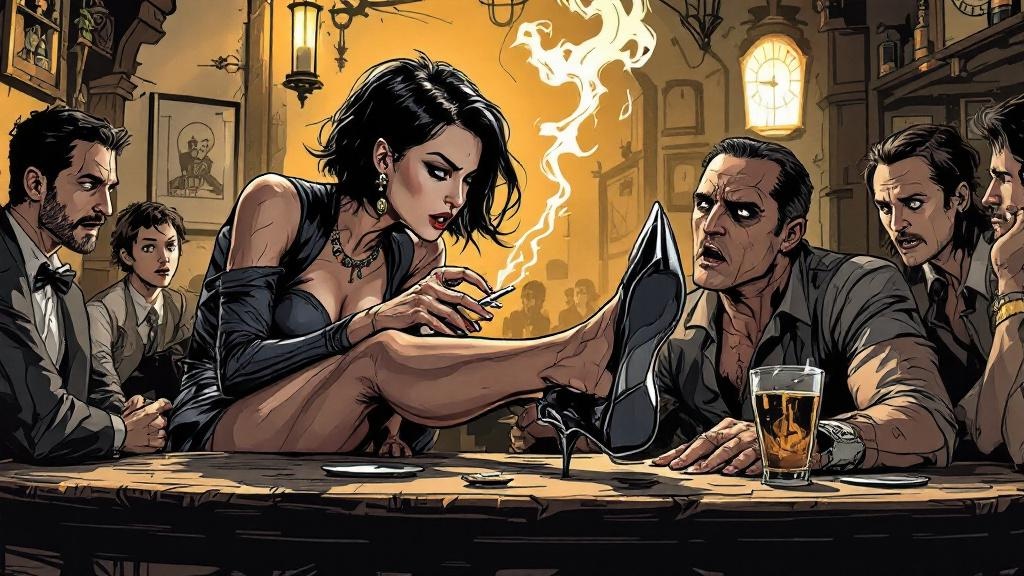
There's a scene in Going Postal that fans never forget. A drunk man makes an unwelcome move under a table. A woman doesn't scream, doesn't call for help, doesn't wait for someone else to intervene.
She simply applies four inches of steel-tipped stiletto to his foot.
The Full Threat
The quote is worth experiencing in full. When Moist von Lipwig first encounters Adora Belle Dearheart in a less threatening context, she's already demonstrated her philosophy about self-defense. Earlier in the book, she delivers this warning to an aggressive drunk:
"What is sticking in your foot is a Mitzy 'Pretty Lucretia' four-inch heel, the most dangerous footwear in the world. Considered as pounds per square inch, it's like being trodden on by a very pointy elephant."
She continues, her voice a purr: "Now, I know what you're thinking: you're thinking, 'Could she press it all the way through to the floor?' And, you know, I'm not sure about that myself. The sole of your boot might give me a bit of trouble, but nothing else will."
And then the kicker—literally: "But that's not the worrying part. The worrying part is that I was forced practically at knifepoint to take ballet lessons as a child, which means I can kick like a mule; you are sitting in front of me; and I have another shoe."
This isn't a woman asking nicely. This is a woman who has learned that nice doesn't keep you safe.
The Making of Armor
Here's what you need to understand about Adora Belle Dearheart: every sharp edge exists for a reason.
Her father, Robert Dearheart, invented the Clacks—Discworld's semaphore internet. He built something revolutionary. Then he lost it to financial trickery when banks called in loans early, forced by forged bonds that crashed the market. The man behind that forgery? A con artist named Albert Spangler.
Her brother, John, tried to fight back. He organized a rival Clacks network called the New Trunk. For his trouble, he was murdered—pushed off a tower by agents of Reacher Gilt, the pirate who'd stolen her father's invention.
Her family was destroyed by fraud and violence. She herself was fired from her bank job for "unintentionally allowing forged cheques to pass unnoticed"—cheques presented by that same Albert Spangler, who would later be known as Moist von Lipwig.
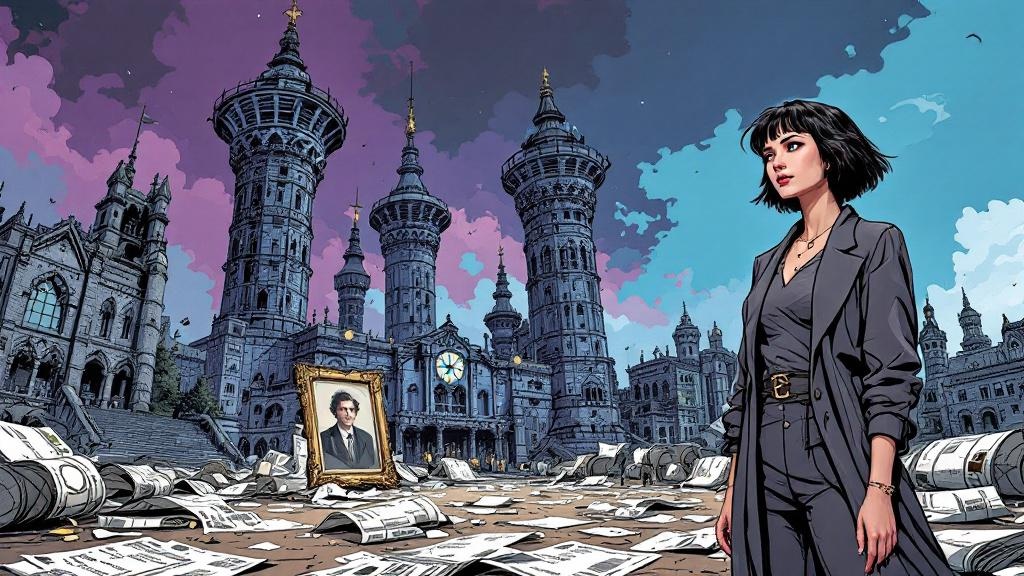
Is it any wonder she greets Moist with a crossbow the first time they meet?
Crossbows and Cynicism
When Moist comes to the Golem Trust looking for workers, the building has just been vandalized. Adora answers the door armed, expecting another attack. In her world, strangers mean danger. Why wouldn't they?
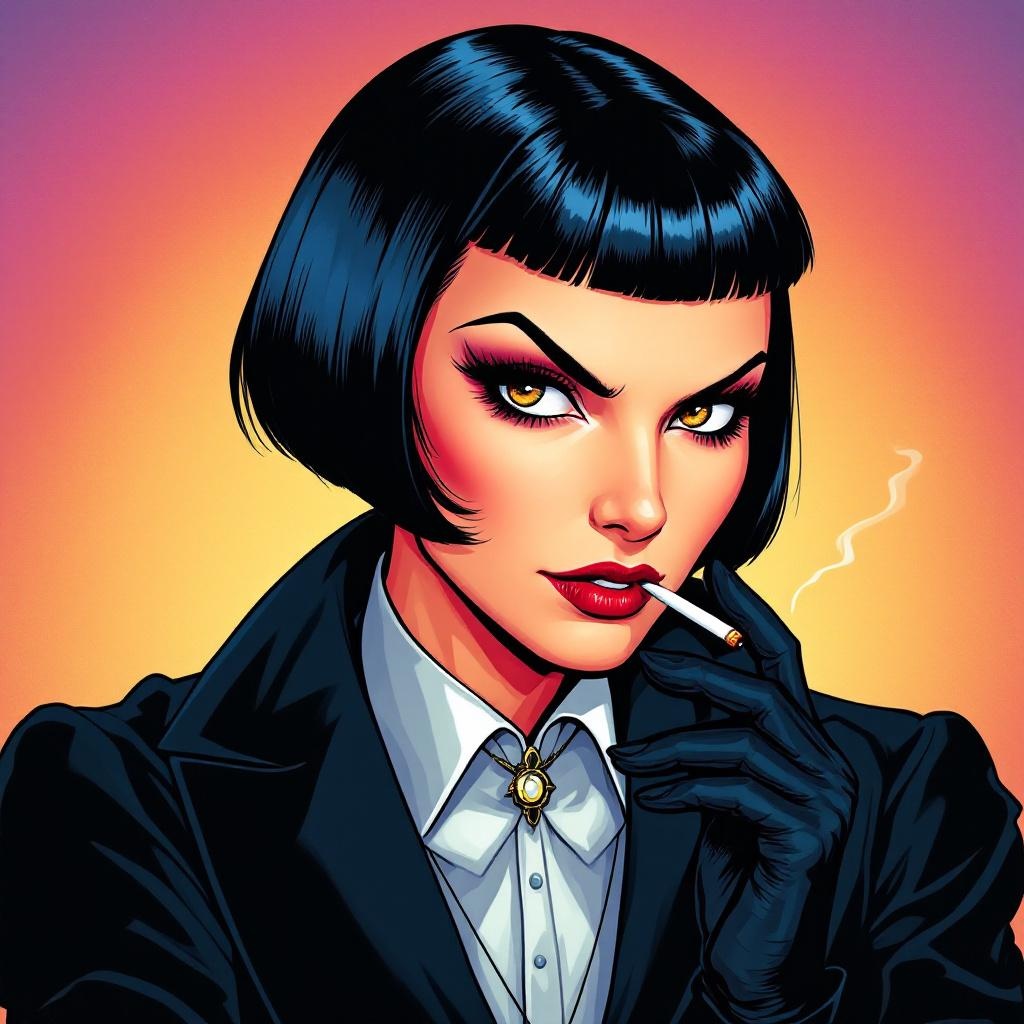
This is what Pratchett captures so precisely: the way trauma shapes behavior. Adora Belle isn't a "tough woman" archetype—she's a specific person whose life taught her specific lessons. She chain-smokes so heavily that you can track her movements by following the nicotine clouds. She dresses in grey (despite what the TV adaptation suggests). Her face is described as set in a perpetual expression of exasperated disappointment.
And she wears the pointiest heels in the world.
The narrator notes that requests to stop smoking, unwelcome advances, or general assumptions about her vulnerability "are usually met by a demonstration of these facts." She doesn't wait for rescue. She became her own rescue.
"She doesn't wait for rescue. She became her own rescue."
Ballet Lessons, Weaponized
There's bitter irony in that line about ballet. Little girls are sent to ballet lessons to learn grace, poise, elegance—to be decorative. Adora Belle took those lessons and transformed them into something else entirely.
The flexibility and leg strength meant for pirouettes became the ability to "kick like a mule." The pointed shoes that symbolize feminine performance became literally weaponized. She took what the world gave her and made it serve her survival.
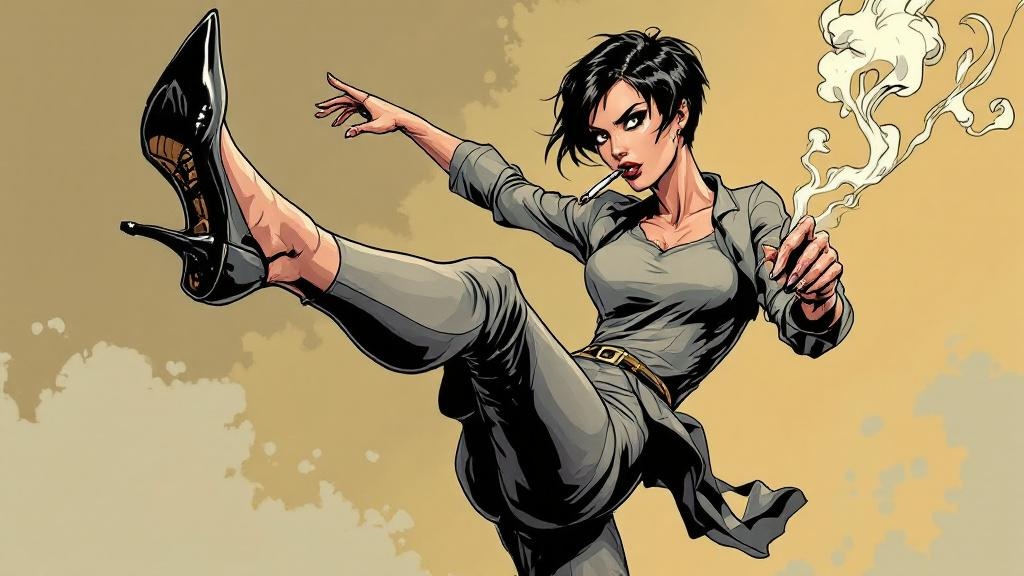
This is Pratchett's genius: he's not just writing a "strong female character" (that often-hollow phrase). He's showing us why strength looks the way it does. Adora Belle didn't choose to be hard. She was shaped by loss, betrayal, and a world that didn't protect her family when they needed protection.
The heels are armor. The smoke is a wall. The acid tongue is a first line of defense.
"A Lid Barely Holding Down an Entire Womanful of Anger"
One of Pratchett's most memorable descriptions of Adora Belle captures her essence: "There was a definite feel about Adora Belle Dearheart that a lid was only barely holding down an entire womanful of anger."
That anger is entirely justified. She watched her family destroyed by corporate greed and criminal conspiracy. She works for golem rights—beings who are literally property, who can be ordered to destroy themselves—because she understands what it means to be used and discarded.
Her cynicism isn't a pose. It's earned. Every sharp comment, every suspicious look, every refusal to be charmed exists because the last time she trusted the system, it destroyed everyone she loved.
Why the Armor Opens for Moist
And then comes Moist von Lipwig.
The romance between them shouldn't work. He's exactly the kind of smooth-talking con artist who ruined her family. He's charming, unreliable, and—as Adora Belle eventually discovers—literally one of the people responsible for her father losing the Clacks.
But Moist earns her trust in ways that matter. He doesn't try to save her—she doesn't need saving. He doesn't try to soften her—he likes her sharp. He calls her "Spike" because "Adorable" doesn't fit, and that honesty is part of what wins her over.
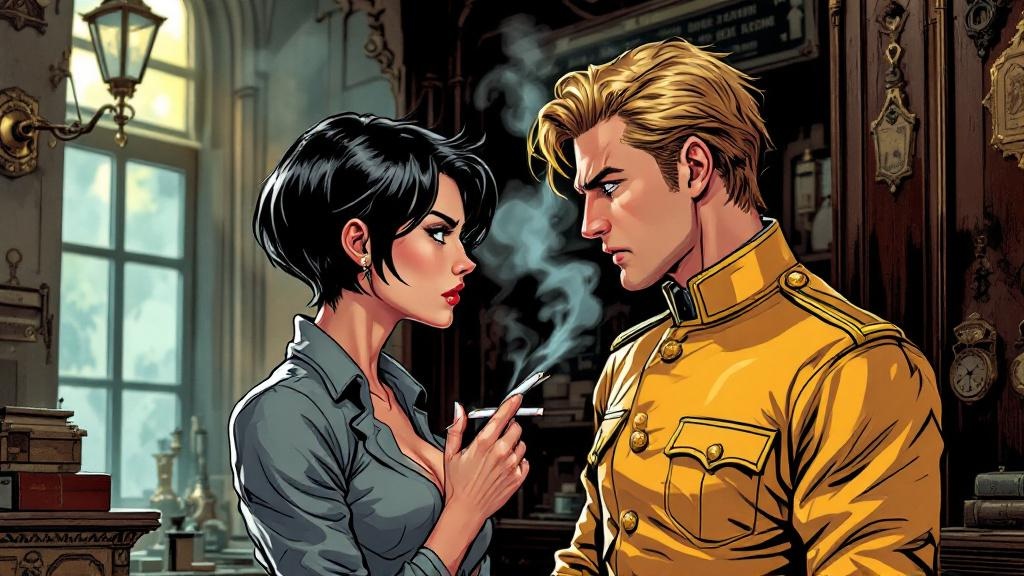
More importantly, Moist changes. The con artist who ruined lives confronts what he's done. He learns guilt. He tries to make things right—not for Adora Belle specifically (he doesn't know the full truth yet), but because haunted by visions of his victims, he can no longer pretend his crimes were victimless.
When he eventually confesses his connection to her family's tragedy, he does it knowing it might cost him everything. That honesty—from a professional liar—is what finally lets Adora Belle lower some of her defenses.
She still kicks him. But she kisses him first.
The Names That Map Her
Adora Belle Dearheart. It's sickeningly sweet—"adorable dearheart"—and Pratchett makes sure we know she "suits more than that suggested by the combination of her forenames."
Moist calls her Spike. It fits. Sharp, dangerous, impossible to ignore.
But her brother John called her "Killer"—and "apparently he meant this affectionately." What did he see in his little sister that earned that nickname? Her determination? Her capacity for righteous fury? Her willingness to fight for what matters?
The Smoking Gnu, the Clacks hacker group that honors John's memory, uses that nickname too—though never to her face. It connects her to her brother's legacy even after his death.
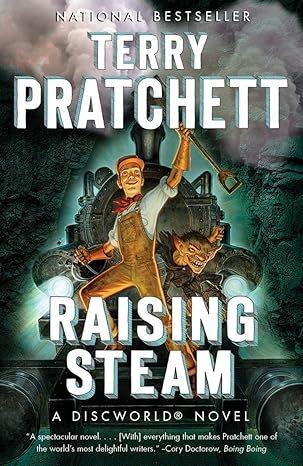
By Raising Steam, Adora Belle takes over as chief manager of the Clacks Grand Trunk. She's restored her family's legacy. She runs the thing her father invented, wrested it back from the people who stole it. Maybe now she can be all three names at once: the sweet girl her parents named, the spike who survived, the killer who won.
What She Teaches Us
Adora Belle Dearheart isn't a power fantasy. She's not invulnerable. She's a woman who armored herself because the world gave her reasons to, and Pratchett respects both the armor and the reasons.
Her stiletto heels aren't quirky characterization—they're a response to violence. Her chain-smoking isn't an aesthetic—it's a coping mechanism. Her sharp tongue isn't sass—it's a wall.
"The armor doesn't make her less human. It makes her a survivor."
And when she finally lets someone in? It's not because she's "softened" or been "fixed." It's because someone proved themselves worthy of trust. That's not weakness. That's the hardest kind of strength.



The Bottom Line
The pointiest heels in the world aren't just a character quirk. They're a thesis statement.
Adora Belle Dearheart shows us what happens when the world fails to protect someone. She shows us how people armor themselves against future harm. And she shows us—crucially—that the armor doesn't make her less human. It makes her a survivor.
Terry Pratchett understood that strong women don't appear out of nowhere. They're forged by experience, shaped by loss, armed by necessity. Adora Belle's stilettos are weapons because she needed weapons. Her cynicism is a shield because she needed shields.
The remarkable thing isn't that she's defended. It's that despite everything, she can still love.
Want to explore more of Adora Belle's story? Learn about her work with the Golem Trust and what it reveals about her character, or discover why her many names tell her whole story.