"HO. HO. HO.": Death's Attempt to Be the Hogfather and What It Reveals
When the Hogfather goes missing, Death dons the red suit. His disastrous attempt at jolly gift-giving reveals everything about what makes him Discworld's greatest character.
"HO. HO. HO.": Death's Attempt to Be the Hogfather and What It Reveals
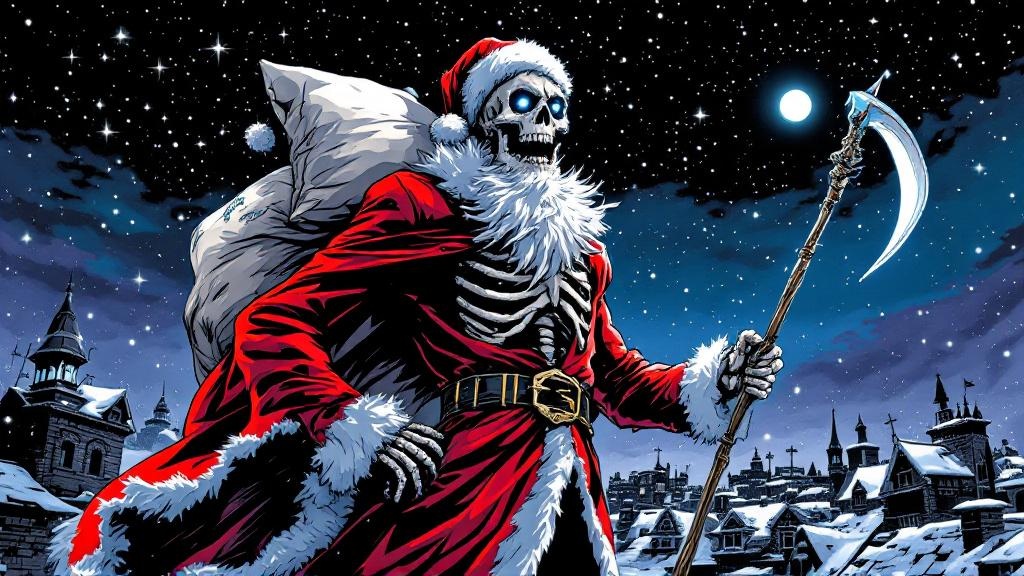
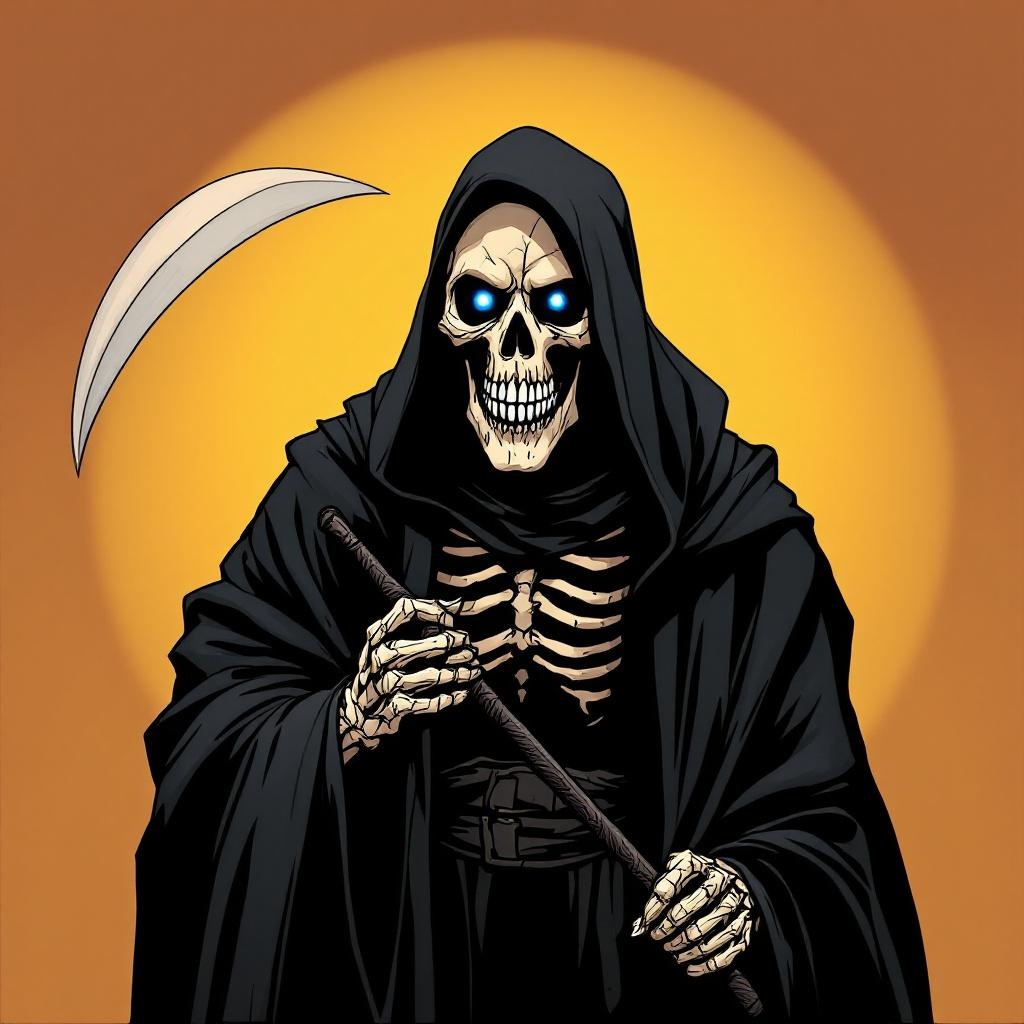
There's a scene early in Hogfather where Albert is trying to coach Death on how to be jolly. Death, seven feet of skeleton in a red suit with a pillow stuffed down his front, delivers his opening line:
COWER, BRIEF MORTALS.
Albert, to his credit, suggests that perhaps "ho ho ho" would be more appropriate. He adds, helpfully, that Death needs to sound like he's "pissing brandy and crapping plum pudding." Death tries again. The result is technically the correct words in the correct order, and absolutely nothing else about it is right.
This is one of the funniest sequences in all of Discworld. It's also, quietly, one of the most revealing.
The Setup: Why Death Puts On the Suit
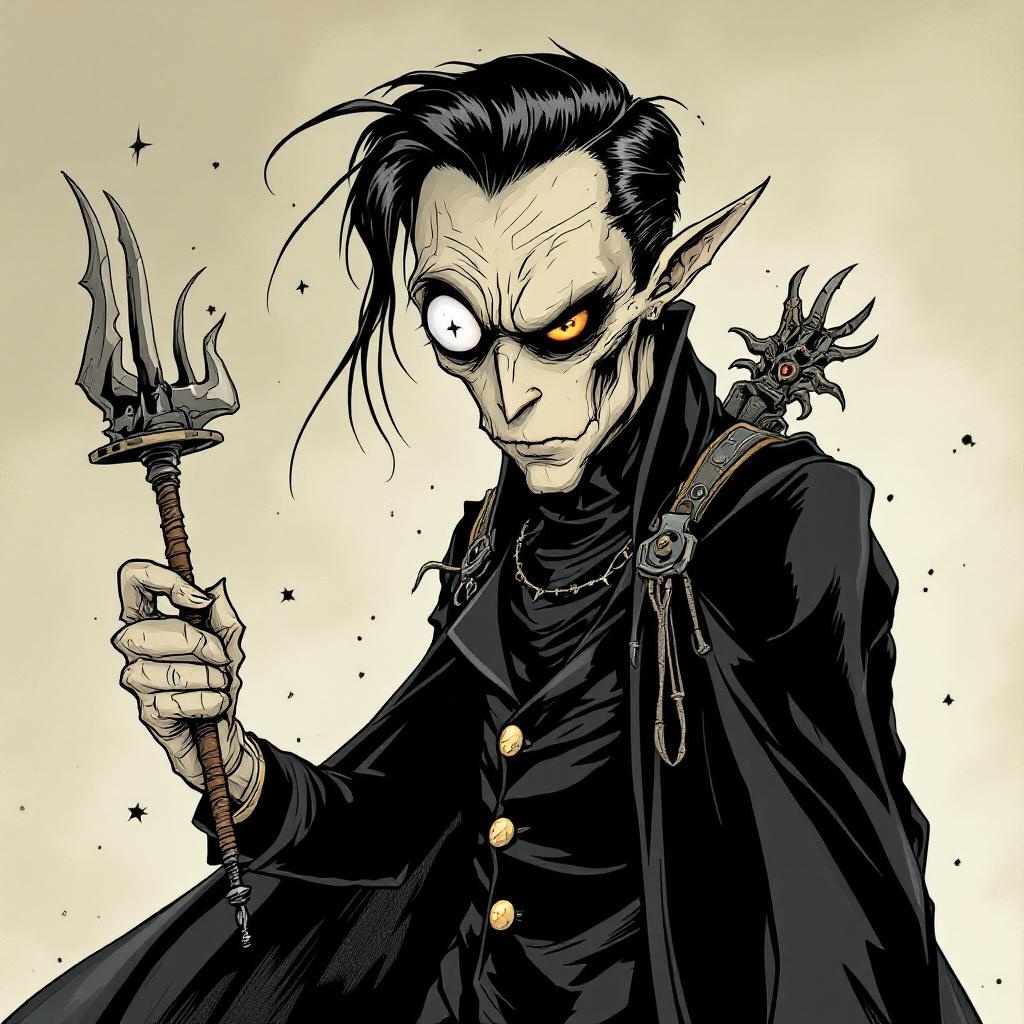
The plot of Hogfather is deceptively simple. The Auditors of Reality—those grey cosmic bureaucrats who despise anything messy, emotional, or alive—hire the Assassins' Guild to kill the Hogfather. The job falls to Mr. Teatime, whose name is pronounced "Teh-ah-tim-eh" and whose smile makes even other assassins nervous.
"You can't give her that! It's not safe! IT'S A SWORD. THEY'RE NOT MEANT TO BE SAFE."
When the Hogfather disappears, Death notices something troubling: the sun won't rise on Hogswatch morning unless someone keeps belief alive. The Hogfather's role isn't just delivering presents—it's maintaining the fragile web of human belief that allows concepts like mercy and justice to exist.
So Death does the only logical thing. He takes the sleigh, puts on the suit, and gets to work.
The fact that Death considers this "logical" tells you everything you need to know about how much he's changed since Mort.
The Worst Santa in History
Death's performance as the Hogfather is catastrophically, beautifully bad.
He can't lie—not in the way the Hogfather needs to. When children sit on his lap and tell him what they want, Death's instinct is to tell them the truth. When a child asks for a puppy, Death doesn't promise to "see what he can do." He just... gives them a puppy. Right there. Conjured from nothing.
Albert is horrified. The real Hogfather promises things. That's the whole system. You promise, children believe, and belief sustains the world. Actually delivering a puppy on the spot short-circuits the entire mechanism.
But the most famous scene happens in Crumley's department store. A little girl asks for a sword. Her mother screams that it's not safe. Death's response has become one of the most quoted lines in all of Pratchett:
IT'S A SWORD. THEY'RE NOT MEANT TO BE SAFE.
The mother protests that she's a child.
IT'S EDUCATIONAL.
"What if she cuts herself?"
THAT WILL BE AN IMPORTANT LESSON.
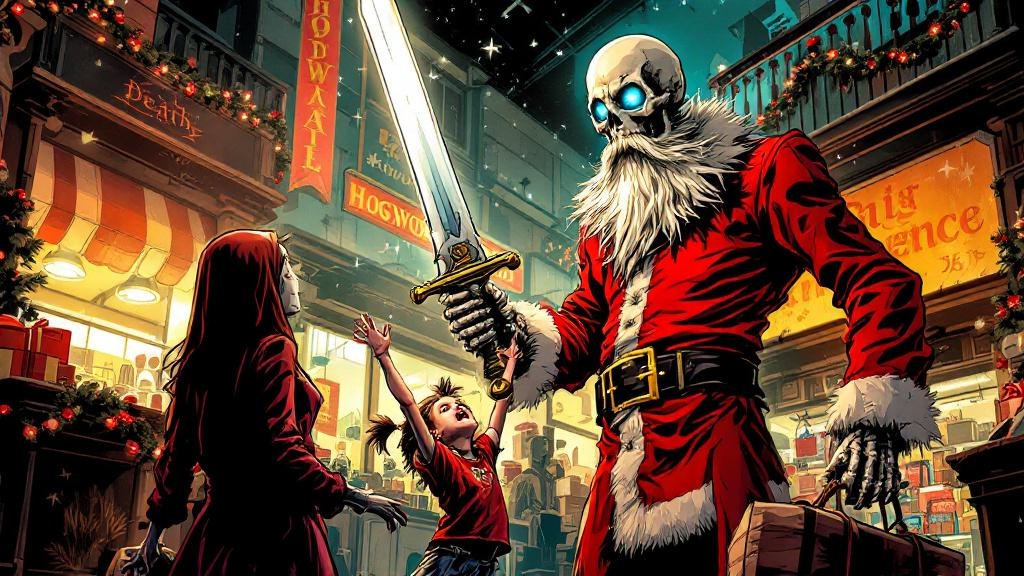
There's real philosophy buried in the comedy here. Death doesn't understand the social fiction that surrounds gift-giving—the part where adults give children appropriate gifts and everyone pretends the Hogfather made the choices. Death gives children what they actually want, not what adults think they should want. And he can't see why that's a problem.
He's too honest for the role. But his honesty reveals something uncomfortable about how the role usually works.
Albert: The Long-Suffering Coach
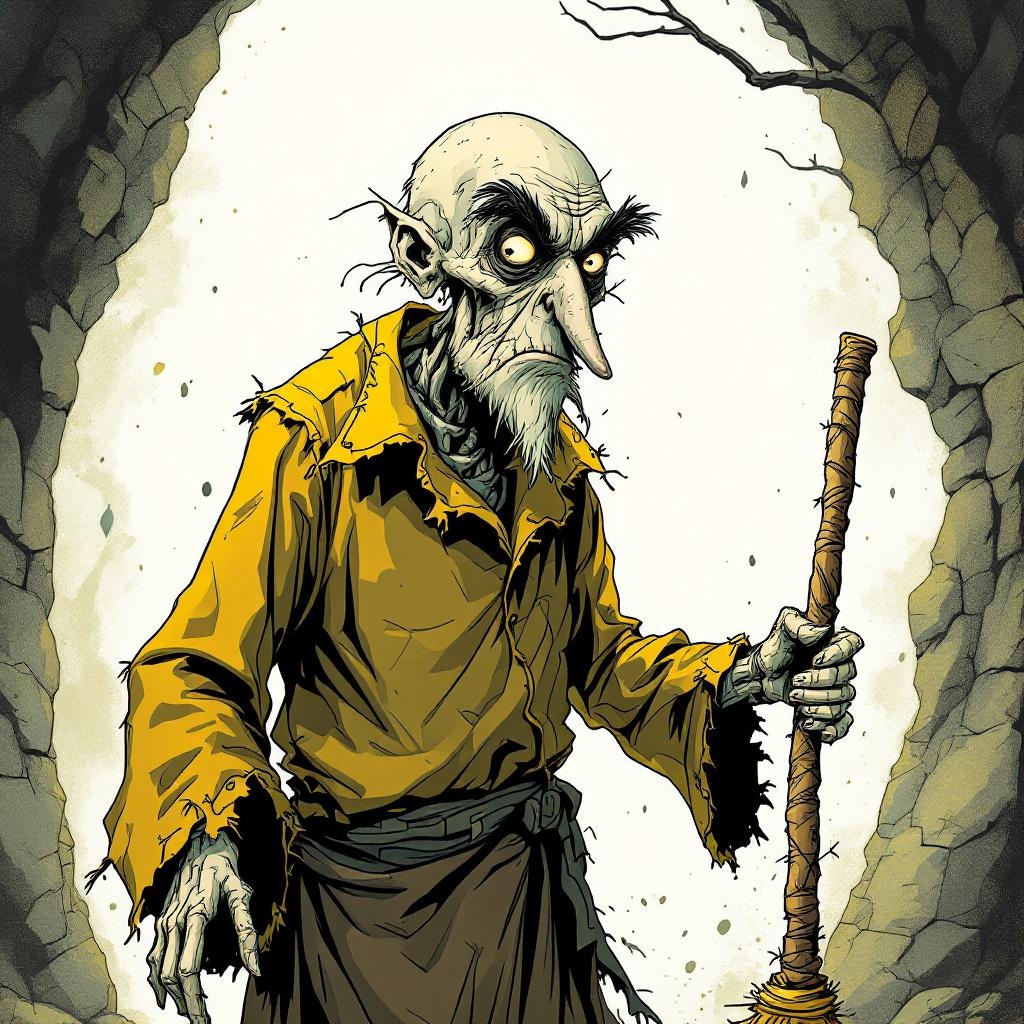
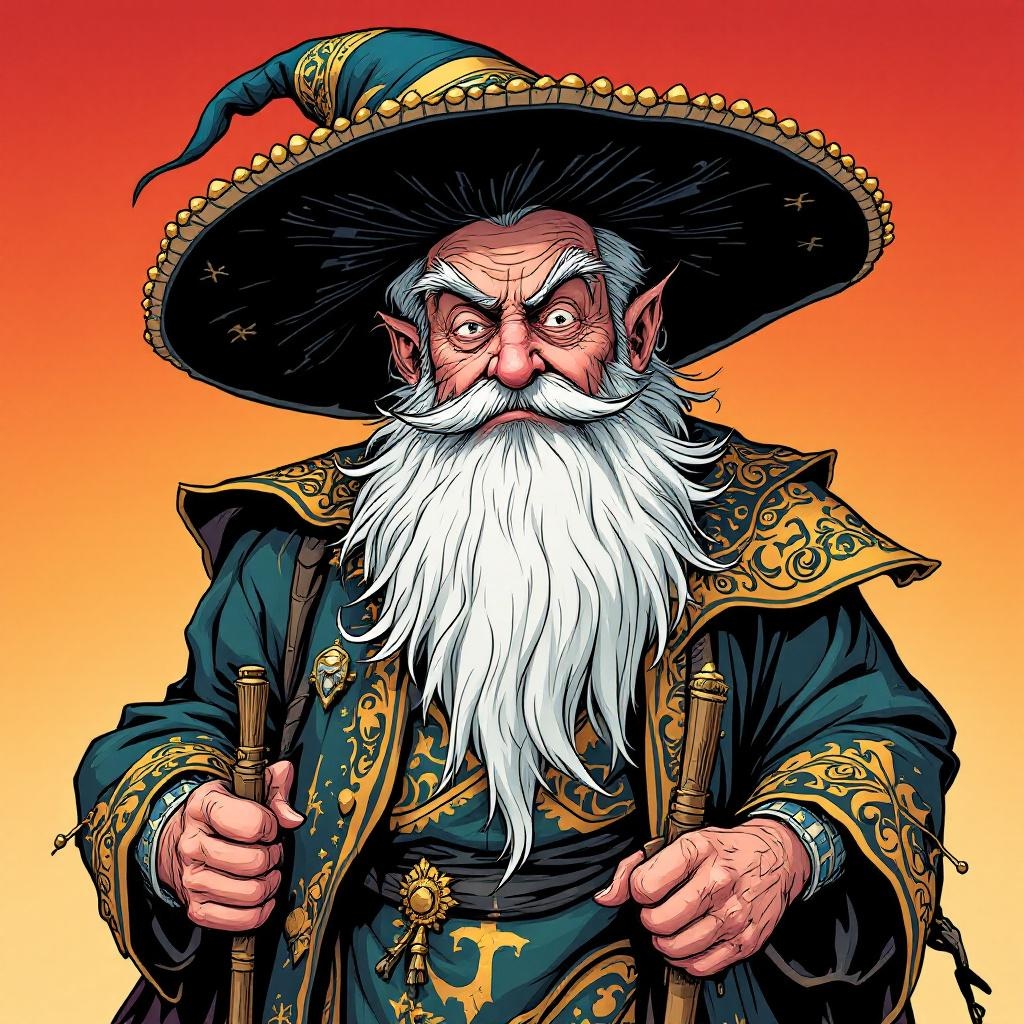
If Death is the worst Santa ever, Albert is the worst elf. Albert—formerly Alberto Malich, founder of Unseen University, one of history's most powerful wizards, now permanently employed as Death's manservant because he has only thirty-four seconds of real time left—spends the entire Hogswatch night trying to keep Death from traumatizing children.
"Just 'ho ho ho' will do," Albert tells him. "Don't say 'Cower, brief mortals' unless you want them to grow up to be moneylenders or some such."
Albert understands something Death doesn't: the performance matters more than the substance. The Hogfather doesn't need to be real. He needs to be believed in. And belief requires a certain amount of theater—the fake beard, the jolly laugh, the promises that might not be kept.
"You've got to sound like you're pissing brandy and you're crapping plum pudding, sir... if you'll pardon my Klatchian."— Albert
Death keeps getting it wrong because he keeps being himself. He gets stuck in a cast-iron stove after trying to come down a narrow chimney. He tells Albert, "THIS IS REALLY, REALLY STUPID." He makes a pun about going to "sleigh" them and then explains, painfully, that it was "A PUNE, OR PLAY ON WORDS."
The dynamic between Death and Albert in these scenes is pure gold. Albert is the cynical realist coaching the naive idealist, which is absurd when you consider that the "naive idealist" is a seven-foot skeleton who has ushered every soul in history to the afterlife. But that's the joke—and it's also the point.
Death has witnessed every death, every life, every moment of human experience. And he still doesn't understand how a department store works.
What Death Gets Right
Here's where the comedy turns into something else.
Death may be terrible at the theater of Hogswatch—the ho-ho-ho-ing, the fake jolliness, the polite promises. But he understands the purpose of the Hogfather better than anyone alive.
When children sit on his lap, Death asks them what they want. Not what their parents want for them. Not what's age-appropriate or sensible. What they want. And then he gives it to them.
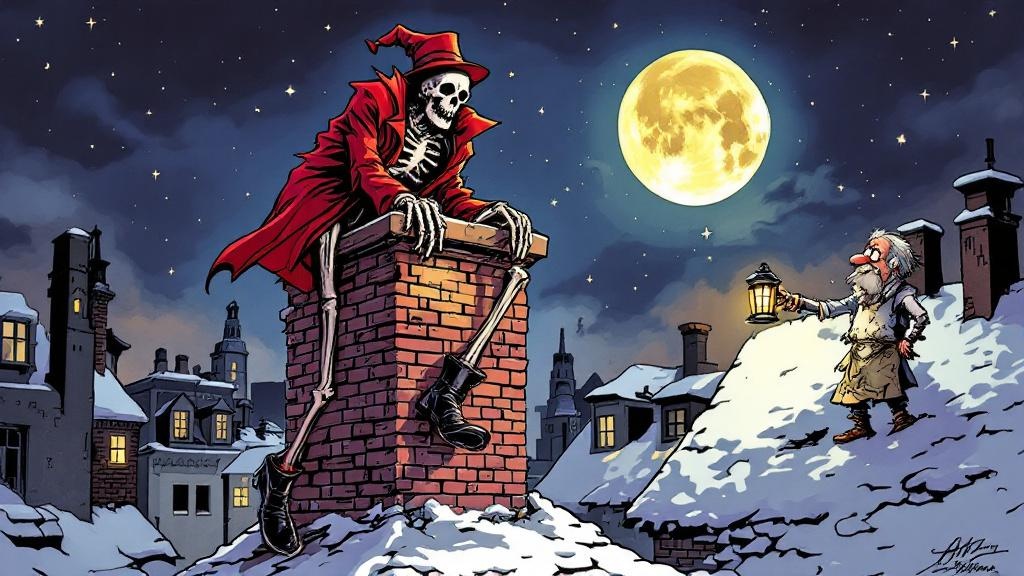
A child wants a real sword? Death can't see why that's wrong. A child wants a puppy? Here's a puppy. Death's gift-giving is chaotic, irresponsible, and occasionally dangerous—and it's also completely sincere.
This matters because sincerity is exactly what's at stake in Hogfather. The Auditors want to destroy the Hogfather because belief is messy, irrational, and untidy. They want a universe that runs on pure logic, without the inconvenience of creatures who believe in things that aren't real.
Death's sincerity—his inability to play the game of polite fiction—is actually a form of resistance against the Auditors' worldview. He can't pretend. He can't be fake-jolly. But he can be genuinely invested in what the Hogfather represents.
The Little Match Girl
The comedy stops entirely for one scene.
Death's sleigh comes across a little match girl dying in the snow on Hogswatch night. This is a direct reference to Hans Christian Andersen's fairy tale—the one where a poor child freezes to death on Christmas Eve and the reader is supposed to find it moving because she goes to heaven.
Albert protests. Little match girls dying in the snow is part of the Hogswatch spirit, he argues. People hear about it and feel better about their own situations. "We may be poor," they say, "but at least we're not that poor."
Death refuses to accept this.
THE HOGFATHER CAN. THE HOGFATHER GIVES PRESENTS. THERE'S NO BETTER PRESENT THAN A FUTURE.
He refills her hourglass. He gives her back her life. Albert reminds him that Death isn't allowed to do this. But Death isn't being Death right now. He's being the Hogfather. And the Hogfather gives presents.
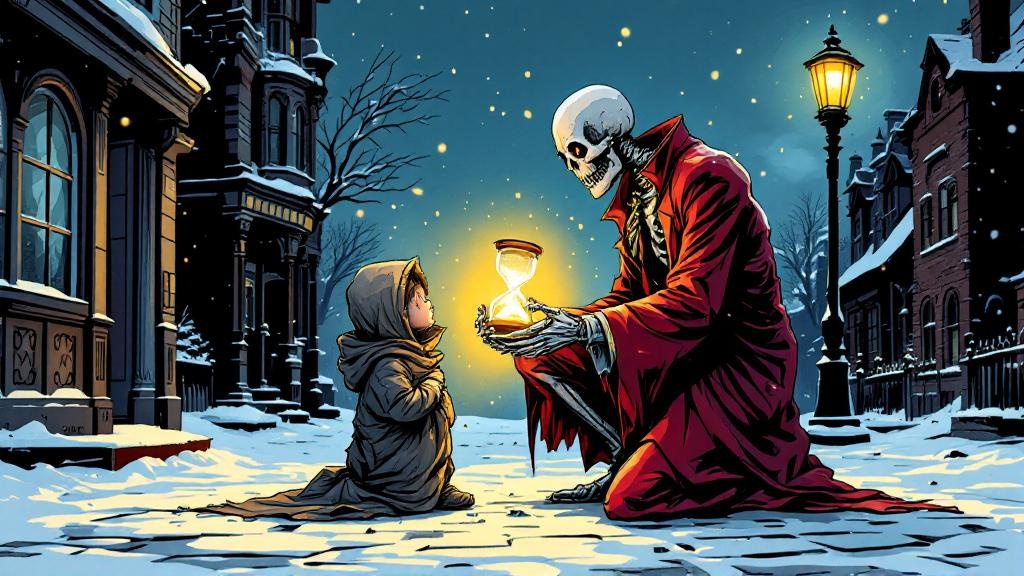
This scene is Pratchett at his angriest and most compassionate. The Little Match Girl story has always been a piece of emotional manipulation disguised as sentiment. Pratchett calls it what it is: a way for comfortable people to feel moved by suffering they could prevent. Death—a skeleton in a borrowed suit—has more genuine compassion than the entire tradition of Hogswatch stories about picturesque poverty.
And he does something about it. Not because it's his job. Because it's right.
The Contrast with Teatime
While Death stumbles through chimneys and hands out swords, Mr. Teatime is doing the opposite: systematically destroying the infrastructure of belief.
Teatime's plan is brilliant and horrifying. He doesn't try to kill the Hogfather directly—he attacks belief at its source. He breaks into the Tooth Fairy's castle and uses children's teeth (which contain sympathetic magical links to their owners) to control what children believe. No belief in the Hogfather means no Hogfather.
The contrast between Death and Teatime defines the book's moral argument. Teatime understands the mechanics of belief perfectly—he knows exactly which levers to pull. But he treats belief as a system to be exploited, not a human need to be protected.
Death barely understands the mechanics at all. He can't do a convincing "ho ho ho." He gives children real swords. He gets stuck in chimneys. But he understands why belief matters, which Teatime never will.
"The expression on their little faces I like... fear and awe... That is what I call belief."
It's the difference between someone who can explain exactly how a heart works and someone who actually has one.
What Death's Hogfather Reveals
Death's attempt to play the Hogfather reveals something that's been building across the entire Death series: he's not just an observer of humanity anymore. He's become a participant.
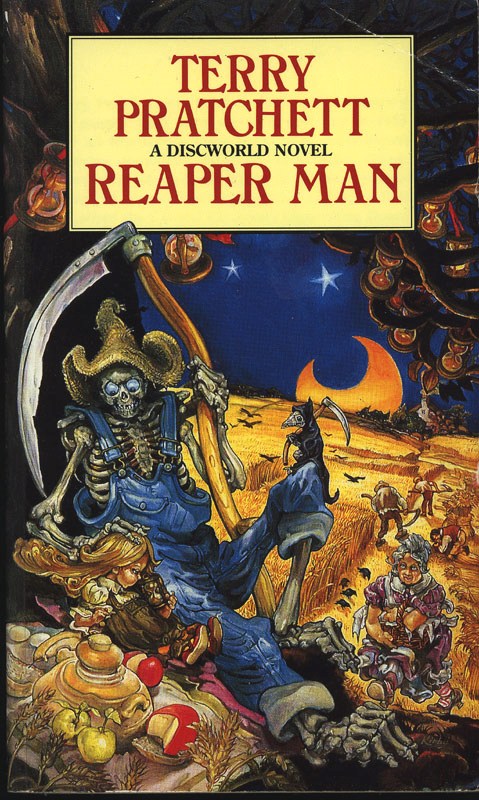
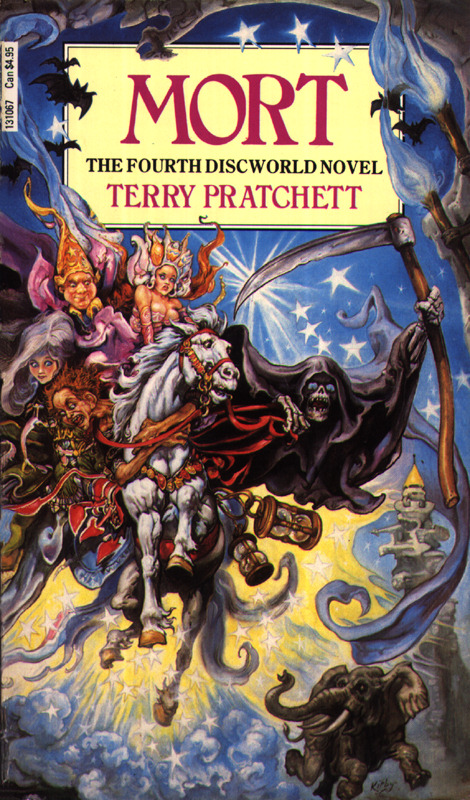
In Mort, Death hired an apprentice because he was lonely. In Reaper Man, he learned what mortality felt like from the inside. In Soul Music, he experienced grief. Each book peels back another layer of Death's carefully maintained distance from the humans he serves.
Hogfather takes this further than any previous book. Death doesn't just observe human customs—he performs them. Badly. Awkwardly. With a sincerity that makes everyone around him deeply uncomfortable. But he performs them because he understands, on a level deeper than Albert or Susan or anyone else, that these rituals matter.
The sun won't rise without belief. Not literally—this is Discworld, where belief shapes reality—but also metaphorically. Without the shared fictions that hold society together, without the little lies we practice so we can believe the big ones, the light goes out.
Death knows this because he exists because of belief. He is, himself, a story that humans told until it became true. And he's determined to keep the other stories going.
The Worst Performance, the Best Understanding
That's the beautiful paradox at the heart of Death's Hogfather adventure. He's terrible at the job in every way that can be measured. The laugh is wrong. The costume doesn't fit. He can't navigate chimneys. He gives a child a four-foot sword. He saves people he's not supposed to save.
But he understands the point of the job better than anyone who's ever done it—including, possibly, the real Hogfather himself.
The Hogfather gives presents because that's what the tradition requires. Death gives presents because he genuinely believes every child deserves to have their wishes taken seriously. The Hogfather says "ho ho ho" because it's expected. Death says it because Albert told him to, and even then it comes out wrong.
And yet Death's version—clumsy, sincere, occasionally terrifying—is more true to the spirit of Hogswatch than any polished performance could be. Because the spirit of Hogswatch isn't about getting the performance right. It's about caring enough to try.
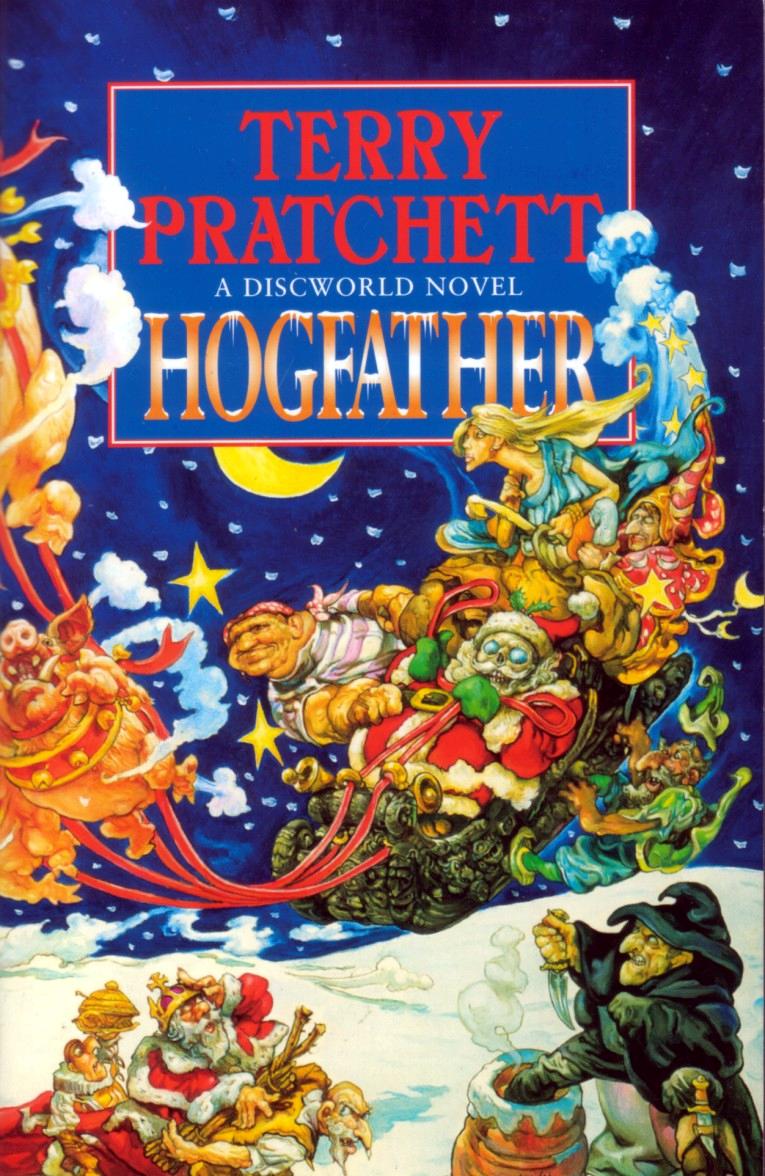

For more on what Death learned from this experience, read about the Hogfather speech itself—the philosophical conclusion Death reaches about why humans need fantasy. Or go back to where Death's journey began in Reaper Man, where he learned what it means to be mortal.