Albert: The Wizard Who Cheated Death (By Becoming His Servant)
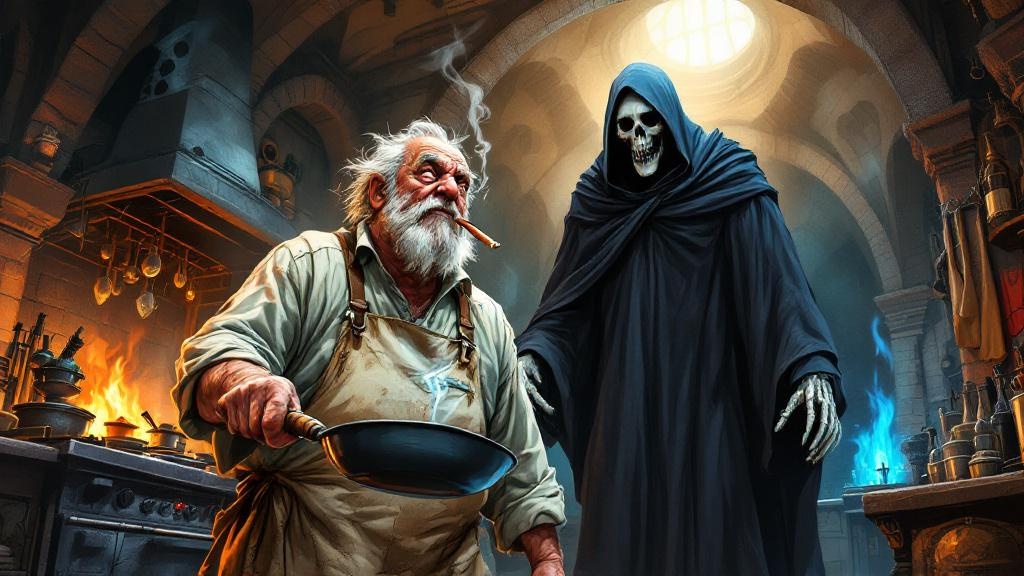
Alberto Malich founded Unseen University, performed the Rite of AshkEnte backwards, and ended up as Death's butler for two thousand years. Here's his story.
Albert: The Wizard Who Cheated Death (By Becoming His Servant)
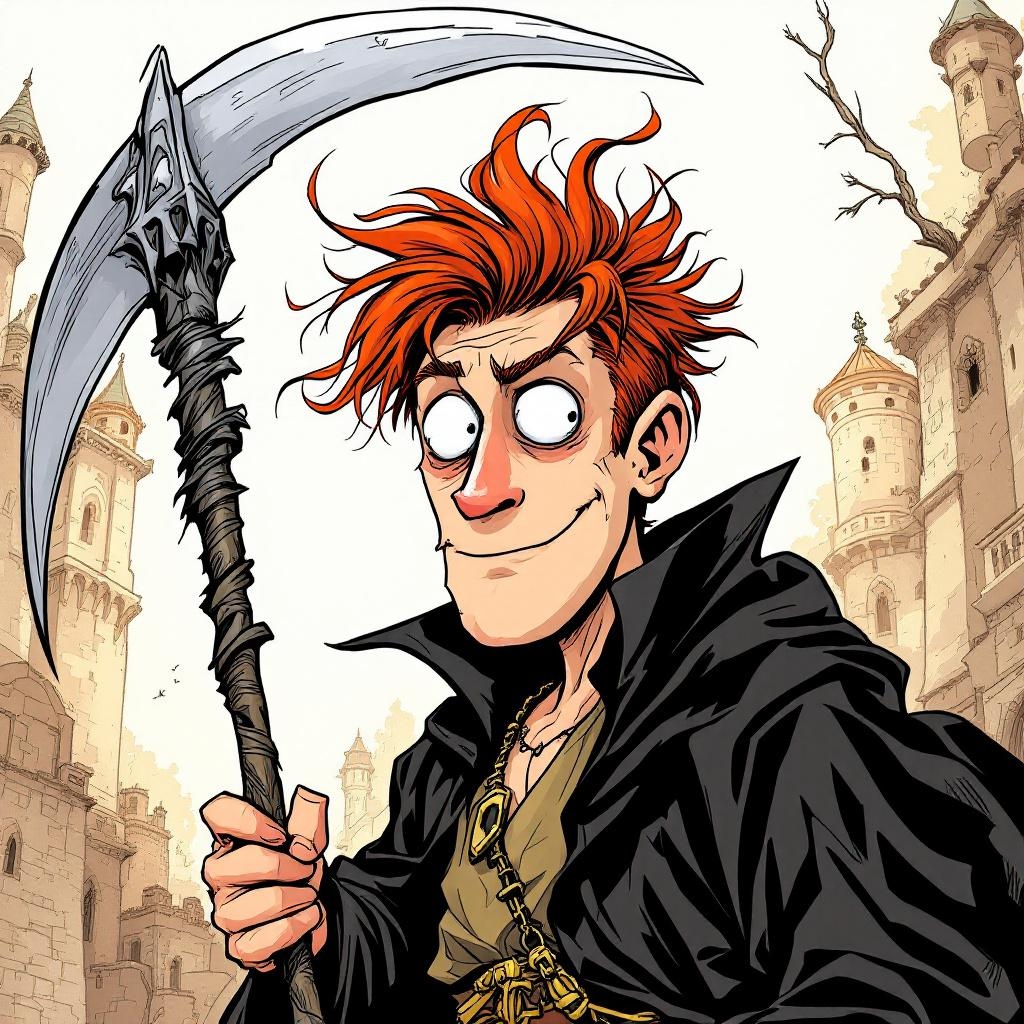
Most wizards who try to cheat death end up, at best, as cautionary tales in first-year magical theory textbooks. Alberto Malich the Wise—founder of Unseen University, one of the most powerful wizards in Discworld history—ended up as a skeleton's housekeeper.
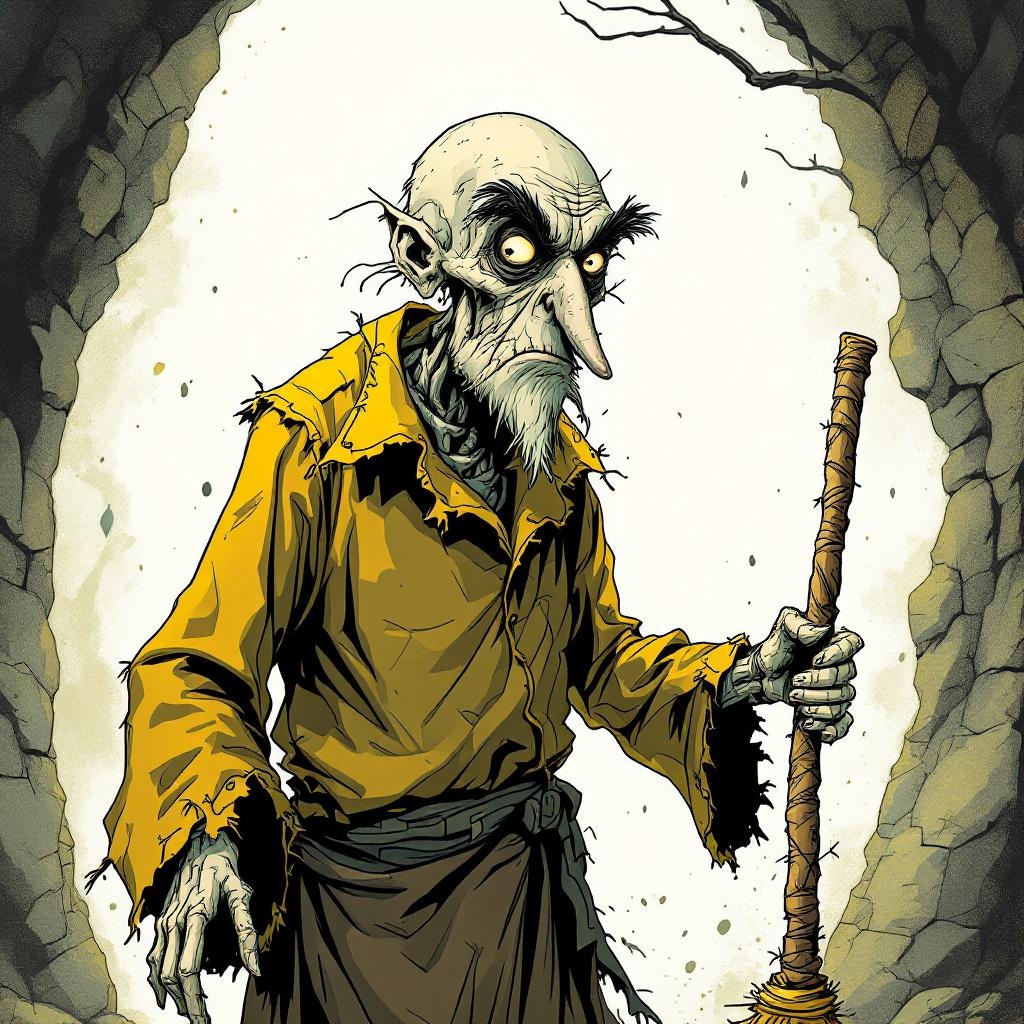
He's been frying eggs in Death's kitchen for two thousand years. He smokes filthy rollups, he's deeply cynical about everything, and he has approximately five seconds of mortal life remaining in a bottle by his bed. He chose this. And when you understand why, Albert becomes one of the most fascinating characters Terry Pratchett ever created.
The Most Powerful Wizard Who Ever Panicked
Before he was the crusty old man muttering about getting breakfast on in Death's Domain, Alberto Malich was a legend. He founded Unseen University in Ankh-Morpork—the premier institution of magical learning on the Disc. He was, by all accounts, "perhaps the most powerful a Wizard can be without becoming a Sourceror." A statue of him stood in UU's hallway with the inscription "We Shall Not See His Like Again."
That inscription turned out to be wrong. But we'll get to that.
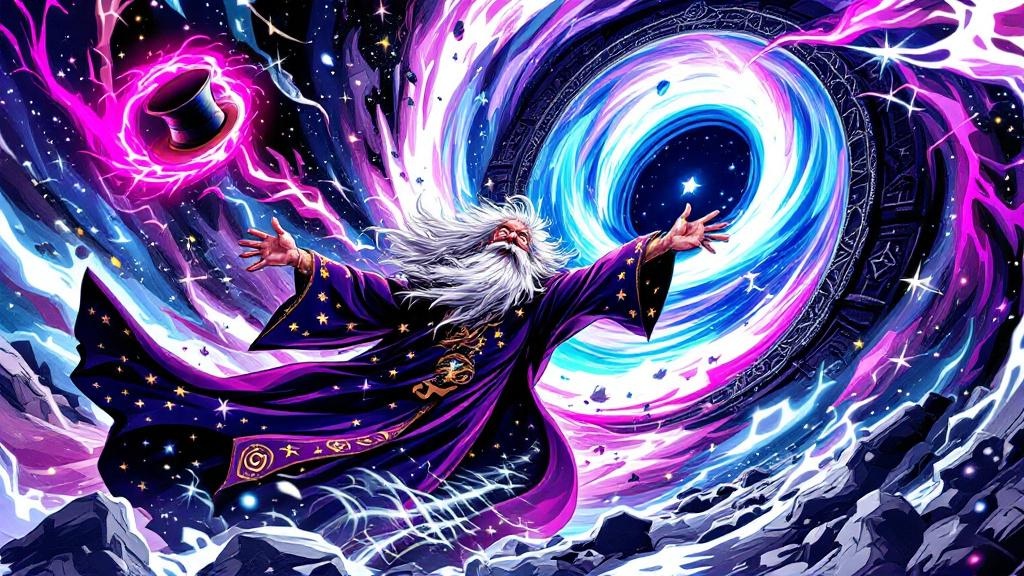
The story of how Alberto Malich became Albert is one of the great Discworld ironies. When he sensed Death coming for him, Malich devised what he considered a brilliant escape plan. The Rite of AshkEnte is the spell that summons Death—wizards use it all the time, usually to ask Death annoying questions at inconvenient moments. Malich's reasoning was simple: if performing the Rite forwards brings Death to you, then performing it backwards should push Death away.
"He'd not got to where he was without making extremely powerful enemies on the other side. He decided he was better off as an undying servant than a dead anything."
It's the kind of logic that sounds perfectly reasonable right up until the moment it goes catastrophically wrong. Instead of repelling Death, the reversed Rite propelled Alberto Malich directly to Death's front door. Not as a summoner. As a permanent houseguest.
Two thousand years later, Albert is still there. And here's the part that makes the character genuinely interesting: he's not a prisoner. He could leave. But he won't.
The Man Who's Afraid of What's Waiting
Albert's decision to stay with Death isn't about comfort, or habit, or even loyalty—though those play their parts over two millennia. It's about terror.
Alberto Malich didn't become one of the most powerful wizards in history by being gentle. He made enemies. Lots of them. And many of those enemies died before he did, which means they're already on the other side, waiting. Albert isn't afraid of death in the abstract. He's afraid of everyone he sent there first and how unhappy they'll be to see him.
This is such a perfectly Pratchettian motivation. Most fantasy gives us wizards who fear death because of some grand philosophical principle—the loss of knowledge, the end of consciousness, the extinguishing of a great light. Albert fears death because he was an absolute bastard to quite a lot of people and they're going to be cross.
It's petty. It's human. It's completely understandable. And it makes Albert's two-thousand-year career as Death's butler not an exile but a choice—the choice of a coward who's too clever by half, and who knows exactly what he's done.
The Thirty-Four Seconds Problem
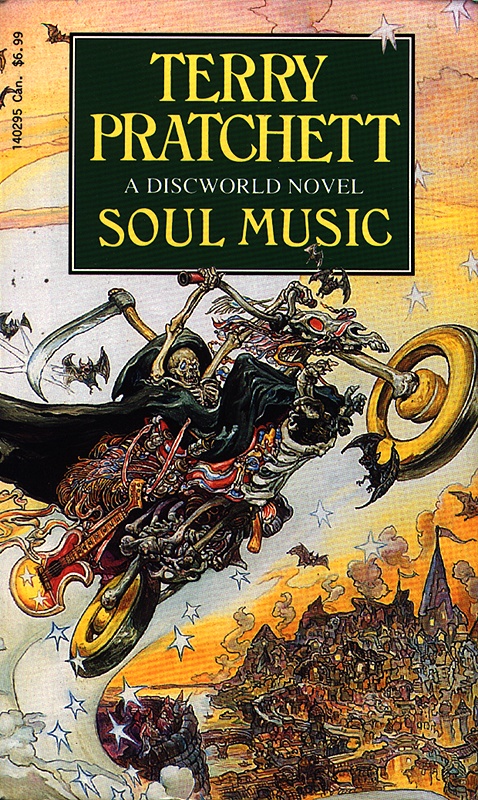
Albert's situation got considerably worse in Soul Music.
When Death went missing—overwhelmed by grief after the death of his adopted daughter Ysabell and her husband Mort—Albert ventured out onto the Disc to find him. This was risky. Albert's life-timer had been running down for two thousand years of occasional visits to the mortal world, leaving him with only a handful of real time remaining.
Then he was robbed. His life-timer—the hourglass that measures his remaining mortal life—was broken. After the incident, Albert was left with approximately five seconds of life on the Disc. Five seconds. That's not enough time to sneeze properly.
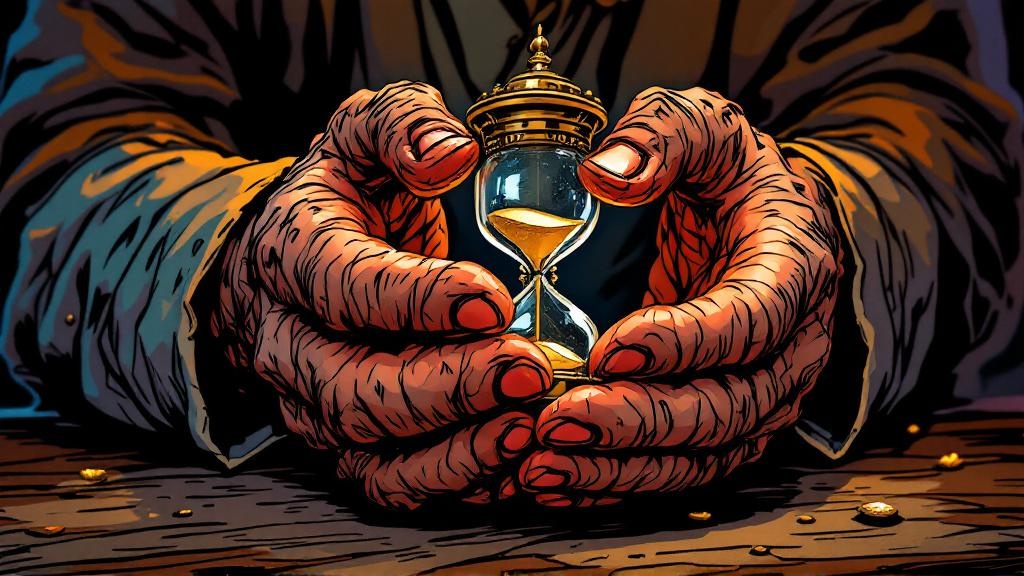
The sand sits in a bottle by Albert's bedside now. In Death's Domain, where time doesn't flow normally, those five seconds will last forever—or at least as long as Albert stays put. It's a twisted kind of immortality. The man who tried to cheat death through magical genius achieved it instead through bureaucratic loophole: live in the one place where your clock doesn't tick.
"Those five seconds, unless interrupted, will go on forever. In a twisted way, Alberto Malich finally got his immortality."
But it also means Albert can never go home again. Not really. A few seconds is enough to step through a door and step back, but not enough to live. The Disc—the streets of Ankh-Morpork, the halls of the university he built—is permanently off-limits. For a man who spent his mortal life accumulating power and influence, this is a special kind of irony.
Death's Butler, Cook, and Conscience
So what does a two-thousand-year-old former Archchancellor actually do all day in Death's Domain?
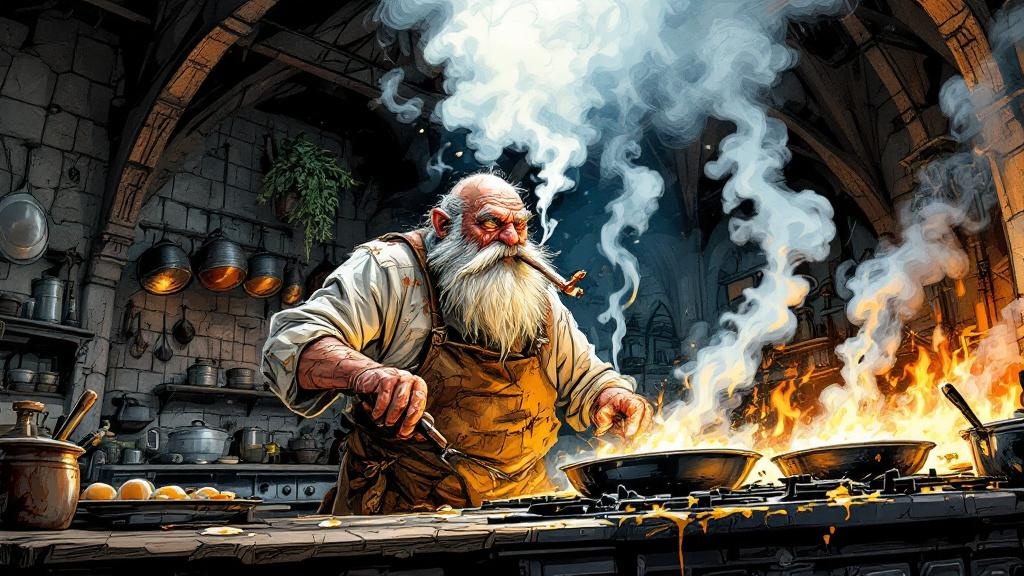
He fries things, mostly. Albert is Discworld's worst cook and he doesn't care. His culinary philosophy can be summarized as: everything needs to be fried to kill the germs. Everything. Porridge. Bread. Things that aren't normally considered food. His kitchen produces the kind of meals that make your arteries clang shut preemptively, and he serves them with the confidence of a man who has been doing this for longer than most civilizations have existed.
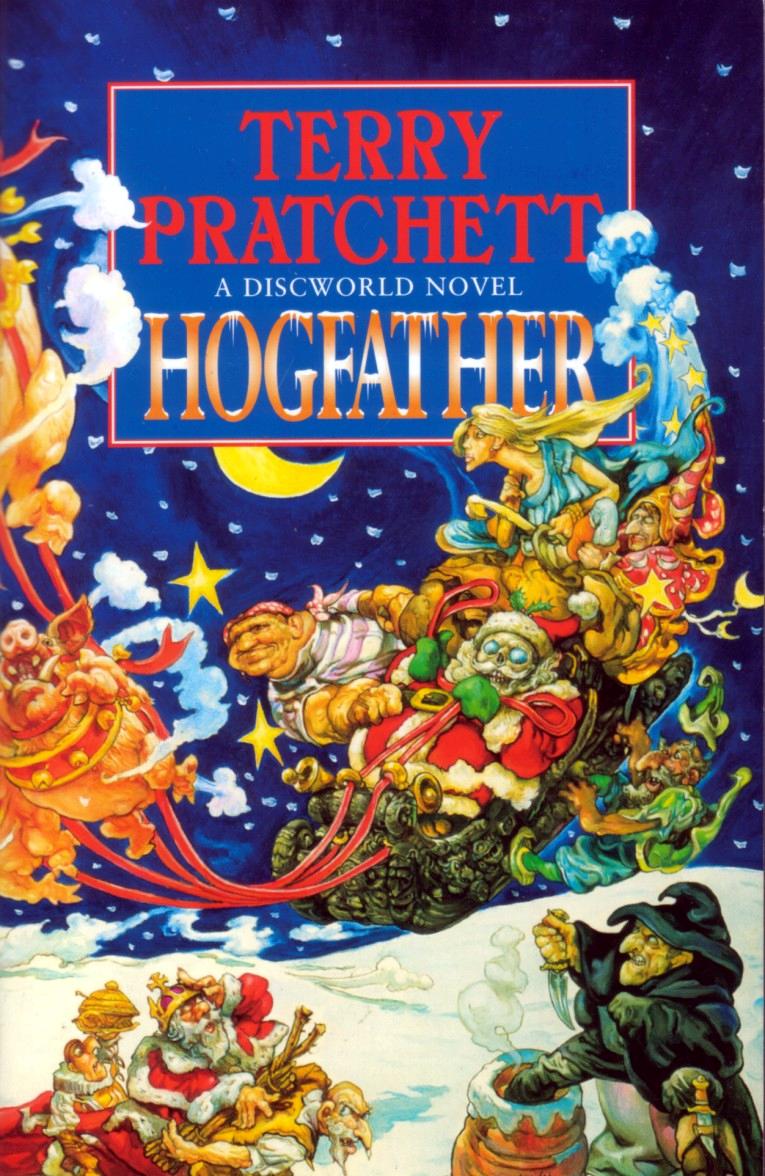
But Albert's role goes deeper than domestic service. He's Death's connection to practical human reality—the cynical, ground-level perspective that Death himself lacks. When Death decides to play the Hogfather in Hogfather, it's Albert who tries to coach him: "Just 'ho ho ho' will do, sir. Don't say 'Cower, brief mortals' unless you want them to grow up to be moneylenders." When Death begins to show too much compassion, Albert worries. When Death goes missing, Albert is the one who has to deal with the fallout.
Their relationship has endured for two millennia, and it's built on a foundation of mutual need that neither of them would ever acknowledge out loud. Death needs someone who understands humans in the messy, practical way he never will. Albert needs a place where his five seconds of life won't run out. They've settled into something that isn't quite friendship—it's too careful for that, too aware of the power imbalance—but it's more than servitude.
Albert doesn't fully trust Death. He keeps his life-timer close. He worries about Death's growing attachment to humanity. But he also knows Death better than anyone alive, and there's a grudging respect in that knowledge that two thousand years of frying eggs and smoking rollups has earned.
The Name That Tells You Everything
There's a Pratchett joke hiding in plain sight in Albert's name, and it's a good one.
"Alberto Malich" combines two references: Albertus Magnus, the 13th-century philosopher and theologian who was one of the great minds of the medieval world, and lich—the fantasy term for an undead creature that has achieved immortality through magical means.
Albert is literally Albert-the-Lich. A dead wizard walking. And like the liches of fantasy tradition, he achieved his immortality through magic—just not in the way he intended. Instead of binding his soul to a phylactery, he accidentally flung himself into Death's spare bedroom.
"He's not afraid of death in the abstract. He's afraid of everyone he sent there first."
The Albertus Magnus reference works on another level too. The historical Albertus Magnus was a teacher—the mentor of Thomas Aquinas, a man whose influence shaped Western thought for centuries. Alberto Malich was a founder and builder, the man who created the institution that would define magical education on the Disc. Both men's legacies outlived them by a wide margin. But where Albertus Magnus presumably faced whatever comes next with philosophical equanimity, Alberto Malich took one look at it and said: absolutely not.
Why Albert Matters
It would be easy to treat Albert as pure comic relief—the grumpy butler who fries everything and complains about the master's eccentricities. And he is funny. His attempts to coach Death through social situations are consistently hilarious. His cooking is a running joke that never gets old. His filthy rollups and crusty demeanor are perfectly drawn.
But Albert also serves a crucial narrative function in the Death books. He's the counterpoint to Death's growing humanity.
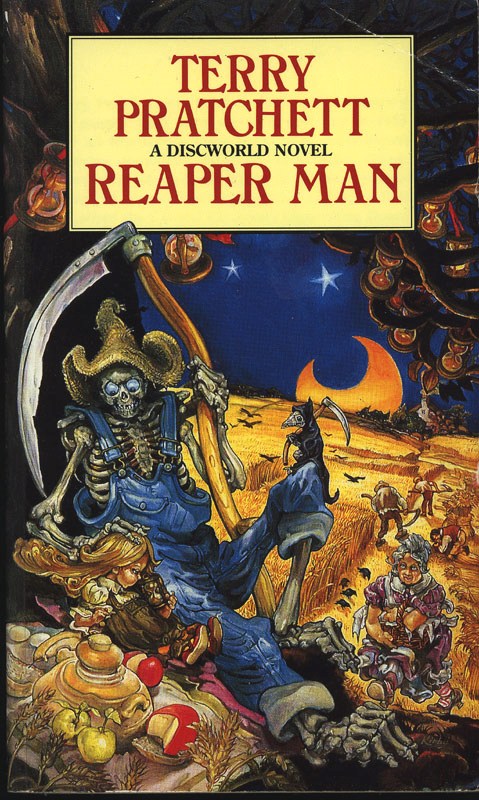
Death, across the series, keeps becoming more invested in human life. He hires an apprentice in Mort. He experiences mortality in Reaper Man. He grieves in Soul Music. He defends belief itself in Hogfather. Each book moves Death closer to the species he serves.
Albert pulls in the opposite direction. He's the voice that says: don't get involved. Don't care too much. Don't forget what you are. He does this not because he's heartless, but because he's seen what happens when cosmic entities start acting human. It gets messy. People get hurt. And Albert, fundamentally, is a man who has spent two thousand years avoiding mess.
He's what Death might have been without compassion—clever, practical, immortal, and completely disengaged from the species he lives among. Albert cares about exactly three things: his remaining five seconds of life, his frying pan, and making sure Death doesn't do anything too unpredictable.
And yet, when it matters, Albert shows up. In Hogfather, he dresses as a horrible elf and spends Hogswatch night running damage control. In Soul Music, he risks his remaining life to find Death. He complains the entire time. He makes it clear that none of this is his idea. But he does it.
That's the other side of Albert—the side that two thousand years of cynicism hasn't quite erased. He may be a coward. He may be running from his enemies. But somewhere underneath the rollups and the frying grease, there's still a man who founded a university because he believed knowledge mattered. He just really, really doesn't want anyone to notice.
The Perfect Supporting Character
Albert works because he's the answer to a question the Death books need to ask: what does it look like to live with Death, day in, day out, for centuries?
Not the dramatic version—not the philosophical confrontation with mortality, not the cosmic battles with Auditors. The domestic version. The version where someone has to cook breakfast, and sweep the floors, and remind the boss that "Cower, brief mortals" isn't an appropriate greeting for children.
Albert is that answer. He's the human element in an inhuman household, and he's proof that humans will adapt to absolutely anything if given enough time and a sufficiently large frying pan.
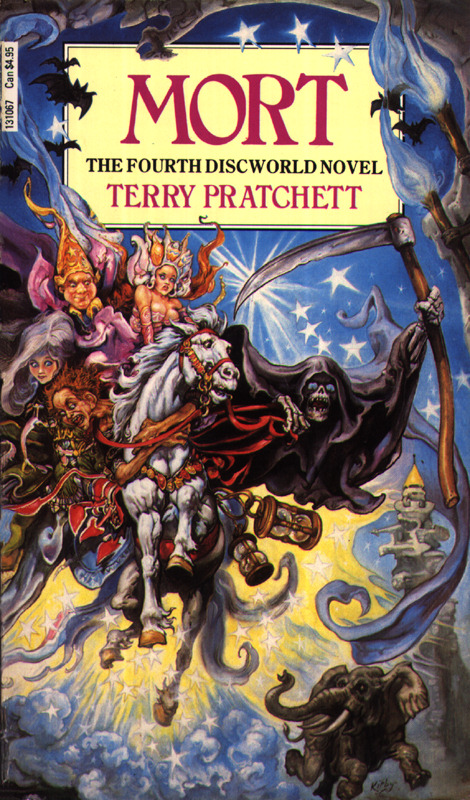

For more on the household Albert keeps running, read about Death's disastrous turn as the Hogfather—where Albert's long-suffering butler act reaches its peak. Or explore Death's grief in Soul Music, the crisis that nearly cost Albert his remaining seconds of life.