Cohen the Barbarian and the Silver Horde: Why Terry Pratchett's Greatest Parody Is Also His Most Heartfelt
What happens when barbarian heroes survive into old age? Cohen the Barbarian evolved from Conan parody to Discworld's most emotionally resonant ensemble.
Cohen the Barbarian and the Silver Horde: Why Terry Pratchett's Greatest Parody Is Also His Most Heartfelt
What happens when barbarian heroes don't die young?
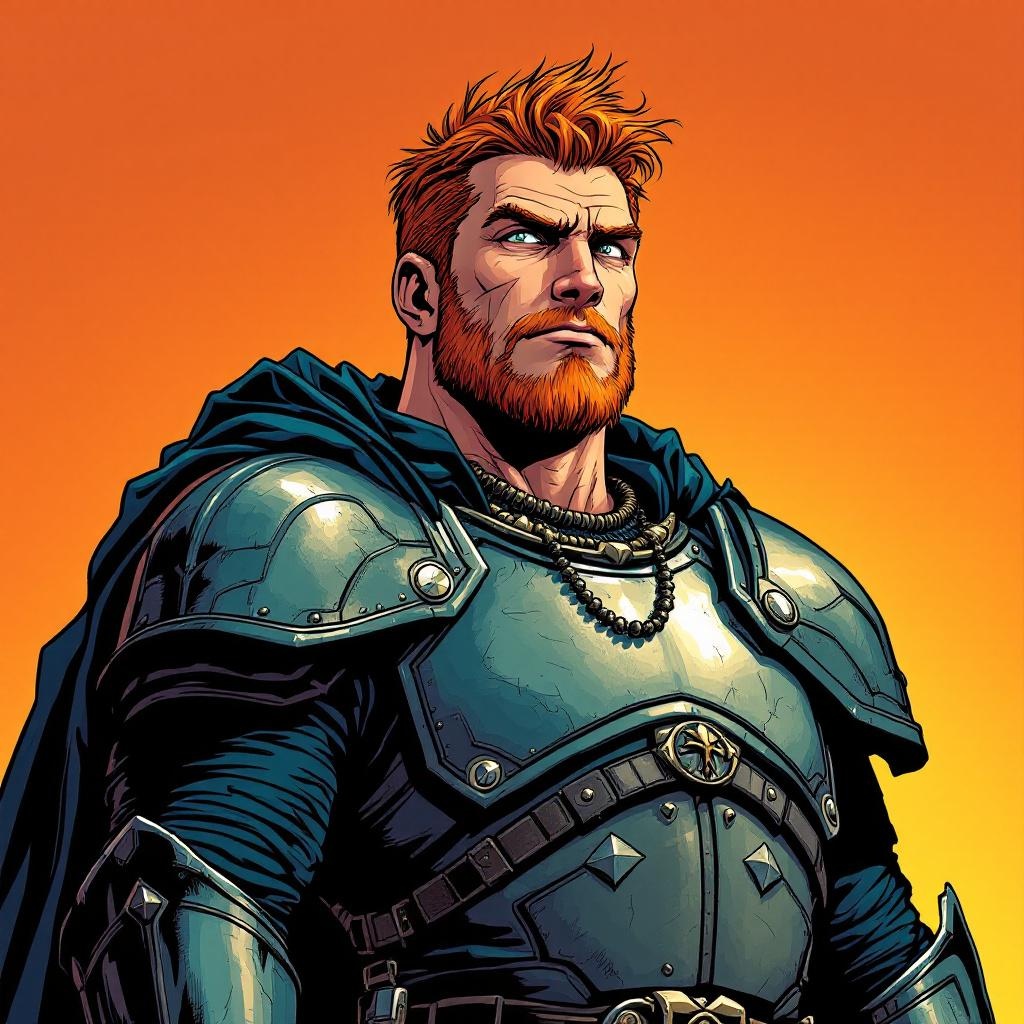
They get old. They lose their teeth. They suffer from back problems and joint pain and the indignity of needing to sit down more often. And somehow, impossibly, they become the most emotionally resonant characters Terry Pratchett ever created.
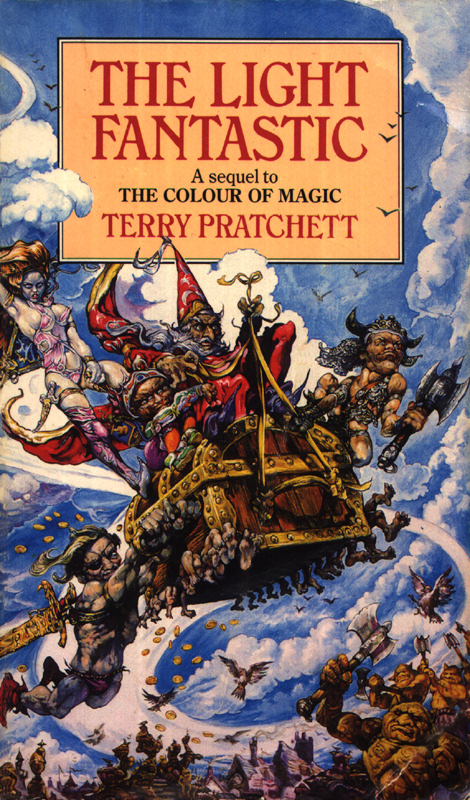
Cohen the Barbarian begins as a straightforward joke: What if Conan the Barbarian survived all those adventures and actually grew old? But across three books—The Light Fantastic, Interesting Times, and The Last Hero—Pratchett transforms that joke into something unexpected: a meditation on aging, obsolescence, friendship, and what makes life worth living when your purpose has passed.
The Birth of a Parody
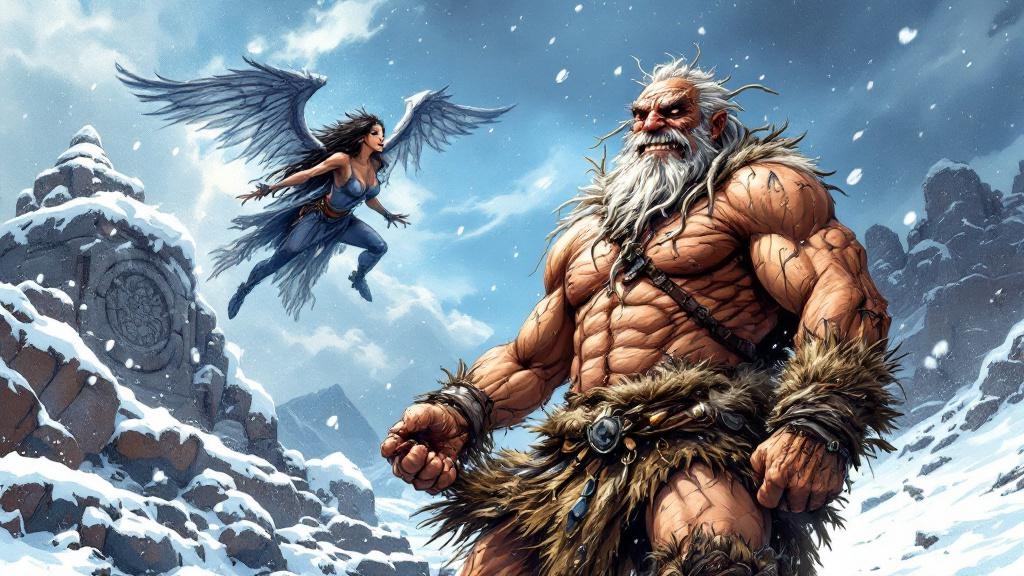
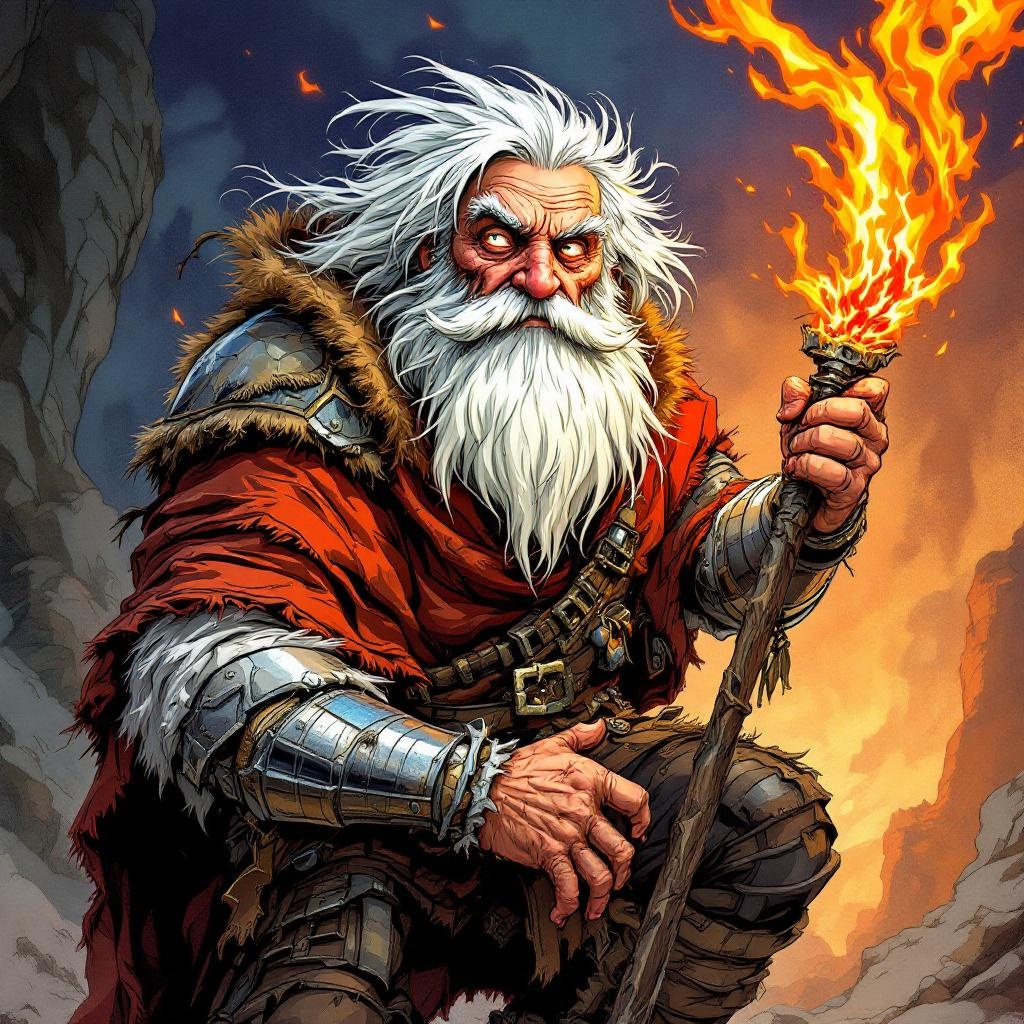
When Cohen first appears in The Light Fantastic, he's 87 years old and rescuing a young woman named Bethan from being sacrificed by druids. He's wearing nothing but a loincloth. In the snow.
"All the others are dead. I'm the best."
This is Pratchett's first stroke of genius with the character. Cohen isn't formidable despite his age—he's formidable because of it. As he puts it: "All the others are dead. I'm the best." In a profession where dying young is basically the job description, survival to old age is the ultimate proof of competence.
The joke extends to every aspect of the barbarian archetype. Where Conan might growl about what is best in life (crushing enemies, seeing them driven before you, etc.), Cohen has different priorities: "Hot water, good dentishtry and shoft lavatory paper."
It sounds like a punchline. And it is. But it's also something more profound: the wisdom of someone who's lived long enough to know what actually matters.
Diamond Dentures and Simple Wisdom
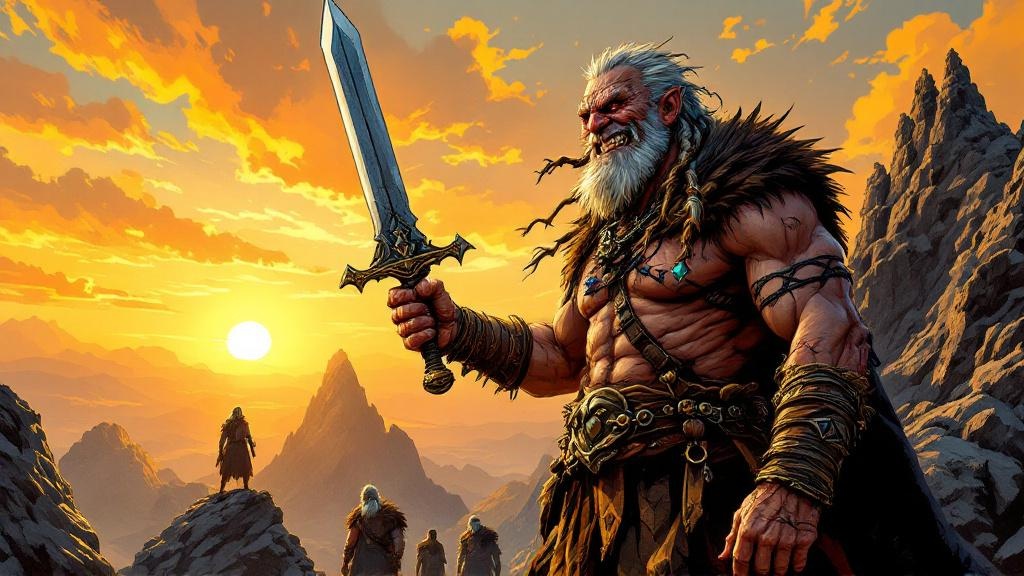
Cohen's missing teeth become his defining physical trait—the barbarian whose legendary career wore down even his molars. The solution is pure Cohen: after a troll named Old Grandad is turned to stone by sunrise, Cohen has a dwarf jeweler make dentures from the diamond teeth.
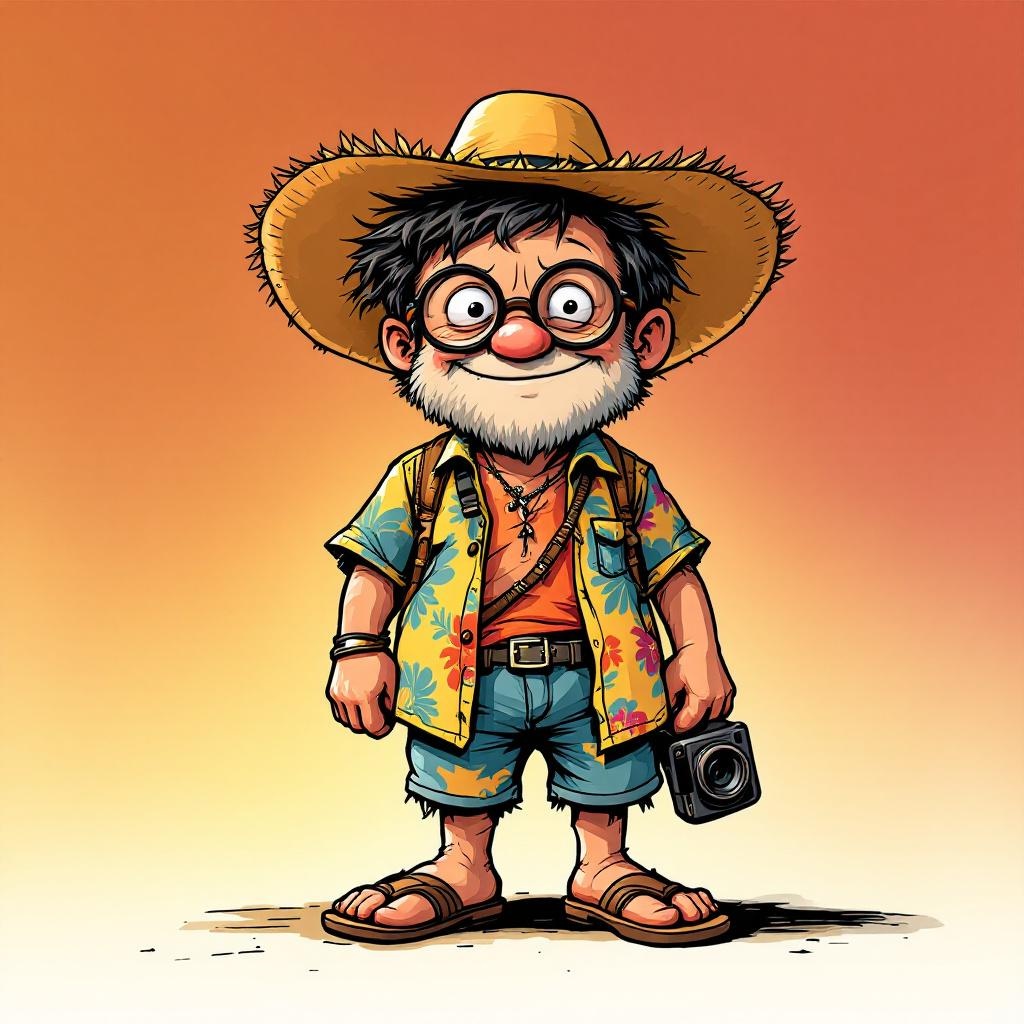
This comes from Twoflower's false teeth, which give Cohen the idea. "I've got a lot to thank Twoflower for," he admits. It's a small moment, but it captures something important: Cohen learns. He adapts. He takes ideas from wherever they come from—even from a tourist who can barely survive crossing the street.
But beneath the comedy, The Light Fantastic already hints at the deeper themes to come. Cohen doesn't romanticize his life. He doesn't pretend there's glory in the killing and the stealing and the endless wandering. He's honest about what he is: "I have shu-shisted on the three resshourshes of the barbarian hero—a shtrong arm, a shtout heart, and a powerful loin."
Notice what's missing? Any mention of purpose. Any sense that it all adds up to something. Cohen survives. Cohen wins. But what is he winning for?
From Lone Wolf to Emperor
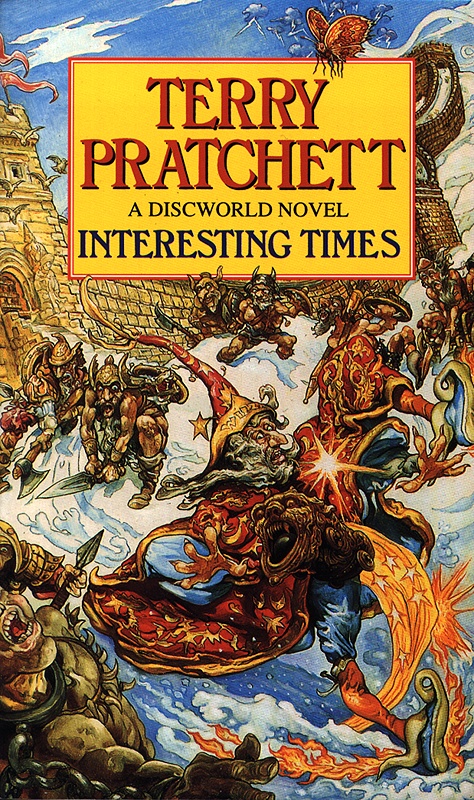
Fourteen years pass between The Light Fantastic and Interesting Times, and when Cohen returns, he's done something unexpected: he's made friends.
"Once they've been around him for a while, people start seeing the world the way he does. All big and simple."
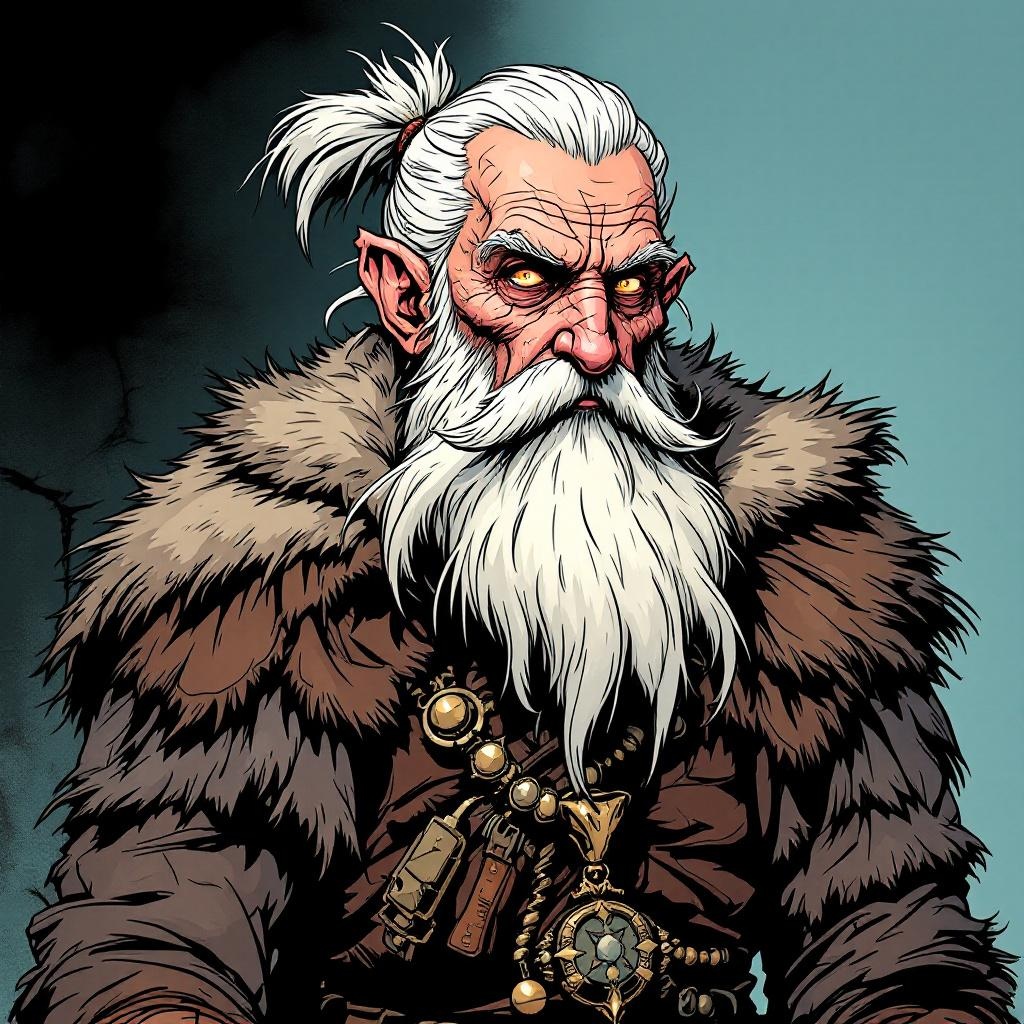
The Silver Horde is introduced as seven aging barbarians with names like Truckle the Uncivil, Boy Willie, Caleb the Ripper, Mad Hamish, and Old Vincent. They're each as old as Cohen and each as dangerous, united by the simple fact that they've all survived what should have killed them a hundred times over.
And they're planning to steal something. Not gold. Not jewels.
An entire empire.
The Agatean Empire is basically imperial China, complete with scheming Grand Viziers and a dying Emperor who "isn't simply at Death's door but well inside the hallway, admiring the carpet and commenting on the hatstand." The Silver Horde's plan is breathtakingly simple: walk in and take over.
They have help from an unlikely source: Mr. Saveloy, a.k.a. "Teach," a retired geography teacher who's joined the Horde because he wanted adventure in his life. Saveloy's role is to teach these barbarians enough civilization to conquer civilized people. The lessons don't go well.
Cohen's charisma is described by Rincewind, who observes: "Once they've been around him for a while, people start seeing the world the way he does. All big and simple." That's the secret of Cohen's leadership. He doesn't make things complicated. Hit people who need hitting. Take things that aren't nailed down. Keep your word.
The Horde wins. Seven elderly barbarians defeat an army of 700,000 through sheer audacity and a complete inability to know when they should lose.
And Cohen becomes Emperor.
The Boredom of Victory
Here's where Pratchett's parody becomes something else entirely.
Cohen hates being Emperor.
"I'm an emperor! Do you know how boring that is?" he complains in The Last Hero. He has everything Conan ever wanted—a throne, endless wealth, the defeat of all enemies. And it means nothing. Because the adventure is over. The challenge is gone. There's nothing left to prove.
This isn't played for laughs. Or rather, it is, but there's genuine melancholy underneath. Cohen has achieved the ultimate barbarian fantasy and discovered it's hollow.
Worse: his friends are dying.
Not gloriously in battle, but from old age. From choking on food. Old Vincent dies choking on a cucumber—"Very important difference in a salad situation," as Cohen observes with dark humor—and it becomes the catalyst for everything that follows.
Because Old Vincent's death isn't just undignified. It's meaningless. And for men who've lived by the sword, a meaningless death is the worst fate imaginable.
The Last Quest: Returning Fire to the Gods
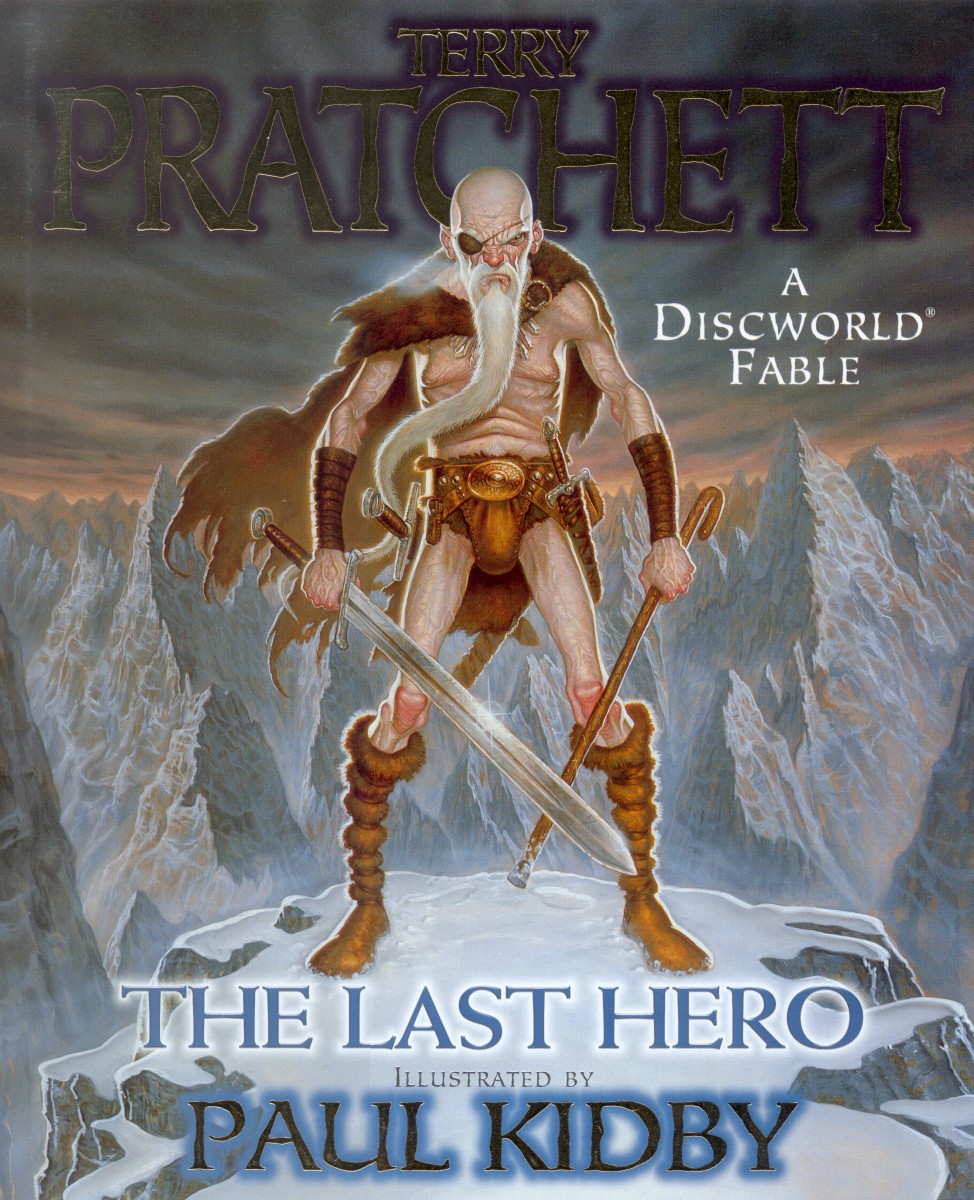
The Last Hero is a different kind of Discworld book—an illustrated graphic novel with Paul Kidby's artwork on every page. It's also Cohen's finest hour.
The premise is simple: the first hero, "Fingers" Mazda (a reference to Prometheus), stole fire from the gods and was punished for it eternally. Cohen decides to return fire to the gods "with interest"—meaning he's going to blow up the mountain of the gods with Agatean Thunder Clay.
"It killed Old Vincent the Ripper. He choked to death on a cucumber. Very important difference in a salad situation."
The plan would destroy the Disc. Cohen doesn't care. The gods gave them life and then let them get old and weak and pathetic. The gods let his friends die choking on vegetables. This is revenge—the last, greatest raid by the last, greatest heroes.
They bring a bard. Not to fight, but to record the legend. Because Cohen understands something profound: "No one is actually dead until the ripples they cause in the world die away." The Horde wants to die, but they want to die meaningfully. They want to be remembered.
And this is where the parody becomes heartfelt.
Why Old Men Cry
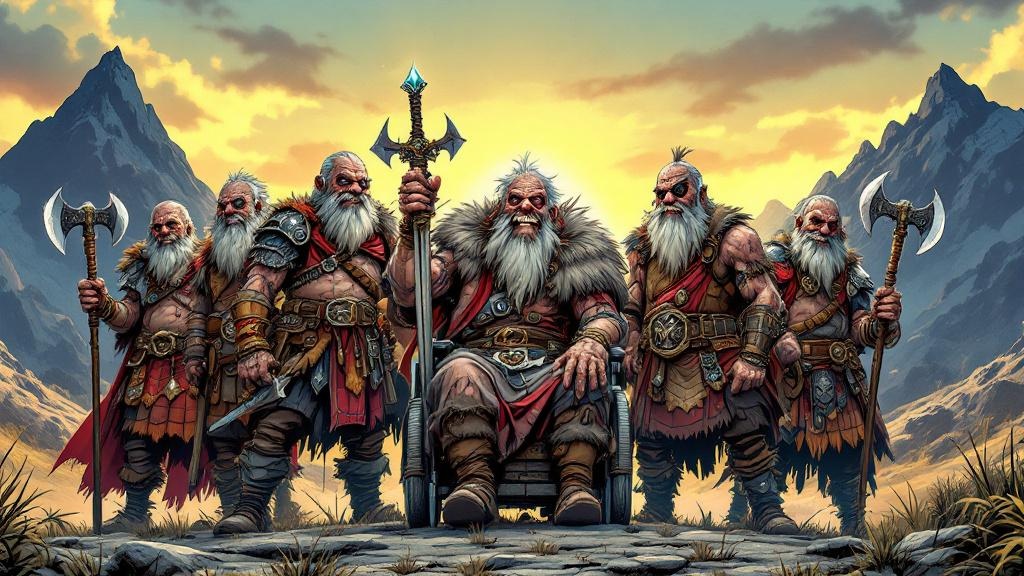
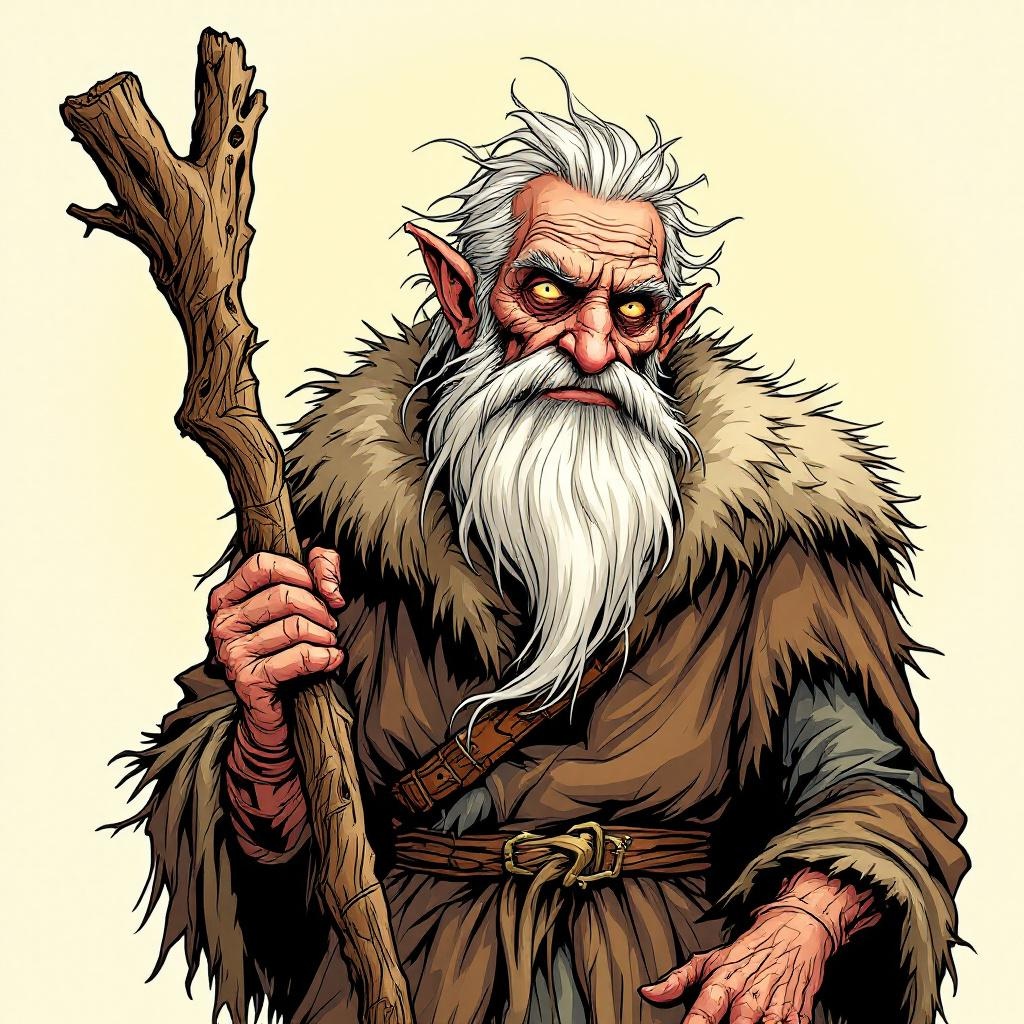
Pratchett fills The Last Hero with moments that catch you off guard. There's Boy Willie confusing "cucumber" and "concubine." There's Mad Hamish, confined to a wheelchair that stores his arsenal of ancient, notched blades. There's Truckle the Uncivil, whose rudeness is legendary even among barbarians.
But there's also Cohen, asked if he ever regrets not having children:
"But they had fine strong mothers and I hope like hell they're all living for themselves, not for me."
That's not a joke. That's wisdom hard-won by someone who spent his whole life being selfish and finally understands that selfishness can be a gift—letting your children live their own lives rather than living in your shadow.
The Silver Horde aren't just aging barbarians. They're old men facing mortality, trying to find meaning in the time they have left, and choosing to spend that time together—with the only other people in the world who understand what their lives meant.
Cheating Fate with a Sword
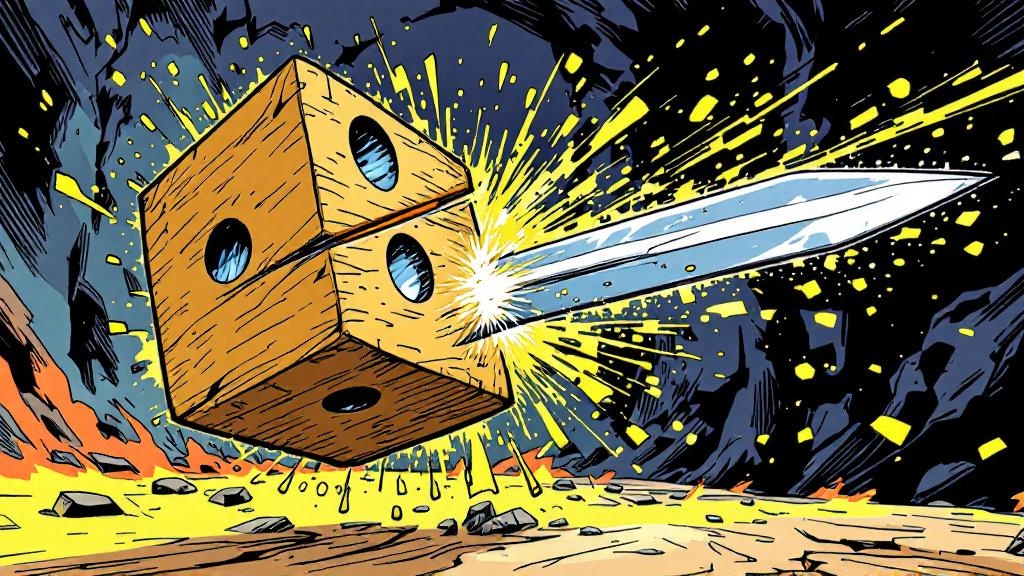
The climax of The Last Hero contains one of Discworld's most celebrated moments. Fate himself blocks the Silver Horde's path and challenges Cohen to roll a seven on a standard six-sided die. An impossible demand.
Cohen draws his sword faster than thought, slices the die in half while it's falling, and both halves land face-up: six and one.
Seven.
"If you do cheat Fate, I do not believe it says anywhere that Fate's subsequent opinion matters."
The Lady—goddess of luck—tries to claim credit. The Horde tells her where to go. They refuse to be grateful to anyone who "plays dice with the lives of men."
This scene crystallizes everything Cohen represents. He doesn't accept the rules. He never has. A die only has six sides because nobody bothered to split it in half. The impossible is only impossible until someone refuses to believe it.
It's cheating, technically. But it's also refusing to surrender to the narrative that says old heroes should die quietly.
The Ending They Chose
The Horde doesn't die on Cori Celesti. Leonard of Quirm, Captain Carrot, and Rincewind intervene just in time. The bomb is defused—sort of—and the gods survive to plague the Disc another day.
But the Horde's fate is ambiguous in the best way.
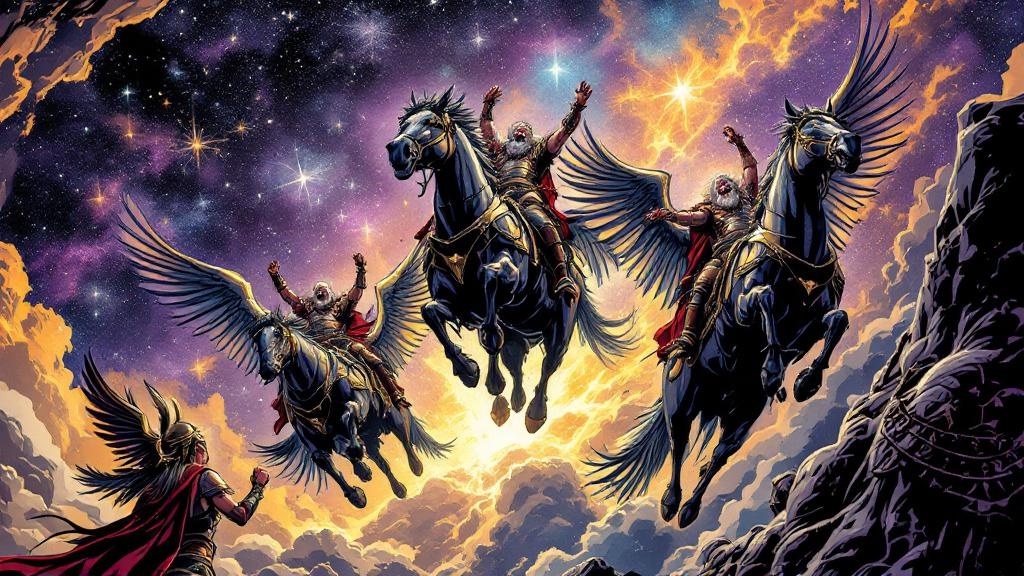
Valkyries arrive to take the heroes to the Halls of the Slain, where an eternal feast awaits. The Silver Horde's response? They steal the valkyries' horses and ride off into the sunset—or possibly into other dimensions—to "find other worlds to do heroic stuff in."
Cohen refuses to end. His story refuses to end. The last hero isn't the last anything; he's just moving on to the next adventure.
And there's something beautiful about that. These old men, who by every law of narrative should be dead a dozen times over, choosing to keep going. Not because they're afraid of death—they've never feared death—but because they're not finished living yet.
What Cohen Teaches Us
Cohen the Barbarian starts as a Conan parody and ends as something like a philosopher of survival.
His lessons are simple:
Survival is success. In a profession defined by glorious death, the greatest hero is the one who doesn't die.
Comfort matters. Hot water, good dentistry, and soft toilet paper aren't shallow concerns. They're what you appreciate after decades of suffering without them.
Find your people. Cohen spent most of his life alone. He found real joy only when he found the Silver Horde—other old men who understood him.
Refuse the rules. Fate's die only has six sides if you play Fate's game. Bring a sword.
Choose your ending. When the Valkyries come to write "The End," steal their horses and keep going.
Why This Parody Has Heart
Pratchett's genius with Cohen is that he never stops the comedy to make the emotional points. The jokes and the pathos are the same thing. "Very important difference in a salad situation" is genuinely funny and genuinely sad—a man making light of his friend's meaningless death because what else can he do?
The Silver Horde works because old age is universal. Every reader, eventually, will face what Cohen faces: the sense that your best years are behind you, that the world no longer needs what you offer, that dying well might be the last meaningful act left.
And Pratchett offers a response: Keep going anyway. Find people who understand you. Refuse to accept that your story is over. If the gods themselves try to end you, steal their horses.
Cohen started as a joke about Conan getting old. He ended as one of fantasy's most moving portraits of friendship, purpose, and the refusal to go gentle into that good night.
Ready to meet Cohen? Start with The Light Fantastic for his introduction, then follow his arc through Interesting Times to the magnificent conclusion in The Last Hero. It's a journey from parody to philosophy—and worth every page.